

Last August, IKEA Philippines engaged with Better World Smokey Mountain, a newly opened community center operated by the San Miguel Foundation, which shares a similar goal of improving the lives of many Filipino people. Through this partnership, IKEA Philippines provided and assembled home furnishings for the classrooms and library of Better World Smokey Mountain community… Continue reading Help Create a Better World with IKEA Soft Toys

NutriAsia, the country’s top producer of condiments and sauces, continues its support of Refill Revolution; a project by the Department of Environment and Natural Resources EMB 3 that aims to help reduce Filipinos’ single-use plastics consumption. At Refill Revolution, residents get to recycle their single-use plastic bottles by reusing and filling it with their choice… Continue reading NutriAsia and DENR renews partnership for Refill Revolution

Gentle sleep training methods for six-month-olds
At six months, many babies are ready for a more predictable sleep rhythm, but they still vary widely in temperament, feeding needs and ability to settle. Gentle sleep training is less about making a baby sleep through the night and more about offering calm, consistent support as they learn how to fall asleep.
Some babies manage a long first stretch overnight, while others wake for milk, comfort or help returning to sleep. Developmental changes, teething, rolling, illness and new awareness of separation can all affect rest. A kind approach leaves room for these needs rather than treating every wake-up as a problem.
For Australian families, daily routines may also shift with daylight saving in Sydney, Melbourne, Canberra, Hobart and Adelaide, while hot nights in Brisbane, Darwin or Perth can make settling harder. The most useful plan is flexible, safe and realistic for your household.
What sleep training means at six months
Sleep training can include any gentle process that helps a baby practise settling with gradually reduced assistance. It may involve cuddling, patting, shushing, feeding before bed or briefly waiting to see whether a baby can resettle. There is no single correct technique, and responsive sleep support does not require leaving a distressed baby alone.
At this age, many babies have a developing circadian rhythm and can learn associations between familiar bedtime cues and sleep. They may still need one or more overnight feeds, particularly if they are breastfed, smaller in size or experiencing a growth spurt. Sleep training should never be used to restrict medically necessary feeding.
A useful aim is to make bedtime calmer and more predictable. Progress might look like settling in ten minutes rather than forty, accepting the cot after a cuddle, or returning to sleep with a pat instead of a full feed.
Check readiness and rule out discomfort
Before changing sleep habits, consider whether your baby is well and developmentally ready. A six-month-old who can roll, bring hands to the mouth and show tired signs may be ready to practise settling. A baby who is unwell, unusually unsettled or struggling with feeding needs comfort and medical advice before a new routine.
Check common sources of discomfort, including a wet nappy, hunger, reflux symptoms, eczema, a blocked nose, overheating and an unsuitable sleep layer. Australian parents can use Red Nose guidance for safe sleep recommendations, including placing babies on their backs, keeping the cot clear and using a firm, flat mattress that meets Australian safety requirements.
Contact your GP or child and family health nurse if snoring is persistent, breathing seems difficult, reflux is severe, weight gain is a concern or sleep disruption is sudden and extreme. If you are unsure whether night feeds are still needed, ask your maternal and child health service rather than removing them abruptly.
Build a calming evening rhythm
A short routine helps your baby recognise that sleep is approaching. It might include a feed, fresh nappy, sleep bag, dim lights, a quiet song and a cuddle before being placed in the cot. Keep the order similar each evening, even if the clock time changes slightly.
Watch wake windows and tired signs rather than following a rigid schedule. Yawning, staring into space, rubbing the eyes, turning away or becoming fussy can signal that sleep is close. Waiting until a baby is overtired often leads to crying and makes settling more difficult.
Screens and lively play can be replaced with quiet floor time, books or gentle interaction. Simple sensory play ideas can be useful earlier in the day, while the final part of the evening should become slower and less stimulating.
Room conditions matter as well. Dress your baby according to the temperature, use a well-fitting sleep sack if appropriate and avoid loose blankets, pillows and toys in the cot. In warmer Australian homes, ventilation and a comfortable room temperature may be more helpful than adding layers.
Use responsive settling methods
Responsive settling involves staying emotionally available while giving your baby opportunities to practise. You might place them in the cot calm but awake, then use a voice, gentle pat or brief cuddle. If crying escalates, pick them up until calm and try again. This can take time, especially during the first few nights.
Another option is gradual withdrawal, sometimes called the chair method. Sit beside the cot and offer reassurance without immediately lifting your baby. Over several nights, move the chair further away. This suits some families because the parent remains present, although it can be tiring if the baby becomes more frustrated by seeing you without being picked up.
Gentle settling choices
- Pat, shush or speak softly while your baby remains in the cot
- Pick up for comfort, then replace when calm
- Sit nearby and reduce your help gradually
- Pause briefly before responding to mild grizzling
There is no need to select a method because it is popular online. Choose the approach that you can repeat calmly and that fits your baby’s temperament. A method that creates prolonged distress for your family may need adjusting.
Manage night wakes and feeds
Night waking is normal at six months. Before responding, pause for a moment if the sound is mild grizzling rather than a clear cry. Babies can be noisy sleepers and may return to sleep without help. If your baby is genuinely upset, respond promptly and calmly.
Keep overnight interactions boring and predictable. Use low lighting, speak quietly, avoid play and return your baby to the cot after feeding or comforting. If your baby feeds at every wake and you would like to reduce one feed, discuss the plan with a health professional, particularly if breastfeeding or weight gain is still being established.
Early waking can be influenced by daylight, temperature, hunger or an unsuitable bedtime. Thick curtains may help in summer, especially in homes affected by early sunrise. Families in Melbourne or Sydney may also need to adjust routines when daylight saving changes the morning light.
If your baby wakes before the household is ready to start the day, treat it as a night wake for a while. A consistent response helps separate morning from brief overnight interruptions, but flexibility is sensible during illness, travel or developmental changes.
Keep the plan gentle and consistent
Consistency does not mean responding exactly the same way every night. It means keeping the main cues familiar: a similar bedtime sequence, a safe sleep space and a predictable style of reassurance. One difficult night does not undo progress, and a disrupted week does not mean the method has failed.
Share the plan with anyone who settles your baby, including a partner, grandparent or occasional babysitter. In Australia, some families also balance sleep routines with childcare drop-offs, shift work or visits to relatives across different suburbs. A simple written routine can make handovers less confusing.
Signs the approach is working
- Your baby settles more quickly or with less assistance
- Crying becomes shorter or less intense
- Bedtime cues start to bring sleepy behaviour
- You feel more confident responding to wakes
Avoid comparing your baby with another child at playgroup or in online parenting groups. Sleep development is uneven, and a baby may make progress in settling while still waking for feeds or needing extra support during teething.
Adjust for setbacks and changing needs
Sleep often becomes unsettled when babies learn to roll, begin solids, develop separation awareness or experience a cold. Travel, visitors and changes in daylight can have a similar effect. Return to the familiar routine without expecting immediate perfection.
If your baby can roll independently, continue placing them on their back at the start of sleep and keep the cot free from loose items. Stop swaddling once rolling signs appear. A correctly fitted sleep sack can provide warmth without loose bedding, but check product instructions and avoid overheating.
Teething can cause discomfort, although it is not a reason to dismiss every persistent sleep problem. Offer comfort, follow advice from your GP or pharmacist about pain relief, and be cautious with unverified teething products. A sudden change in crying, feeding or alertness deserves attention.
Pause formal sleep practice during illness or when your baby is particularly distressed. Comfort and recovery come first. Once your baby is well, restart with the easiest part of the routine rather than trying to change every sleep at once.
Compare approaches and know when to pause
The methods below can all be used responsively. The best choice depends on your baby, your household and the level of support you can sustain. No technique guarantees uninterrupted sleep, and all should be adapted around feeding, health and safe sleep needs.
| Approach | How it works | May suit | Important consideration |
|---|---|---|---|
| Responsive settling | Offer voice, touch or a cuddle as your baby needs it | Families wanting frequent reassurance | Progress may be gradual |
| Pick up and put down | Lift to calm, then return to the cot | Babies who become very upset alone | Repeated lifting can be tiring |
| Gradual withdrawal | Stay nearby, then slowly reduce your presence | Parents who prefer continuous proximity | Some babies protest when help is reduced |
| Bedtime fading | Temporarily use a later bedtime, then bring it earlier | Babies who resist an early bedtime | Watch for overtiredness |
| Brief check-ins | Wait briefly, then provide calm reassurance | Families comfortable with short pauses | Do not delay a response to intense distress |
Stop and reassess if your baby is becoming increasingly distressed, feeding poorly, losing weight, showing breathing problems or remaining unsettled despite comfort. A GP, child and family health nurse or qualified maternal and child health professional can help tailor a plan.
Gentle sleep training works best as a relationship-based process. Your baby learns that sleep is safe, their needs will be noticed and bedtime follows a familiar pattern. With realistic expectations, steady cues and room for normal night waking, families can support better rest without ignoring their baby’s signals.

Mercato Centrale, in collaboration with Indian Women in Enterprise Philippines (I-We), is set to host "The Great Indian Fiesta" to mark 75 years of friendship between India and the Philippines. The dynamic two-day event is scheduled to take place on September 30 to October 1, 2023, at Paseo De Roxas Street, Makati City. Aiming to… Continue reading Mercato Centrale Partners with I-We to Host ‘The Great Indian Fiesta’, Commemorating 75 Years of India-Philippines Friendship

My stomach would usually start growling at 10 am even after taking a big breakfast. This is probably because I am a morning person and I move a lot throughout the day hence snacking is something that I can't avoid. This potatoes and chicken wrap recipe is easy to prepare and would keep me full… Continue reading Potato and Chicken Wrap
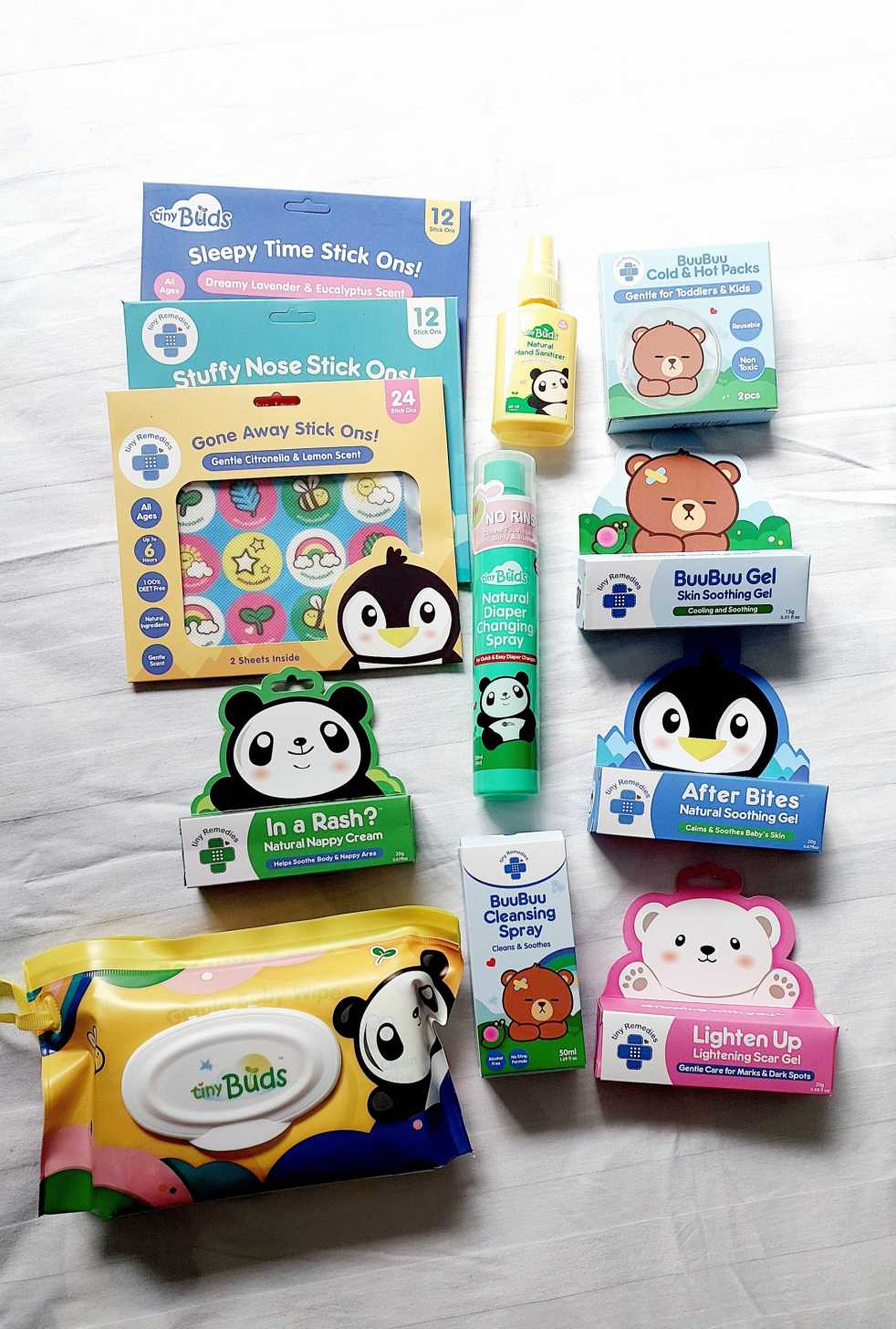
Your baby’s skin is more delicate than most, this is why you have to choose products that are designed for sensitive skin. Tiny Buds is a pioneer in integrating natural ingredients into baby care and today has over 50 innovative natural baby care essentials and is one of the Top Baby Personal Care brands. Here… Continue reading Product Review: Tiny Buds Baby Naturals Baby Essentials

Where your child goes to school is a big decision and shouldn’t be taken lightly. Given how their education can impact their future, you might be tempted to take control and decide for them. However, you might be doing more damage than helping them in the long run. Your job as parents is to support… Continue reading HOW TO CHOOSE THE BEST SCHOOL FOR YOUR CHILD

As poet and philosopher Rumi once eloquently said, “raise your words, not your voice. It is rain that grows flowers, not thunder.” Parenting is a challenging journey, and the truth is that nobody has everything figured out. One parenting style might suit others best, and some might favor other methods. However, children respond better to… Continue reading A SIMPLE GUIDE TO GENTLE PARENTING

Whether you’re a new mom to be, mom of a toddler, mom who have school-aged kids, you’re bound to have so many questions. Let's start with your baby's skin. Infant skin has unique needs; gentle care is essential to prevent damage to the skin barrier, which can lead to irritation. When caring for infant skin,… Continue reading Keeping Baby’s Diapered Skin Healthy

As parents, we want to give our child the best possible start in life and that begins with nurturing their intelligence. Throughout history, the notion of success has been linked to academic intelligence. However, there has been an increased awareness on the importance of emotional intelligence. This question gets at the heart of the never-ending… Continue reading IQ or EQ, which one is a better predictor of your child’s success?
 wondermomma.net