
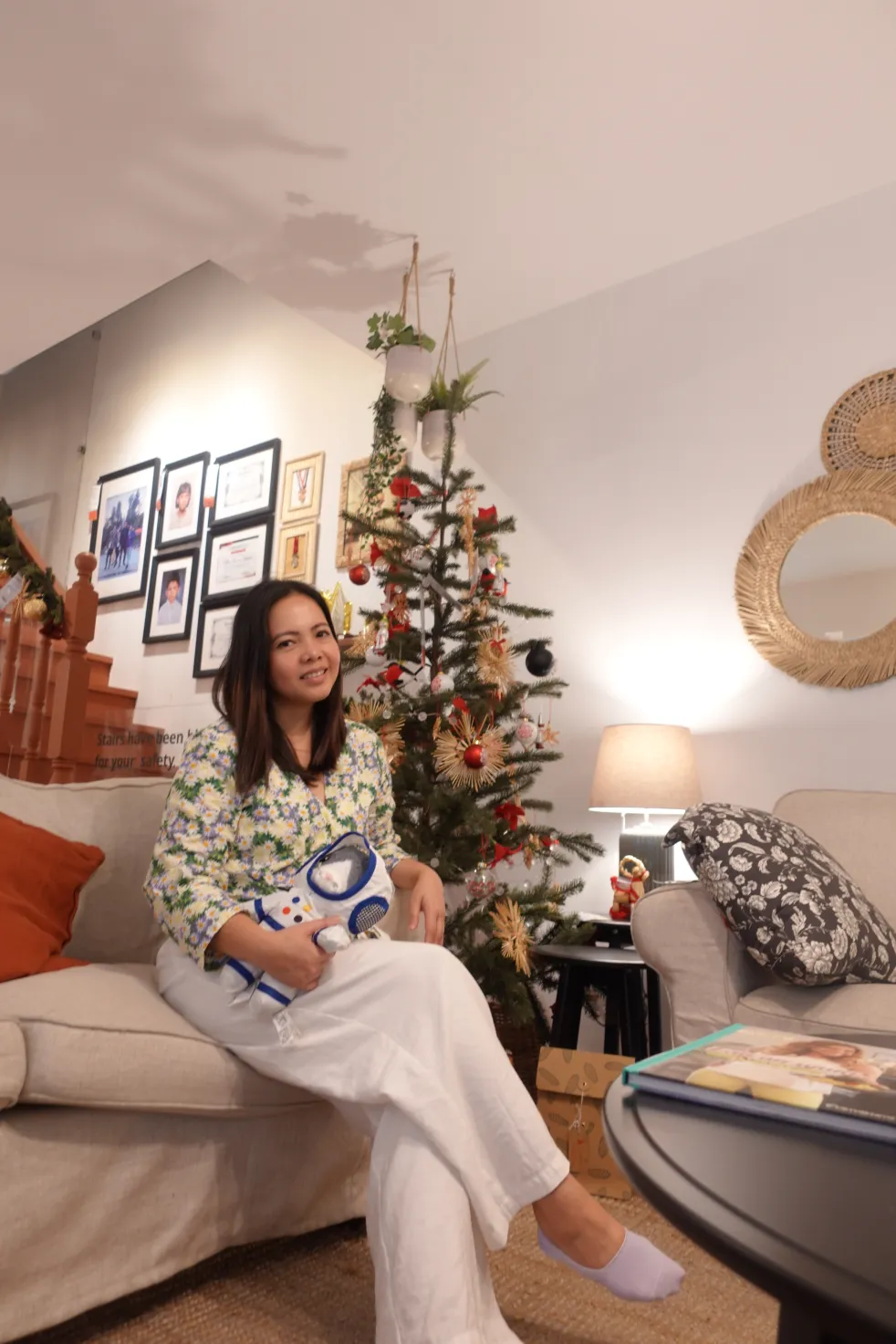
Last August, IKEA Philippines engaged with Better World Smokey Mountain, a newly opened community center operated by the San Miguel Foundation, which shares a similar goal of improving the lives of many Filipino people. Through this partnership, IKEA Philippines provided and assembled home furnishings for the classrooms and library of Better World Smokey Mountain community… Continue reading Help Create a Better World with IKEA Soft Toys
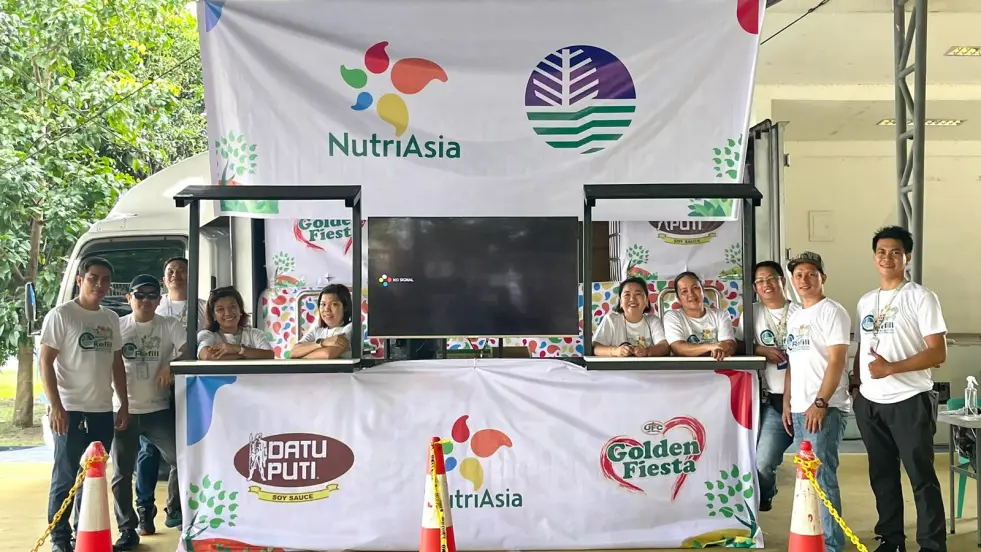
NutriAsia, the country’s top producer of condiments and sauces, continues its support of Refill Revolution; a project by the Department of Environment and Natural Resources EMB 3 that aims to help reduce Filipinos’ single-use plastics consumption. At Refill Revolution, residents get to recycle their single-use plastic bottles by reusing and filling it with their choice… Continue reading NutriAsia and DENR renews partnership for Refill Revolution

Simple DIY Sensory Play Ideas for Babies and Toddlers
Babies and toddlers learn through their senses long before they can explain what they see, hear, smell, taste, and feel. A bowl of water, a soft scarf, or a container filled with dry oats can become an exciting learning space when a child is given time to explore it safely.
Simple DIY sensory play ideas for babies and toddlers do not require expensive activity kits. Many can be made with clean household materials and adjusted for different ages. The goal is to offer interesting textures, sounds, colors, and movements while allowing children to lead the experience.
Sensory activities can support early language, hand strength, coordination, attention, and emotional regulation. They also create relaxed opportunities for parents and children to play together, especially during quiet time at home.
Why sensory play matters
Sensory play gives young children a practical way to understand cause and effect. When a toddler squeezes a sponge, pours water from one cup to another, or shakes a sealed bottle, they discover that their actions produce results. These small experiments build early problem-solving skills.
Touch-based activities can also strengthen fine motor development. Scooping, pinching, stirring, transferring, and squashing encourage children to use the small muscles in their fingers and hands. These movements later support everyday tasks such as feeding themselves, turning pages, drawing, and fastening clothing.
For babies, sensory experiences should be gentle, brief, and closely supervised. A few minutes of looking at high-contrast objects or patting a damp cloth is enough. Toddlers may enjoy longer activities, although their attention can still change quickly.
Prepare a safe play space
Choose a clean, shaded area with a washable floor or place a large mat, towel, or shower curtain underneath the activity. In warm Philippine weather, outdoor play can be comfortable in the early morning or late afternoon, but avoid direct sunlight and hot surfaces. Indoor play is often easier to supervise and clean.
Use materials that are large enough not to fit completely inside a child’s mouth. Babies and toddlers explore by mouthing, so small items such as beads, dried beans, coins, bottle caps, marbles, and uncooked pasta can be choking hazards. Even older toddlers need close adult supervision around loose sensory fillers.
Check every container before play. Avoid cracked plastic, sharp edges, peeling paint, strong fragrances, and materials that could irritate sensitive skin. If your child has eczema, allergies, or a history of skin reactions, test a small amount of any new material on the arm first and stop if redness or discomfort appears.
Water and edible sensory activities
A shallow basin of water is one of the easiest baby-friendly activities. Add a few large plastic cups, a clean sponge, and a soft washcloth. Babies can pat the water while sitting securely with an adult nearby, while toddlers can practice pouring, squeezing, and washing large waterproof toys.
For a color activity, place a few drops of food coloring into separate cups of water. Let your toddler combine the colors with a spoon or pour them into a larger container. Keep the water shallow and use washable surfaces, since food coloring can stain clothes, grout, and some furniture.
Edible dough can offer a safer alternative to commercial modeling compounds for children who still mouth objects. Mix flour with water and a small amount of cooking oil until it forms a soft dough. You can add natural color from mashed banana, beetroot, or a little turmeric, but avoid ingredients that may trigger allergies.
Another easy option is a yogurt painting tray. Spoon plain, unsweetened yogurt onto a washable tray and add small amounts of fruit puree for color. Babies can touch and spread it with their fingers. This activity works best before bath time, and the child should be seated upright and watched closely to reduce choking and slipping risks.
Texture play with everyday materials
A texture basket can introduce babies to safe differences in touch. Include a large cotton cloth, a silicone teether, a soft baby brush, a smooth wooden spoon, and a crinkly fabric book. Offer one or two objects at a time and describe them with simple words such as “soft,” “smooth,” “bumpy,” and “cold.”
Toddlers may enjoy a sealed texture board made from sturdy cardboard and large fabric scraps. Attach fleece, denim, satin, felt, and corduroy securely with strong non-toxic glue, then check that no threads or corners are loose. Invite your child to touch each patch and talk about how it feels.
For a messier activity, place mashed potato, cooked rice, or oatmeal on a tray. Add large spoons and cups for scooping. Cooked materials are preferable to dry grains for young children who may taste them, but the play area still requires active supervision and prompt cleanup.
A simple “mud kitchen” can be made with soil-free materials such as water, flour, and leaves collected from a clean area. Teach children not to touch unknown plants, animal waste, stagnant water, or soil that may contain chemicals. Handwashing after outdoor sensory play is essential.
A quick guide to choosing materials
The best activity depends on your child’s age, ability to mouth objects, and comfort with messy play. Start with one material and a small amount. You can always add another element when your child understands how to handle the first one.
| Activity | Suitable materials | Skills encouraged | Important safety note |
|---|---|---|---|
| Water transfer | Shallow basin, cups, sponge | Coordination, grasping, early science | Keep water shallow and stay within arm’s reach |
| Edible dough | Flour, water, cooking oil | Hand strength, creativity, sensory tolerance | Check for wheat or food allergies |
| Texture basket | Cloth, teether, brush, large spoon | Touch discrimination, language | Avoid loose threads and small parts |
| Sealed discovery bottle | Clear bottle, water, large floating objects | Visual tracking, cause and effect | Seal firmly and inspect for leaks |
| Yogurt painting | Plain yogurt, fruit puree, tray | Finger control, color exploration | Use fresh ingredients and clean hands |
| Sound shakers | Sealed containers with large safe contents | Listening, rhythm, movement | Tape or glue lids securely; never offer open fillers |
Sound, movement, and discovery
Sound play can be made with sealed household containers. Fill a sturdy clear bottle with water and a few large floating bath toys, or use an empty plastic container with its lid firmly attached. Children can roll, shake, and watch the contents move. Inspect the container every time before offering it.
For a musical activity, provide wooden spoons and upside-down plastic bowls as drums. Babies may enjoy tapping with an adult’s help, while toddlers can copy slow and fast rhythms. Keep the volume moderate, since very loud sounds may frighten young children or affect sensitive ears.
Movement-based sensory play can be just as valuable as messy activities. Create a short path using cushions, folded towels, and firm pillows. Encourage toddlers to crawl, step over, push, or carry large soft objects. Keep the route low and stable, and remove furniture with sharp corners nearby.
A flashlight discovery game can support visual attention. Shine a soft light on a wall and move it slowly for a toddler to follow. Never shine a light directly into a child’s eyes, and avoid using this activity in a dark space where the child may trip.
Keep activities flexible and manageable
Follow your child’s signals rather than expecting a specific result. Some children immediately enjoy sticky textures, while others prefer to watch first. Offer a spoon, brush, or toy as a bridge if direct touching feels uncomfortable. Sensory play should feel inviting, not forced.
Keep the setup small. A tray or shallow tub is often enough, and limiting the number of materials makes it easier for a child to focus. Rotate activities instead of presenting everything at once. Repeating a familiar game can help children feel secure while they practice new skills.
Use simple language during play. Say, “The sponge is wet,” “You poured the water,” or “That sound is loud.” These comments build vocabulary without interrupting the child’s exploration. Follow their gestures and interests, giving them time to respond.
Helpful habits for calmer play include:
- Choose one clear sensory goal, such as scooping, squeezing, listening, or comparing textures.
- Prepare towels, spare clothes, and a container for cleanup before the activity begins.
- Stay close enough to intervene immediately, especially with babies and mouthing toddlers.
- Stop when your child becomes upset, tired, overwhelmed, or unusually quiet.
- Wash hands, clean tools, and discard perishable materials after each session.
Turn ordinary moments into learning
Sensory play does not have to be a special event. Washing large plastic toys in a basin, feeling different fruits at the market, listening to rain, or helping knead bread can all become learning opportunities. Everyday experiences are often meaningful because children can repeat them regularly.
Invite your toddler to notice changes: dry rice becomes soft after cooking, ice melts in warm air, and a sponge becomes heavier when it absorbs water. These observations introduce early science concepts through familiar experiences. Babies can participate by watching, reaching, and hearing your descriptions.
Family routines can also provide sensory comfort. A gentle foot massage after a bath, a soft song before bedtime, or quiet time with a textured book may help a child transition between activities. Keep the pace slow and watch for signs that your child needs rest.
Set aside a few minutes this week for one safe, homemade activity using materials already available at home. Place your phone away, stay nearby, and notice what captures your child’s attention. These simple moments can support development while creating warm memories of curious, connected play.

Mercato Centrale, in collaboration with Indian Women in Enterprise Philippines (I-We), is set to host "The Great Indian Fiesta" to mark 75 years of friendship between India and the Philippines. The dynamic two-day event is scheduled to take place on September 30 to October 1, 2023, at Paseo De Roxas Street, Makati City. Aiming to… Continue reading Mercato Centrale Partners with I-We to Host ‘The Great Indian Fiesta’, Commemorating 75 Years of India-Philippines Friendship

My stomach would usually start growling at 10 am even after taking a big breakfast. This is probably because I am a morning person and I move a lot throughout the day hence snacking is something that I can't avoid. This potatoes and chicken wrap recipe is easy to prepare and would keep me full… Continue reading Potato and Chicken Wrap
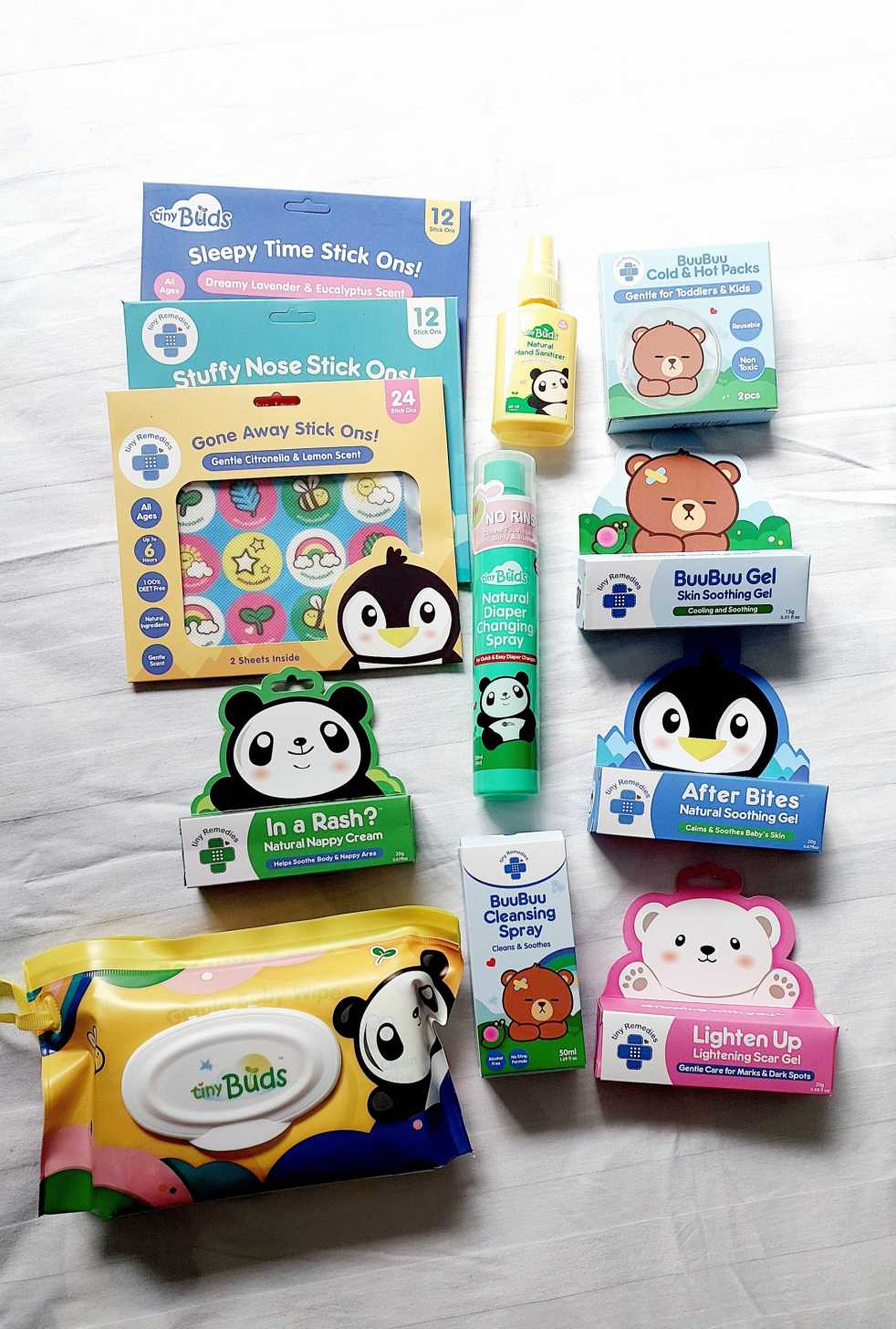
Your baby’s skin is more delicate than most, this is why you have to choose products that are designed for sensitive skin. Tiny Buds is a pioneer in integrating natural ingredients into baby care and today has over 50 innovative natural baby care essentials and is one of the Top Baby Personal Care brands. Here… Continue reading Product Review: Tiny Buds Baby Naturals Baby Essentials
Where your child goes to school is a big decision and shouldn’t be taken lightly. Given how their education can impact their future, you might be tempted to take control and decide for them. However, you might be doing more damage than helping them in the long run. Your job as parents is to support… Continue reading HOW TO CHOOSE THE BEST SCHOOL FOR YOUR CHILD
As poet and philosopher Rumi once eloquently said, “raise your words, not your voice. It is rain that grows flowers, not thunder.” Parenting is a challenging journey, and the truth is that nobody has everything figured out. One parenting style might suit others best, and some might favor other methods. However, children respond better to… Continue reading A SIMPLE GUIDE TO GENTLE PARENTING
Whether you’re a new mom to be, mom of a toddler, mom who have school-aged kids, you’re bound to have so many questions. Let's start with your baby's skin. Infant skin has unique needs; gentle care is essential to prevent damage to the skin barrier, which can lead to irritation. When caring for infant skin,… Continue reading Keeping Baby’s Diapered Skin Healthy
As parents, we want to give our child the best possible start in life and that begins with nurturing their intelligence. Throughout history, the notion of success has been linked to academic intelligence. However, there has been an increased awareness on the importance of emotional intelligence. This question gets at the heart of the never-ending… Continue reading IQ or EQ, which one is a better predictor of your child’s success?
 wondermomma.net