

Last August, IKEA Philippines engaged with Better World Smokey Mountain, a newly opened community center operated by the San Miguel Foundation, which shares a similar goal of improving the lives of many Filipino people. Through this partnership, IKEA Philippines provided and assembled home furnishings for the classrooms and library of Better World Smokey Mountain community… Continue reading Help Create a Better World with IKEA Soft Toys
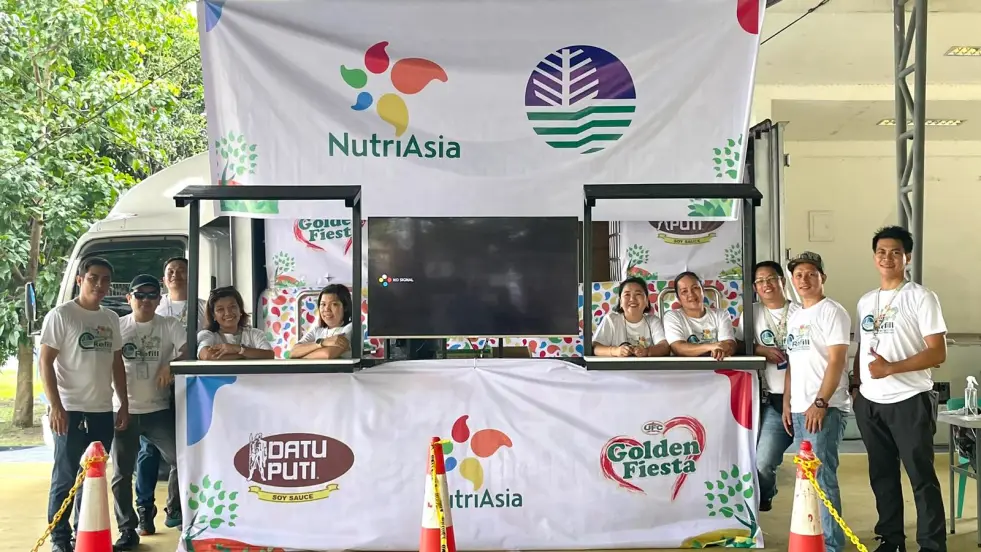
NutriAsia, the country’s top producer of condiments and sauces, continues its support of Refill Revolution; a project by the Department of Environment and Natural Resources EMB 3 that aims to help reduce Filipinos’ single-use plastics consumption. At Refill Revolution, residents get to recycle their single-use plastic bottles by reusing and filling it with their choice… Continue reading NutriAsia and DENR renews partnership for Refill Revolution

Easy Filipino meals that kids will actually eat
Filipino dinners can be colourful, aromatic and generous without becoming a battle at the table. The challenge for many families in Australia is not finding a suitable recipe; it is adapting soy sauce, strong seasoning, unfamiliar textures and shared dishes to young children with changing preferences. A family-friendly Filipino meal usually starts with a familiar base, adds one recognisable protein and soft vegetables, then keeps enough of the original flavour to make it taste genuinely Filipino.
Start with what your child already accepts and introduce the rest beside it, rather than hiding unfamiliar ingredients in a complicated dish. Rice, noodles, eggs, chicken and mild fruit are reliable foundations. Let children choose between two acceptable versions, such as adobo with or without vegetables, and serve sauces on the side. Repeated, pressure-free exposure matters more than one successful spoonful.
Begin with familiar Filipino flavours
Think of many Filipino dishes as adaptable combinations rather than fixed recipes. Add extra chicken to a small bowl of adobo, keep the sauce light, and serve it with plain rice; a child can eat the familiar parts while gradually becoming comfortable with the darker sauce. The same approach works with pancit, where noodles, carrots and cabbage can be separated visually, and with kaldereta, where tender potato and carrot soften the sharper tomato and pepper notes.
Offer a small amount first and let refusal happen without a debate. A second serving is often easier than a first serving because the child has already seen what the food looks like. You can also name the dish honestly: “This is chicken adobo with soy sauce and vinegar.” Familiar language reduces uncertainty without pretending the food is something else. For family harmony, keep one familiar side available, but avoid turning every meal into three separate dinners.
Build reliable breakfasts and lunchboxes
Sinangag is a useful breakfast because it uses cooked rice rather than a long list of ingredients. Fry leftover cold rice with chopped garlic, spring onion, peas and grated carrot, then add beaten egg. A small splash of soy sauce gives it the savoury Filipino character; omit it or mix it into the rice for a milder portion. Add chicken or Spam if your family prefers, or plate the egg beside the garlic rice so each bite is easy to manage.
For an Australian school day, packed lunches need to survive a morning in a bag and still feel like a treat at arvo. Pack sinangag in a sealed container with an ice pack, or use leftover chicken and rice in a tortilla wrap. Many Australian children are used to sandwiches, wraps and crackers, so familiar packaging can make a Filipino lunch feel less unusual. Keep wetter items in a separate pot, choose reusable food-safe containers, and include a piece of fruit to balance the savoury flavours.
Pancit bihon is another lunchbox-friendly option. Soak rice vermicelli until soft, then stir it with shredded chicken, cooked cabbage, carrot, mushrooms and a mild soy-seasoning mixture. Noodles are easy to portion and quick to cool, which makes them practical for families managing school runs and work. If a child dislikes the texture of mushrooms, finely chop them or leave them out rather than disguising them completely.
Cook one-pot dinners ahead
Chicken adobo suits a slow cooker or pressure cooker because the chicken becomes tender while the vinegar and soy sauce develop a balanced savoury flavour. Brown chicken thighs briefly, then add garlic, a splash of soy sauce, a little vinegar, water and bay leaves. Cook until the meat can be pulled apart easily, then serve it with steamed jasmine rice. A pressure cooker can produce tender chicken in under half an hour depending on the model; a slow cooker may take several hours while you are out.
Kaldereta brings potatoes, carrots, chicken and tomato into the same pot, making it useful when you want one dish to feed the family. Add chicken, tomato sauce or chopped tomatoes, potatoes, carrots, bell pepper and water to the cooker. Liver spread is traditional in many versions and gives a deeper flavour, but it is optional for a milder family batch. Check the seasoning before serving because the potato absorbs more sauce than expected, and keep a little plain rice on the table for children who want separation.
Advance preparation makes these dinners easier on busy evenings. Measure garlic, peel vegetables and marinate the chicken the day before, then keep each component in labelled containers in the fridge. Australian recipes commonly use metric measurements and oven temperatures in Celsius, so adapt the quantities rather than converting cups and Fahrenheit. During a cold Melbourne or Canberra winter, a slow-cooked adobo is particularly welcome; in warmer Brisbane or Darwin evenings, let the pot cool before serving and use the remaining chicken in a wrap the next day.
Introduce vegetables without a power struggle
Ginataang gulay can make vegetables feel less like a separate challenge. Simmer cabbage, squash, okra, green beans or eggplant in coconut milk with ginger, garlic and a little salt, then offer the vegetables with the sauce on the side. Children who like coconut rice may enjoy the sauce immediately; others can eat the tender vegetables first. Include a fruit such as banana, mango or pineapple alongside it, since these fruits are familiar in Australia and pair naturally with coconut.
Crisp food can also open the door to vegetables. Fill small lumpia with finely shredded cabbage, carrot and chicken, then bake or air-fry until golden and serve with a mild sweet-and-sour dip. Let children dip each piece themselves, which gives them control over the sauce. If someone avoids a vegetable entirely, serve a small portion without comment and keep offering it later. Encouraging gratitude without guilt fits this approach: appreciation grows through ordinary participation, not pressure, bargaining or moralising.
Shop and plan for an Australian family week
Woolworths and Coles, plus many IGA stores, carry the basics for these meals: jasmine or long-grain rice, eggs, noodles, garlic, canned tomatoes and fresh vegetables. Their weekly specials can make pantry staples affordable, but check the shelf price for soy sauce, vinegar and vermicelli because these are often imported. Melbourne and Sydney families also have access to Filipino and broader Asian grocery stores, while online delivery broadens the choice for families in regional areas. Buy dried goods in small quantities first, then choose brands your children already enjoy.
Plan three flexible dinners rather than cooking every meal from scratch. One adobo batch can become rice bowls, wraps or fried rice; one tray of lumpia can be split between lunchboxes and snacks; leftover pancit can be eaten cold or warmed quickly. Write the main ingredient on the shopping list, then let the side dishes follow what is already at home. This reduces food waste and keeps the week practical when children cancel activities or adults work late.
Flexible work can add another layer of planning, especially when meals must fit around irregular client deadlines. The example of finding a first client illustrates how establishing a small income stream can require protected work time. For a parent balancing that work with childcare, setting one cooking block and two simple backup meals can prevent the busiest evening from becoming the hardest one. A calm meal is not a sign that the day has gone perfectly; it is simply a meal the family can share, with familiar Filipino flavours and room for everyone’s appetite.

Mercato Centrale, in collaboration with Indian Women in Enterprise Philippines (I-We), is set to host "The Great Indian Fiesta" to mark 75 years of friendship between India and the Philippines. The dynamic two-day event is scheduled to take place on September 30 to October 1, 2023, at Paseo De Roxas Street, Makati City. Aiming to… Continue reading Mercato Centrale Partners with I-We to Host ‘The Great Indian Fiesta’, Commemorating 75 Years of India-Philippines Friendship

My stomach would usually start growling at 10 am even after taking a big breakfast. This is probably because I am a morning person and I move a lot throughout the day hence snacking is something that I can't avoid. This potatoes and chicken wrap recipe is easy to prepare and would keep me full… Continue reading Potato and Chicken Wrap
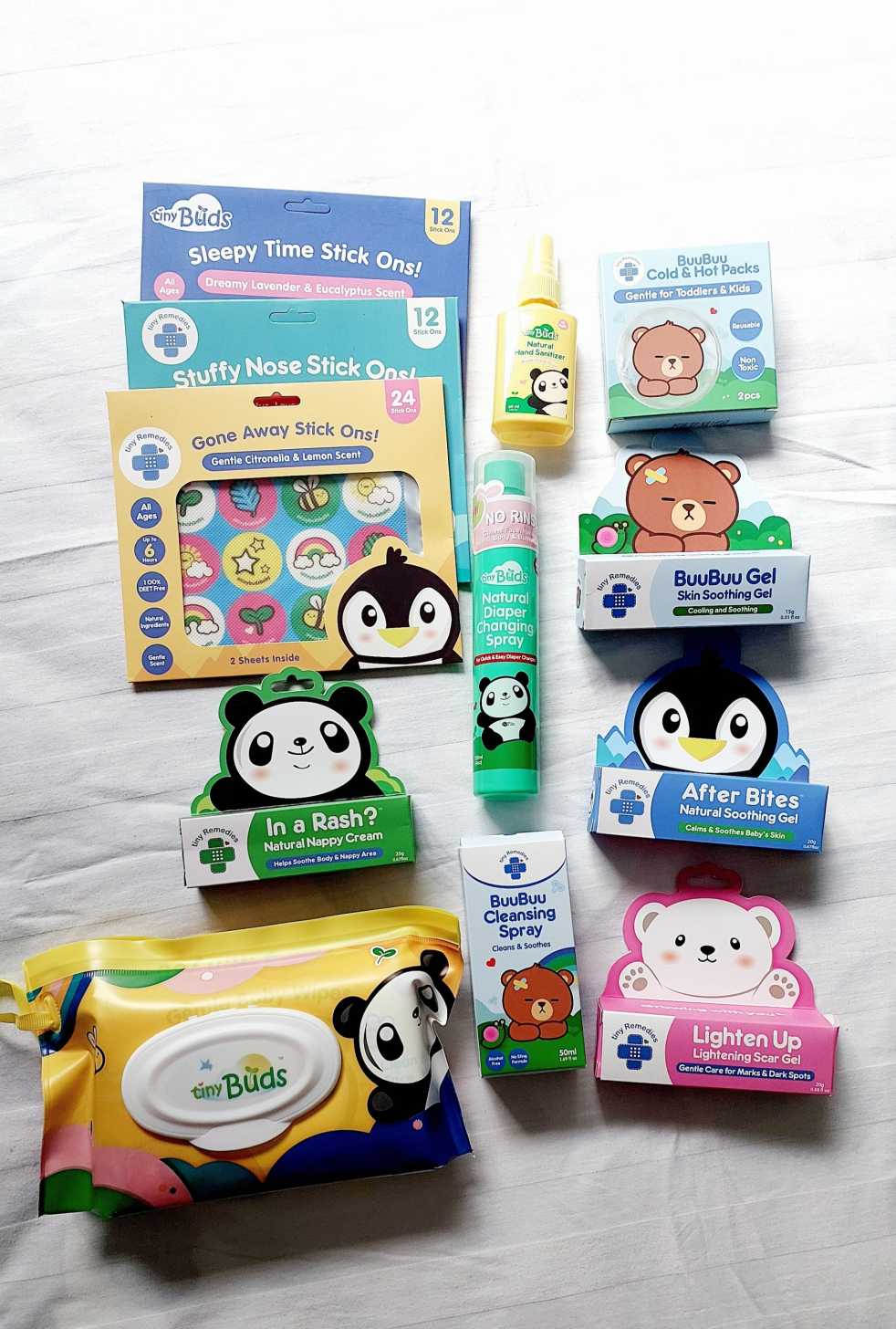
Your baby’s skin is more delicate than most, this is why you have to choose products that are designed for sensitive skin. Tiny Buds is a pioneer in integrating natural ingredients into baby care and today has over 50 innovative natural baby care essentials and is one of the Top Baby Personal Care brands. Here… Continue reading Product Review: Tiny Buds Baby Naturals Baby Essentials
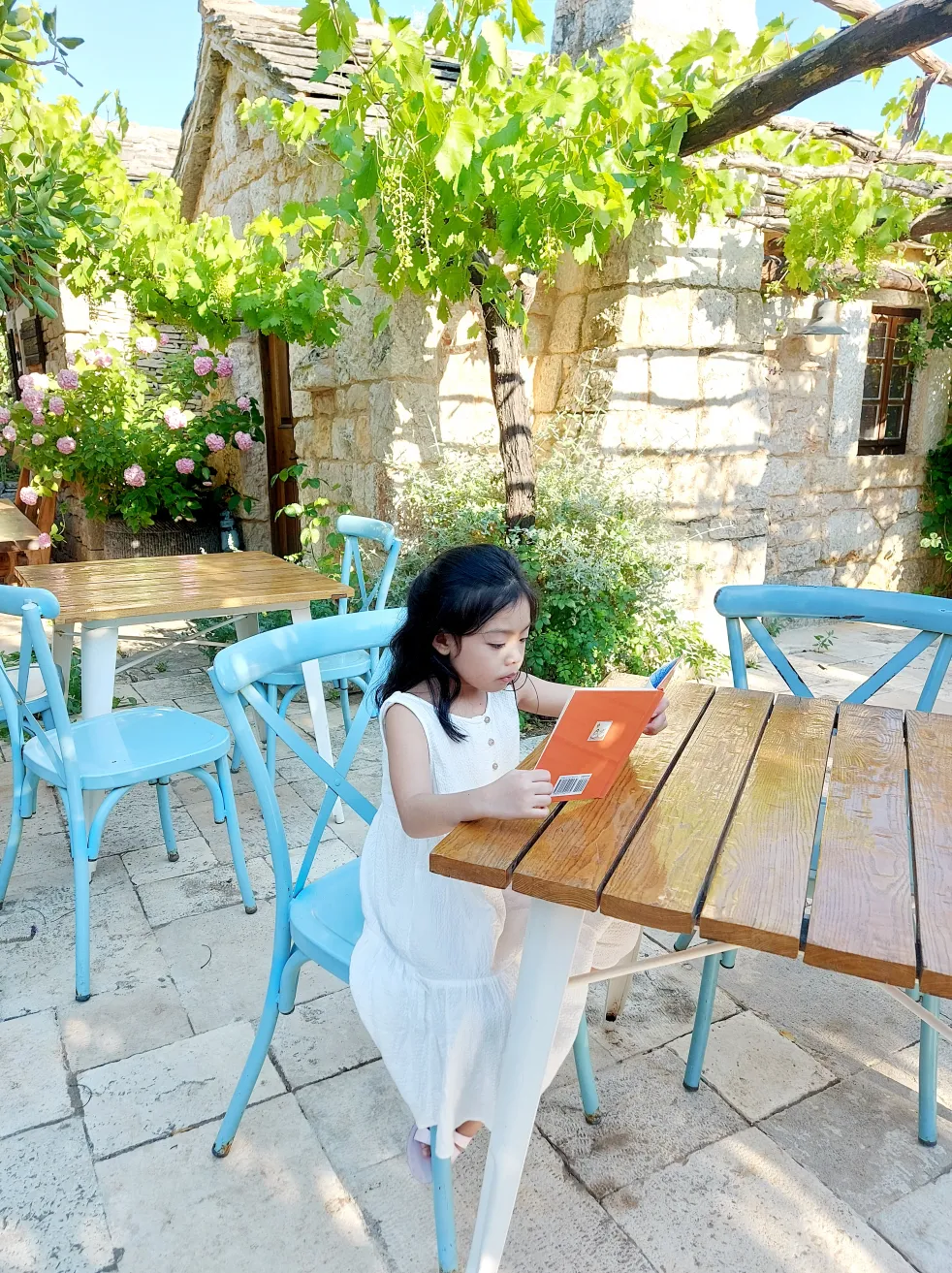
Where your child goes to school is a big decision and shouldn’t be taken lightly. Given how their education can impact their future, you might be tempted to take control and decide for them. However, you might be doing more damage than helping them in the long run. Your job as parents is to support… Continue reading HOW TO CHOOSE THE BEST SCHOOL FOR YOUR CHILD
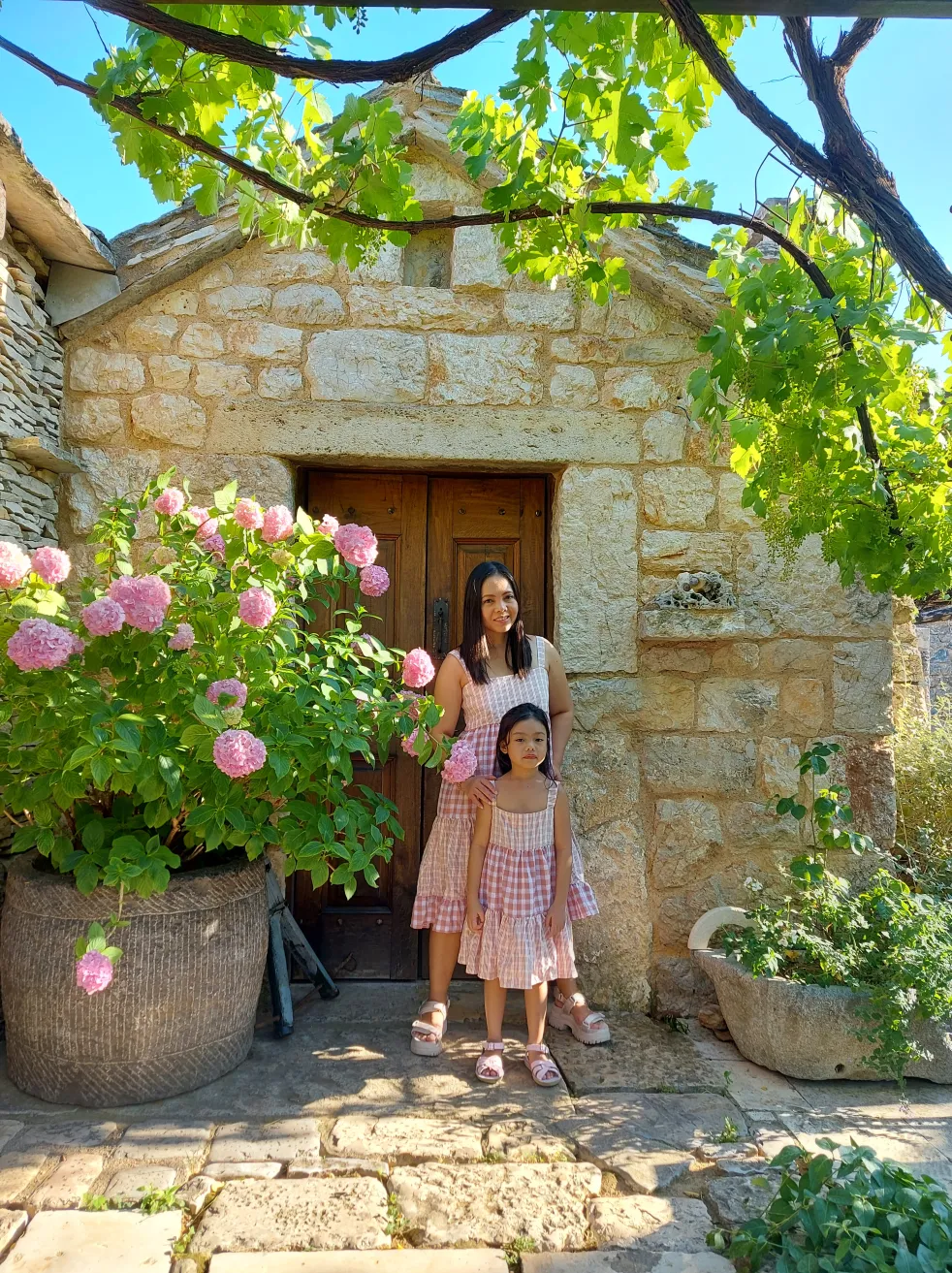
As poet and philosopher Rumi once eloquently said, “raise your words, not your voice. It is rain that grows flowers, not thunder.” Parenting is a challenging journey, and the truth is that nobody has everything figured out. One parenting style might suit others best, and some might favor other methods. However, children respond better to… Continue reading A SIMPLE GUIDE TO GENTLE PARENTING

Whether you’re a new mom to be, mom of a toddler, mom who have school-aged kids, you’re bound to have so many questions. Let's start with your baby's skin. Infant skin has unique needs; gentle care is essential to prevent damage to the skin barrier, which can lead to irritation. When caring for infant skin,… Continue reading Keeping Baby’s Diapered Skin Healthy
As parents, we want to give our child the best possible start in life and that begins with nurturing their intelligence. Throughout history, the notion of success has been linked to academic intelligence. However, there has been an increased awareness on the importance of emotional intelligence. This question gets at the heart of the never-ending… Continue reading IQ or EQ, which one is a better predictor of your child’s success?
 wondermomma.net