

Last August, IKEA Philippines engaged with Better World Smokey Mountain, a newly opened community center operated by the San Miguel Foundation, which shares a similar goal of improving the lives of many Filipino people. Through this partnership, IKEA Philippines provided and assembled home furnishings for the classrooms and library of Better World Smokey Mountain community… Continue reading Help Create a Better World with IKEA Soft Toys
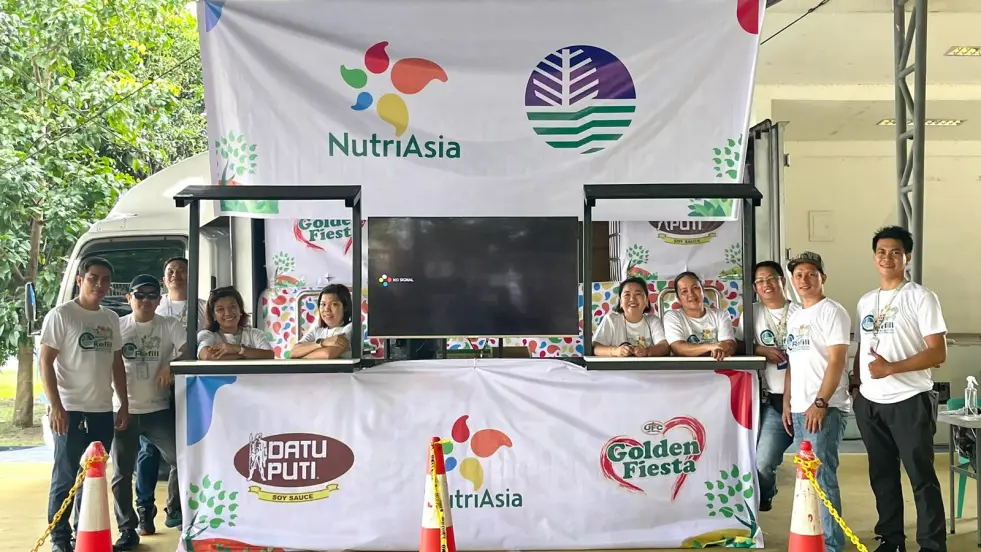
NutriAsia, the country’s top producer of condiments and sauces, continues its support of Refill Revolution; a project by the Department of Environment and Natural Resources EMB 3 that aims to help reduce Filipinos’ single-use plastics consumption. At Refill Revolution, residents get to recycle their single-use plastic bottles by reusing and filling it with their choice… Continue reading NutriAsia and DENR renews partnership for Refill Revolution

How to Raise a Grateful Child Without Teaching Guilt
Gratitude is a meaningful quality children can develop through daily experiences, caring relationships, and thoughtful guidance. It helps them notice kindness, value what they have, and understand that families and communities work together. Yet appreciation grows best when it feels genuine, rather than demanded through shame or fear.
Many parents have heard a child refuse to say thank you, complain about a gift, or focus on what someone else received. These moments can be frustrating, especially in family gatherings where good manners matter. A firm reminder may be appropriate, but repeated pressure can make gratitude feel like a performance.
Raising a grateful child does not mean ignoring rudeness or allowing entitlement. It means teaching courtesy while making space for honest emotions. Children can learn to appreciate a present and still admit that it is not what they expected. They can accept correction without believing that disappointment makes them bad.
Start With Everyday Modeling
Children learn gratitude by watching how adults speak and act. When parents thank a partner for preparing breakfast, acknowledge a teacher’s effort, or appreciate a neighbour who helped carry something, children see that thankfulness is part of ordinary life. These small examples often have a stronger effect than formal lectures.
Use specific language that connects a person’s effort with its effect. Instead of saying only, “Thank you,” try, “Thank you for washing the dishes. It gave me time to finish my work,” or, “I appreciate the guard who helped us find the right entrance.” This shows children that gratitude involves noticing care, time, skill, and generosity.
Parents can also model appreciation for simple experiences in the Philippines, such as fresh fruit from a market, rain after a hot day, a grandparent’s visit, or neighbours helping during a community activity. Gratitude does not require expensive possessions. It begins with paying attention to the good that is already present.
Use Guidance Instead Of Shame
A child who forgets to greet an aunt or thank a grandparent may need a calm reminder. Parents can quietly say, “Lola gave you a gift. What could you say to show that you noticed her kindness?” This teaches social responsibility while allowing the child to choose the words.
Shame sounds different. Statements such as “You are so ungrateful,” “Other children have nothing,” or “You should feel ashamed” attach a negative identity to a temporary behaviour. They may produce a quick “thank you,” but the child is responding to discomfort rather than developing sincere appreciation.
A respectful script separates the action from the child’s character: “It is okay not to love every gift, but it is important to respond kindly to the person who chose it.” If the child is overwhelmed, give them time before expecting a conversation. A handwritten note, drawing, hug, or later verbal thanks can also be a suitable expression of appreciation.
Teach Appreciation Through Participation
Children understand value more deeply when they take part in family life. Age-appropriate chores, helping prepare a meal, organising school supplies, or caring for a plant show them that comfort and order require effort. The goal is not to make children feel indebted for ordinary care. It is to help them recognise the work that supports everyone.
Explain contributions without keeping an emotional score. A parent might say, “We all help in different ways. I cook, you put away the utensils, and your brother feeds the dog.” This presents responsibility as belonging, rather than as a debt children must repay.
Acts of service can also extend beyond the household. Packing extra snacks for a donation drive, helping an elderly relative, joining a coastal clean-up, or preparing care items for a community initiative can nurture empathy. Let children participate in ways suited to their age, and talk about the people involved without presenting them as objects of pity.
Giving should never be used to make a child feel superior or guilty about having more. Focus on shared humanity and practical kindness: “We have something useful to share, and we can offer it respectfully.”
Make Space For Disappointment
Gratefulness and disappointment can exist together. A child may appreciate the thought behind a gift while feeling disappointed by its colour, size, or function. If adults demand visible excitement, children may learn to hide their feelings instead of communicating respectfully.
When a child reacts poorly, stay calm and name what you observe: “You were hoping for the blue bag, and this one surprised you.” After the emotion settles, add the social lesson: “Someone took time to choose this for you. Let’s think of a kind way to respond.” This approach validates the feeling without approving hurtful behaviour.
The following responses can help parents guide children through common situations:
| Situation | Shame-based response | Respectful teaching response |
|---|---|---|
| A child dislikes a present | “You are ungrateful.” | “It is not your favourite, but we can thank the giver for thinking of you.” |
| A child asks for more | “You already have too much.” | “You may want more, and we are choosing to stop here today.” |
| A child forgets to say thanks | “You have terrible manners.” | “Pause and notice what they did for you. What would be a kind response?” |
| A child compares possessions | “Be thankful; other children are poorer.” | “People have different circumstances. Let’s appreciate what we have and avoid judging others.” |
These conversations work best away from an audience. Correcting a child publicly can create embarrassment and make family gatherings feel threatening. A private reminder protects dignity while still setting a clear expectation.
Build Gratitude Into Family Rhythms
Gratitude becomes easier when it is part of a predictable routine rather than an occasional performance. At dinner, each family member might mention one helpful thing someone did that day. Before bedtime, a child can name a pleasant moment, a person they appreciated, or something they learned.
Keep these rituals brief and flexible. A young child may draw a picture, while an older child may write a few lines in a journal. Families can also share appreciation during a Sunday meal, on the way home from school, or while preparing for a holiday. The purpose is connection, not a perfect daily record.
Simple habits that encourage sincere appreciation include:
- Thanking people by name and mentioning their specific effort.
- Keeping a family gratitude jar for notes, drawings, or kind memories.
- Inviting children to help write messages after birthdays and celebrations.
- Pausing to notice nature, food, music, rest, or time together.
- Celebrating helpful choices without turning kindness into a competition.
Avoid requiring every family member to produce an impressive answer. Some days may bring tiredness, conflict, or sadness. A gentle routine should support emotional wellbeing, not add another task children fear getting wrong.
Adapt The Lesson As Children Grow
Toddlers need simple words and immediate examples. A parent can say, “Daddy gave you water. You can say thank you,” then model the phrase. At this age, children are still learning impulse control, so prompts should be short and repeated patiently.
Preschoolers can begin noticing effort and considering another person’s perspective. Ask, “How do you think your cousin felt when you included her in the game?” Stories and pretend play are useful ways to explore kindness, sharing, and appreciation without turning every lesson into a correction.
School-age children can discuss needs, wants, advertising, fairness, and the work behind household purchases. They may help compare prices, plan a simple meal, or save for something they want. These activities teach contentment and financial awareness while giving children a realistic view of family decisions.
Teenagers deserve honest conversations rather than forced positivity. They can examine social media pressure, consumer culture, privilege, and community responsibility. Encourage them to express appreciation through actions that match their values, such as helping a sibling, acknowledging a teacher, or contributing time to a cause. Respectful disagreement can be part of a mature gratitude practice.
Let Appreciation Grow Through Connection
A child is more likely to become thoughtful when they feel secure, heard, and included. Warm relationships provide the foundation for empathy; fear may produce obedience, but it rarely creates lasting generosity. When parents respond to mistakes with steady boundaries and compassion, children learn that accountability does not threaten their place in the family.
Keep expectations clear: children should respond politely, care for belongings, recognise effort, and repair harm when necessary. At the same time, they should be allowed to have preferences, ask for more information, and experience disappointment. This balance teaches manners without demanding emotional dishonesty.
With consistent modeling, practical participation, and gentle correction, gratitude can become part of a child’s character rather than a forced recital. Begin with one small family habit this week, notice the moments of kindness already happening around your home, and name them with warmth and sincerity.

Mercato Centrale, in collaboration with Indian Women in Enterprise Philippines (I-We), is set to host "The Great Indian Fiesta" to mark 75 years of friendship between India and the Philippines. The dynamic two-day event is scheduled to take place on September 30 to October 1, 2023, at Paseo De Roxas Street, Makati City. Aiming to… Continue reading Mercato Centrale Partners with I-We to Host ‘The Great Indian Fiesta’, Commemorating 75 Years of India-Philippines Friendship

My stomach would usually start growling at 10 am even after taking a big breakfast. This is probably because I am a morning person and I move a lot throughout the day hence snacking is something that I can't avoid. This potatoes and chicken wrap recipe is easy to prepare and would keep me full… Continue reading Potato and Chicken Wrap
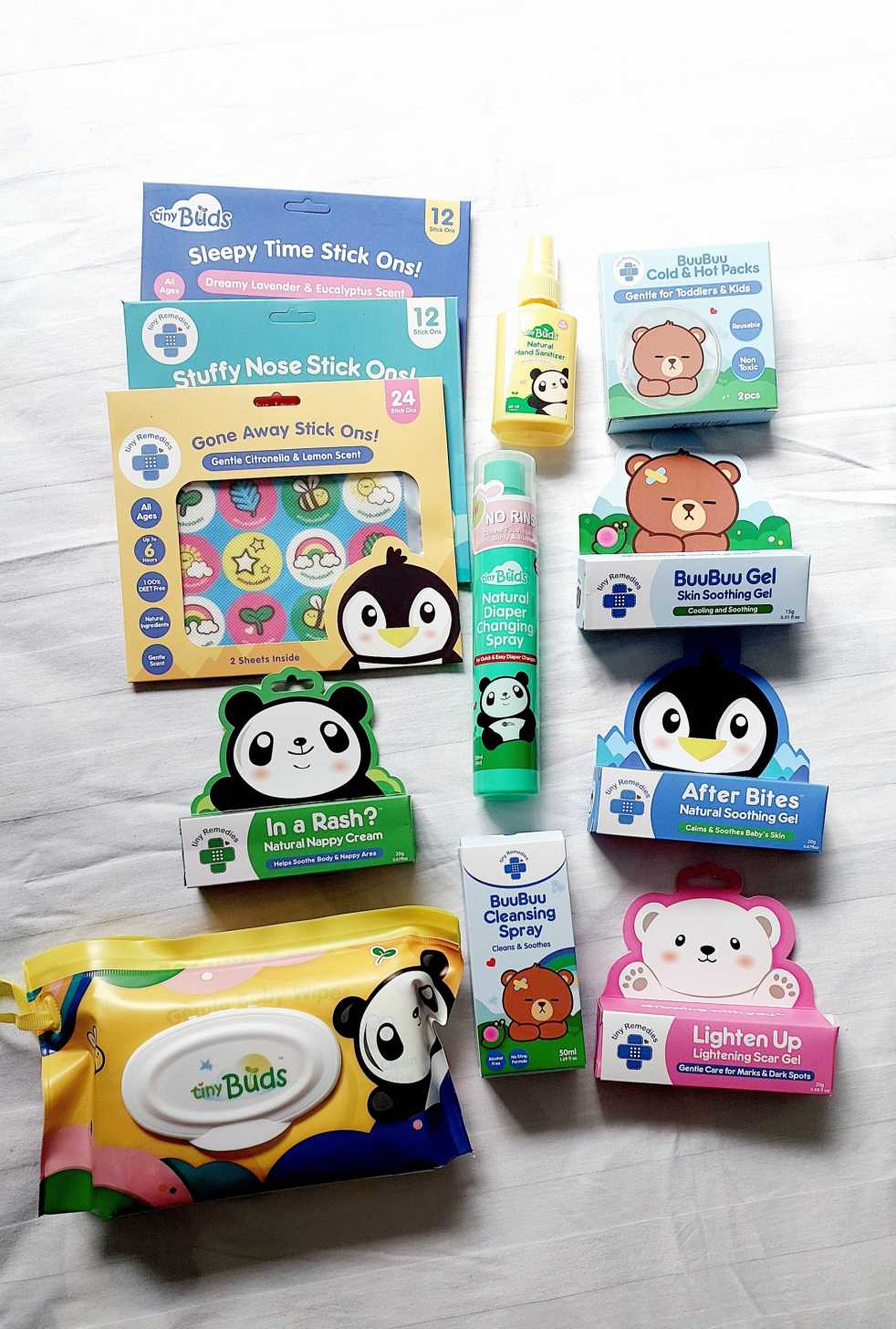
Your baby’s skin is more delicate than most, this is why you have to choose products that are designed for sensitive skin. Tiny Buds is a pioneer in integrating natural ingredients into baby care and today has over 50 innovative natural baby care essentials and is one of the Top Baby Personal Care brands. Here… Continue reading Product Review: Tiny Buds Baby Naturals Baby Essentials
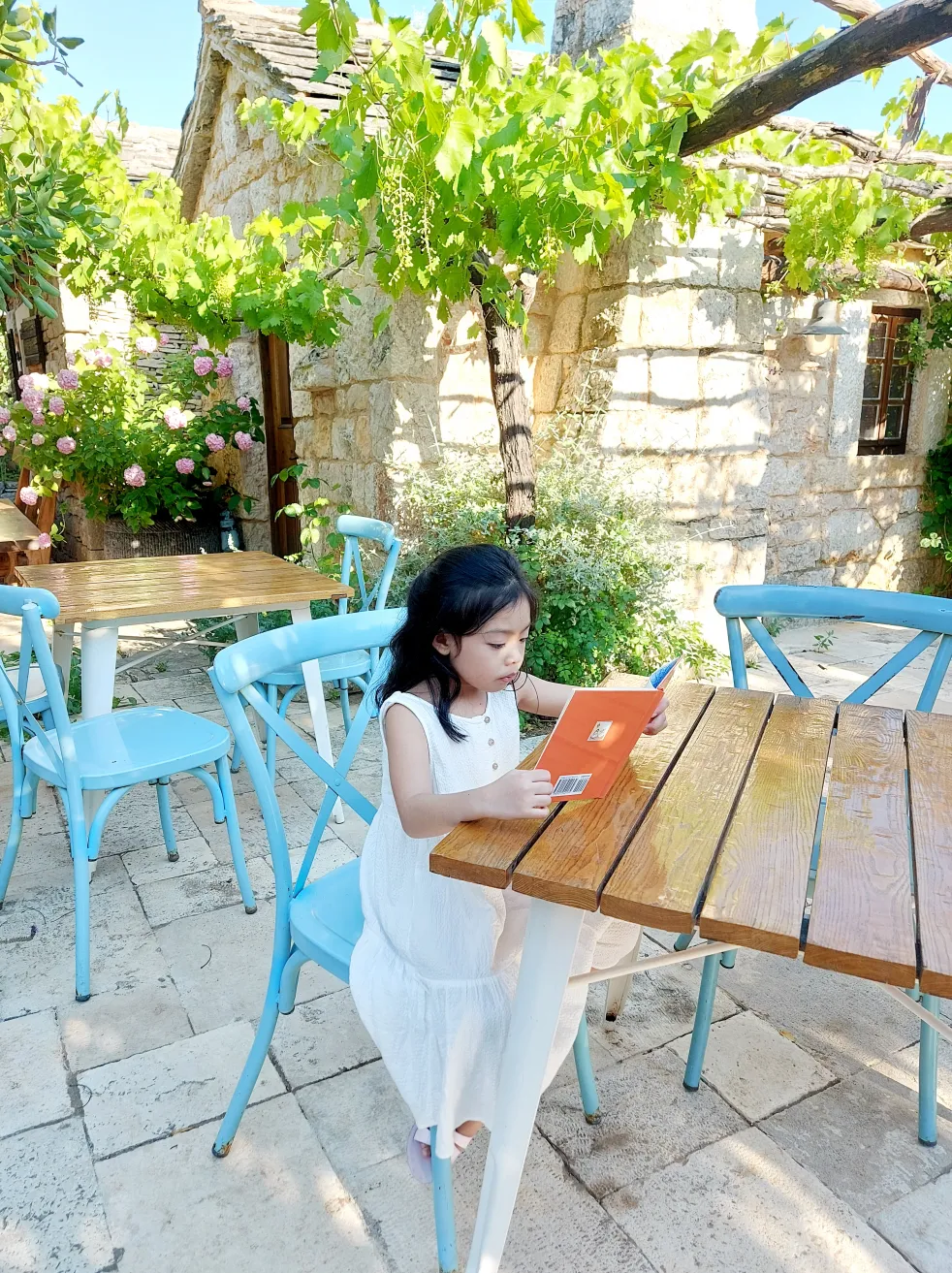
Where your child goes to school is a big decision and shouldn’t be taken lightly. Given how their education can impact their future, you might be tempted to take control and decide for them. However, you might be doing more damage than helping them in the long run. Your job as parents is to support… Continue reading HOW TO CHOOSE THE BEST SCHOOL FOR YOUR CHILD
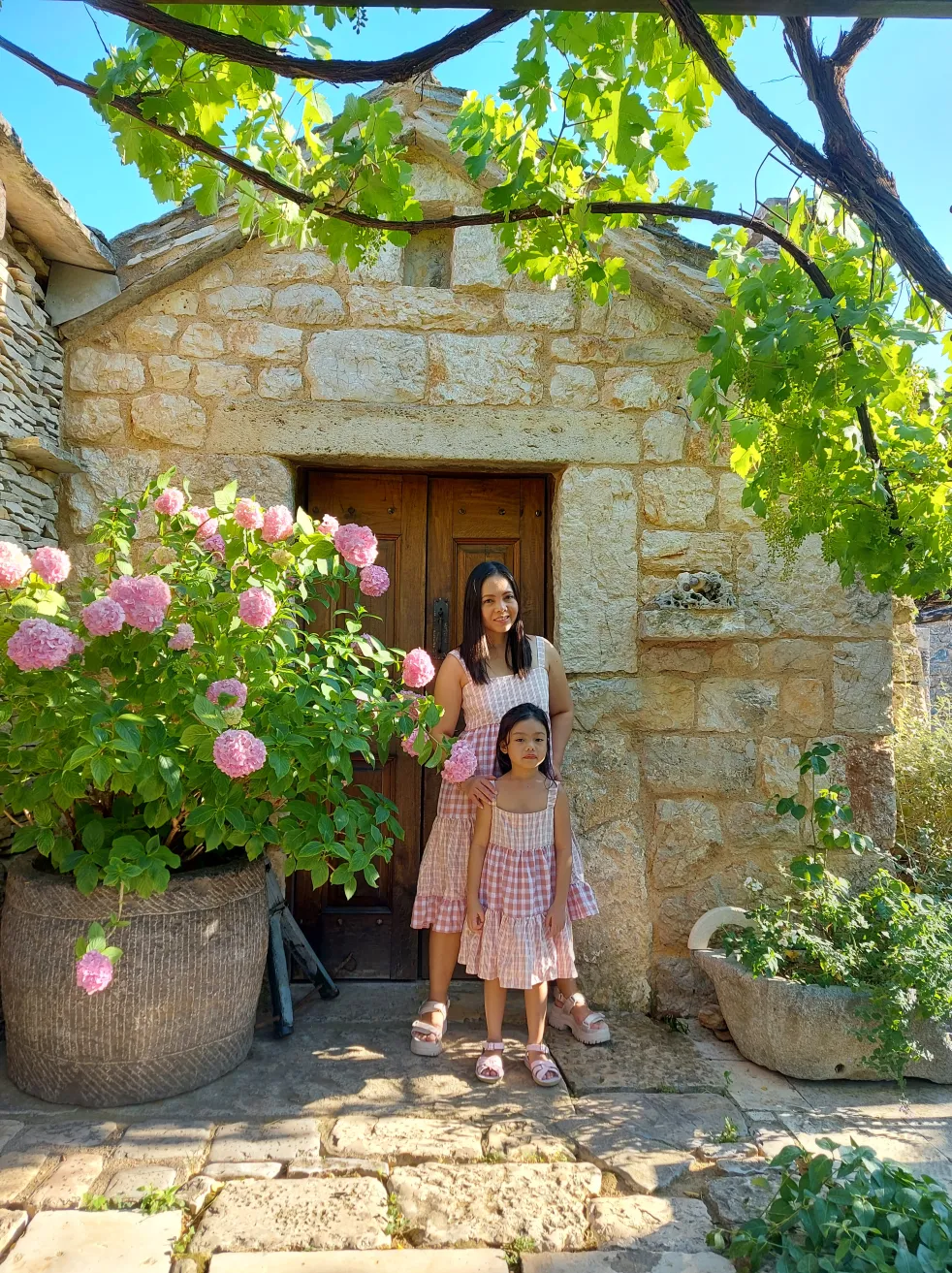
As poet and philosopher Rumi once eloquently said, “raise your words, not your voice. It is rain that grows flowers, not thunder.” Parenting is a challenging journey, and the truth is that nobody has everything figured out. One parenting style might suit others best, and some might favor other methods. However, children respond better to… Continue reading A SIMPLE GUIDE TO GENTLE PARENTING
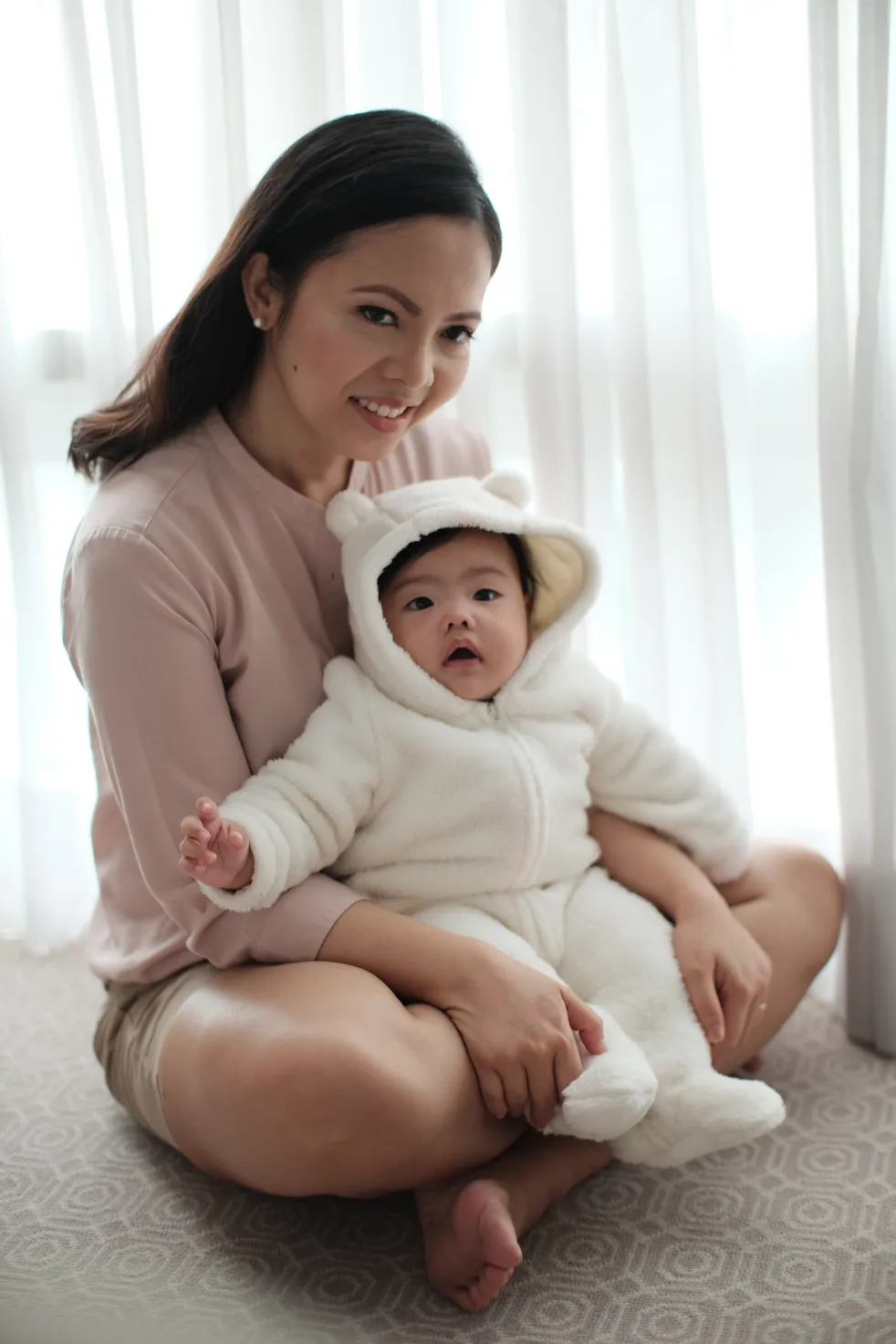
Whether you’re a new mom to be, mom of a toddler, mom who have school-aged kids, you’re bound to have so many questions. Let's start with your baby's skin. Infant skin has unique needs; gentle care is essential to prevent damage to the skin barrier, which can lead to irritation. When caring for infant skin,… Continue reading Keeping Baby’s Diapered Skin Healthy
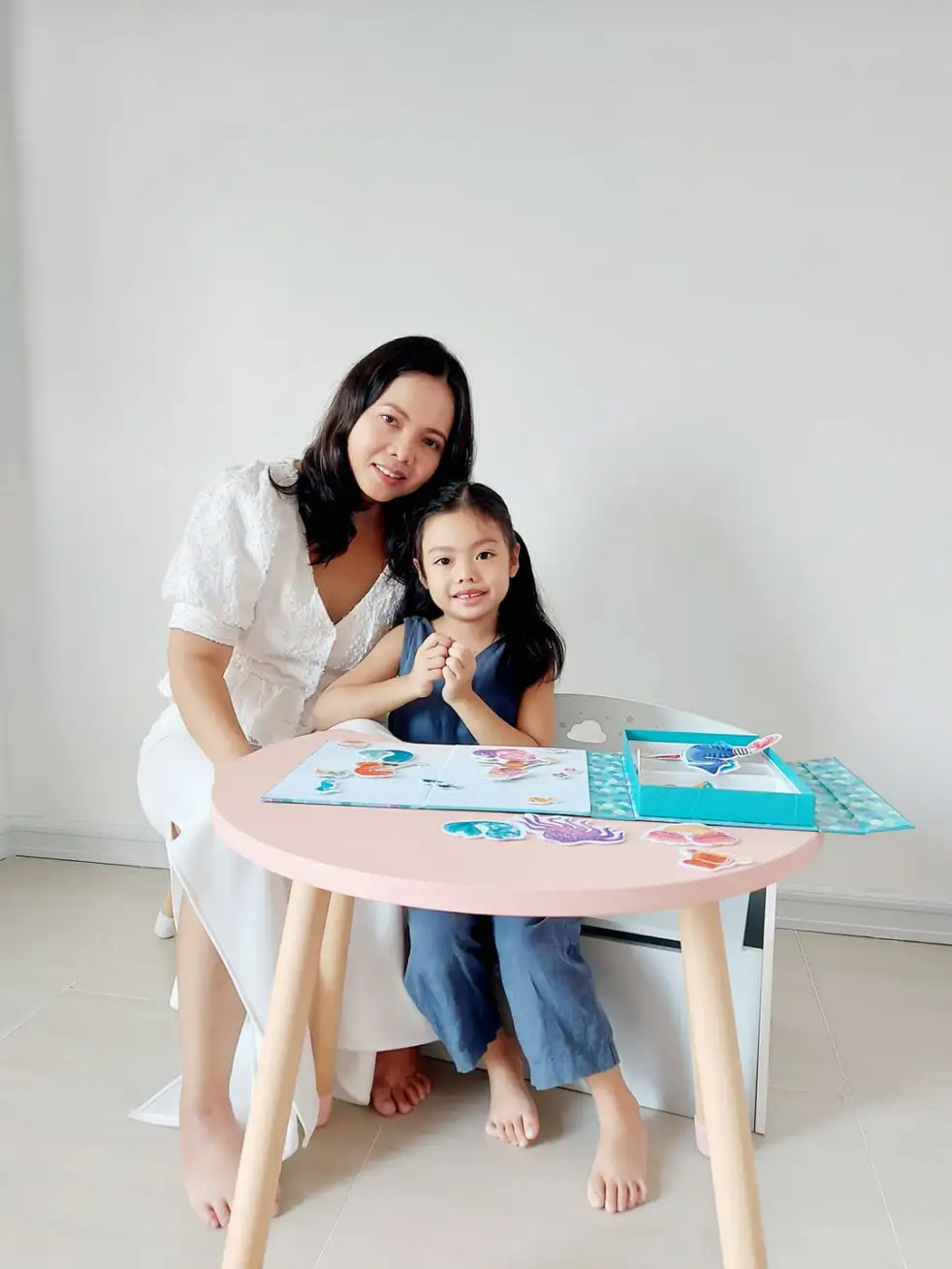
As parents, we want to give our child the best possible start in life and that begins with nurturing their intelligence. Throughout history, the notion of success has been linked to academic intelligence. However, there has been an increased awareness on the importance of emotional intelligence. This question gets at the heart of the never-ending… Continue reading IQ or EQ, which one is a better predictor of your child’s success?
 wondermomma.net