
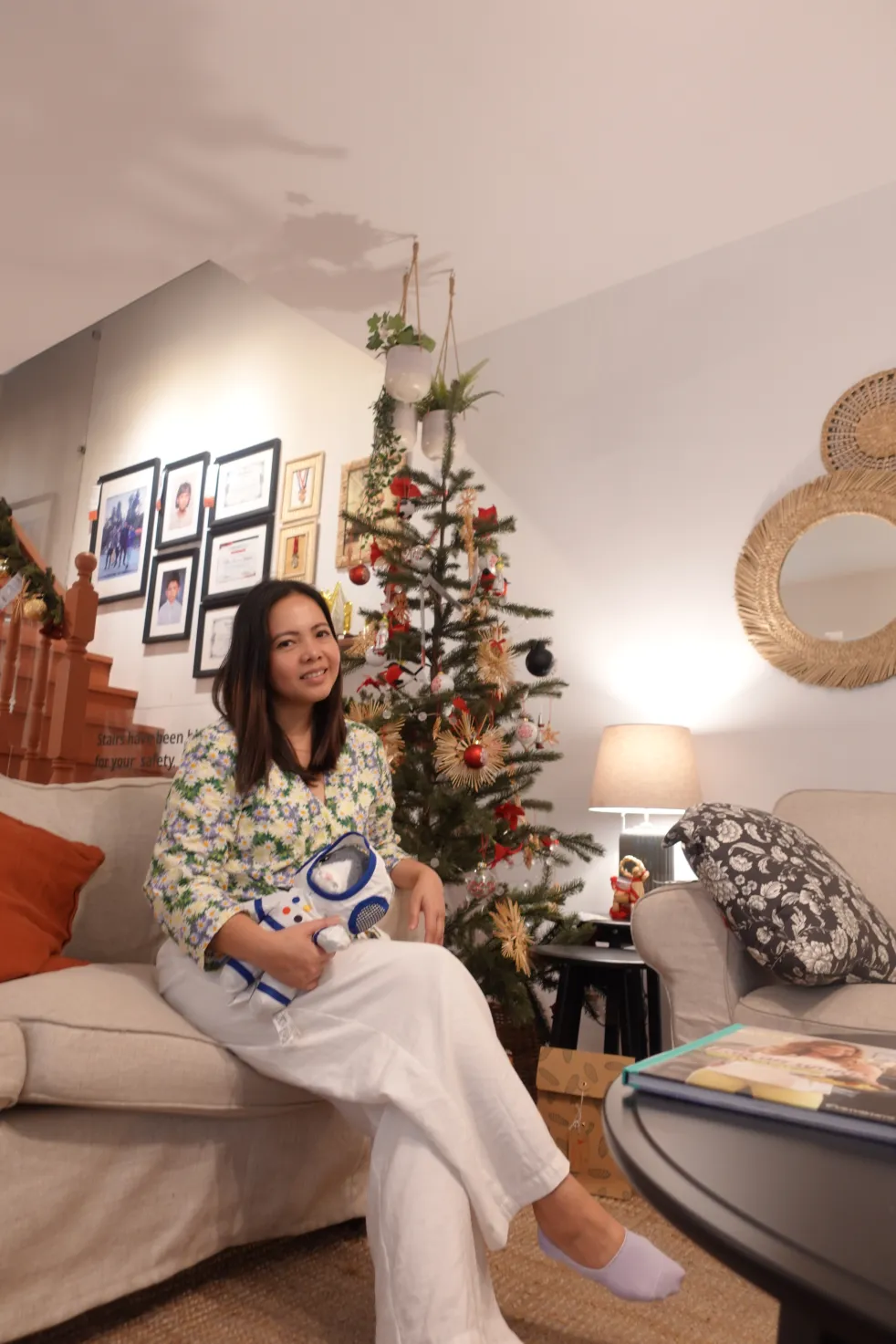
Last August, IKEA Philippines engaged with Better World Smokey Mountain, a newly opened community center operated by the San Miguel Foundation, which shares a similar goal of improving the lives of many Filipino people. Through this partnership, IKEA Philippines provided and assembled home furnishings for the classrooms and library of Better World Smokey Mountain community… Continue reading Help Create a Better World with IKEA Soft Toys
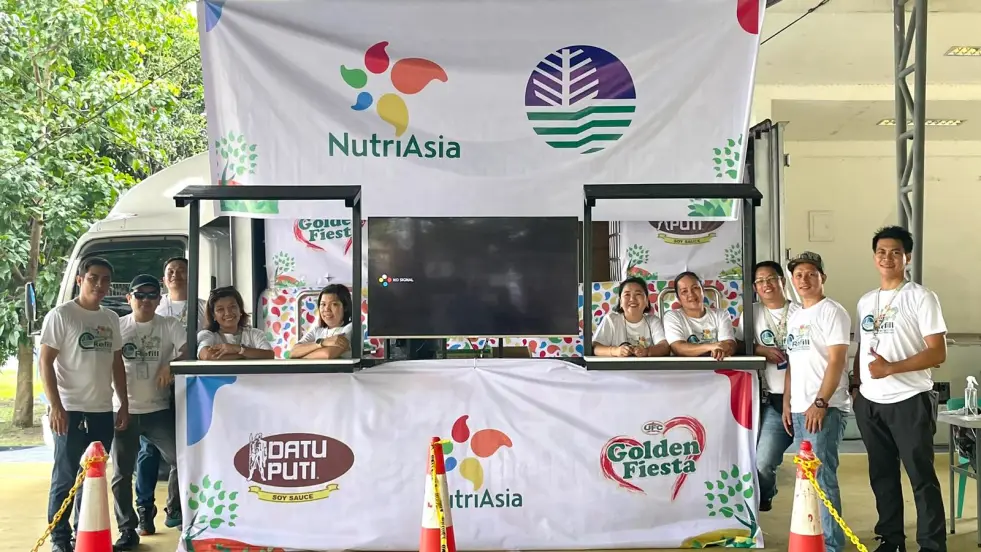
NutriAsia, the country’s top producer of condiments and sauces, continues its support of Refill Revolution; a project by the Department of Environment and Natural Resources EMB 3 that aims to help reduce Filipinos’ single-use plastics consumption. At Refill Revolution, residents get to recycle their single-use plastic bottles by reusing and filling it with their choice… Continue reading NutriAsia and DENR renews partnership for Refill Revolution

Creating a Family Gratitude Jar: A Simple Activity for Kids
A family gratitude jar turns an ordinary container into a place for noticing happy moments, helpful people and small everyday comforts. Children add a note, drawing, photograph or keepsake whenever they feel something positive, while adults model the habit by sharing their own contributions. The activity works beautifully in a Sydney kitchen, a Melbourne family room or a shared space in a Brisbane home because it needs very few materials and can grow with the family.
Because the aim is connection rather than perfect writing, every family member can participate. A toddler might place a large card in the jar, while an older child writes a few sentences or quietly adds a private note. Reading the entries together can also create reassuring conversations about kindness, family life and the support found within the local community.
Choosing a Jar That Fits Your Home
Choose a wide-mouth container with a secure, easy-to-open lid so everyone can add an item without difficulty. A clean plastic tub is safer than glass around active children, while a glass jar may suit a higher shelf where breakage is unlikely. An old Australian biscuit tin can also work if the lid fits properly and there are no sharp or rusty edges.
Label the outside with the date and the family name. Masking tape and washable markers are easy for children to decorate, but an adult should handle small stickers or loose craft pieces that could become choking hazards. Keep the container clean, particularly if it began as a food package, and let children add paper rather than uneaten food or hard objects.
Place the jar somewhere accessible but supervised, such as a kitchen shelf, hallway console or family room cabinet. The Australian climate can change the type and colour of paper used during the year, so enclosed containers are useful for protecting entries from humidity, dust and accidental splashes. Refill or empty it before the lid becomes difficult to open.
Filling the Jar With Real Moments
Give children several kinds of gratitude prompts. They might name a person who offered help, a place that made them feel safe, something they learned or a comfort they enjoyed after a busy day. Prompt cards can include “Someone made me smile,” “Something I enjoy doing” and “A moment I would like to repeat,” but children should always have the freedom to write about something different.
Everyday routines provide excellent material. A child could appreciate the school-run driver who waved hello, a neighbour who checked on the dog or a librarian who helped find a book. Australian family life often includes a trip to Woolworths, Coles or an independent IGA, so a note might thank a cashier, mention a favourite meal or describe helping place items in the trolley.
Food memories can also become prompts, such as enjoying Vegemite toast, cracking an egg for breakfast or eating together at a barbecue. Parents of babies who want meal ideas can consult this homemade baby cereal guide, while following current advice from a qualified child health professional about suitable textures, allergens and breast milk or infant formula before twelve months.
Allow ordinary and imperfect entries. A child may be grateful for clean socks, a warm shower or a song sung during a car trip. These details remind everyone that gratitude does not depend on expensive purchases, special holidays or unusually exciting experiences.
Building a Routine Everyone Can Enjoy
Set a predictable time for adding notes, such as after dinner or before the evening school routine. A short weekly ritual often works better than demanding a contribution every day. Children should have enough time to think, and a quiet basket or private notebook can be available for those who prefer not to add their feelings in front of everyone.
The most workable setup depends on your household rather than decorative supplies:
| Family Need | Useful Container Feature | Simple Setup |
|---|---|---|
| Busy mornings or homes | Wide opening and clip-on lid | Keep prompts beside the jar and allow one child to help |
| Children who enjoy drawing | Room for large cards | Store blank paper and washable crayons nearby |
| Families with mixed ages | Several prompt categories | Pair younger children with an older relative |
| Families wanting a keepsake | Dates and dividing folders | Empty the jar into labelled envelopes each month |
| Children who need privacy | A covered personal basket | They can choose whether to share each entry later |
Once the month ends, read a few entries aloud before storing them. Invite each person to explain a chosen note, but do not require a child to perform or defend what they wrote. Questions such as “What made you think of that?” can lead to useful conversations without turning the activity into an interview.
Families can change the prompts with the seasons, which is especially helpful in Australia. Spring gardens, autumn storms, summer heat and winter rain each create different memories. Keep the jar active by adding prompts about community help, family meals, neighbourhood parks, creative work and everyday acts of care.
Matching the Activity to Your Child
With children who are not yet writing confidently, offer large cards that they can scribble on or decorate. They might choose a family member and add a sticker, provided an adult supervises small pieces. Record a child’s spoken words on a card with their permission, or let them draw a simple symbol that represents the person or activity they mean.
Preschoolers often produce detailed descriptions through speech, even when their written notes are short. Parents can write down their words without correcting spelling or demanding neat handwriting. Children in their early school years can usually write independently and may enjoy drawing a memory as well as explaining why it mattered to them.
Older children and teenagers might find a highly visible jar too childish or uncomfortable. Give them a small notebook with the same prompts and ask them to contribute one entry each week in a sealed envelope. Some will share their words at the family reading time, while others may simply move an envelope into a shared keepsake box.
Keep the language inclusive. Children can write in English, their family’s home language or a combination of both, and drawings do not need any written label. Where appropriate, families may include an Acknowledgement of Country as part of their regular gatherings, although the practice should retain its respectful meaning rather than becoming another token item.
Keeping Gratitude Safe and Genuine
A gratitude practice should never require a child to praise harmful behaviour, ignore difficult feelings or act grateful when something was frightening. Adults can model honest appreciation alongside clear boundaries: “I’m glad you stopped before you hit your brother, and we still need to talk about safe hands.” This teaches children that appreciation and protection can exist at the same time.
Choose wording that suits the child’s age and avoids suggesting that a young person must be thankful for basic safety, affection or suitable care. Praise a thoughtful action, a shared experience or something a person did well instead of declaring that a child, appearance, body, holiday or family choice is automatically wonderful.
Keep personal entries private unless their authors agree to share them. Do not display photographs or identifiable details online without permission, and gently remove entries that contain sensitive information when storing them. The jar can support emotional expression, but children need trust that their feelings will not become family entertainment.
Let the jar evolve as children and family circumstances change. Some months may contain ten sincere notes, while another may contain only three, and both are acceptable. Over time, the collection can record ordinary kindness, growing independence and the small moments that are easy to overlook in the middle of school runs, work schedules and Australian family life.

Mercato Centrale, in collaboration with Indian Women in Enterprise Philippines (I-We), is set to host "The Great Indian Fiesta" to mark 75 years of friendship between India and the Philippines. The dynamic two-day event is scheduled to take place on September 30 to October 1, 2023, at Paseo De Roxas Street, Makati City. Aiming to… Continue reading Mercato Centrale Partners with I-We to Host ‘The Great Indian Fiesta’, Commemorating 75 Years of India-Philippines Friendship

My stomach would usually start growling at 10 am even after taking a big breakfast. This is probably because I am a morning person and I move a lot throughout the day hence snacking is something that I can't avoid. This potatoes and chicken wrap recipe is easy to prepare and would keep me full… Continue reading Potato and Chicken Wrap
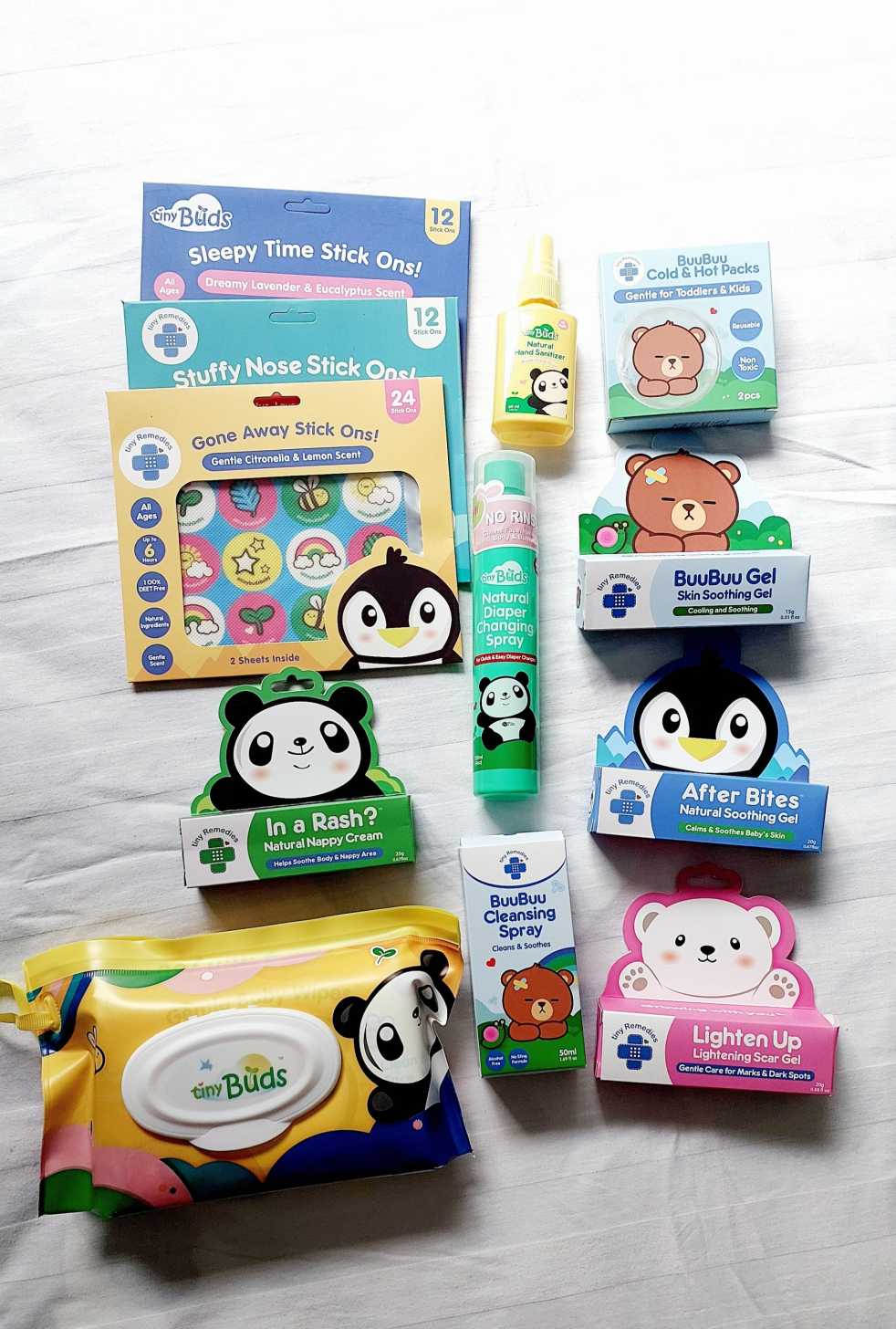
Your baby’s skin is more delicate than most, this is why you have to choose products that are designed for sensitive skin. Tiny Buds is a pioneer in integrating natural ingredients into baby care and today has over 50 innovative natural baby care essentials and is one of the Top Baby Personal Care brands. Here… Continue reading Product Review: Tiny Buds Baby Naturals Baby Essentials
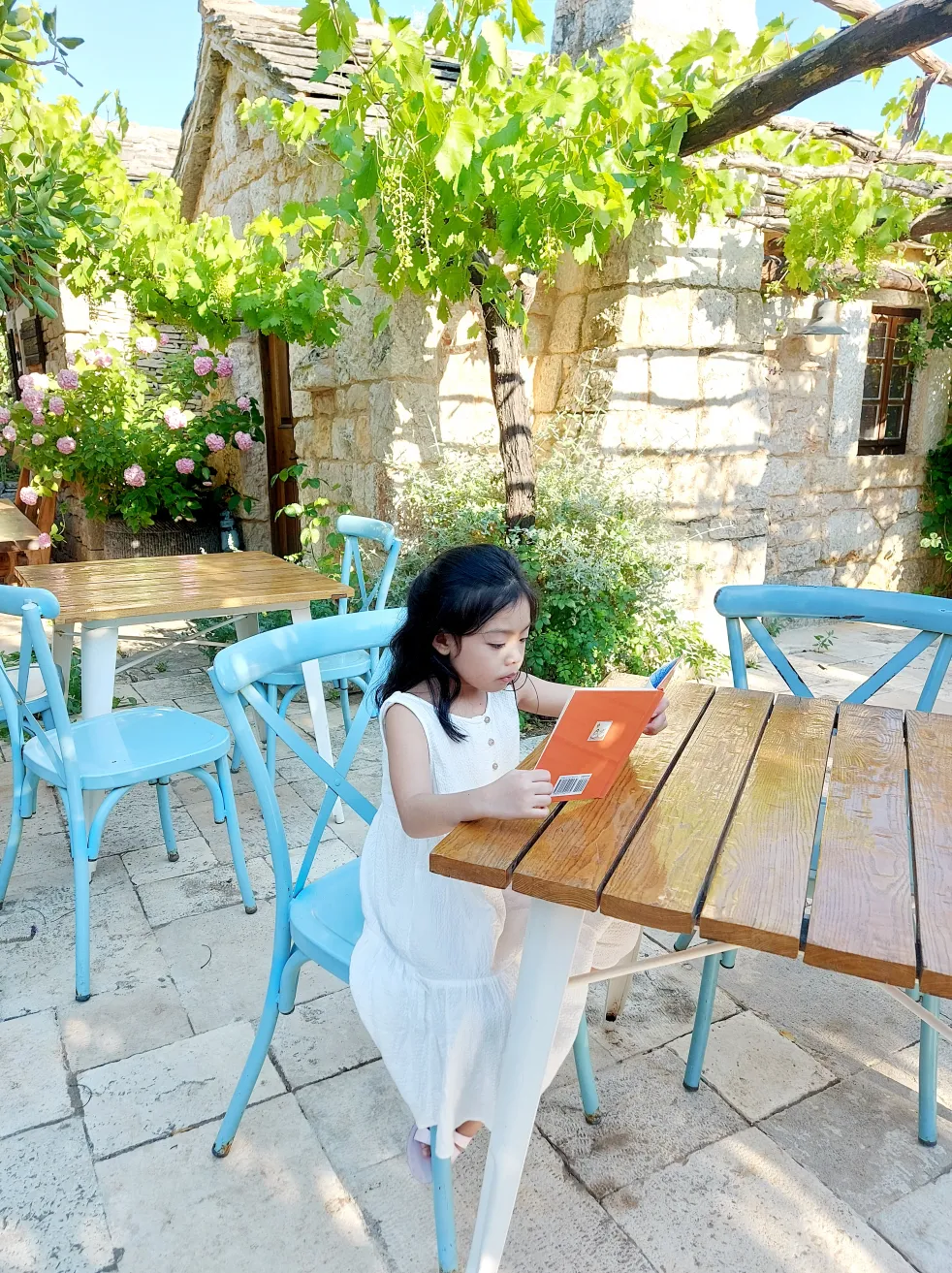
Where your child goes to school is a big decision and shouldn’t be taken lightly. Given how their education can impact their future, you might be tempted to take control and decide for them. However, you might be doing more damage than helping them in the long run. Your job as parents is to support… Continue reading HOW TO CHOOSE THE BEST SCHOOL FOR YOUR CHILD
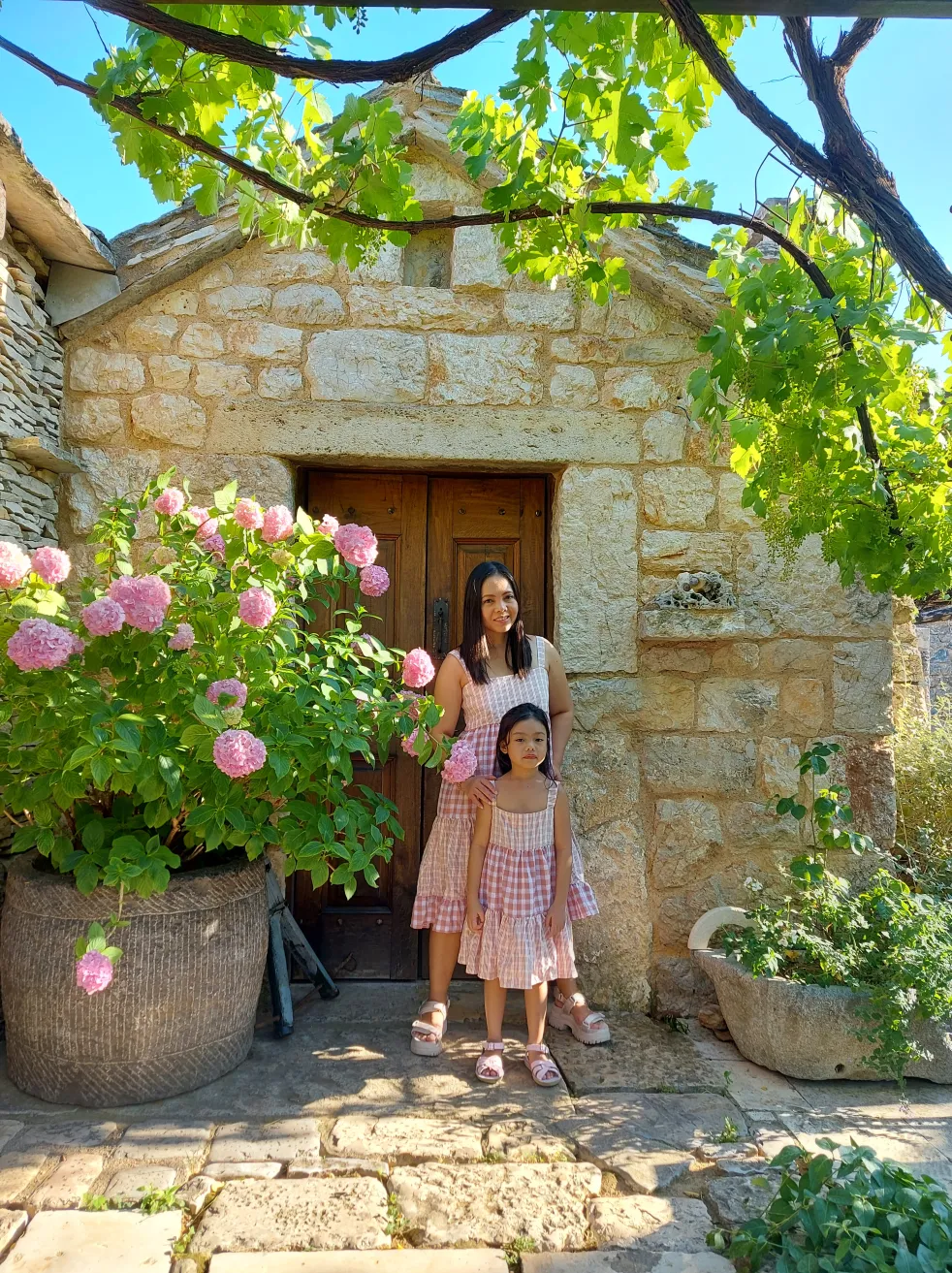
As poet and philosopher Rumi once eloquently said, “raise your words, not your voice. It is rain that grows flowers, not thunder.” Parenting is a challenging journey, and the truth is that nobody has everything figured out. One parenting style might suit others best, and some might favor other methods. However, children respond better to… Continue reading A SIMPLE GUIDE TO GENTLE PARENTING
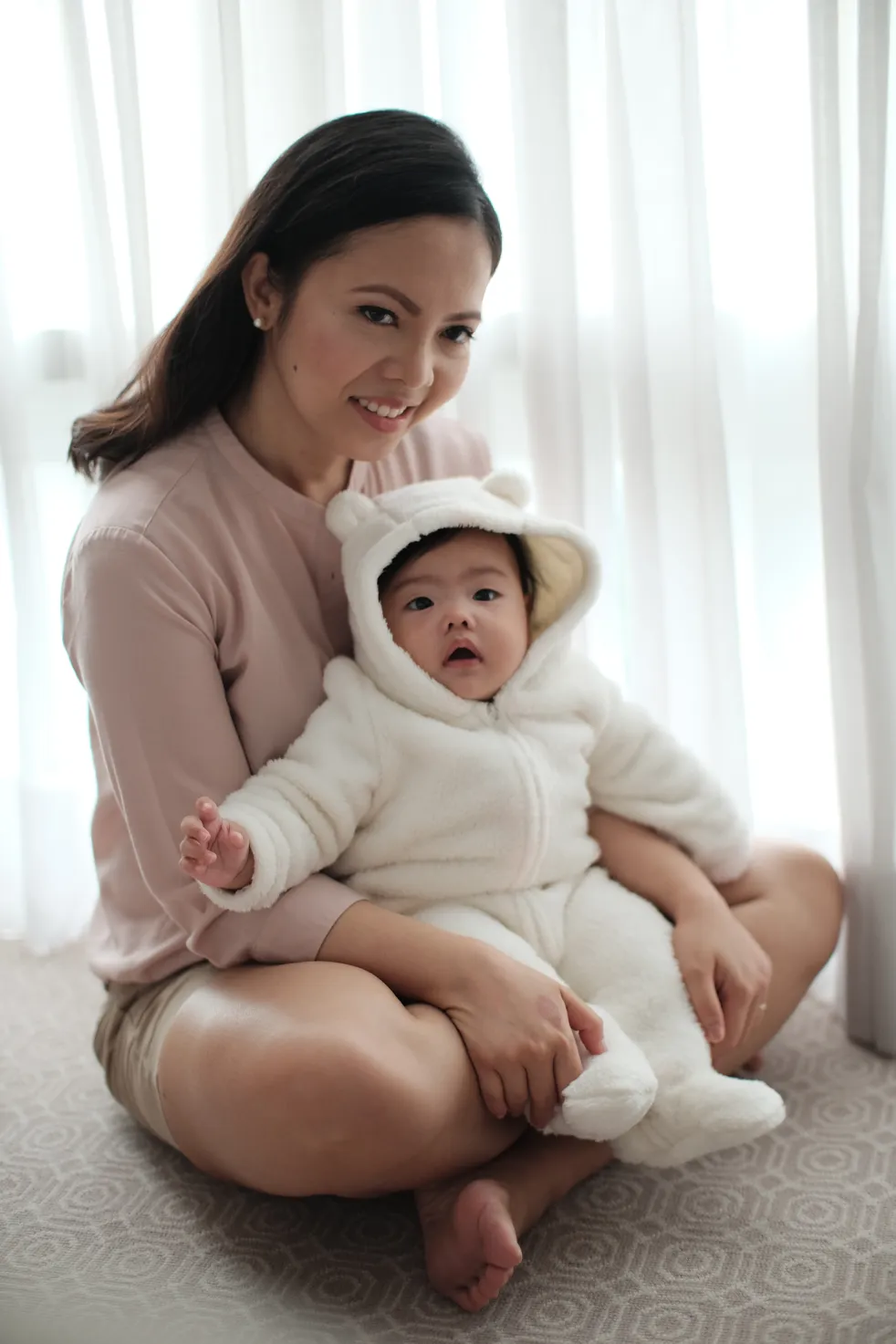
Whether you’re a new mom to be, mom of a toddler, mom who have school-aged kids, you’re bound to have so many questions. Let's start with your baby's skin. Infant skin has unique needs; gentle care is essential to prevent damage to the skin barrier, which can lead to irritation. When caring for infant skin,… Continue reading Keeping Baby’s Diapered Skin Healthy
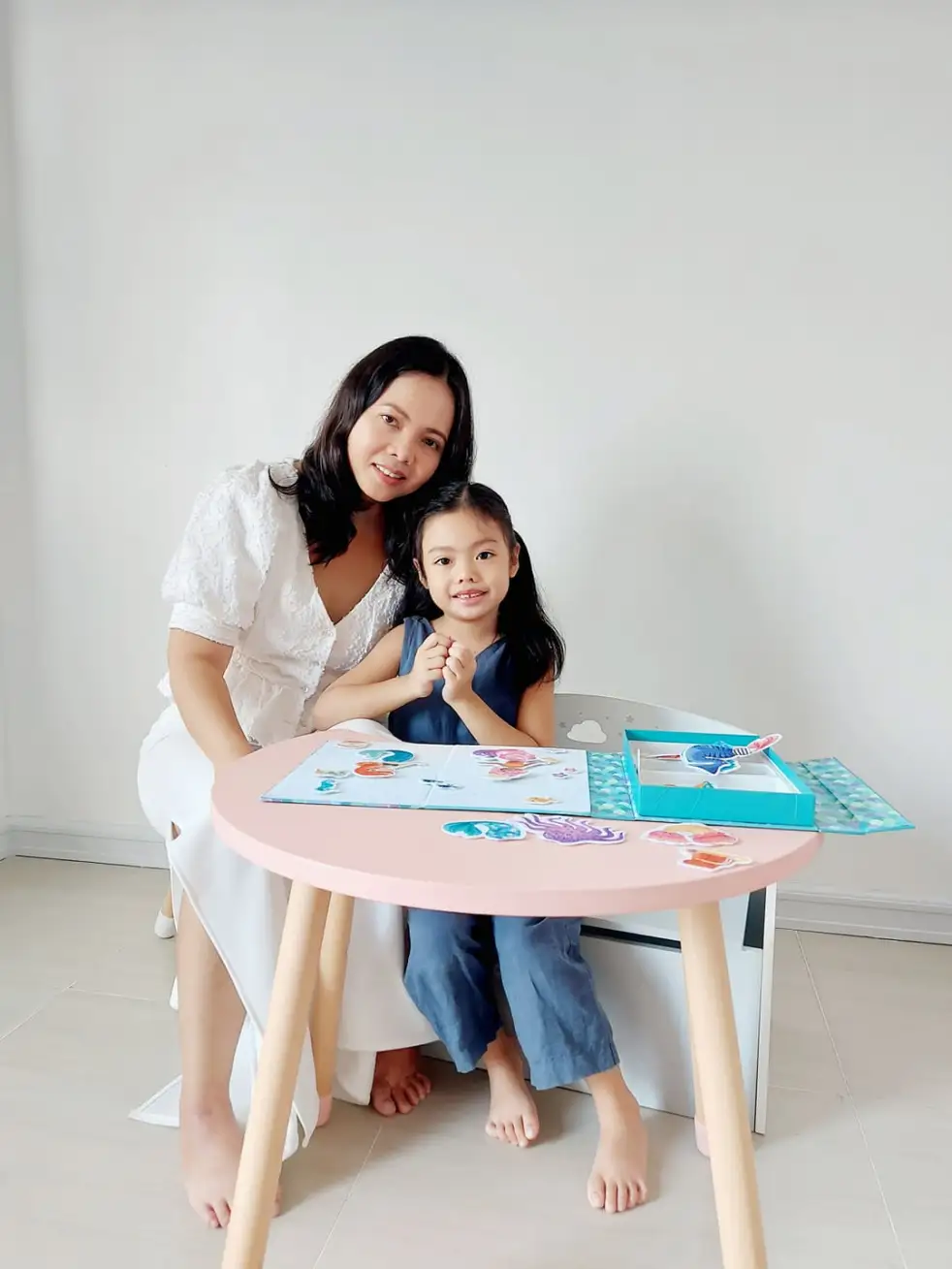
As parents, we want to give our child the best possible start in life and that begins with nurturing their intelligence. Throughout history, the notion of success has been linked to academic intelligence. However, there has been an increased awareness on the importance of emotional intelligence. This question gets at the heart of the never-ending… Continue reading IQ or EQ, which one is a better predictor of your child’s success?
 wondermomma.net