

Last August, IKEA Philippines engaged with Better World Smokey Mountain, a newly opened community center operated by the San Miguel Foundation, which shares a similar goal of improving the lives of many Filipino people. Through this partnership, IKEA Philippines provided and assembled home furnishings for the classrooms and library of Better World Smokey Mountain community… Continue reading Help Create a Better World with IKEA Soft Toys
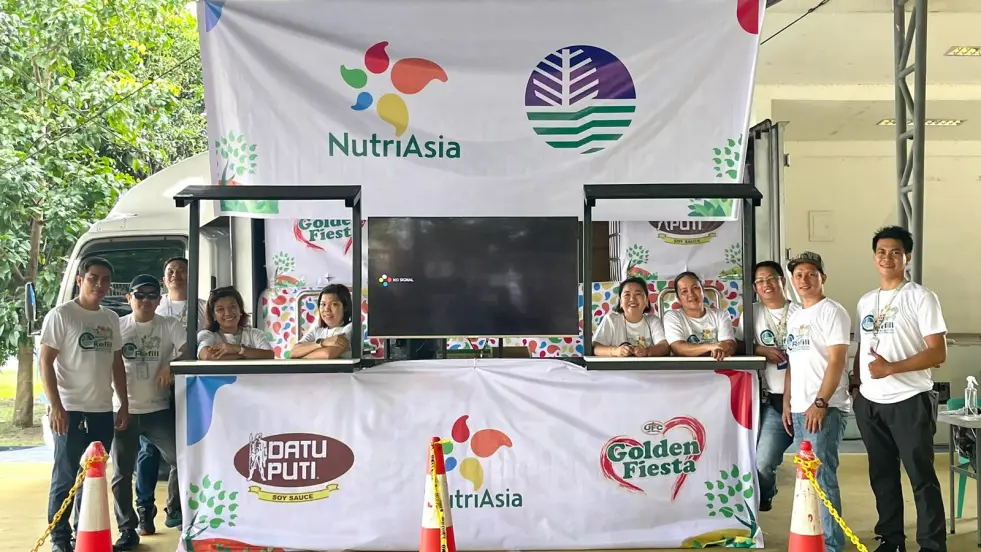
NutriAsia, the country’s top producer of condiments and sauces, continues its support of Refill Revolution; a project by the Department of Environment and Natural Resources EMB 3 that aims to help reduce Filipinos’ single-use plastics consumption. At Refill Revolution, residents get to recycle their single-use plastic bottles by reusing and filling it with their choice… Continue reading NutriAsia and DENR renews partnership for Refill Revolution

How to Make Your Own Baby Cereal at Home
Homemade baby cereal can be a simple, budget-friendly way to introduce grains and new textures when your baby is ready for solid food. Rice, oats, millet, quinoa, and other grains can be cooked until soft, then blended into a smooth or slightly textured meal.
Making cereal at home also lets you control the ingredients. You can avoid added sugar, salt, artificial flavors, and unnecessary fillers while adjusting the consistency to suit your baby’s development. A small batch can be prepared ahead and stored safely for busy mornings.
Baby cereal should complement breast milk or infant formula during the early stages of complementary feeding. It is food for exploration and nourishment, not a replacement for milk feeds. Always follow your pediatrician’s advice, especially if your baby was premature, has feeding difficulties, or has a known allergy.
Know when your baby is ready
Most babies begin trying solid foods at around six months, when they show several signs of readiness. These include sitting upright with support, holding the head and neck steady, reaching for food, opening the mouth when food approaches, and swallowing instead of repeatedly pushing food out with the tongue.
Age alone is not the only consideration. A baby who cannot sit safely or control their head may not be ready for spoon-fed cereal. Your child’s healthcare provider can help you decide when and how to begin, particularly if there are concerns about growth, swallowing, reflux, or developmental delays.
Start with a small spoonful once a day when your baby is calm and not overly hungry. Offer a smooth consistency at first, then gradually make the cereal thicker as your baby becomes more comfortable with eating.
Choose suitable grains and ingredients
Plain grains are the best starting point for homemade infant cereal. Rolled oats, white or brown rice, millet, quinoa, and finely ground corn are useful options. Oats and millet cook into a soft texture, while quinoa provides a different flavor and can help introduce variety.
Use clean drinking water for cooking and select grains without seasoning or flavoring. Rice cereal can be included in a varied diet, but it should not be the only grain offered. Serving different grains helps reduce reliance on one food and introduces your baby to a wider range of tastes.
For extra energy and a creamier texture, mix the cooked cereal with breast milk or prepared infant formula after it has cooled slightly. Do not use cow’s milk as the main drink before 12 months. Small amounts of pasteurized dairy may be used in some recipes, but ask your pediatrician if your baby has an allergy risk or digestive concern.
Prepare a basic homemade cereal
Begin by washing your hands, utensils, cooking pot, blender, and storage containers. Rinse whole grains under running water. Some grains, such as quinoa, benefit from thorough rinsing to remove their natural bitter coating.
You can grind dry grains into a fine powder using a clean spice grinder or high-speed blender. Cooking the powder produces a quick cereal, but it must be simmered thoroughly because dry grain flour is not ready-to-eat food. Alternatively, cook whole grains until very soft and blend them afterward.
For a simple oat cereal, combine two tablespoons of finely ground rolled oats with about half a cup of water. Simmer over low heat, stirring often, until soft and smooth. Add more water if needed, then cool before mixing in breast milk or prepared formula.
For rice, millet, or quinoa, cook the grain in extra water until it is very tender. Blend with some of the cooking liquid until the desired consistency is reached. Avoid adding salt, sugar, honey, stock cubes, butter, or sweetened condensed milk.
Compare grains for baby cereal
Each grain has a different taste, texture, and cooking time. Offering one grain at a time for the first few tries makes it easier to notice a reaction and helps your baby learn individual flavors.
| Grain | Preparation idea | Texture and flavor | Helpful note |
|---|---|---|---|
| Rolled oats | Grind, then simmer with water | Creamy and mild | Cooks quickly and blends easily |
| White rice | Cook until very soft, then blend | Smooth and gentle | Include other grains for variety |
| Brown rice | Cook longer with extra water | Slightly nutty and thicker | May need more blending for a smooth texture |
| Millet | Rinse and cook until tender | Mild, soft, and slightly sweet | Works well with mashed fruit or vegetables |
| Quinoa | Rinse well, cook, and blend | Earthy with a light texture | Introduce in a small portion first |
| Cornmeal | Use plain, finely ground meal and cook fully | Smooth and lightly sweet | Choose an unsalted product |
The table is a starting point rather than a strict menu. Your baby’s acceptance may vary from day to day. A grain that is refused at first can be offered again later without pressure.
Adjust texture as skills develop
Early cereal may need to be thin enough to slide easily from a spoon. You can loosen it with warm water, breast milk, or prepared formula. Once your baby manages smooth food confidently, leave it slightly thicker and less blended to encourage oral movement.
Around the later stages of infancy, many babies can handle soft mashed cereal with tiny, smooth lumps. Texture should progress gradually and safely. Avoid hard, sticky, round, or dry pieces that may be difficult to manage.
You can combine cereal with a single familiar food, such as mashed banana, cooked squash, sweet potato, pear, or apple. Introduce new ingredients one at a time when practical, particularly foods that may cause an allergic reaction. Common allergens such as peanut, egg, dairy, wheat, soy, fish, and sesame should be introduced in safe, age-appropriate forms, with medical guidance when your baby has eczema or a strong family allergy history.
Store and serve it safely
Homemade baby food spoils more quickly than many commercial products because it usually contains no preservatives. Serve cereal in a clean bowl and use a separate spoon. If the spoon has touched your baby’s mouth, do not return leftovers to the storage container because saliva can encourage bacterial growth.
Cool freshly cooked cereal promptly and place it in a covered container in the refrigerator. Use refrigerated cereal within one to two days, following your local health provider’s food safety advice. For longer storage, freeze small portions in clean, food-safe containers or ice cube trays, then transfer the frozen portions to a labeled freezer bag.
Thaw frozen cereal in the refrigerator or warm it gently in a bowl of hot water. Stir well and check the temperature before serving. Avoid heating breast milk directly in the microwave, since hot spots can form. Discard food left at room temperature for an extended period, especially in a warm climate.
Keep uncooked grains dry and protected from insects. Wash produce before adding it to a recipe, cook animal products thoroughly, and never add honey to food for a child under 12 months because of the risk of infant botulism.
Build simple, nourishing combinations
Plain cereal is useful for learning, but babies also need a varied diet as complementary feeding progresses. Once your baby has tried individual ingredients, combine grains with fruits, vegetables, beans, or finely puréed meat according to their feeding stage and your family’s usual foods.
Try oats with mashed banana, millet with squash, rice with puréed carrot, or quinoa with soft pear. For a more filling savory meal, combine a smooth grain with well-cooked lentils or finely blended chicken. Do not rely on cereal alone for iron; include iron-rich foods regularly, since babies’ iron needs increase during the second half of the first year.
- Offer one or two teaspoons at first, then follow your baby’s hunger and fullness signals.
- Keep cereal plain and let fruits, vegetables, and grains provide the flavor.
- Introduce a variety of grains instead of serving rice at every meal.
- Prepare small portions and label refrigerated or frozen food with the date.
- Feed your baby upright and stay close throughout the meal.
Homemade baby cereal can fit easily into Filipino family meals when ingredients are kept plain and portions are prepared separately. Soft rice, oats, millet, squash, banana, sweet potato, and legumes can all become part of a balanced feeding routine without requiring complicated equipment.
Begin with one carefully prepared cereal, observe how your baby responds, and add variety at a comfortable pace. Share your family’s favorite baby-friendly grain combinations with the WonderMomma community and keep exploring nourishing meals that make early eating a positive experience.

Mercato Centrale, in collaboration with Indian Women in Enterprise Philippines (I-We), is set to host "The Great Indian Fiesta" to mark 75 years of friendship between India and the Philippines. The dynamic two-day event is scheduled to take place on September 30 to October 1, 2023, at Paseo De Roxas Street, Makati City. Aiming to… Continue reading Mercato Centrale Partners with I-We to Host ‘The Great Indian Fiesta’, Commemorating 75 Years of India-Philippines Friendship

My stomach would usually start growling at 10 am even after taking a big breakfast. This is probably because I am a morning person and I move a lot throughout the day hence snacking is something that I can't avoid. This potatoes and chicken wrap recipe is easy to prepare and would keep me full… Continue reading Potato and Chicken Wrap
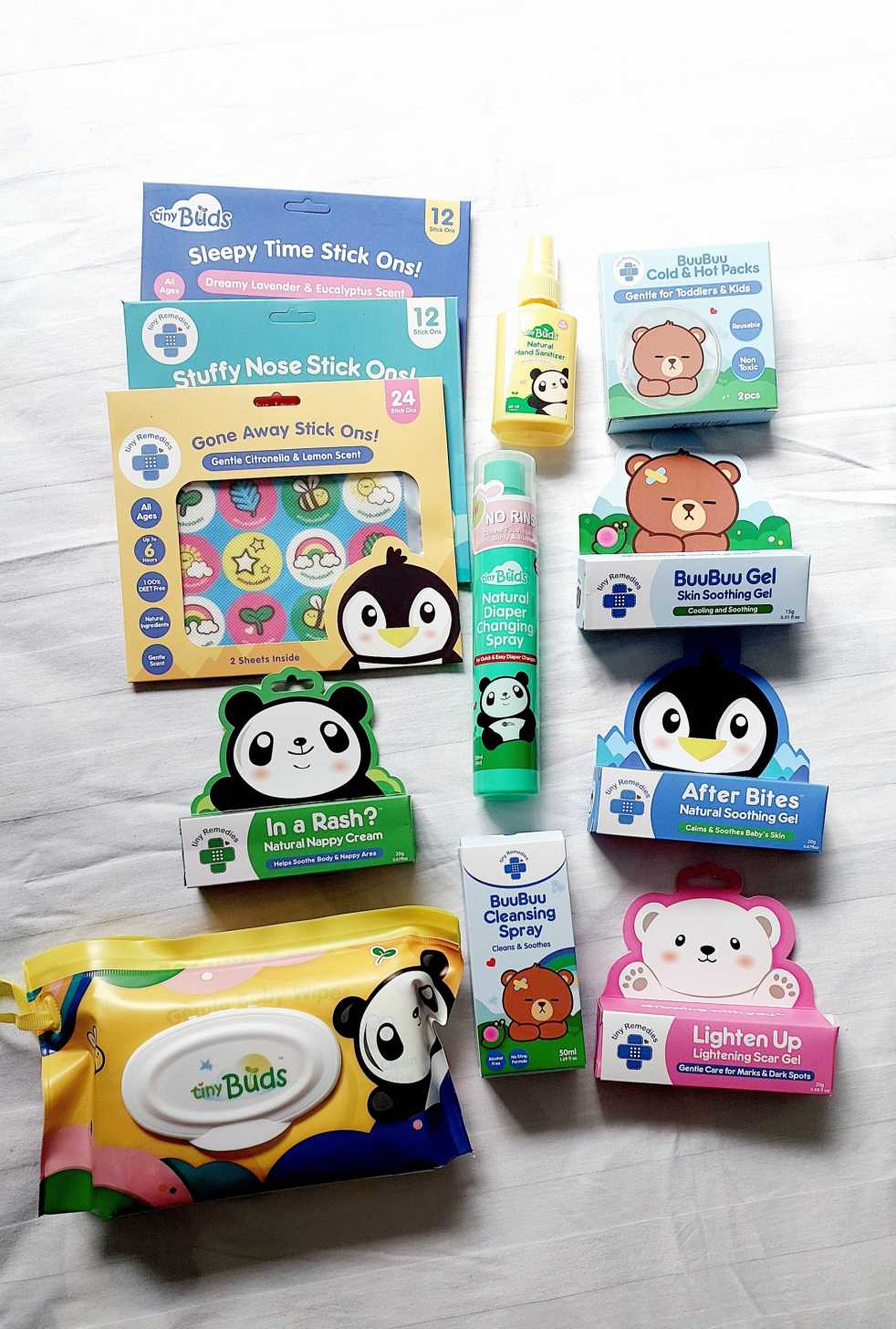
Your baby’s skin is more delicate than most, this is why you have to choose products that are designed for sensitive skin. Tiny Buds is a pioneer in integrating natural ingredients into baby care and today has over 50 innovative natural baby care essentials and is one of the Top Baby Personal Care brands. Here… Continue reading Product Review: Tiny Buds Baby Naturals Baby Essentials
Where your child goes to school is a big decision and shouldn’t be taken lightly. Given how their education can impact their future, you might be tempted to take control and decide for them. However, you might be doing more damage than helping them in the long run. Your job as parents is to support… Continue reading HOW TO CHOOSE THE BEST SCHOOL FOR YOUR CHILD
As poet and philosopher Rumi once eloquently said, “raise your words, not your voice. It is rain that grows flowers, not thunder.” Parenting is a challenging journey, and the truth is that nobody has everything figured out. One parenting style might suit others best, and some might favor other methods. However, children respond better to… Continue reading A SIMPLE GUIDE TO GENTLE PARENTING

Whether you’re a new mom to be, mom of a toddler, mom who have school-aged kids, you’re bound to have so many questions. Let's start with your baby's skin. Infant skin has unique needs; gentle care is essential to prevent damage to the skin barrier, which can lead to irritation. When caring for infant skin,… Continue reading Keeping Baby’s Diapered Skin Healthy
As parents, we want to give our child the best possible start in life and that begins with nurturing their intelligence. Throughout history, the notion of success has been linked to academic intelligence. However, there has been an increased awareness on the importance of emotional intelligence. This question gets at the heart of the never-ending… Continue reading IQ or EQ, which one is a better predictor of your child’s success?
 wondermomma.net