
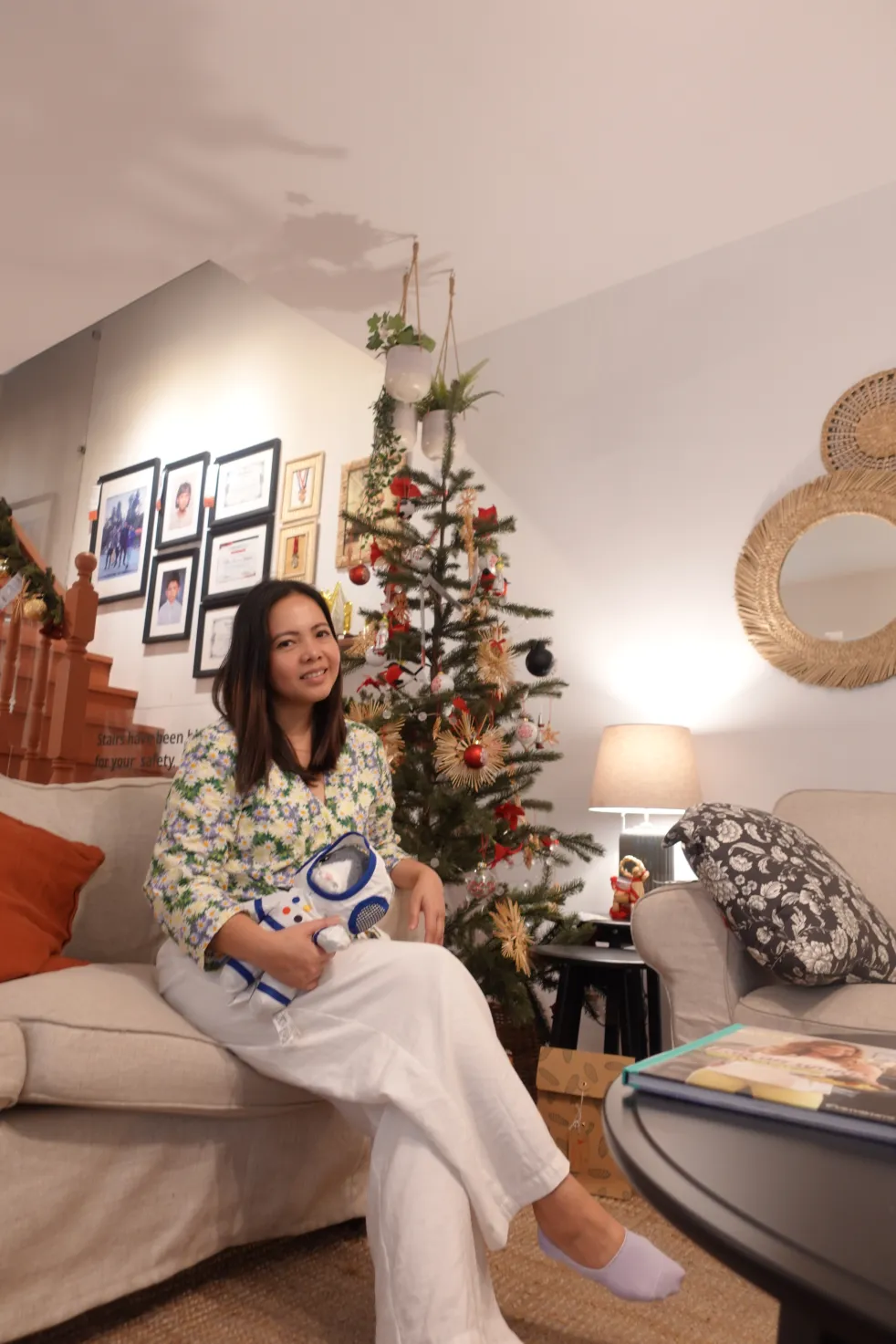
Last August, IKEA Philippines engaged with Better World Smokey Mountain, a newly opened community center operated by the San Miguel Foundation, which shares a similar goal of improving the lives of many Filipino people. Through this partnership, IKEA Philippines provided and assembled home furnishings for the classrooms and library of Better World Smokey Mountain community… Continue reading Help Create a Better World with IKEA Soft Toys

NutriAsia, the country’s top producer of condiments and sauces, continues its support of Refill Revolution; a project by the Department of Environment and Natural Resources EMB 3 that aims to help reduce Filipinos’ single-use plastics consumption. At Refill Revolution, residents get to recycle their single-use plastic bottles by reusing and filling it with their choice… Continue reading NutriAsia and DENR renews partnership for Refill Revolution

Creating a calm-down corner at home
Children do not always have the words to explain that they feel overwhelmed. A calm-down corner can lower the mental effort required to settle, while giving them a short path away from noise, conflict or a crowded room. Even a small nook can become a reliable signal that help is nearby and that big feelings are welcome.
Such a quiet retreat is not a time-out chair, a punishment box or a place where a child is sent alone. It is a shared regulation zone: somewhere an adult can sit nearby, offer simple choices and help the child return to the room when they feel ready. The message should be safety and connection, never rejection.
You do not need a spare bedroom or a large budget. A section of the playroom, the end of the bed, a corner beside the laundry or a screened spot on the back verandah can work. The best location is the one your child can reach without crossing hazards and where adults can supervise without hovering.
Start with what already exists: a soft rug, a beanbag, a small basket and one comforting book. Add only what supports calm, then watch how your child uses the space. A corner that feels predictable and welcoming is usually more useful than one packed with gadgets.
Why a quiet retreat helps
Repeated signals make emotional regulation easier. Children recognise the same cushion, lamp and basket each time, so the space quickly becomes linked with rest rather than correction. A clear phrase such as “let’s take a breather in your nook” also gives adults a neutral way to offer help without arguing during the peak of a meltdown.
Children can use the corner for quiet breaks, sensory play, drawing, breathing or settling after school. The activity can change with age; what remains constant is the invitation to pause. For some children, sitting beside a trusted adult is enough. Others may prefer a brief solo reset with the door open and a visual timer nearby.
Finding the right place at home
For Australian homes, open-plan living often means the play area shares space with the kitchen or family room. Look for a boundary that can be softened without blocking the whole room: a rug edge, a slim bookcase, a curtain or a row of plants. In a rental, adhesive hooks and removable baskets are less disruptive than drilling, but every weight-bearing item should be stable.
In Brisbane, Perth and Adelaide, summer heat can make an outdoor retreat uncomfortable, so shade and airflow matter more than simply moving outside. Keep indoor options for hot afternoons, and use a covered verandah, porch or bedroom where the air is cooler. Check that a lamp cannot overheat fabric and that no direct sun makes the space too bright.
Keep the route short. A child should not have to pass a busy kitchen, staircase or back door to reach it. If the corner sits beside the kitchen table, place it on the quieter side and use a visual marker to show where it begins. Easy access also helps adults stay close and respond to cues.
Creating a safe, sensory-friendly setup
Begin with a washable floor mat or firm foam pad, then add a cushion your child can move independently. Avoid sharp furniture edges and keep small, breakable or choking-sized objects out of reach. Anchor shelving, route electrical cords away from the area, secure blind cords and check that cupboards cannot tip. A parent should still check the setup as children become taller and more curious.
Reduce visual clutter by limiting the number of choices. Two books, one soft toy and a simple breathing card may be plenty. Soft lighting can help in the evening, but the room should never become so dark that the child cannot see the adult beside them. Noise-cancelling headphones can suit some children; for others, ordinary room sound is enough. Follow their cues rather than adding every popular sensory tool.
Choosing practical comforts that last
A low basket gives each item a home and makes cleanup predictable. Useful options include emotion cards, a small puzzle, crayons and paper, a soft ball, a fidget, headphones with a safe volume limit or a simple visualiser. Books about anger, separation and changing routines can prompt a conversation without requiring the child to speak while distressed.
If the nook doubles as a table for after-school snacks, keep food and sensory materials separate. You may also find these healthy lunchbox ideas useful for easy lunches that do not need reheating, freeing space for a drink and a quiet break. Choose washable covers, replaceable parts and objects that suit your child’s current interests rather than buying for a stage they have already passed.
Fitting the corner into Australian family life
Tie the space to familiar transitions: after kindy, after the school run or before the arvo outing. “Arvo” may mean a trip to the park, but the wording does not matter nearly as much as consistency. A visual schedule with a stop symbol can help younger children remember the choice, while a simple timer makes a ten-minute reset visible to older children.
The Australian market makes it easy to mix inexpensive and durable pieces. Kmart and Bunnings are familiar stops for storage, mats and basic fittings, while IKEA, Target and online retailers offer more specialised sensory equipment. Compare dimensions, cleaning instructions and safety standards, and watch seasonal sales without filling the nook with duplicate items.
Local parks, council libraries and community playrooms can reinforce the same skills because children see quiet breaks as part of everyday life, not as something shameful. At home, a back verandah or shaded patio can work in mild weather, but bring the same cushion and basket outdoors so the familiar signal travels with them. Never leave a young child unattended there.
Comparing flexible corner styles
Every household has different space, noise and supervision needs. The four setups below are starting points rather than fixed templates; adapt the placement and contents to your child and the rooms you actually use.
| Setup | Best suited to | Useful elements | Important check |
|---|---|---|---|
| Soft floor zone | Toddlers and preschoolers | Foam mat, cushion, book basket | Keep exits clear and remove loose cords |
| Sensory nook | Children who need less input | Canopy, dim lamp, headphones | Maintain visibility and comfortable airflow |
| Creative station | School-age children | Books, drawing materials, timer | Supervise small items and messy activities |
| Portable calm kit | Renters, travel or shared rooms | Basket, breathing card, soft toy | Store it where the child can reach it safely |
Whichever style you choose, favour a clear boundary, a manageable number of choices and an easy adult seat. If the corner regularly causes more conflict, move it, simplify it or ask a paediatrician or child psychologist for individual guidance.
Keeping the space useful as children grow
As children change, keep the core familiar while updating a few elements. Washable fabrics, neutral storage and replaceable cushion covers can carry the space from preschool into the school years. Let your child choose one meaningful addition at a time, especially if the room already contains many options.
Use a brief reset routine:
- Return each object to its basket or shelf.
- Wipe the mat and check for spills or damaged pieces.
- Test the lamp, timer and other electrical items.
- Refresh the room with a new book or simple artwork.
Revisit the location as family routines shift. A corner near the family room may suit a preschooler, while a teenager might prefer a quieter desk nook with headphones and a door that can close. Older children can help choose the lighting, seating and rules, including whether they want company or quiet.
Watch for signs that the setup no longer fits:
- The child stays but repeatedly asks for an adult.
- The lighting or sound feels uncomfortable.
- Too many choices make settling harder.
- The space is used for hiding rather than resting.
A calm-down corner works best when it remains predictable, emotionally safe and easy to maintain, allowing regulation to become a skill the child can carry into the playground, classroom and wider community.

Mercato Centrale, in collaboration with Indian Women in Enterprise Philippines (I-We), is set to host "The Great Indian Fiesta" to mark 75 years of friendship between India and the Philippines. The dynamic two-day event is scheduled to take place on September 30 to October 1, 2023, at Paseo De Roxas Street, Makati City. Aiming to… Continue reading Mercato Centrale Partners with I-We to Host ‘The Great Indian Fiesta’, Commemorating 75 Years of India-Philippines Friendship

My stomach would usually start growling at 10 am even after taking a big breakfast. This is probably because I am a morning person and I move a lot throughout the day hence snacking is something that I can't avoid. This potatoes and chicken wrap recipe is easy to prepare and would keep me full… Continue reading Potato and Chicken Wrap
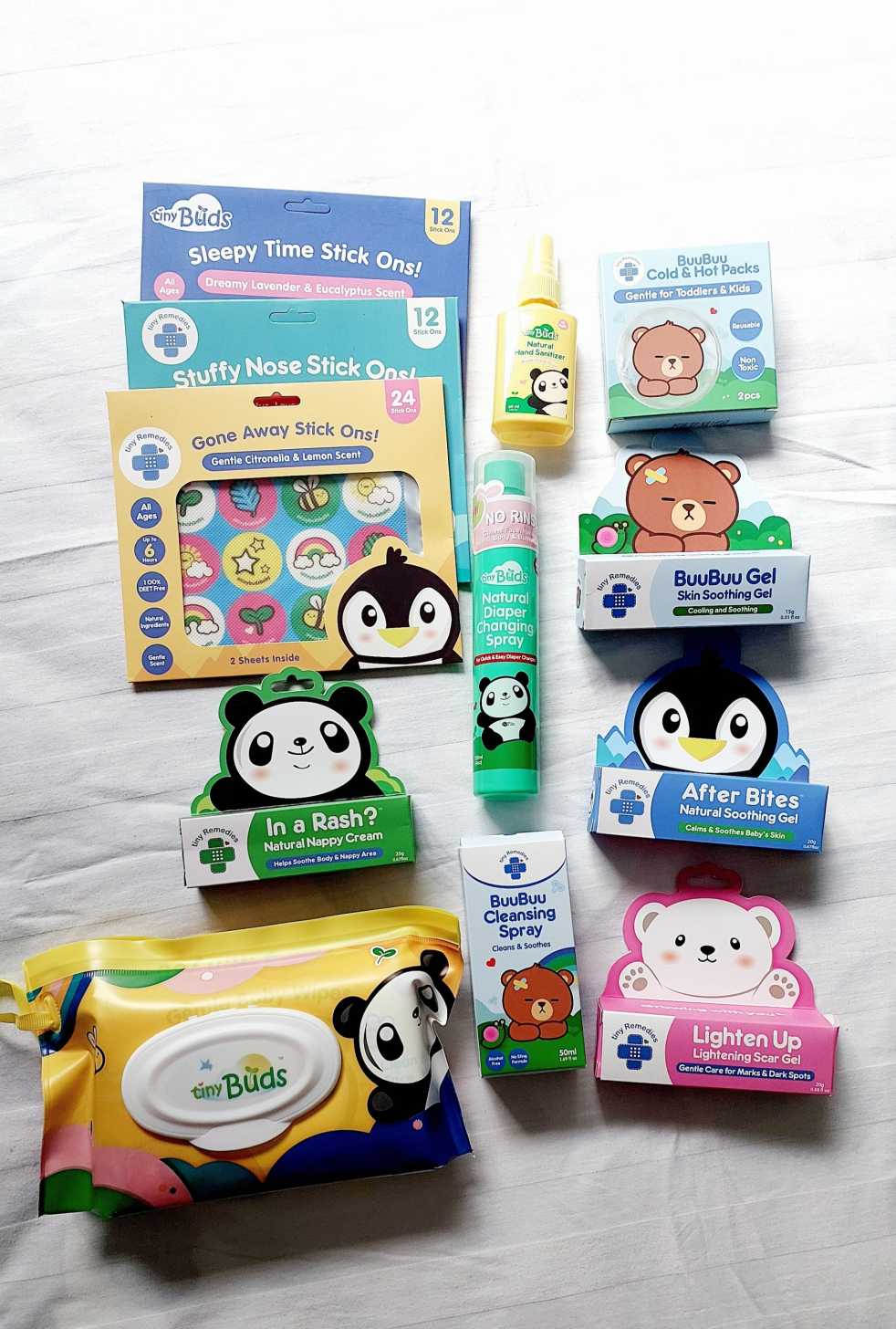
Your baby’s skin is more delicate than most, this is why you have to choose products that are designed for sensitive skin. Tiny Buds is a pioneer in integrating natural ingredients into baby care and today has over 50 innovative natural baby care essentials and is one of the Top Baby Personal Care brands. Here… Continue reading Product Review: Tiny Buds Baby Naturals Baby Essentials
Where your child goes to school is a big decision and shouldn’t be taken lightly. Given how their education can impact their future, you might be tempted to take control and decide for them. However, you might be doing more damage than helping them in the long run. Your job as parents is to support… Continue reading HOW TO CHOOSE THE BEST SCHOOL FOR YOUR CHILD
As poet and philosopher Rumi once eloquently said, “raise your words, not your voice. It is rain that grows flowers, not thunder.” Parenting is a challenging journey, and the truth is that nobody has everything figured out. One parenting style might suit others best, and some might favor other methods. However, children respond better to… Continue reading A SIMPLE GUIDE TO GENTLE PARENTING

Whether you’re a new mom to be, mom of a toddler, mom who have school-aged kids, you’re bound to have so many questions. Let's start with your baby's skin. Infant skin has unique needs; gentle care is essential to prevent damage to the skin barrier, which can lead to irritation. When caring for infant skin,… Continue reading Keeping Baby’s Diapered Skin Healthy
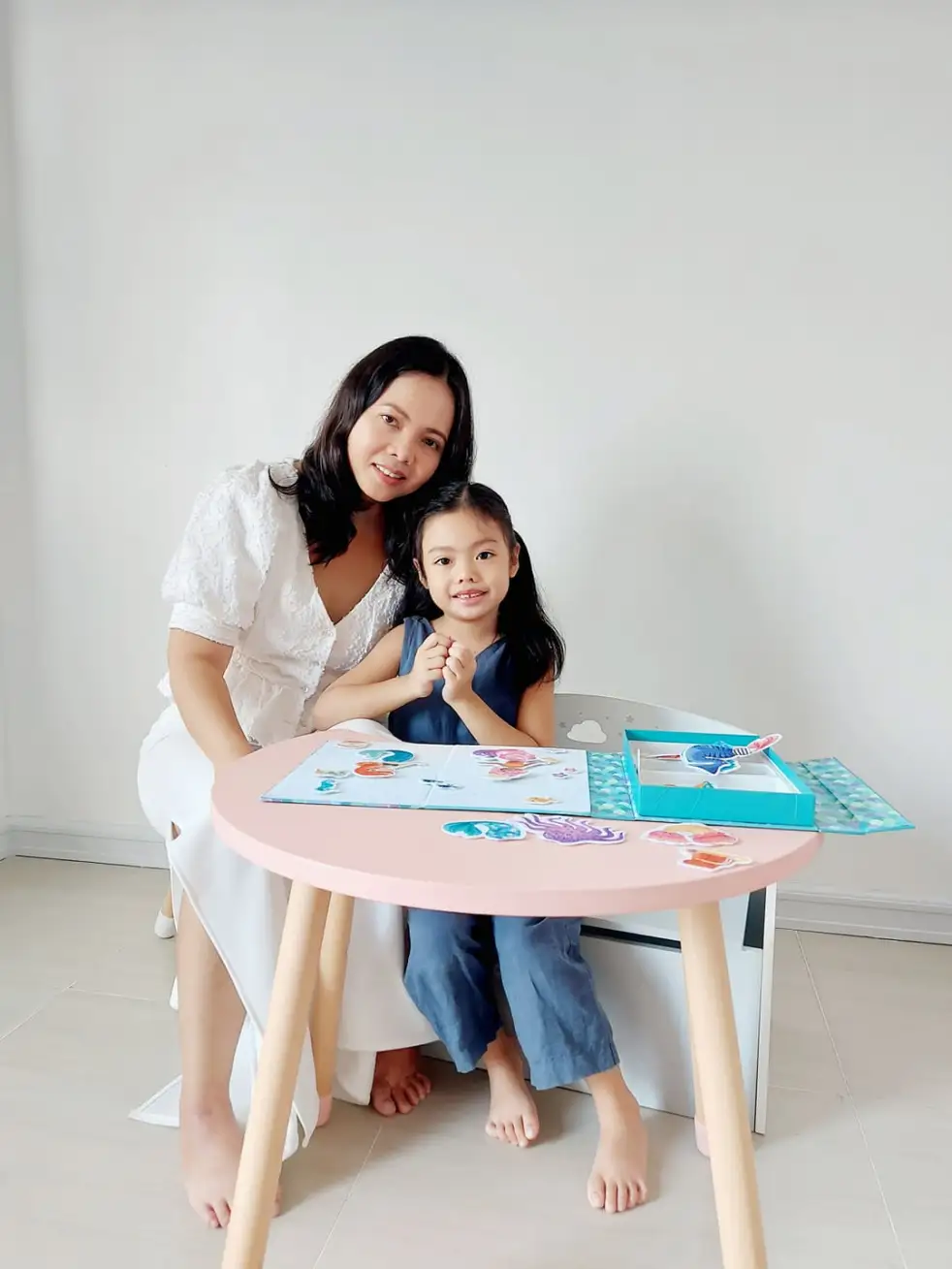
As parents, we want to give our child the best possible start in life and that begins with nurturing their intelligence. Throughout history, the notion of success has been linked to academic intelligence. However, there has been an increased awareness on the importance of emotional intelligence. This question gets at the heart of the never-ending… Continue reading IQ or EQ, which one is a better predictor of your child’s success?
 wondermomma.net