

Last August, IKEA Philippines engaged with Better World Smokey Mountain, a newly opened community center operated by the San Miguel Foundation, which shares a similar goal of improving the lives of many Filipino people. Through this partnership, IKEA Philippines provided and assembled home furnishings for the classrooms and library of Better World Smokey Mountain community… Continue reading Help Create a Better World with IKEA Soft Toys
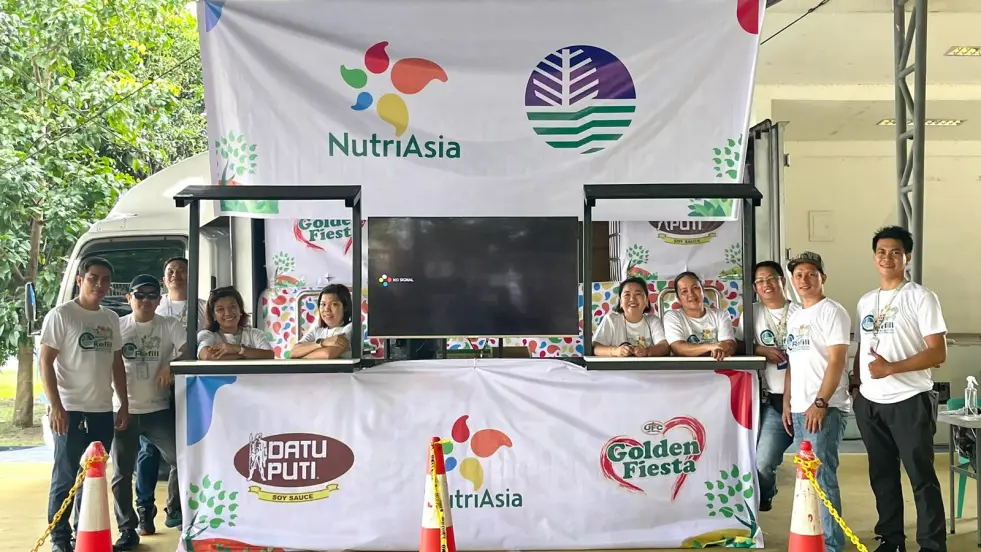
NutriAsia, the country’s top producer of condiments and sauces, continues its support of Refill Revolution; a project by the Department of Environment and Natural Resources EMB 3 that aims to help reduce Filipinos’ single-use plastics consumption. At Refill Revolution, residents get to recycle their single-use plastic bottles by reusing and filling it with their choice… Continue reading NutriAsia and DENR renews partnership for Refill Revolution

Healthy Lunchbox Ideas That Don’t Need Reheating
A nourishing lunch does not need a microwave, stove, or elaborate preparation. With a little planning, parents can pack satisfying meals that taste good at room temperature or straight from an insulated lunch bag. This is especially useful for children who eat at school, daycare, parks, or family outings where reheating facilities may be limited.
The best no-heat lunches combine familiar foods with a few nutrient-rich additions. Whole grains, fruit, vegetables, protein, and healthy fats can be mixed into simple combinations that children recognize and enjoy. Variety can come from changing the shape, color, texture, or dipping sauce rather than creating a completely new meal every day.
In the Philippines, warm weather also makes safe packing especially important. Chilled ingredients, leakproof containers, and short storage times help protect food quality while keeping lunch appealing. The goal is a practical meal that supports energy, concentration, and steady growth without adding unnecessary stress to the morning routine.
Build A Balanced Cold Lunch
A simple lunchbox formula starts with four parts: a filling carbohydrate, a source of protein, produce, and a small amount of healthy fat. Rice, whole-wheat bread, oats, pasta, potatoes, and corn provide energy. Eggs, chicken, tuna, tofu, beans, yogurt, and cheese add protein that helps children stay satisfied through the afternoon.
Fruit and vegetables bring fiber, vitamins, color, and natural sweetness. Try sliced mango, banana, watermelon, apples, cucumber, carrots, cherry tomatoes, or steamed vegetables that have cooled completely. Healthy fats may come from avocado, nut or seed butter, hummus, coconut, or a sprinkle of sesame seeds, provided they are safe for your child and allowed by the school.
Portion size should match the child’s age, appetite, and activity level. A lunchbox with several small portions often feels more manageable than one large serving. Include at least one familiar food, then add a small amount of something new so children can explore without feeling pressured to finish everything.
Fresh Lunchbox Combinations
Sandwiches are convenient, but they do not have to be repetitive. Fill whole-grain bread with egg salad, shredded chicken, cheese and cucumber, mashed avocado, or hummus. Cut sandwiches into strips, squares, or fun shapes, and keep wet fillings moderate so the bread remains pleasant by lunchtime.
Cold pasta salad is another flexible choice. Combine cooled pasta with corn, peas, diced bell pepper, boiled egg, chicken, or chickpeas. A light dressing made from olive oil and calamansi can add flavor without making the dish heavy. For younger children, use soft ingredients and cut food into safe, manageable pieces.
Rice meals can also be served without reheating. Pack rice balls with a mild tuna, chicken, or vegetable filling, or prepare a cold rice salad with egg, cucumber, and shredded carrots. Other easy choices include overnight oats, yogurt with fruit and granola packed separately, bean-and-cheese quesadillas served cool, and homemade muffins with fruit on the side.
Match Meals To Energy And Appetite
Children often eat differently from day to day. A busy child may need a larger portion of rice, pasta, or bread, while a less active day may call for more fruit and vegetables with a moderate serving of starch. Observing hunger patterns can help parents pack enough food without turning the lunchbox into a source of pressure.
The texture of food matters as much as its nutrition. Some children prefer crunchy vegetables, while others accept them more readily when grated or mixed into a spread. Keep dips separate when possible, since children may enjoy controlling how much sauce goes on each bite.
| Lunchbox idea | Main nutrients | Best preparation tip | Helpful side |
|---|---|---|---|
| Egg and cucumber sandwich | Protein, carbohydrates, fiber | Use a thin layer of filling to prevent soggy bread | Orange slices |
| Chicken pasta salad | Protein, carbohydrates, vegetables | Chill pasta fully before packing | Watermelon cubes |
| Yogurt, oats, and fruit | Protein, calcium, fiber | Pack granola separately for crunch | Boiled egg |
| Rice balls with tuna | Carbohydrates, protein, healthy fats | Keep portions small and easy to hold | Cucumber sticks |
| Hummus with pita strips | Plant protein, fiber, healthy fats | Use a leakproof dip container | Banana |
| Cheese and vegetable wraps | Protein, calcium, carbohydrates | Roll tightly and slice into pinwheels | Mango pieces |
Keep No-Heat Food Safe
Food safety begins with clean hands, clean containers, and ingredients that have been cooked and cooled properly. Avoid packing food while it is still steaming because trapped heat can encourage condensation and affect texture. Cool cooked rice, pasta, eggs, and meat promptly in shallow containers before transferring them to the lunchbox.
Use an insulated bag with an ice pack for perishable foods such as yogurt, cheese, egg, chicken, tuna, and cut fruit. In hot weather, frozen water bottles can serve as both a cooling aid and a drink for later. Keep the lunchbox out of direct sunlight and follow the school’s guidance about storage and eating times.
Choose foods that remain appealing after several hours. Dry sandwiches, whole fruit, crackers, muffins, and roasted vegetables are usually easier to manage than dishes with thin sauces. If a meal includes mayonnaise, dairy, or cooked meat, extra care with chilling is essential. When in doubt about food that has become warm, smells unusual, or has changed texture, discard it.
Make Mealtimes Calm And Child Friendly
Packing lunch is also an opportunity to support independence. Invite children to choose between two fruits, select a sandwich filling, wash produce, or place napkins in the bag. These small choices give children ownership while allowing parents to maintain a balanced selection.
Lunch should be a chance to refuel rather than a test of obedience. Some children eat slowly, become distracted, or feel overwhelmed by strong smells and mixed textures. A calm approach helps them notice hunger and fullness cues. Families managing big emotions at home may also find guidance on calm toddler behavior useful when building more peaceful routines around food and other daily transitions.
Avoid using dessert as a reward for finishing vegetables, and try not to comment negatively on how much a child eats. Pack a reasonable serving, allow the child to decide what and how much to eat from the available food, and review preferences later. This approach can gradually expand acceptance without creating mealtime battles.
Plan Ahead For Easier Mornings
A few minutes of preparation the night before can make fresh lunches much easier. Wash fruit, chop vegetables, cook eggs, portion crackers, and prepare sandwich fillings in advance. Store ingredients separately so they can be assembled quickly and mixed only when needed.
A rotating menu prevents decision fatigue. For example, Mondays might feature sandwiches, Tuesdays cold pasta, Wednesdays rice balls, Thursdays wraps, and Fridays a snack-style lunch. The fillings can change according to what is available at home, what is in season, and what the child is currently willing to eat.
Keep a small collection of reliable lunchbox tools: leakproof containers, reusable silicone cups, an insulated bag, ice packs, child-sized utensils, and a water bottle. Bento-style boxes can separate flavors and textures, while simple containers may work better for children who prefer larger portions. The most useful system is the one that the family can clean and maintain consistently.
Pack Smart With These Habits
Use the following practices to keep no-reheat lunches balanced, appealing, and realistic for everyday family life:
- Pack one familiar food alongside one small new food to encourage gentle exploration.
- Include a protein source in sandwiches, wraps, rice meals, salads, or snack boxes.
- Use an ice pack for dairy, eggs, meat, fish, yogurt, and other perishable ingredients.
- Cut food according to the child’s age and eating skills, especially round, firm, or sticky foods.
- Add a water bottle and choose naturally sweet fruit more often than packaged sweet drinks.
- Label containers and wash lunch gear soon after children return home.
Healthy food does not have to look elaborate to be valuable. A banana with a cheese sandwich, cucumber with hummus and pita, or cold rice with egg can provide a satisfying meal when portions and storage are handled thoughtfully. Repeating favorite combinations is perfectly acceptable; children often benefit from the predictability.
Start with two or three lunches your child already enjoys, then make one small adjustment at a time. Add a different fruit, swap white bread for whole grain, or include a new dip beside a familiar food. With steady practice, a practical lunchbox can support nutrition, independence, and enjoyable family routines throughout the school week.

Mercato Centrale, in collaboration with Indian Women in Enterprise Philippines (I-We), is set to host "The Great Indian Fiesta" to mark 75 years of friendship between India and the Philippines. The dynamic two-day event is scheduled to take place on September 30 to October 1, 2023, at Paseo De Roxas Street, Makati City. Aiming to… Continue reading Mercato Centrale Partners with I-We to Host ‘The Great Indian Fiesta’, Commemorating 75 Years of India-Philippines Friendship

My stomach would usually start growling at 10 am even after taking a big breakfast. This is probably because I am a morning person and I move a lot throughout the day hence snacking is something that I can't avoid. This potatoes and chicken wrap recipe is easy to prepare and would keep me full… Continue reading Potato and Chicken Wrap
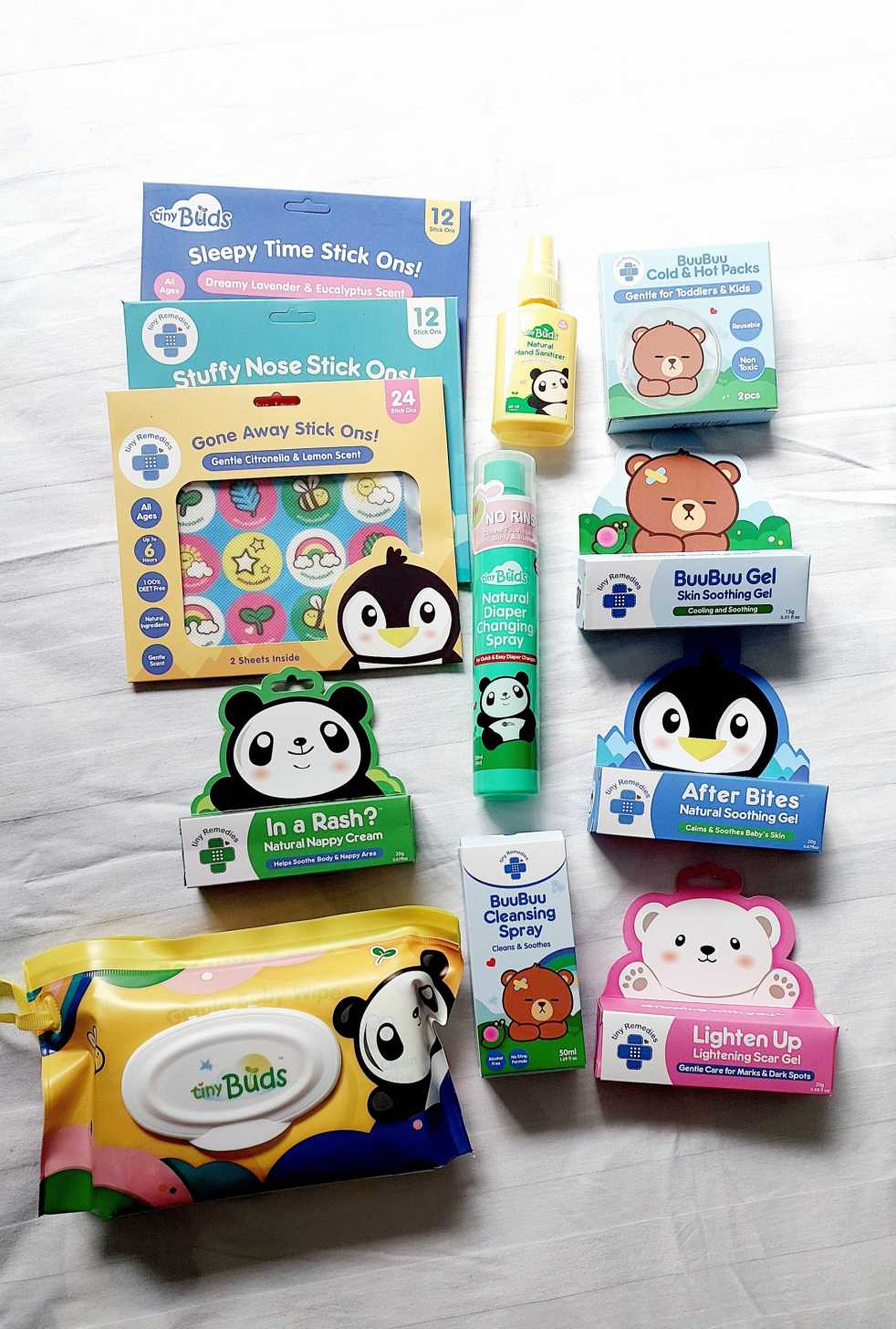
Your baby’s skin is more delicate than most, this is why you have to choose products that are designed for sensitive skin. Tiny Buds is a pioneer in integrating natural ingredients into baby care and today has over 50 innovative natural baby care essentials and is one of the Top Baby Personal Care brands. Here… Continue reading Product Review: Tiny Buds Baby Naturals Baby Essentials
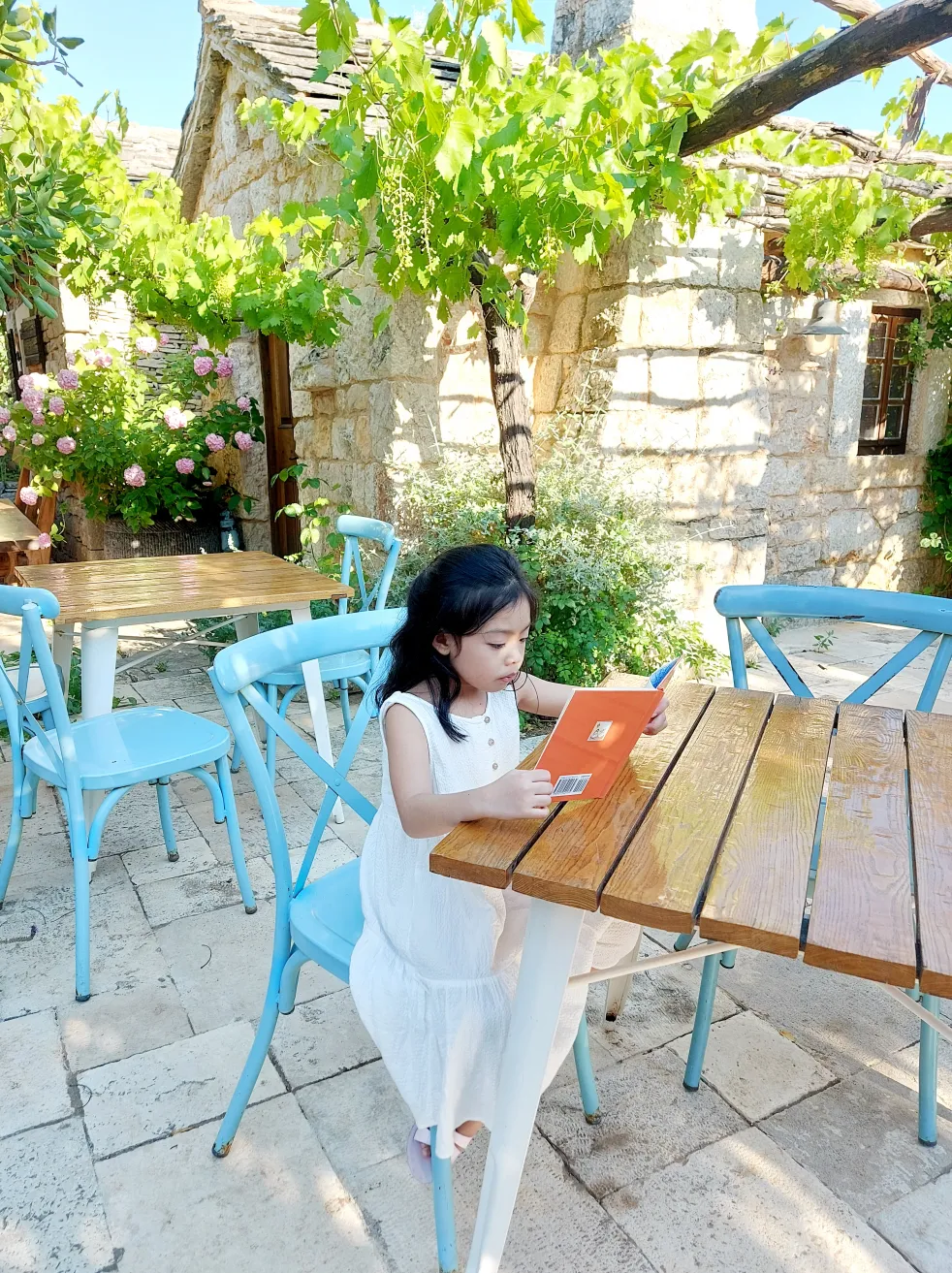
Where your child goes to school is a big decision and shouldn’t be taken lightly. Given how their education can impact their future, you might be tempted to take control and decide for them. However, you might be doing more damage than helping them in the long run. Your job as parents is to support… Continue reading HOW TO CHOOSE THE BEST SCHOOL FOR YOUR CHILD
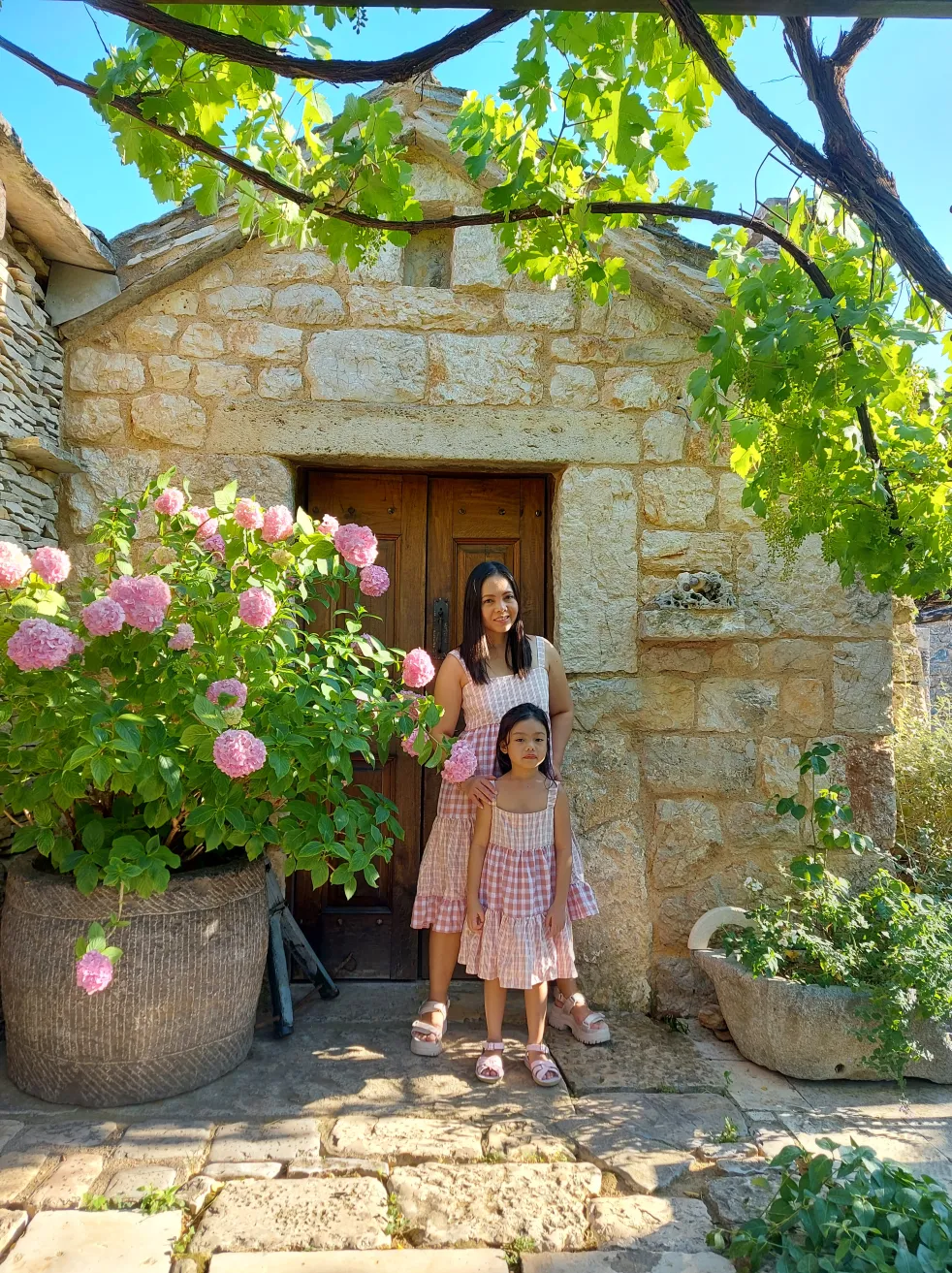
As poet and philosopher Rumi once eloquently said, “raise your words, not your voice. It is rain that grows flowers, not thunder.” Parenting is a challenging journey, and the truth is that nobody has everything figured out. One parenting style might suit others best, and some might favor other methods. However, children respond better to… Continue reading A SIMPLE GUIDE TO GENTLE PARENTING

Whether you’re a new mom to be, mom of a toddler, mom who have school-aged kids, you’re bound to have so many questions. Let's start with your baby's skin. Infant skin has unique needs; gentle care is essential to prevent damage to the skin barrier, which can lead to irritation. When caring for infant skin,… Continue reading Keeping Baby’s Diapered Skin Healthy
As parents, we want to give our child the best possible start in life and that begins with nurturing their intelligence. Throughout history, the notion of success has been linked to academic intelligence. However, there has been an increased awareness on the importance of emotional intelligence. This question gets at the heart of the never-ending… Continue reading IQ or EQ, which one is a better predictor of your child’s success?
 wondermomma.net