

Last August, IKEA Philippines engaged with Better World Smokey Mountain, a newly opened community center operated by the San Miguel Foundation, which shares a similar goal of improving the lives of many Filipino people. Through this partnership, IKEA Philippines provided and assembled home furnishings for the classrooms and library of Better World Smokey Mountain community… Continue reading Help Create a Better World with IKEA Soft Toys

NutriAsia, the country’s top producer of condiments and sauces, continues its support of Refill Revolution; a project by the Department of Environment and Natural Resources EMB 3 that aims to help reduce Filipinos’ single-use plastics consumption. At Refill Revolution, residents get to recycle their single-use plastic bottles by reusing and filling it with their choice… Continue reading NutriAsia and DENR renews partnership for Refill Revolution

Why Clothes Become a Daily Battle for Children
Getting dressed can become surprisingly emotional for young children. A shirt may feel scratchy, a waistband may press in the wrong place, or a favourite pair of shorts may be unavailable because it is in the wash. To an adult, these details seem manageable. To a tired child with limited control over their day, they can feel overwhelming.
Clothing conflicts are usually communication rather than misbehaviour. Your child may be expressing sensory discomfort, tiredness, anxiety, a need for independence, or difficulty moving from one activity to another. Understanding the cause makes it easier to respond with empathy while still getting everyone out the door.
What Is Behind the Clothing Battle
Children often have stronger sensory reactions than adults realise. Seams, clothing tags, tight cuffs, stiff denim, wool, synthetic fabric, and bulky layers can cause genuine discomfort. Some children are particularly sensitive to temperature, so a jumper that feels cosy to you may feel unbearable to them.
Control is another common factor. Dressing involves several adult decisions: what to wear, when to get dressed, how quickly to move, and whether a preferred outfit is clean. Saying “I’m not wearing that” can be a child’s way of reclaiming some independence. This is especially common during toddler and preschool years, when children want to do things for themselves but still need plenty of support.
Transitions can add fuel to the problem. Leaving a playground, stopping breakfast, getting ready for childcare, or preparing for school may already be difficult. If clothing is introduced at the busiest part of the morning, the child may resist the entire process rather than the garment itself.
Look For Patterns Before Changing Everything
Keep a simple mental or written note of when the outbursts happen. Is your child upset by socks, shoes, labels, school uniforms, underwear, coats, or a particular fabric? Do problems appear after swimming, when they are hungry, or only on rushed mornings? Patterns can reveal whether the main issue is sensory, emotional, practical, or related to fatigue.
Weather matters in Australia, where the right outfit can change quickly. A child in Brisbane may struggle with heat and humidity, while a child in Melbourne may face a chilly morning followed by bright sunshine. Children may also object to sunscreen, hats, jumpers, or wet-weather clothing. Treat those reactions as useful information rather than assuming your child is being difficult.
Consider fit as well. Fast-growing children may find that a once-comfortable waistband is now tight, or that shoes rub their heels. Check elastic, buttons, shoe width, and underwear seams. If a child repeatedly refuses one item, inspect it before insisting they wear it.
Give Choices Without Handing Over the Whole Morning
Limited choices can help children feel involved without making the routine unmanageable. Try offering two suitable options: “Would you like the green shirt or the striped shirt?” Both choices should be acceptable for the weather and the occasion. Too many options can make a tired child feel even more overwhelmed.
For younger children, use visual choices. Place two outfits on the bed, or show photographs of clothing combinations. Older children might choose their clothes the night before. This can be helpful when a family needs to leave early for school, swimming lessons, or a weekend sports activity.
Build independence into small steps. A child might choose socks, pull up trousers, or put their shirt over their head while you handle the trickier parts. Avoid turning dressing into a test of competence. Calm guidance such as “You put one arm in; I’ll help with the other” keeps the task cooperative.
A predictable routine also reduces arguments. Keep frequently worn clothes in an accessible drawer, prepare school uniforms before bedtime, and allow extra time for children who dress slowly. A few unhurried minutes can make a significant difference to the emotional tone of the morning.
Respond Calmly When the Meltdown Starts
When a child is already distressed, reasoning usually has limited effect. Use fewer words, lower your voice, and acknowledge what you can see: “The sock feels wrong and you’re upset.” Validation does not mean agreeing to every demand. It tells your child that their experience has been noticed.
Pause before trying to dress them again. If the item is not essential, remove it temporarily and offer a brief reset. A drink of water, a cuddle, quiet breathing, or sitting together can help their nervous system settle. If you need to leave soon, state the boundary simply: “We need to get dressed for kindy. You can wear the soft blue top or the cotton dress.”
Avoid threats, teasing, and long explanations during a fit. Statements such as “You’re being silly” or “Everyone else can wear it” may increase shame and resistance. Physical force should be reserved for immediate safety concerns, not ordinary clothing refusal. Once calm, revisit the issue and work out what made the item difficult.
If a child becomes upset about a school uniform, speak with the school when appropriate. Some Australian schools have strict uniform policies, but staff may be able to approve softer undershirts, alternative shoe styles, or adjustments for documented sensory needs. Early communication is usually more productive than a daily struggle at the school gate.
Make Clothing More Comfortable
Choose soft, breathable fabrics and remove tags where possible. Cotton, bamboo blends, smooth seams, and loose layers may suit children who dislike rough or restrictive clothing. Wash new garments before wearing them, since stiffness, dyes, or strong smells can contribute to rejection. Second-hand shops and Australian op shops can be useful places to find soft, already-washed basics at a lower cost.
Footwear deserves special attention. Check that toes have room to move and that socks are not twisted. Seamless socks, wider shoes, or a different fastening system may solve a problem that looks like stubbornness. For children who dislike shoes, practise wearing them for short periods at home rather than introducing them only during a rushed departure.
Create a small “safe wardrobe” of reliable items your child accepts. It might include several pairs of the same leggings, cotton T-shirts, elastic-waisted shorts, and familiar pyjamas. This does not mean a child can avoid every new experience forever. It gives them a dependable base while you gradually introduce changes.
Use preparation rather than surprise. Explain when a new clothing experience is coming, such as a school photo day, formal event, or winter uniform. Let your child touch the fabric, try it briefly, and choose a familiar item to wear underneath. For summer outings, a rash vest, hat, and loose cover-up can feel more manageable than a sudden change from indoor clothes to full sun protection.
Know When Extra Help May Be Useful
Occasional clothing protests are a normal part of development. Additional support may be worth seeking when distress is intense, frequent, or affecting school attendance, sleep, family activities, hygiene, or participation in sport. Take note if your child reacts strongly to many everyday sensations, such as food textures, hair brushing, noise, or crowded spaces.
A general practitioner can discuss the situation and provide a referral if needed. An occupational therapist may assess sensory processing and suggest practical strategies. If anxiety, communication difficulties, or developmental differences seem connected to the clothing problem, a paediatrician or child psychologist may also be appropriate. In Australia, families can ask their GP about suitable local services and whether Medicare or NDIS pathways may apply to their circumstances.
Keep the conversation factual and compassionate. Instead of saying your child is “fussy”, describe what happens: “They become distressed by waistbands, remove clothes repeatedly, and cannot leave the house.” Specific observations help professionals understand the pattern and plan useful support.
A Practical Dressing Plan for Busy Families
- Check comfort first by inspecting tags, seams, elastic, fit, fabric, and shoe size.
- Prepare two weather-appropriate outfits the night before and let your child choose one.
- Keep a small collection of trusted clothing available for difficult mornings.
- Use short, calm phrases and validate discomfort without arguing during a meltdown.
- Allow extra transition time before childcare, school, appointments, or family outings.
- Introduce unfamiliar clothes gradually, beginning with brief practice at home.
- Seek professional advice when clothing distress is persistent, extreme, or limiting daily life.
| Situation | What your child may be experiencing | Helpful response |
|---|---|---|
| Refuses socks or shoes | Seams, pressure, heat, or a poor fit | Turn socks inside out, try seamless styles, and check shoe width |
| Rejects a new shirt | Unfamiliar texture, smell, or loss of control | Wash it first, let the child handle it, and offer a familiar layer underneath |
| Melts down before school | Transition stress, tiredness, or uniform anxiety | Prepare earlier, use two choices, and discuss adjustments with the school |
| Will wear only one outfit | Need for predictability or sensory safety | Build a small safe wardrobe and introduce alternatives slowly |
| Becomes upset in hot weather | Overheating, sweat, or discomfort from layers | Choose breathable fabrics, offer water, and use shade, hats, or rashies |
| Clothing distress affects many routines | Broader sensory or developmental needs | Record patterns and speak with a GP or qualified child-development professional |

Mercato Centrale, in collaboration with Indian Women in Enterprise Philippines (I-We), is set to host "The Great Indian Fiesta" to mark 75 years of friendship between India and the Philippines. The dynamic two-day event is scheduled to take place on September 30 to October 1, 2023, at Paseo De Roxas Street, Makati City. Aiming to… Continue reading Mercato Centrale Partners with I-We to Host ‘The Great Indian Fiesta’, Commemorating 75 Years of India-Philippines Friendship

My stomach would usually start growling at 10 am even after taking a big breakfast. This is probably because I am a morning person and I move a lot throughout the day hence snacking is something that I can't avoid. This potatoes and chicken wrap recipe is easy to prepare and would keep me full… Continue reading Potato and Chicken Wrap
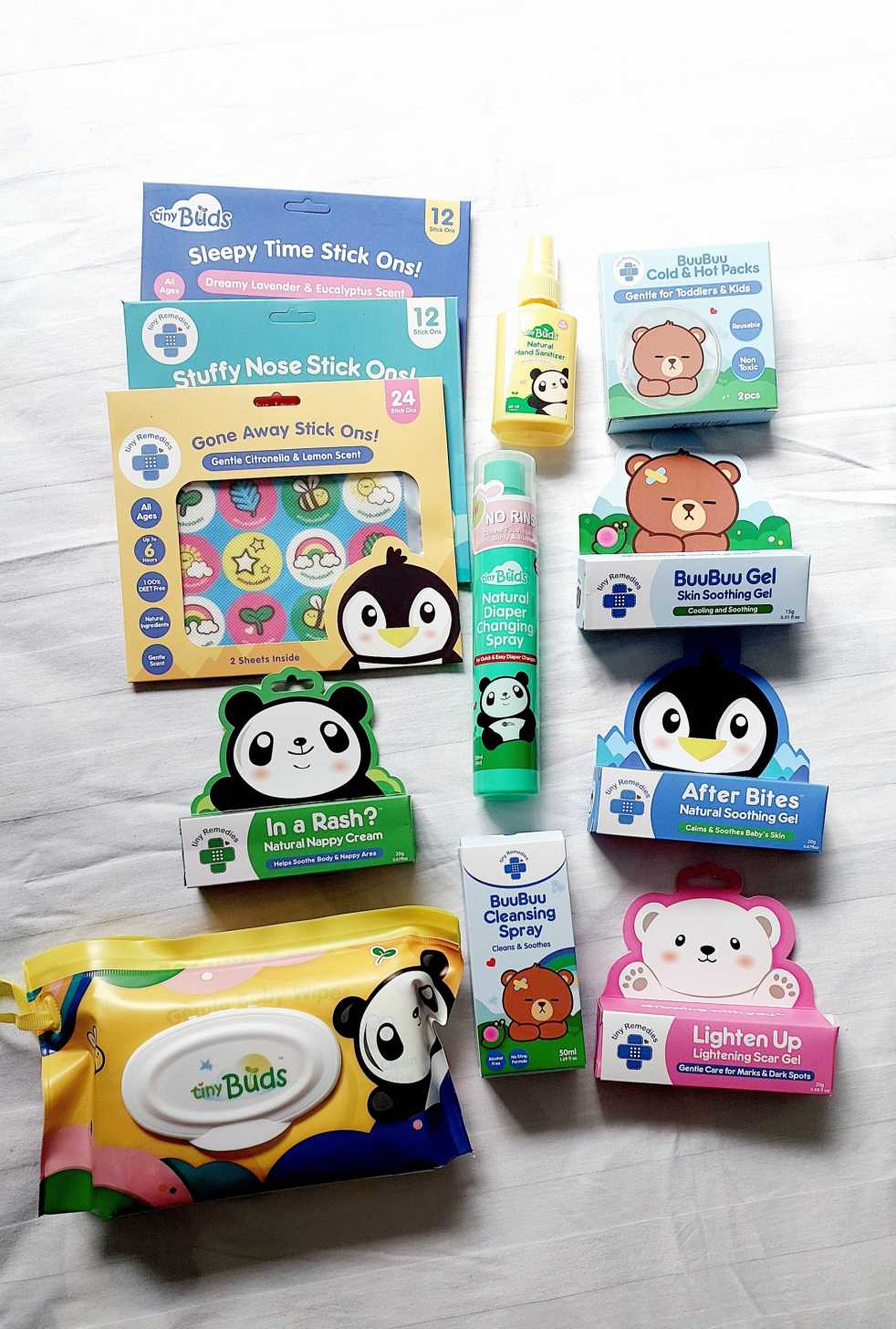
Your baby’s skin is more delicate than most, this is why you have to choose products that are designed for sensitive skin. Tiny Buds is a pioneer in integrating natural ingredients into baby care and today has over 50 innovative natural baby care essentials and is one of the Top Baby Personal Care brands. Here… Continue reading Product Review: Tiny Buds Baby Naturals Baby Essentials
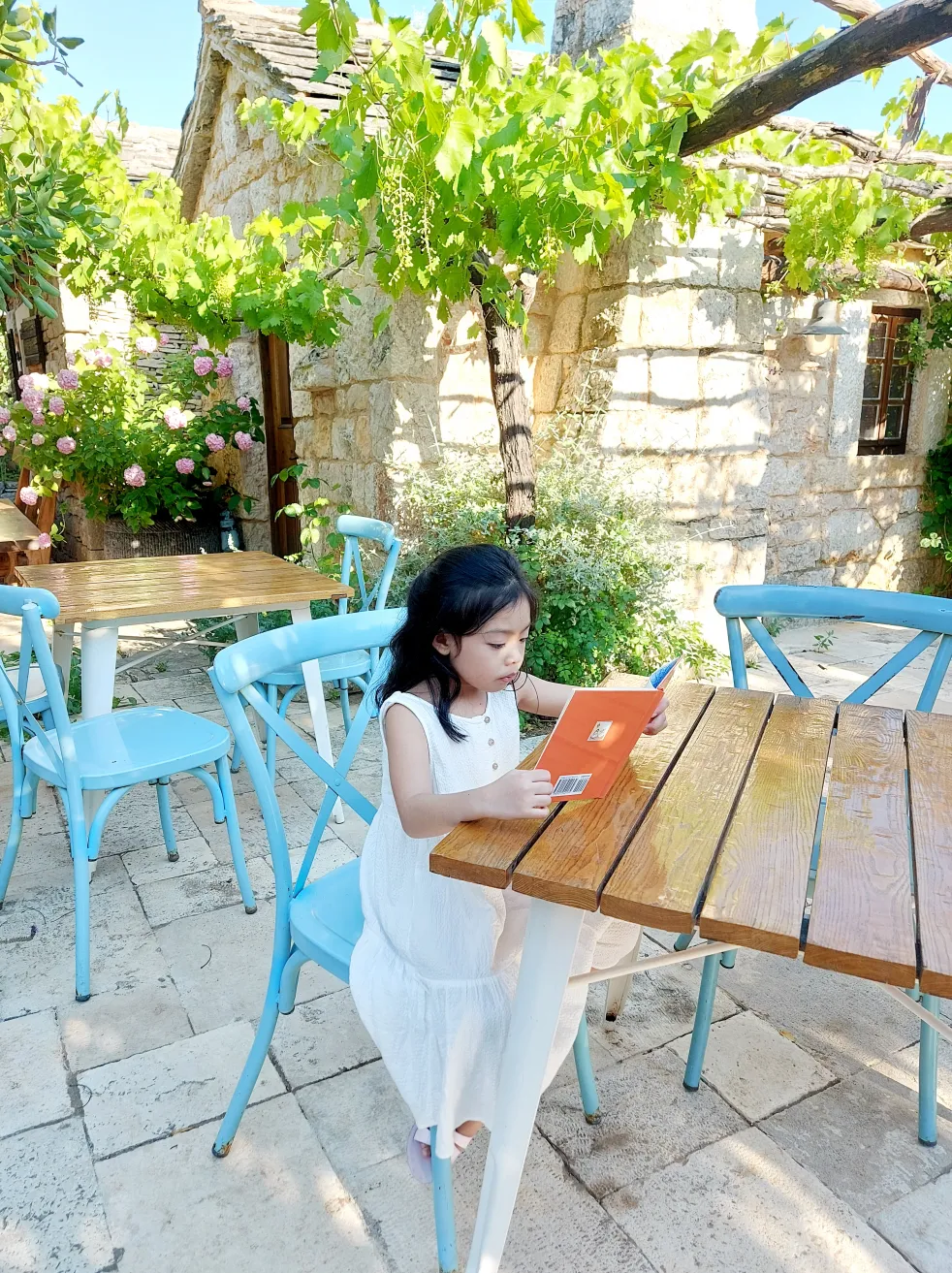
Where your child goes to school is a big decision and shouldn’t be taken lightly. Given how their education can impact their future, you might be tempted to take control and decide for them. However, you might be doing more damage than helping them in the long run. Your job as parents is to support… Continue reading HOW TO CHOOSE THE BEST SCHOOL FOR YOUR CHILD

As poet and philosopher Rumi once eloquently said, “raise your words, not your voice. It is rain that grows flowers, not thunder.” Parenting is a challenging journey, and the truth is that nobody has everything figured out. One parenting style might suit others best, and some might favor other methods. However, children respond better to… Continue reading A SIMPLE GUIDE TO GENTLE PARENTING
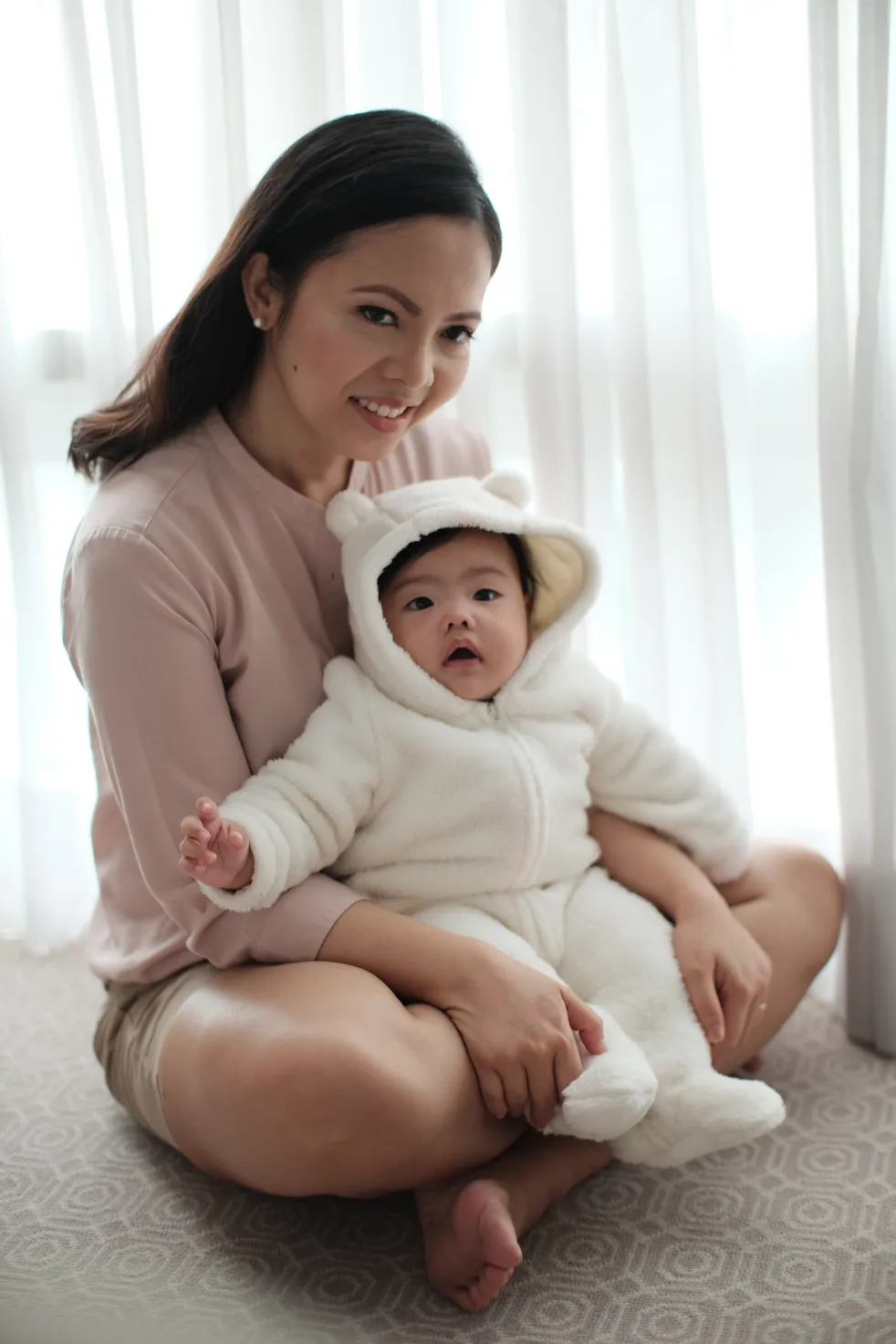
Whether you’re a new mom to be, mom of a toddler, mom who have school-aged kids, you’re bound to have so many questions. Let's start with your baby's skin. Infant skin has unique needs; gentle care is essential to prevent damage to the skin barrier, which can lead to irritation. When caring for infant skin,… Continue reading Keeping Baby’s Diapered Skin Healthy
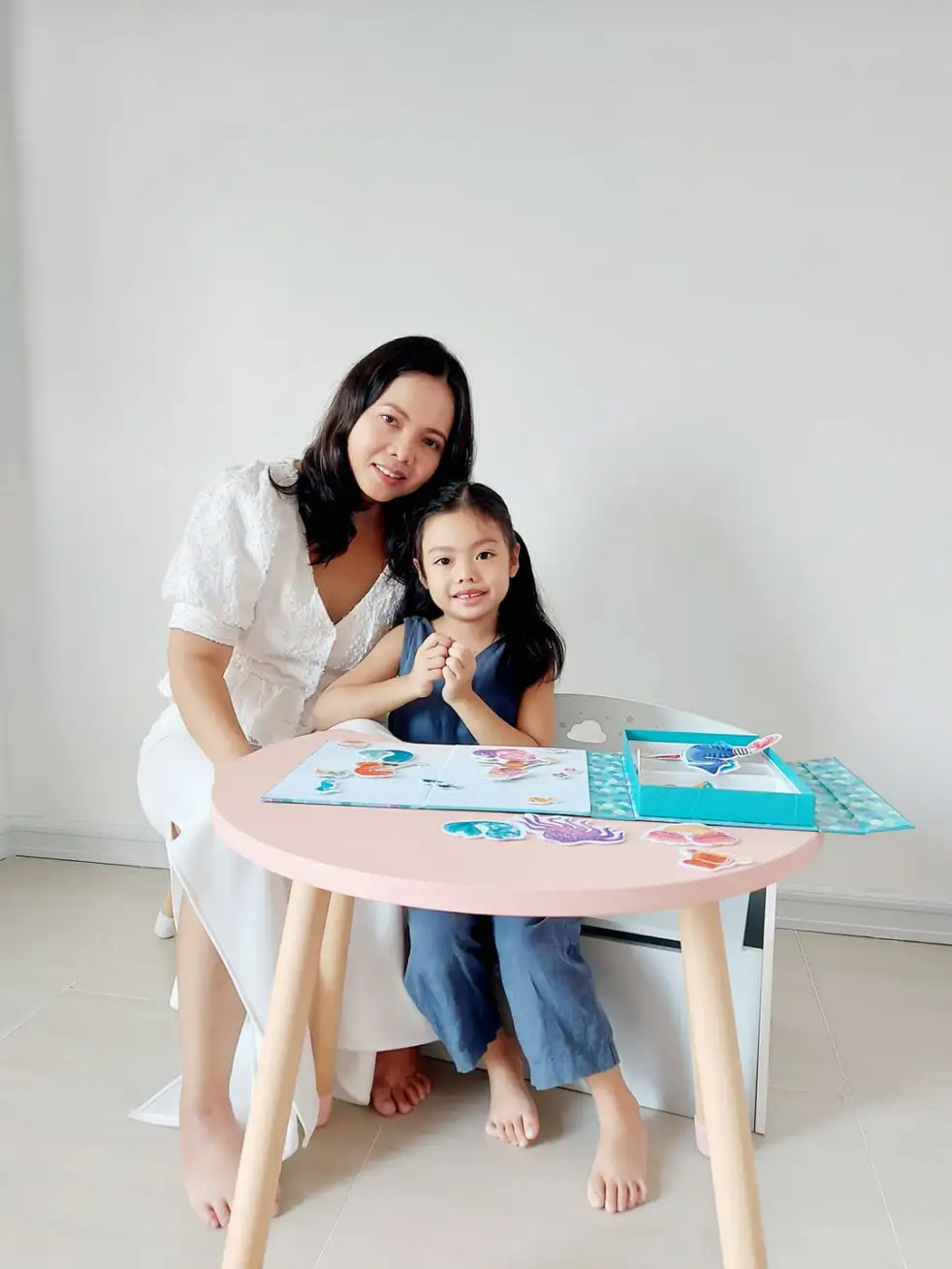
As parents, we want to give our child the best possible start in life and that begins with nurturing their intelligence. Throughout history, the notion of success has been linked to academic intelligence. However, there has been an increased awareness on the importance of emotional intelligence. This question gets at the heart of the never-ending… Continue reading IQ or EQ, which one is a better predictor of your child’s success?
 wondermomma.net