

Last August, IKEA Philippines engaged with Better World Smokey Mountain, a newly opened community center operated by the San Miguel Foundation, which shares a similar goal of improving the lives of many Filipino people. Through this partnership, IKEA Philippines provided and assembled home furnishings for the classrooms and library of Better World Smokey Mountain community… Continue reading Help Create a Better World with IKEA Soft Toys

NutriAsia, the country’s top producer of condiments and sauces, continues its support of Refill Revolution; a project by the Department of Environment and Natural Resources EMB 3 that aims to help reduce Filipinos’ single-use plastics consumption. At Refill Revolution, residents get to recycle their single-use plastic bottles by reusing and filling it with their choice… Continue reading NutriAsia and DENR renews partnership for Refill Revolution

Why routines matter for toddlers and how to create one
Toddlers are learning how the world works while managing big feelings, new skills, and a growing desire for independence. A predictable daily rhythm gives them helpful clues about what will happen next. When breakfast usually comes before playtime and bath follows dinner, familiar patterns make the day feel easier to understand.
A routine is not a strict timetable that every family must follow perfectly. It is a flexible sequence of everyday activities that supports sleep, meals, hygiene, play, learning, and family connection. The goal is to create enough consistency for a child to feel secure while leaving room for traffic, visitors, errands, illness, and the ordinary surprises of family life.
For parents, a thoughtful routine can also reduce repeated reminders and rushed decisions. It can make transitions calmer, encourage healthy habits, and help toddlers participate in simple household tasks. Families looking for practical ideas about parenting and family life can also explore parenting resources for guidance that fits their own circumstances.
Predictability supports emotional security
Toddlers often become upset when an enjoyable activity ends or when an unfamiliar event interrupts their plans. They do not yet have a mature sense of time, so “five more minutes” may not mean much to them. A consistent sequence gives them a concrete sense of what comes next, even when they cannot read a clock.
Knowing what to expect can lower anxiety during everyday transitions. A child who regularly washes hands, sits at the table, eats, and then has quiet play may be more prepared to move through that sequence. The routine becomes a form of reassurance: the day has a pattern, and a trusted adult is helping guide it.
Predictability does not prevent every tantrum. Hunger, tiredness, teething, overstimulation, and developmental changes still affect behavior. However, routines can remove some unnecessary uncertainty, giving toddlers more emotional energy to cope with the challenges that remain.
Routines build healthy habits
Daily rhythms help toddlers practice self-care through repetition. Brushing teeth, washing hands, putting toys away, getting dressed, and settling down for sleep become familiar actions rather than brand-new instructions each time. Repeated practice supports memory and gradually builds independence.
Meals and snacks also benefit from a regular pattern. Predictable eating times can help children notice hunger and fullness cues while reducing constant grazing. Offering balanced food at expected times is often more effective than negotiating about food throughout the day. Toddlers may still refuse meals, but a calm routine keeps food from becoming an all-day struggle.
Sleep is another major benefit. A regular wake-up time, nap pattern, and bedtime sequence can support the body’s natural rhythm. A wind-down routine involving dimmer lights, a bath, pajamas, a story, and cuddles signals that active play is ending. The exact activities can vary, but repeating them in a similar order helps the child shift toward rest.
Start with the family’s real rhythm
The most useful routine is one your household can actually maintain. Before creating a schedule, observe when your toddler naturally wakes, becomes hungry, needs a nap, and starts to lose energy. A plan that ignores these patterns may create more conflict than calm.
Begin with a few anchors rather than filling every minute. Wake-up, meals, nap or quiet time, outdoor play, and bedtime are often enough to create a dependable framework. Between these points, leave space for free play, errands, chores, and slow transitions. Toddlers need unstructured time to explore and practice decision-making.
Consider the realities of your home. A family in Metro Manila may need extra flexibility for school runs, weather, traffic, or a caregiver’s work schedule. Families with multiple children may use shared meal and bedtime cues while allowing different nap needs. A routine should serve the people living in the home, not resemble an idealized schedule online.
| Part of the day | Possible rhythm | Helpful purpose |
|---|---|---|
| Morning | Wake, toilet or diaper change, wash, breakfast, dress | Begins the day with familiar self-care |
| Late morning | Active play, outdoor time, snack | Supports movement and exploration |
| Midday | Lunch, quiet activity, nap or rest | Prevents overtiredness and allows recovery |
| Afternoon | Free play, simple chores, snack, family outing | Builds skills while keeping the day flexible |
| Evening | Dinner, calm play, bath, pajamas, story, sleep | Gradually reduces stimulation before bedtime |
Make transitions easier
Many toddler meltdowns happen during transitions, not because the next activity is unpleasant but because stopping feels difficult. Give advance notice before a change: “After this last block, we will clean up for lunch.” A short warning helps the child shift attention and prepares them for an ending.
Use the same simple phrases whenever possible. “First shoes, then outside” or “First pajamas, then a story” makes the order clear without a long explanation. Visual cues can help too. A small chart with pictures of breakfast, play, bath, and bed allows a toddler to see the sequence and point to what comes next.
Offer limited choices within the routine. A child may choose between the blue or yellow shirt, a banana or toast, or one of two bedtime stories. These choices provide a sense of control without changing the overall plan. Avoid offering choices when there is no real flexibility, especially during safety-related moments such as leaving the house or sitting in a car seat.
Keep your voice steady when a transition is difficult. Acknowledge the feeling while holding the boundary: “You wanted to keep playing. It is hard to stop. Playtime is finished, and now we are washing hands.” This gentle parenting approach validates the toddler without allowing the child’s protest to determine every next step.
Use flexible consistency
Consistency means that the overall pattern is dependable, not that every day must look identical. A toddler may nap later after a family outing or eat dinner earlier when a parent has an evening commitment. Returning to familiar cues afterward is usually more helpful than trying to make up for every change.
Create a few “minimum routine” steps for busy days. These might include regular meals, toothbrushing, a short connection activity, and the most important part of the bedtime sequence. If the full bath-book-song routine is impossible, a quick wash, pajamas, and one story may be enough. Keeping the essential cues protects a sense of continuity.
Adults should also agree on the basics when possible. If one caregiver allows unlimited screen time before bed and another suddenly removes it, the toddler may receive mixed signals. Discuss which parts of the routine are firm, which are flexible, and how to respond to common resistance. Grandparents, babysitters, and childcare providers can follow the same broad pattern without copying every detail.
Expect adjustments as your child grows. A toddler may move from two naps to one, become ready for more household responsibility, or need a later bedtime. Review the routine when behavior changes consistently for several weeks. A schedule that once supported the child may need a small revision rather than stricter enforcement.
Turn daily care into participation
Toddlers are more likely to cooperate when they have a meaningful role. They can carry a bib to the table, place clothes in a hamper, choose a book, put a spoon beside a plate, or help wipe a small spill. These tasks may take longer at first, but they build confidence and practical skills.
Keep instructions short and specific. Instead of saying, “Clean everything up,” try, “Put the cars in this box.” Once that task is finished, give the next direction. Too many instructions at once can overwhelm a young child, especially during a rushed morning or when they are already tired.
Praise effort and cooperation with concrete words. “You put your shoes by the door” tells the child exactly what they did well. Avoid making every routine dependent on rewards. Warm attention, shared smiles, and recognition of growing capability are often enough to make participation meaningful.
A simple picture schedule can support independence without requiring the toddler to read. Place images at the child’s eye level and let them move a marker or turn over each completed step. The chart is a reminder, not a test. If the child ignores it, calmly guide them back to the next action.
Recommendations for a calmer daily rhythm
- Choose three to five daily anchors, such as waking, meals, rest, and bedtime.
- Follow a familiar order of activities while allowing reasonable changes in timing.
- Give transition warnings and use short, repeated phrases.
- Offer small choices that support independence without changing essential boundaries.
- Review the routine when your toddler’s sleep, appetite, development, or family schedule changes.
A routine works best when it creates connection rather than pressure. Build in time for cuddling, conversation, outdoor discovery, and playful moments alongside practical tasks. Toddlers need guidance, but they also need room to be curious, move at their own pace, and recover when a day does not go according to plan.
Start with one part of the day that feels particularly difficult, such as leaving the house or settling for sleep. Add a clear sequence, use the same cues for several days, and notice what helps your child feel prepared. Small, steady changes can turn stressful transitions into familiar family rituals. Create a rhythm that fits your home, adjust it with your child’s needs, and let consistency become a gentle source of security.

Mercato Centrale, in collaboration with Indian Women in Enterprise Philippines (I-We), is set to host "The Great Indian Fiesta" to mark 75 years of friendship between India and the Philippines. The dynamic two-day event is scheduled to take place on September 30 to October 1, 2023, at Paseo De Roxas Street, Makati City. Aiming to… Continue reading Mercato Centrale Partners with I-We to Host ‘The Great Indian Fiesta’, Commemorating 75 Years of India-Philippines Friendship

My stomach would usually start growling at 10 am even after taking a big breakfast. This is probably because I am a morning person and I move a lot throughout the day hence snacking is something that I can't avoid. This potatoes and chicken wrap recipe is easy to prepare and would keep me full… Continue reading Potato and Chicken Wrap
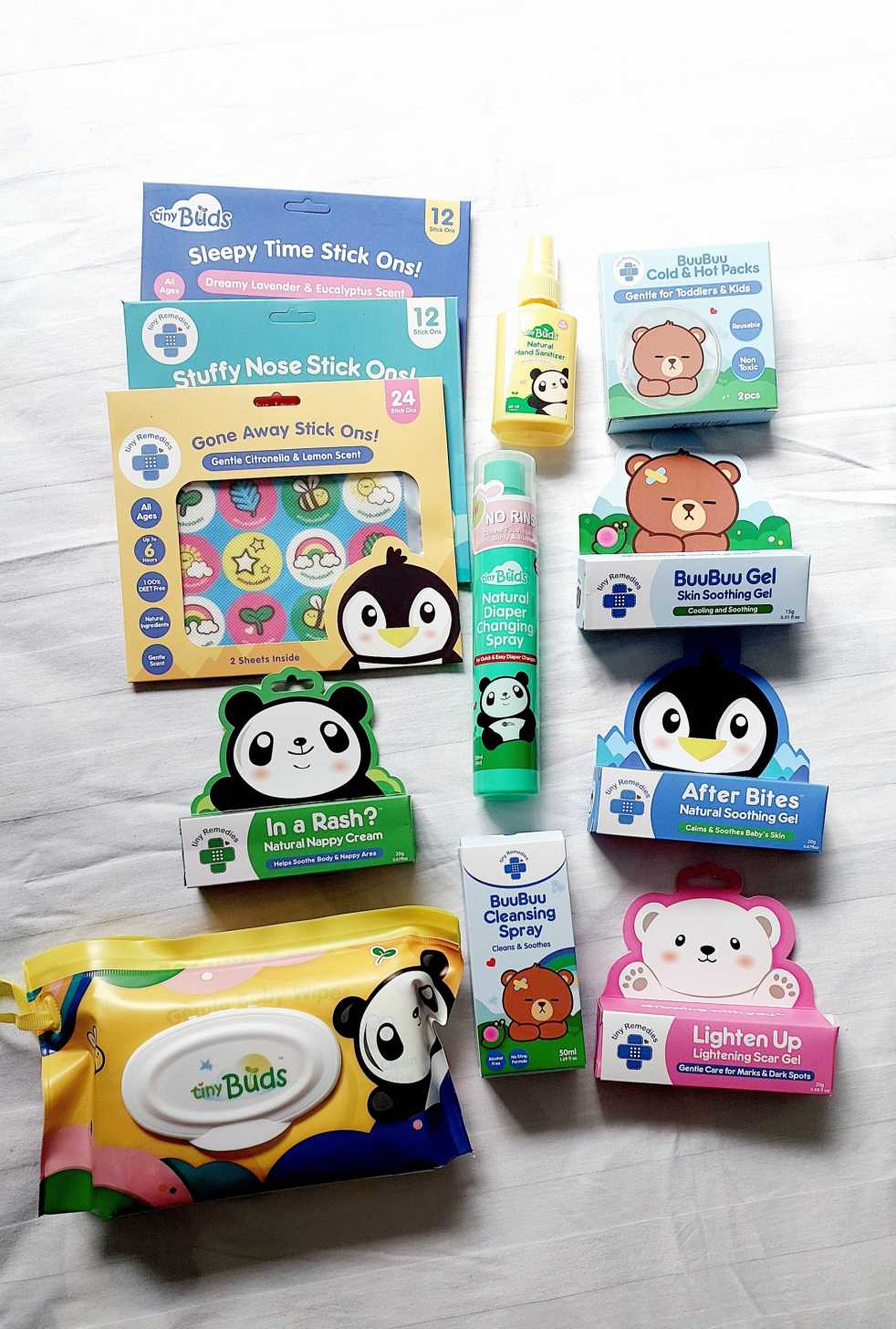
Your baby’s skin is more delicate than most, this is why you have to choose products that are designed for sensitive skin. Tiny Buds is a pioneer in integrating natural ingredients into baby care and today has over 50 innovative natural baby care essentials and is one of the Top Baby Personal Care brands. Here… Continue reading Product Review: Tiny Buds Baby Naturals Baby Essentials
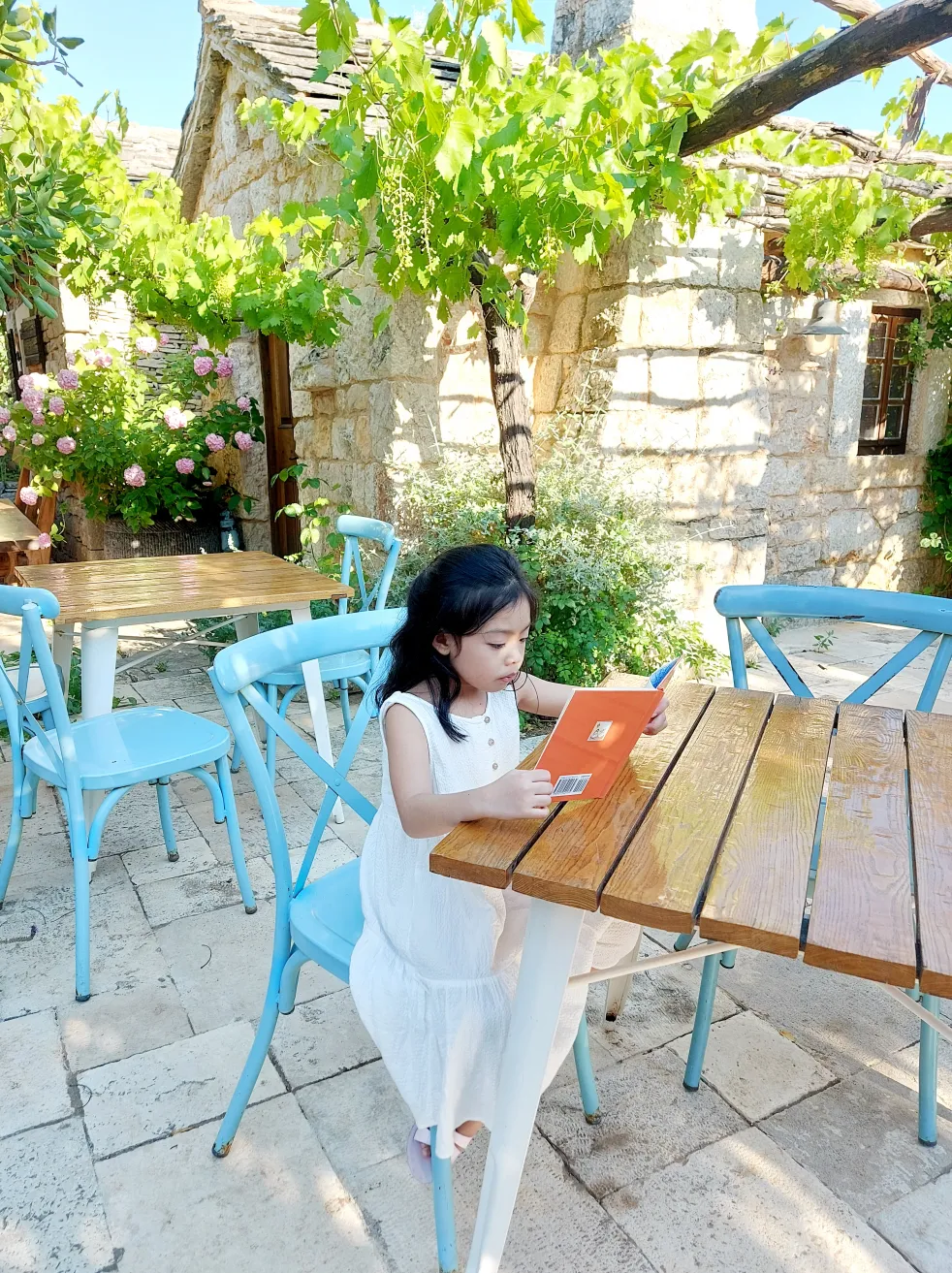
Where your child goes to school is a big decision and shouldn’t be taken lightly. Given how their education can impact their future, you might be tempted to take control and decide for them. However, you might be doing more damage than helping them in the long run. Your job as parents is to support… Continue reading HOW TO CHOOSE THE BEST SCHOOL FOR YOUR CHILD
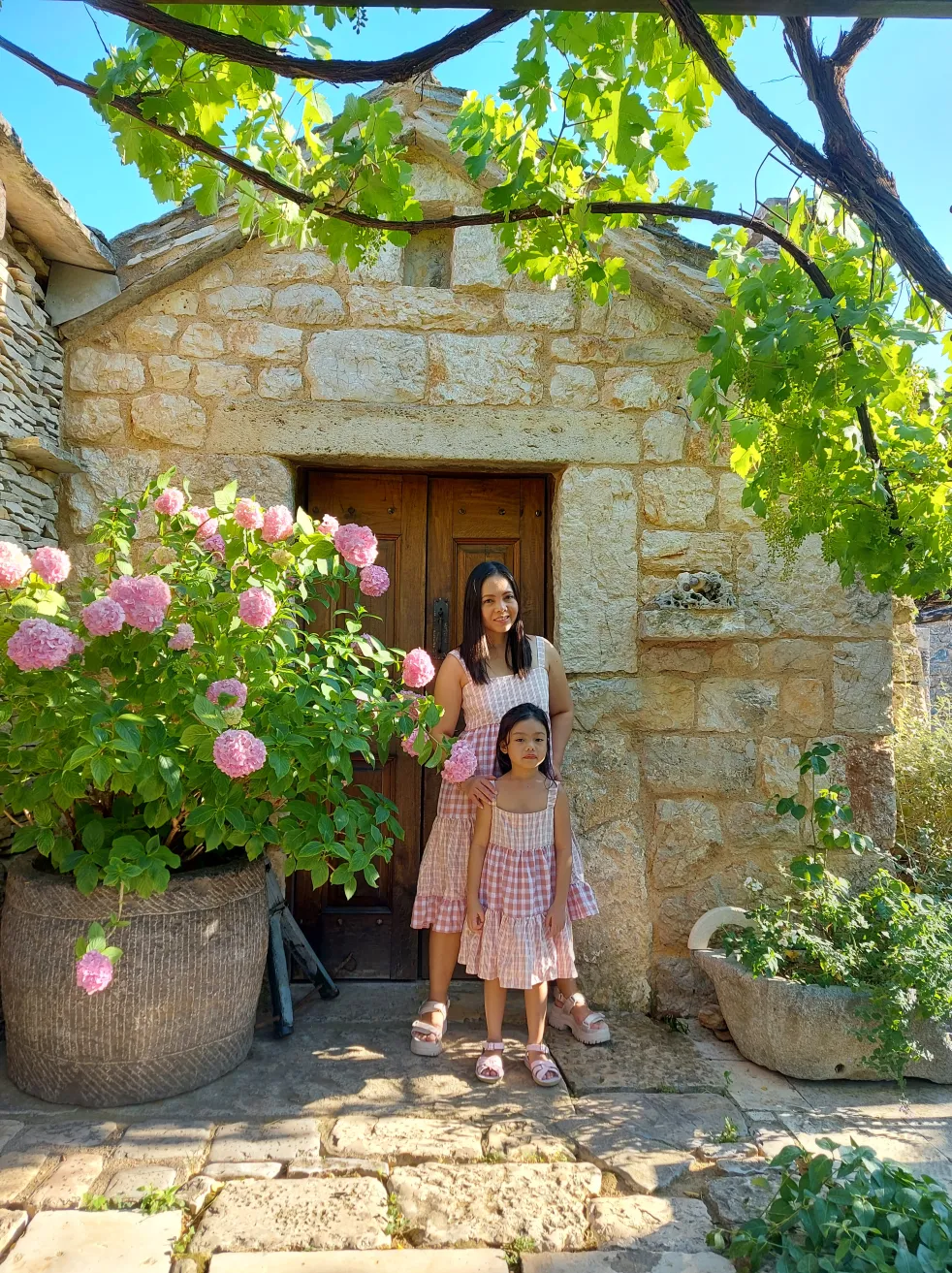
As poet and philosopher Rumi once eloquently said, “raise your words, not your voice. It is rain that grows flowers, not thunder.” Parenting is a challenging journey, and the truth is that nobody has everything figured out. One parenting style might suit others best, and some might favor other methods. However, children respond better to… Continue reading A SIMPLE GUIDE TO GENTLE PARENTING

Whether you’re a new mom to be, mom of a toddler, mom who have school-aged kids, you’re bound to have so many questions. Let's start with your baby's skin. Infant skin has unique needs; gentle care is essential to prevent damage to the skin barrier, which can lead to irritation. When caring for infant skin,… Continue reading Keeping Baby’s Diapered Skin Healthy
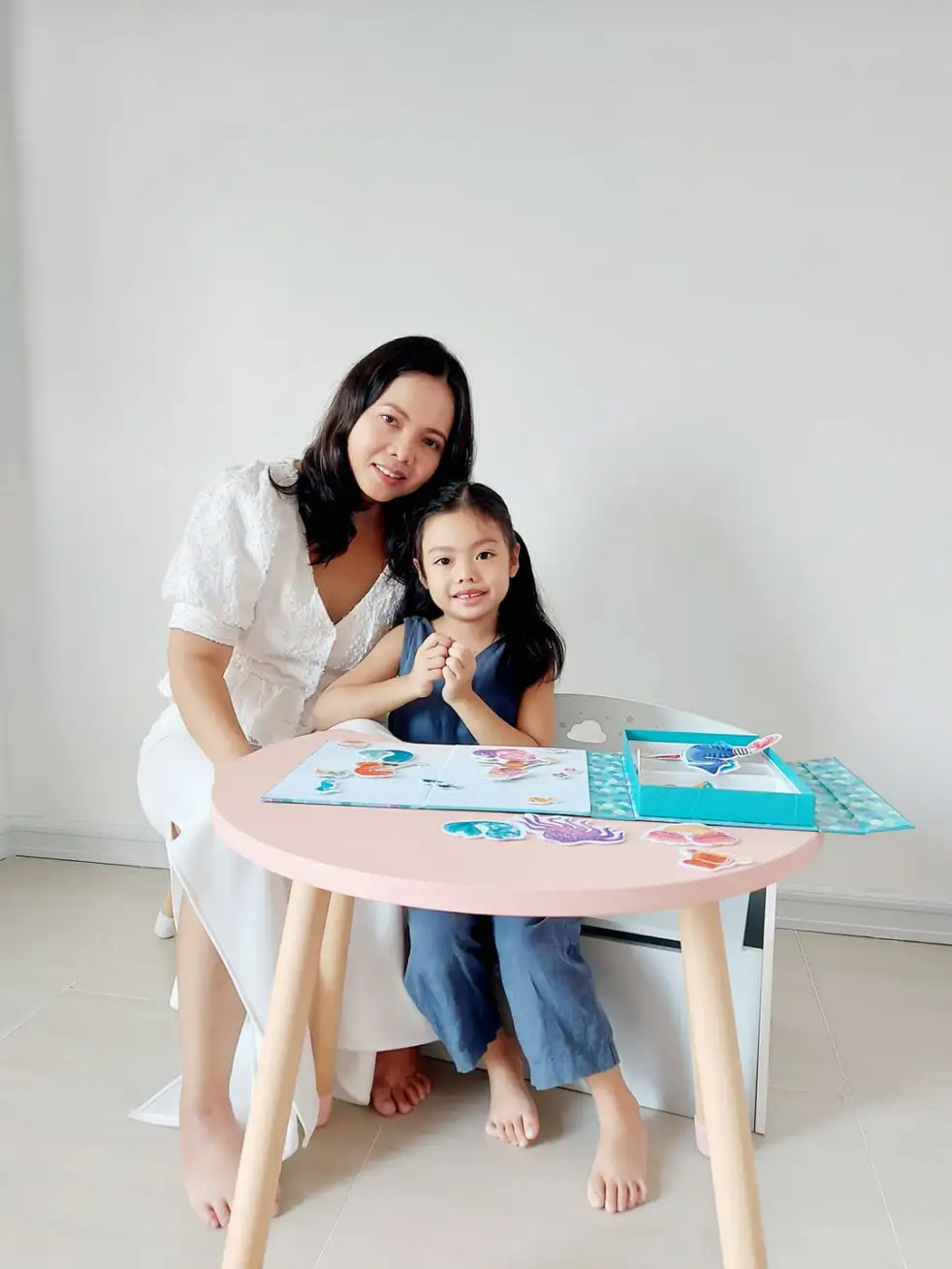
As parents, we want to give our child the best possible start in life and that begins with nurturing their intelligence. Throughout history, the notion of success has been linked to academic intelligence. However, there has been an increased awareness on the importance of emotional intelligence. This question gets at the heart of the never-ending… Continue reading IQ or EQ, which one is a better predictor of your child’s success?
 wondermomma.net