

Last August, IKEA Philippines engaged with Better World Smokey Mountain, a newly opened community center operated by the San Miguel Foundation, which shares a similar goal of improving the lives of many Filipino people. Through this partnership, IKEA Philippines provided and assembled home furnishings for the classrooms and library of Better World Smokey Mountain community… Continue reading Help Create a Better World with IKEA Soft Toys
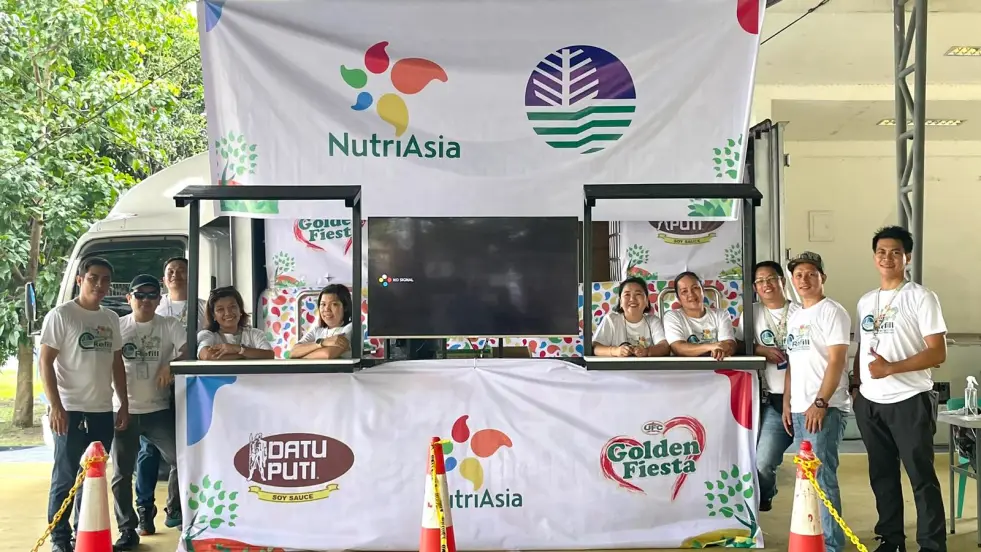
NutriAsia, the country’s top producer of condiments and sauces, continues its support of Refill Revolution; a project by the Department of Environment and Natural Resources EMB 3 that aims to help reduce Filipinos’ single-use plastics consumption. At Refill Revolution, residents get to recycle their single-use plastic bottles by reusing and filling it with their choice… Continue reading NutriAsia and DENR renews partnership for Refill Revolution

Why Playground Etiquette Matters and How to Teach It
A playground is a small community where children practise sharing space, handling excitement and noticing how their actions affect others. A child may be waiting for the swing, climbing through a tunnel or deciding whether to join a game, all while managing strong feelings and new social expectations.
Playground etiquette is not about demanding perfect manners or stopping children from being energetic. It gives them simple tools for safe, respectful play. These tools become useful at parks, childcare, school, indoor play centres and family gatherings.
Young children need repeated guidance because impulse control develops gradually. A preschooler who pushes past another child may be tired, eager or unsure what to say, rather than deliberately unkind. Calm teaching helps children understand boundaries without shame.
For Australian families, outdoor play is part of everyday life, from council parks in Brisbane and Perth to busy inner-city spaces in Sydney and Melbourne. A few clear habits can make these shared places more welcoming for toddlers, older children, carers and families with disability.
Why Shared Playground Manners Matter
Good playground behaviour supports physical safety and emotional security. Taking turns reduces collisions around popular equipment, while waiting teaches patience and helps children cope with disappointment. Saying “Can I have a turn when you’re finished?” gives a child a useful alternative to grabbing.
These experiences also build early social skills. Children learn to read body language, notice when someone is uncomfortable and repair a problem after an argument. A brief apology, a check-in or an offer to restart the game can be more meaningful than a forced “sorry”.
Respectful play benefits the whole community. Parents and carers can supervise with less tension, children feel more confident joining unfamiliar groups, and public spaces remain enjoyable for different ages and abilities. The goal is cooperation, rather than silence or rigid control.
The Core Rules Children Can Understand
Keep the rules short and positive. “Hands are for helping” is easier for a young child to remember than a long warning about every possible unsafe action. Explain that equipment is for its intended purpose: slides are for sliding, climbing frames are for climbing safely, and swings need space around them.
Taking turns is another essential lesson. Children do not need to leave equipment immediately, but they can learn to finish a reasonable turn and make room for the next person. A visual cue, such as counting to ten or completing one slide, can make the idea concrete for toddlers.
Children should also learn to ask before entering another child’s game or touching their belongings. Teach phrases such as “Can I play too?”, “Please stop” and “I need some space.” These words support consent and personal boundaries without making children responsible for managing every situation alone.
Teaching Before You Arrive
The best time to explain playground rules is before the excitement begins. On the walk or drive, mention two or three expectations: gentle hands, waiting for a turn and checking that the landing area is clear. Too many instructions can disappear once a child sees the equipment.
Use role-play at home. Take turns pretending to be the child waiting for the slide, the child already playing and the adult helping with a disagreement. Keep the practice light and brief. A child can rehearse, “You can go after me,” or “I’m still using it; you can wait here.”
You can also observe other children together. Quietly point out examples: “That child is waiting behind the swing,” or “They asked before joining the game.” This develops social awareness without criticising strangers or turning the visit into a lesson every minute.
Guiding Behaviour In The Moment
When a child grabs, pushes or blocks equipment, move close and use a calm, firm voice. Name what happened, set the boundary and offer the next step: “I won’t let you push. Pushing hurts. Stand beside me and we’ll wait for a turn.” Short sentences work well when emotions are high.
Avoid public shaming, lengthy lectures or demanding an apology before the child is calm. First help them regulate through closeness, breathing, water or a short break. Once settled, guide a repair: returning an item, checking on the other child or trying the interaction again with safer hands.
If another child behaves roughly towards your child, support your child clearly. Say, “You can move away. I’ll help you,” and speak to the other carer if needed. In an unsafe situation, step in immediately; etiquette never requires a child to tolerate hitting, intimidation or unwanted physical contact.
Making Play Inclusive And Welcoming
Inclusive play means more than inviting every child to join. A child may communicate differently, need extra time, avoid loud games or use mobility equipment. Teach children to ask, watch and adapt rather than assuming everyone wants the same kind of play.
Australian playgrounds increasingly include accessible pathways, basket swings, sensory features and low-transfer equipment, although provision varies between councils and suburbs. Under the Disability Discrimination Act 1992, people should be able to access services and facilities without discrimination. Families can model respect by keeping access routes clear and avoiding judgement about how equipment is used.
Cultural differences can also shape play. Some children may be learning English, while others are accustomed to different ideas about personal space or adult supervision. Simple gestures, inclusive games and patient repetition help children connect without expecting every family to follow identical routines.
Building Everyday Habits In Australian Parks
Many Australian families plan outdoor time around heat, UV levels and busy weekend routines. “Slip, slop, slap, seek and slide” is a familiar sun-safety message, and it fits playground etiquette too: hats, sunscreen, shade and water help children stay regulated. A tired, overheated child is more likely to struggle with waiting.
Council playgrounds may become especially busy after school, during school holidays and on warm evenings. In places such as Melbourne, a sudden change in weather can also send families towards smaller indoor play venues, while coastal parks may attract large groups on sunny weekends. Explain that a crowded space may require shorter turns and closer supervision.
Families should follow posted signs, age guidance and local rules. Many parks separate toddler areas from equipment intended for older children, and some councils ask visitors not to bring glass, ride bicycles through play zones or let dogs enter fenced areas. These rules protect children and help shared facilities remain clean and usable.
Simple Language For Calm, Respectful Play
Children respond best when adults use the same phrases consistently. Choose language that describes the action and the solution, rather than labelling a child as naughty. Gentle parenting still includes firm boundaries; warmth and accountability can work together.
Use natural consequences where appropriate. If a child repeatedly throws sand after a reminder, the consequence may be leaving the sandpit for a short reset. Explain the reason without threatening: “Sand needs to stay low so it does not get in people’s eyes. We’ll try again when your body is ready.”
A small family script can make visits easier to manage:
- “I’m waiting for a turn.”
- “Please give me space.”
- “Can I join your game?”
- “Are you okay?”
When a conflict starts, carers can rely on four steps:
- Move close and keep everyone safe.
- Describe what happened without blame.
- State the boundary in simple words.
- Help children choose a repair or a break.
A Practical Guide For Different Situations
The right response depends on the child’s age, the seriousness of the behaviour and the setting. A toddler may need physical help and repeated modelling, while a school-aged child can discuss fairness and suggest a solution. Children with additional needs may need visual prompts, extra preparation or a quieter transition.
The comparison below can help carers turn common playground conflicts into teachable moments. It keeps the focus on safety, communication and reconnection rather than punishment.
| Playground situation | Helpful adult response | Skill being taught |
|---|---|---|
| A child pushes to reach the slide | Stop the push, name the safety rule and guide the child to the queue | Waiting and safe body movement |
| Two children want the same swing | Acknowledge both wishes and suggest timed turns | Negotiation and patience |
| A child refuses to leave equipment | Give a short warning, then help them transition | Predictability and coping with change |
| A child is excluded from a game | Encourage an invitation or create a parallel role | Inclusion and flexible play |
| Sand or toys are thrown | Remove the item briefly and check whether anyone is hurt | Responsibility and repair |
| A child becomes overwhelmed | Move to shade or a quieter area and reduce language | Self-regulation and recognising limits |
Playground etiquette grows through ordinary repetition: a reminder before play, support during conflict and a calm review afterwards. Children do not need flawless behaviour to become considerate community members. They need adults who demonstrate respect, protect safety and give them practical words for sharing the world with others.

Mercato Centrale, in collaboration with Indian Women in Enterprise Philippines (I-We), is set to host "The Great Indian Fiesta" to mark 75 years of friendship between India and the Philippines. The dynamic two-day event is scheduled to take place on September 30 to October 1, 2023, at Paseo De Roxas Street, Makati City. Aiming to… Continue reading Mercato Centrale Partners with I-We to Host ‘The Great Indian Fiesta’, Commemorating 75 Years of India-Philippines Friendship

My stomach would usually start growling at 10 am even after taking a big breakfast. This is probably because I am a morning person and I move a lot throughout the day hence snacking is something that I can't avoid. This potatoes and chicken wrap recipe is easy to prepare and would keep me full… Continue reading Potato and Chicken Wrap
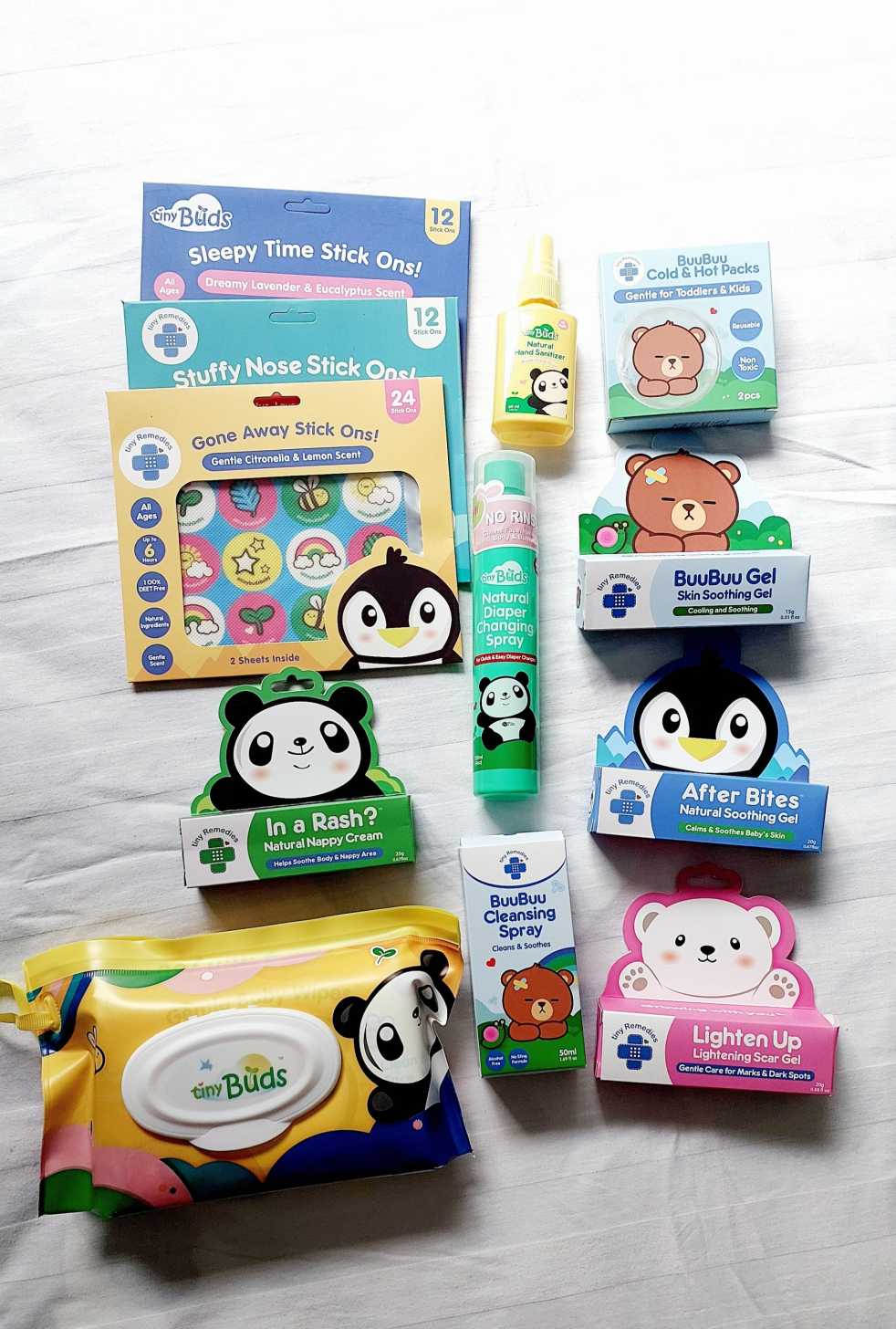
Your baby’s skin is more delicate than most, this is why you have to choose products that are designed for sensitive skin. Tiny Buds is a pioneer in integrating natural ingredients into baby care and today has over 50 innovative natural baby care essentials and is one of the Top Baby Personal Care brands. Here… Continue reading Product Review: Tiny Buds Baby Naturals Baby Essentials
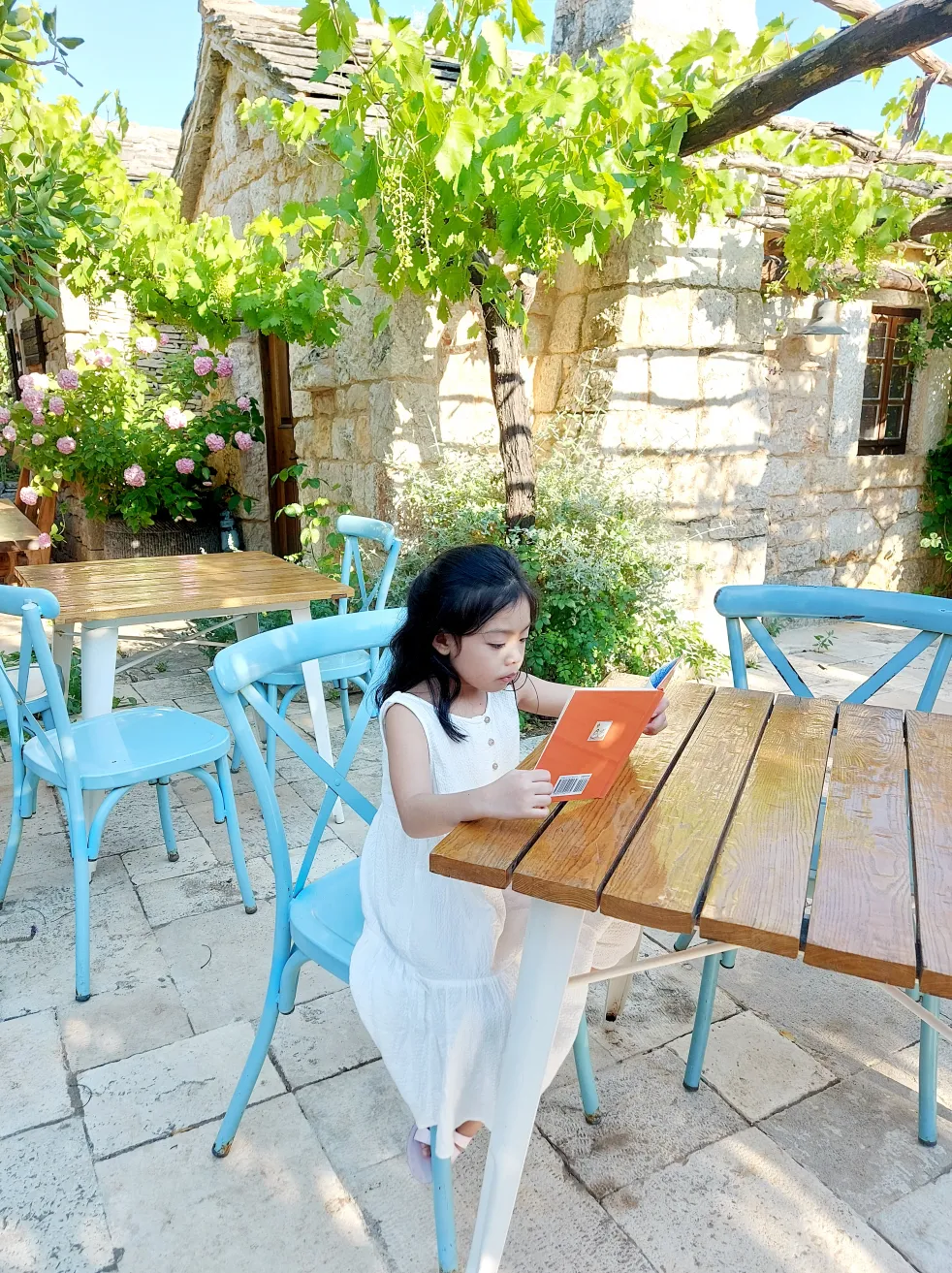
Where your child goes to school is a big decision and shouldn’t be taken lightly. Given how their education can impact their future, you might be tempted to take control and decide for them. However, you might be doing more damage than helping them in the long run. Your job as parents is to support… Continue reading HOW TO CHOOSE THE BEST SCHOOL FOR YOUR CHILD
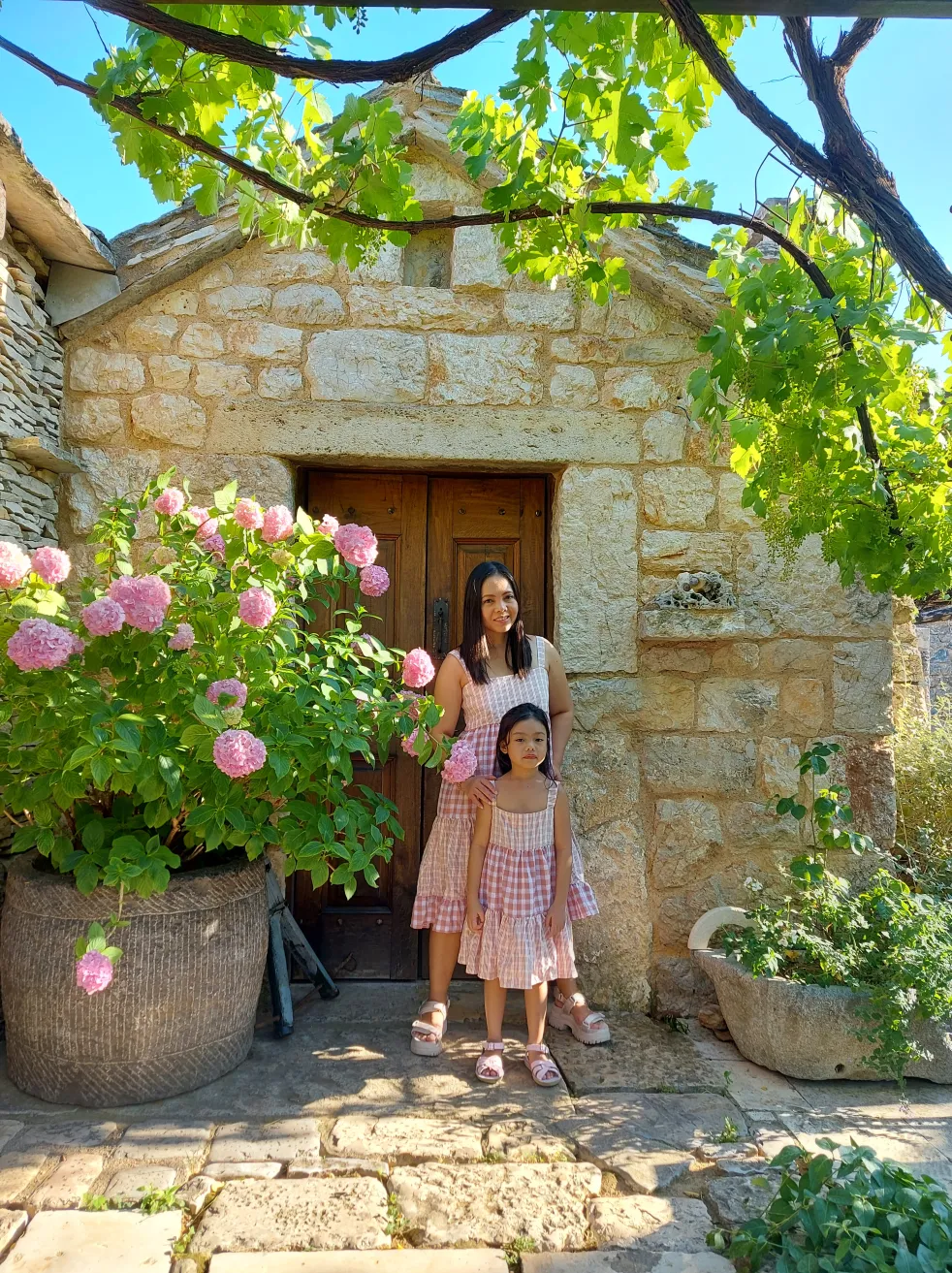
As poet and philosopher Rumi once eloquently said, “raise your words, not your voice. It is rain that grows flowers, not thunder.” Parenting is a challenging journey, and the truth is that nobody has everything figured out. One parenting style might suit others best, and some might favor other methods. However, children respond better to… Continue reading A SIMPLE GUIDE TO GENTLE PARENTING

Whether you’re a new mom to be, mom of a toddler, mom who have school-aged kids, you’re bound to have so many questions. Let's start with your baby's skin. Infant skin has unique needs; gentle care is essential to prevent damage to the skin barrier, which can lead to irritation. When caring for infant skin,… Continue reading Keeping Baby’s Diapered Skin Healthy
As parents, we want to give our child the best possible start in life and that begins with nurturing their intelligence. Throughout history, the notion of success has been linked to academic intelligence. However, there has been an increased awareness on the importance of emotional intelligence. This question gets at the heart of the never-ending… Continue reading IQ or EQ, which one is a better predictor of your child’s success?
 wondermomma.net