

Last August, IKEA Philippines engaged with Better World Smokey Mountain, a newly opened community center operated by the San Miguel Foundation, which shares a similar goal of improving the lives of many Filipino people. Through this partnership, IKEA Philippines provided and assembled home furnishings for the classrooms and library of Better World Smokey Mountain community… Continue reading Help Create a Better World with IKEA Soft Toys

NutriAsia, the country’s top producer of condiments and sauces, continues its support of Refill Revolution; a project by the Department of Environment and Natural Resources EMB 3 that aims to help reduce Filipinos’ single-use plastics consumption. At Refill Revolution, residents get to recycle their single-use plastic bottles by reusing and filling it with their choice… Continue reading NutriAsia and DENR renews partnership for Refill Revolution

Why Gentle Parenting Works Even During Tantrums
A child screaming in the grocery store, crying over the wrong-colored cup, or dropping to the floor before bedtime can test every parent’s patience. Tantrums are loud, emotional, and often inconvenient, yet they are also a normal part of early childhood development. Young children are still learning how to handle disappointment, communicate needs, and calm their bodies.
Gentle parenting does not mean allowing unsafe behavior or giving in to every demand. It means responding with empathy while holding clear, age-appropriate boundaries. The parent remains responsible for safety and limits, while the child receives support instead of shame.
This approach works during emotional outbursts because it addresses the need beneath the behavior. A calm adult presence helps a child’s nervous system settle, making it easier to learn self-regulation over time. For practical family guidance, parents can also explore WonderMomma’s parenting resources alongside advice from trusted health and child-development professionals.
Tantrums Are Communication, Not Manipulation
A tantrum is often a child’s way of expressing a need that they cannot yet explain. Hunger, tiredness, sensory overload, frustration, pain, or a sudden change in routine may all appear as yelling or crying. Some children also become overwhelmed when they want independence but still need help with basic tasks.
This does not mean every behavior should be accepted without limits. It means parents can look beyond the surface action. A preschooler who screams, “I do it myself!” may be struggling with a desire for control, while a toddler who bites may lack the language and impulse control to express distress safely.
Seeing the outburst as communication changes the parent’s response. Instead of asking, “How do I stop this immediately?” a parent can consider, “What is my child finding difficult right now?” That shift encourages curiosity without excusing harmful behavior.
Connection Comes Before Correction
During a meltdown, a child’s thinking brain may be temporarily overwhelmed by strong emotion. Long explanations, lectures, and repeated questions rarely work at that moment. The first task is to create emotional and physical safety.
A parent might move close, lower their voice, and say, “You are very upset because we have to leave the playground.” This validates the feeling without changing the boundary. The child hears that the parent understands what happened, even if the answer remains no.
Connection can be brief. A gentle touch, a calm facial expression, or simply staying nearby may be enough. Some children want a hug, while others need personal space. Respecting that difference is part of responsive parenting; connection does not require forcing affection.
Calm Limits Make Children Feel Secure
Gentle discipline still includes firm boundaries. Children need to know that adults will protect them and others, especially when big emotions lead to hitting, kicking, throwing, or running into danger. A clear limit can be stated in simple language: “I will not let you hit. I am moving your hands to keep everyone safe.”
The boundary should focus on the parent’s action rather than a threat. “You may stomp your feet, but you may not kick me” gives the child an acceptable outlet while making the safety rule clear. When possible, offer two limited choices: “You can hold my hand or ride in the stroller.”
Consistency matters more than intensity. A calm boundary repeated several times is usually more effective than shouting a new consequence in the heat of the moment. The parent does not need to win an argument; they need to remain steady until the unsafe behavior passes.
| Common reaction | Gentle parenting response | What the child learns |
|---|---|---|
| “Stop crying right now” | “You are disappointed. I am here with you.” | Feelings can be handled safely |
| Giving in to end the noise | “The answer is still no, and I will help you calm down.” | Limits remain predictable |
| Threatening punishment | “I will stop the hitting and keep us safe.” | Boundaries protect people |
| Ignoring the child completely | Staying nearby without rewarding unsafe behavior | Support is available during distress |
| Explaining for several minutes | Using a few calm, simple words | Regulation comes before reasoning |
Parents Must Regulate Themselves First
A child’s distress can activate a parent’s own stress response. Noise, embarrassment, time pressure, and repeated defiance may create an urge to shout. Gentle parenting recognizes this reality without treating parental calm as effortless or perfect.
Before responding, a parent can take one slow breath, relax their shoulders, and reduce unnecessary words. If the child is safe, pausing for a few seconds can prevent a reaction driven by anger. A simple internal reminder—“This is hard, and my child is still learning”—may help restore perspective.
Self-regulation is also a powerful teaching tool. When children regularly see an adult pause, breathe, and speak respectfully, they observe emotional management in action. Parents will still lose patience sometimes. Repairing afterward with “I shouted, and that was not helpful. I am sorry. I will try again” shows accountability rather than perfection.
Use Fewer Words and More Presence
During a tantrum, language should be short, concrete, and repetitive. A child who is sobbing may not process a detailed explanation about schedules, manners, or the consequences of future choices. A few grounded sentences are more useful than a long speech.
Helpful phrases include:
- “You wanted more time.”
- “It is hard to stop playing.”
- “I will not let you hurt yourself.”
- “You can cry. I am staying nearby.”
- “When your body is calm, we can talk.”
Parents can name the feeling and the limit together. “You are angry that the tablet is finished, and screen time is over” recognizes the emotion while keeping the decision intact. Avoiding labels such as “bad,” “naughty,” or “dramatic” protects the child’s sense of belonging and keeps attention on the behavior.
Once the child begins to settle, offer a small next step rather than demanding an immediate apology. A drink of water, a quiet cuddle, washing hands, or moving to a calmer space can help the body recover before any teaching takes place.
Teach Skills After the Storm
The best time to teach emotional skills is after the tantrum, when the child is calm and receptive. Keep the conversation brief and free from humiliation. “You were very angry when we left. Next time, you can say ‘five more minutes’ or squeeze this pillow” connects the event with a safer future strategy.
Young children may need repeated practice before they can use a coping tool during a real meltdown. Parents can rehearse deep breaths, counting, asking for help, using feeling words, or taking a quiet break during ordinary moments. Picture books and pretend play are especially useful for toddlers and preschoolers.
It also helps to identify patterns. Does the child melt down before meals, after daycare, during transitions, or in crowded places? Preventive steps such as snacks, advance warnings, visual schedules, enough sleep, and fewer rushed transitions can reduce the frequency and intensity of tantrums.
Practical Ways to Stay Gentle and Firm
A workable approach should fit real family life, including busy mornings, public places, and the demands of caring for more than one child. Parents do not need a perfect script. They need a few dependable habits that can be adjusted to their child’s age, temperament, communication ability, and developmental stage.
The following strategies can make respectful discipline easier to use consistently:
- Prepare for transitions: Give a short warning before leaving the park, ending screen time, or starting bedtime.
- Name the limit once: Use a calm sentence and avoid turning it into a debate.
- Offer controlled choices: Let the child choose between two acceptable options, such as shoes or pajamas.
- Protect everyone’s safety: Block hitting, move breakable objects, and leave an overwhelming environment when needed.
- Reconnect afterward: Offer comfort, discuss what happened briefly, and practice a better response for next time.
Parents should also seek professional advice when tantrums are unusually severe, last far beyond what is typical for the child’s age, involve frequent injury, or occur alongside developmental concerns. A pediatrician or child psychologist can help identify sensory, communication, medical, or emotional factors that may need support.
Gentle Parenting Builds Long-Term Emotional Strength
The immediate goal during a tantrum is safety and regulation, not instant obedience. Over many repeated interactions, the child learns that strong feelings are manageable, limits are predictable, and relationships remain secure during difficult moments. These lessons gradually support emotional intelligence, cooperation, and resilience.
A gentle response does not guarantee quiet behavior every time. Children will still protest, cry, and become overwhelmed. The difference is that the parent is helping them move through the experience rather than adding fear or shame to it. Firmness and warmth can exist in the same response.
Begin with one change today: lower your voice, name the feeling, and hold the boundary. Stay close enough to help, give the child time to recover, and return to teaching when calm has returned. Each respectful response becomes practice for both parent and child, building a family culture where emotions are allowed and people remain safe.

Mercato Centrale, in collaboration with Indian Women in Enterprise Philippines (I-We), is set to host "The Great Indian Fiesta" to mark 75 years of friendship between India and the Philippines. The dynamic two-day event is scheduled to take place on September 30 to October 1, 2023, at Paseo De Roxas Street, Makati City. Aiming to… Continue reading Mercato Centrale Partners with I-We to Host ‘The Great Indian Fiesta’, Commemorating 75 Years of India-Philippines Friendship

My stomach would usually start growling at 10 am even after taking a big breakfast. This is probably because I am a morning person and I move a lot throughout the day hence snacking is something that I can't avoid. This potatoes and chicken wrap recipe is easy to prepare and would keep me full… Continue reading Potato and Chicken Wrap
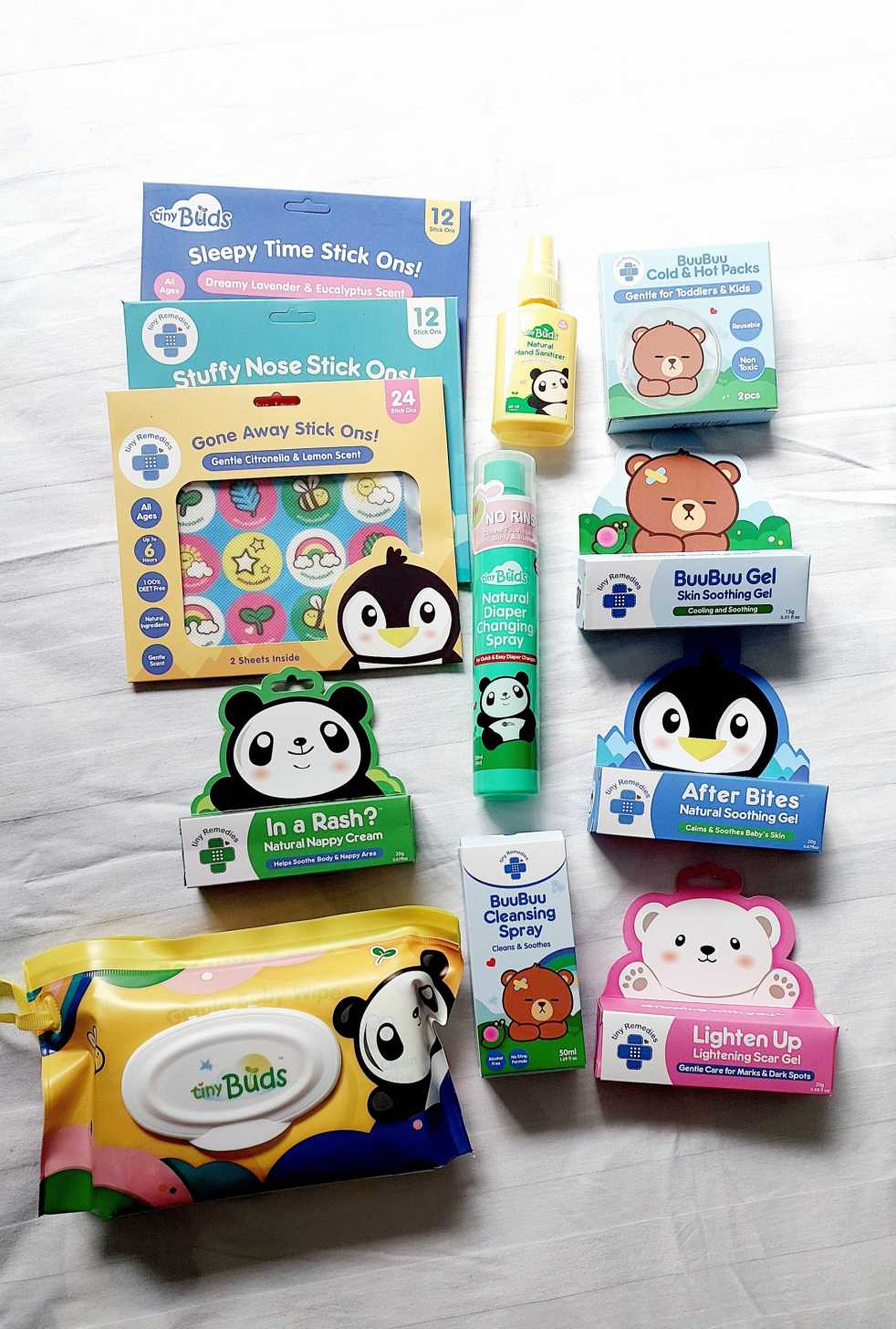
Your baby’s skin is more delicate than most, this is why you have to choose products that are designed for sensitive skin. Tiny Buds is a pioneer in integrating natural ingredients into baby care and today has over 50 innovative natural baby care essentials and is one of the Top Baby Personal Care brands. Here… Continue reading Product Review: Tiny Buds Baby Naturals Baby Essentials
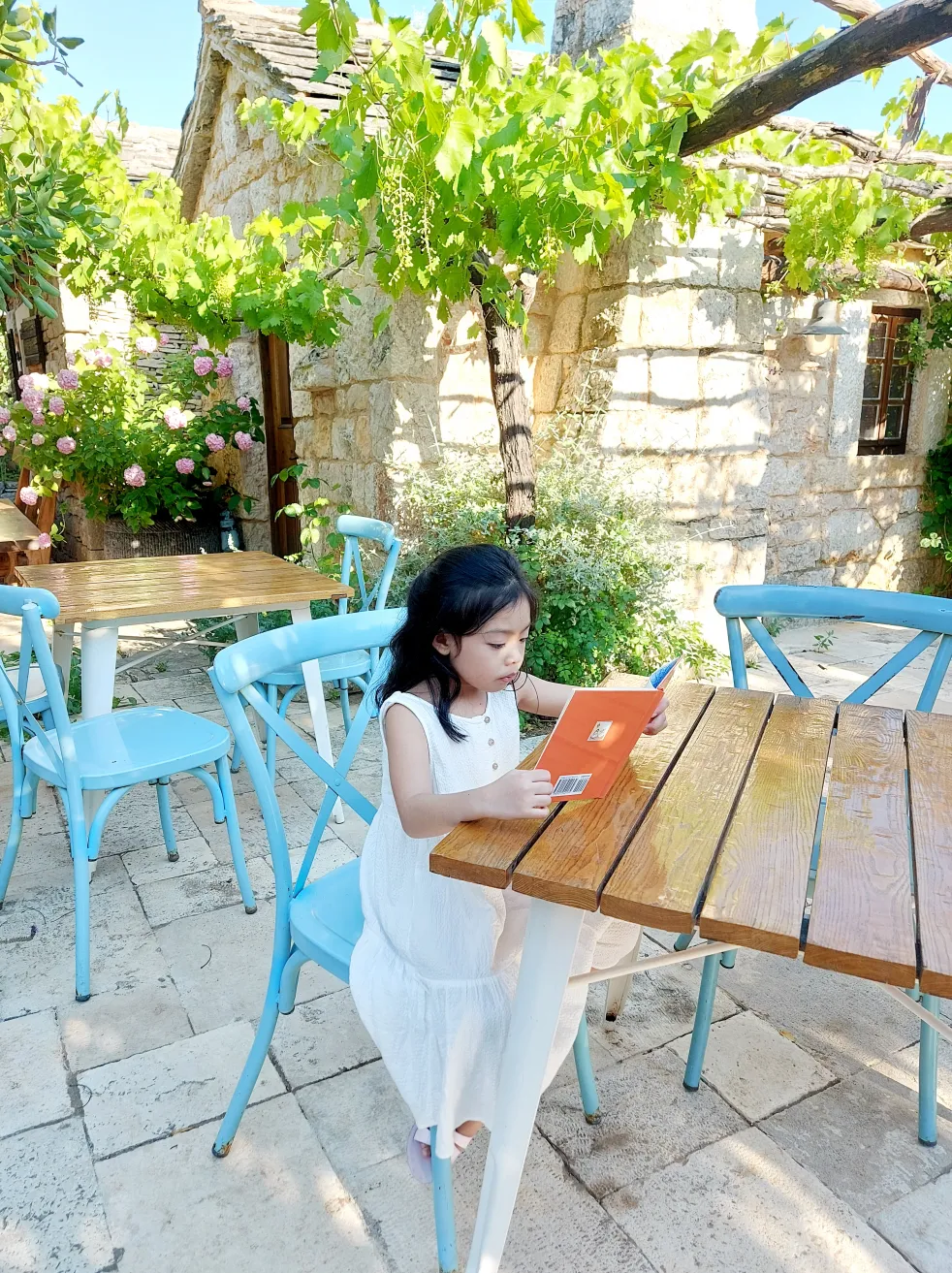
Where your child goes to school is a big decision and shouldn’t be taken lightly. Given how their education can impact their future, you might be tempted to take control and decide for them. However, you might be doing more damage than helping them in the long run. Your job as parents is to support… Continue reading HOW TO CHOOSE THE BEST SCHOOL FOR YOUR CHILD

As poet and philosopher Rumi once eloquently said, “raise your words, not your voice. It is rain that grows flowers, not thunder.” Parenting is a challenging journey, and the truth is that nobody has everything figured out. One parenting style might suit others best, and some might favor other methods. However, children respond better to… Continue reading A SIMPLE GUIDE TO GENTLE PARENTING

Whether you’re a new mom to be, mom of a toddler, mom who have school-aged kids, you’re bound to have so many questions. Let's start with your baby's skin. Infant skin has unique needs; gentle care is essential to prevent damage to the skin barrier, which can lead to irritation. When caring for infant skin,… Continue reading Keeping Baby’s Diapered Skin Healthy
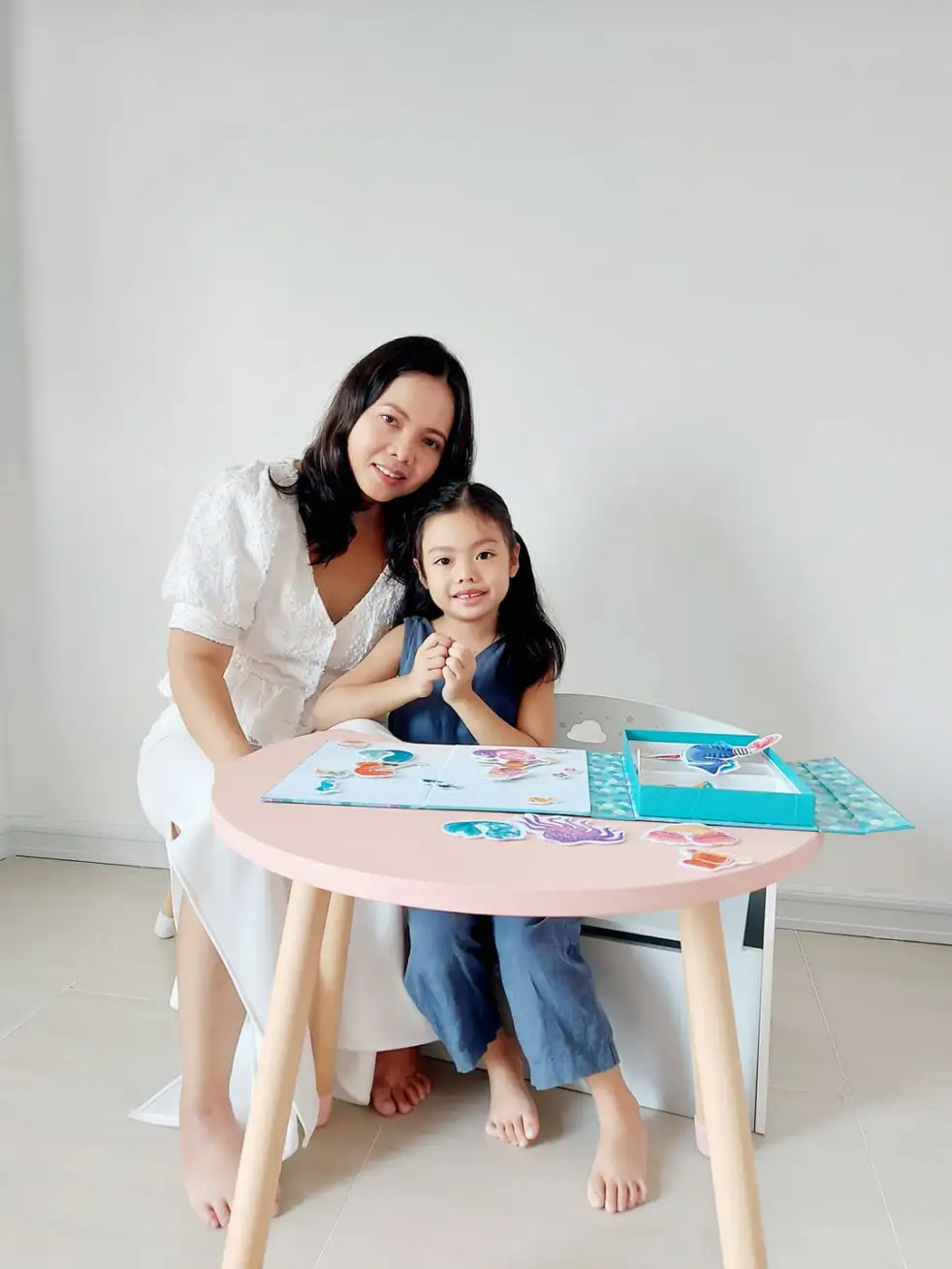
As parents, we want to give our child the best possible start in life and that begins with nurturing their intelligence. Throughout history, the notion of success has been linked to academic intelligence. However, there has been an increased awareness on the importance of emotional intelligence. This question gets at the heart of the never-ending… Continue reading IQ or EQ, which one is a better predictor of your child’s success?
 wondermomma.net