
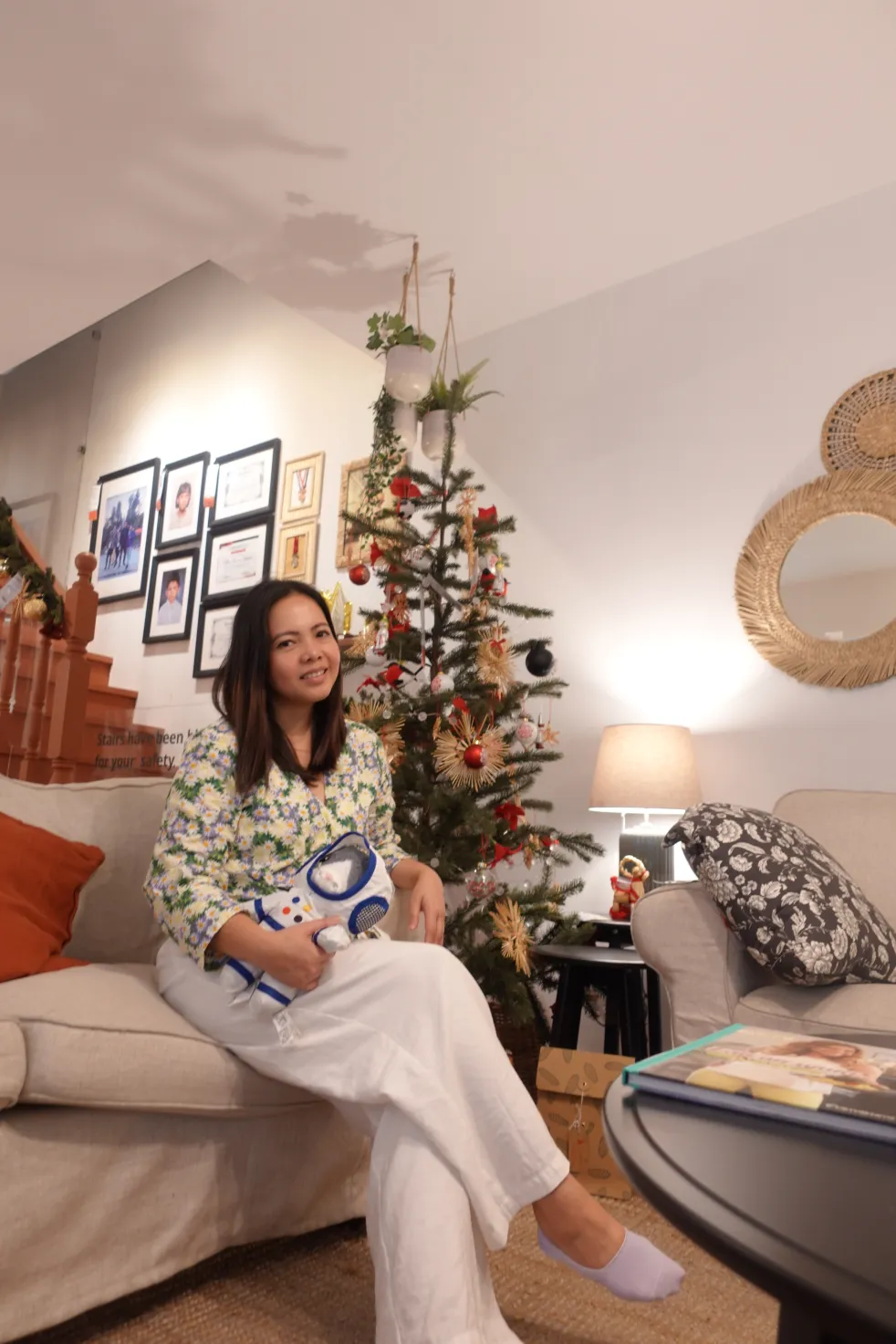
Last August, IKEA Philippines engaged with Better World Smokey Mountain, a newly opened community center operated by the San Miguel Foundation, which shares a similar goal of improving the lives of many Filipino people. Through this partnership, IKEA Philippines provided and assembled home furnishings for the classrooms and library of Better World Smokey Mountain community… Continue reading Help Create a Better World with IKEA Soft Toys
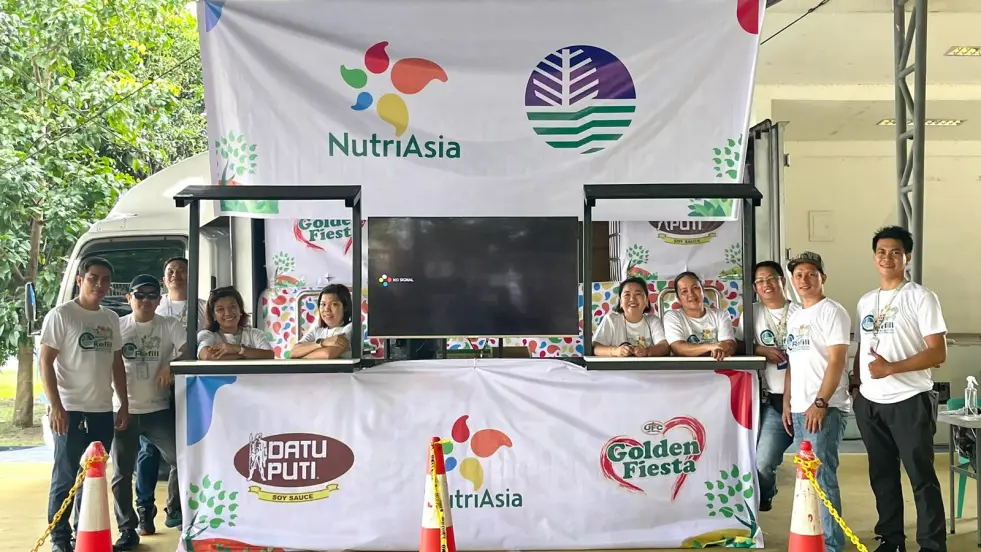
NutriAsia, the country’s top producer of condiments and sauces, continues its support of Refill Revolution; a project by the Department of Environment and Natural Resources EMB 3 that aims to help reduce Filipinos’ single-use plastics consumption. At Refill Revolution, residents get to recycle their single-use plastic bottles by reusing and filling it with their choice… Continue reading NutriAsia and DENR renews partnership for Refill Revolution

When your child hits or kicks: a gentle approach
It's a moment most parents remember vividly: the toddler swats another child at playgroup, or lashes out mid-meltdown in the supermarket aisle. The shock, the embarrassment, the quiet worry that you are somehow failing. In homes from Perth to Parramatta, hitting and kicking are among the most searched toddler behaviours, and for good reason. These actions are common, confusing and can feel deeply at odds with the gentle family life you want to create.
Gentle discipline is not permissive. It is a thoughtful blend of empathy, clear boundaries and skill-building that honours both connection and safety. In Australia, resources like the Raising Children Network and state-funded Child and Family Health centres offer evidence-based guidance for parents who want to respond firmly without harshness. This piece walks through why children hit, what to do in the moment, and how to nurture kinder behaviour over the weeks and months that follow.
Understanding why children hit or kick
Before you can choose a response, it helps to understand the drive behind the action. Toddlers and preschoolers are still building the brain architecture for impulse control, language and emotional regulation. The prefrontal cortex, which manages reasoning and restraint, is not fully wired until the mid-twenties, and in young children it is essentially under construction. A child who kicks a peer at the playground in Brisbane is rarely being deliberately cruel; more often they are overwhelmed, frustrated, hungry, tired or simply unable to translate a big feeling into words.
Common triggers include transitions (leaving the sandpit), sharing conflicts, sensory overload at a noisy indoor play centre in Sydney, or big life changes such as a new sibling or starting childcare. Recognising these patterns is the first step. When you see hitting as communication rather than defiance, you shift from punishment to problem-solving, which is the foundation of respectful parenting. Australian early childhood educators trained in the Early Years Learning Framework speak about "guiding" behaviour rather than controlling it, and the same mindset works beautifully at the kitchen table.
Here is how three common approaches compare when a child lashes out physically:
| Approach | What it looks like | Immediate effect | Long-term impact |
|---|---|---|---|
| Yelling or smacking | Raised voice, physical punishment, shaming words | Stops the behaviour through fear | Increases aggression over time, damages trust and security |
| Traditional time-out | Child removed to a chair or step alone | Pauses the play, may escalate distress | Can feel like rejection; rarely teaches new skills |
| Gentle discipline and time-in | Parent stays close, names feelings, offers comfort and a clear limit | Calms the nervous system, models regulation | Builds emotional vocabulary, self-control and repair skills |
Responding in the moment with calm
The seconds after a hit or kick are tense. Your heart races, your face flushes, and the parent brain switches into fight-or-flight too. The most powerful thing you can do is pause and breathe before you speak. Getting down to your child's eye level sends a message of safety, even as you block the kick or move the other child out of harm's way. A firm but warm tone, "I won't let you hurt your brother," is far more effective than a shout.
Australian child health nurses often recommend the "name it to tame it" approach: label the feeling you suspect is driving the behaviour. "You wanted the red truck and Sam grabbed it. That made you so angry." Naming the emotion activates the left brain and helps the right brain settle, a process neuroscientist Dan Siegel describes as integration. Once the storm has passed, you can briefly hold the limit, "Hitting hurts; we use gentle hands," and offer connection. A hand on the shoulder, a quiet cuddle or a deep breath together teaches the nervous system what safety feels like.
Setting limits with warmth and structure
Gentle discipline does not mean there are no consequences. It means the consequences are logical, respectful and aimed at teaching rather than punishing. If your child throws a toy at a friend at the playground in Adelaide, the toy might be put away for a short time, with a simple explanation: "I am putting the truck away because it is not safe for throwing. You can have it back when you are ready to play gently." The child learns cause and effect without shame.
Follow-through is where many parents waver. Consistency across both parents, grandparents and educators is what cements learning. The Early Years Learning Framework used in Australian childcare centres emphasises secure relationships and predictable routines, and the same principles apply at home. When limits are warm, clear and reliable, children begin to internalise them. They stop testing because they trust that the boundary will hold, and they feel safe enough to explore within it.
Teaching skills for the long term
Every hit or kick is a teaching moment, but most of the skill-building happens in calm moments, long before the next meltdown. Read picture books about feelings, role-play with stuffed animals, and narrate your own emotions throughout the day: "I am feeling frustrated because the traffic is slow, so I am taking three big breaths." Children borrow our strategies, especially when they see us practise them.
Modelling "hands are for helping, holding and hugging" gives toddlers a concrete alternative. You can practise gentle touch during a cuddle, or create a "calm corner" at home with cushions, a feelings chart and a few sensory items. In many Australian kindy rooms, educators use a "peace table" or quiet space where children can go to regulate, and a similar setup at home works just as well. The goal is not to avoid all conflict but to give your child a growing toolkit of ways to express big feelings without hurting others.
Support and strategies for Australian families
Parenting through aggression is exhausting, and you do not have to do it alone. Every state offers free or low-cost services, and your GP can write a care plan for referrals to paediatric psychologists if needed. The Raising Children Network provides trustworthy articles, videos and downloadable guides written by Australian child development experts. In New South Wales, Tresillian and Karitane run day-stay and residential programs for families with children up to five years old. Child and Family Health Centres in every state offer free nurse consultations, often accessed through your local council, and Parentline provides free phone or online counselling nationwide, with dedicated numbers for Victoria, Queensland and the ACT.
When extra help is warranted, your GP can assess developmental concerns and refer you through a Chronic Disease Management plan or a Mental Health Care Plan for subsidised sessions with a psychologist. Playgroups facilitated by Ngala in Western Australia, the Queensland-specific Early Childhood Early Intervention pathways, and the inclusion support programmes in Victoria are further examples of how the system can wrap around a family during a tough stage.
Practical steps to weave into your week
- Pause before reacting. Take three slow breaths so you can respond rather than react.
- Move to eye level and use a calm, low voice when you set a limit.
- Name the feeling you think is driving the behaviour, even if you are guessing.
- Offer a choice within the boundary: "You can sit here or there, but the hitting must stop."
- Repair afterwards. Once everyone is calm, revisit the moment and problem-solve together.
- Practise in advance. Role-play tricky situations during play so skills are ready when needed.
- Look after yourself. Sleep, food and adult support are not luxuries; they are parenting tools.
Hitting and kicking are phases, not verdicts on your parenting. With patience, warmth and a few reliable tools, the kicks grow fewer, the words grow kinder, and the bond between you and your child grows stronger.

Mercato Centrale, in collaboration with Indian Women in Enterprise Philippines (I-We), is set to host "The Great Indian Fiesta" to mark 75 years of friendship between India and the Philippines. The dynamic two-day event is scheduled to take place on September 30 to October 1, 2023, at Paseo De Roxas Street, Makati City. Aiming to… Continue reading Mercato Centrale Partners with I-We to Host ‘The Great Indian Fiesta’, Commemorating 75 Years of India-Philippines Friendship

My stomach would usually start growling at 10 am even after taking a big breakfast. This is probably because I am a morning person and I move a lot throughout the day hence snacking is something that I can't avoid. This potatoes and chicken wrap recipe is easy to prepare and would keep me full… Continue reading Potato and Chicken Wrap
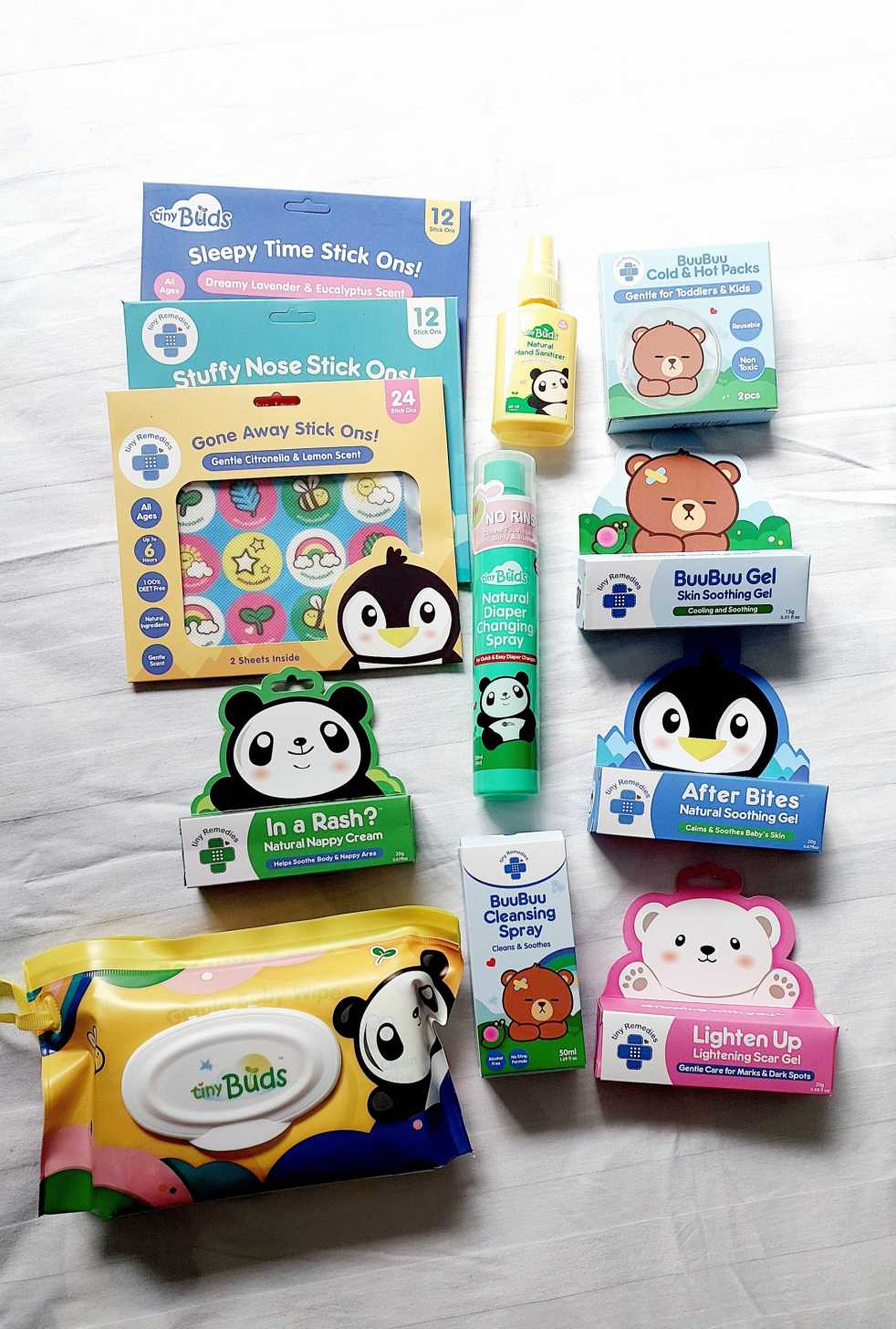
Your baby’s skin is more delicate than most, this is why you have to choose products that are designed for sensitive skin. Tiny Buds is a pioneer in integrating natural ingredients into baby care and today has over 50 innovative natural baby care essentials and is one of the Top Baby Personal Care brands. Here… Continue reading Product Review: Tiny Buds Baby Naturals Baby Essentials
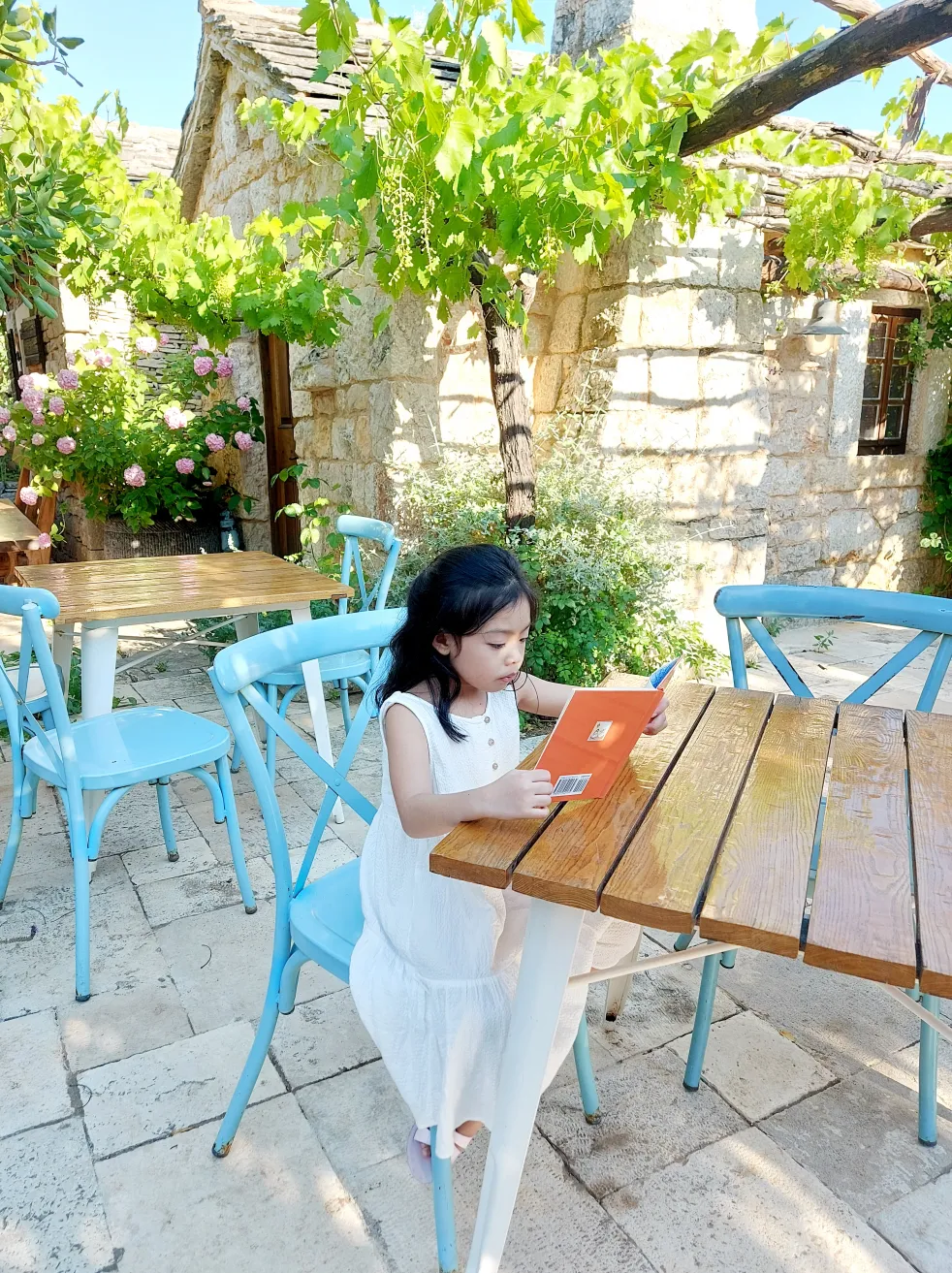
Where your child goes to school is a big decision and shouldn’t be taken lightly. Given how their education can impact their future, you might be tempted to take control and decide for them. However, you might be doing more damage than helping them in the long run. Your job as parents is to support… Continue reading HOW TO CHOOSE THE BEST SCHOOL FOR YOUR CHILD
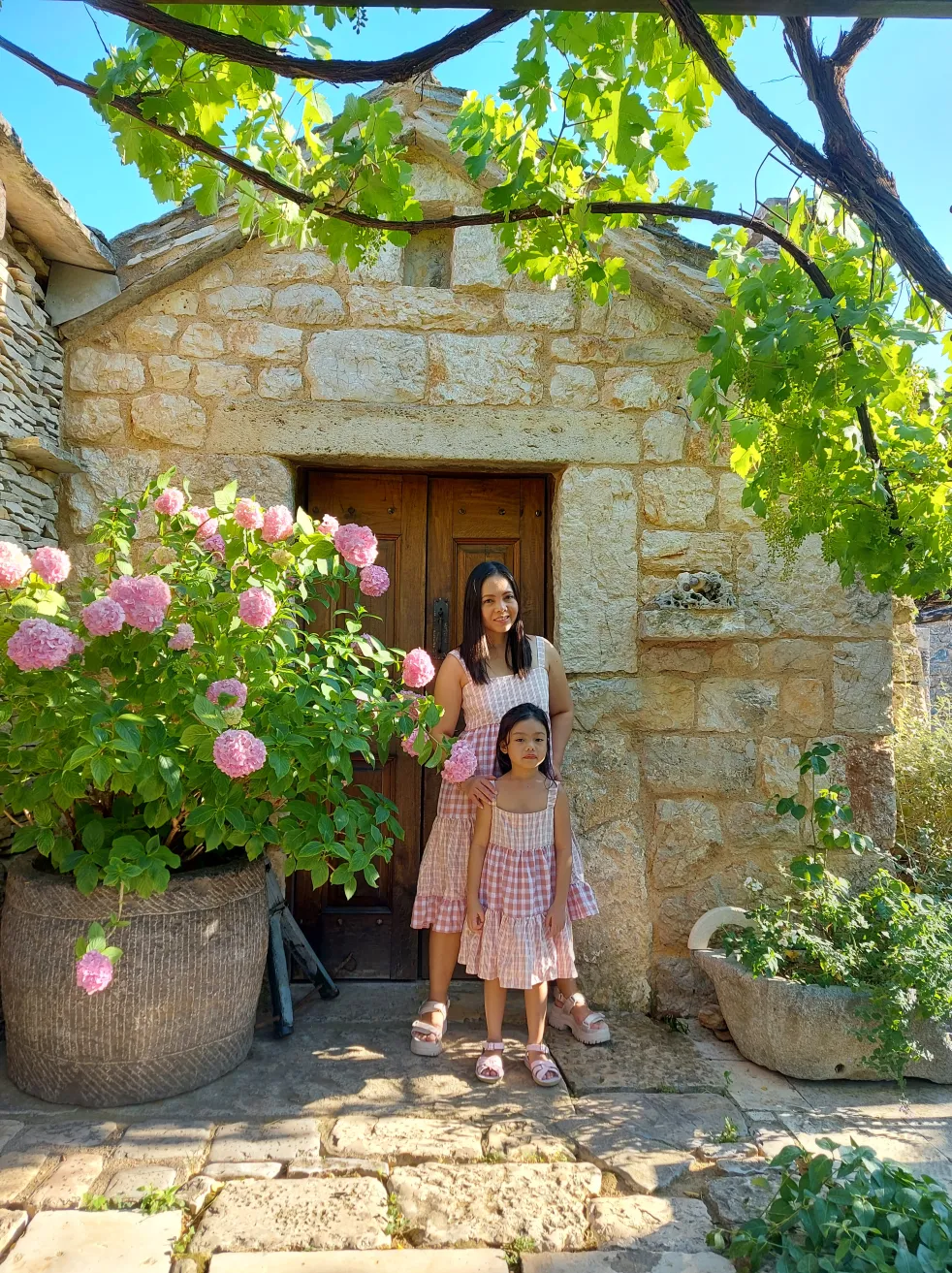
As poet and philosopher Rumi once eloquently said, “raise your words, not your voice. It is rain that grows flowers, not thunder.” Parenting is a challenging journey, and the truth is that nobody has everything figured out. One parenting style might suit others best, and some might favor other methods. However, children respond better to… Continue reading A SIMPLE GUIDE TO GENTLE PARENTING

Whether you’re a new mom to be, mom of a toddler, mom who have school-aged kids, you’re bound to have so many questions. Let's start with your baby's skin. Infant skin has unique needs; gentle care is essential to prevent damage to the skin barrier, which can lead to irritation. When caring for infant skin,… Continue reading Keeping Baby’s Diapered Skin Healthy
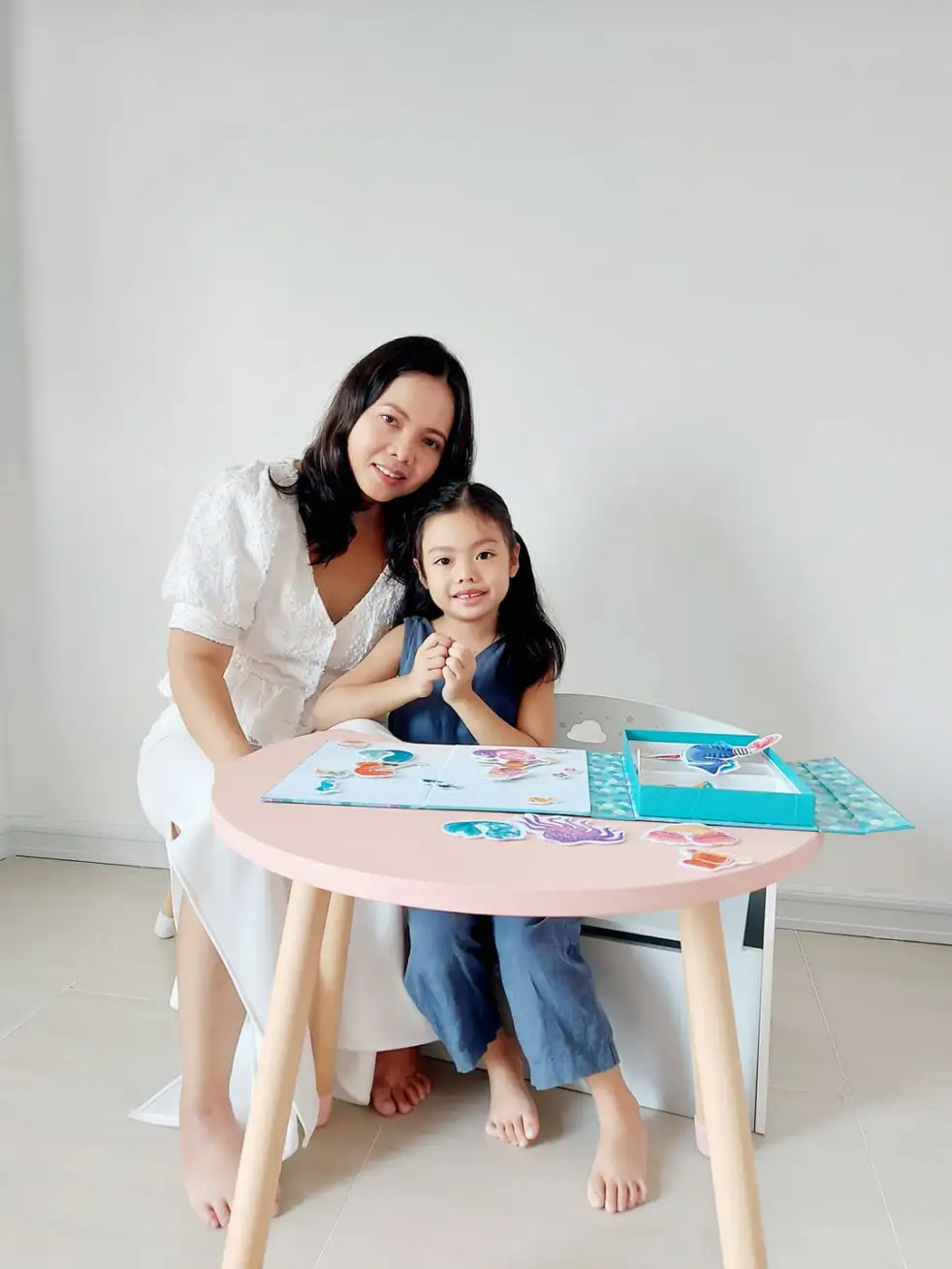
As parents, we want to give our child the best possible start in life and that begins with nurturing their intelligence. Throughout history, the notion of success has been linked to academic intelligence. However, there has been an increased awareness on the importance of emotional intelligence. This question gets at the heart of the never-ending… Continue reading IQ or EQ, which one is a better predictor of your child’s success?
 wondermomma.net