
Last August, IKEA Philippines engaged with Better World Smokey Mountain, a newly opened community center operated by the San Miguel Foundation, which shares a similar goal of improving the lives of many Filipino people. Through this partnership, IKEA Philippines provided and assembled home furnishings for the classrooms and library of Better World Smokey Mountain community… Continue reading Help Create a Better World with IKEA Soft Toys
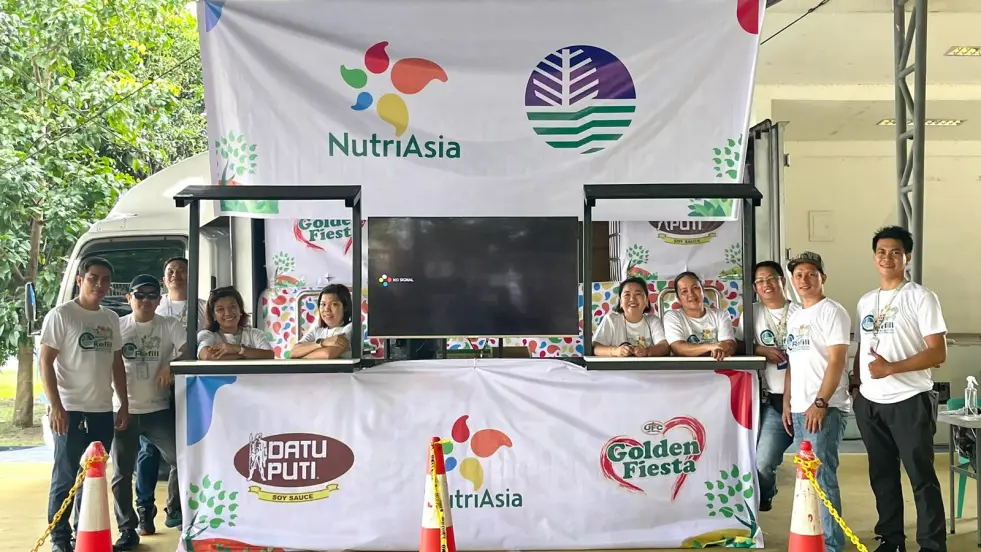
NutriAsia, the country’s top producer of condiments and sauces, continues its support of Refill Revolution; a project by the Department of Environment and Natural Resources EMB 3 that aims to help reduce Filipinos’ single-use plastics consumption. At Refill Revolution, residents get to recycle their single-use plastic bottles by reusing and filling it with their choice… Continue reading NutriAsia and DENR renews partnership for Refill Revolution

When to Start Potty Training: Signs Your Child Is Ready
Potty training can feel like a major milestone, yet there is no single age when every child should be out of nappies. Some toddlers show interest shortly after turning two, while others need more time before they can recognise body signals, pause play and reach the toilet. Readiness matters more than a birthday.
For families in Australia, the timing may also depend on childcare routines, weather, travel and daily schedules. Whether your child calls it the toilet, loo or potty, a calm approach helps them build confidence without turning toileting into a battle.
What Toilet Readiness Really Means
Toilet readiness is a group of physical, emotional and communication skills rather than one perfect sign. Your child needs some awareness of when they are wee or pooing, enough bladder and bowel control to wait briefly, and the ability to get to the bathroom with support. They do not need to master every skill before you begin.
Interest is another useful clue. A toddler may follow you to the toilet, ask what you are doing, point to a wet nappy or want to wear undies. They might tell you after they have done a wee at first. That still counts as progress because they are beginning to connect the body sensation with the result.
Readiness can come and go. Illness, a new sibling, moving house, starting childcare or disrupted sleep may temporarily make toileting harder. A child who was dry for several days may have accidents after a big change, and this does not mean they have failed.
Signs Your Child May Be Ready
Physical signs often appear through everyday routines. Your child may stay dry for longer periods, wake from a nap with a dry nappy, or have bowel movements at a fairly predictable time. They may hide to poo, squat, pause during play or show a distinct facial expression before using their nappy.
Communication is equally important. Your toddler may use words, gestures or sounds for wee, poo, wet and dry. They may understand simple instructions such as “put the toy down” or “come to the bathroom”. The words do not have to be clear; pointing to the potty or taking you by the hand can communicate the same message.
Look for growing independence, too. Pulling trousers up and down, washing hands, sitting briefly and walking to the bathroom are helpful skills. A child who dislikes a wet or dirty nappy may be ready to learn, while a child who is distressed by the toilet may need more preparation before practising.
Choosing The Right Time
There is no universally correct potty training age. Many children begin between about two and three years, but the range is wide. Some children take to toileting earlier, and others are closer to four before daytime dryness becomes consistent. Night-time dryness usually develops later because it depends on sleep, bladder capacity and hormones.
Choose a period when your family has reasonable breathing room. A long weekend can provide extra practice, but there is no need to force intensive training if your child is unwell or your household is overwhelmed. Australian families may also consider the season: warm weather can make clothing simpler, while cooler months in Melbourne, Hobart or Canberra may require extra layers and patience.
Childcare is worth discussing before you begin. Centres may have their own routines, bathroom policies and expectations about spare clothing. Speak with educators so home and care use similar language. In Australia, families often use “nappy”, “undies” and “toilet”, while some children hear “pull-ups” in advertising or from friends; consistency makes the process easier.
Preparing Your Toddler For Toileting
Start with familiarity rather than pressure. Keep a potty in the bathroom or place a child-sized seat on the toilet with a stable step. Let your toddler sit fully clothed, look at picture books about toileting or watch you wash your hands. A footstool is important because supported feet help children feel secure and can make bowel movements easier.
Use simple, neutral language for body functions. You might say, “Your nappy is wet,” “Your body is doing a poo,” or “We can try the toilet after lunch.” Avoid describing wee or poo as naughty, dirty or embarrassing. Children learn more effectively when they understand what is happening without feeling watched or judged.
Dress your child in clothing they can manage. Elastic-waisted shorts, skirts or tracksuit pants are easier than buttons, belts and tight layers. Keep several spare outfits in the childcare bag, car and nappy bag. Supermarkets such as Coles and Woolworths carry a wide range of nappies, training pants and cleaning supplies, but expensive equipment is not essential; a basic potty and a safe step may be enough.
A Gentle Potty Training Approach
Offer regular, relaxed opportunities instead of asking constantly. Good times include after waking, after meals, before a bath and before leaving the house. Invite your child to try, then accept “no” without an argument. Sitting for a minute or two is plenty in the early stages.
Praise the process rather than demanding a result. Say, “You listened to your body,” “You pulled your pants down,” or “You told me you needed help.” Accidents are expected. Keep your response calm, help your child change, and involve them in simple clean-up without making it a punishment.
Rewards are a family choice, but they should not become the only reason a child uses the toilet. A sticker chart may motivate some toddlers, while others respond better to encouragement, a story or extra time choosing their undies. Gentle parenting does not mean ignoring boundaries; it means providing clear routines while respecting your child’s pace.
If your child resists strongly, pause for a week or two and return to preparation. Pressure can lead to withholding, particularly with poo. Constipation may make toileting painful and create a cycle of fear, so soft, regular bowel movements are an important part of toilet learning.
Handling Accidents And Setbacks
Accidents are part of learning, even after a child seems to be doing well. Respond briefly: “Your clothes are wet. Let’s get changed.” Avoid showing shock or asking why they did it. A toddler may become absorbed in play, misread a body signal or simply leave too little time to reach the bathroom.
Keep routines flexible when you go out. Public toilets can be noisy, automatic flushes can frighten children, and unfamiliar bathrooms may be difficult to navigate. A foldable toilet seat, spare clothes and disposable or washable protective bags can help on trips to the shops, playgrounds or the beach. Let your child know where the toilet is when arriving somewhere new.
Speak with a GP or child and family health nurse if your child has painful bowel movements, regularly holds poo, has blood in the stool, passes very hard stools or remains consistently distressed. Seek advice as well if daytime wetting continues well beyond the expected learning period, suddenly returns after being established, or comes with unusual thirst, fever or pain.
| Sign or Situation | What It May Mean | Helpful Response |
|---|---|---|
| Stays dry for longer stretches | Bladder control is developing | Offer the toilet at predictable times |
| Hides or pauses before pooing | Notices body signals | Use calm words and provide privacy |
| Tells you after wetting | Early awareness is present | Praise the communication and explain the next step |
| Refuses to sit or becomes very upset | May need more time or feels pressured | Pause active training and return to gentle preparation |
| Hard, painful or withheld poo | Possible constipation or toilet fear | Contact a GP or child health professional |
| Accidents during busy play | Signals are still developing | Use reminders, easy clothing and neutral clean-up |
| Dry at home but wet at childcare | Settings may use different routines | Agree on shared words and regular toilet opportunities |
Potty training is a gradual shift from nappies to independent toileting, rather than a test your child passes on a particular date. Watch for readiness, make the bathroom accessible and keep your expectations realistic. With steady support, most children develop the skills in their own time.

Mercato Centrale, in collaboration with Indian Women in Enterprise Philippines (I-We), is set to host "The Great Indian Fiesta" to mark 75 years of friendship between India and the Philippines. The dynamic two-day event is scheduled to take place on September 30 to October 1, 2023, at Paseo De Roxas Street, Makati City. Aiming to… Continue reading Mercato Centrale Partners with I-We to Host ‘The Great Indian Fiesta’, Commemorating 75 Years of India-Philippines Friendship

My stomach would usually start growling at 10 am even after taking a big breakfast. This is probably because I am a morning person and I move a lot throughout the day hence snacking is something that I can't avoid. This potatoes and chicken wrap recipe is easy to prepare and would keep me full… Continue reading Potato and Chicken Wrap
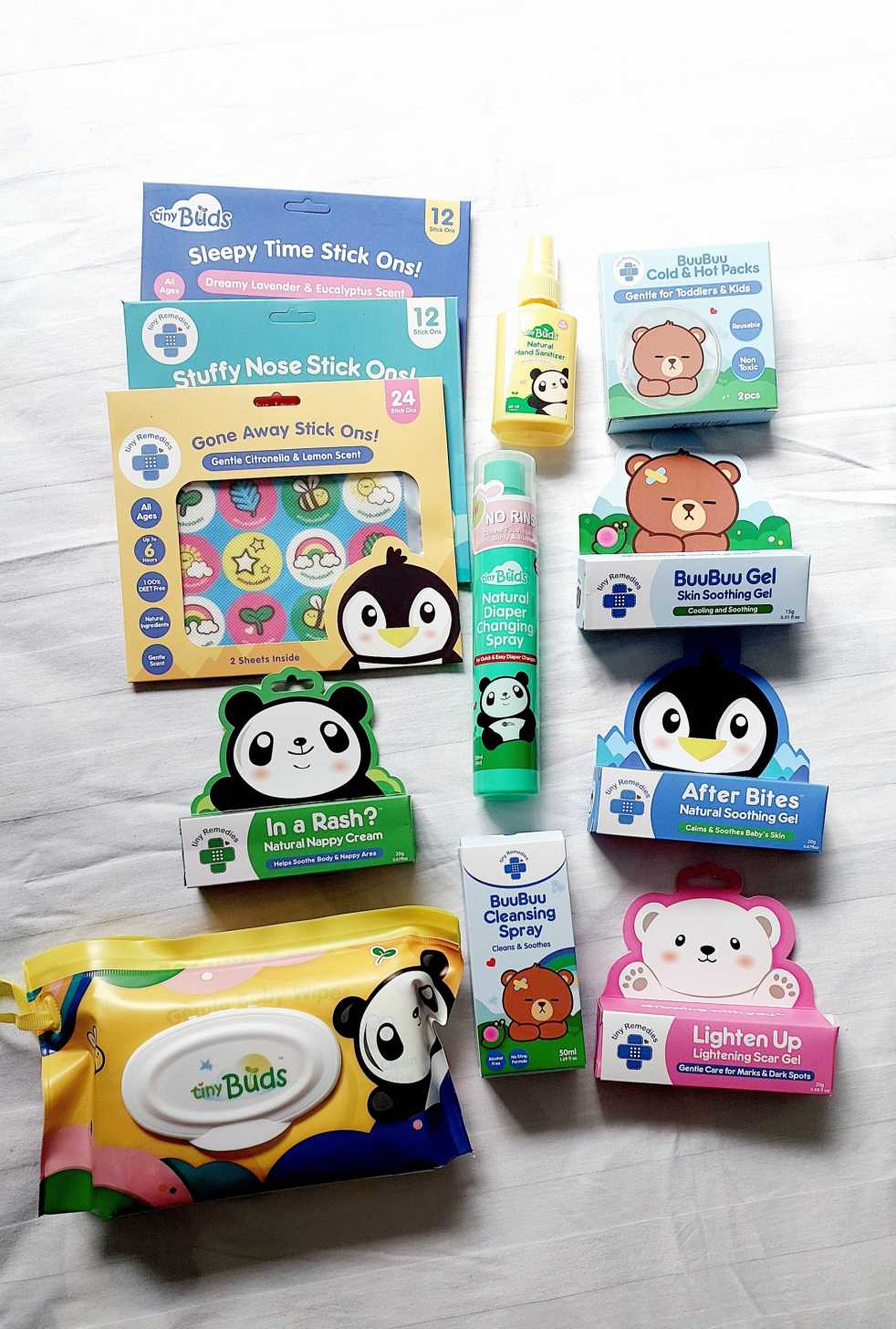
Your baby’s skin is more delicate than most, this is why you have to choose products that are designed for sensitive skin. Tiny Buds is a pioneer in integrating natural ingredients into baby care and today has over 50 innovative natural baby care essentials and is one of the Top Baby Personal Care brands. Here… Continue reading Product Review: Tiny Buds Baby Naturals Baby Essentials
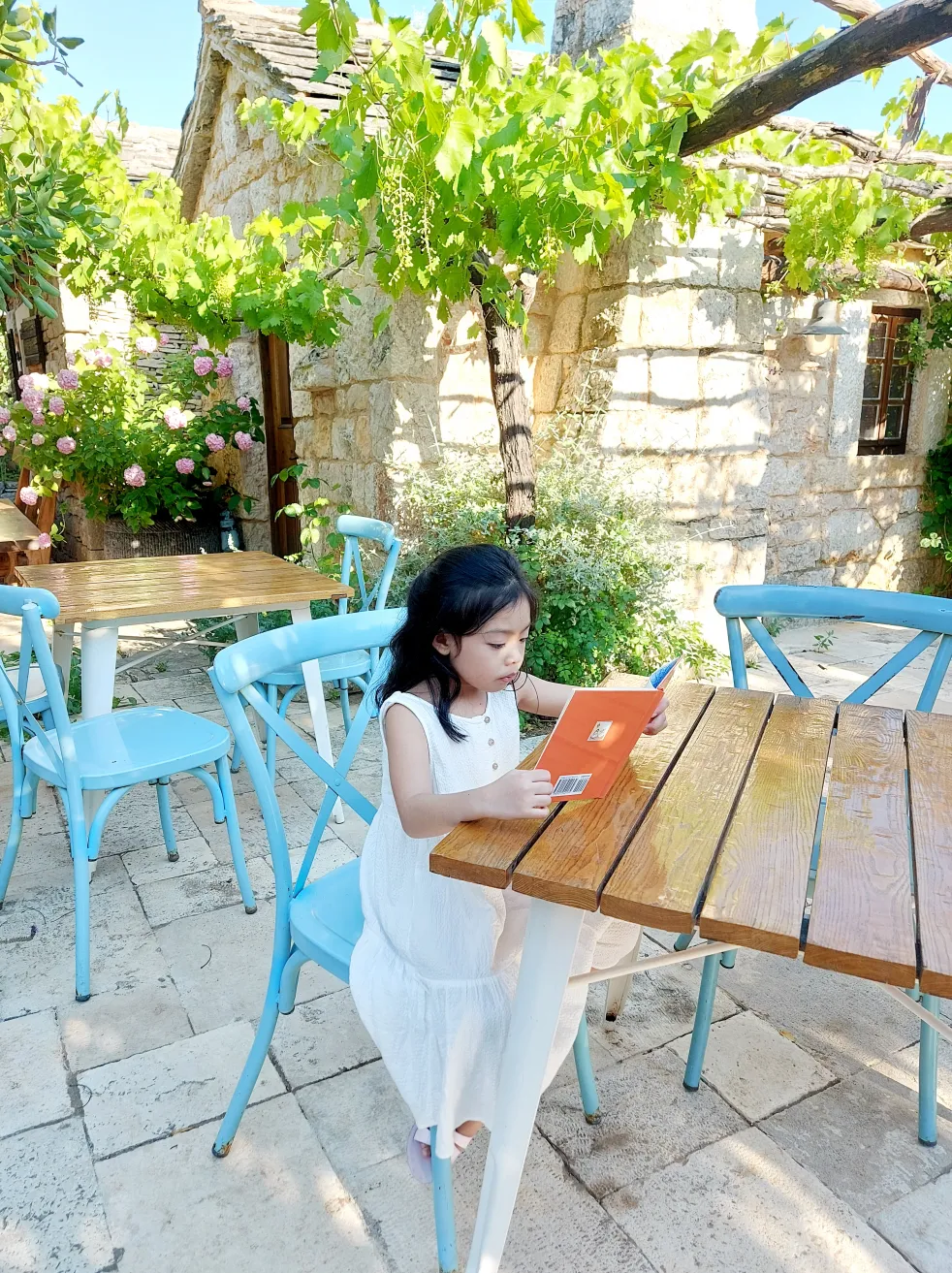
Where your child goes to school is a big decision and shouldn’t be taken lightly. Given how their education can impact their future, you might be tempted to take control and decide for them. However, you might be doing more damage than helping them in the long run. Your job as parents is to support… Continue reading HOW TO CHOOSE THE BEST SCHOOL FOR YOUR CHILD
As poet and philosopher Rumi once eloquently said, “raise your words, not your voice. It is rain that grows flowers, not thunder.” Parenting is a challenging journey, and the truth is that nobody has everything figured out. One parenting style might suit others best, and some might favor other methods. However, children respond better to… Continue reading A SIMPLE GUIDE TO GENTLE PARENTING
Whether you’re a new mom to be, mom of a toddler, mom who have school-aged kids, you’re bound to have so many questions. Let's start with your baby's skin. Infant skin has unique needs; gentle care is essential to prevent damage to the skin barrier, which can lead to irritation. When caring for infant skin,… Continue reading Keeping Baby’s Diapered Skin Healthy
As parents, we want to give our child the best possible start in life and that begins with nurturing their intelligence. Throughout history, the notion of success has been linked to academic intelligence. However, there has been an increased awareness on the importance of emotional intelligence. This question gets at the heart of the never-ending… Continue reading IQ or EQ, which one is a better predictor of your child’s success?
 wondermomma.net