
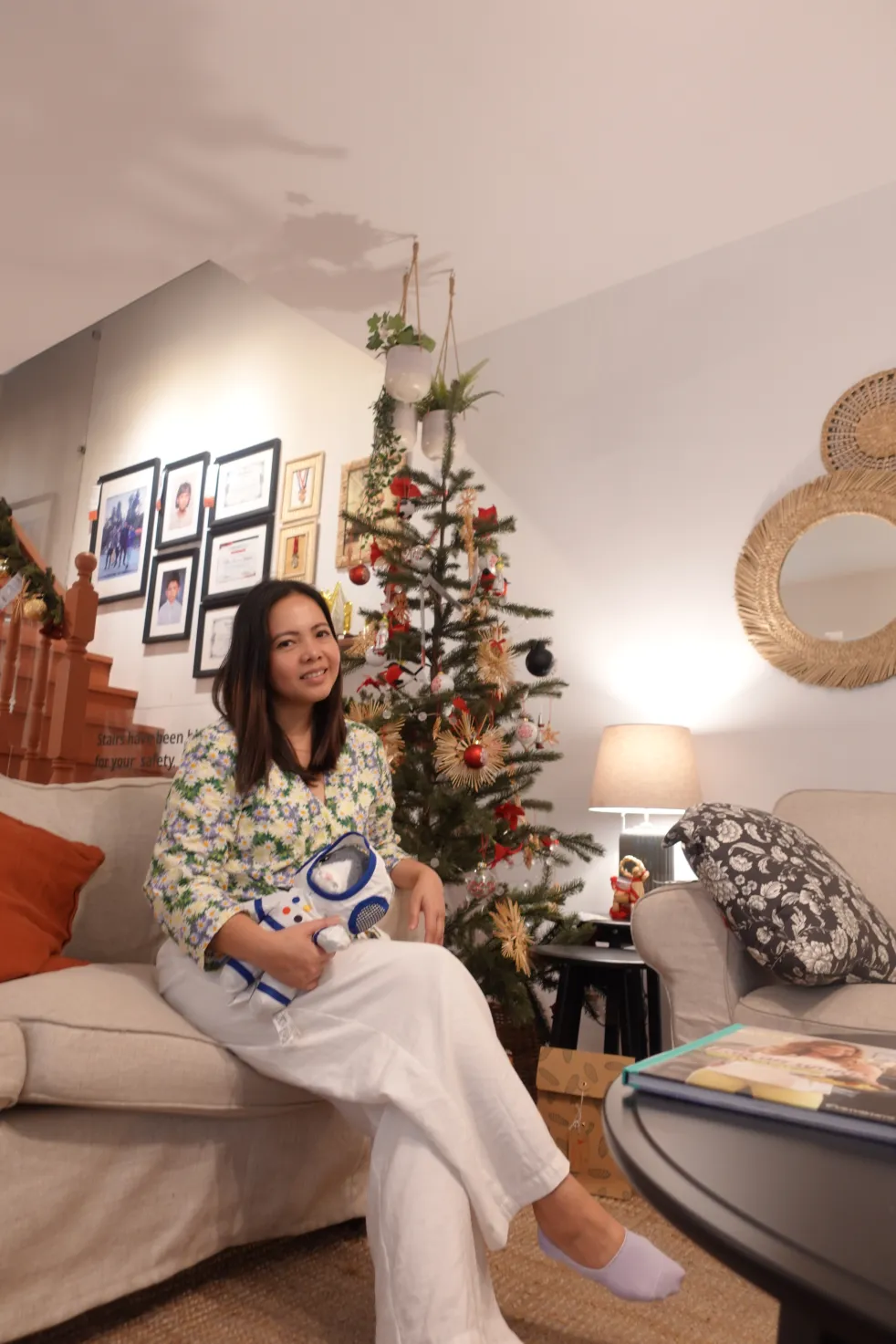
Last August, IKEA Philippines engaged with Better World Smokey Mountain, a newly opened community center operated by the San Miguel Foundation, which shares a similar goal of improving the lives of many Filipino people. Through this partnership, IKEA Philippines provided and assembled home furnishings for the classrooms and library of Better World Smokey Mountain community… Continue reading Help Create a Better World with IKEA Soft Toys

NutriAsia, the country’s top producer of condiments and sauces, continues its support of Refill Revolution; a project by the Department of Environment and Natural Resources EMB 3 that aims to help reduce Filipinos’ single-use plastics consumption. At Refill Revolution, residents get to recycle their single-use plastic bottles by reusing and filling it with their choice… Continue reading NutriAsia and DENR renews partnership for Refill Revolution

When to introduce chores and which ones fit each age
Children absorb the ordinary work of a home: where laundry goes, how bins are sorted, and whether dinner is made with everyone nearby. Household jobs can turn those observations into belonging, motor practice, and a sense that family life is shared. The aim is contribution rather than a performance test, and children can contribute long before they can complete every step independently.
Deciding when to introduce chores is less about a birthday than about what a child is ready to notice and attempt. Many families begin around two or three years old, initially treating jobs as shared activities. A toddler carrying socks has a role just as meaningful as an older child folding a towel. The task may look different while the underlying message remains the same: you belong here, and your efforts help our home run smoothly.
The right job also depends on your home layout, your child’s temperament and the amount of supervision available. Choose tasks a child can finish with a sense of success, show clearly what “done” means, and let responsibility grow gradually. Pushing too soon can create resistance; offering too little can leave capable children wondering where they fit.
Readiness matters more than birthdays
The age bands below are broad guides rather than strict rules. Development, interest and confidence can vary considerably, even among children of the same age.
| Age and stage | Realistic household jobs | Signs of readiness | Tasks needing adult control |
|---|---|---|---|
| Toddlers, around 18 months to 3 years | Carry soft items, place toys in a basket, water plants with an adult | Copies simple actions and enjoys helping | Cleaning chemicals, breakables and hot water |
| Preschoolers, around 3 to 5 | Sort socks, put clothes in the hamper, carry a light bag with an adult | Follows a short routine and handles child-sized tools | Sharp objects, medicines, pet food and hot appliances |
| Early primary, around 6 to 8 | Make a bed, set the table, clear dishes to the sink, rinse soft vegetables | Remembers routines and can focus for several minutes | Knives, matches, electrical cables and cooking heat |
| Later primary, around 9 to 12 | Fold towels, load safe items into the dishwasher, vacuum, help in the garden | Plans a simple sequence and notices unfinished jobs | Chemicals, power tools and outdoor equipment requiring skill |
| Teenagers, around 13 to 17 | Manage laundry, prepare a simple meal, check a shopping list, share bin and garden duties | Values independence and can estimate how long a task will take | Agree on limits for tools, transport and late-night kitchen work |
Readiness often appears before accuracy. A child may remember the order of a task while still needing help with the physical steps. Watch for attention to the routine, willingness to try again and the ability to follow one or two instructions. These are better indicators than whether a child performs the job perfectly.
Introduce a new responsibility by offering two suitable choices, demonstrating the first step and explaining where the task belongs when finished. Let an imperfect result remain as a learning opportunity. Children who are repeatedly corrected or required to redo everything may begin associating contribution with criticism rather than belonging.
Toddlers can contribute through simple routines
Most toddlers are naturally eager to participate in household activity. Their efforts may be brief or inconsistent, but repeated participation builds language, coordination and confidence. Toddlers can begin helping with putting clothes away, collecting loose items and washing hands together.
Keep the jobs physically small and emotionally achievable. A light basket is easier to carry than a full one, and a dry cloth is safer than a wet mop. Toddlers can also learn to hang a small towel, place cups in the sink and water indoor plants while an adult handles the container.
Short periods work better than long instructions. Offer one task, allow a few minutes of effort, then help or move on. Praise the specific action—“You put both shoes beside the door”—rather than describing the child as a good helper. This gives young children useful information about what they did well.
Preschoolers can build practical independence
Preschoolers can move beyond simple imitation and begin completing short sequences. They might sort clean socks, put their lunchbox near the door, clear a low table or help rinse vegetables under running water. These jobs support the same self-care skills children are learning during dressing, toileting and handwashing.
Teach the sequence in plain steps: check the room, collect what belongs there, carry it to the right place and put it away. Demonstrating once is often more effective than giving repeated verbal directions. Children who are still developing memory can refer to a picture or object showing what comes next.
Avoid turning every loose end into a request for help. Offer limited choices, such as whether to fold the tea towels or match the socks. Completing something meaningful alongside a parent can strengthen connection while giving the child a genuine contribution to the family.
School-age children can take ownership
Once school routines begin, household responsibilities can become part of a child’s growing independence. Suitable jobs include making a bed, setting the table, feeding a pet, folding laundry, watering plants and preparing a simple breakfast. Give children ownership of a complete task rather than several disconnected fragments.
Ownership does not mean working without help. Younger school-age children may still need reminders about where supplies belong and how much time a task takes. A predictable weekly rhythm often works better than expecting initiative every day: bed-making before school, bins after dinner and laundry on Saturday, for example.
Allowance can be a separate topic from household participation. If a family chooses to provide pocket money, make the amount and conditions clear rather than treating every chore as payable. Children then have the chance to learn about money without concluding that they must work to earn love, meals or basic care.
Teenagers benefit from choice and real responsibility
Teenagers need room to exercise judgement. A list of commands can feel controlling, while an unclear expectation can create conflict. Hold a short family discussion about the jobs everyone shares, how much time certain tasks take and which responsibilities belong to each person.
Offer meaningful options such as meal preparation, laundry management, garden work, shopping-list planning or organising shared supplies. Teenagers are more likely to follow through when they can adjust the order, choose the method or decide when within an agreed window the work will happen.
Keep limits clear around tools, ingredients, energy use and technology. A teenager may be capable of preparing dinner but still need support with knife skills or oven use. Follow through calmly when an agreed task is ignored, and avoid turning one missed job into a lecture about the whole relationship.
Chores can suit Australian family life
Compact homes are common in Sydney, Melbourne, Brisbane and other growing cities. In an apartment, jobs often centre on sorting recycling, wiping the breakfast bench, carrying rubbish downstairs and keeping shared spaces tidy. Council recycling requirements and building-manager instructions vary, so an adult should confirm what belongs in each bin before asking children to sort it.
Many Australian school days run from around 9 a.m. until about 3 p.m., while before- and after-school care fills some family schedules. Chores can fit around afternoon snack time, dinner or weekend mornings without taking away sleep, play or study. Families with children in different year levels can coordinate jobs around one shared time rather than asking everyone to stop what they are doing.
Supermarkets such as Coles and Woolworths, together with hardware stores such as Bunnings, offer laundry baskets, compact brooms, gloves and storage containers suitable for family use. Check sizes, warnings and age recommendations before handing over a tool. Under the Australian Consumer Law, goods sold in Australia must satisfy guarantees concerning acceptable quality, freedom from defects and fitness for a disclosed purpose. Household cleaners, knives and other risky products should remain adult responsibilities, regardless of packaging or advertising.
A family plan that starts small
Begin by observing where adults repeatedly ask for help and which jobs your child already tries to complete. Choose a small number of recurring responsibilities and explain their purpose. “This keeps the kitchen safe” gives a task meaning beyond a demand to obey.
Review the plan as a family. A child may need more guidance one week and less the next as skills improve. The goal is a shared rhythm that develops independence without making children responsible for adult workloads or household standards they are not ready to meet.
- Begin with one brief daily job and one manageable weekly job, then add more only when the routine is working.
- Let children choose between suitable tasks or decide the order, supporting autonomy without removing standards.
- Teach the steps once, demonstrate where needed and check the result together instead of redoing the child’s work.
- Review after four to six weeks and adjust tasks as skills, school demands and family schedules change.
A consistent routine that children understand and choose to support is more valuable than an ambitious list of jobs they have never been shown how to complete.

Mercato Centrale, in collaboration with Indian Women in Enterprise Philippines (I-We), is set to host "The Great Indian Fiesta" to mark 75 years of friendship between India and the Philippines. The dynamic two-day event is scheduled to take place on September 30 to October 1, 2023, at Paseo De Roxas Street, Makati City. Aiming to… Continue reading Mercato Centrale Partners with I-We to Host ‘The Great Indian Fiesta’, Commemorating 75 Years of India-Philippines Friendship

My stomach would usually start growling at 10 am even after taking a big breakfast. This is probably because I am a morning person and I move a lot throughout the day hence snacking is something that I can't avoid. This potatoes and chicken wrap recipe is easy to prepare and would keep me full… Continue reading Potato and Chicken Wrap
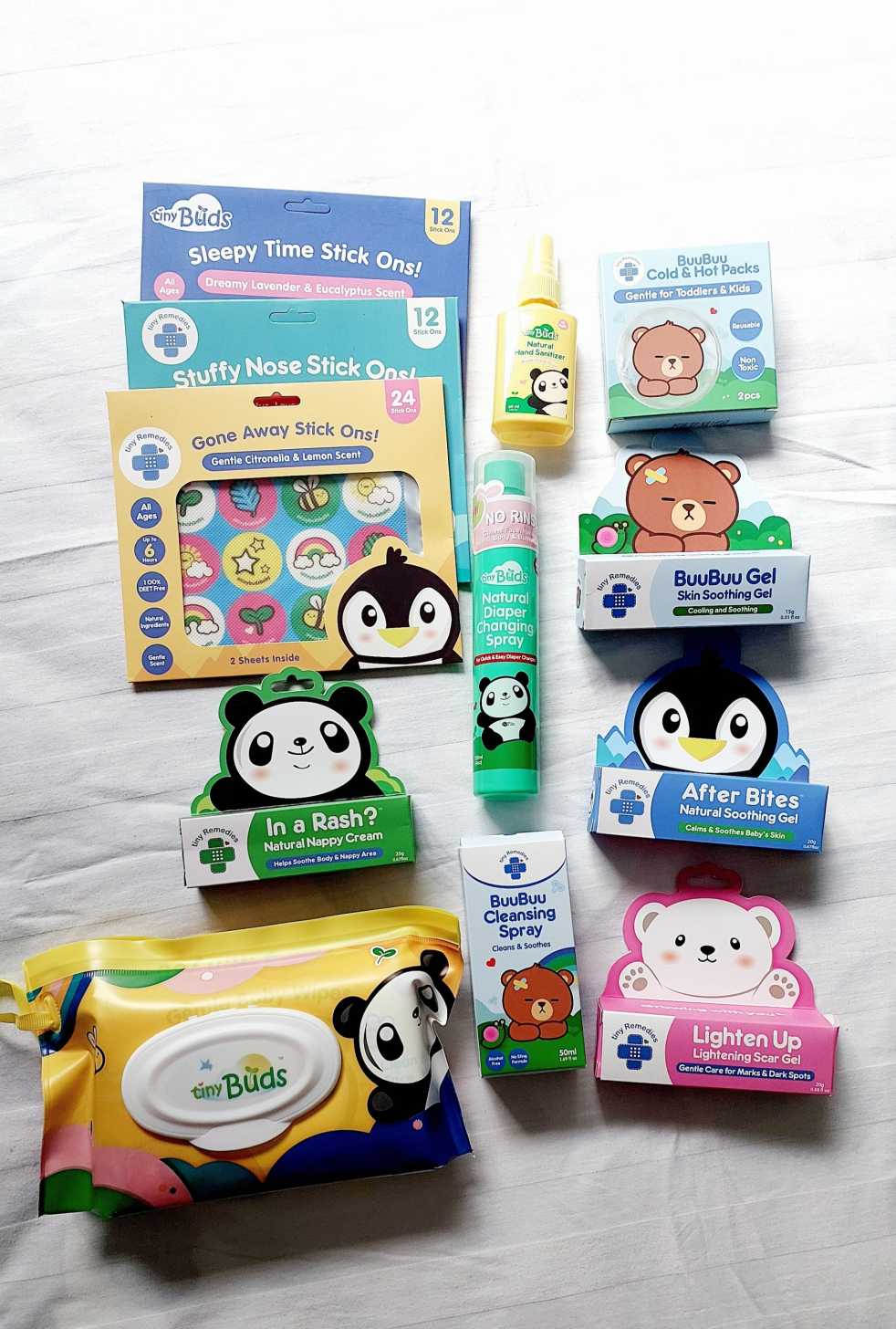
Your baby’s skin is more delicate than most, this is why you have to choose products that are designed for sensitive skin. Tiny Buds is a pioneer in integrating natural ingredients into baby care and today has over 50 innovative natural baby care essentials and is one of the Top Baby Personal Care brands. Here… Continue reading Product Review: Tiny Buds Baby Naturals Baby Essentials
Where your child goes to school is a big decision and shouldn’t be taken lightly. Given how their education can impact their future, you might be tempted to take control and decide for them. However, you might be doing more damage than helping them in the long run. Your job as parents is to support… Continue reading HOW TO CHOOSE THE BEST SCHOOL FOR YOUR CHILD

As poet and philosopher Rumi once eloquently said, “raise your words, not your voice. It is rain that grows flowers, not thunder.” Parenting is a challenging journey, and the truth is that nobody has everything figured out. One parenting style might suit others best, and some might favor other methods. However, children respond better to… Continue reading A SIMPLE GUIDE TO GENTLE PARENTING

Whether you’re a new mom to be, mom of a toddler, mom who have school-aged kids, you’re bound to have so many questions. Let's start with your baby's skin. Infant skin has unique needs; gentle care is essential to prevent damage to the skin barrier, which can lead to irritation. When caring for infant skin,… Continue reading Keeping Baby’s Diapered Skin Healthy
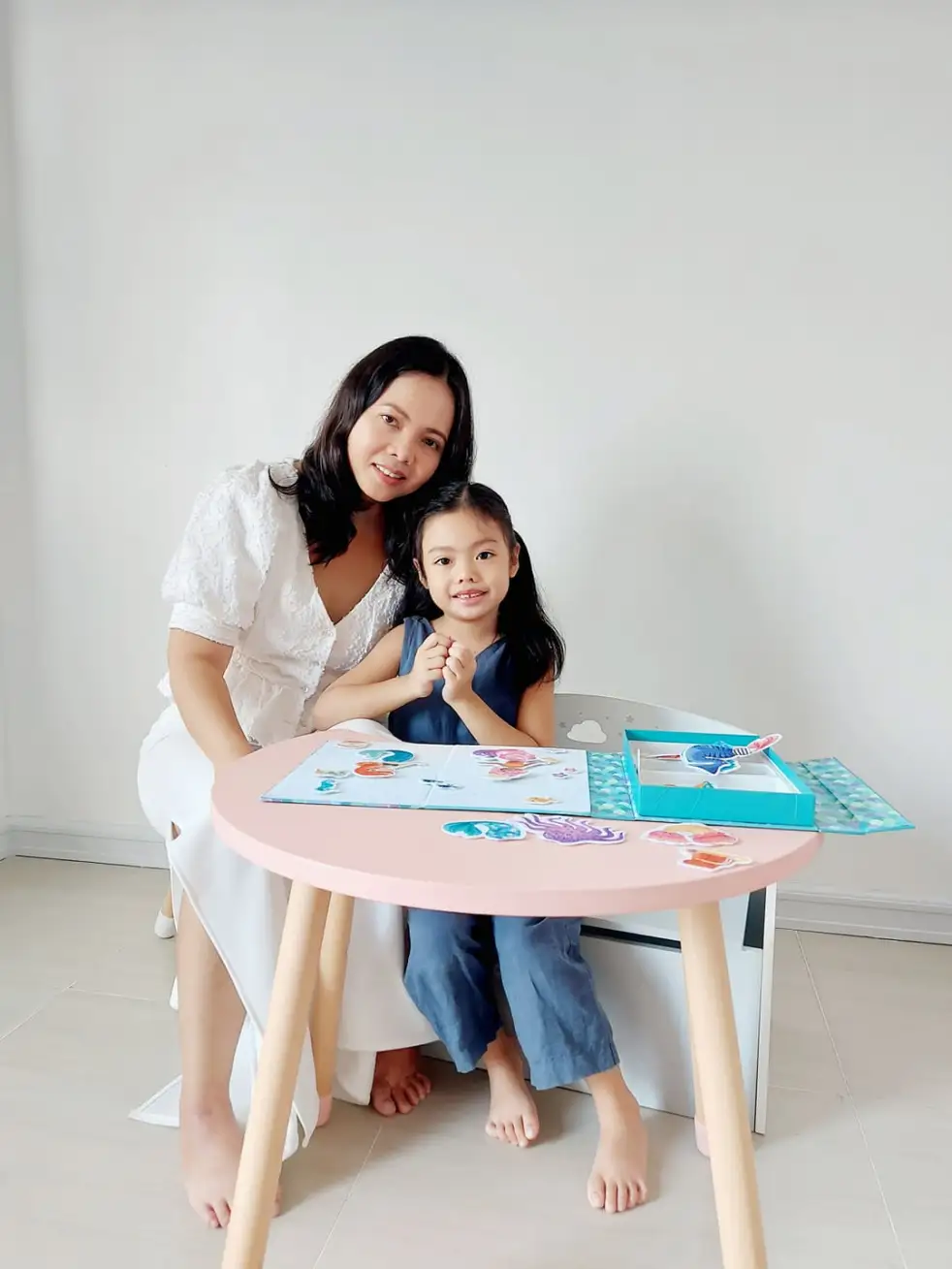
As parents, we want to give our child the best possible start in life and that begins with nurturing their intelligence. Throughout history, the notion of success has been linked to academic intelligence. However, there has been an increased awareness on the importance of emotional intelligence. This question gets at the heart of the never-ending… Continue reading IQ or EQ, which one is a better predictor of your child’s success?
 wondermomma.net