

Last August, IKEA Philippines engaged with Better World Smokey Mountain, a newly opened community center operated by the San Miguel Foundation, which shares a similar goal of improving the lives of many Filipino people. Through this partnership, IKEA Philippines provided and assembled home furnishings for the classrooms and library of Better World Smokey Mountain community… Continue reading Help Create a Better World with IKEA Soft Toys

NutriAsia, the country’s top producer of condiments and sauces, continues its support of Refill Revolution; a project by the Department of Environment and Natural Resources EMB 3 that aims to help reduce Filipinos’ single-use plastics consumption. At Refill Revolution, residents get to recycle their single-use plastic bottles by reusing and filling it with their choice… Continue reading NutriAsia and DENR renews partnership for Refill Revolution

What to pack in your hospital bag for a Philippine delivery
Packing for birth becomes easier when every item has a clear purpose. A well-organized hospital bag can reduce last-minute stress, especially when labor begins at night, traffic is heavy, or a family member needs to bring supplies to the maternity ward.
Hospitals in the Philippines have different policies, room arrangements, and included supplies. Some provide newborn diapers and maternity pads, while others expect parents to bring nearly everything. Ask your obstetrician, midwife, or hospital admissions office for a current checklist before your due date.
It is practical to prepare one main bag for the mother, a smaller baby bag, and a separate folder for documents. Keep them somewhere easy to carry, and tell your birth companion where each item is stored. Preparing the bag around 36 weeks can give you time to check expiration dates, wash clothing, and replace anything that has been used.
Start with hospital requirements
The most important items are the documents needed for admission. Place them in a waterproof envelope or zippered document pouch so they remain easy to find at the registration desk. Include a valid government ID, prenatal records, laboratory and ultrasound results, your birth plan if you have one, and your doctor’s contact details.
Bring your PhilHealth information, HMO card, and any guarantee letter or pre-authorization documents required by your provider. If you are paying privately, carry a small amount of cash for transportation, meals, parking, pharmacy purchases, or unexpected fees. Keep larger funds and cards secure rather than placing everything in an open hospital bag.
Ask whether the hospital requires forms for newborn registration, cord blood banking, or a birth certificate application. A photocopy of your ID and your partner’s ID may also be useful. Policies can change, so confirm requirements directly instead of relying on a checklist from another hospital.
Pack comfortable clothing for labor and recovery
Choose loose, washable clothing that allows easy movement and access for monitoring, breastfeeding, or a cesarean incision. A front-opening nightdress or nursing gown is usually more practical than a pullover top. Pack at least two or three changes of clothes because labor and the first postpartum day can be messy.
Bring a light robe, cardigan, or shawl for walking through air-conditioned hallways. Philippine hospitals can feel cool even when the weather outside is hot, while a shared room may have different temperature needs. Non-slip slippers are useful for bathroom trips, and a pair of loose sandals can make discharge day more comfortable if your feet are swollen.
Pack high-waisted cotton underwear or disposable maternity underwear, several pairs of socks, and a soft nursing bra. Choose a loose outfit for going home rather than expecting to fit into pregnancy clothes from before delivery. For a planned cesarean birth, high-waisted pieces that do not rub against the incision may be especially helpful, but follow your care team’s instructions.
Prepare a practical baby bag
Newborn clothing should match the season and the hospital’s indoor temperature. Pack several cotton onesies or tie-side shirts, soft mittens, socks, a receiving blanket, and a cap if recommended by your healthcare provider. Avoid heavily embellished clothes, tight waistbands, and anything difficult to put on a sleepy newborn.
Bring newborn-size diapers unless the hospital confirms that they are supplied. Add fragrance-free wipes or cotton balls, depending on the hospital’s preference, and a small pack of burp cloths. A simple zippered pouch can keep these items together for quick access during diaper changes.
For the journey home, prepare an outfit that is easy to fasten. If you will travel by car, arrange an approved rear-facing infant car seat before the delivery date. A newborn should not be carried loose in a vehicle, even for a short trip. If your family uses a taxi or ride-hailing service, check in advance how you will meet local safety requirements.
Keep essentials easy to compare and find
A useful packing system separates items by when they are needed. Place documents and admission supplies near the top, keep labor items in a small pouch, and store the baby’s first outfit in a labeled bag. This arrangement helps a partner or relative find something quickly without unpacking everything.
The checklist below covers common needs, but the hospital’s own list takes priority. Private hospitals may offer toiletries, gowns, pads, diapers, or meals as part of the room package. Public hospitals and smaller maternity facilities may have more limited supplies, so ask specific questions about what is included.
| Category | Useful items | Packing note |
|---|---|---|
| Documents | IDs, PhilHealth or HMO details, records, test results, admission forms | Use a waterproof folder |
| Mother | Nursing clothes, underwear, slippers, robe, toiletries, maternity pads | Choose loose and washable pieces |
| Baby | Diapers, cotton clothes, blanket, wipes, burp cloths | Pack the first outfit separately |
| Recovery | Water bottle, snacks, phone charger, nursing bra, lip balm | Check hospital rules for food |
| Companion | Extra shirt, toiletries, money, charger, medications | Include a small comfort kit |
| Travel home | Loose clothes and infant car seat | Prepare before labor begins |
Add postpartum and breastfeeding comforts
Postpartum bleeding can be heavier than a normal period, so bring maternity pads if the hospital does not provide them. Adult disposable underwear can be convenient during the first day, while soft cotton underwear may feel better later. Do not pack tampons or use internal menstrual products after birth unless your healthcare provider specifically advises otherwise.
A refillable water bottle with a straw can make drinking easier from bed. Add simple snacks such as crackers, nuts, cereal bars, or dried fruit if the hospital permits outside food. Labor and breastfeeding can increase thirst and hunger, but follow instructions if you have a medical condition or are scheduled for surgery.
Useful personal-care items include toothbrush and toothpaste, gentle soap, shampoo, deodorant, hair ties, lip balm, facial cleanser, and a small towel. Avoid strong fragrances around a newborn. A long phone charger or power bank can help when outlets are far from the bed, and headphones may provide quiet during rest periods.
Breastfeeding parents may want nipple cream, breast pads, and a nursing pillow, although these are optional. The hospital’s lactation consultant can demonstrate positioning and help determine whether extra equipment is necessary. A breast pump usually does not need to be packed unless your provider or lactation specialist has recommended one.
Plan for the companion and unexpected changes
The birth companion may spend many hours at the hospital, so pack a clean shirt, comfortable footwear, toiletries, snacks, a refillable bottle, and a phone charger. Add any regular medications in their original packaging. A small amount of cash can be useful for vending machines, parking, or nearby food stalls.
Keep a few flexible items in reserve, including an extra outfit for the mother, additional underwear, more diapers, and a second baby blanket. A waterproof laundry bag is helpful for damp or stained clothing. Zip-top bags can separate clean clothes, used garments, and small personal items.
Your final bag should support several birth possibilities. Vaginal birth and cesarean recovery may require different clothing and comfort items, while an extended stay may mean that someone needs to bring additional supplies. Pack the essentials first and leave optional items at home unless your hospital specifically recommends them.
Final checks before your due date
- Confirm the hospital’s admission, visitor, newborn, and payment policies.
- Wash baby clothes with a gentle, fragrance-free detergent and label separate outfits.
- Place documents, chargers, medications, and toiletries where they are easy to reach.
- Install the infant car seat and plan the route, including a backup for traffic or bad weather.
- Review your baby registry guide to identify useful newborn essentials without overpacking.
A hospital bag should feel manageable rather than perfect. Once the essentials are ready, store the bag near the door, share its location with your birth companion, and keep your healthcare provider’s contact information accessible. Thoughtful preparation leaves more room to focus on recovery, bonding, and welcoming your baby.

Mercato Centrale, in collaboration with Indian Women in Enterprise Philippines (I-We), is set to host "The Great Indian Fiesta" to mark 75 years of friendship between India and the Philippines. The dynamic two-day event is scheduled to take place on September 30 to October 1, 2023, at Paseo De Roxas Street, Makati City. Aiming to… Continue reading Mercato Centrale Partners with I-We to Host ‘The Great Indian Fiesta’, Commemorating 75 Years of India-Philippines Friendship

My stomach would usually start growling at 10 am even after taking a big breakfast. This is probably because I am a morning person and I move a lot throughout the day hence snacking is something that I can't avoid. This potatoes and chicken wrap recipe is easy to prepare and would keep me full… Continue reading Potato and Chicken Wrap
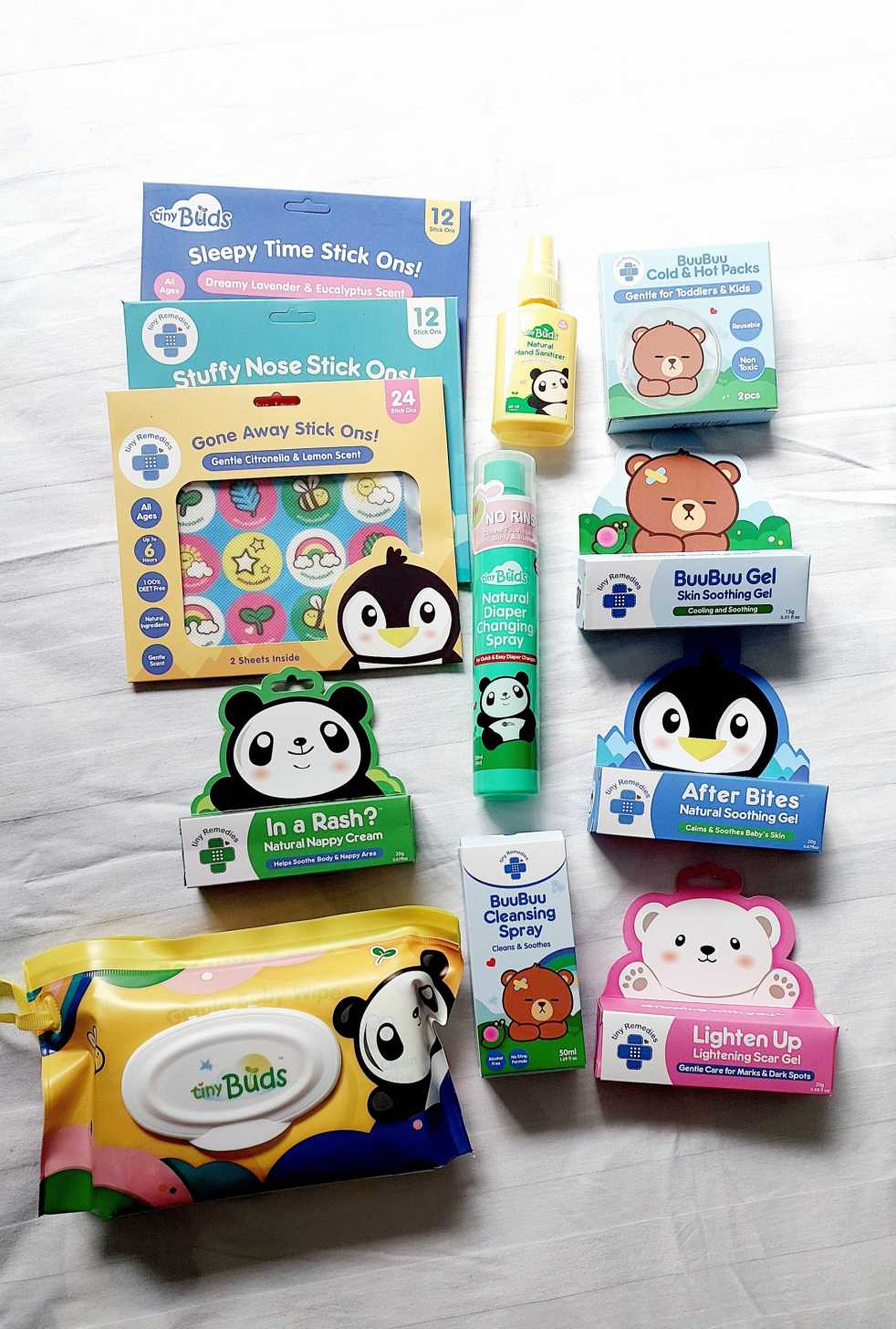
Your baby’s skin is more delicate than most, this is why you have to choose products that are designed for sensitive skin. Tiny Buds is a pioneer in integrating natural ingredients into baby care and today has over 50 innovative natural baby care essentials and is one of the Top Baby Personal Care brands. Here… Continue reading Product Review: Tiny Buds Baby Naturals Baby Essentials

Where your child goes to school is a big decision and shouldn’t be taken lightly. Given how their education can impact their future, you might be tempted to take control and decide for them. However, you might be doing more damage than helping them in the long run. Your job as parents is to support… Continue reading HOW TO CHOOSE THE BEST SCHOOL FOR YOUR CHILD

As poet and philosopher Rumi once eloquently said, “raise your words, not your voice. It is rain that grows flowers, not thunder.” Parenting is a challenging journey, and the truth is that nobody has everything figured out. One parenting style might suit others best, and some might favor other methods. However, children respond better to… Continue reading A SIMPLE GUIDE TO GENTLE PARENTING
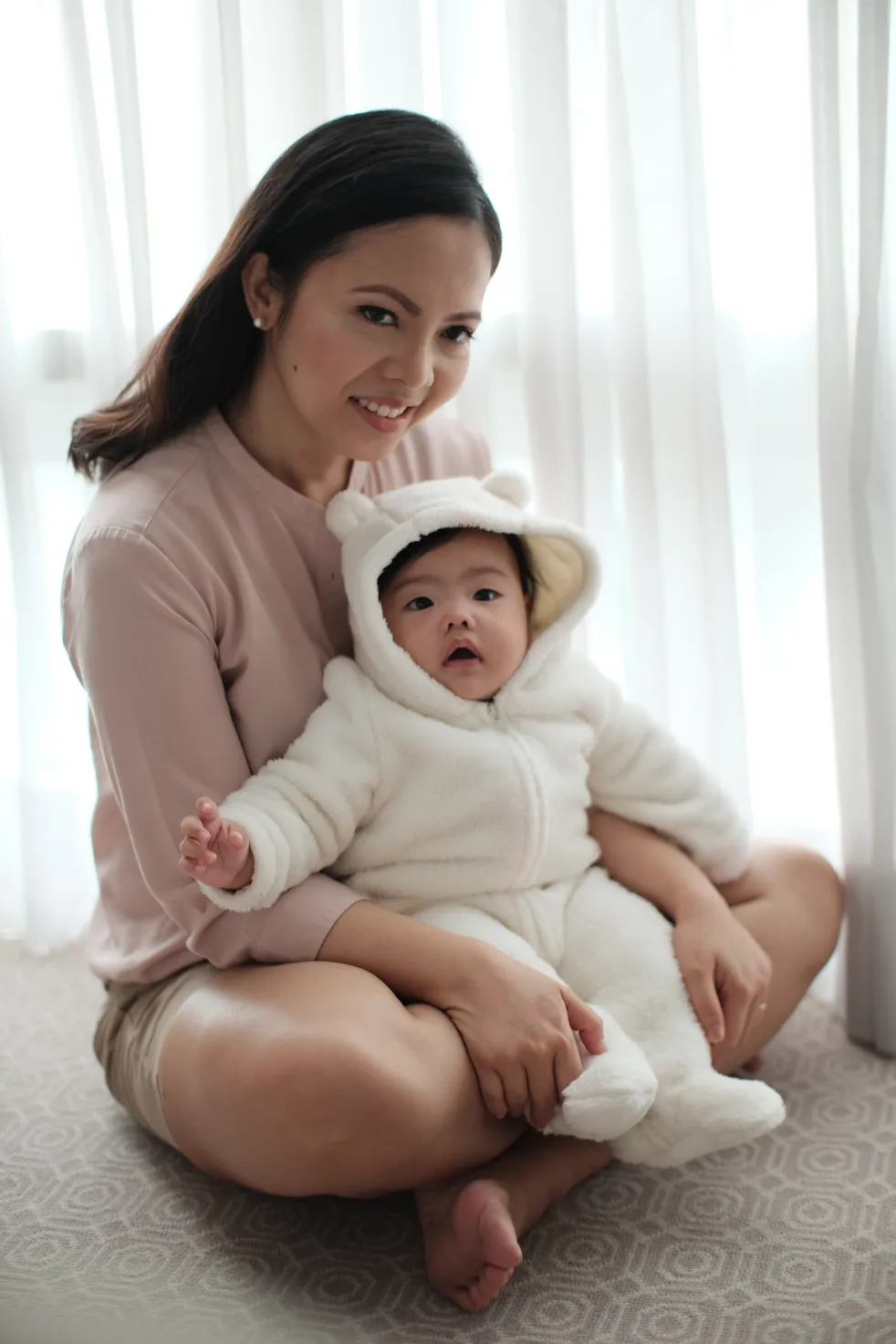
Whether you’re a new mom to be, mom of a toddler, mom who have school-aged kids, you’re bound to have so many questions. Let's start with your baby's skin. Infant skin has unique needs; gentle care is essential to prevent damage to the skin barrier, which can lead to irritation. When caring for infant skin,… Continue reading Keeping Baby’s Diapered Skin Healthy
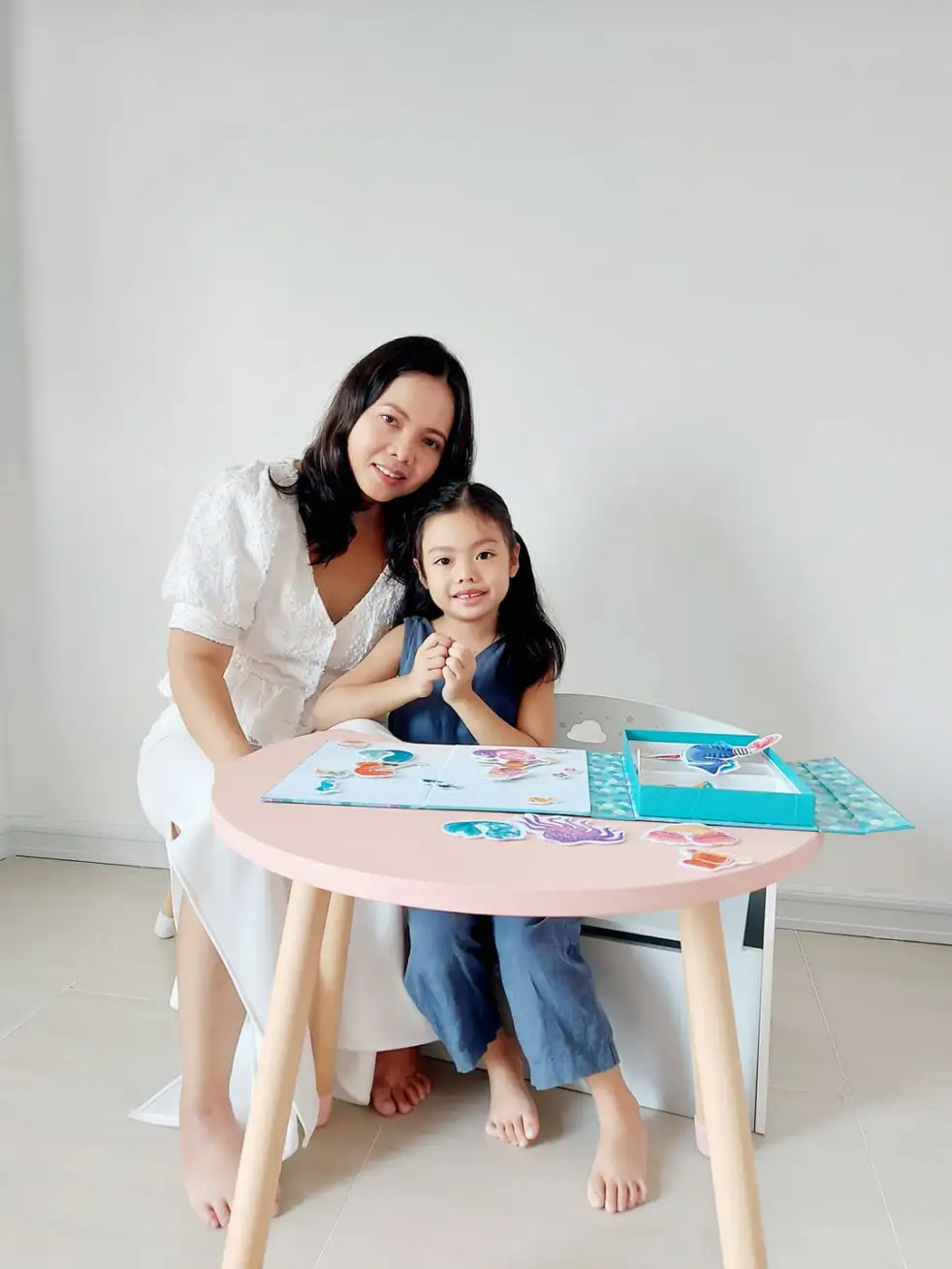
As parents, we want to give our child the best possible start in life and that begins with nurturing their intelligence. Throughout history, the notion of success has been linked to academic intelligence. However, there has been an increased awareness on the importance of emotional intelligence. This question gets at the heart of the never-ending… Continue reading IQ or EQ, which one is a better predictor of your child’s success?
 wondermomma.net