

Last August, IKEA Philippines engaged with Better World Smokey Mountain, a newly opened community center operated by the San Miguel Foundation, which shares a similar goal of improving the lives of many Filipino people. Through this partnership, IKEA Philippines provided and assembled home furnishings for the classrooms and library of Better World Smokey Mountain community… Continue reading Help Create a Better World with IKEA Soft Toys
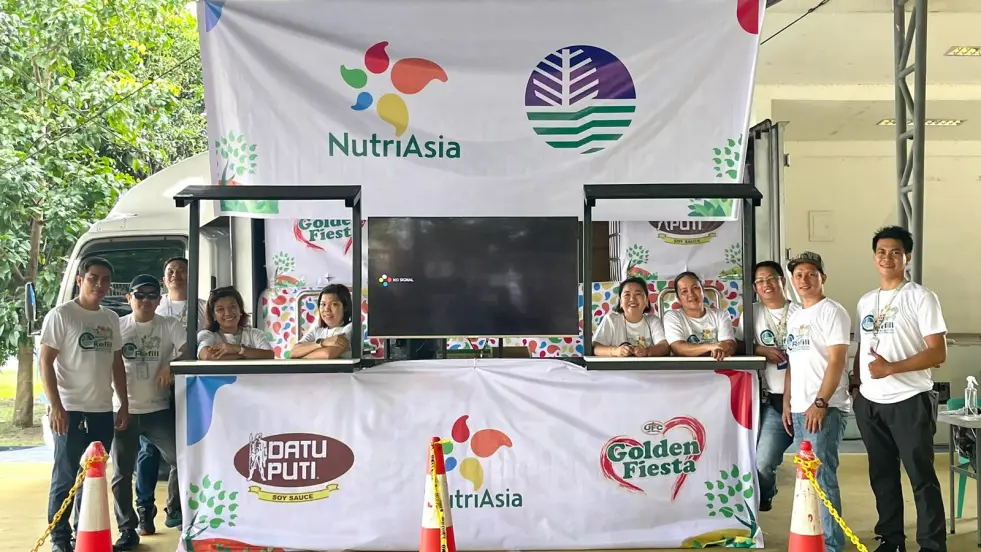
NutriAsia, the country’s top producer of condiments and sauces, continues its support of Refill Revolution; a project by the Department of Environment and Natural Resources EMB 3 that aims to help reduce Filipinos’ single-use plastics consumption. At Refill Revolution, residents get to recycle their single-use plastic bottles by reusing and filling it with their choice… Continue reading NutriAsia and DENR renews partnership for Refill Revolution
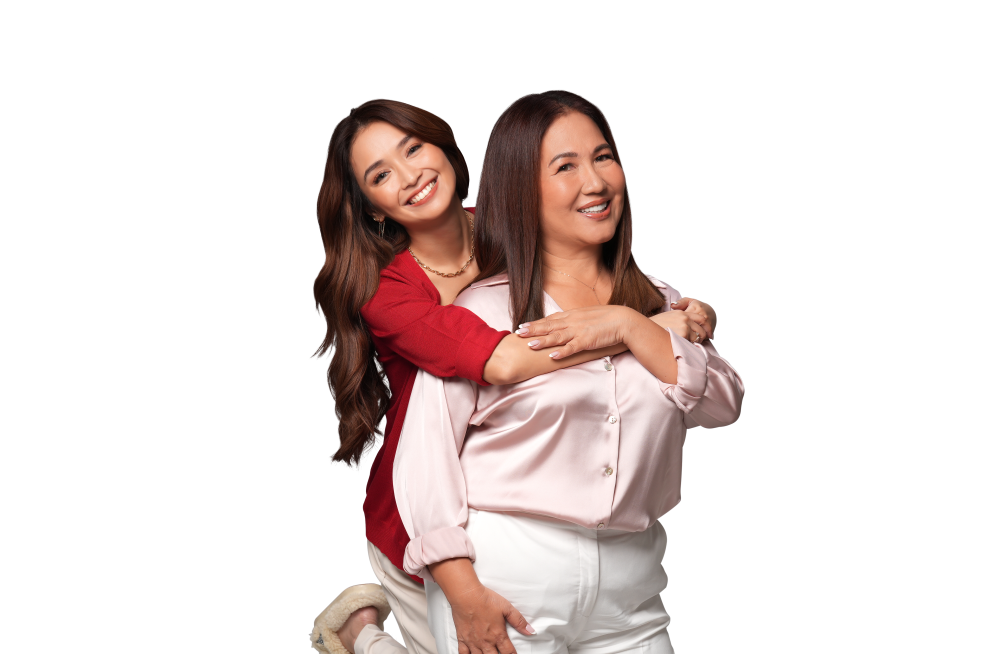
What to pack in a hospital bag for delivery in the Philippines
Packing for birth is easier when the bag reflects the hospital you will use, the weather, and the kind of labour you hope to have. In the Philippines, requirements can vary widely between a public facility, private hospital, birthing centre, and hospital attached to a maternity clinic. Some provide basic gowns and baby items, while others expect families to bring nearly everything.
Australian parents preparing for a birth in the Philippines may also be balancing airline limits, unfamiliar brands, tropical humidity, and advice from relatives. A practical approach is to pack one main overnight bag, a small labour pouch, and a separate baby bag. Keep documents and essential medicines easy to reach rather than buried beneath clothing.
Check the hospital’s own requirements
Before filling your bag, ask the hospital for its admission checklist. Private hospitals in Manila, Cebu, Davao, and other larger cities may have a detailed list covering maternity pads, newborn nappies, receiving blankets, gloves, toiletries, and containers for expressed milk. Public hospitals may have different expectations, particularly if beds, gowns, or basic supplies are limited.
Ask whether you need to bring your own birthing gown, waterproof sheet, breast pump, postpartum underwear, and baby clothes. Confirm how many people may enter the delivery room, whether a birth partner can stay overnight, and what identification is needed for admission. Some facilities also request photocopies of parents’ IDs, marriage documents where relevant, and a health insurance or PhilHealth record.
Keep a digital copy of important paperwork as well as printed copies. Useful documents include prenatal records, ultrasound reports, blood group information, allergy details, your birth preferences, contact numbers, and the doctor’s instructions. If you are travelling from Australia, keep your passport, travel insurance details, and a note from your Australian healthcare provider if your pregnancy history needs explanation.
Create a labour and recovery pouch
The labour pouch should contain the items you may need before and immediately after birth. Pack loose clothing or a front-opening nightdress, a lightweight robe, non-slip thongs, hair ties, lip balm, a refillable water bottle, tissues, and a small fan. Hospitals in the Philippines can feel warm, while air-conditioned rooms may be surprisingly cool, so breathable layers are more useful than heavy sleepwear.
Add a phone charger with a long cable, power bank, earphones, and a small amount of cash. A long cable is helpful when sockets are behind a bed or shared with medical equipment. Cash can be useful for parking, snacks, photocopying, or small purchases, although you should avoid carrying large amounts. A labelled reusable bag can hold sweaty clothing or items that need washing.
For postpartum recovery, pack high-absorbency maternity pads, comfortable high-waisted underwear, nursing bras, breast pads, and soft clothes that open at the front. Hospitals may provide some disposable underwear, but the fit and absorbency are not always suitable for everyone. Australian products from supermarkets, pharmacies, and retailers such as Chemist Warehouse can be convenient to buy before flying, while local pharmacies and supermarkets in the Philippines stock many practical alternatives.
Choose clothing for a tropical hospital stay
A newborn needs simple, soft layers rather than a large wardrobe. Pack several short-sleeved or long-sleeved bodysuits, two or three sleepsuits, cotton mittens if recommended, socks, a sun hat for travel, and a few receiving blankets. Select clothes with wide openings or easy snaps, as newborn dressing can be awkward when you are tired and recovering.
The Philippines is generally hot and humid, but hospital rooms can be strongly air-conditioned. Lightweight cotton is usually more versatile than thick fleece. Avoid overdressing the baby indoors, and ask the midwife or paediatrician how to judge whether your newborn is comfortable. A thin muslin wrap can be used for shade, burping, or a light layer, but it should never cover a baby’s face.
Pack newborn nappies, fragrance-free wipes or cotton wool, nappy cream, and a small towel. Some hospitals supply nappies during the stay, while others charge separately or ask parents to provide them. If your baby has sensitive skin, bring the cleanser and moisturiser you already know are tolerated rather than introducing several new products in the first days.
Prepare feeding and personal-care essentials
Whether you plan to breastfeed, formula-feed, or remain flexible, pack items that support your comfort. Nursing bras, breast pads, nipple cream, and a button-front top can make the first feeds easier. You generally do not need to bring a breast pump unless your healthcare team recommends one, the hospital asks for it, or you already use a pump for a specific medical reason.
If formula may be needed, contact the hospital before packing bottles, sterilising equipment, or formula tins. Some facilities have their own protocols, and powdered formula must be prepared safely using appropriate water and clean equipment. Do not decant formula into unlabelled containers. A feeding plan can state your preferences while leaving room for clinical advice if your baby needs extra support.
For yourself, bring a toothbrush, toothpaste, gentle soap, shampoo, deodorant, moisturiser, and any prescribed medication in its original packaging. Include glasses and a case if you wear them. Unscented products are considerate in shared rooms and may be better for a newborn’s developing senses. The WonderMomma parenting guide can also be useful when comparing baby-care routines and practical family products before your due date.
Pack for the trip home
The going-home outfit should suit the weather and the transport you will use. Choose a loose dress, maternity pants, or soft layers rather than pre-pregnancy jeans. Post-birth swelling and abdominal tenderness are common, and a flexible waistband is much more comfortable. Add a light cardigan or shawl for cold air-conditioning, even if the journey outside will be hot.
For the baby, pack a clean outfit, nappy, muslin wrap, and weather-appropriate hat. If you are travelling by car, arrange a properly installed rear-facing capsule or child restraint before discharge. This applies whether you are returning to a home in Quezon City or taking a longer journey to relatives outside a major urban area. In Australia, child restraints must meet Australian standards and be correctly fitted, so an Australian capsule may not be suitable for use in the Philippines without checking local requirements.
If you are flying back to Australia soon after the birth, speak with your obstetrician, paediatrician, and airline well in advance. Newborn travel policies vary, and airlines may request medical clearance. A travel folder should include discharge notes, immunisation records, prescriptions, and copies of birth registration documents. Keep the baby’s clothes and paperwork in your cabin luggage rather than checked baggage.
Add comfort items without overpacking
A hospital bag can become unmanageable when every suggested product is treated as essential. Start with items needed for admission, recovery, feeding, the baby, and the journey home. Leave room for hospital paperwork and any gifts or supplies relatives bring. A small laundry bag, waterproof pouch, and a few zip-lock bags can keep clean, wet, and used items separate.
Comfort items can make a meaningful difference. Consider a familiar pillowcase, eye mask, quiet snacks, electrolyte drinks, a small notebook, or a playlist. Choose sealed, shelf-stable food if the hospital allows it, since meal times may not match your appetite. If you have dietary requirements, explain them to your support person and medical team before labour begins.
A support person should pack their own change of clothes, identification, phone charger, snacks, medication, and a light jacket. In some Philippine hospitals, visitors and partners may have strict access rules, so do not assume someone can leave and return freely. Store the finished bags near the door and place a visible note on top with your name, doctor’s name, blood group if known, and emergency contact. A final check around 36 weeks—or earlier if your care team advises—allows time to replace missing supplies and adjust the bag for the season.

Mercato Centrale, in collaboration with Indian Women in Enterprise Philippines (I-We), is set to host "The Great Indian Fiesta" to mark 75 years of friendship between India and the Philippines. The dynamic two-day event is scheduled to take place on September 30 to October 1, 2023, at Paseo De Roxas Street, Makati City. Aiming to… Continue reading Mercato Centrale Partners with I-We to Host ‘The Great Indian Fiesta’, Commemorating 75 Years of India-Philippines Friendship

My stomach would usually start growling at 10 am even after taking a big breakfast. This is probably because I am a morning person and I move a lot throughout the day hence snacking is something that I can't avoid. This potatoes and chicken wrap recipe is easy to prepare and would keep me full… Continue reading Potato and Chicken Wrap
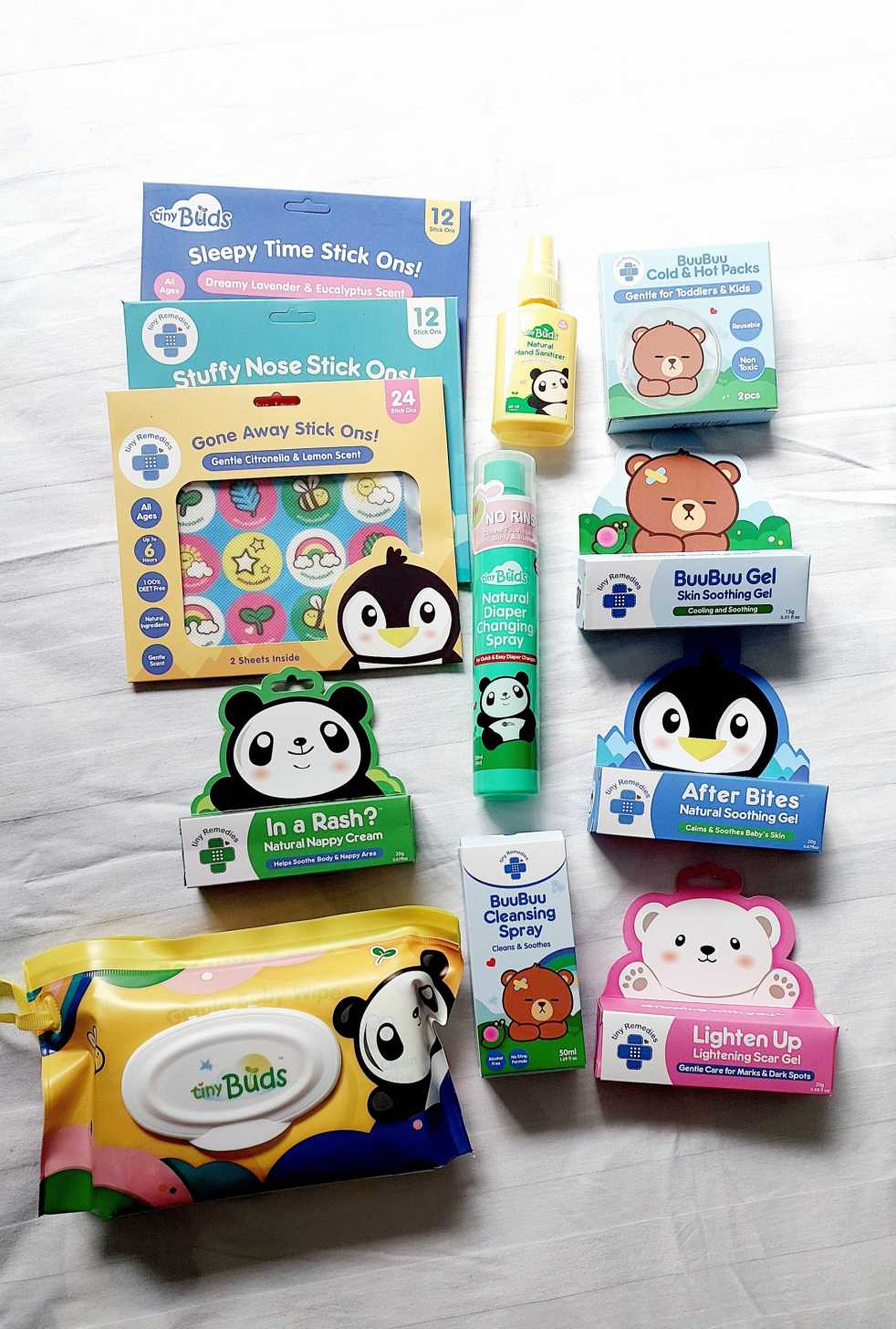
Your baby’s skin is more delicate than most, this is why you have to choose products that are designed for sensitive skin. Tiny Buds is a pioneer in integrating natural ingredients into baby care and today has over 50 innovative natural baby care essentials and is one of the Top Baby Personal Care brands. Here… Continue reading Product Review: Tiny Buds Baby Naturals Baby Essentials
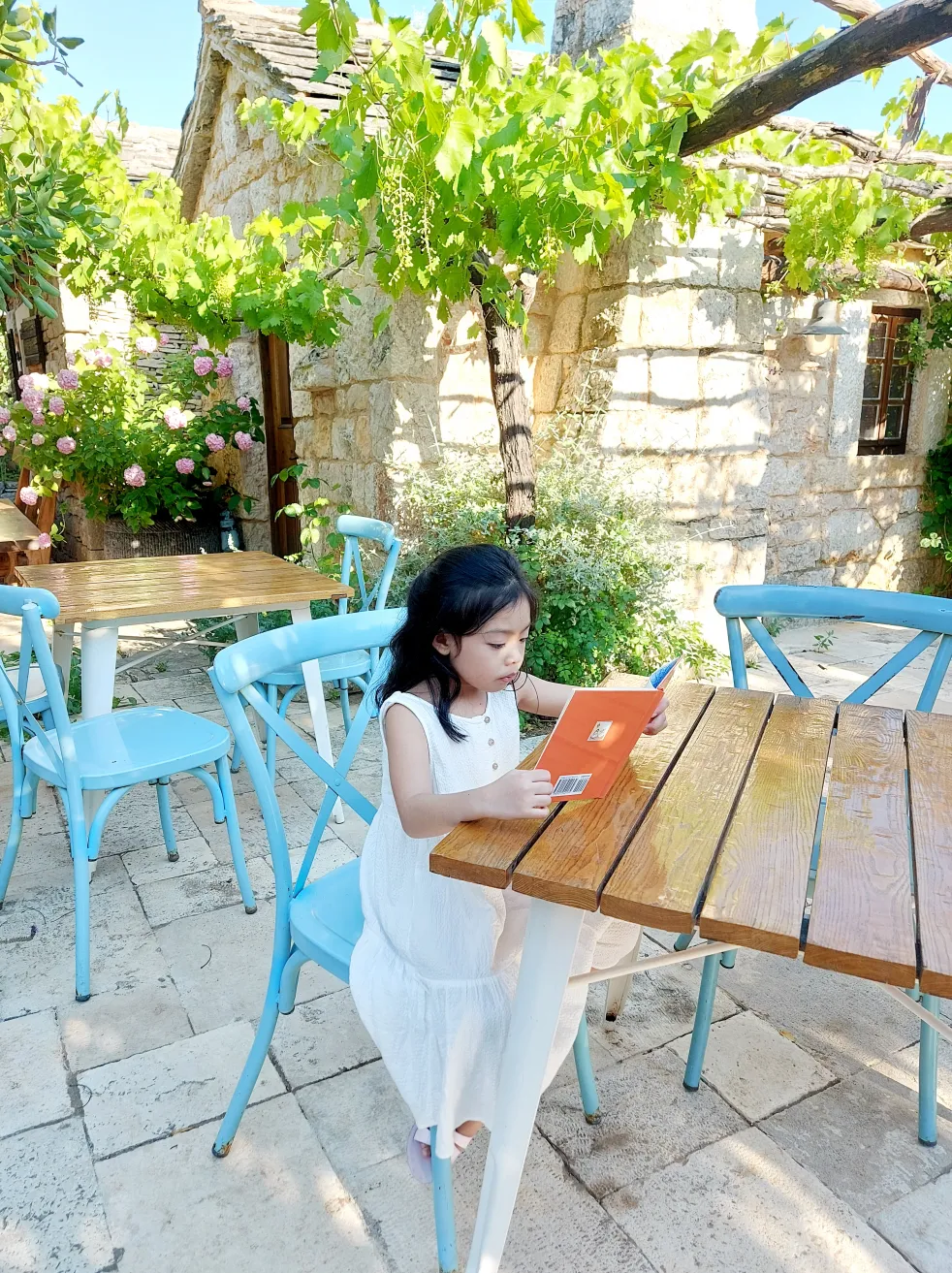
Where your child goes to school is a big decision and shouldn’t be taken lightly. Given how their education can impact their future, you might be tempted to take control and decide for them. However, you might be doing more damage than helping them in the long run. Your job as parents is to support… Continue reading HOW TO CHOOSE THE BEST SCHOOL FOR YOUR CHILD
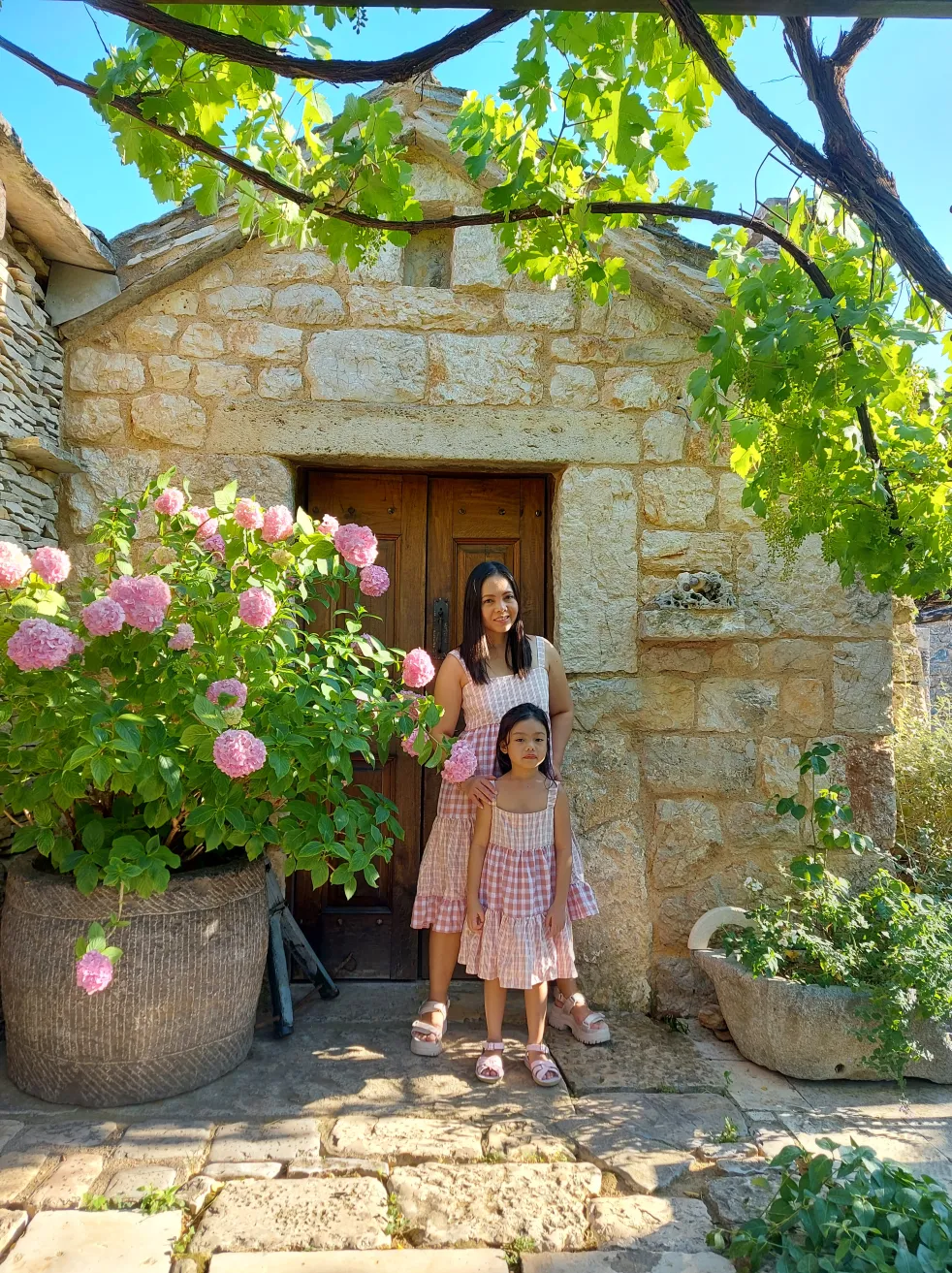
As poet and philosopher Rumi once eloquently said, “raise your words, not your voice. It is rain that grows flowers, not thunder.” Parenting is a challenging journey, and the truth is that nobody has everything figured out. One parenting style might suit others best, and some might favor other methods. However, children respond better to… Continue reading A SIMPLE GUIDE TO GENTLE PARENTING
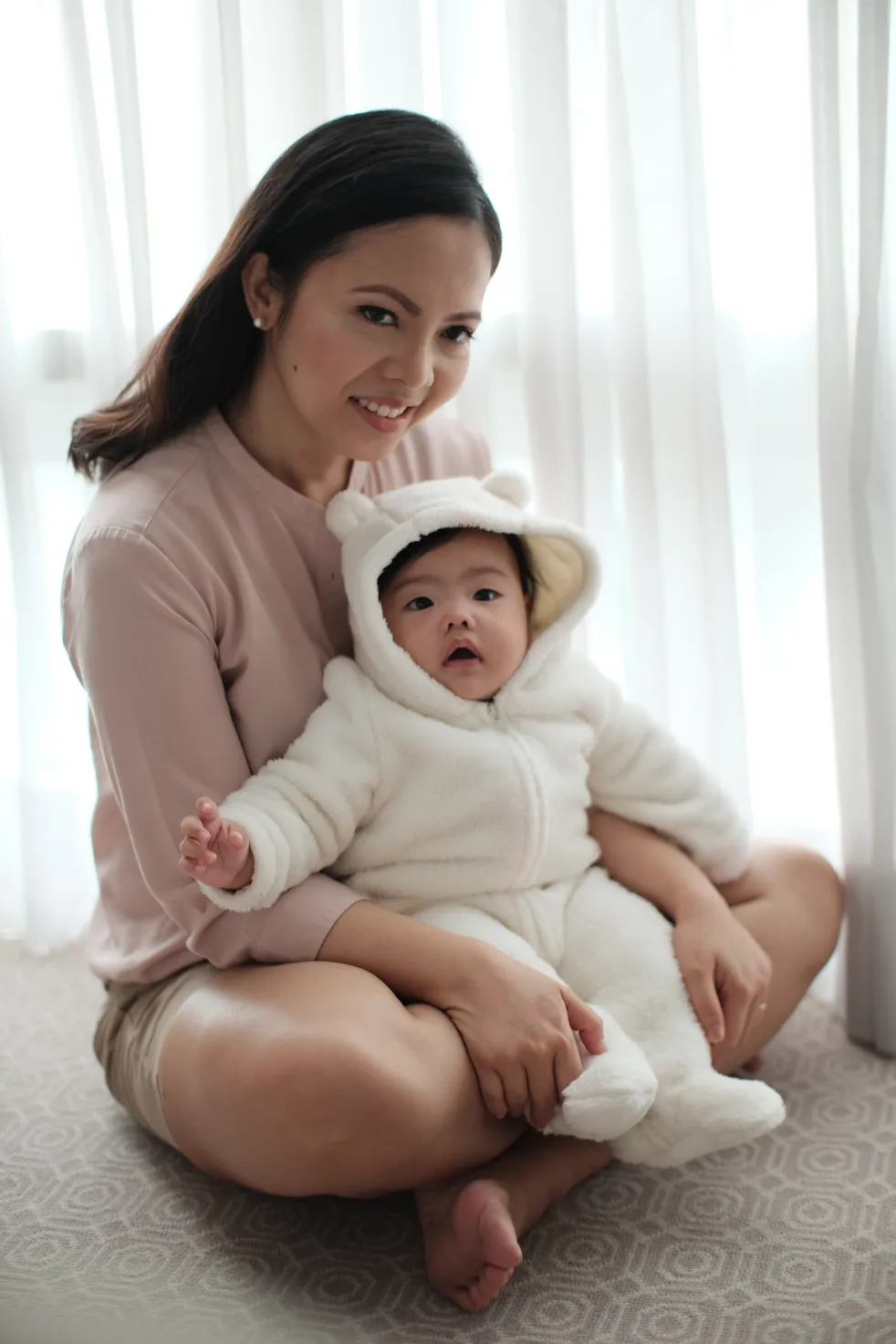
Whether you’re a new mom to be, mom of a toddler, mom who have school-aged kids, you’re bound to have so many questions. Let's start with your baby's skin. Infant skin has unique needs; gentle care is essential to prevent damage to the skin barrier, which can lead to irritation. When caring for infant skin,… Continue reading Keeping Baby’s Diapered Skin Healthy
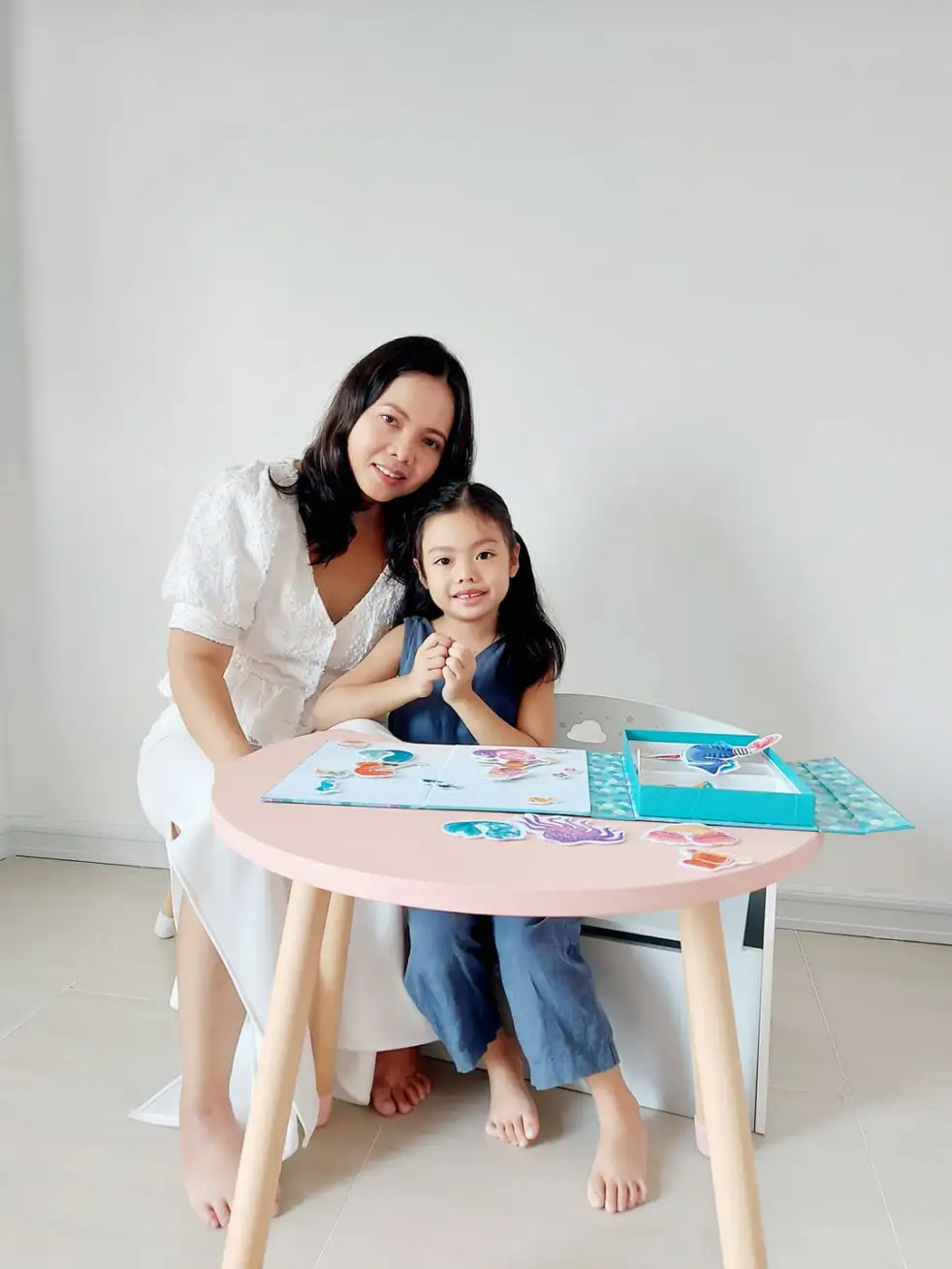
As parents, we want to give our child the best possible start in life and that begins with nurturing their intelligence. Throughout history, the notion of success has been linked to academic intelligence. However, there has been an increased awareness on the importance of emotional intelligence. This question gets at the heart of the never-ending… Continue reading IQ or EQ, which one is a better predictor of your child’s success?
 wondermomma.net