

Last August, IKEA Philippines engaged with Better World Smokey Mountain, a newly opened community center operated by the San Miguel Foundation, which shares a similar goal of improving the lives of many Filipino people. Through this partnership, IKEA Philippines provided and assembled home furnishings for the classrooms and library of Better World Smokey Mountain community… Continue reading Help Create a Better World with IKEA Soft Toys
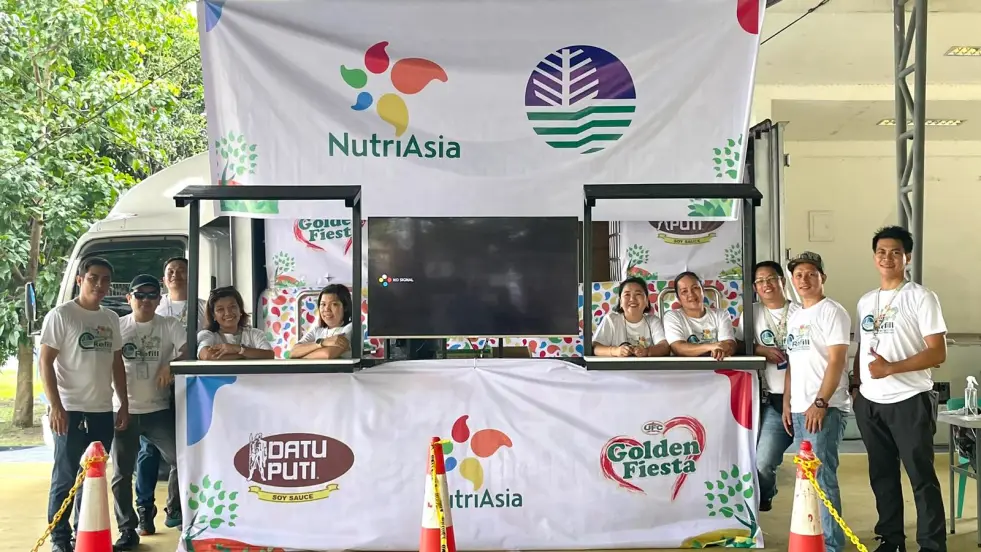
NutriAsia, the country’s top producer of condiments and sauces, continues its support of Refill Revolution; a project by the Department of Environment and Natural Resources EMB 3 that aims to help reduce Filipinos’ single-use plastics consumption. At Refill Revolution, residents get to recycle their single-use plastic bottles by reusing and filling it with their choice… Continue reading NutriAsia and DENR renews partnership for Refill Revolution

What to look for in a yaya: Interview and trust
In many Filipino-Australian households, a yaya is a trusted caregiver who looks after children, helps with meals and routines, or provides live-in household support. The word is not used in exactly the same way by every family: some use it affectionately for an older relative, while others use it for a paid nanny or domestic carer. In Sydney and Melbourne, where Filipino communities are long established in suburbs such as Cabramatta, Marrickville, Box Hill and Springvale, the term may be common in family networks.
Hiring well requires more than a warm reference or a shared cultural connection. Families in Sydney and Melbourne often recruit through a mix of private nanny agencies, informal community referrals and direct hiring, but every route still needs a structured interview, identity checks, reference calls and a settling-in period. A good process protects the child, gives the caregiver clear expectations and creates a healthy working relationship. It also helps the family recognise differences in parenting style before responsibilities become urgent.
Before choosing anyone, write down what the job actually involves. Australian families may call the arrangements after-school care, a nanny arrangement or shared care, but local childcare language can disguise the real duties: transporting children, managing a toddler’s afternoon snack, supervising homework or handling a feeding tube. Clarifying these tasks prevents an enthusiastic candidate from being hired for a role nobody has defined.
Families can prepare children by explaining that another trusted adult will help with routines and that safe boundaries around food, sleep, cuddles and privacy still apply. Useful age-specific advice on parenting guidance can support that preparation. The aim is not to make a child immediately dependent on the new caregiver, but to give everyone a calm, predictable welcome.
Build a clear role before interviewing
Begin with the practical details: days and hours, paid breaks, start and finish times, live-in or live-out status, travel, school pickup, meals, light housework and bedtime routines. Include who decides when plans change. If the caregiver will drive, confirm a current licence, vehicle insurance and any family rule about shared travel. A precise written summary makes comparisons fairer because each applicant answers the same brief.
Boundaries matter as much as tasks. Discuss visitors, personal phone use, smoking, alcohol, social media, pets, screen time and how the caregiver will communicate with the family. Agree on acceptable ways to comfort a distressed child without conflicting with the parents’ values. Some families use words such as mum or talk about a 3 p.m. pickup to sound informal, but the expectations should still be specific and respectful.
Set a simple scoring sheet after the interview rather than choosing from impressions alone. Rate experience with the child’s age, communication, safety awareness, reliability and alignment on routines. Ask every candidate for the same core questions, then use the score to identify what needs checking. Personal chemistry can help a relationship work, but it should not conceal a weak answer about supervision, medication or emergencies.
Verify identity, references and safety
Ask for government photo identification, the person’s full name and contact details, and confirmation that they can lawfully work in Australia. A person claiming to be on holiday, visiting from overseas or sponsored under a particular visa should explain the work conditions that apply to them. A live-in caregiver may be a family employee or an au pair, and these arrangements carry different obligations. Ask about visa conditions where relevant rather than treating a live-in role as ordinary casual work.
Check the screening rules for the exact job and state. In New South Wales, paid workers whose duties involve children generally need a Working with Children Check. Victoria, Queensland and other states have different requirements for people working with children. A family member’s check cannot be used by the caregiver, and a check does not replace suitable experience. Verify the card or notice directly through the issuing authority and follow current rules for self-employed carers.
Reference checks should be more than a quick confirmation. With the candidate’s consent, contact a previous family or employer and ask for specific examples of punctuality, following instructions, handling illness and responding when the child resisted a routine. Also ask about current first aid or CPR training, medication assistance, food-allergy procedures, safe sleep and emergency escalation. Caregivers should understand their responsibilities for reporting suspected harm. For a child with a serious allergy or asthma, the written emergency information should name the medication, including an adrenaline autoinjector where prescribed, and state when to call 000.
Ask questions that reveal judgment
Use questions that ask for action rather than slogans. A useful opening is, “Tell me about a time a child became distressed and what you did.” Follow with, “How would you handle a fever, an asthma attack or a suspected allergic reaction?” Another strong scenario is a child saying something concerning at bedtime. Listen for a calm sequence: check immediate danger, listen without leading questions, record what was said and report it to the appropriate adult.
| Interview area | Evidence of a reliable fit | Concern to explore |
|---|---|---|
| Supervision | Explains active supervision, safe sleep and routine risk checks | Says accidents never happen or offers no examples |
| Health | Would study and follow allergy, asthma and medication plans | Treats symptoms casually or relies on memory alone |
| Boundaries | Will follow agreed pickup, privacy and visitor rules | Treats family rules as optional |
| Communication | Gives a clear handover and records routines | Avoids detail or shares information publicly |
| Correction | Can describe calm redirection and learning from mistakes | Uses humiliation, threats or punishment as the main method |
Ask how the caregiver would manage conflict with a parent. Some approaches may come from a different cultural tradition, so explore the reasoning rather than dismissing unfamiliar phrases. The caregiver should be able to explain redirection, age-appropriate boundaries and when to defer to the family’s decision. Questions about language, toilet routines, food, sleep and school expectations also reveal whether communication will work during a tired after-school pickup.
Give every response equal scrutiny. Specific examples, thoughtful limits and an honest account of mistakes usually matter more than claiming to be perfect. Note whether the candidate listens carefully, asks what the child needs and accepts feedback without becoming defensive.
Use a paid trial to build confidence
A trial period is useful only when it is paid and clearly defined. It might be a short shift, a week of after-school care or a longer settling-in period for a live-in caregiver. Build the duration around the child’s age and comfort. A preschooler may need several familiar visits before separation, whereas an older child can begin with a planned activity and pickup. The trial should be normal work, not an unpaid test of childcare.
Watch how the caregiver and child interact, and check in with each separately when age appropriate. Does the caregiver notice quiet signs that the child is tired or overwhelmed? Can the child ask for help without fear? Does the caregiver follow instructions while still responding warmly? A brief conversation with the child after the first sessions can reveal whether the experience felt safe, though the adult’s observations and the child’s words should both be considered.
Provide a simple handover pack: emergency contacts, allergies, medication instructions, authorised pickup people, daily routines, transport details and the caregiver’s phone number. Agree on what will be recorded, such as meals, naps, nappies, moods and incidents, and keep records in a secure place. At the end of the trial, ask the caregiver for feedback, confirm what is working and address concerns before the relationship becomes a routine.
Make employment and trust practices clear
Set out pay and employment terms accurately. A paid in-home carer working under the family’s direction and control is likely to be an employee, even if invoices are used or an Australian Business Number is provided. Employment may bring obligations involving the National Employment Standards, applicable awards or agreements, payslips, tax, superannuation and leave. The Fair Work Ombudsman or a qualified payroll adviser can confirm the classification, while the family and caregiver should keep copies of their agreement.
Live-in work needs extra precision about overnight standby, breaks, travel, expenses and personal time. If a visa or au pair arrangement is involved, check its conditions rather than treating live-in support as ordinary casual work. Agree on how public holidays, overtime and cancellations will be handled. Clear terms protect both sides and reduce the kind of ambiguity that damages trust when a family’s work schedule changes unexpectedly.
Trust then depends on consistent, transparent practice. Keep emergency plans current, restrict who may collect the child and avoid posting identifiable photographs or daily details online. Review the arrangement after the first fortnight and again after a few months, including how both the caregiver and children feel. In Melbourne and Sydney, disrupted trains or buses can affect after-school care, so build in transport time and a backup plan. Trust is strongest when care, communication and legal responsibilities all reinforce one another.

Mercato Centrale, in collaboration with Indian Women in Enterprise Philippines (I-We), is set to host "The Great Indian Fiesta" to mark 75 years of friendship between India and the Philippines. The dynamic two-day event is scheduled to take place on September 30 to October 1, 2023, at Paseo De Roxas Street, Makati City. Aiming to… Continue reading Mercato Centrale Partners with I-We to Host ‘The Great Indian Fiesta’, Commemorating 75 Years of India-Philippines Friendship

My stomach would usually start growling at 10 am even after taking a big breakfast. This is probably because I am a morning person and I move a lot throughout the day hence snacking is something that I can't avoid. This potatoes and chicken wrap recipe is easy to prepare and would keep me full… Continue reading Potato and Chicken Wrap
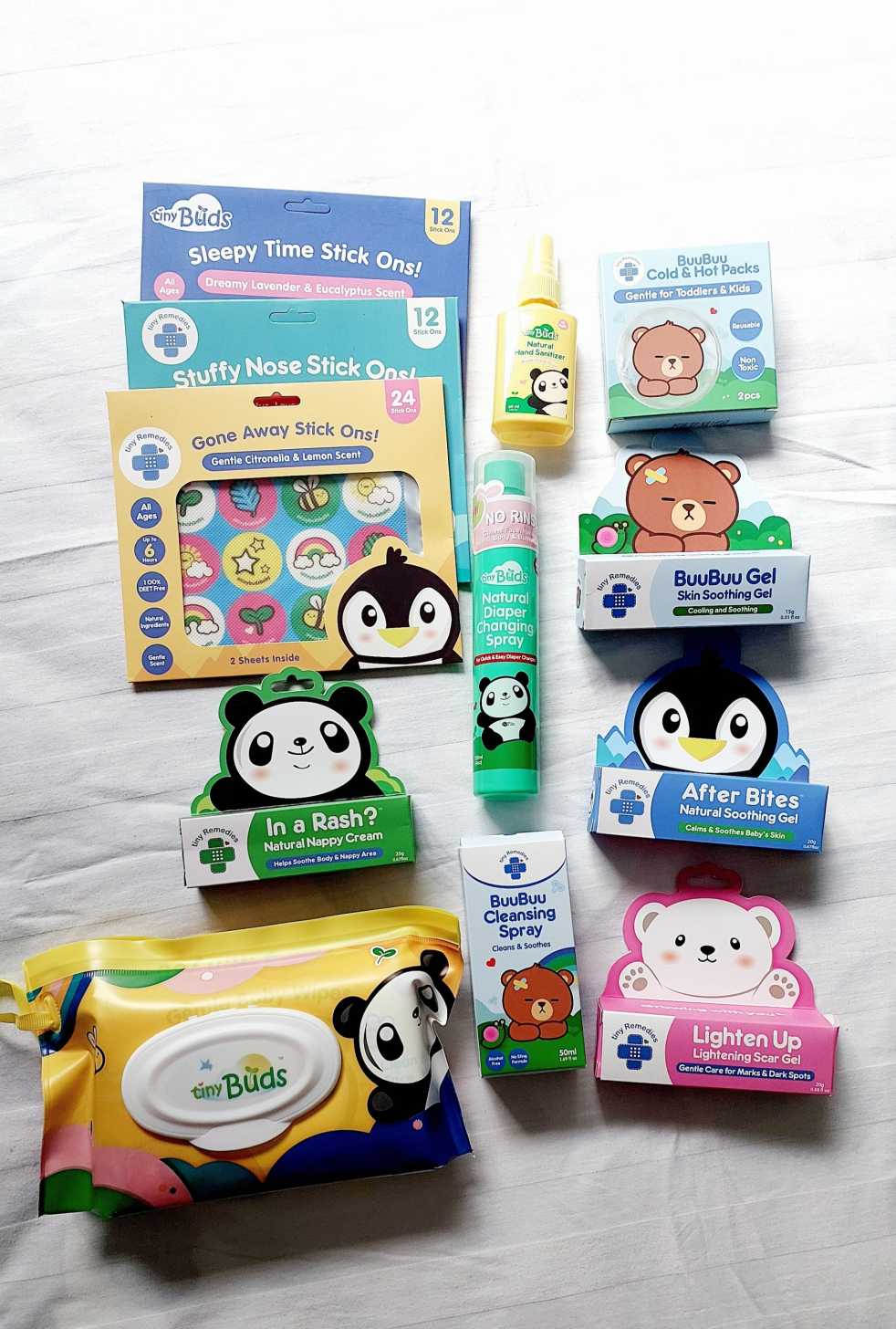
Your baby’s skin is more delicate than most, this is why you have to choose products that are designed for sensitive skin. Tiny Buds is a pioneer in integrating natural ingredients into baby care and today has over 50 innovative natural baby care essentials and is one of the Top Baby Personal Care brands. Here… Continue reading Product Review: Tiny Buds Baby Naturals Baby Essentials
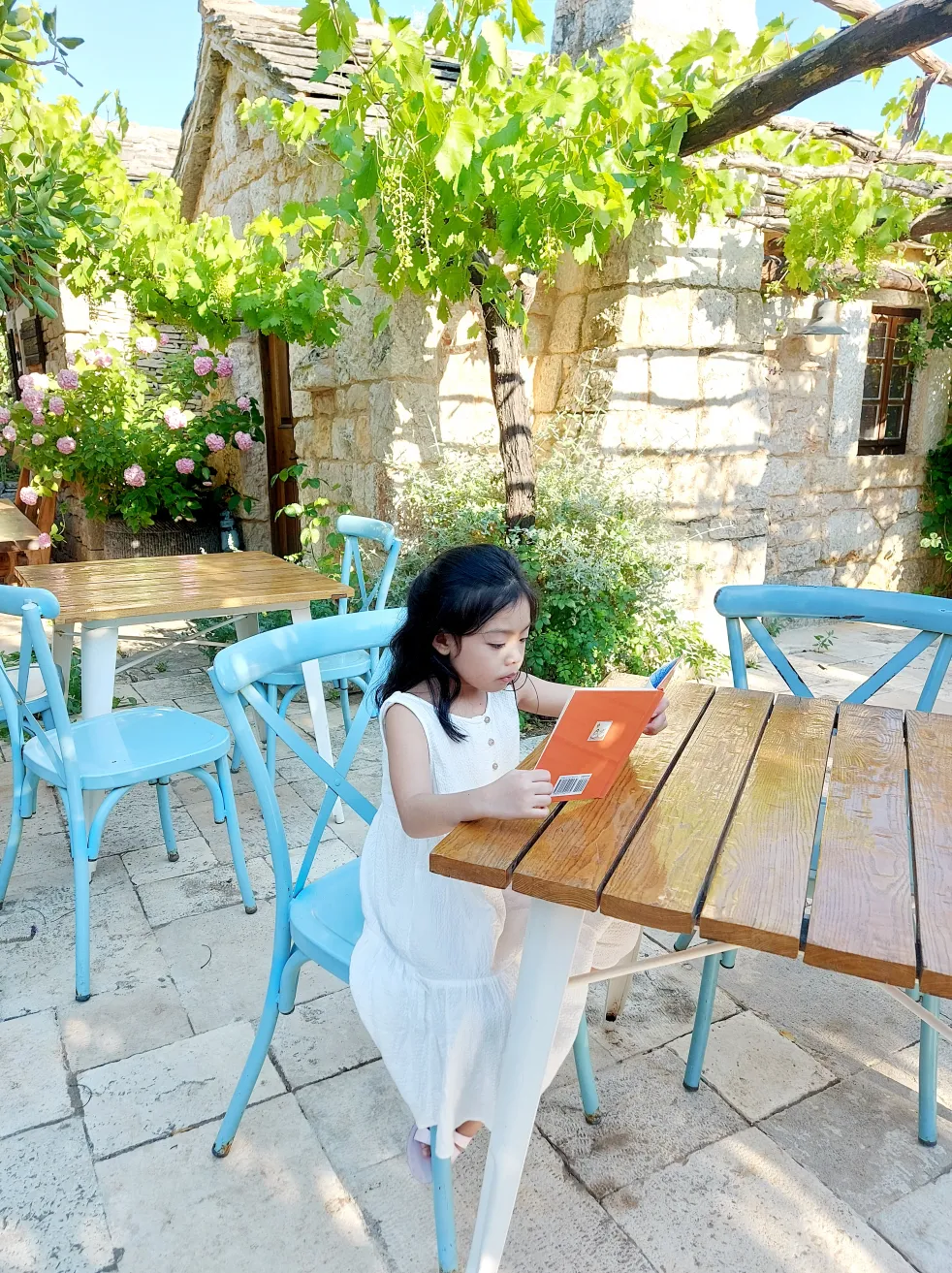
Where your child goes to school is a big decision and shouldn’t be taken lightly. Given how their education can impact their future, you might be tempted to take control and decide for them. However, you might be doing more damage than helping them in the long run. Your job as parents is to support… Continue reading HOW TO CHOOSE THE BEST SCHOOL FOR YOUR CHILD

As poet and philosopher Rumi once eloquently said, “raise your words, not your voice. It is rain that grows flowers, not thunder.” Parenting is a challenging journey, and the truth is that nobody has everything figured out. One parenting style might suit others best, and some might favor other methods. However, children respond better to… Continue reading A SIMPLE GUIDE TO GENTLE PARENTING

Whether you’re a new mom to be, mom of a toddler, mom who have school-aged kids, you’re bound to have so many questions. Let's start with your baby's skin. Infant skin has unique needs; gentle care is essential to prevent damage to the skin barrier, which can lead to irritation. When caring for infant skin,… Continue reading Keeping Baby’s Diapered Skin Healthy

As parents, we want to give our child the best possible start in life and that begins with nurturing their intelligence. Throughout history, the notion of success has been linked to academic intelligence. However, there has been an increased awareness on the importance of emotional intelligence. This question gets at the heart of the never-ending… Continue reading IQ or EQ, which one is a better predictor of your child’s success?
 wondermomma.net