

Last August, IKEA Philippines engaged with Better World Smokey Mountain, a newly opened community center operated by the San Miguel Foundation, which shares a similar goal of improving the lives of many Filipino people. Through this partnership, IKEA Philippines provided and assembled home furnishings for the classrooms and library of Better World Smokey Mountain community… Continue reading Help Create a Better World with IKEA Soft Toys

NutriAsia, the country’s top producer of condiments and sauces, continues its support of Refill Revolution; a project by the Department of Environment and Natural Resources EMB 3 that aims to help reduce Filipinos’ single-use plastics consumption. At Refill Revolution, residents get to recycle their single-use plastic bottles by reusing and filling it with their choice… Continue reading NutriAsia and DENR renews partnership for Refill Revolution

Feeding your baby through a cold or stuffy nose
A cold can make feeding difficult for babies because they breathe through their noses while nursing or drinking from a bottle. A blocked nose may cause a baby to pull away, cough, become frustrated, or take much longer to finish a feed. The priority is usually simple: maintain fluids, offer familiar nutrition, and make breathing easier before meals.
Most babies with mild colds can continue breastfeeding or drinking infant formula. Babies who have started solids may accept smaller amounts of soft food, but milk remains an important source of nutrition during the first year. Appetite may dip temporarily, so calm, frequent offerings are often more helpful than trying to make a baby finish a full meal.
Food cannot cure a viral cold, and there is no need to introduce unusual ingredients or supplements. Gentle feeding, rest, nasal comfort, and close observation can help your child get through the illness safely.
Start with breast milk or infant formula
For babies younger than six months, breast milk or properly prepared infant formula should remain the main source of nutrition and hydration. Breastfeeding can continue whenever your baby wants to nurse. If congestion makes nursing tiring, try shorter, more frequent feeds and allow plenty of pauses.
Formula-fed babies may also do better with smaller bottles offered more often. Follow the preparation instructions on the formula container exactly; adding extra water can reduce calories and nutrients, while making formula too concentrated can contribute to dehydration. Never dilute formula to encourage a sick baby to drink more.
Babies under six months generally do not need plain water, herbal drinks, juice, or sports beverages unless a healthcare professional specifically recommends them. For a baby of any age who is feeding poorly, contact a pediatrician for individualized guidance rather than replacing milk with another drink.
Clear the nose before offering food
A few minutes before breastfeeding, bottle-feeding, or spoon-feeding, place saline drops or spray made for infants into your baby’s nostrils. Saline can loosen mucus without containing medication. If needed, use a clean bulb syringe or infant nasal aspirator gently, following the product directions.
Nasal suction is most useful before a feed and before sleep, but repeated or forceful suction can irritate the delicate lining of the nose. A humidifier with cool mist may also make the air more comfortable. Keep it clean and positioned safely away from the baby. Sitting with your baby in a steamy bathroom is safer than placing the child near hot water, but avoid overheating.
Feed your baby in a more upright position while you are holding them, especially when the nose is blocked. Never prop a bottle, feed a baby unattended, or place pillows and positioners in the sleep space. Babies should still sleep flat on their backs on a firm, clear surface.
Offer gentle foods when solids are established
Once a baby is developmentally ready for complementary foods, soft, familiar meals may be easier to manage than dry, sticky, or strongly seasoned options. Smooth purees, mashed vegetables, soft porridge, plain yogurt, mashed avocado, tender scrambled egg, and finely shredded or minced foods can provide energy in small portions.
Warm food may feel soothing, but it should be lukewarm rather than hot. A baby with a sore throat may prefer smooth textures, while another may accept the same foods they usually enjoy. Let your child’s appetite guide the amount, and avoid pressuring them to eat.
There is no need to remove nutritious foods such as plain yogurt or other tolerated dairy foods solely because of mucus concerns. Milk may seem to coat the mouth temporarily, but it does not generally cause a cold or make the body produce more mucus. Continue introducing only foods that are age-appropriate and already safe for your child.
| Baby’s stage | Suitable choices during a cold | Important reminders |
|---|---|---|
| Birth to about six months | Breast milk or properly prepared infant formula | Offer smaller, frequent feeds; do not dilute formula |
| Around six months and older, beginning solids | Milk feeds plus familiar smooth or mashed foods | Look for readiness signs and keep portions small |
| About nine to twelve months | Milk feeds plus soft finger foods, mashed meals, and tender proteins | Avoid choking hazards and supervise every meal |
| Under twelve months | Breast milk or formula as the primary milk; age-appropriate solids | No honey or cow’s milk as a main drink |
| Any age with poor intake | Frequent, calm offers of the usual milk or fluids appropriate for age | Seek medical advice if intake or wet diapers fall noticeably |
Choose safe comfort foods and fluids
For older babies already eating solids, water can be offered in small amounts with meals once complementary feeding has begun. Breast milk or formula still supplies most hydration during the first year. Juice is not needed for a cold and can displace more nutritious foods; whole fruit in a soft, safe form is a better option for babies ready for solids.
Avoid honey before twelve months because it can contain spores that cause infant botulism. Do not use honey in warm water, porridge, or homemade cough remedies. Cow’s milk should not replace breast milk or infant formula as a drink before twelve months, although small amounts incorporated into some foods may be acceptable according to local feeding guidance.
Skip herbal teas, over-the-counter cough and cold medicines, and homemade remedies unless a healthcare professional has approved them for your baby. Many cold medicines are unsafe for infants, and “natural” products can contain ingredients that have not been tested for young children. A pediatrician can recommend safer ways to manage fever, discomfort, or congestion.
Prevent choking while your baby is unwell
Congestion, coughing, and tiredness can make swallowing less coordinated. Give food only when your baby is awake and sitting upright with close supervision. If your child is too sleepy, breathing too hard, or unable to manage normal textures, pause solids and focus on appropriate milk feeds while seeking advice.
Keep common choking hazards away from the meal, including whole grapes, nuts, popcorn, raw hard vegetables, chunks of meat, sausages, hard candy, spoonfuls of nut butter, and pieces of apple. Prepare food in a texture and shape your baby has already been safely practicing. A coughing baby should never eat while lying down or moving around.
Do not force a feed when your baby turns away, closes their mouth, or becomes distressed. Pause, comfort them, and try again later. Responsive feeding reduces stress and allows you to notice whether the illness is affecting swallowing, energy, or hydration.
Watch hydration and breathing closely
A reduced appetite for a day or two can happen during a cold, but a baby still needs enough fluid. Signs of possible dehydration include fewer wet diapers than usual, a dry mouth, few or no tears when crying, unusual sleepiness, weakness, or dark urine. Babies can become dehydrated quickly, particularly when fever, vomiting, or diarrhea occurs with respiratory symptoms.
Contact your child’s healthcare provider promptly if your baby refuses several feeds, vomits repeatedly, has a worsening cough, develops a fever that concerns you, or is younger than three months and has a temperature of 38°C (100.4°F) or higher. Local medical advice may differ, so use the temperature method and thresholds recommended by your pediatrician.
Seek urgent medical care for fast or difficult breathing, ribs pulling in with each breath, grunting, bluish or gray lips, pauses in breathing, severe lethargy, inability to swallow, or signs of significant dehydration. Feeding difficulty can sometimes signal a more serious infection, even when the symptoms began like an ordinary stuffy nose.
Keep mealtimes calm and manageable
A sick baby may eat very little at one sitting, so think in terms of the whole day rather than one unfinished bottle or bowl. Offer familiar milk and foods at regular intervals, but keep each attempt relaxed. Holding, rocking, and quiet surroundings may help a congested baby settle enough to feed.
These practical habits can support comfortable feeding:
- Clear the nose gently with infant saline before feeds.
- Offer breast milk or formula more frequently in smaller amounts.
- Serve familiar, soft foods at a lukewarm temperature once solids are established.
- Keep your baby upright and fully supervised during every meal.
- Track wet diapers, alertness, breathing, and overall intake.
Most mild colds improve with time, rest, and supportive care. Keep offering appropriate nourishment without pressure, and arrange medical advice whenever your baby’s breathing, hydration, alertness, or feeding pattern seems significantly different from usual. Save this guide with your family’s health information so it is easy to consult during the next stuffy-nose day.

Mercato Centrale, in collaboration with Indian Women in Enterprise Philippines (I-We), is set to host "The Great Indian Fiesta" to mark 75 years of friendship between India and the Philippines. The dynamic two-day event is scheduled to take place on September 30 to October 1, 2023, at Paseo De Roxas Street, Makati City. Aiming to… Continue reading Mercato Centrale Partners with I-We to Host ‘The Great Indian Fiesta’, Commemorating 75 Years of India-Philippines Friendship

My stomach would usually start growling at 10 am even after taking a big breakfast. This is probably because I am a morning person and I move a lot throughout the day hence snacking is something that I can't avoid. This potatoes and chicken wrap recipe is easy to prepare and would keep me full… Continue reading Potato and Chicken Wrap
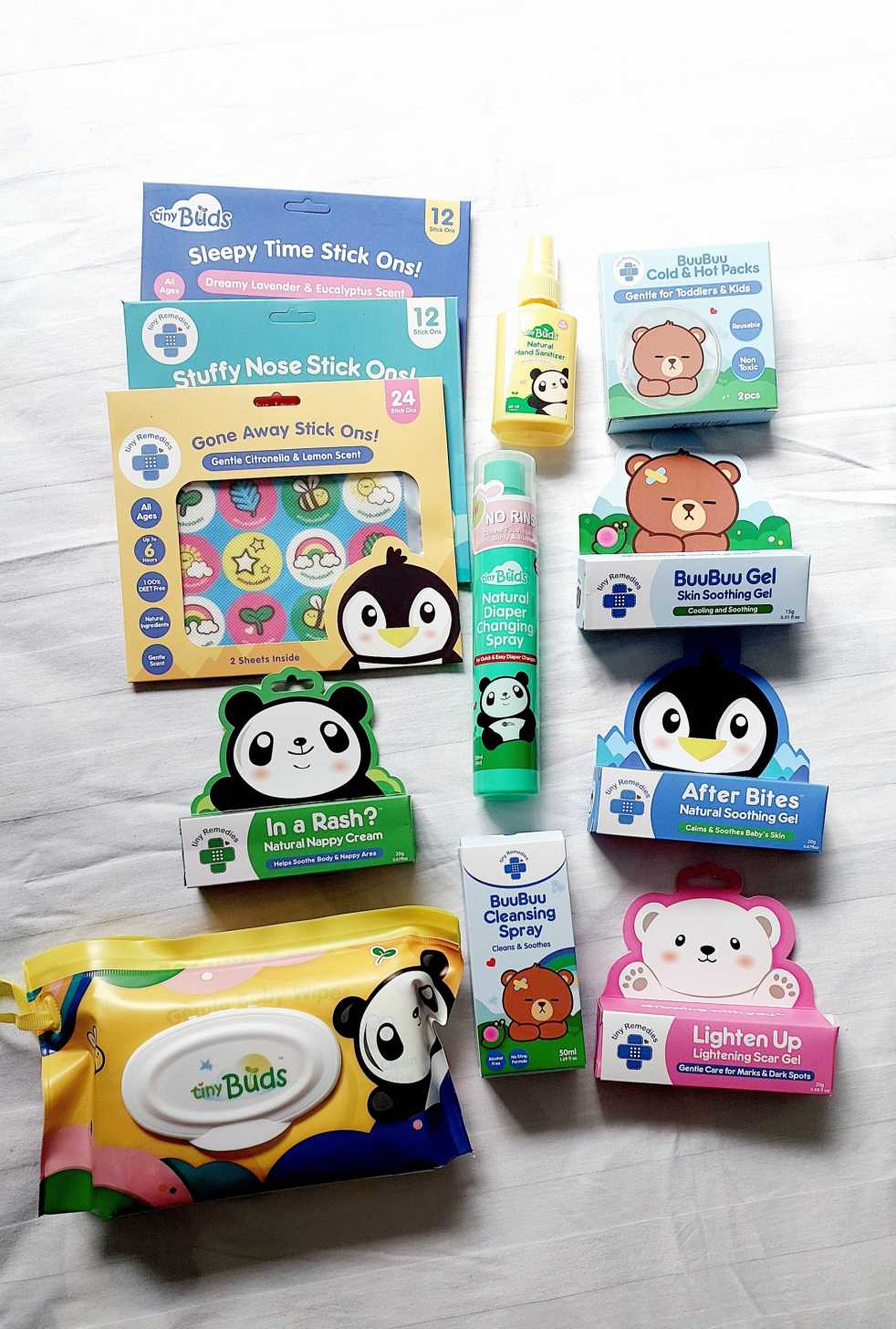
Your baby’s skin is more delicate than most, this is why you have to choose products that are designed for sensitive skin. Tiny Buds is a pioneer in integrating natural ingredients into baby care and today has over 50 innovative natural baby care essentials and is one of the Top Baby Personal Care brands. Here… Continue reading Product Review: Tiny Buds Baby Naturals Baby Essentials

Where your child goes to school is a big decision and shouldn’t be taken lightly. Given how their education can impact their future, you might be tempted to take control and decide for them. However, you might be doing more damage than helping them in the long run. Your job as parents is to support… Continue reading HOW TO CHOOSE THE BEST SCHOOL FOR YOUR CHILD

As poet and philosopher Rumi once eloquently said, “raise your words, not your voice. It is rain that grows flowers, not thunder.” Parenting is a challenging journey, and the truth is that nobody has everything figured out. One parenting style might suit others best, and some might favor other methods. However, children respond better to… Continue reading A SIMPLE GUIDE TO GENTLE PARENTING

Whether you’re a new mom to be, mom of a toddler, mom who have school-aged kids, you’re bound to have so many questions. Let's start with your baby's skin. Infant skin has unique needs; gentle care is essential to prevent damage to the skin barrier, which can lead to irritation. When caring for infant skin,… Continue reading Keeping Baby’s Diapered Skin Healthy

As parents, we want to give our child the best possible start in life and that begins with nurturing their intelligence. Throughout history, the notion of success has been linked to academic intelligence. However, there has been an increased awareness on the importance of emotional intelligence. This question gets at the heart of the never-ending… Continue reading IQ or EQ, which one is a better predictor of your child’s success?
 wondermomma.net