

Last August, IKEA Philippines engaged with Better World Smokey Mountain, a newly opened community center operated by the San Miguel Foundation, which shares a similar goal of improving the lives of many Filipino people. Through this partnership, IKEA Philippines provided and assembled home furnishings for the classrooms and library of Better World Smokey Mountain community… Continue reading Help Create a Better World with IKEA Soft Toys

NutriAsia, the country’s top producer of condiments and sauces, continues its support of Refill Revolution; a project by the Department of Environment and Natural Resources EMB 3 that aims to help reduce Filipinos’ single-use plastics consumption. At Refill Revolution, residents get to recycle their single-use plastic bottles by reusing and filling it with their choice… Continue reading NutriAsia and DENR renews partnership for Refill Revolution

What to expect at your baby’s first dental visit
Your baby’s first trip to the dentist is usually much gentler and simpler than parents imagine. It is less about filling cavities and more about checking early development, spotting potential concerns, and helping your family build healthy oral care habits from the beginning.
Many dental organizations recommend scheduling the first appointment by your child’s first birthday or within six months after the first tooth appears. This early timing gives the dentist a chance to discuss teething, feeding, brushing, fluoride, and habits that can affect developing teeth.
A calm, positive visit can also make future appointments easier. Babies may cry when unfamiliar people examine their mouths, and that is normal. The dental team expects some movement and fussiness, so you do not need to wait until your child can sit perfectly still.
Why an early dental check matters
Baby teeth help children chew, form sounds, and maintain space for permanent teeth. Even though they eventually fall out, decay in primary teeth can cause discomfort, difficulty eating, sleep disruption, and infection. Healthy first teeth also support proper oral development during the early years.
The first appointment establishes a dental home, meaning a familiar place where your child can receive preventive care and advice as they grow. A dentist can identify early signs of tooth decay, enamel weakness, unusual eruption patterns, tongue-tie concerns, or problems with the jaw and bite.
The visit is also useful because babies’ routines change quickly. A dentist can tailor advice to your child’s current stage, whether they are breastfed, formula-fed, starting solids, drinking from a bottle, or learning to use a cup. Families in the Philippines can ask about local water sources and whether fluoride toothpaste or other fluoride support is appropriate for their area.
How to prepare before the appointment
When booking, tell the clinic your baby’s age, how many teeth have appeared, and whether there are concerns such as white spots, brown marks, bleeding gums, mouth injuries, or feeding discomfort. Ask how the clinic handles infant visits and whether a parent can stay close during the examination.
Choose an appointment time when your baby is usually rested and fed, rather than immediately before a nap or meal. Bring a familiar toy, teether, or comfort item. A small snack for afterward may be helpful, especially if your child normally eats around the appointment time.
It is useful to bring your baby’s medical and dental history, a list of medicines or supplements, and details about feeding and oral care. If your child uses a bottle at night, drinks sweetened liquids, or has special health needs, mention these openly. Accurate information helps the dentist give practical guidance without judgment.
Before leaving home, use simple, reassuring language. You might say that the dentist will count the teeth and help keep the mouth healthy. Avoid describing the appointment as painful or repeatedly telling your baby not to be scared, since this can unintentionally make the visit sound threatening.
What happens during the first visit
The dentist may begin by speaking with you while your baby sits on your lap. This conversation often covers pregnancy and birth history, medical conditions, allergies, medications, feeding patterns, teething symptoms, pacifier use, and family dental history. The goal is to understand risks and create a prevention plan.
Next, the dentist will examine the lips, gums, tongue, palate, and any erupted teeth. Depending on your baby’s age and comfort, the examination may happen with your child lying back briefly, sitting on you, or being gently positioned with support from a parent and dental professional. Crying does not mean the appointment has gone badly.
Dental X-rays are generally not routine at an uncomplicated first infant visit. They may be considered only when the dentist has a specific reason, such as trauma, suspected disease, or an unusual developmental concern. Most babies need a visual examination and family education rather than treatment.
The dentist may also check how the teeth are emerging and whether the mouth appears to be developing normally. If a concern needs closer evaluation, the dentist will explain what it means and whether monitoring, preventive care, or referral to a pediatric dental specialist is needed.
Advice you may receive at the appointment
Parents commonly receive demonstrations for cleaning the teeth and gums. Before teeth erupt, wiping the gums with a clean, damp cloth can help establish a routine. Once the first tooth appears, brush twice daily with a soft, small-headed toothbrush and a tiny smear of fluoride toothpaste, following the dentist’s advice.
The dentist may discuss thumb-sucking, pacifiers, bottle use, and nighttime feeding. Frequent exposure to milk, formula, juice, or other carbohydrates can increase the risk of early childhood caries, especially when a baby falls asleep with a bottle. Water is usually the safest drink between meals once it is suitable for your child’s age and feeding plan.
Here is a quick guide to common parts of the appointment:
| Visit element | What it usually involves | How parents can help |
|---|---|---|
| Health discussion | Feeding, teething, medicines, and medical history | Share routines and concerns honestly |
| Mouth examination | A gentle look at gums, tongue, and teeth | Hold your baby calmly and follow the team’s instructions |
| Oral hygiene advice | Toothbrush, fluoride toothpaste, and cleaning technique | Ask for a demonstration |
| Feeding guidance | Bottles, cups, snacks, and nighttime habits | Describe what your baby drinks and when |
| Future care | Recall timing and preventive recommendations | Note the next appointment before leaving |
Recommendations can differ according to age, tooth development, medical history, and local fluoride exposure. Do not start supplements or change fluoride use without professional guidance. The dentist can help you choose products that are suitable for your baby and available locally.
For broader family routines, nutrition ideas, and practical parenting support alongside dental care, parents can explore parenting resources from WonderMomma.
Helping your baby feel comfortable
Babies often respond to the sights, sounds, and new sensations of a dental clinic. Holding your child on your lap can provide reassurance. If the dentist needs a clearer view, the team may ask you to help position your baby, and they will usually explain each step before doing it.
Try to stay relaxed and let the professionals lead the appointment. A cheerful tone, quiet singing, or a familiar comfort object may help. It is fine to pause for a cuddle or feeding break when appropriate. The first visit does not need to be long to be useful.
Parents sometimes worry that allowing a baby to cry will create a fear of dentists. A single unsettled appointment is unlikely to determine future attitudes. What matters more is building repeated experiences in which dental visits are predictable, respectful, and connected with supportive care at home.
If your baby becomes too distressed for a complete examination, the dentist may focus on a brief assessment and education, then arrange another visit. This is common with very young children and does not mean you failed to prepare.
Signs that need earlier attention
The first birthday is a helpful routine milestone, but you should contact a dentist sooner if you notice signs of possible dental disease or injury. White, chalky patches near the gumline can be an early warning sign, while brown or black areas may indicate more advanced decay. Swelling, bleeding without an obvious cause, or persistent mouth odor also deserve attention.
Seek prompt dental advice after a fall or blow to the mouth, particularly if a tooth becomes loose, changes color, chips, or causes bleeding. A dentist can explain whether the injury affects only the visible tooth or may involve the developing permanent tooth underneath.
Difficulty feeding, pain when chewing, fever with facial swelling, or swelling that spreads requires urgent professional assessment. Dental problems can progress quickly in babies, so waiting for the next routine appointment may not be appropriate.
A dentist can also help when teeth seem significantly delayed, erupt in an unusual position, or appear to have unusual shape or color. Early evaluation does not always lead to treatment, but it can provide reassurance and ensure that any needed care begins at the right time.
Building healthy habits after the visit
Continue brushing your baby’s teeth twice a day, especially before bedtime. An adult should do the brushing because young children cannot clean all tooth surfaces effectively. As more teeth appear, lift the lip gently to check along the gumline, where plaque can collect.
Limit frequent sipping and grazing throughout the day. If your baby uses a bottle, work toward drinking from an open cup or suitable training cup as development allows, and avoid putting juice, sweet drinks, or sugary liquids in a bedtime bottle. Never dip a pacifier in honey or sugar; honey should also be avoided before 12 months because of botulism risk.
Keep regular dental appointments according to your dentist’s recommendation. Preventive visits allow the team to monitor eruption, reinforce brushing skills, apply protective treatments when appropriate, and adjust advice as your child moves from purees to family foods.
Your baby’s first dental appointment is a small but valuable step in lifelong health. Schedule it early, bring your questions, and treat the visit as a chance to learn rather than a test of your parenting. With steady brushing, thoughtful feeding routines, and regular professional care, your child can begin growing up with a comfortable and positive relationship with dental health.

Mercato Centrale, in collaboration with Indian Women in Enterprise Philippines (I-We), is set to host "The Great Indian Fiesta" to mark 75 years of friendship between India and the Philippines. The dynamic two-day event is scheduled to take place on September 30 to October 1, 2023, at Paseo De Roxas Street, Makati City. Aiming to… Continue reading Mercato Centrale Partners with I-We to Host ‘The Great Indian Fiesta’, Commemorating 75 Years of India-Philippines Friendship

My stomach would usually start growling at 10 am even after taking a big breakfast. This is probably because I am a morning person and I move a lot throughout the day hence snacking is something that I can't avoid. This potatoes and chicken wrap recipe is easy to prepare and would keep me full… Continue reading Potato and Chicken Wrap
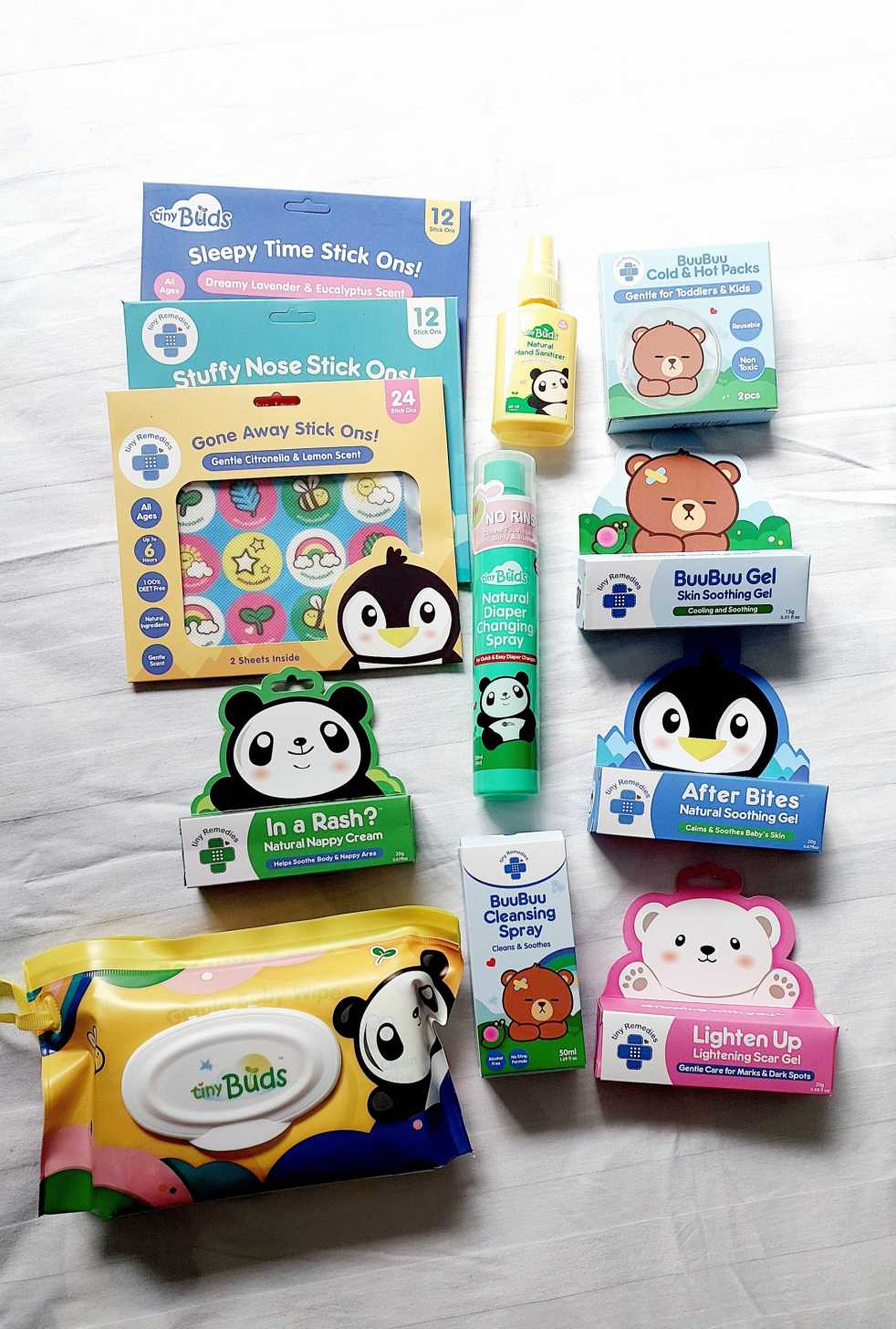
Your baby’s skin is more delicate than most, this is why you have to choose products that are designed for sensitive skin. Tiny Buds is a pioneer in integrating natural ingredients into baby care and today has over 50 innovative natural baby care essentials and is one of the Top Baby Personal Care brands. Here… Continue reading Product Review: Tiny Buds Baby Naturals Baby Essentials

Where your child goes to school is a big decision and shouldn’t be taken lightly. Given how their education can impact their future, you might be tempted to take control and decide for them. However, you might be doing more damage than helping them in the long run. Your job as parents is to support… Continue reading HOW TO CHOOSE THE BEST SCHOOL FOR YOUR CHILD

As poet and philosopher Rumi once eloquently said, “raise your words, not your voice. It is rain that grows flowers, not thunder.” Parenting is a challenging journey, and the truth is that nobody has everything figured out. One parenting style might suit others best, and some might favor other methods. However, children respond better to… Continue reading A SIMPLE GUIDE TO GENTLE PARENTING

Whether you’re a new mom to be, mom of a toddler, mom who have school-aged kids, you’re bound to have so many questions. Let's start with your baby's skin. Infant skin has unique needs; gentle care is essential to prevent damage to the skin barrier, which can lead to irritation. When caring for infant skin,… Continue reading Keeping Baby’s Diapered Skin Healthy

As parents, we want to give our child the best possible start in life and that begins with nurturing their intelligence. Throughout history, the notion of success has been linked to academic intelligence. However, there has been an increased awareness on the importance of emotional intelligence. This question gets at the heart of the never-ending… Continue reading IQ or EQ, which one is a better predictor of your child’s success?
 wondermomma.net