

Last August, IKEA Philippines engaged with Better World Smokey Mountain, a newly opened community center operated by the San Miguel Foundation, which shares a similar goal of improving the lives of many Filipino people. Through this partnership, IKEA Philippines provided and assembled home furnishings for the classrooms and library of Better World Smokey Mountain community… Continue reading Help Create a Better World with IKEA Soft Toys

NutriAsia, the country’s top producer of condiments and sauces, continues its support of Refill Revolution; a project by the Department of Environment and Natural Resources EMB 3 that aims to help reduce Filipinos’ single-use plastics consumption. At Refill Revolution, residents get to recycle their single-use plastic bottles by reusing and filling it with their choice… Continue reading NutriAsia and DENR renews partnership for Refill Revolution

What to do when your toddler hits or bites
A toddler who hits, bites, kicks, or scratches can leave parents feeling shocked, embarrassed, and unsure of what to do next. These behaviors are common in early childhood, but “common” does not mean they should be ignored. Young children need calm, consistent guidance to learn safer ways to express strong feelings.
Aggression in toddlers is usually a sign of an unmet need, an overwhelming emotion, limited language, or an immature impulse-control system. A child may bite when tired, hit when a toy is taken, or push because they do not yet know how to join a game. Understanding the reason behind the behavior makes it easier to respond without excusing it.
For practical guidance on family life, child development, and gentle parenting, parents can also explore parenting resources that support everyday decisions with warmth and realism. The goal is not to make a toddler feel bad for having feelings. It is to keep everyone safe while teaching a better response.
Stay calm and stop the action
Your first job is to prevent injury. Move close, gently block the hand, or separate the children if needed. Use a firm, calm voice and a short statement such as, “I won’t let you hit,” or, “Biting hurts. I’m moving you away.” Avoid lengthy explanations while your toddler is crying, yelling, or trying to strike again because they are unlikely to process them in that moment.
Try to keep your face and voice steady. Shouting, threatening, or hitting back can increase fear and excitement, and it may teach that using force is an acceptable way to solve conflict. A calm adult presence gives the child an example of self-control, even when the child cannot yet manage it independently.
Attend to the person who was hurt, especially when another child is involved. Offer comfort, check for marks, and keep your response proportionate. This shows that injuries matter without turning the incident into a dramatic performance that may accidentally reward the aggressive behavior with intense attention.
Look for the need beneath the behavior
Toddlers often act physically because their communication skills are still developing. They may know exactly what they want but lack the words to say, “Please give me space,” “I’m still using that,” or “I’m frustrated.” Hitting and biting can become a quick physical message when language, patience, and self-regulation fail.
Common triggers include hunger, tiredness, overstimulation, teething discomfort, changes in routine, crowding, and competition over toys. Keep a simple mental note of what happened before the incident. Patterns can reveal that biting occurs near nap time, hitting happens during sibling play, or pushing appears when a busy environment becomes too demanding.
This does not mean every aggressive act has a single obvious cause. Toddlers can also experiment with cause and effect, copy what they have seen, or react to limits they dislike. A reason helps you plan support, but it does not remove the boundary: feelings are allowed, while hurting people is not.
Use clear words and teach replacement skills
After your toddler has started to settle, name the feeling and state the limit in simple language. Try, “You were angry when the block was taken. You can say, ‘My turn,’ but you cannot hit.” Keep the message brief and repeat the same wording over time. Consistency helps a young child connect the feeling, the behavior, and the alternative.
Give your toddler a physical or verbal action they can use instead. They might stomp their feet, squeeze a cushion, ask for help, move away, clap, blow slowly, or say “stop.” Practice these skills during calm moments through pretend play. You can act out a toy being taken and demonstrate, “I’m mad. I will ask for it back.”
For biting, avoid labeling a child as “a biter.” Describe the action instead: “You bit your brother.” A label can become part of a child’s identity and may create shame without teaching control. If teething or oral sensory needs are involved, offer a safe chewable item that is suitable for the child’s age and use it as an additional support, not as a substitute for supervision.
| Situation | Immediate response | Skill to practise later |
|---|---|---|
| Toddler hits during a toy dispute | Block the hit and separate the children | “My turn,” asking for help, and waiting briefly |
| Toddler bites when overwhelmed | Move close, stop the bite, and reduce noise or crowding | Saying “space,” moving to a quiet area, and using a safe chew item |
| Toddler kicks during a limit | Keep everyone safe and state the limit once | Stomping in place, breathing, and choosing between two options |
| Toddler scratches for attention | Prevent further contact and give calm attention to the injured child | Tapping an adult’s arm, calling their name, or using a feeling word |
Prevent predictable hitting and biting
Prevention is often more effective than correcting the same behavior repeatedly. Protect sleep and meal routines as much as possible, carry a snack for difficult outings, and give warnings before transitions. Saying, “Two more minutes, then bath,” can help a toddler prepare for a change better than ending an activity without notice.
Stay close during situations that commonly lead to aggression. If siblings struggle over the same toy, sit nearby and help them take turns before frustration peaks. In a playgroup, position yourself where you can intervene quickly if your toddler becomes crowded or excited. Supervision is especially important when a child has recently started biting.
Offer limited choices to give your toddler a sense of control: “Do you want to walk to the bathroom or be carried?” or “Would you like the red cup or the blue cup?” Build in active play, quiet time, and connection throughout the day. A child who regularly receives positive attention has fewer reasons to seek powerful reactions through unsafe behavior.
Respond consistently across caregivers
Toddlers learn faster when parents, grandparents, childcare providers, and other caregivers respond in similar ways. Agree on a short script, such as, “I won’t let you hurt anyone. Hands are for helping.” The adult who witnesses the incident should respond promptly, while others avoid adding extra scolding or conflicting messages.
A brief break from the activity can be appropriate when a child cannot play safely. This is different from a humiliating or prolonged punishment. Stay nearby, help the toddler calm down, and return to the situation when their body is ready. The purpose is safety and recovery, not isolation or fear.
Avoid forcing an immediate apology when your toddler is still dysregulated. Instead, model repair: help them bring a cold pack, check on the other child, fetch a toy, or say “Are you okay?” A genuine apology becomes more meaningful when the child understands the harm and has regained enough control to participate.
Know when extra support is needed
Occasional hitting or biting is expected for many toddlers, especially between ages one and three. Seek professional advice if the behavior is frequent, severe, causing significant injuries, happening across many settings, or continuing without improvement despite consistent support. Contact a pediatrician if you suspect pain, sleep problems, developmental concerns, or difficulty communicating.
It is also worth asking for help if your child seems unusually withdrawn, loses previously acquired skills, does not respond to language as expected, or has intense reactions that are difficult to soothe. A pediatrician can assess the whole child and recommend a speech-language professional, occupational therapist, or child development specialist when appropriate.
If a bite breaks the skin, wash the area with soap and running water and seek medical advice, particularly if the wound is deep, on the face or hand, or showing signs of infection. Human bites can require prompt attention. Keep your own response calm while arranging care so your toddler does not associate medical help with additional panic.
Practical habits that make a difference
A small plan can help you respond with confidence rather than reacting differently each time. Write down the common triggers, the words that work, and the calming activities your toddler accepts. Share the plan with caregivers and update it as your child’s language and independence grow.
Useful habits include:
- Move close and block the action before giving an explanation.
- Use one consistent boundary: “I won’t let you hit or bite.”
- Name the feeling and teach a replacement phrase or action.
- Adjust hunger, tiredness, noise, and transition triggers where possible.
- Praise safe behavior specifically: “You were angry and asked for help with gentle hands.”
Praise should be immediate and descriptive. “You gave the toy back without hitting” teaches more than a general “Good job.” Notice small improvements, such as a toddler raising a hand but stopping, using a word after a reminder, or moving away from a frustrating game. Progress is often uneven, and repeated practice is a normal part of development.
Your toddler does not need a perfect parent in these moments. They need a safe adult who can set a firm boundary, stay connected, and teach the same skill again and again. With steady responses, supportive routines, and help when necessary, aggressive behavior can become less frequent as communication and self-control grow.
When the next incident happens, focus on three steps: protect, connect, and teach. Stop the hurt, acknowledge the feeling, and practise a safer choice once everyone is calm. Save this guidance for the moments you need it, and share it with the caregivers who help your family create a consistent, caring response.

Mercato Centrale, in collaboration with Indian Women in Enterprise Philippines (I-We), is set to host "The Great Indian Fiesta" to mark 75 years of friendship between India and the Philippines. The dynamic two-day event is scheduled to take place on September 30 to October 1, 2023, at Paseo De Roxas Street, Makati City. Aiming to… Continue reading Mercato Centrale Partners with I-We to Host ‘The Great Indian Fiesta’, Commemorating 75 Years of India-Philippines Friendship

My stomach would usually start growling at 10 am even after taking a big breakfast. This is probably because I am a morning person and I move a lot throughout the day hence snacking is something that I can't avoid. This potatoes and chicken wrap recipe is easy to prepare and would keep me full… Continue reading Potato and Chicken Wrap
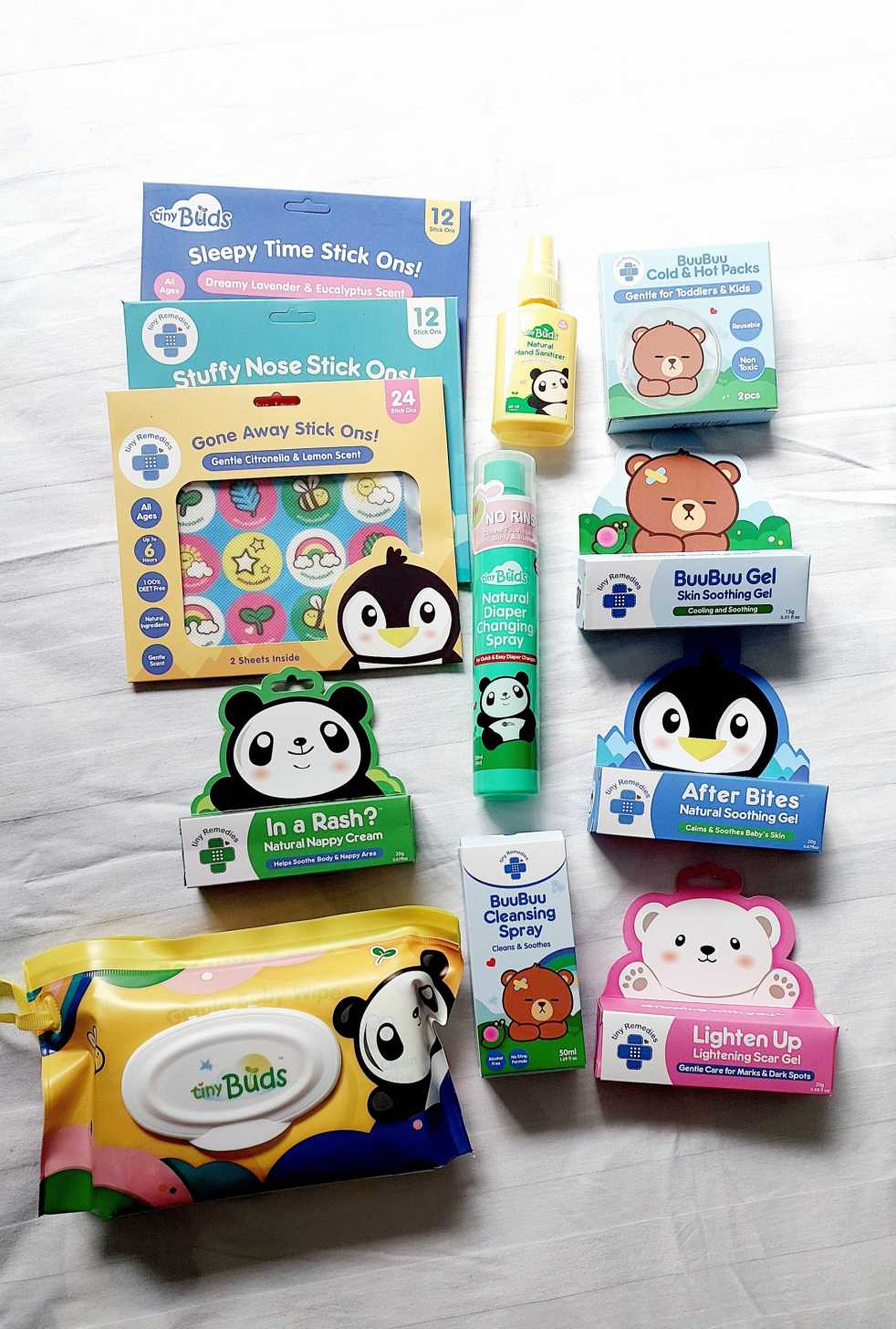
Your baby’s skin is more delicate than most, this is why you have to choose products that are designed for sensitive skin. Tiny Buds is a pioneer in integrating natural ingredients into baby care and today has over 50 innovative natural baby care essentials and is one of the Top Baby Personal Care brands. Here… Continue reading Product Review: Tiny Buds Baby Naturals Baby Essentials
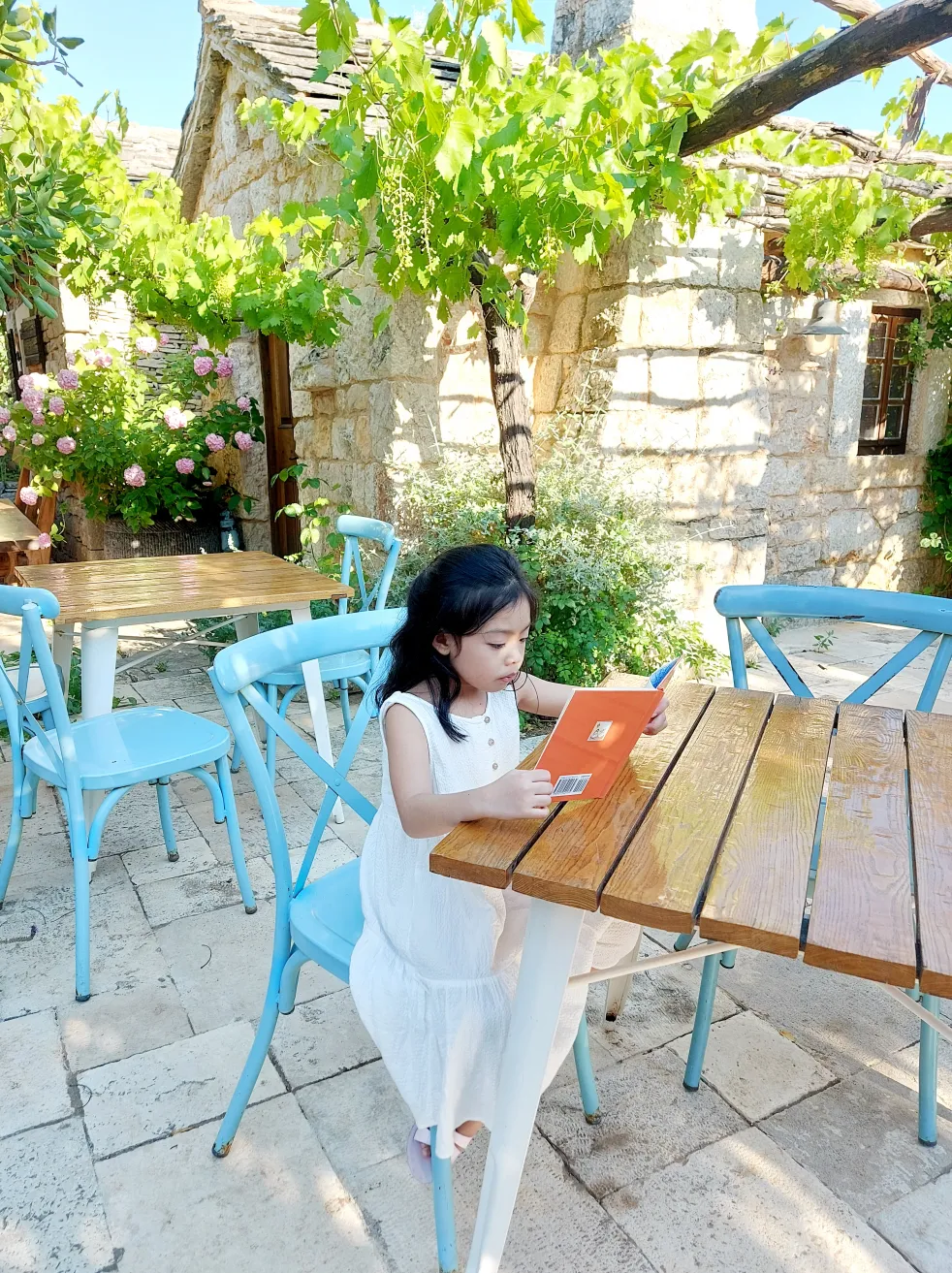
Where your child goes to school is a big decision and shouldn’t be taken lightly. Given how their education can impact their future, you might be tempted to take control and decide for them. However, you might be doing more damage than helping them in the long run. Your job as parents is to support… Continue reading HOW TO CHOOSE THE BEST SCHOOL FOR YOUR CHILD

As poet and philosopher Rumi once eloquently said, “raise your words, not your voice. It is rain that grows flowers, not thunder.” Parenting is a challenging journey, and the truth is that nobody has everything figured out. One parenting style might suit others best, and some might favor other methods. However, children respond better to… Continue reading A SIMPLE GUIDE TO GENTLE PARENTING

Whether you’re a new mom to be, mom of a toddler, mom who have school-aged kids, you’re bound to have so many questions. Let's start with your baby's skin. Infant skin has unique needs; gentle care is essential to prevent damage to the skin barrier, which can lead to irritation. When caring for infant skin,… Continue reading Keeping Baby’s Diapered Skin Healthy
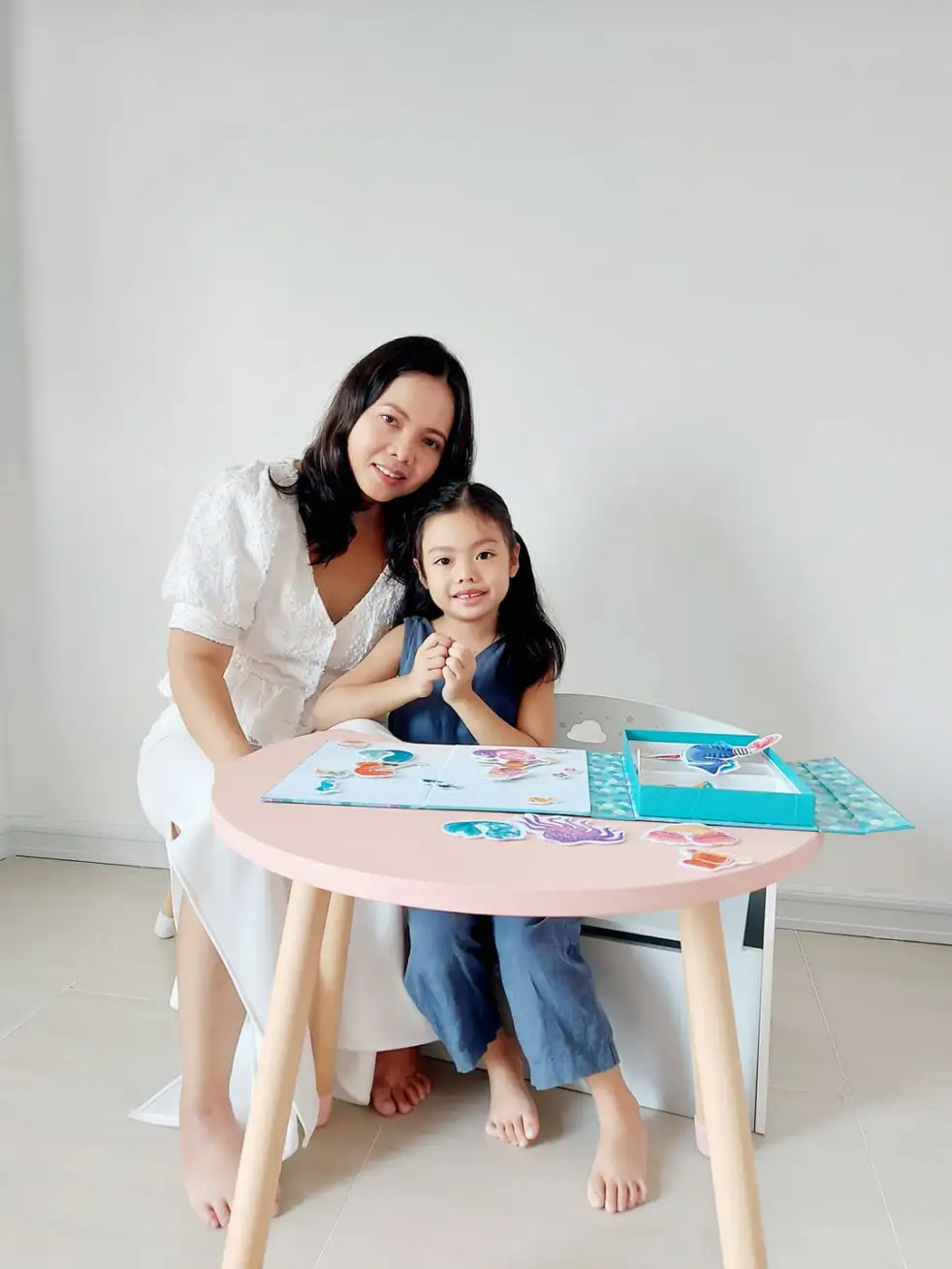
As parents, we want to give our child the best possible start in life and that begins with nurturing their intelligence. Throughout history, the notion of success has been linked to academic intelligence. However, there has been an increased awareness on the importance of emotional intelligence. This question gets at the heart of the never-ending… Continue reading IQ or EQ, which one is a better predictor of your child’s success?
 wondermomma.net