
Last August, IKEA Philippines engaged with Better World Smokey Mountain, a newly opened community center operated by the San Miguel Foundation, which shares a similar goal of improving the lives of many Filipino people. Through this partnership, IKEA Philippines provided and assembled home furnishings for the classrooms and library of Better World Smokey Mountain community… Continue reading Help Create a Better World with IKEA Soft Toys

NutriAsia, the country’s top producer of condiments and sauces, continues its support of Refill Revolution; a project by the Department of Environment and Natural Resources EMB 3 that aims to help reduce Filipinos’ single-use plastics consumption. At Refill Revolution, residents get to recycle their single-use plastic bottles by reusing and filling it with their choice… Continue reading NutriAsia and DENR renews partnership for Refill Revolution

What to Do When Your Toddler Has a Public Meltdown in the Mall
A toddler meltdown in a busy shopping mall can feel overwhelming, especially when strangers are watching and your child is crying, shouting, or lying on the floor. The noise, bright lights, crowds, hunger, and disrupted routines common in malls can quickly overload a young child’s still-developing ability to manage emotions.
Your first priority is safety, not appearances. A public tantrum does not mean you are a bad parent or that your toddler is deliberately embarrassing you. It usually means your child is tired, frustrated, overstimulated, or unable to communicate a strong need.
A calm, prepared response can help the moment pass more safely. You do not need to stop the crying instantly. Instead, focus on reducing stimulation, holding a clear boundary, and helping your child return to a calmer state.
Read What Your Toddler Needs
Before responding, take a quick look at what may have triggered the outburst. Toddlers often melt down after a long day, missed nap, delayed meal, uncomfortable clothing, or too many errands. A child who has been managing well for hours may suddenly lose control when their energy runs out.
The immediate trigger may be a denied toy, a request to leave an activity, or a snack that is not available. However, the deeper cause may be sensory overload or physical discomfort. Notice whether your child is rubbing their eyes, covering their ears, asking to be carried, becoming unusually aggressive, or struggling to form words.
You do not need to investigate every detail while the meltdown is happening. A simple mental check is enough: Is my child hungry, tired, frightened, in pain, too hot, or overwhelmed by the environment? This helps you choose a useful response rather than reacting to the noise or to other people’s attention.
Make the Environment Safer And Quieter
If your toddler is near escalators, shop displays, glass doors, or a crowded walkway, move them to a safer location. Ask another adult in your group to collect bags or stay with older children while you guide the upset child away from hazards.
A quieter corner, mall family room, breastfeeding area, restroom lobby, or calm café space may reduce the flood of sights and sounds. You can also step outside briefly if the weather and location are safe. In a Philippine mall, security personnel or customer service staff may help you find a family room or less crowded area.
Use fewer words once your child is highly distressed. Say, “You are safe. I’m here,” or “The mall is very loud. We are moving somewhere quieter.” Avoid giving a long explanation while your toddler is crying hard; they may not be able to process it at that moment.
If your child hits, kicks, bites, runs, or throws objects, gently block the behavior. Keep your voice steady and your movements slow. Physical restraint should be limited to preventing immediate harm, and you should release your child when the danger has passed.
Respond With Calm, Clear Language
Your tone matters more than having perfect words. Kneel nearby if your child accepts your presence, keep your face relaxed, and speak slowly. Acknowledging an emotion does not mean agreeing to every demand.
You might say, “You really wanted the toy, and you are very upset.” Then add the limit: “We are not buying it today.” This combination gives your toddler emotional recognition while keeping the adult decision clear.
Avoid threats, shame, sarcasm, or statements such as “Everyone is looking at you.” These may stop the behavior briefly through fear, but they do not teach emotional regulation. They can also make your child feel unsafe when they are already struggling.
Choices can help once your toddler is able to listen. Offer two acceptable options: “Do you want to hold my hand or ride in the stroller?” or “Would you like water here or outside?” Do not offer a choice if the decision is already fixed, and avoid repeatedly bargaining after setting a boundary.
| What is happening | Helpful response | Avoid |
|---|---|---|
| Your toddler is crying over a refused purchase | Name the feeling and repeat the limit | Buying the item only to end the noise |
| Your child is overwhelmed by crowds | Move to a quieter, safer area | Demanding immediate silence |
| Your toddler is hitting or kicking | Block the action and state the limit | Hitting, shouting, or humiliating |
| Your child cannot hear or process words | Use a calm presence and short phrases | Giving a long lecture |
| The meltdown is easing | Offer water, comfort, and a simple next step | Returning immediately to a busy activity |
Hold Boundaries Without Escalating
A public tantrum can tempt a parent to change a decision simply because the situation feels uncomfortable. If the limit concerns safety, spending, or respectful behavior, keep it firm. Your toddler may learn that screaming changes the outcome if the requested item appears after a prolonged outburst.
A firm boundary does not need to sound harsh. Try, “I will not let you hit me. I’m moving your hands,” or “We are leaving the play area now. You may walk with me or sit in the stroller.” Then follow through without repeating the same explanation many times.
It is acceptable to abandon the shopping trip. Leaving is not a punishment or a sign that you failed. It is often the most practical way to protect your child’s wellbeing and prevent the situation from becoming more intense.
If your child refuses to walk, carry them securely if you are able to do so safely. Keep bags manageable, ask for assistance when needed, and avoid dragging a child by the arm. Once you reach a calm location, offer comfort without turning the incident into a negotiation.
Help Your Child Recover Afterward
The end of a meltdown may look quiet, but your toddler may still feel exhausted. Offer water, a familiar snack, a cuddle, or a few minutes in the stroller. A calm body activity, such as looking at a book or watching the surroundings from a quiet seat, can help them reset.
When your child is fully calm, briefly discuss what happened. Keep the conversation simple: “You were angry when we left the toy shop. It is okay to feel angry. It is not okay to hit. Next time, you can say, ‘Help me,’ or hold my hand.”
There is no need to force an apology immediately, especially if your toddler is still tired. Model repair instead. You can say, “We kicked the bag, so we will pick it up,” or “You hurt my arm. Let’s use gentle hands now.” These small actions build responsibility more effectively than a long lecture.
Take care of yourself as well. A child’s public meltdown can leave a parent embarrassed, shaky, or frustrated. Once everyone is safe, pause, breathe, and remind yourself that one difficult outing does not define your parenting or your child.
Prepare For Easier Mall Visits
Prevention begins before you enter the mall. Schedule errands around your toddler’s nap and meal times when possible. Bring water, a filling snack, wipes, a comfort item, and a change of clothes. A stroller or baby carrier can be useful when little legs become tired.
Set expectations in simple language before entering: “We are buying shoes and food. We are not buying a toy today.” A short visit with one clear purpose is often more successful than several errands packed into one trip.
Give your child small jobs, such as carrying a light item, choosing between two fruit snacks, or helping place safe purchases in the cart. Predictable transitions also help. Provide a warning before leaving an enjoyable area: “Two more minutes, then we go.”
Practice emotional language at home when your child is calm. Teach phrases such as “I’m frustrated,” “Help me,” “I need a break,” and “All done.” Read books about feelings, play pretend with a toy shop, and rehearse what your toddler can do when an adult says no.
Keep These Strategies Ready
A small plan can make a stressful outing easier to manage. Choose the responses that fit your child’s age, temperament, and current needs.
- Check hunger, tiredness, pain, heat, and sensory overload before assuming the behavior is defiance.
- Move away from crowds and hazards, using short, reassuring phrases.
- Acknowledge the feeling while keeping the limit clear and consistent.
- Prevent hitting, biting, running, and throwing without yelling or shaming.
- Leave the mall when your child or family needs a reset, then discuss the event later.
Public meltdowns become less frightening when you view them as moments that require support, safety, and steady limits. Your toddler is still learning how to cope with disappointment, and each calm response gives them another opportunity to practise.
Save these steps for your next family outing, share them with your parenting partner or caregiver, and keep a small comfort kit in your mall bag. With patience and repetition, your child can gradually learn that big feelings are manageable—even in a busy public place.

Mercato Centrale, in collaboration with Indian Women in Enterprise Philippines (I-We), is set to host "The Great Indian Fiesta" to mark 75 years of friendship between India and the Philippines. The dynamic two-day event is scheduled to take place on September 30 to October 1, 2023, at Paseo De Roxas Street, Makati City. Aiming to… Continue reading Mercato Centrale Partners with I-We to Host ‘The Great Indian Fiesta’, Commemorating 75 Years of India-Philippines Friendship

My stomach would usually start growling at 10 am even after taking a big breakfast. This is probably because I am a morning person and I move a lot throughout the day hence snacking is something that I can't avoid. This potatoes and chicken wrap recipe is easy to prepare and would keep me full… Continue reading Potato and Chicken Wrap
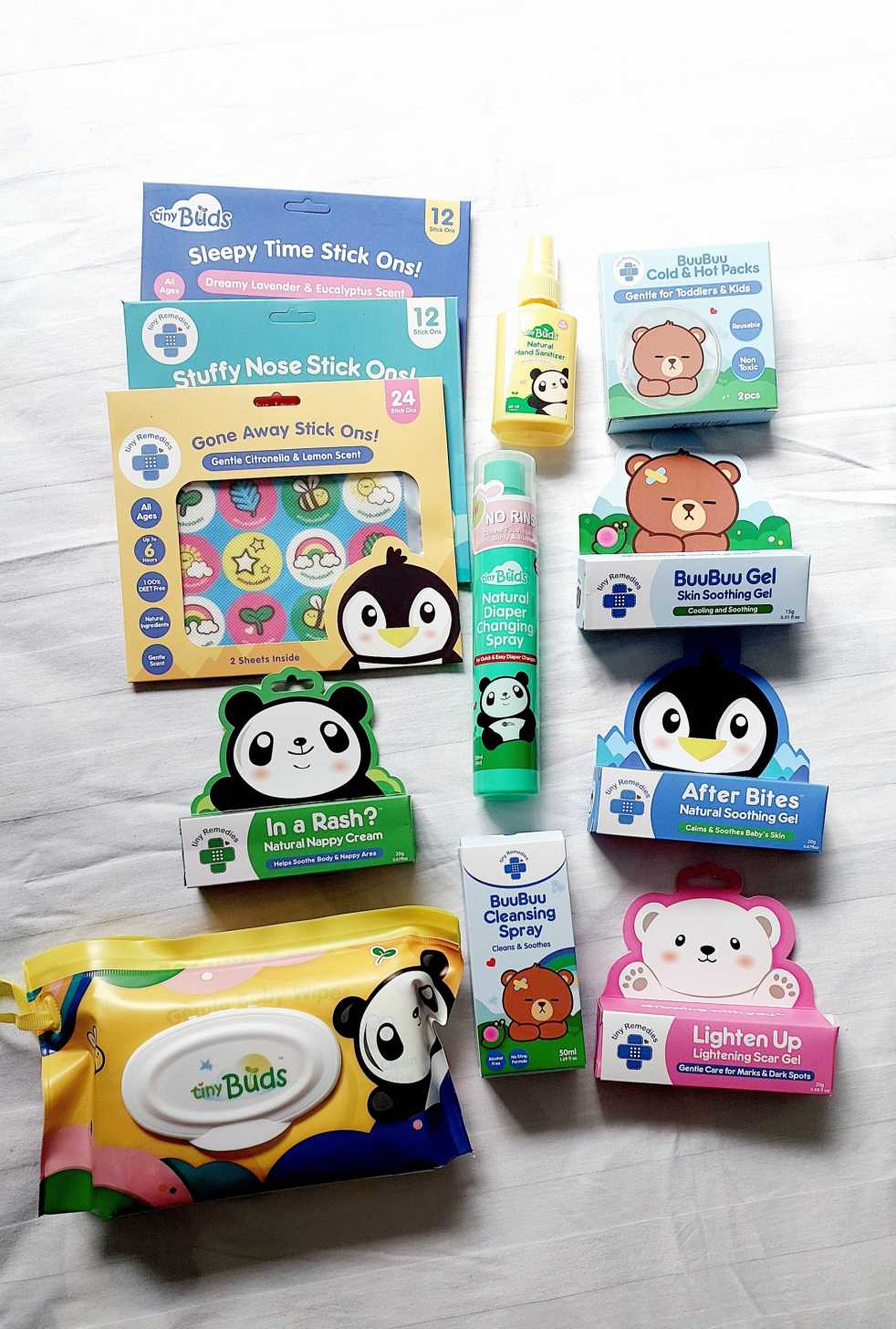
Your baby’s skin is more delicate than most, this is why you have to choose products that are designed for sensitive skin. Tiny Buds is a pioneer in integrating natural ingredients into baby care and today has over 50 innovative natural baby care essentials and is one of the Top Baby Personal Care brands. Here… Continue reading Product Review: Tiny Buds Baby Naturals Baby Essentials
Where your child goes to school is a big decision and shouldn’t be taken lightly. Given how their education can impact their future, you might be tempted to take control and decide for them. However, you might be doing more damage than helping them in the long run. Your job as parents is to support… Continue reading HOW TO CHOOSE THE BEST SCHOOL FOR YOUR CHILD
As poet and philosopher Rumi once eloquently said, “raise your words, not your voice. It is rain that grows flowers, not thunder.” Parenting is a challenging journey, and the truth is that nobody has everything figured out. One parenting style might suit others best, and some might favor other methods. However, children respond better to… Continue reading A SIMPLE GUIDE TO GENTLE PARENTING

Whether you’re a new mom to be, mom of a toddler, mom who have school-aged kids, you’re bound to have so many questions. Let's start with your baby's skin. Infant skin has unique needs; gentle care is essential to prevent damage to the skin barrier, which can lead to irritation. When caring for infant skin,… Continue reading Keeping Baby’s Diapered Skin Healthy
As parents, we want to give our child the best possible start in life and that begins with nurturing their intelligence. Throughout history, the notion of success has been linked to academic intelligence. However, there has been an increased awareness on the importance of emotional intelligence. This question gets at the heart of the never-ending… Continue reading IQ or EQ, which one is a better predictor of your child’s success?
 wondermomma.net