

Last August, IKEA Philippines engaged with Better World Smokey Mountain, a newly opened community center operated by the San Miguel Foundation, which shares a similar goal of improving the lives of many Filipino people. Through this partnership, IKEA Philippines provided and assembled home furnishings for the classrooms and library of Better World Smokey Mountain community… Continue reading Help Create a Better World with IKEA Soft Toys
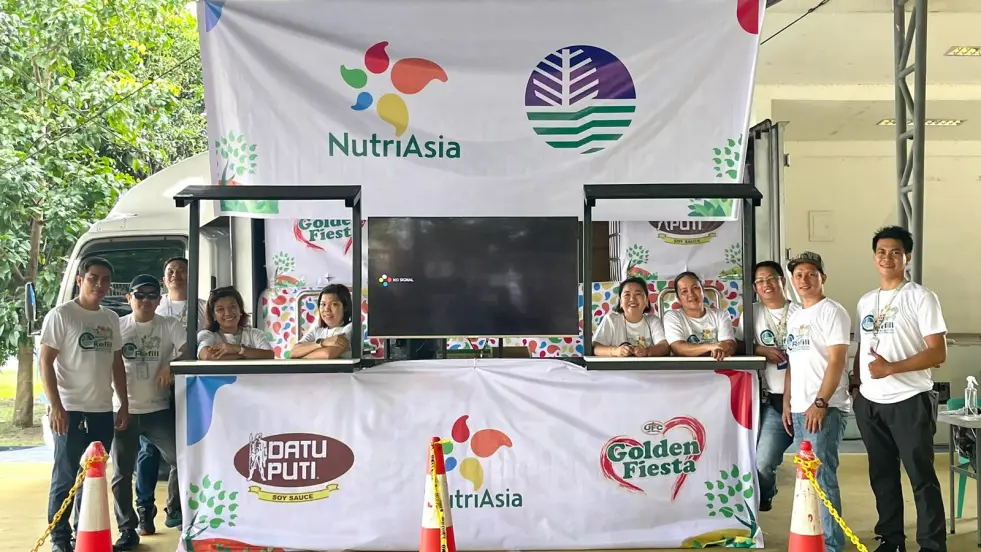
NutriAsia, the country’s top producer of condiments and sauces, continues its support of Refill Revolution; a project by the Department of Environment and Natural Resources EMB 3 that aims to help reduce Filipinos’ single-use plastics consumption. At Refill Revolution, residents get to recycle their single-use plastic bottles by reusing and filling it with their choice… Continue reading NutriAsia and DENR renews partnership for Refill Revolution

Helping Your Toddler Feel Comfortable Wearing a Mask
A toddler who pulls off a face mask, cries when it comes near their face, or refuses to leave the house wearing one is showing a very common developmental response. At this age, children are still learning to tolerate unfamiliar sensations, follow instructions, and manage frustration. A mask can feel hot, tight, scratchy, or frightening, especially when it changes how a parent’s face looks and sounds.
The right response is calm preparation rather than pressure. First check whether your child actually needs to wear a mask, then make the experience as comfortable and predictable as possible. In Australia, advice and requirements can differ between states, territories, childcare services, transport providers, and health settings, so current local guidance matters.
| Situation | Helpful approach | What to avoid |
|---|---|---|
| Child is under two | Do not use a mask; ask a health professional about safer precautions | Covering the face with loose fabric or leaving a child unattended |
| A mask is recommended for an older toddler | Practise briefly at home and use a comfortable, well-fitting child-sized mask | Forcing a mask during a distressed meltdown |
| A childcare service has its own policy | Ask about the exact circumstances and available alternatives | Assuming every centre follows the same rule |
| A medical appointment requires extra precautions | Call ahead and explain your child’s age and sensory needs | Arriving unprepared for a long wait |
| A child has breathing, developmental, or sensory difficulties | Seek individual advice from a GP, paediatrician, or occupational therapist | Treating refusal as deliberate misbehaviour |
Start With Safety And The Actual Requirement
Children under two should not wear face masks because of the risk of suffocation and difficulty removing the mask independently. For older toddlers, a mask may be recommended in particular medical or public health situations, but it is not automatically necessary for every outing. A mask should never restrict breathing, obscure vision, or be used while a child is sleeping, eating, drinking, or playing without close supervision.
Australian mask rules have changed over time and may vary across New South Wales, Victoria, Queensland, Western Australia, South Australia, Tasmania, the Australian Capital Territory, and the Northern Territory. A child travelling on a Sydney or Melbourne train may face different practical expectations from a child attending a Brisbane childcare centre or visiting a Perth clinic. Check the relevant state or territory health department, childcare service, airline, or venue before an outing.
If your toddler has asthma, a chronic respiratory condition, developmental delay, a facial difference, or strong sensory sensitivities, speak with your GP. A doctor can clarify whether face covering is suitable and suggest alternatives, such as keeping distance, choosing quieter times, improving ventilation, or having another adult manage the outing.
Make The Mask Comfortable
Many mask battles begin with discomfort. Choose a soft, breathable, child-sized mask that fits securely without pressing against the eyes or rubbing behind the ears. Adult masks can be too large and may slip, while loose masks can cause a child to touch their face repeatedly. Look for a design that allows clear breathing and does not have dangling cords or decorative pieces that could become unsafe.
Wash reusable masks according to the manufacturer’s directions and keep several clean options available. Some children prefer ear loops, while others tolerate a design that sits more gently around the head. Let your toddler feel the fabric and examine the mask before putting it on. If it smells strongly of detergent, rinse it thoroughly and allow it to dry completely.
Warm Australian weather can make face coverings especially unpleasant. On a hot day in Darwin, Brisbane, or western Sydney, plan errands for a cooler time and spend as little time as possible in crowded indoor areas. A water break before putting on the mask may help, but children should always remove it safely before drinking.
Introduce It Through Play
A toddler is more likely to cooperate when a mask becomes familiar rather than appearing suddenly at the front door. Let your child put a mask on a teddy bear, doll, or parent first. Pretend to visit a doctor, catch a bus, or go shopping while the toy wears a mask. Simple play helps your child understand that the object is temporary and does not mean something frightening is about to happen.
Use plain, reassuring language. You might say, “This covers your nose and mouth,” or, “We will wear it while we are inside the clinic, then we will take it off outside.” Avoid telling your child that the mask will stop them from making others sick if this creates guilt or fear. Keep explanations concrete and suited to their age.
Practise when everyone is relaxed, not during a rushed school or childcare run. Start by touching the mask to the cheeks, then holding it near the face, and finally wearing it for a few seconds. Praise cooperation without making the exercise feel like a test: “You kept it on while we counted to five.” A sticker, cuddle, song, or favourite book can mark the end of practice.
Offer Small Choices And Short Practice
Toddlers often resist because they have very little control over daily routines. Offering limited choices can reduce the struggle without turning mask wearing into a negotiation. Ask, “Would you like the blue mask or the green one?” or, “Shall we put it on before shoes or after shoes?” Both choices lead to the same practical outcome.
Keep early practice periods brief. A child might wear the mask while walking from the lounge room to the kitchen, then gradually manage a short trip to the letterbox or local shop. Increase the time slowly and stop before your child becomes overwhelmed. Forcing a mask through prolonged crying can make future attempts more difficult.
Use a visual timer or a simple sequence such as, “Mask on, visit the nurse, mask off, snack.” Toddlers understand routines better when the steps stay consistent. If your child removes the mask, respond neutrally and try once more when calm. Repeatedly replacing it while scolding can turn the mask into the centre of a power struggle.
Prepare For Childcare And Public Outings
Before sending a toddler to childcare, speak with the centre director or educator about its current policy. Ask whether masks are required for children, when they may be removed, how staff support sensory needs, and what happens if a child cannot tolerate one. Policies can differ between a family daycare home, a long-day-care centre, and a preschool program.
Pack spare masks in a clean, labelled bag and include a familiar comfort item if the service allows it. Tell educators which words help your child and whether they have succeeded with a particular style at home. Consistency between home and childcare can make the routine easier, although educators should never shame or frighten a child into compliance.
For public transport, airports, shopping centres, or a GP visit, choose quieter periods where possible. A short trip to a local park may be a better first outing than a crowded Saturday visit to a major shopping centre in Melbourne or Sydney. Keep the journey simple, allow extra time, and have a backup plan if your toddler becomes distressed.
Respond Calmly To Refusal
Refusal is communication. Your toddler may be saying that the mask feels painful, that they are tired, that they cannot breathe comfortably, or that the environment is already too overwhelming. Check the fit, temperature, hunger, fatigue, and noise level before assuming your child is being difficult.
If your child becomes upset, move to a quieter place and use a calm voice. Acknowledge the feeling: “You do not like how this feels.” Then state the limit clearly if the mask is required for a specific setting: “We need to follow the clinic’s safety rule, or we will wait outside.” Do not threaten, shame, or compare your child with other children.
Sometimes the safest decision is to postpone the outing, ask another adult to attend, or contact the service for an alternative arrangement. If mask refusal remains intense after gentle practice, or if your child shows panic, gagging, breathlessness, or extreme sensory distress, seek professional advice. A GP, paediatrician, speech pathologist, or occupational therapist can help identify the cause and create a realistic plan.
A mask should be one small part of a broader safety routine that includes hand washing, staying home when unwell, fresh air, vaccination advice from a healthcare professional, and sensible physical distance when appropriate. With patient practice and respectful limits, many toddlers gradually accept face coverings for the short periods when they are genuinely needed.

Mercato Centrale, in collaboration with Indian Women in Enterprise Philippines (I-We), is set to host "The Great Indian Fiesta" to mark 75 years of friendship between India and the Philippines. The dynamic two-day event is scheduled to take place on September 30 to October 1, 2023, at Paseo De Roxas Street, Makati City. Aiming to… Continue reading Mercato Centrale Partners with I-We to Host ‘The Great Indian Fiesta’, Commemorating 75 Years of India-Philippines Friendship

My stomach would usually start growling at 10 am even after taking a big breakfast. This is probably because I am a morning person and I move a lot throughout the day hence snacking is something that I can't avoid. This potatoes and chicken wrap recipe is easy to prepare and would keep me full… Continue reading Potato and Chicken Wrap
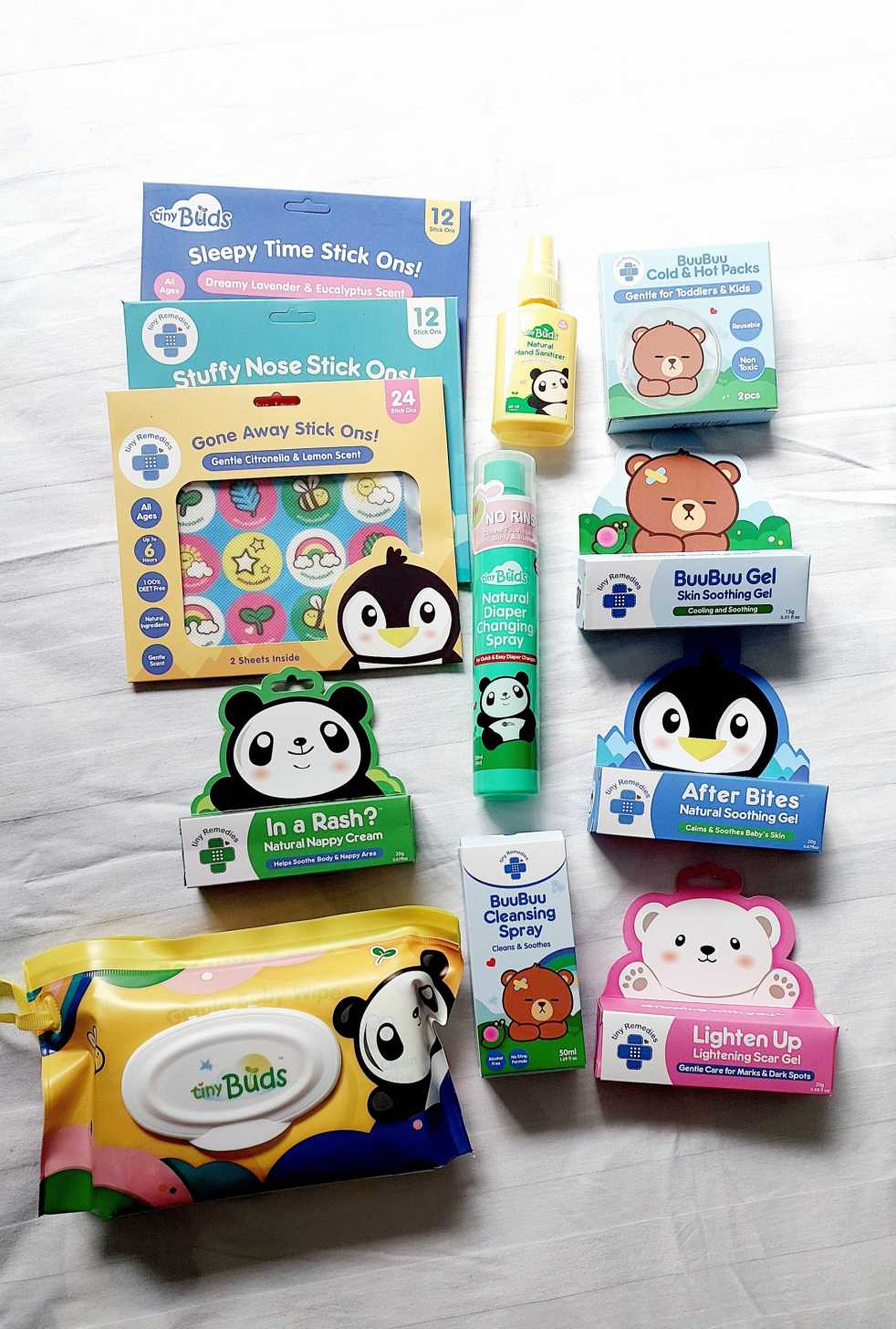
Your baby’s skin is more delicate than most, this is why you have to choose products that are designed for sensitive skin. Tiny Buds is a pioneer in integrating natural ingredients into baby care and today has over 50 innovative natural baby care essentials and is one of the Top Baby Personal Care brands. Here… Continue reading Product Review: Tiny Buds Baby Naturals Baby Essentials
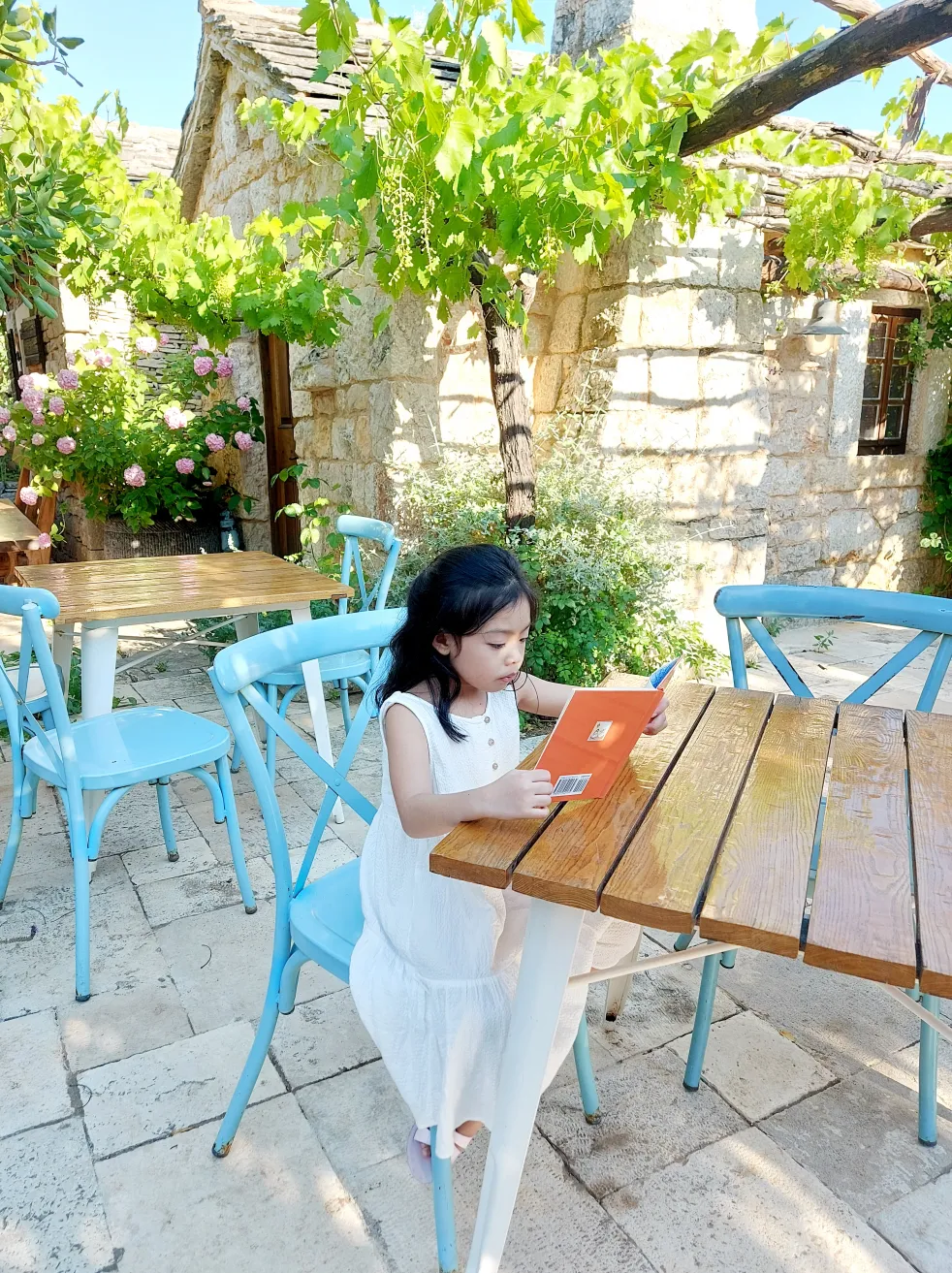
Where your child goes to school is a big decision and shouldn’t be taken lightly. Given how their education can impact their future, you might be tempted to take control and decide for them. However, you might be doing more damage than helping them in the long run. Your job as parents is to support… Continue reading HOW TO CHOOSE THE BEST SCHOOL FOR YOUR CHILD
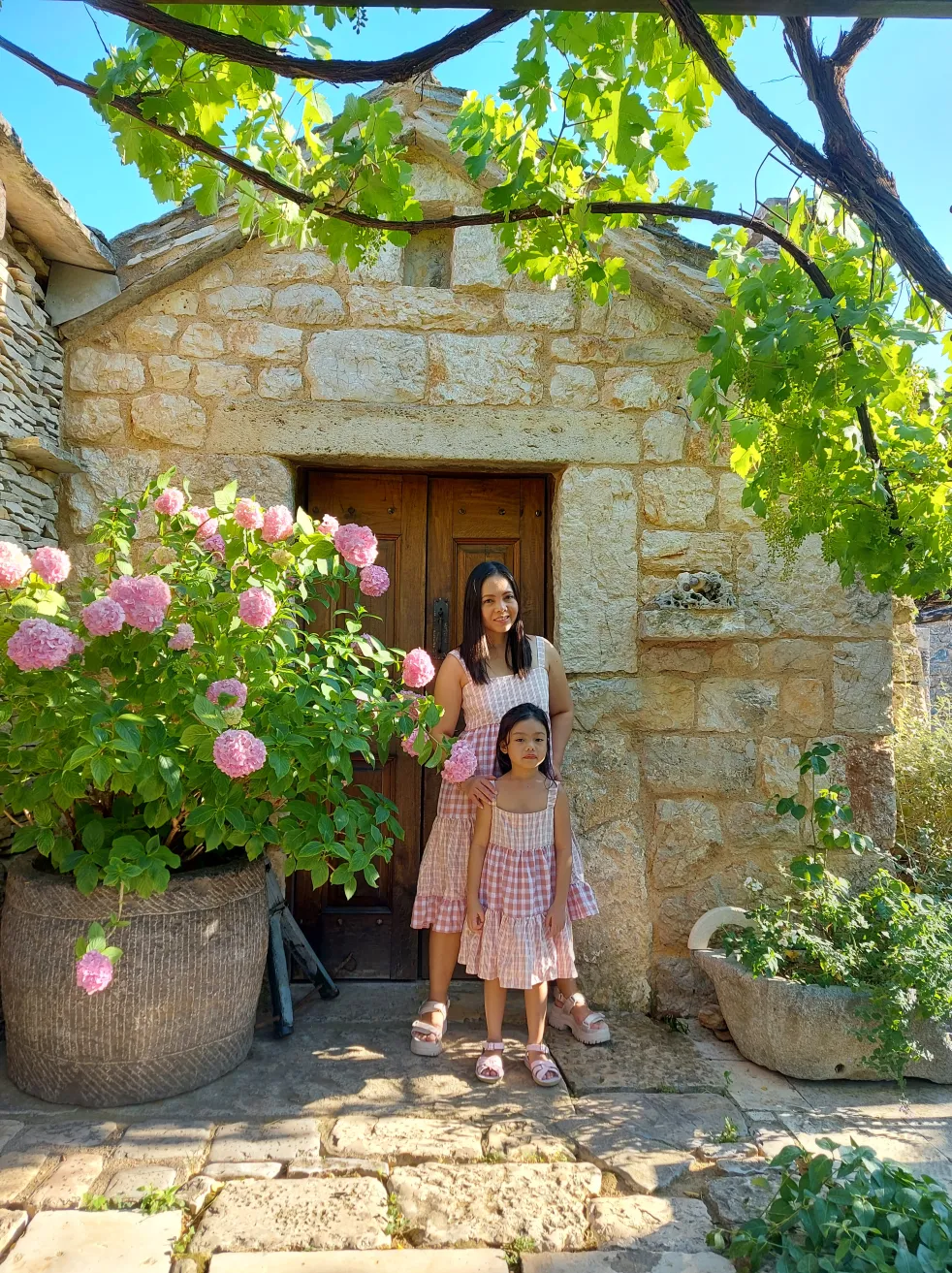
As poet and philosopher Rumi once eloquently said, “raise your words, not your voice. It is rain that grows flowers, not thunder.” Parenting is a challenging journey, and the truth is that nobody has everything figured out. One parenting style might suit others best, and some might favor other methods. However, children respond better to… Continue reading A SIMPLE GUIDE TO GENTLE PARENTING
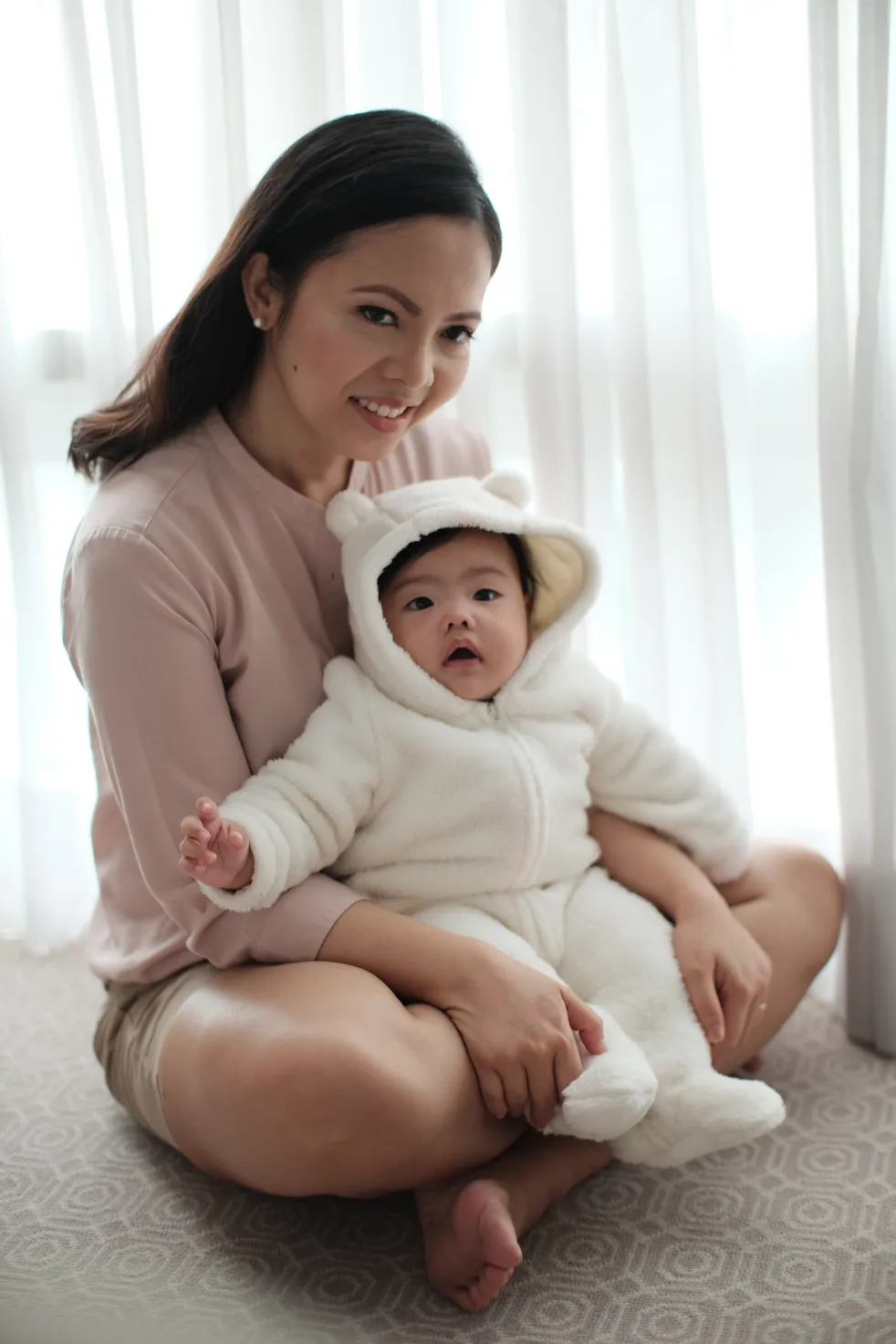
Whether you’re a new mom to be, mom of a toddler, mom who have school-aged kids, you’re bound to have so many questions. Let's start with your baby's skin. Infant skin has unique needs; gentle care is essential to prevent damage to the skin barrier, which can lead to irritation. When caring for infant skin,… Continue reading Keeping Baby’s Diapered Skin Healthy
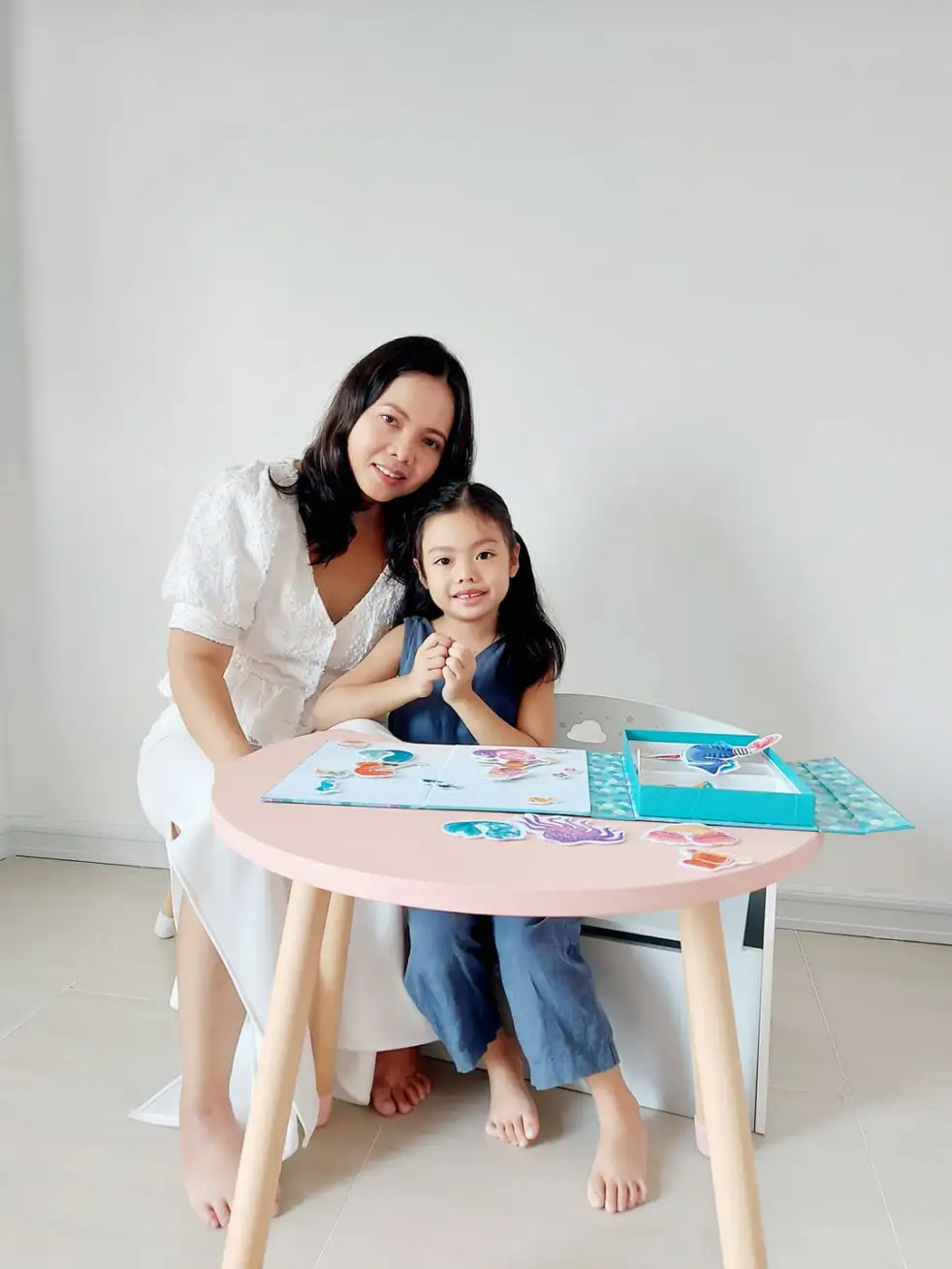
As parents, we want to give our child the best possible start in life and that begins with nurturing their intelligence. Throughout history, the notion of success has been linked to academic intelligence. However, there has been an increased awareness on the importance of emotional intelligence. This question gets at the heart of the never-ending… Continue reading IQ or EQ, which one is a better predictor of your child’s success?
 wondermomma.net