
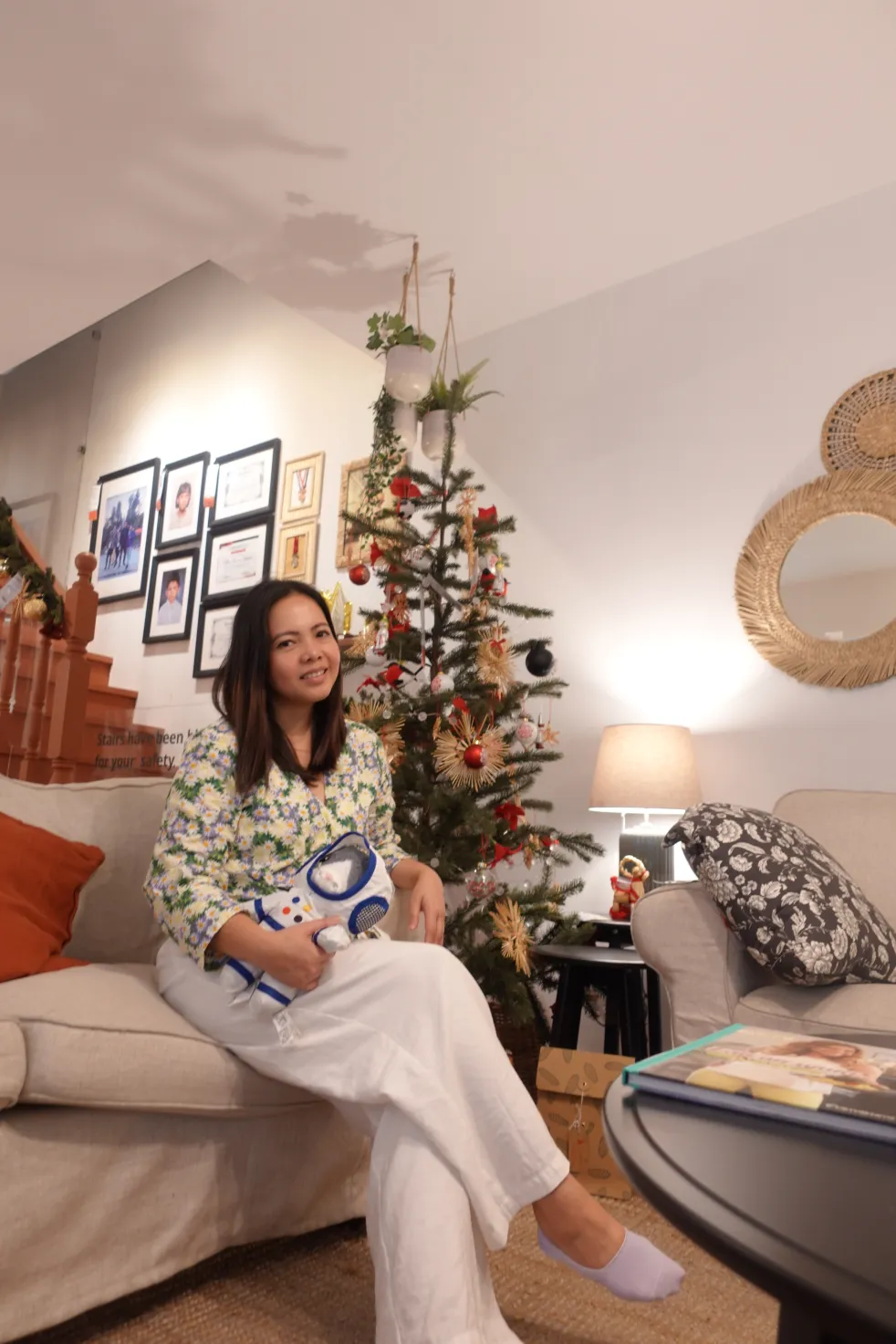
Last August, IKEA Philippines engaged with Better World Smokey Mountain, a newly opened community center operated by the San Miguel Foundation, which shares a similar goal of improving the lives of many Filipino people. Through this partnership, IKEA Philippines provided and assembled home furnishings for the classrooms and library of Better World Smokey Mountain community… Continue reading Help Create a Better World with IKEA Soft Toys
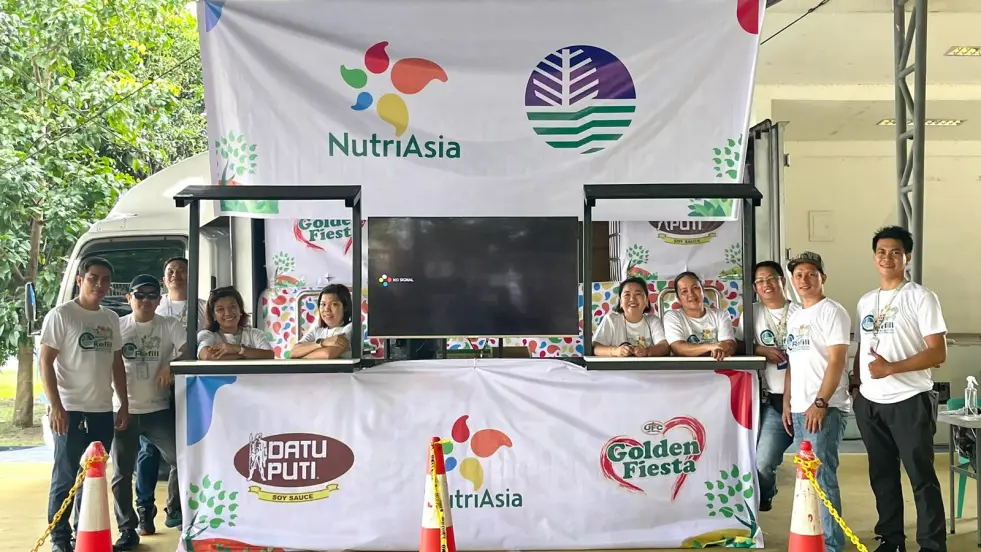
NutriAsia, the country’s top producer of condiments and sauces, continues its support of Refill Revolution; a project by the Department of Environment and Natural Resources EMB 3 that aims to help reduce Filipinos’ single-use plastics consumption. At Refill Revolution, residents get to recycle their single-use plastic bottles by reusing and filling it with their choice… Continue reading NutriAsia and DENR renews partnership for Refill Revolution
Helping Your Child Feel Comfortable Wearing Shoes And Socks
A child refusing shoes or socks can turn an ordinary morning into a standoff. They may cry, pull the items off, hide their feet, or insist that bare feet are the only comfortable option. While this behaviour can be frustrating, it often communicates a genuine concern rather than simple disobedience.
Some children dislike the feeling of seams, tight elastic, stiff soles, or sand trapped inside their footwear. Others are overwhelmed by the transition from barefoot play to getting dressed. A child who is tired, hungry, rushed, or preparing for childcare may have less capacity to cope with an uncomfortable sensation.
In Australia, footwear is part of many everyday routines: preschool drop-offs, school uniforms, visits to the local playground, swimming lessons, and family trips to the beach. Bare feet may feel perfectly acceptable at home, but shoes are essential for hot paths, sharp objects, public facilities, and many early learning or school settings.
The most helpful response combines empathy with a clear safety boundary. You can respect your child’s sensory experience while still making sure they wear suitable footwear when required. A calm routine, a better fit, and gradual practice often work more effectively than threats or repeated commands.
| What your child may be experiencing | Helpful response | When extra support may help |
|---|---|---|
| Socks feel scratchy or seams rub | Try seamless, inside-out, or soft cotton socks | Distress occurs with many clothing textures |
| Shoes feel tight, heavy, or stiff | Check sizing and choose flexible, lightweight footwear | Walking, balance, or pain concerns continue |
| The transition feels sudden | Use a visual routine and give advance notice | Daily dressing causes intense meltdowns |
| Feet feel hot or sweaty | Choose breathable materials and allow cooling breaks | Skin irritation, rashes, or persistent sweating |
| Fear or uncertainty about new shoes | Introduce them through short, playful practice | Anxiety remains strong after repeated gentle exposure |
Work Out What Is Bothering Their Feet
Start by observing rather than assuming. Ask your child to show you where the problem is: the toe area, heel, ankle, sole, or sock seam. Younger children may not have the words to describe pressure, so watch for clues such as pulling at the shoe, walking on tiptoes, refusing to stand, or becoming upset as soon as the footwear appears.
Check the fit carefully. Children’s feet grow quickly, and a shoe that fitted last season may now press against the toes. There should be room for the toes to move, with a secure heel that does not slip. Look inside for rough stitching, folded insoles, grit, or a hard label. A shoe can be the correct length and still feel uncomfortable because it is too narrow or rigid.
Socks can create trouble even when the shoes are suitable. Try seamless socks, smooth bamboo or cotton blends, or socks with a flatter toe construction. Some children prefer socks worn inside out if the seam is the irritant. Wash new socks before use to soften the fabric, and remove tags carefully without leaving a sharp edge.
Offer Choice Without Removing The Boundary
Young children often resist footwear because getting dressed represents a loss of control. Offering two acceptable options can give them a sense of ownership: “Would you like the blue sneakers or the green sandals?” Keep both choices suitable for the activity and weather. Avoid offering bare feet as a choice when shoes are needed for safety.
Use simple, steady language. “Your feet need protection outside. You can choose the sandals or the sneakers.” This recognises the rule without turning the moment into a debate. If your child says, “I hate socks,” you might reply, “They feel uncomfortable today. Let’s find a pair that feels smoother.”
Allow extra time wherever possible. A rushed departure for school in Brisbane or Melbourne can make a small sensory issue feel enormous. Put shoes and socks near the door the night before, build footwear into the visual morning routine, and give a five-minute warning before leaving. Predictability reduces the pressure of a sudden demand.
Practise When There Is No Rush
Footwear practice is usually easier when your child is calm and engaged in play. Let them explore the shoes at home, place them on a teddy bear, decorate a cardboard “shoe shop,” or practise fastening straps. Begin with a few seconds of wearing the item, then remove it before distress builds. Increase the time gradually over several days.
Choose a familiar setting first. Your child might wear socks while reading on the couch, then shoes while walking from the lounge room to the kitchen. Later, try a short walk to the letterbox or a few minutes at the local park. The goal is to build positive experiences rather than force endurance in one session.
Praise specific efforts instead of demanding enthusiasm. “You kept your shoes on while we walked to the gate,” is more useful than “You were good.” If the footwear becomes painful or your child is becoming overwhelmed, stop and investigate. Pushing through severe distress can make the next attempt harder.
A small routine can help: socks, shoes, check the straps, then a preferred activity. Some children respond well to a timer, song, or picture card. Others prefer quiet and minimal attention. Follow the approach that keeps the experience predictable and emotionally safe.
Choose Footwear For Australian Conditions
The right footwear depends on the activity, surface, and climate. In hot parts of Queensland, the Northern Territory, and Western Australia, breathable shoes can reduce sweaty feet and irritation. In cooler regions, warm socks may be necessary, but bulky layers can make shoes feel tight. Check your child’s feet after outdoor play for red marks, dampness, blisters, or swelling.
Sandals may be useful in warm weather, but they need secure straps and enough protection for the activity. Thongs are convenient around a pool or at the beach, yet they are not suitable for running, climbing, long walks, or playground equipment. Closed shoes with flexible soles are generally more practical for school, sport, and active childcare days.
Beach sand can be a major trigger because it collects between toes and under insoles. Pack a spare pair of socks, a small towel, and a brush or cloth for removing grit. At a public pool, children may need thongs or pool shoes on hot concrete, while supervised barefoot time on a safe surface can help them cool down.
Australian retailers offer a wide range of children’s shoes, from school-approved black styles to flexible sneakers and sensory-friendly socks. Look beyond branding and check the actual construction. A higher price does not guarantee comfort, and a discount pair can be perfectly suitable if it fits well, bends at the front, and has no irritating features.
Support Sensory Needs And Seek Advice When Needed
Some children have a broader sensory sensitivity that affects clothing, hair brushing, toothbrushing, food textures, or loud environments. Shoe refusal may be one visible part of a pattern. This does not automatically indicate a developmental condition, but it is worth recording what happens, when it happens, and which textures or situations are hardest.
Speak with your child’s GP, child and family health nurse, or an occupational therapist if footwear causes intense distress, prevents attendance at school or childcare, or affects walking and participation. An occupational therapist can assess sensory processing, movement, coordination, and practical strategies for dressing. In Australia, your GP can explain referral pathways and whether a Medicare-supported plan may apply.
Get medical advice sooner if your child reports ongoing foot pain, numbness, itching, burning, or pain in only one foot. Persistent blisters, cracked skin, swelling, unusual odour, or changes in walking also deserve attention. A podiatrist may help when there are concerns about gait, orthotics, flat feet, or recurring pressure points.
Practical Ways To Make Mornings Easier
- Keep several comfortable sock styles available and let your child identify the least irritating pair.
- Measure both feet regularly, especially before buying school shoes or seasonal footwear.
- Use a picture chart showing dressing steps in the same order each morning.
- Practise wearing shoes briefly at home before expecting a full childcare, school, or shopping trip.
- Pack spare socks and footwear for wet weather, beach visits, and long days outdoors.
- Check shoes after use for grit, dampness, rough seams, and red pressure marks.
- Keep your language calm, acknowledge discomfort, and hold the safety boundary consistently.
When a child refuses to wear shoes or socks, the aim is to understand the barrier and make the task manageable. Comfort, choice, repetition, and realistic expectations can turn footwear from a daily conflict into a familiar part of getting ready. With the right fit and support, many children gradually become more willing to wear what their feet need.

Mercato Centrale, in collaboration with Indian Women in Enterprise Philippines (I-We), is set to host "The Great Indian Fiesta" to mark 75 years of friendship between India and the Philippines. The dynamic two-day event is scheduled to take place on September 30 to October 1, 2023, at Paseo De Roxas Street, Makati City. Aiming to… Continue reading Mercato Centrale Partners with I-We to Host ‘The Great Indian Fiesta’, Commemorating 75 Years of India-Philippines Friendship

My stomach would usually start growling at 10 am even after taking a big breakfast. This is probably because I am a morning person and I move a lot throughout the day hence snacking is something that I can't avoid. This potatoes and chicken wrap recipe is easy to prepare and would keep me full… Continue reading Potato and Chicken Wrap
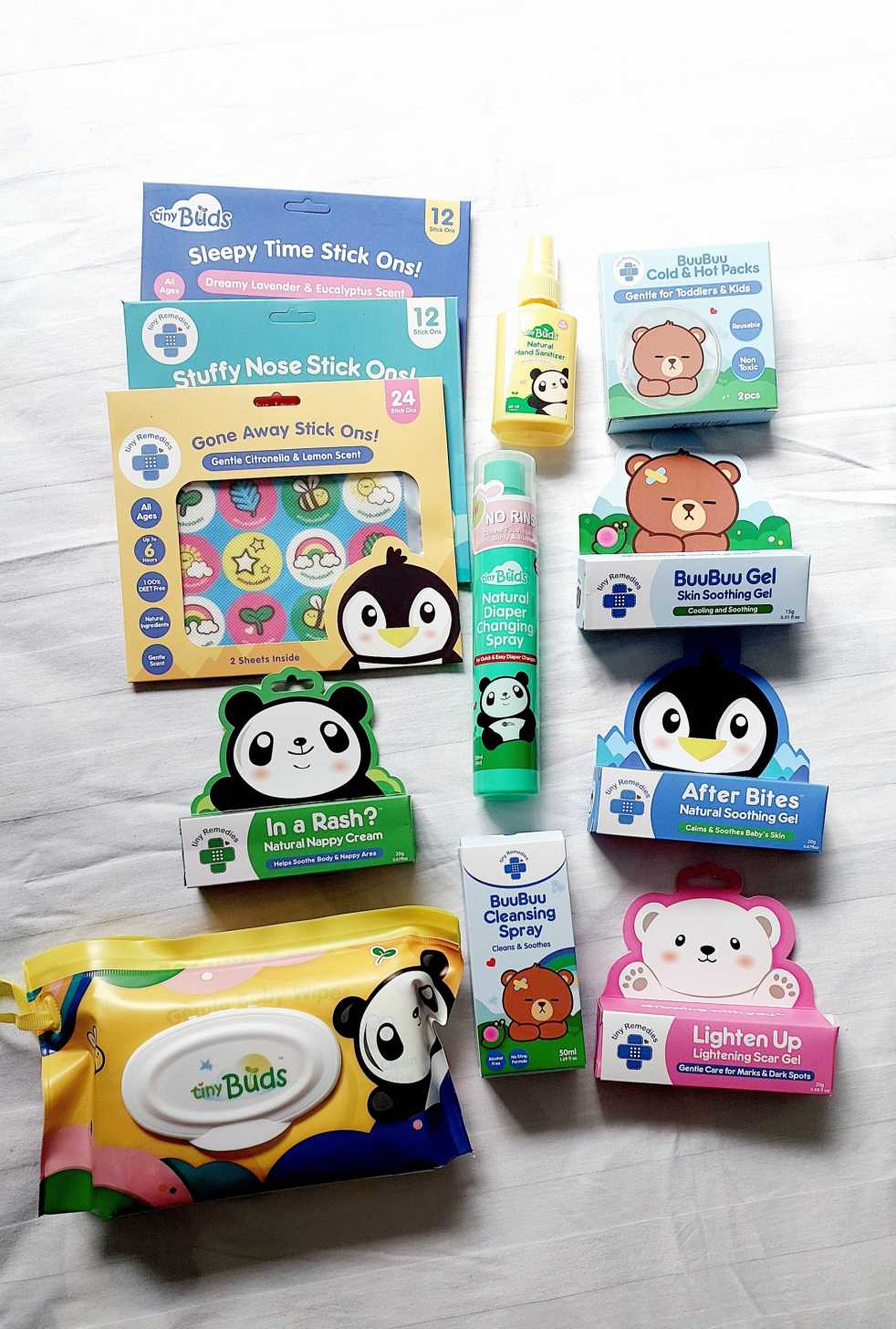
Your baby’s skin is more delicate than most, this is why you have to choose products that are designed for sensitive skin. Tiny Buds is a pioneer in integrating natural ingredients into baby care and today has over 50 innovative natural baby care essentials and is one of the Top Baby Personal Care brands. Here… Continue reading Product Review: Tiny Buds Baby Naturals Baby Essentials
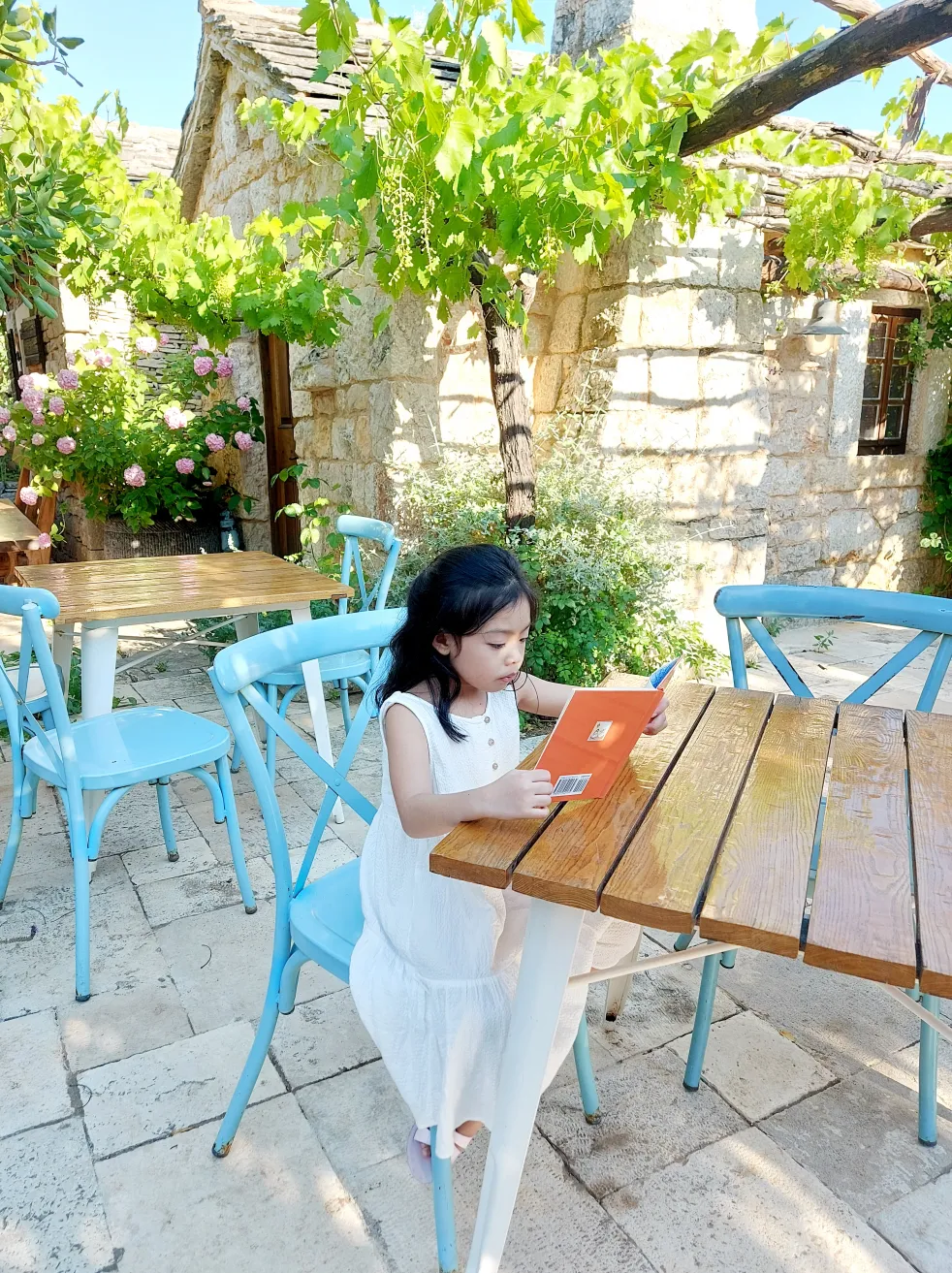
Where your child goes to school is a big decision and shouldn’t be taken lightly. Given how their education can impact their future, you might be tempted to take control and decide for them. However, you might be doing more damage than helping them in the long run. Your job as parents is to support… Continue reading HOW TO CHOOSE THE BEST SCHOOL FOR YOUR CHILD
As poet and philosopher Rumi once eloquently said, “raise your words, not your voice. It is rain that grows flowers, not thunder.” Parenting is a challenging journey, and the truth is that nobody has everything figured out. One parenting style might suit others best, and some might favor other methods. However, children respond better to… Continue reading A SIMPLE GUIDE TO GENTLE PARENTING
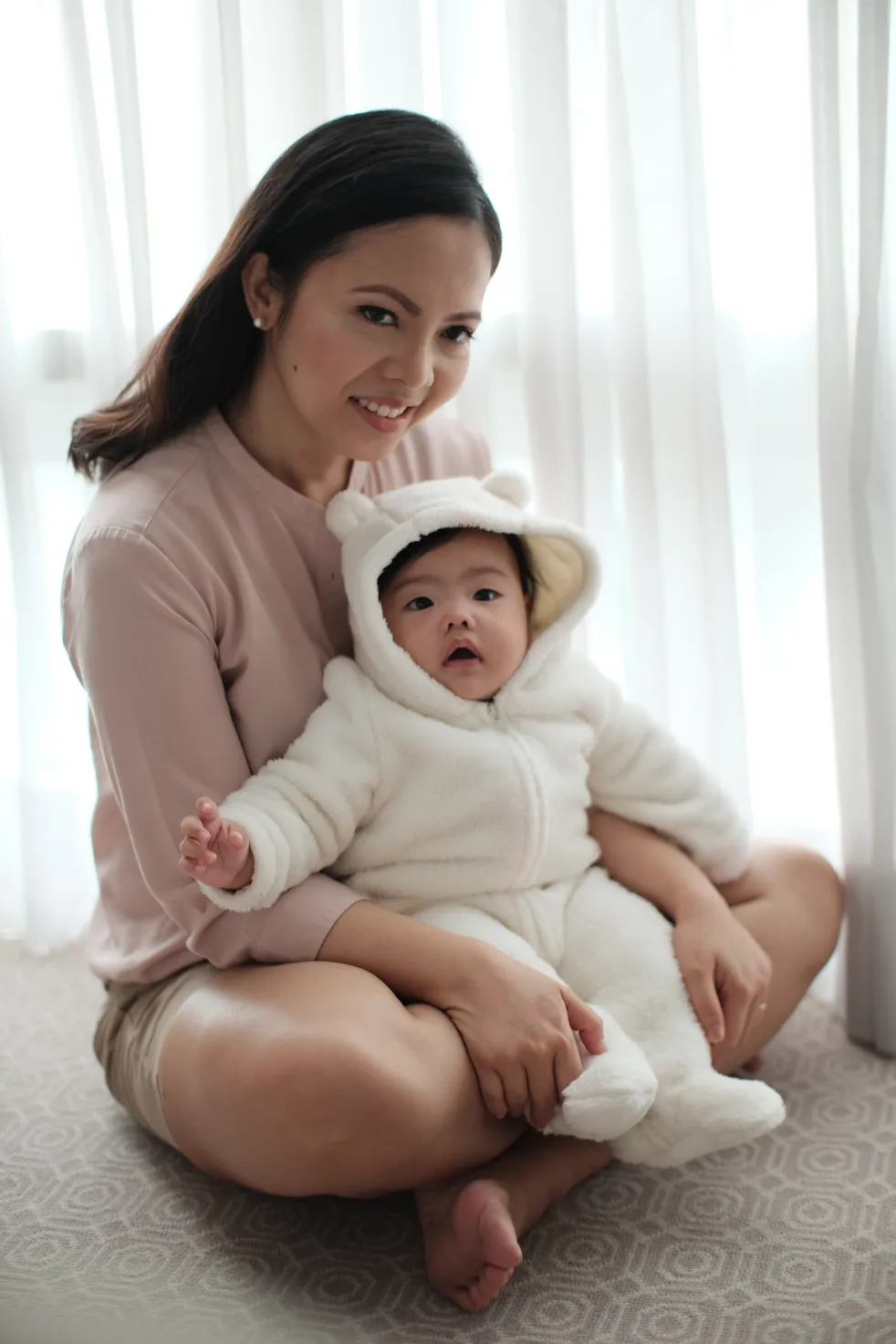
Whether you’re a new mom to be, mom of a toddler, mom who have school-aged kids, you’re bound to have so many questions. Let's start with your baby's skin. Infant skin has unique needs; gentle care is essential to prevent damage to the skin barrier, which can lead to irritation. When caring for infant skin,… Continue reading Keeping Baby’s Diapered Skin Healthy
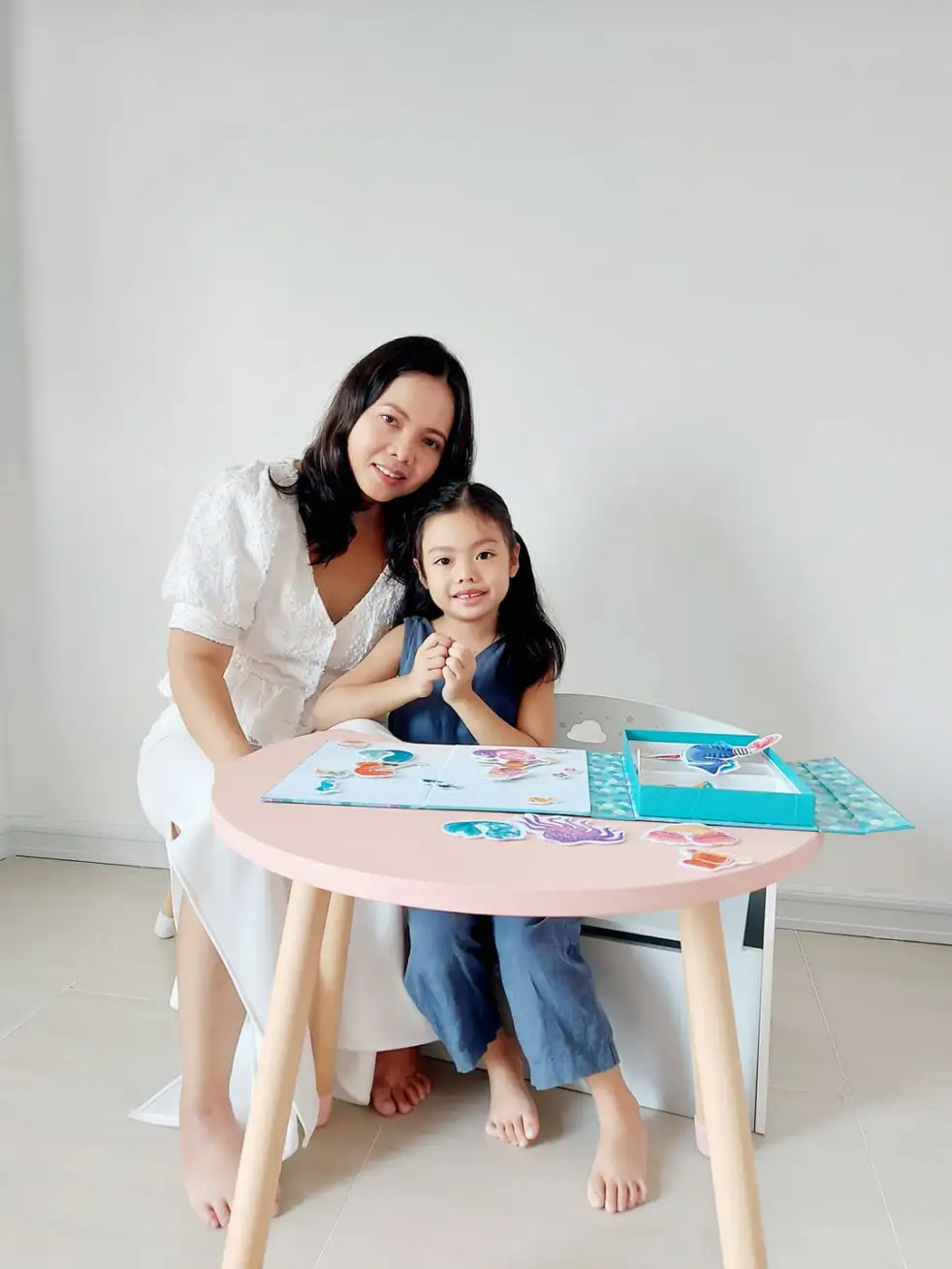
As parents, we want to give our child the best possible start in life and that begins with nurturing their intelligence. Throughout history, the notion of success has been linked to academic intelligence. However, there has been an increased awareness on the importance of emotional intelligence. This question gets at the heart of the never-ending… Continue reading IQ or EQ, which one is a better predictor of your child’s success?
 wondermomma.net