

Last August, IKEA Philippines engaged with Better World Smokey Mountain, a newly opened community center operated by the San Miguel Foundation, which shares a similar goal of improving the lives of many Filipino people. Through this partnership, IKEA Philippines provided and assembled home furnishings for the classrooms and library of Better World Smokey Mountain community… Continue reading Help Create a Better World with IKEA Soft Toys

NutriAsia, the country’s top producer of condiments and sauces, continues its support of Refill Revolution; a project by the Department of Environment and Natural Resources EMB 3 that aims to help reduce Filipinos’ single-use plastics consumption. At Refill Revolution, residents get to recycle their single-use plastic bottles by reusing and filling it with their choice… Continue reading NutriAsia and DENR renews partnership for Refill Revolution

What to Do When Your Child Has a Fever: A Parent’s Guide
A fever can be unsettling, especially when your child feels hot, tired, or unusually quiet. In most cases, it is the body’s natural response to an infection and a sign that the immune system is working. The number on the thermometer matters, but your child’s age, behavior, breathing, hydration, and other symptoms matter just as much.
Fever itself is not an illness. Colds, flu, sore throats, ear infections, stomach viruses, urinary infections, and other conditions can all cause a raised temperature. Some children may also develop a short fever after vaccination. Your goal is to keep your child comfortable, watch for warning signs, and seek medical care when needed.
This guide offers general information for parents in the Philippines. It cannot replace advice from your child’s pediatrician, particularly when a baby is very young, symptoms are severe, or you are worried that something is wrong.
Check The Temperature Carefully
A fever is generally a temperature of 38°C or higher, although the most reliable reading can depend on the child’s age and the thermometer used. Digital thermometers are practical for home use. Follow the manufacturer’s instructions, and clean the tip before and after use.
For babies and young children, an armpit reading is commonly used, although it may be less precise than other methods. Oral temperatures are suitable only for children who can safely hold the thermometer under the tongue. Rectal temperatures are often the most accurate for infants, but parents should ask a healthcare professional to demonstrate the correct technique if they are unsure.
Avoid relying on touch alone. A child may feel warm after active play, crying, or being wrapped in too many clothes without having a true fever. Wait a few minutes after removing extra layers, then take the temperature again. Record the reading, time, thermometer location, and any medicine given so you can provide useful information to a doctor.
Focus On How Your Child Looks And Acts
A child with a mild viral infection may still drink fluids, respond to you, and have periods of normal play between naps. These are generally reassuring signs. Sleepiness is common during a fever, but your child should be possible to wake and should respond in a familiar way.
Pay attention to fluid intake and urination. Offer breast milk, formula, water when age-appropriate, or an oral rehydration solution recommended by a healthcare professional. Small, frequent sips may be easier than a full cup. Signs of dehydration include a dry mouth, no tears when crying, sunken eyes, very dark urine, or noticeably fewer wet diapers.
Do not force food if your child has little appetite for a day or two. Fluids are more important in the short term. Offer simple foods when your child feels ready, and continue breastfeeding if applicable.
Keep Your Child Comfortable
Dress your child in light, breathable clothing and use a comfortable room temperature. Heavy blankets can trap heat and make your child feel worse. Rest is helpful, but there is no need to keep a comfortable, alert child in bed all day.
You may give fever-reducing medicine when your child is uncomfortable, in pain, or unable to rest—not simply to make the thermometer show a normal number. Paracetamol is commonly used in children, but the correct dose depends on body weight and the product concentration. Use the measuring syringe or cup supplied with the medicine, and check the label carefully.
Ibuprofen may be suitable for some children older than six months, but it should be avoided or discussed with a clinician if the child is dehydrated, vomiting repeatedly, has kidney disease, or has certain medical conditions. Never give aspirin to a child or teenager unless specifically prescribed. Do not alternate paracetamol and ibuprofen without professional guidance, since this can lead to dosing errors.
| Situation | What Parents Can Do | When To Seek Medical Advice |
|---|---|---|
| Mild fever and child is alert | Offer fluids, light clothing, rest, and regular observation | Call if the fever persists, returns repeatedly, or other symptoms develop |
| Fever with cough, runny nose, or sore throat | Encourage fluids and monitor breathing, energy, and urine output | Seek care for fast or difficult breathing, chest pulling in, or worsening symptoms |
| Fever with vomiting or diarrhea | Give small, frequent sips of fluid or suitable oral rehydration solution | Get help for signs of dehydration, blood in stool, severe belly pain, or inability to keep fluids down |
| Baby younger than three months with 38°C or higher | Keep the baby lightly dressed and contact a healthcare professional urgently | Immediate medical assessment is needed, even if the baby appears fairly well |
| Fever with rash, stiff neck, seizure, or unusual behavior | Do not wait for the fever to fall before seeking help | Go to an emergency department or call local emergency services |
Know The Warning Signs
Get urgent medical help if your child has trouble breathing, blue or gray lips, a seizure, a stiff neck, severe headache, confusion, extreme weakness, or cannot be awakened normally. A rash that does not fade when pressed, especially with a child who appears very ill, also needs prompt assessment.
For babies younger than three months, a temperature of 38°C or higher requires urgent medical advice. Young infants can become seriously ill quickly and may not show obvious symptoms. Do not give fever medicine to a baby in this age group unless a healthcare professional tells you to do so.
Contact your pediatrician if fever lasts longer than expected, repeatedly rises after seeming to improve, or is accompanied by persistent pain, ear pulling, painful urination, a worsening cough, or poor feeding. Children with weakened immune systems, serious chronic conditions, or recent surgery may need earlier medical attention.
Handle Fever-Related Seizures Safely
Some children between about six months and five years experience a febrile seizure when their temperature rises. It can look frightening, but most febrile seizures are brief and do not cause lasting harm. Fever medicine may improve comfort, but it does not reliably prevent these seizures.
During a seizure, place your child on a safe surface on their side, remove nearby hard objects, and loosen tight clothing. Do not put food, medicine, water, or your fingers in their mouth. Do not try to hold the child still or place them in a cold bath. Note how long the seizure lasts.
Call emergency services if the seizure lasts longer than five minutes, affects only one side of the body, happens more than once in 24 hours, causes breathing difficulty, or your child does not recover normally afterward. A first seizure should be discussed with a healthcare professional even if it stops quickly.
Avoid Common Fever Myths
Cold baths, ice packs, and rubbing alcohol can cause shivering, skin irritation, or harmful exposure. Use lukewarm water only if your child wants a quick bath and is comfortable; never force bathing as a way to reduce the temperature. Shivering can make the body produce more heat and make the experience distressing.
Teething may cause mild fussiness or a slightly warm feeling, but it should not explain a high fever. If a teething child has a temperature of 38°C or higher, look for another cause and monitor carefully. Similarly, sweating after medicine does not prove that an infection has been cured.
Antibiotics do not treat viral colds or flu and should never be shared, saved from a previous illness, or purchased for self-treatment. A doctor may prescribe them when a bacterial infection is diagnosed. Follow the exact instructions and complete the prescribed course unless the clinician changes the plan.
Reduce Spread At Home
Encourage regular handwashing with soap and clean running water, especially after wiping noses, using the toilet, changing diapers, or preparing food. Do not share cups, utensils, towels, or toothbrushes while someone is sick. Clean frequently touched surfaces and improve airflow when practical.
Keep a feverish child home from school, daycare, or group activities until they are feeling well and have been fever-free for the period required by the school or childcare provider. In many settings, this means being without fever for at least 24 hours without fever-reducing medicine, but local policies may differ.
Practical fever-care reminders:
- Keep a digital thermometer, children’s paracetamol, and a weight-based dosing record at home.
- Check your child regularly, including breathing, alertness, fluid intake, and urination.
- Write down temperatures, symptoms, and medicine times before calling the pediatrician.
- Avoid aspirin, alcohol rubs, ice baths, leftover antibiotics, and unmeasured spoonfuls of medicine.
- Trust your instincts if your child seems much sicker than the temperature suggests.
A fever often settles as the underlying infection improves, but careful observation helps you recognize when the situation is changing. Save this guide with your family health information, contact your child’s pediatrician for advice suited to their age and medical history, and go to the nearest emergency department when a serious warning sign appears.

Mercato Centrale, in collaboration with Indian Women in Enterprise Philippines (I-We), is set to host "The Great Indian Fiesta" to mark 75 years of friendship between India and the Philippines. The dynamic two-day event is scheduled to take place on September 30 to October 1, 2023, at Paseo De Roxas Street, Makati City. Aiming to… Continue reading Mercato Centrale Partners with I-We to Host ‘The Great Indian Fiesta’, Commemorating 75 Years of India-Philippines Friendship

My stomach would usually start growling at 10 am even after taking a big breakfast. This is probably because I am a morning person and I move a lot throughout the day hence snacking is something that I can't avoid. This potatoes and chicken wrap recipe is easy to prepare and would keep me full… Continue reading Potato and Chicken Wrap
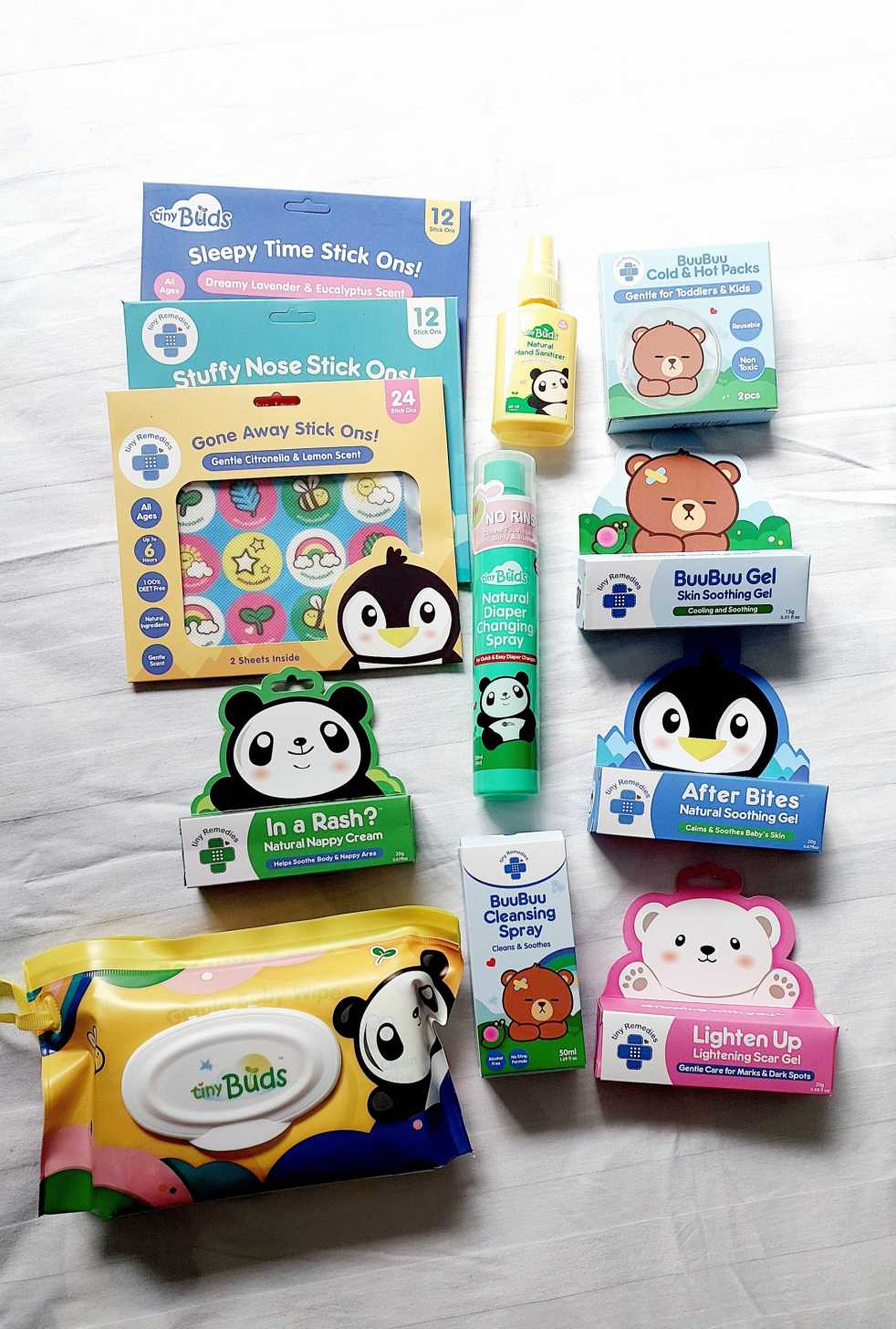
Your baby’s skin is more delicate than most, this is why you have to choose products that are designed for sensitive skin. Tiny Buds is a pioneer in integrating natural ingredients into baby care and today has over 50 innovative natural baby care essentials and is one of the Top Baby Personal Care brands. Here… Continue reading Product Review: Tiny Buds Baby Naturals Baby Essentials
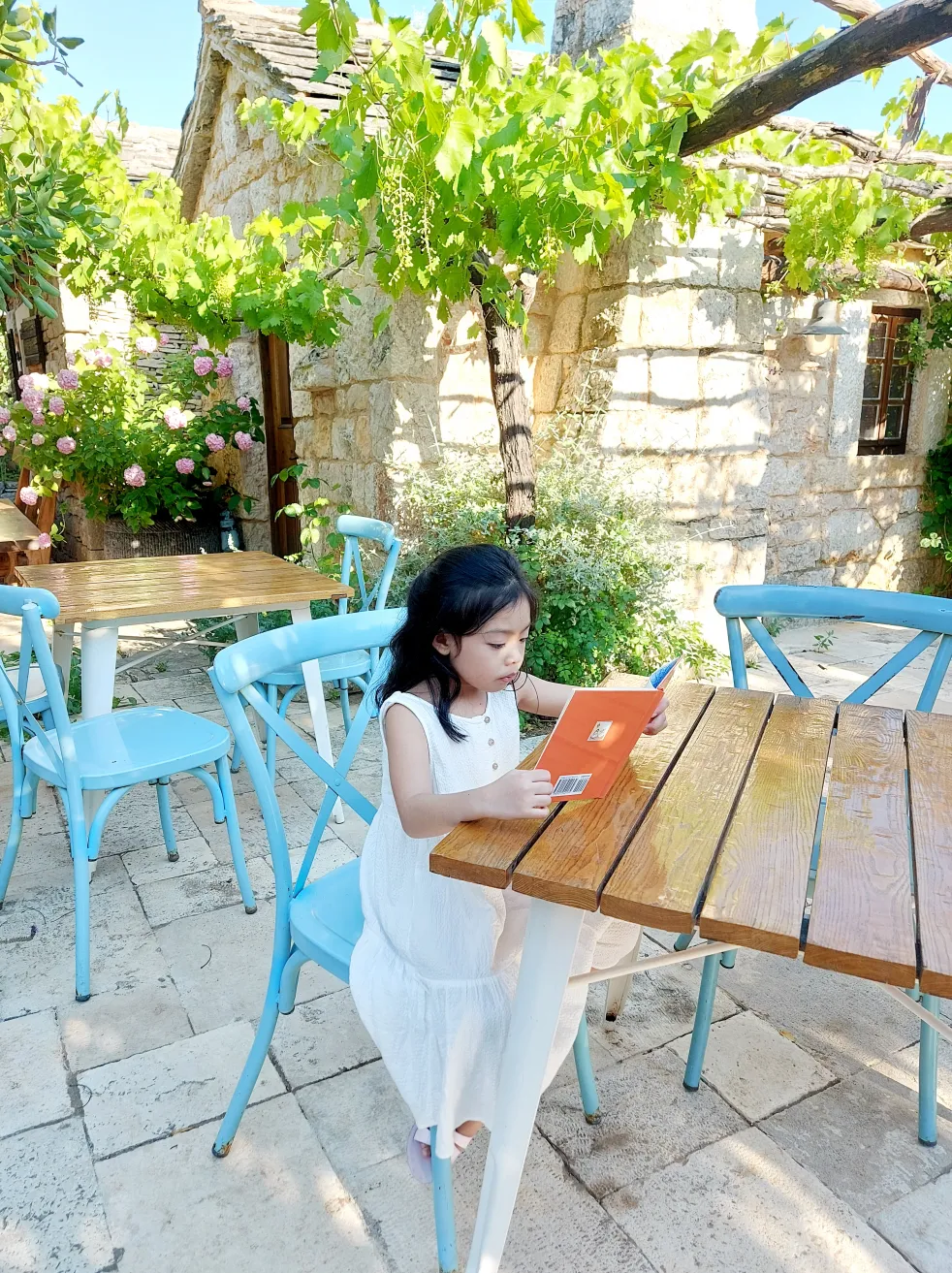
Where your child goes to school is a big decision and shouldn’t be taken lightly. Given how their education can impact their future, you might be tempted to take control and decide for them. However, you might be doing more damage than helping them in the long run. Your job as parents is to support… Continue reading HOW TO CHOOSE THE BEST SCHOOL FOR YOUR CHILD

As poet and philosopher Rumi once eloquently said, “raise your words, not your voice. It is rain that grows flowers, not thunder.” Parenting is a challenging journey, and the truth is that nobody has everything figured out. One parenting style might suit others best, and some might favor other methods. However, children respond better to… Continue reading A SIMPLE GUIDE TO GENTLE PARENTING

Whether you’re a new mom to be, mom of a toddler, mom who have school-aged kids, you’re bound to have so many questions. Let's start with your baby's skin. Infant skin has unique needs; gentle care is essential to prevent damage to the skin barrier, which can lead to irritation. When caring for infant skin,… Continue reading Keeping Baby’s Diapered Skin Healthy

As parents, we want to give our child the best possible start in life and that begins with nurturing their intelligence. Throughout history, the notion of success has been linked to academic intelligence. However, there has been an increased awareness on the importance of emotional intelligence. This question gets at the heart of the never-ending… Continue reading IQ or EQ, which one is a better predictor of your child’s success?
 wondermomma.net