

Last August, IKEA Philippines engaged with Better World Smokey Mountain, a newly opened community center operated by the San Miguel Foundation, which shares a similar goal of improving the lives of many Filipino people. Through this partnership, IKEA Philippines provided and assembled home furnishings for the classrooms and library of Better World Smokey Mountain community… Continue reading Help Create a Better World with IKEA Soft Toys

NutriAsia, the country’s top producer of condiments and sauces, continues its support of Refill Revolution; a project by the Department of Environment and Natural Resources EMB 3 that aims to help reduce Filipinos’ single-use plastics consumption. At Refill Revolution, residents get to recycle their single-use plastic bottles by reusing and filling it with their choice… Continue reading NutriAsia and DENR renews partnership for Refill Revolution

What to Do When Your Child Bites at Daycare or Playgroup
A child biting at daycare or playgroup can leave everyone upset: the child who was bitten, their family, the educators, and your own family. It can also feel embarrassing or alarming when you hear that your toddler has bitten another child. In most cases, biting is a behaviour to understand and guide rather than a sign that a child is aggressive or destined to continue.
Toddlers and preschoolers may bite when they are teething, tired, frustrated, excited, overwhelmed, or still developing language. Young children often act before they can explain, “That toy is mine,” “I need space,” or “I am feeling cross.” A bite is serious because it can hurt, yet the response should stay calm, brief, and focused on safety.
Daycare, family day care, kindergarten and playgroup settings have their own routines, staff ratios, and policies. In Australia, services working under the National Quality Framework are expected to provide appropriate supervision and support children’s wellbeing. Educators will usually record and discuss an incident while protecting the privacy of the families involved.
The most helpful approach is a partnership between parents and carers. Look for patterns, agree on the same simple language, and teach your child safer ways to communicate. With consistent support, many children move through a biting phase as their communication, self-control and social skills grow.
Understand what may be behind the biting
Biting can have a physical cause. Teething pain, a sore mouth, hunger, illness and tiredness may lower a child’s ability to cope. Some children seek strong sensory input and bite when they are excited or concentrating. Others react to noise, crowded play spaces, a sudden change in activity, or competition over a favourite toy.
The behaviour may also communicate a need. A child with limited speech may bite because they cannot yet say “stop”, “move away”, or “my turn”. Even children with good language skills can lose access to those skills when they are distressed. Biting can briefly end an unwanted interaction, gain adult attention, or create distance from another child.
Ask the educators what happened immediately before the incident rather than focusing only on the bite. Was it during free play, a transition, outdoor time, lunch, or rest time? Did the same child or toy appear in earlier incidents? A simple record of time, setting, trigger and response can reveal useful patterns without labelling your child.
Respond calmly after an incident
First, make sure the injured child receives care. The educator may wash the area, apply a cold pack, and contact the child’s family according to the service’s policy. Human bites can break the skin, so families should follow medical advice if there is bleeding, increasing redness, swelling, warmth, discharge, fever, or significant pain. A GP or healthdirect can provide guidance, and urgent care is appropriate for a serious injury.
When speaking to your child, use a calm, firm statement such as, “Biting hurts. I will not let you bite.” Keep the explanation short and avoid shouting, laughing, biting back, or demanding a forced apology. A long lecture may be confusing for a toddler, while a dramatic reaction can accidentally make the behaviour more rewarding.
Give attention to the child who was hurt and help your child repair the situation in a developmentally suitable way. This might mean bringing a cold pack, helping fetch an educator, drawing a picture, or saying “Sorry” when they are ready. Repair should teach responsibility, not create humiliation. Avoid describing your child as “a biter”, since children can begin to treat a temporary behaviour as part of their identity.
Work closely with the daycare team
Arrange a private conversation with the room leader or nominated supervisor. Ask for a factual account of what occurred, including the activity, the children nearby, the warning signs, and how adults responded. You do not need the other child’s name or personal information. In Australian education and care services, privacy matters, so staff may share details about your child’s incident without disclosing confidential information about another family.
Agree on a consistent prevention plan. Educators might position themselves closer during high-risk periods, offer duplicate popular toys, reduce crowding, provide a quiet space, or give your child advance notice before pack-up time. They may use the same phrases you use at home, such as “Teeth are for food” and “Use words or gentle hands.”
Ask how incidents are documented and when the service will review the plan. Under the National Quality Framework, children’s health, safety and wellbeing are central to quality practice, and services generally have procedures for managing injuries, illness and serious incidents. A respectful discussion should focus on supervision and support rather than blame.
If your child attends a playgroup in Sydney, Melbourne, Brisbane or a regional community, the arrangement may be less formal than long-day care. Even so, the same principles apply: stay close during challenging play, tell the coordinator about recurring incidents, and agree on how adults will respond. Consistency between home, daycare and playgroup makes the new behaviour easier to learn.
Teach safer ways to communicate
Practise replacement skills when your child is calm. Use simple phrases and gestures: “Stop”, “Move back”, “My turn”, “Help please”, and “Can I have it?” Role-play with toys for a few minutes at home. You can gently hold a toy and model, “I want the truck. I can say, ‘Turn please,’” then help your child wait for a turn.
Praise the behaviour you want to see. Say, “You used your words when you were cross,” or “You touched gently and waited.” Specific feedback helps children connect their action with the positive result. If your child reaches toward another child’s face or becomes tense, step in early and say, “I can see you need space. Let’s move back.”
Support regulation through ordinary routines. Regular meals, sleep, outdoor movement and quiet time can reduce the strain that makes biting more likely. Australian families may spend hot afternoons indoors or rush through morning drop-off in busy city traffic, so transitions deserve extra preparation. A drink of water, a small snack when permitted, and a predictable goodbye routine can help.
For a child who is teething or seeks oral sensory input, ask a health professional or occupational therapist about safe options. A chilled teething toy may be suitable for some children, but avoid products that can break, contain unsafe parts, or be worn around the neck. Do not use food or objects as a substitute for supervision, and check any daycare rules before sending items from home.
Know when extra support is needed
An occasional bite during the toddler years is common, but repeated or severe incidents deserve closer attention. Seek advice if biting continues for several weeks despite a consistent plan, causes significant injury, occurs across many settings, or is accompanied by developmental concerns. It is also worth discussing with a GP if your child has lost language or social skills, seems unusually distressed by sound or touch, has persistent sleep difficulties, or struggles to communicate needs.
Your GP can consider physical causes and refer your child to appropriate services, such as a speech pathologist, psychologist, occupational therapist or paediatrician. In Australia, families may access support through Medicare pathways, state-funded child development services, community health centres or private practitioners, depending on location and eligibility. The Raising Children Network and local child and family health services can provide general guidance, but they do not replace individual medical assessment.
Use the following guide to choose a response that matches the situation:
| Situation | Helpful response | Avoid |
|---|---|---|
| A first or occasional bite | Stay calm, state that biting hurts, comfort the injured child and identify the trigger | Shouting, biting back or giving a long lecture |
| Biting during toy conflicts | Teach “my turn”, “help” and “stop”; offer adult support and duplicate toys where possible | Expecting toddlers to solve every conflict alone |
| Biting during tired or busy periods | Adjust sleep, snack, transition and quiet-time routines; increase supervision | Treating the incident as completely unpredictable |
| A bite that breaks the skin | Follow the service’s first-aid process and seek medical advice about the injury | Ignoring bleeding, swelling, pain or signs of infection |
| Frequent or intense biting | Create a written home-and-service plan and speak with a GP or child development professional | Labelling the child or waiting indefinitely without support |
Biting does not mean your child is “bad”, and it does not mean another child’s pain should be minimised. Hold both truths clearly: the behaviour must stop, and your child needs teaching rather than shame. Calm boundaries, close observation, predictable routines and cooperation with educators give children the best chance to replace biting with words, gestures and safer social skills.

Mercato Centrale, in collaboration with Indian Women in Enterprise Philippines (I-We), is set to host "The Great Indian Fiesta" to mark 75 years of friendship between India and the Philippines. The dynamic two-day event is scheduled to take place on September 30 to October 1, 2023, at Paseo De Roxas Street, Makati City. Aiming to… Continue reading Mercato Centrale Partners with I-We to Host ‘The Great Indian Fiesta’, Commemorating 75 Years of India-Philippines Friendship

My stomach would usually start growling at 10 am even after taking a big breakfast. This is probably because I am a morning person and I move a lot throughout the day hence snacking is something that I can't avoid. This potatoes and chicken wrap recipe is easy to prepare and would keep me full… Continue reading Potato and Chicken Wrap
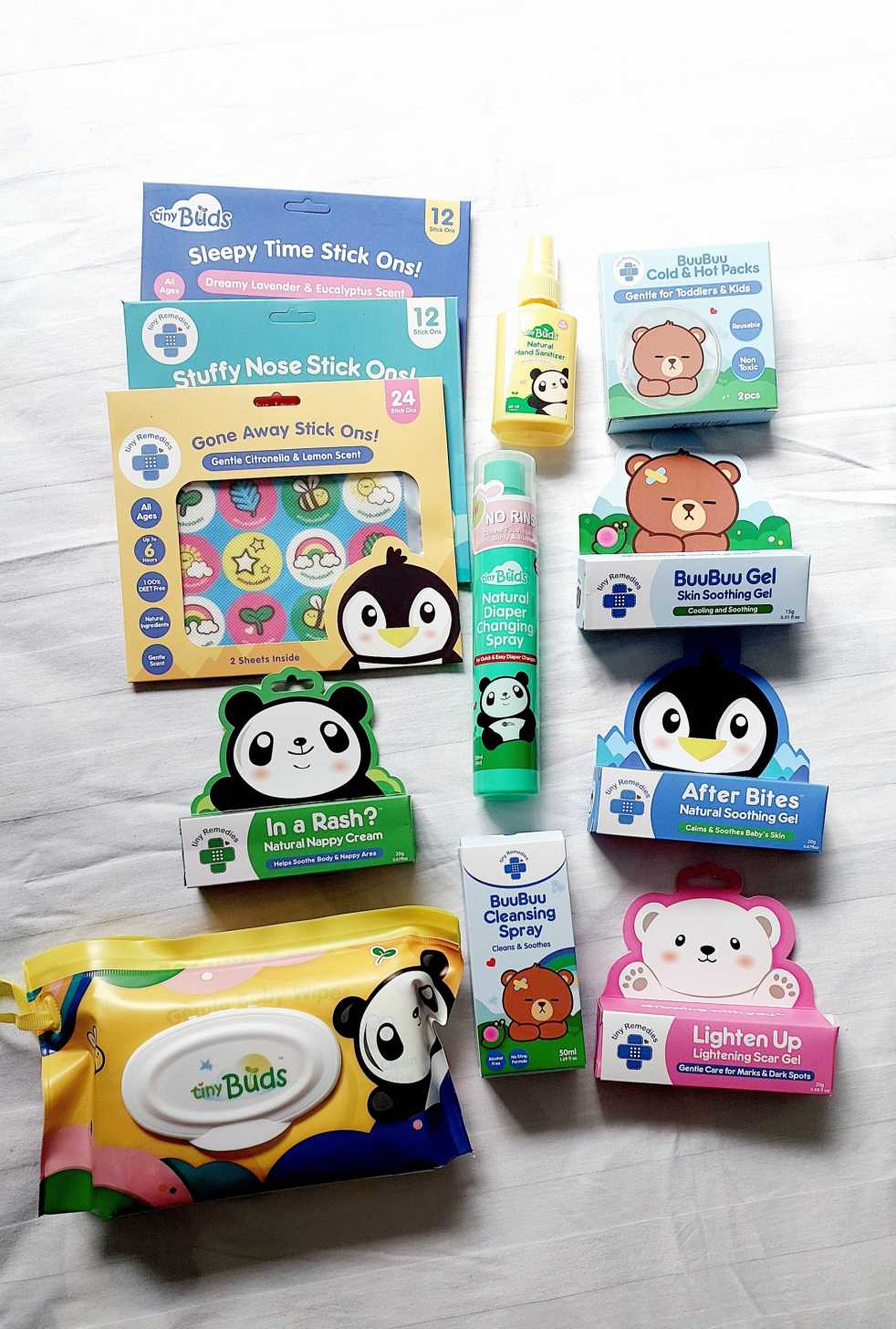
Your baby’s skin is more delicate than most, this is why you have to choose products that are designed for sensitive skin. Tiny Buds is a pioneer in integrating natural ingredients into baby care and today has over 50 innovative natural baby care essentials and is one of the Top Baby Personal Care brands. Here… Continue reading Product Review: Tiny Buds Baby Naturals Baby Essentials
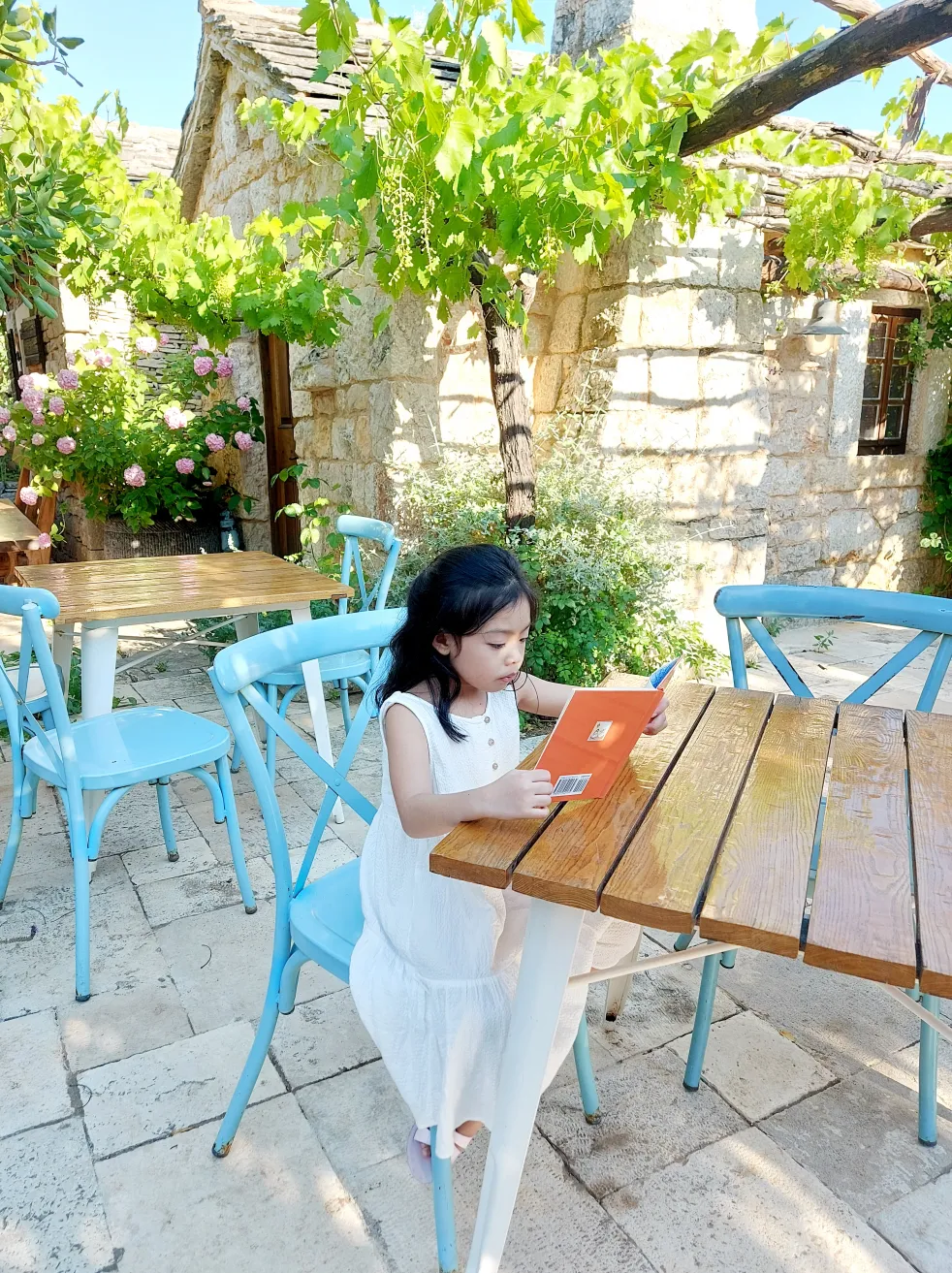
Where your child goes to school is a big decision and shouldn’t be taken lightly. Given how their education can impact their future, you might be tempted to take control and decide for them. However, you might be doing more damage than helping them in the long run. Your job as parents is to support… Continue reading HOW TO CHOOSE THE BEST SCHOOL FOR YOUR CHILD

As poet and philosopher Rumi once eloquently said, “raise your words, not your voice. It is rain that grows flowers, not thunder.” Parenting is a challenging journey, and the truth is that nobody has everything figured out. One parenting style might suit others best, and some might favor other methods. However, children respond better to… Continue reading A SIMPLE GUIDE TO GENTLE PARENTING

Whether you’re a new mom to be, mom of a toddler, mom who have school-aged kids, you’re bound to have so many questions. Let's start with your baby's skin. Infant skin has unique needs; gentle care is essential to prevent damage to the skin barrier, which can lead to irritation. When caring for infant skin,… Continue reading Keeping Baby’s Diapered Skin Healthy
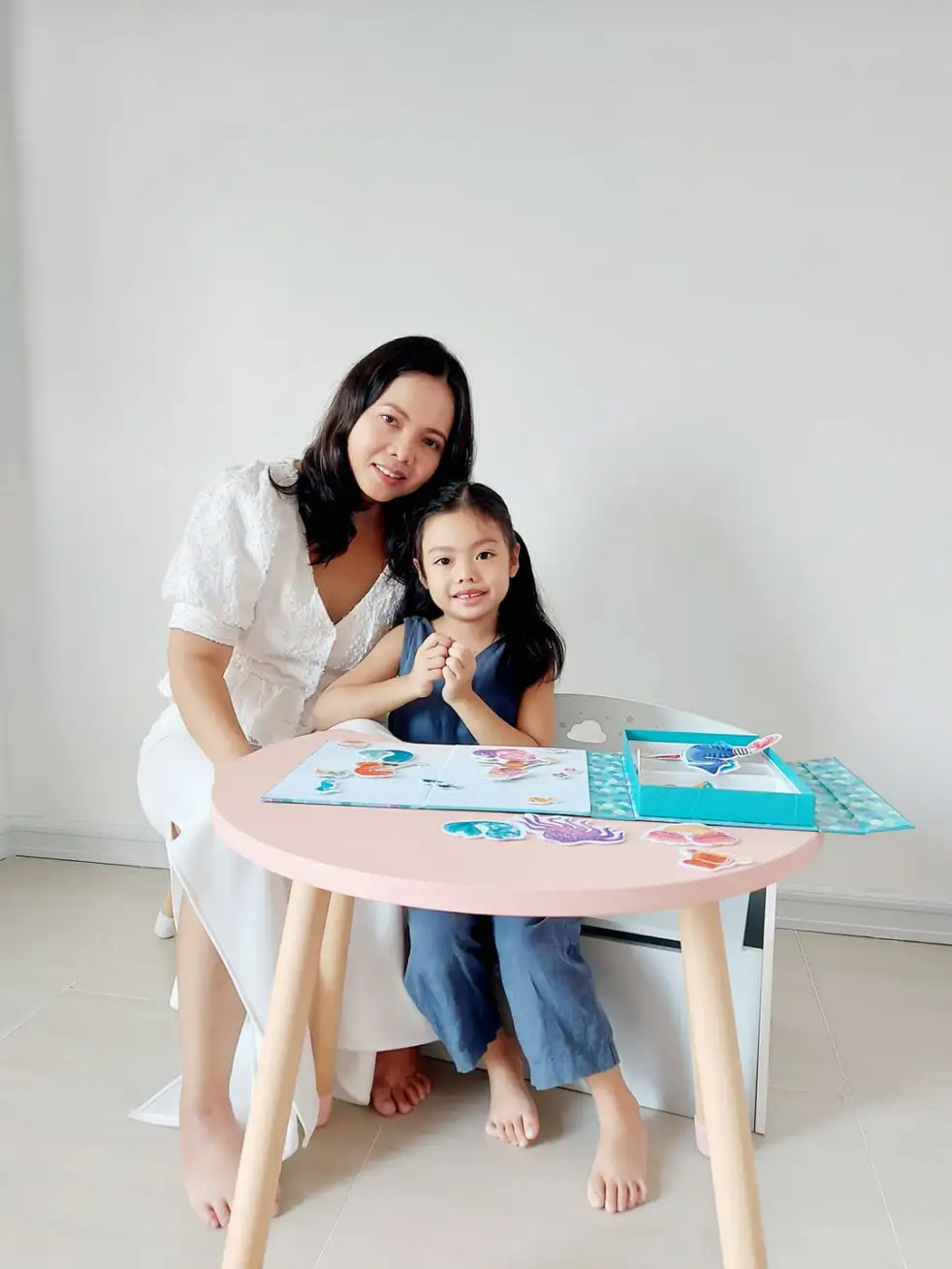
As parents, we want to give our child the best possible start in life and that begins with nurturing their intelligence. Throughout history, the notion of success has been linked to academic intelligence. However, there has been an increased awareness on the importance of emotional intelligence. This question gets at the heart of the never-ending… Continue reading IQ or EQ, which one is a better predictor of your child’s success?
 wondermomma.net