

Last August, IKEA Philippines engaged with Better World Smokey Mountain, a newly opened community center operated by the San Miguel Foundation, which shares a similar goal of improving the lives of many Filipino people. Through this partnership, IKEA Philippines provided and assembled home furnishings for the classrooms and library of Better World Smokey Mountain community… Continue reading Help Create a Better World with IKEA Soft Toys

NutriAsia, the country’s top producer of condiments and sauces, continues its support of Refill Revolution; a project by the Department of Environment and Natural Resources EMB 3 that aims to help reduce Filipinos’ single-use plastics consumption. At Refill Revolution, residents get to recycle their single-use plastic bottles by reusing and filling it with their choice… Continue reading NutriAsia and DENR renews partnership for Refill Revolution

What to Do When Your Baby Refuses the Bottle
Bottle refusal can be stressful, especially when you are returning to work, expressing breast milk, introducing formula, or asking another caregiver to handle a feed. A baby who turns away from the bottle is not necessarily rejecting the milk. The unfamiliar teat, feeding position, smell, flow, or timing may be the real problem.
Some babies accept a bottle easily, while others need several calm attempts over a period of days or weeks. The goal is to make bottle feeding feel safe and predictable rather than treating every feed as a test your baby must pass.
Before changing everything at once, observe when the refusal happens and how your baby responds. A baby who is cheerful, has regular wet nappies, and feeds well in another way may simply need time to adjust. A baby who is unwell or struggling to drink needs closer attention.
Why Babies Turn Away From Bottles
Breastfed babies may object to a bottle because it feels and smells different from the breast. The silicone nipple does not change shape in the same way, and milk may flow faster or slower than expected. Some babies dislike the taste of expressed milk that has been chilled or stored, particularly if its flavour has changed because of naturally occurring lipase.
Age and development can also affect bottle acceptance. A young baby may have difficulty coordinating sucking, swallowing, and breathing with a new nipple. An older baby may be distracted, prefer nursing, or understand that refusing the bottle brings them closer to their preferred feeding method.
Discomfort is another possibility. Teething, a blocked nose, reflux, oral thrush, ear pain, constipation, or a sore throat can make sucking unpleasant. If refusal begins suddenly after your baby previously drank comfortably, look for changes in health, feeding equipment, or routine.
Check The Bottle And Milk
Examine the nipple flow first. A newborn may cough, gulp, leak milk, or pull away when the flow is too fast. A baby using a very slow nipple may become frustrated, fall asleep quickly, or suck hard without taking much milk. Age guides printed on packaging are useful starting points, but your baby’s cues matter more.
The nipple should be in good condition and free from cracks, stickiness, or damage. Check that the collar is assembled correctly and that the vent is not blocked. A bottle that collapses, leaks, or creates excessive air can make feeding tiring. Wash and sterilise feeding equipment according to local health guidance and the manufacturer’s instructions.
Milk temperature and taste may also influence acceptance. Some babies prefer expressed milk at body temperature, while others tolerate it cool. Warm a bottle in a container of warm water or a bottle warmer, and swirl rather than microwave it. Microwaving can create dangerous hot spots. Discard leftover milk according to safe storage guidance, and never dilute formula or add cereal to a bottle unless a healthcare professional specifically advises it.
Make Bottle Feeding Feel Familiar
Have someone other than the breastfeeding parent offer the bottle when possible. A baby may strongly associate one caregiver with nursing and become upset when that person presents a substitute. Another trusted adult can try while the breastfeeding parent stays out of sight and hearing for a short period.
Choose a calm moment when your baby is alert but not ravenous. Offer a small amount after a nap or between regular feeds, rather than waiting until intense hunger leads to crying. If the baby turns away, pauses, or becomes distressed, stop and try again later. Repeatedly pushing the teat into the mouth can create a negative association.
Hold your baby semi-upright and close, with the head and neck supported. Touch the nipple gently to the upper lip and allow your baby to draw it in. Do not force the teat between clenched gums. Slow, paced bottle feeding—with the bottle held mostly horizontal and regular pauses—can give the baby more control and may feel closer to breastfeeding.
Compare Feeding Options Carefully
There is no single best bottle for every baby. A narrow, slow-flow nipple may suit one infant, while another manages better with a wider base or a different shape. Changing products repeatedly can become expensive and confusing, so make one adjustment at a time and observe your baby over several feeds.
If expressed breast milk is being offered, taste a small amount after storage to check whether the flavour has changed. Soapy or metallic-tasting milk may still be safe when handled correctly, but your baby may reject it. Mixing freshly expressed milk with stored milk should follow safe temperature and storage practices.
| What you notice | Possible reason | Gentle adjustment |
|---|---|---|
| Coughing, gulping, or milk leaking | Flow may be too fast | Try a slower-flow nipple and paced feeding |
| Frustration with long, tiring feeds | Flow may be too slow or vent blocked | Check the nipple and consider the next flow level |
| Refusal only from one caregiver | Baby associates that person with breastfeeding | Let another trusted adult offer the bottle |
| Acceptance of warm milk but not chilled milk | Temperature preference | Warm safely in water and test a small amount |
| Sudden refusal with crying or arching | Illness or discomfort may be present | Pause attempts and contact a healthcare professional if it continues |
Avoid buying a large supply of bottles before identifying what your baby dislikes. A borrowed or single replacement nipple, where hygienically appropriate, can help you test a different flow or shape. Keep the feeding environment quiet, and avoid feeding while walking, bouncing, or distracting the baby with screens.
Respond To Refusal Without Pressure
A bottle refusal is easier to manage when each attempt remains low-pressure. Offer the bottle for a few minutes, then stop if your baby shows clear stress. Signs may include turning away, stiffening, pushing the bottle away, crying, coughing, or repeatedly falling asleep before taking enough milk.
You can let your baby play with a clean, empty bottle during a relaxed time, but never leave the bottle in the mouth without an adult watching. Do not prop a bottle or allow a baby to feed alone in a cot, car seat, or stroller. These practices increase the risk of choking, ear infections, tooth decay, and overfeeding.
If a caregiver must take over soon, practise gradually. Begin with one small bottle while the usual breastfeeding routine remains stable, then build up as your baby becomes comfortable. Some babies accept milk from a cup, spoon, or specialised feeding device when developmentally ready, but ask a paediatrician or feeding specialist to demonstrate safer alternatives, particularly for young infants.
Build A Calm Feeding Plan
A simple plan can reduce pressure for both baby and caregiver:
- Offer the bottle when your baby is calm, awake, and showing early hunger cues.
- Let a different trusted caregiver try while you remain nearby but out of sight.
- Use paced feeding with a suitable nipple and frequent pauses.
- Stop at signs of distress and retry later instead of forcing the feed.
- Track wet nappies, feeds, and symptoms when refusal lasts more than a day.
Keep breastfeeding or expressing milk regularly if maintaining milk supply is important to you. If using infant formula, prepare it exactly as directed and use the correct product for your baby’s age. A healthcare professional can help you plan feeds around work, childcare, travel, or mixed feeding without compromising hydration and nutrition.
Know When To Seek Medical Advice
Contact your paediatrician or family doctor if bottle refusal is persistent, your baby is taking much less milk than usual, or feeding has become painful. Professional support is especially important if your baby is under three months old, was born prematurely, has a medical condition, or depends mainly on bottle feeds for nutrition.
Seek urgent medical care for signs of dehydration or serious illness. These can include far fewer wet nappies, a very dry mouth, no tears when crying, unusual sleepiness, weakness, repeated vomiting, breathing difficulty, a sunken soft spot, or a baby who is difficult to wake. A fever in a young infant also deserves prompt medical advice.
A paediatrician, lactation consultant, speech and language therapist, or occupational therapist with infant-feeding experience can assess sucking, swallowing, oral movement, reflux, and bottle technique. Early support is useful when feeds are consistently long, stressful, or associated with choking and coughing.
Bottle acceptance often improves through patience, small changes, and respectful attention to your baby’s signals. Focus on comfort and adequate intake rather than making a particular brand, nipple, or feeding method a measure of success. When you need personalised guidance, bring your feeding notes and the bottle you are using to your baby’s healthcare provider so the next step can be practical and safe.

Mercato Centrale, in collaboration with Indian Women in Enterprise Philippines (I-We), is set to host "The Great Indian Fiesta" to mark 75 years of friendship between India and the Philippines. The dynamic two-day event is scheduled to take place on September 30 to October 1, 2023, at Paseo De Roxas Street, Makati City. Aiming to… Continue reading Mercato Centrale Partners with I-We to Host ‘The Great Indian Fiesta’, Commemorating 75 Years of India-Philippines Friendship

My stomach would usually start growling at 10 am even after taking a big breakfast. This is probably because I am a morning person and I move a lot throughout the day hence snacking is something that I can't avoid. This potatoes and chicken wrap recipe is easy to prepare and would keep me full… Continue reading Potato and Chicken Wrap
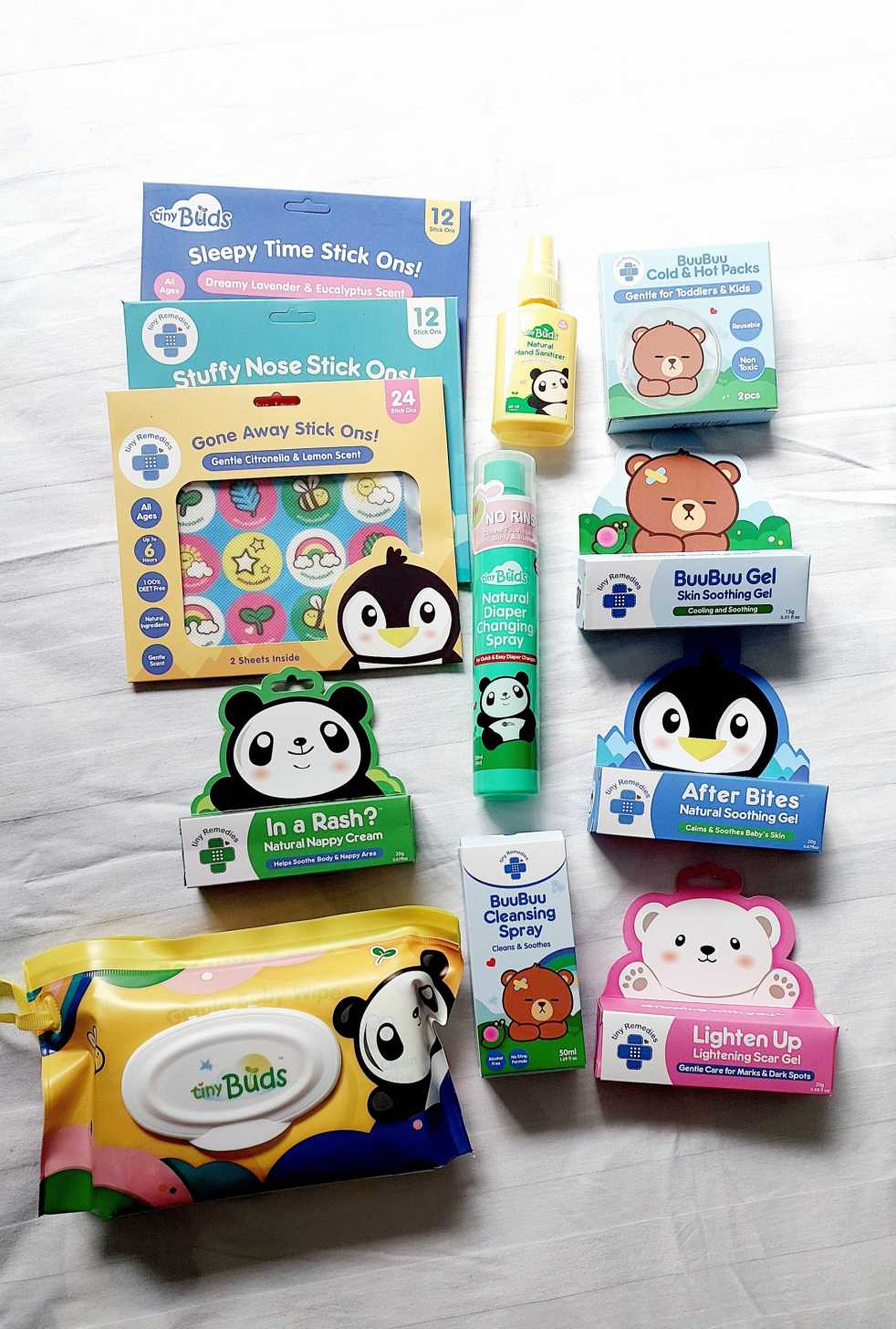
Your baby’s skin is more delicate than most, this is why you have to choose products that are designed for sensitive skin. Tiny Buds is a pioneer in integrating natural ingredients into baby care and today has over 50 innovative natural baby care essentials and is one of the Top Baby Personal Care brands. Here… Continue reading Product Review: Tiny Buds Baby Naturals Baby Essentials
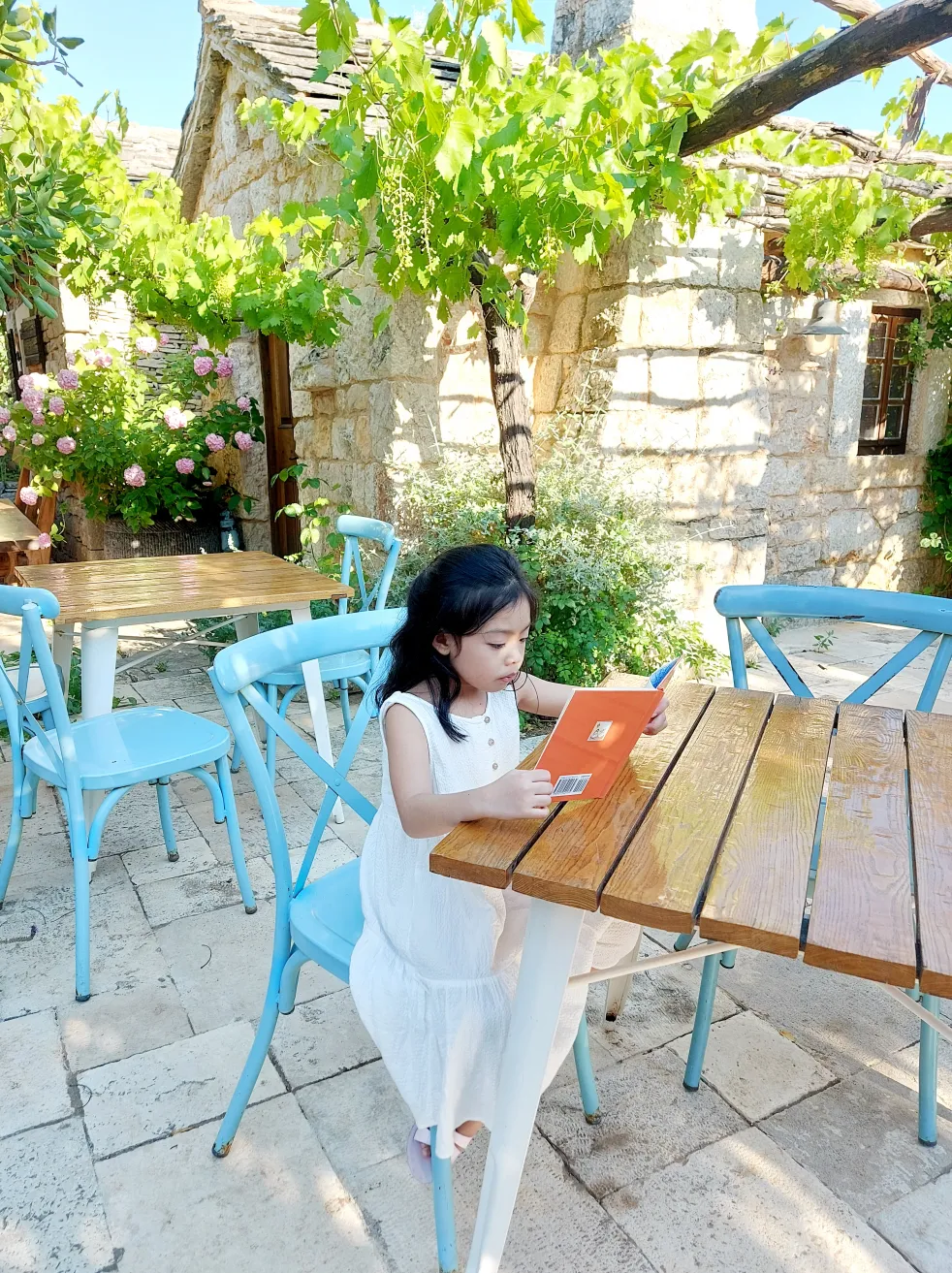
Where your child goes to school is a big decision and shouldn’t be taken lightly. Given how their education can impact their future, you might be tempted to take control and decide for them. However, you might be doing more damage than helping them in the long run. Your job as parents is to support… Continue reading HOW TO CHOOSE THE BEST SCHOOL FOR YOUR CHILD

As poet and philosopher Rumi once eloquently said, “raise your words, not your voice. It is rain that grows flowers, not thunder.” Parenting is a challenging journey, and the truth is that nobody has everything figured out. One parenting style might suit others best, and some might favor other methods. However, children respond better to… Continue reading A SIMPLE GUIDE TO GENTLE PARENTING

Whether you’re a new mom to be, mom of a toddler, mom who have school-aged kids, you’re bound to have so many questions. Let's start with your baby's skin. Infant skin has unique needs; gentle care is essential to prevent damage to the skin barrier, which can lead to irritation. When caring for infant skin,… Continue reading Keeping Baby’s Diapered Skin Healthy

As parents, we want to give our child the best possible start in life and that begins with nurturing their intelligence. Throughout history, the notion of success has been linked to academic intelligence. However, there has been an increased awareness on the importance of emotional intelligence. This question gets at the heart of the never-ending… Continue reading IQ or EQ, which one is a better predictor of your child’s success?
 wondermomma.net