

Last August, IKEA Philippines engaged with Better World Smokey Mountain, a newly opened community center operated by the San Miguel Foundation, which shares a similar goal of improving the lives of many Filipino people. Through this partnership, IKEA Philippines provided and assembled home furnishings for the classrooms and library of Better World Smokey Mountain community… Continue reading Help Create a Better World with IKEA Soft Toys

NutriAsia, the country’s top producer of condiments and sauces, continues its support of Refill Revolution; a project by the Department of Environment and Natural Resources EMB 3 that aims to help reduce Filipinos’ single-use plastics consumption. At Refill Revolution, residents get to recycle their single-use plastic bottles by reusing and filling it with their choice… Continue reading NutriAsia and DENR renews partnership for Refill Revolution

What to Do When Your Baby Hates the Car Seat
Car rides can become stressful when a baby cries, arches their back, or fights the harness from the moment they are buckled in. For parents, even a short trip to the clinic or grocery store may feel overwhelming when every journey turns into a battle.
A strong reaction to the car seat is common, especially during infancy. Babies may dislike being restrained, feel uncomfortable in a particular position, become carsick, or simply protest the transition from a familiar person’s arms to a firm seat. Crying does not always mean the car seat is unsafe or that you have done something wrong.
The goal is to make travel safer and more predictable while checking for physical discomfort. Small adjustments, gentle practice, and a calm routine can gradually help your baby tolerate the ride.
Check the car seat setup first
Before working on your baby’s behavior, inspect the seat and harness. A newborn insert that is too tight, twisted straps, a buckle pressing against the body, or thick clothing beneath the harness can make the seat uncomfortable. The harness should lie flat and snug over the shoulders, with the chest clip positioned at armpit level where applicable.
Always follow the instructions for your specific car seat and vehicle. A rear-facing seat should be installed at the correct angle, and the seat should not move more than about one inch from side to side at the belt path. If you are uncertain, ask a certified child passenger safety technician or consult the manufacturer.
Avoid adding pillows, head supports, strap covers, or cushions that were not supplied or approved by the car seat maker. Bulky jackets and blankets should not go under the harness because they can compress during a crash and leave the straps too loose. Instead, buckle your baby first, then place a blanket over the secured harness.
Look for physical discomfort
Some babies cry in the car because of heat, reflux, motion sickness, or an uncomfortable body position. In a warm climate, a parked vehicle can become hot quickly, so cool the cabin before placing your baby inside. Dress your child in light layers and check the back of the neck for sweating rather than relying on cold hands and feet.
If your baby regularly spits up, coughs, gags, turns pale, or seems distressed after feeding, try leaving more time between a full meal and the trip. Never change the recline angle beyond the manufacturer’s instructions, and do not place a sleeping baby in an inclined product that is not designed for travel.
Persistent crying accompanied by fever, breathing difficulty, repeated vomiting, unusual sleepiness, or signs of pain deserves medical advice. A pediatrician can also help assess reflux, ear discomfort, constipation, or other issues that may become worse with sitting or movement.
Build positive car seat practice
If every interaction with the seat happens just before a stressful journey, your baby may begin crying as soon as they see it. Practice while the car is parked and the engine is off. Place a familiar blanket nearby, sing, or offer a favorite age-appropriate toy while your baby sits in the seat for a few seconds.
Keep these early sessions brief and stop before your child becomes highly upset. Gradually increase the time over several days. You can begin with sitting beside the seat, then buckling for a short period, and later taking a very brief drive around the block. The aim is to create manageable experiences rather than forcing a long session.
Use the same simple phrase each time, such as “You are safe; we are going for a ride.” Babies respond to repetition even before they understand every word. A calm voice and predictable sequence—diaper change, buckle, song, drive—can make the transition easier.
Make the ride calmer
A parent sitting beside the baby can offer reassurance, but should never unbuckle or reach into the seat while the vehicle is moving. If you are driving alone, use a properly installed mirror that allows you to check your baby without turning around. Pull over safely if you need to comfort, feed, or reposition your child.
Soft singing, quiet talking, or steady background sound may help. Some babies prefer looking at a familiar caregiver, while others become overstimulated by too much visual activity. Keep toys lightweight and securely attached only as permitted by the car seat instructions. Hard or bulky objects can become dangerous projectiles during sudden braking.
Plan trips around your baby’s natural rhythm when possible. A ride after a nap and diaper change may be easier than one when your child is hungry or overtired. For longer journeys, schedule safe breaks so your baby can be removed from the seat, held, fed, and changed. Never leave a child alone in a parked car, even for a moment.
Respond to crying without creating pressure
It is difficult to hear a baby cry, but immediate frantic reactions can make the whole routine feel more tense. Take a breath, speak slowly, and check the basics: harness fit, temperature, hunger, diaper, and position. If the seat is correctly installed and your baby is breathing normally, crying alone does not mean you must remove them while the car is moving.
When possible, keep the first practice drives short and end them before everyone is exhausted. If a trip cannot be postponed, focus on safe travel rather than making your baby completely quiet. Ear-splitting crying can be upsetting, yet driving distracted or reaching backward is a greater danger.
As your baby grows, explain what is happening in simple, reassuring language. Safety messages should be calm rather than frightening. The same gentle approach works when teaching children about unfamiliar people; age-appropriate guidance such as talking about stranger safety can help families build clear safety habits without creating unnecessary fear.
Choose comfort without compromising safety
Not every popular car accessory is suitable for a baby. Avoid aftermarket products that alter the harness position, interfere with the seat’s shell, or have not been tested with your model. A well-fitted seat, suitable clothing, a comfortable temperature, and a predictable routine are usually more useful than a collection of extras.
For families using taxis or ride-hailing services, plan how you will provide an appropriate child restraint before the trip. Holding a baby in your arms is not a safe substitute, even for a short distance. Check local regulations and vehicle requirements, and allow extra time for installation rather than rushing at the roadside.
The following practical choices can make a baby car ride safer and less stressful:
- Confirm the rear-facing seat’s angle, installation, and harness fit before every trip.
- Practice buckling for short periods while the vehicle is stationary.
- Travel after a diaper change and allow time after a substantial feed.
- Keep the cabin cool, use light clothing, and place blankets over—not under—the harness.
- Pull over safely for comfort breaks instead of unbuckling during movement.
Know when to seek extra help
If your baby continues to scream through every ride despite correct installation and gradual practice, get another set of eyes on the situation. A certified child passenger safety technician may identify a fit or angle problem that is hard to notice at home. Your pediatrician can investigate symptoms such as reflux, motion sensitivity, musculoskeletal discomfort, or anxiety linked to previous difficult rides.
Some babies improve as they gain head control, become more interested in their surroundings, or develop a steadier sleep and feeding routine. Others need a slower transition and more frequent short trips. Progress may look like tolerating two quiet minutes, accepting the buckle without arching, or recovering more quickly after the car starts.
Try to measure improvement by safety and comfort rather than silence. A baby who still fusses but remains correctly restrained may be making progress. With patient repetition and careful attention to physical needs, car travel can become a manageable part of family life.
Save these steps for your next journey, check the seat before buckling your baby, and share the guide with another parent facing difficult car rides.

Mercato Centrale, in collaboration with Indian Women in Enterprise Philippines (I-We), is set to host "The Great Indian Fiesta" to mark 75 years of friendship between India and the Philippines. The dynamic two-day event is scheduled to take place on September 30 to October 1, 2023, at Paseo De Roxas Street, Makati City. Aiming to… Continue reading Mercato Centrale Partners with I-We to Host ‘The Great Indian Fiesta’, Commemorating 75 Years of India-Philippines Friendship

My stomach would usually start growling at 10 am even after taking a big breakfast. This is probably because I am a morning person and I move a lot throughout the day hence snacking is something that I can't avoid. This potatoes and chicken wrap recipe is easy to prepare and would keep me full… Continue reading Potato and Chicken Wrap
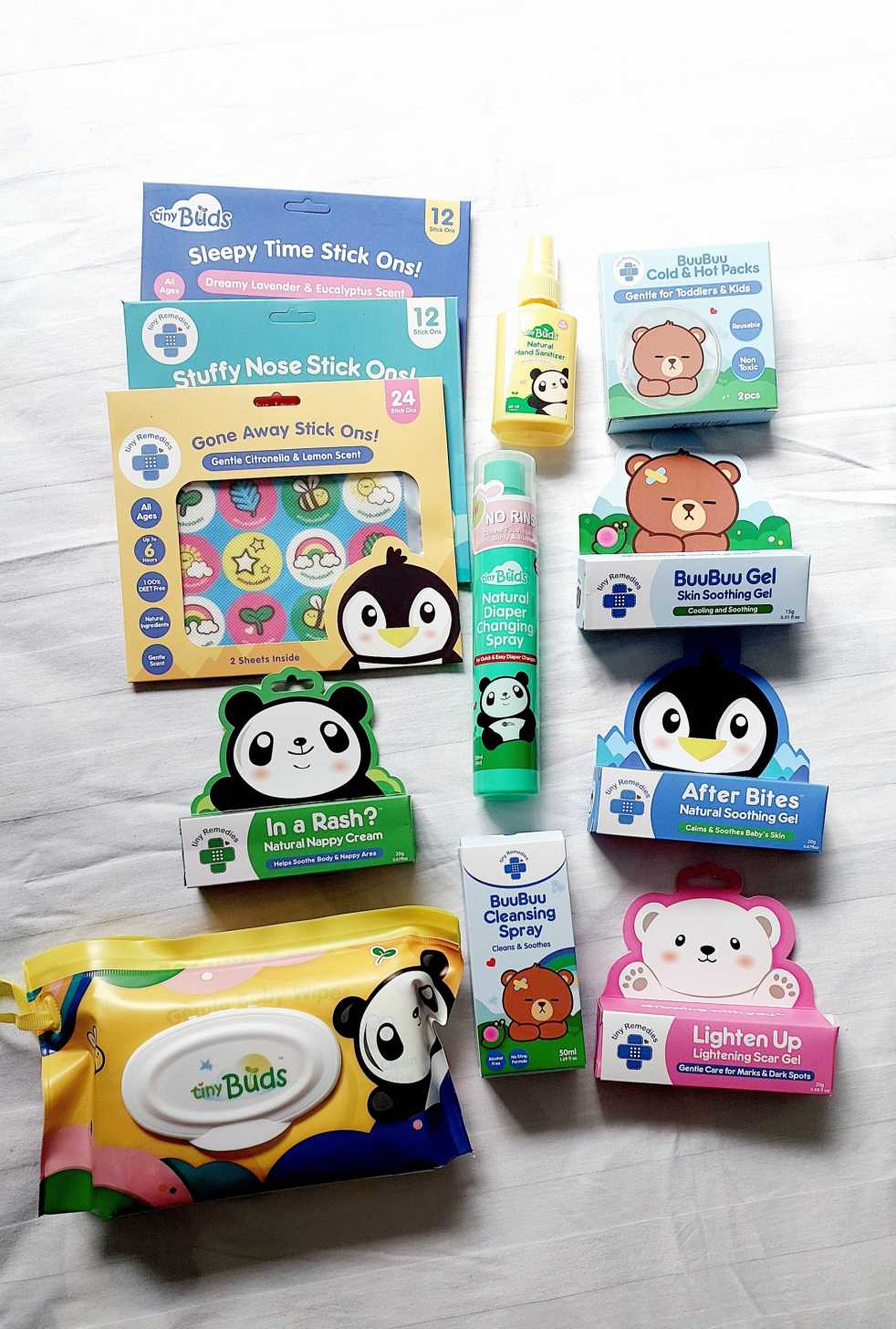
Your baby’s skin is more delicate than most, this is why you have to choose products that are designed for sensitive skin. Tiny Buds is a pioneer in integrating natural ingredients into baby care and today has over 50 innovative natural baby care essentials and is one of the Top Baby Personal Care brands. Here… Continue reading Product Review: Tiny Buds Baby Naturals Baby Essentials
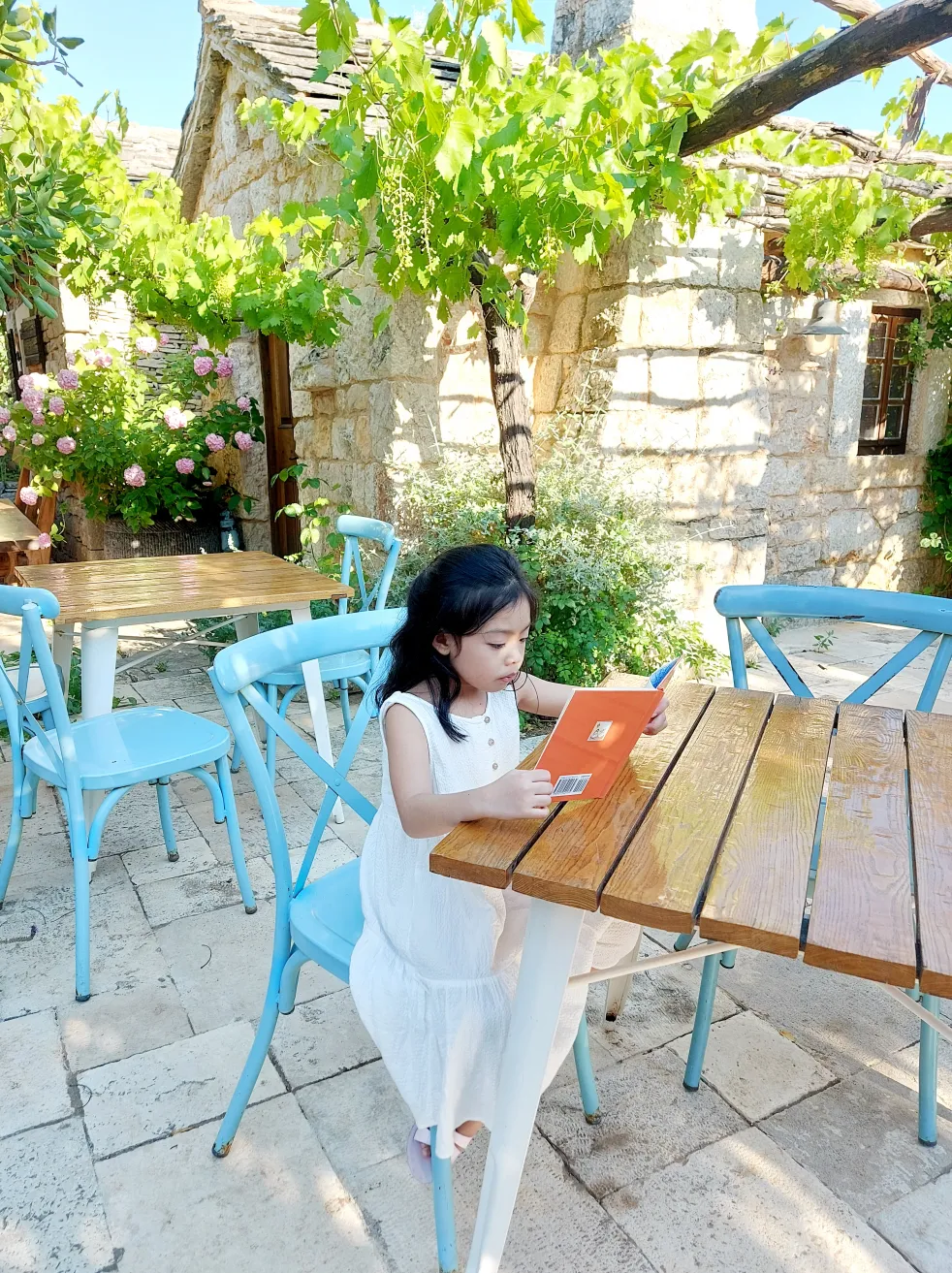
Where your child goes to school is a big decision and shouldn’t be taken lightly. Given how their education can impact their future, you might be tempted to take control and decide for them. However, you might be doing more damage than helping them in the long run. Your job as parents is to support… Continue reading HOW TO CHOOSE THE BEST SCHOOL FOR YOUR CHILD

As poet and philosopher Rumi once eloquently said, “raise your words, not your voice. It is rain that grows flowers, not thunder.” Parenting is a challenging journey, and the truth is that nobody has everything figured out. One parenting style might suit others best, and some might favor other methods. However, children respond better to… Continue reading A SIMPLE GUIDE TO GENTLE PARENTING

Whether you’re a new mom to be, mom of a toddler, mom who have school-aged kids, you’re bound to have so many questions. Let's start with your baby's skin. Infant skin has unique needs; gentle care is essential to prevent damage to the skin barrier, which can lead to irritation. When caring for infant skin,… Continue reading Keeping Baby’s Diapered Skin Healthy

As parents, we want to give our child the best possible start in life and that begins with nurturing their intelligence. Throughout history, the notion of success has been linked to academic intelligence. However, there has been an increased awareness on the importance of emotional intelligence. This question gets at the heart of the never-ending… Continue reading IQ or EQ, which one is a better predictor of your child’s success?
 wondermomma.net