

Last August, IKEA Philippines engaged with Better World Smokey Mountain, a newly opened community center operated by the San Miguel Foundation, which shares a similar goal of improving the lives of many Filipino people. Through this partnership, IKEA Philippines provided and assembled home furnishings for the classrooms and library of Better World Smokey Mountain community… Continue reading Help Create a Better World with IKEA Soft Toys

NutriAsia, the country’s top producer of condiments and sauces, continues its support of Refill Revolution; a project by the Department of Environment and Natural Resources EMB 3 that aims to help reduce Filipinos’ single-use plastics consumption. At Refill Revolution, residents get to recycle their single-use plastic bottles by reusing and filling it with their choice… Continue reading NutriAsia and DENR renews partnership for Refill Revolution

What to do when your baby has colic and won’t stop crying
Few sounds are more distressing than a baby crying for hours, especially when feeding, cuddling and changing seem to make no difference. Colic is commonly used to describe intense crying in an otherwise healthy infant, often for more than three hours a day, several days a week. It usually begins in the first few weeks and improves by around three to four months, although every baby follows a different pattern.
Colic does not mean you have done something wrong. Babies may cry because their nervous system is still developing, they are overtired, sensitive to stimulation or finding it difficult to settle after feeds. Wind, reflux, constipation, hunger and an unsuitable feeding routine can also cause discomfort, so persistent crying deserves attention rather than an automatic colic label.
Your first priority is to check for illness and keep your baby safe. Take their temperature if they feel hot, look at their colour and breathing, and notice whether they are feeding and producing wet nappies as usual. In Australia, you can call Healthdirect on 1800 022 222 for nurse advice, or contact your GP, child and family health nurse or local hospital if you are worried.
Crying can push a loving parent beyond their limits. Put your baby on their back in a clear, safe cot and step into another room for a few minutes if you feel overwhelmed. Never shake, hit or handle a baby roughly. If you fear you may lose control, call someone you trust or emergency services on 000.
Check for urgent signs first
Some symptoms need prompt medical assessment rather than home soothing. Seek urgent care if your baby has trouble breathing, turns blue or unusually pale, is floppy or difficult to wake, has a seizure, or develops a purple or non-blanching rash. A baby younger than three months with a temperature of 38°C or higher should be assessed urgently, even if they seem reasonably well.
Get medical advice quickly if crying is sudden and unusual, the abdomen looks swollen, vomit is green or bloody, stools contain blood, or your baby refuses several feeds. Fewer wet nappies, a dry mouth, sunken soft spot or marked sleepiness may indicate dehydration. A high-pitched cry, painful swelling in the groin, or a finger or toe with hair tightly wrapped around it also requires attention.
A GP can check for ear infection, urinary infection, reflux, constipation, allergy, hernia or another source of pain. Keep a short record of feeding times, vomits, bowel movements, wet nappies, sleep and crying episodes. This gives your doctor useful information and may reveal a pattern that is difficult to notice during a stressful day.
Try calm, predictable soothing
Start with simple needs: offer a feed if your baby shows hunger cues, burp them gently, check the nappy and remove tight clothing or irritating labels. Hold your baby upright against your chest for a while after a feed. Slow rocking, walking in your arms, gentle singing and soft background noise can help some babies regulate their breathing and settle.
Reduce stimulation when crying escalates. Dim the lights, turn off the television and move away from busy conversation. A brief walk in the pram can be soothing, and some families find a warm bath relaxing. If you use a wrap, follow safe wrapping guidance, keep the head and face uncovered, allow room for hip movement and stop wrapping when your baby shows signs of rolling.
Safe sleep remains essential even after a difficult settling period. Place your baby on their back, with their feet near the bottom of a firm, flat cot mattress. Keep pillows, doonas, cot bumpers, soft toys and loose blankets out of the sleep space. Products advertised as positioners, wedges or sleep aids are not substitutes for a safe cot or supervision.
Look closely at feeding and wind
Whether your baby is breastfed or formula-fed, watch their cues rather than insisting on a fixed volume. A baby who gulps, coughs, clicks, pulls away or becomes very unsettled during feeds may need a feeding assessment. A lactation consultant, maternal and child health nurse or GP can check attachment, milk transfer and bottle technique.
Keep bottles angled so the teat stays full of milk, and pause for breaks when your baby needs them. Burping can help, but some babies do not need a large burp after every feed. Avoid repeatedly offering extra milk simply to stop crying, as overfeeding can worsen discomfort and spit-up. Do not thicken feeds, change formula, remove dairy or use elimination diets without professional advice.
Colic drops, probiotics, herbal remedies and gripe water are widely discussed, but evidence is mixed and products differ in quality. Some medicines are unsuitable for young babies or can delay assessment of a genuine illness. Ask a pharmacist or doctor before giving anything, including products bought from an Australian supermarket, pharmacy or online marketplace.
Create a manageable daily rhythm
Colicky babies often become overtired, and an overtired baby may cry harder when you try to settle them. Watch for early signs such as staring away, yawning, jerky movements, clenched fists or sudden fussiness. Begin a quiet wind-down before your baby is exhausted, using the same short sequence of feed, burp, cuddle and sleep when practical.
Fresh air and a change of scene can benefit both of you. An early-morning walk around a Melbourne suburb, a shaded pram walk in Brisbane or a quiet outing in Perth may be easier than trying to settle indoors all day. In hot Australian weather, avoid direct sun and check your baby’s neck and chest for overheating; prams should not be covered with a muslin cloth because this can trap heat.
Make the environment safer as your baby becomes more mobile and distressed adults look for places to put them down. Before reaching the crawling stage, review this guide to babyproofing the kitchen, paying particular attention to hot drinks, kettle cords, cleaning products and sharp utensils. A secure room gives you somewhere safe to place your baby while you take a breathing break.
Share the care and protect your wellbeing
Colic is exhausting because the crying can be unpredictable and the usual comforting methods may fail. Divide tasks where possible: one adult can hold the baby while another prepares food, washes bottles or takes a shower. If you are parenting alone, ask a friend, neighbour or relative to sit with you, even if they cannot make the crying stop.
Australian parents can contact Tresillian for parenting support in several states and territories, or speak with a local child and family health service. Parents in Victoria can use Maternal and Child Health Line support, while Queensland families can contact 13 HEALTH for health advice. Services and opening hours vary, so your GP or state health department can direct you to the right option.
Do not spend heavily on every product promoted as a colic solution. Swings, loungers, specialised bottles and sleep devices may provide temporary convenience, but no product replaces supervision or safe sleep. Under the Australian Consumer Law, products must be safe, fit for purpose and match their description; keep receipts and seek help if a baby product is defective or unsafe. Check recalls through the Australian Competition and Consumer Commission before using second-hand equipment.
Most babies with colic gradually improve as feeding, sleep and self-regulation mature. Continue seeking help if crying is affecting your baby’s weight gain, sleep or feeding, or if your own mood is deteriorating. Feeling anxious, hopeless, angry or disconnected after birth is a reason to speak with a GP or perinatal mental health service, not a sign of poor parenting. Consistent support can make this intense stage safer and more manageable for the whole family.

Mercato Centrale, in collaboration with Indian Women in Enterprise Philippines (I-We), is set to host "The Great Indian Fiesta" to mark 75 years of friendship between India and the Philippines. The dynamic two-day event is scheduled to take place on September 30 to October 1, 2023, at Paseo De Roxas Street, Makati City. Aiming to… Continue reading Mercato Centrale Partners with I-We to Host ‘The Great Indian Fiesta’, Commemorating 75 Years of India-Philippines Friendship

My stomach would usually start growling at 10 am even after taking a big breakfast. This is probably because I am a morning person and I move a lot throughout the day hence snacking is something that I can't avoid. This potatoes and chicken wrap recipe is easy to prepare and would keep me full… Continue reading Potato and Chicken Wrap
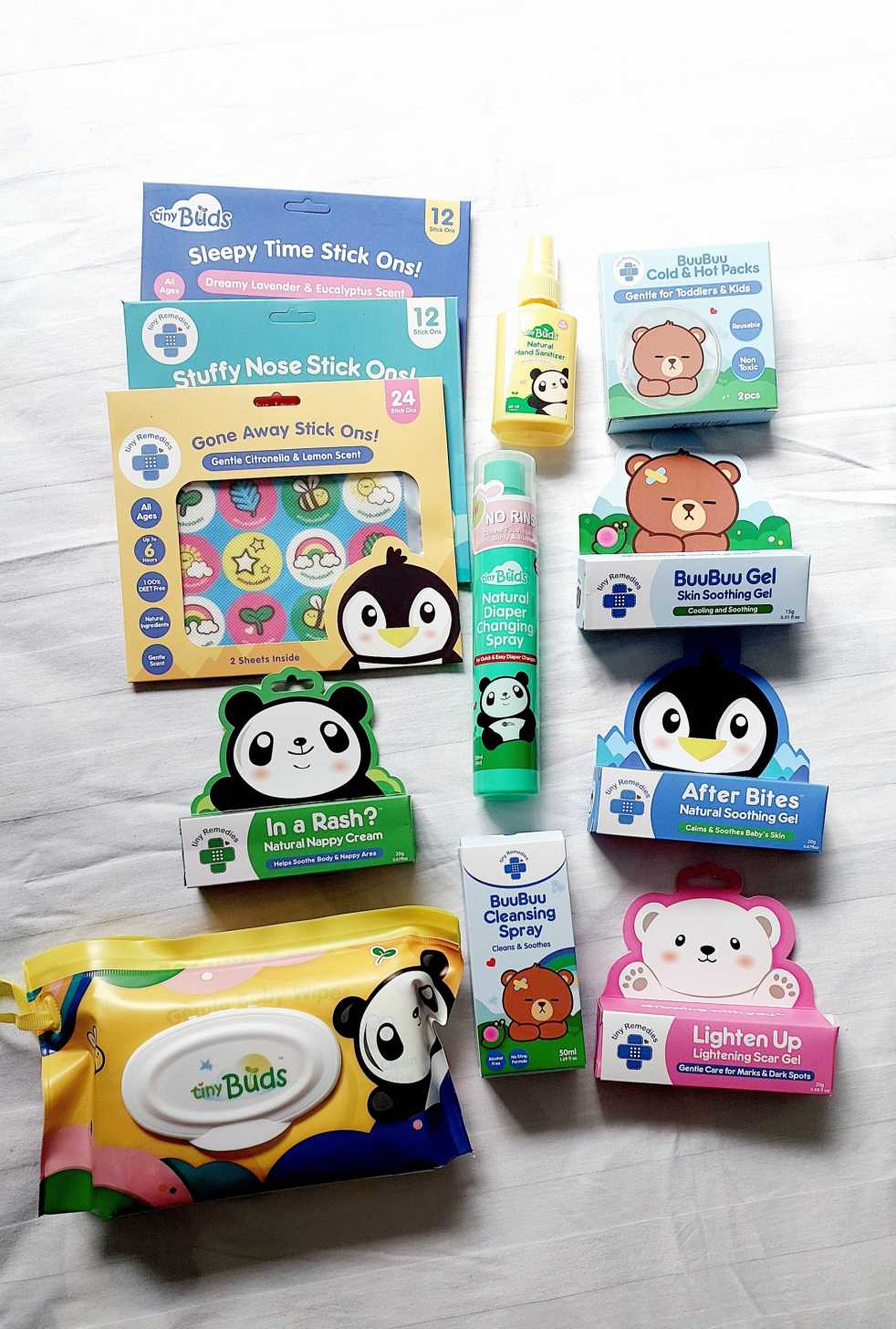
Your baby’s skin is more delicate than most, this is why you have to choose products that are designed for sensitive skin. Tiny Buds is a pioneer in integrating natural ingredients into baby care and today has over 50 innovative natural baby care essentials and is one of the Top Baby Personal Care brands. Here… Continue reading Product Review: Tiny Buds Baby Naturals Baby Essentials
Where your child goes to school is a big decision and shouldn’t be taken lightly. Given how their education can impact their future, you might be tempted to take control and decide for them. However, you might be doing more damage than helping them in the long run. Your job as parents is to support… Continue reading HOW TO CHOOSE THE BEST SCHOOL FOR YOUR CHILD

As poet and philosopher Rumi once eloquently said, “raise your words, not your voice. It is rain that grows flowers, not thunder.” Parenting is a challenging journey, and the truth is that nobody has everything figured out. One parenting style might suit others best, and some might favor other methods. However, children respond better to… Continue reading A SIMPLE GUIDE TO GENTLE PARENTING

Whether you’re a new mom to be, mom of a toddler, mom who have school-aged kids, you’re bound to have so many questions. Let's start with your baby's skin. Infant skin has unique needs; gentle care is essential to prevent damage to the skin barrier, which can lead to irritation. When caring for infant skin,… Continue reading Keeping Baby’s Diapered Skin Healthy

As parents, we want to give our child the best possible start in life and that begins with nurturing their intelligence. Throughout history, the notion of success has been linked to academic intelligence. However, there has been an increased awareness on the importance of emotional intelligence. This question gets at the heart of the never-ending… Continue reading IQ or EQ, which one is a better predictor of your child’s success?
 wondermomma.net