

Last August, IKEA Philippines engaged with Better World Smokey Mountain, a newly opened community center operated by the San Miguel Foundation, which shares a similar goal of improving the lives of many Filipino people. Through this partnership, IKEA Philippines provided and assembled home furnishings for the classrooms and library of Better World Smokey Mountain community… Continue reading Help Create a Better World with IKEA Soft Toys

NutriAsia, the country’s top producer of condiments and sauces, continues its support of Refill Revolution; a project by the Department of Environment and Natural Resources EMB 3 that aims to help reduce Filipinos’ single-use plastics consumption. At Refill Revolution, residents get to recycle their single-use plastic bottles by reusing and filling it with their choice… Continue reading NutriAsia and DENR renews partnership for Refill Revolution

What to Do When Your Baby Has a Fever at Night
A baby’s fever can feel especially worrying after dark, when clinics are closed and every change in breathing or body temperature seems alarming. Fever is usually a sign that the immune system is responding to an infection, but a young baby needs careful attention because illness can progress quickly.
The most useful first steps are to measure the temperature accurately, assess how your baby looks and behaves, and check for signs that require urgent medical care. A warm forehead alone does not confirm a fever, and the number on the thermometer is only one part of the picture.
This guide explains how to care for a feverish baby overnight, when to call a pediatrician, and how to keep your child safe and comfortable until professional advice is available. For babies younger than three months, use a lower threshold for seeking help.
Check the temperature calmly
A fever is generally a rectal temperature of 38°C (100.4°F) or higher. In babies under three months, a temperature at or above this level requires prompt medical assessment, even if the baby appears fairly comfortable. Contact a pediatrician, urgent-care service, or emergency department rather than waiting until morning.
Use a reliable digital thermometer and follow its instructions. Rectal readings are often considered the most accurate for infants, but parents should only use this method if they have been shown how to do it safely. An axillary, or armpit, reading is less invasive but may be less precise. Forehead and ear thermometers can be useful when used correctly, although technique and device quality affect the result.
Avoid taking a temperature immediately after a warm bath, heavy wrapping, or prolonged skin-to-skin contact. Let your baby cool naturally for a few minutes, then measure again. Record the temperature, time, method used, and any medicine given so you can provide clear information to a healthcare professional.
Know when medical help is needed
Seek urgent medical care for a baby under three months with a temperature of 38°C or higher. Do not give fever medicine to a very young infant unless a doctor has specifically advised you to do so. In newborns, fever may be linked to a serious bacterial or viral infection that needs prompt evaluation.
For babies three to six months old, contact a healthcare professional promptly if the temperature reaches 39°C (102.2°F), lasts, or is accompanied by unusual sleepiness, poor feeding, vomiting, diarrhea, or a rash. For older babies, the child’s overall condition matters greatly. A baby who is alert between periods of rest, drinking, and producing wet diapers may be monitored more closely than one who seems seriously unwell.
Go to an emergency department or call local emergency services immediately if your baby has difficulty breathing, blue or gray lips, severe weakness, a stiff neck, a purple or bruise-like rash, repeated vomiting, or cannot be awakened normally. In the Philippines, families may contact their local emergency service or proceed to the nearest hospital emergency department when urgent symptoms appear.
Keep your baby comfortable overnight
Comfort care supports recovery, but it will not treat the cause of the fever. Offer breast milk or formula frequently. If your baby is already taking appropriate solids, small sips of water may be suitable according to your healthcare provider’s advice, but breast milk or formula remains the main source of hydration during infancy.
Dress your baby in one light layer and use a comfortable room temperature. Avoid thick blankets, hats indoors, electric fans blowing directly on the baby, and attempts to “sweat out” the fever. Cold baths, ice packs, and alcohol rubs can cause shivering, skin injury, or dangerous temperature changes and should not be used.
| What to check overnight | What to do |
|---|---|
| Breathing | Watch for fast breathing, grunting, chest pulling in, or pauses. Seek urgent help for breathing difficulty. |
| Hydration | Offer regular feeds and monitor wet diapers. A dry mouth, no tears, or markedly fewer wet diapers needs medical advice. |
| Alertness | It is normal for a sick baby to sleep more, but the baby should be rousable and respond in a familiar way. |
| Temperature | Recheck when your baby seems hotter, colder, or more unwell rather than taking repeated readings every few minutes. |
| Comfort | Hold, feed, and soothe your baby. Keep bedding light and allow undisturbed rest. |
You do not usually need to wake a comfortably sleeping older baby solely to take repeated temperatures. Check breathing, skin color, and responsiveness periodically, and follow any monitoring instructions given by your child’s doctor. A very young infant, a baby with a medical condition, or a child who is difficult to wake needs more cautious supervision.
Use fever medicine safely
Fever-reducing medicine is intended to ease discomfort, not to force the temperature back to normal. If your baby is miserable, a pediatrician or pharmacist can advise whether paracetamol is appropriate. The dose must be based on your baby’s current weight and the concentration printed on the bottle.
Use the oral syringe supplied with liquid medicine rather than a kitchen spoon. Check the label carefully, especially if you have more than one product at home, because different liquid concentrations can lead to accidental overdosing. Write down the time and amount given, and do not repeat a dose sooner than the label or healthcare professional allows.
Ibuprofen may be unsuitable for young infants, dehydrated children, or babies with certain illnesses; do not give it to a baby under six months unless a doctor instructs you to do so. Never give aspirin to a child because of the risk of serious complications. Avoid alternating paracetamol and ibuprofen unless a healthcare professional has provided a clear schedule, since errors are easy when everyone is tired.
Do not give antibiotics left over from a previous illness, cough and cold products, or herbal remedies without medical advice. Antibiotics do not treat most viral infections, and several over-the-counter products are unsafe for babies.
Watch for warning signs and seizures
A fever can sometimes trigger a febrile seizure in children between about six months and five years. During a seizure, place your baby on the floor or another safe flat surface, turn the baby gently onto the side, remove nearby objects, and protect the head with something soft. Do not restrain the movements and never put food, medicine, water, or your fingers in the baby’s mouth.
Note the time. Call emergency services if the seizure lasts longer than five minutes, affects only one side, happens more than once in 24 hours, occurs with breathing problems, or your child does not recover as expected. A first seizure should receive medical assessment, even if it stops quickly. Fever medicine may improve comfort but does not reliably prevent febrile seizures.
Between checks, look at your baby rather than focusing only on the thermometer. A baby who is limp, unusually pale, persistently inconsolable, confused, or unable to feed needs prompt medical attention. Trust your instincts when your child seems significantly different from usual.
Prepare a simple overnight care plan
Having essential supplies together can make nighttime care calmer and reduce dosing mistakes. Keep these items within reach:
- A digital thermometer and spare batteries
- The correct medicine syringe and your baby’s current weight
- Breast milk or formula supplies, plus clean feeding equipment
- A written record of temperature readings, wet diapers, symptoms, and medication times
- Your pediatrician’s number, the nearest hospital address, and local emergency contacts
Before giving any medicine, read the label and check the concentration. If another caregiver is helping, tell them exactly when the last dose was given and ask them to record anything they administer. Never leave a feverish baby unattended on an adult bed, sofa, or changing surface.
Call a pediatrician when you are uncertain, especially if the fever continues, returns repeatedly, or your baby is feeding poorly. Professional advice is also important for babies born prematurely and children with immune problems, heart or lung conditions, or other ongoing medical needs.
Save this guidance with your baby’s health records and use it alongside advice from your child’s healthcare provider. With accurate temperature checks, safe comfort measures, and prompt attention to warning signs, you can provide steady care through the night while arranging medical help when it is needed.

Mercato Centrale, in collaboration with Indian Women in Enterprise Philippines (I-We), is set to host "The Great Indian Fiesta" to mark 75 years of friendship between India and the Philippines. The dynamic two-day event is scheduled to take place on September 30 to October 1, 2023, at Paseo De Roxas Street, Makati City. Aiming to… Continue reading Mercato Centrale Partners with I-We to Host ‘The Great Indian Fiesta’, Commemorating 75 Years of India-Philippines Friendship

My stomach would usually start growling at 10 am even after taking a big breakfast. This is probably because I am a morning person and I move a lot throughout the day hence snacking is something that I can't avoid. This potatoes and chicken wrap recipe is easy to prepare and would keep me full… Continue reading Potato and Chicken Wrap
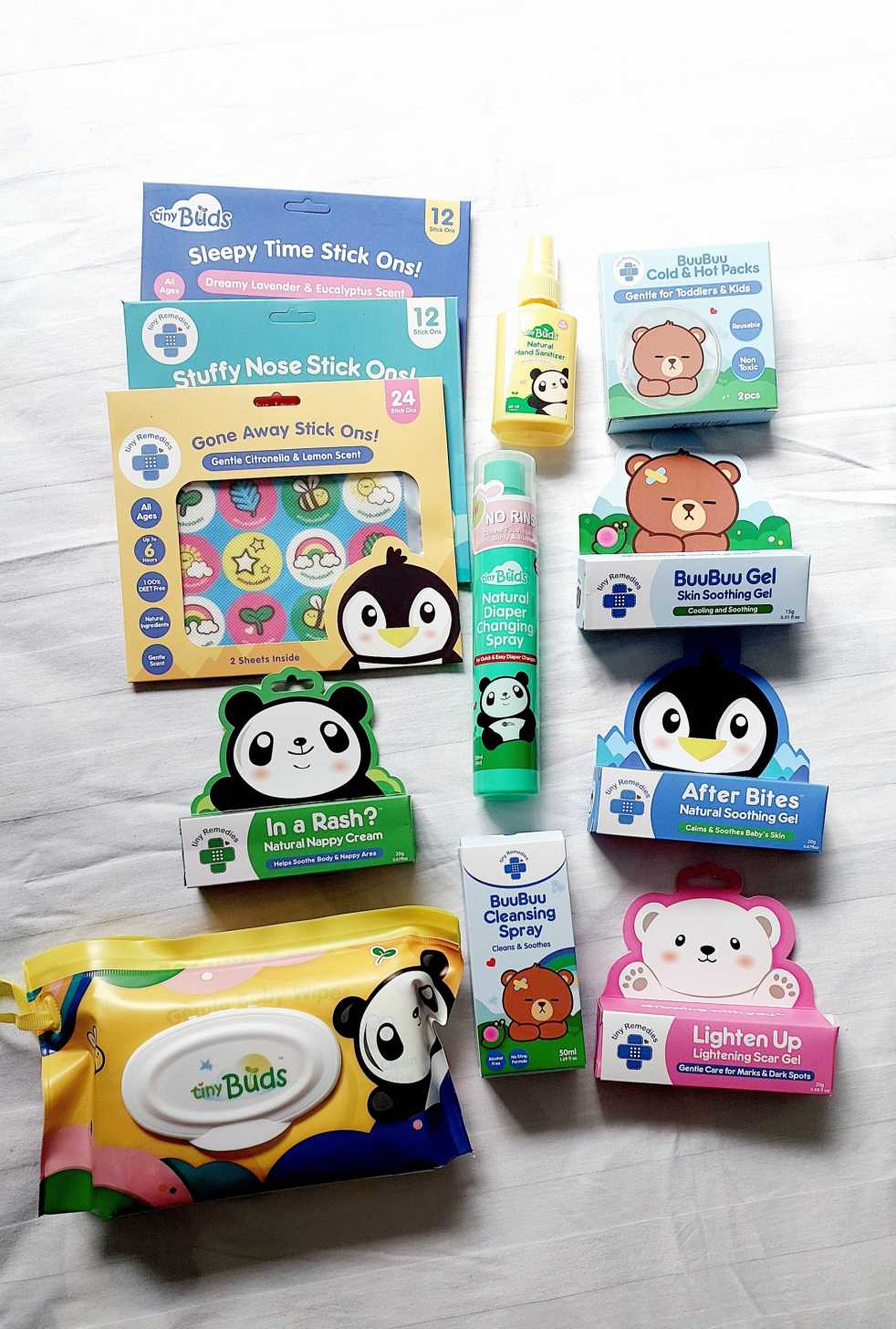
Your baby’s skin is more delicate than most, this is why you have to choose products that are designed for sensitive skin. Tiny Buds is a pioneer in integrating natural ingredients into baby care and today has over 50 innovative natural baby care essentials and is one of the Top Baby Personal Care brands. Here… Continue reading Product Review: Tiny Buds Baby Naturals Baby Essentials
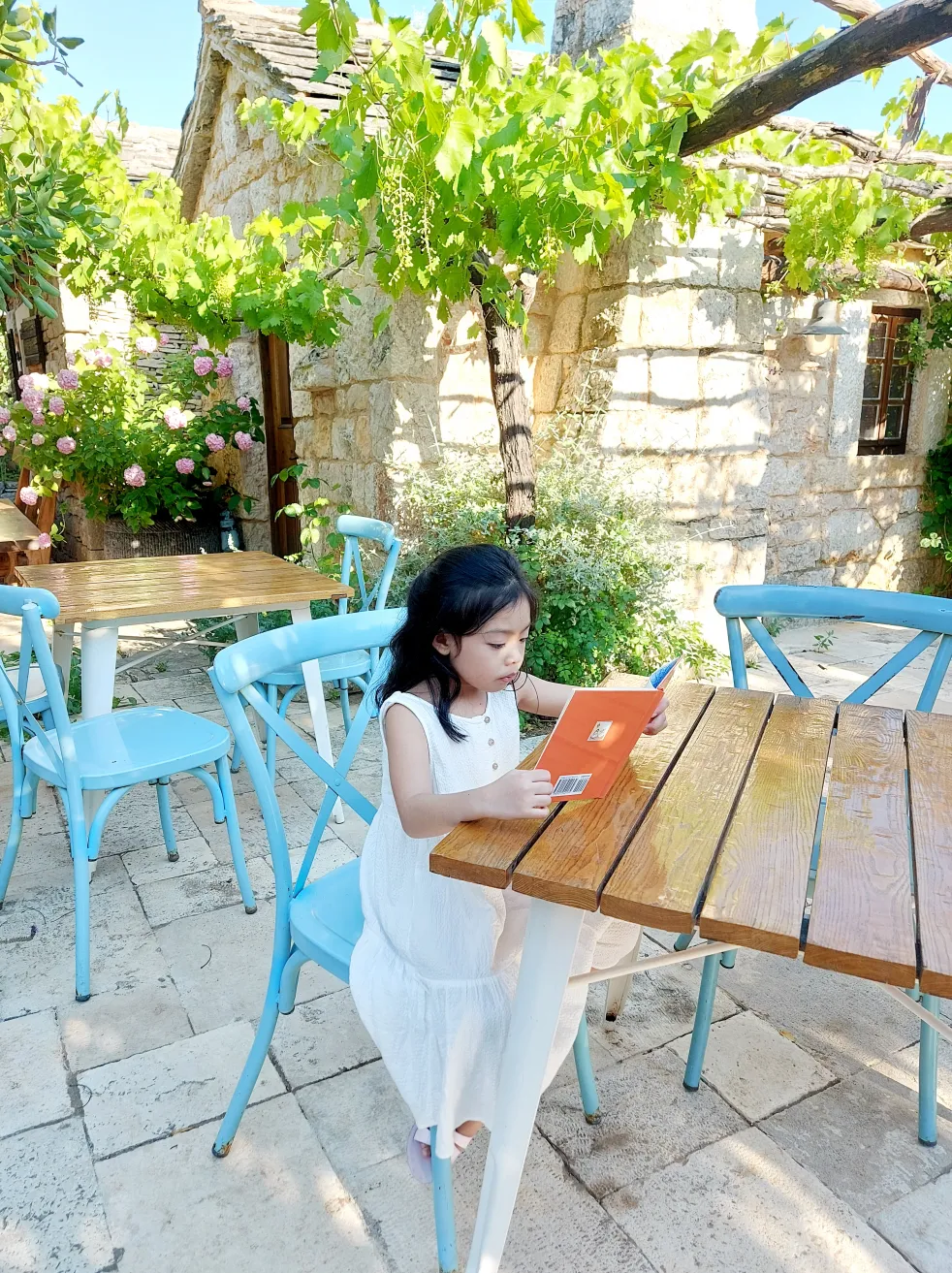
Where your child goes to school is a big decision and shouldn’t be taken lightly. Given how their education can impact their future, you might be tempted to take control and decide for them. However, you might be doing more damage than helping them in the long run. Your job as parents is to support… Continue reading HOW TO CHOOSE THE BEST SCHOOL FOR YOUR CHILD

As poet and philosopher Rumi once eloquently said, “raise your words, not your voice. It is rain that grows flowers, not thunder.” Parenting is a challenging journey, and the truth is that nobody has everything figured out. One parenting style might suit others best, and some might favor other methods. However, children respond better to… Continue reading A SIMPLE GUIDE TO GENTLE PARENTING

Whether you’re a new mom to be, mom of a toddler, mom who have school-aged kids, you’re bound to have so many questions. Let's start with your baby's skin. Infant skin has unique needs; gentle care is essential to prevent damage to the skin barrier, which can lead to irritation. When caring for infant skin,… Continue reading Keeping Baby’s Diapered Skin Healthy

As parents, we want to give our child the best possible start in life and that begins with nurturing their intelligence. Throughout history, the notion of success has been linked to academic intelligence. However, there has been an increased awareness on the importance of emotional intelligence. This question gets at the heart of the never-ending… Continue reading IQ or EQ, which one is a better predictor of your child’s success?
 wondermomma.net