

Last August, IKEA Philippines engaged with Better World Smokey Mountain, a newly opened community center operated by the San Miguel Foundation, which shares a similar goal of improving the lives of many Filipino people. Through this partnership, IKEA Philippines provided and assembled home furnishings for the classrooms and library of Better World Smokey Mountain community… Continue reading Help Create a Better World with IKEA Soft Toys

NutriAsia, the country’s top producer of condiments and sauces, continues its support of Refill Revolution; a project by the Department of Environment and Natural Resources EMB 3 that aims to help reduce Filipinos’ single-use plastics consumption. At Refill Revolution, residents get to recycle their single-use plastic bottles by reusing and filling it with their choice… Continue reading NutriAsia and DENR renews partnership for Refill Revolution

Using Positive Language to Redirect a Child’s Behaviour
Children test limits as they learn how to manage big feelings, solve problems and live alongside other people. A toddler who throws a cup, a preschooler who refuses to leave the playground and a school-aged child who snaps at a sibling are still developing self-control. Their behaviour may be inconvenient, but it is also communication.
Positive language gives parents a practical way to guide children without shaming them. It replaces harsh labels and long lectures with clear words about what is happening, what needs to change and what the child can do next.
Redirection is not permissiveness. A calm response can hold a firm boundary while protecting a child’s dignity. This approach is useful during busy Australian mornings, after-school tiredness and the familiar “five more minutes” negotiation at the park.
The aim is to teach skills gradually. Children need repeated reminders, realistic choices and plenty of practice before respectful behaviour becomes more automatic.
| Situation | Less helpful response | Positive redirection |
|---|---|---|
| A child grabs a toy | “Stop being greedy.” | “The toy is being used. You can wait or choose another one.” |
| A child hits | “You’re naughty.” | “I won’t let you hit. Hands are for helping. You can stamp your feet or tell me you’re angry.” |
| A child runs indoors | “Don’t run!” | “Walking feet inside. You can run outside in the garden.” |
| A child refuses to pack up | “You never listen.” | “It is pack-up time. You can put away the blocks or the cars first.” |
| A child shouts | “Be quiet.” | “I want to hear you. Use a calm voice so I can understand.” |
Describe the behaviour without labelling the child
A child is never the same thing as the behaviour they have shown. Words such as “naughty”, “lazy”, “selfish” or “bad” can make children feel defined by a mistake. They also provide little information about what should happen next.
Use neutral, specific language instead. “The crayons are on the floor” is more useful than “You’re making a mess.” “You pushed your brother” identifies the action without attacking the child’s character. Keep your voice steady and your sentence short, especially when emotions are running high.
For example, if a child tips sand over another child at a local playground, you might say, “The sand stays in the tray. You can scoop it into the bucket or take a break beside me.” The limit is clear, and the child receives a safe alternative.
State what the child can do
Young children often hear “don’t” more easily than they understand the replacement behaviour. “Don’t touch” may leave them wondering whether to stand still, move away or put their hands in their pockets. Tell them what action is expected.
Try “Keep the water in the bath”, “Hold my hand in the car park” or “Put the puzzle pieces on the mat”. Positive instructions work best when they are concrete and suited to the child’s age. A two-year-old may need one step, while an older child can manage a short sequence.
Australian routines create many opportunities to practise this skill. Before entering Woolworths or Coles, say, “The trolley is for sitting, and we use walking feet near the shelves.” Before a hot afternoon at the oval, explain, “We will stay in the shade for a drink, then you can have another turn.” Clear expectations are easier to follow than corrections delivered after the problem has grown.
Offer limited choices with a firm boundary
Choices help children feel some control without handing over the whole decision. Give two acceptable options and avoid offering a choice when the matter is not negotiable. “Do you want to leave now or after one last slide?” is useful when both options lead to leaving. “Do you want to leave?” suggests that staying may be available.
Choices should be brief and genuine. A child who is throwing bath toys might hear, “You can play gently or bath time will finish.” A child who will not put on shoes might choose between sneakers and sandals. If the child refuses both, calmly follow through with the relevant limit rather than adding more options.
This approach is particularly helpful around kindy, preschool and school preparation. “Would you like me to zip your bag or would you like to try?” gives a child ownership while keeping the morning moving. During the Australian school year, predictable language can make transitions smoother when families are managing uniforms, lunchboxes and early starts.
Connect before correcting
Children are more able to listen when they feel seen. Connection does not mean agreeing with unsafe behaviour; it means acknowledging the feeling or wish underneath it. “You wanted to keep playing, and leaving feels hard” can be followed by “It is time to go. You may walk to the gate or hold my hand.”
Get close, lower yourself to the child’s level and use a calm expression. For a distressed toddler, fewer words are usually more effective than a detailed explanation. A child who is hungry, tired or overwhelmed may need help regulating before they can respond to a lesson.
Families can use this method during the late-afternoon “arvo” rush, when children return from childcare or school with little emotional energy left. A snack, cuddle or quiet few minutes may prevent a small disagreement from becoming a full meltdown. Once the child is calm, a short reminder can teach the boundary.
Replace threats with natural consequences
Threats may gain quick compliance, but they often create fear and power struggles. Positive discipline uses consequences that relate directly to the behaviour. If a child throws a book, the book is put away for a while. If water is repeatedly splashed out of the bath, the bath ends. If a bike is ridden into someone, the child moves away and tries again when ready.
Explain the consequence without sounding punitive: “I won’t let you throw the blocks. The blocks will rest on the shelf, and we can try again later.” Follow through consistently, but do not add humiliation or unrelated punishments. The purpose is learning, not making the child suffer.
In early learning settings across Australia, respectful guidance sits alongside safety and supervision expectations under the National Quality Framework. Families do not need to copy formal childcare language, but the same principles are valuable at home: clear limits, predictable responses and opportunities to repair harm.
Teach repair and praise useful behaviour
Redirecting behaviour is only part of the process. Children also need to learn how to fix what happened. After a disagreement, invite a practical repair: help rebuild the tower, fetch an ice pack, return the toy or say, “Are you okay?” A forced apology may sound polite without creating understanding, while a supported repair teaches responsibility.
Notice specific actions as they happen. “You were upset, and you placed the toy down instead of throwing it” gives the child information about self-control. “You waited while your sister had a turn” reinforces patience more effectively than a general “Good girl” or “Good boy.”
Positive feedback should feel natural rather than constant. Families can also model the language they want children to use: “I’m frustrated, so I’m taking a breath,” or “I need help with this.” For calm family activities, parents may find family recipe ideas useful for involving children in simple tasks such as washing fruit, stirring batter or setting the table.
Adjust the environment before expecting self-control
Children’s behaviour is influenced by sleep, hunger, sensory overload and the demands of the setting. A toddler asked to sit quietly through a long café meal may need movement, a small activity and realistic expectations. A primary-school child coming home after a demanding day may need food and downtime before homework or sibling play.
Look for patterns rather than treating every incident as defiance. Keep breakable items out of reach, use visual reminders for routines and give warnings before transitions. On very hot Australian days, plan active play for cooler hours, carry water and remember that tired children can become irritable quickly. Sunscreen, hats and shade support comfort, which makes cooperation more likely.
Parents will not respond perfectly every time. If a sharp phrase slips out, repair it: “I shouted, and that was not helpful. I was worried about safety. Let’s try again.” This models accountability and shows children that respectful communication can be restored after a difficult moment.
Positive language becomes effective through repetition, warmth and consistency. A child may still protest, cry or test the boundary, but they gradually learn that feelings are acceptable while unsafe or hurtful actions are guided firmly. Over time, redirection helps children build the language, confidence and self-control they need to manage behaviour for themselves.

Mercato Centrale, in collaboration with Indian Women in Enterprise Philippines (I-We), is set to host "The Great Indian Fiesta" to mark 75 years of friendship between India and the Philippines. The dynamic two-day event is scheduled to take place on September 30 to October 1, 2023, at Paseo De Roxas Street, Makati City. Aiming to… Continue reading Mercato Centrale Partners with I-We to Host ‘The Great Indian Fiesta’, Commemorating 75 Years of India-Philippines Friendship

My stomach would usually start growling at 10 am even after taking a big breakfast. This is probably because I am a morning person and I move a lot throughout the day hence snacking is something that I can't avoid. This potatoes and chicken wrap recipe is easy to prepare and would keep me full… Continue reading Potato and Chicken Wrap
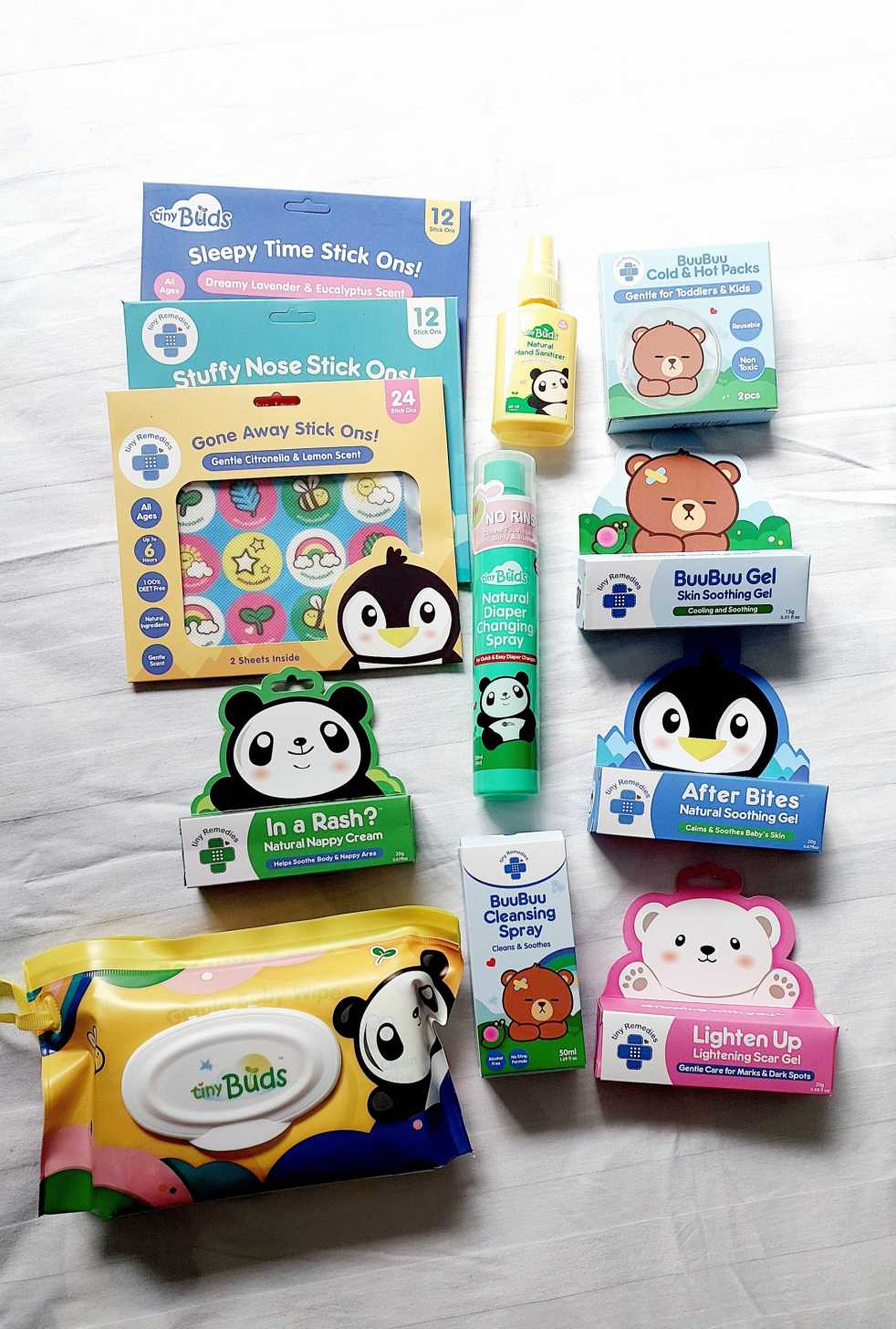
Your baby’s skin is more delicate than most, this is why you have to choose products that are designed for sensitive skin. Tiny Buds is a pioneer in integrating natural ingredients into baby care and today has over 50 innovative natural baby care essentials and is one of the Top Baby Personal Care brands. Here… Continue reading Product Review: Tiny Buds Baby Naturals Baby Essentials
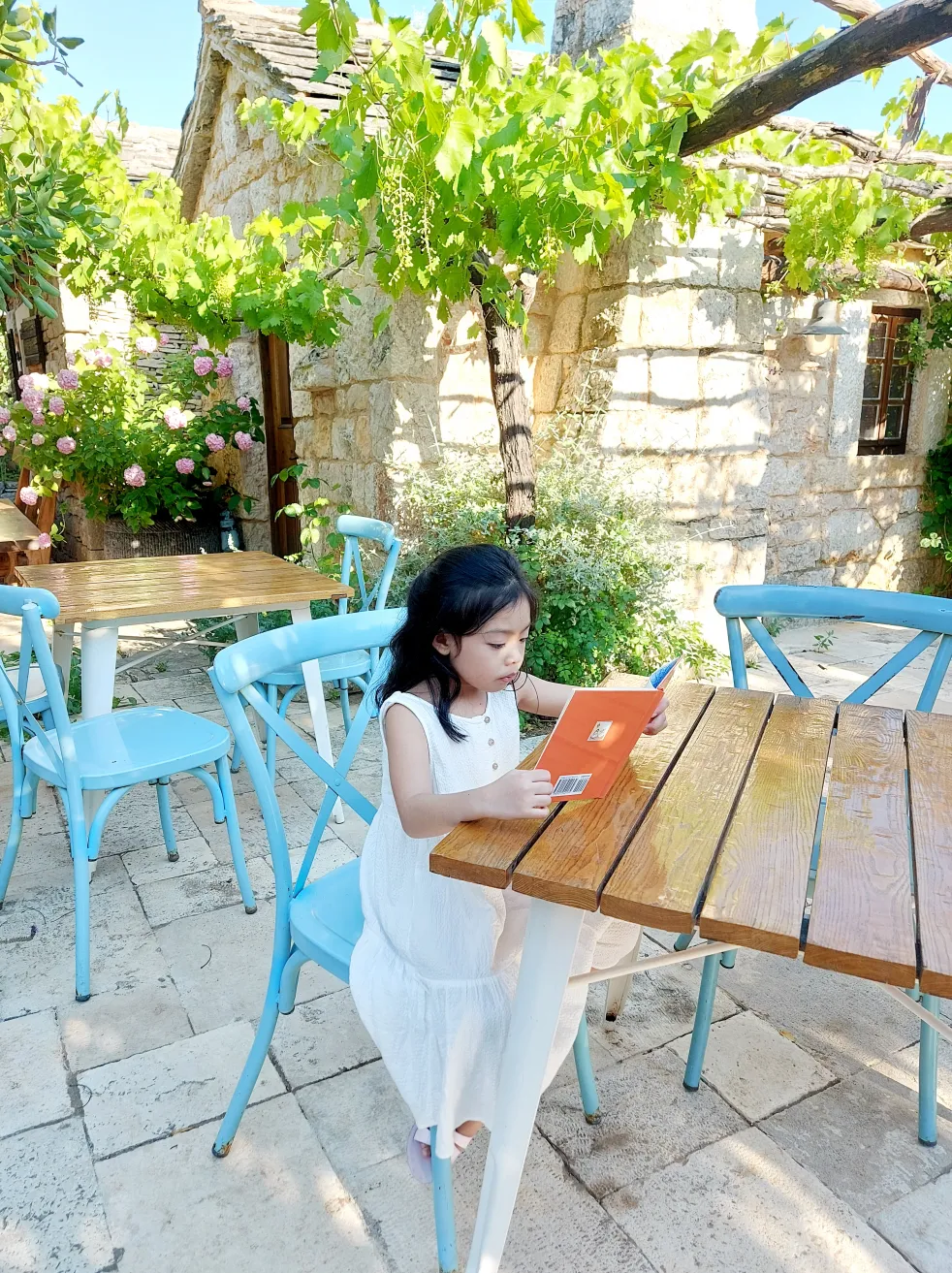
Where your child goes to school is a big decision and shouldn’t be taken lightly. Given how their education can impact their future, you might be tempted to take control and decide for them. However, you might be doing more damage than helping them in the long run. Your job as parents is to support… Continue reading HOW TO CHOOSE THE BEST SCHOOL FOR YOUR CHILD
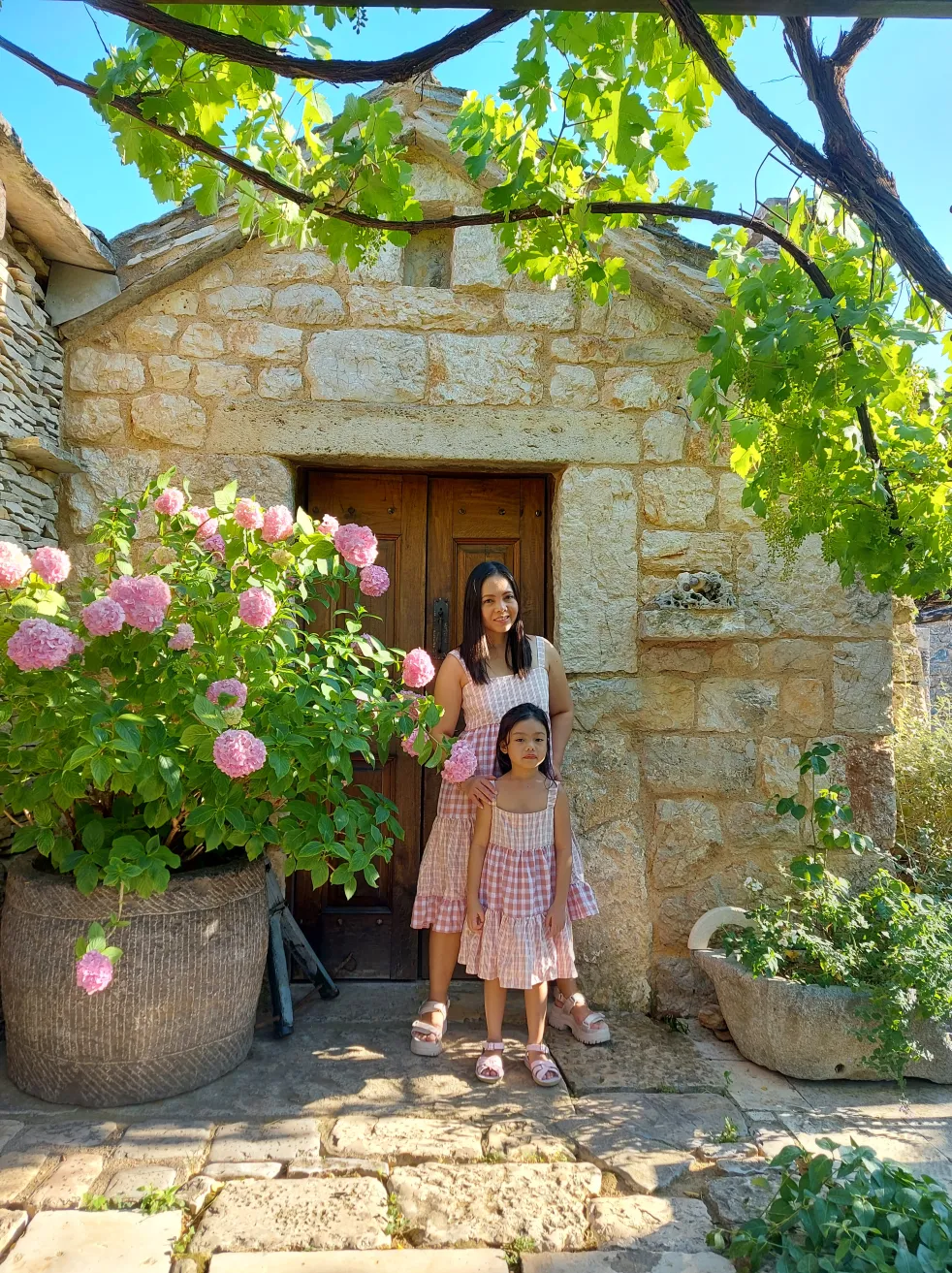
As poet and philosopher Rumi once eloquently said, “raise your words, not your voice. It is rain that grows flowers, not thunder.” Parenting is a challenging journey, and the truth is that nobody has everything figured out. One parenting style might suit others best, and some might favor other methods. However, children respond better to… Continue reading A SIMPLE GUIDE TO GENTLE PARENTING

Whether you’re a new mom to be, mom of a toddler, mom who have school-aged kids, you’re bound to have so many questions. Let's start with your baby's skin. Infant skin has unique needs; gentle care is essential to prevent damage to the skin barrier, which can lead to irritation. When caring for infant skin,… Continue reading Keeping Baby’s Diapered Skin Healthy
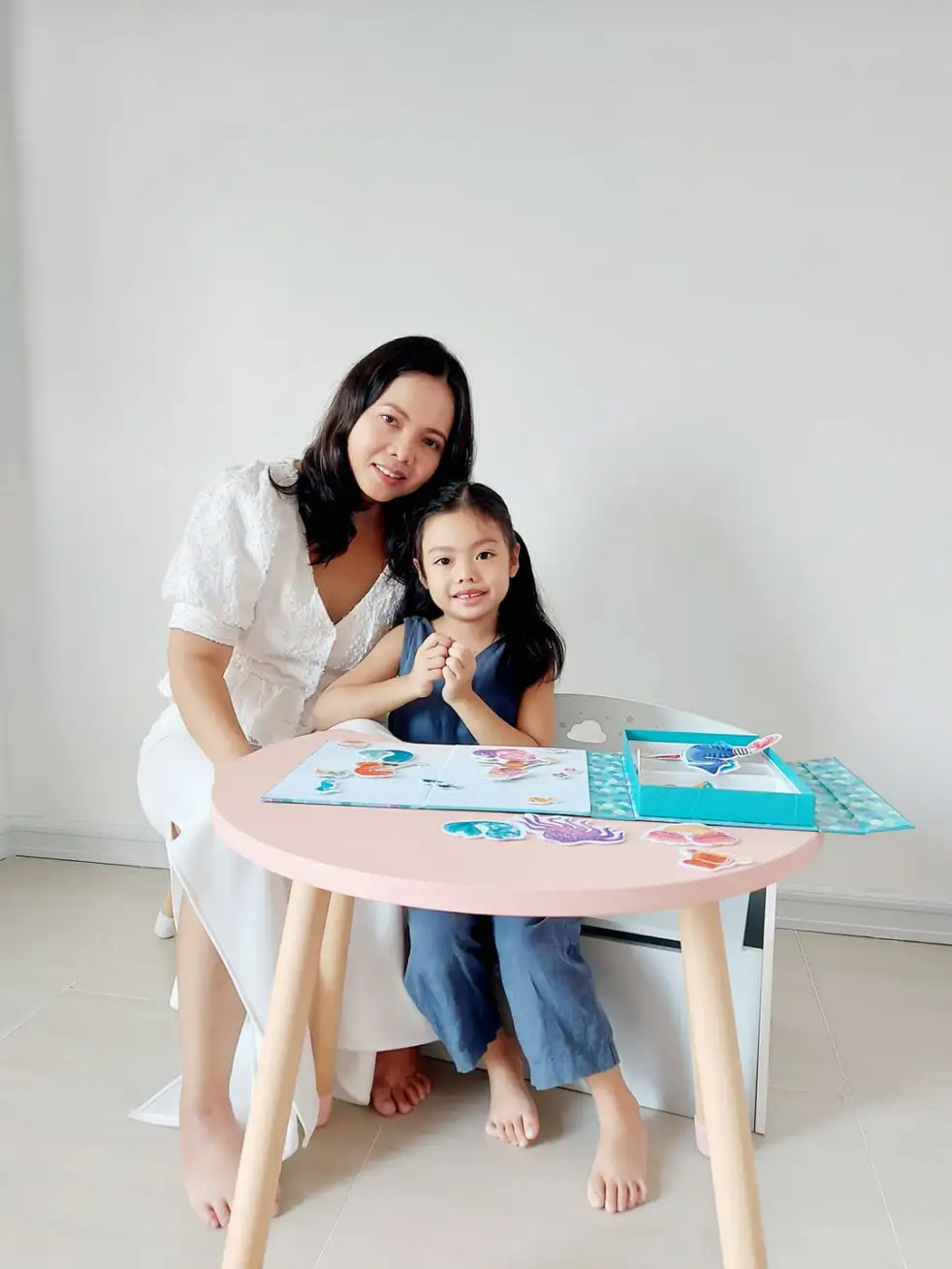
As parents, we want to give our child the best possible start in life and that begins with nurturing their intelligence. Throughout history, the notion of success has been linked to academic intelligence. However, there has been an increased awareness on the importance of emotional intelligence. This question gets at the heart of the never-ending… Continue reading IQ or EQ, which one is a better predictor of your child’s success?
 wondermomma.net