
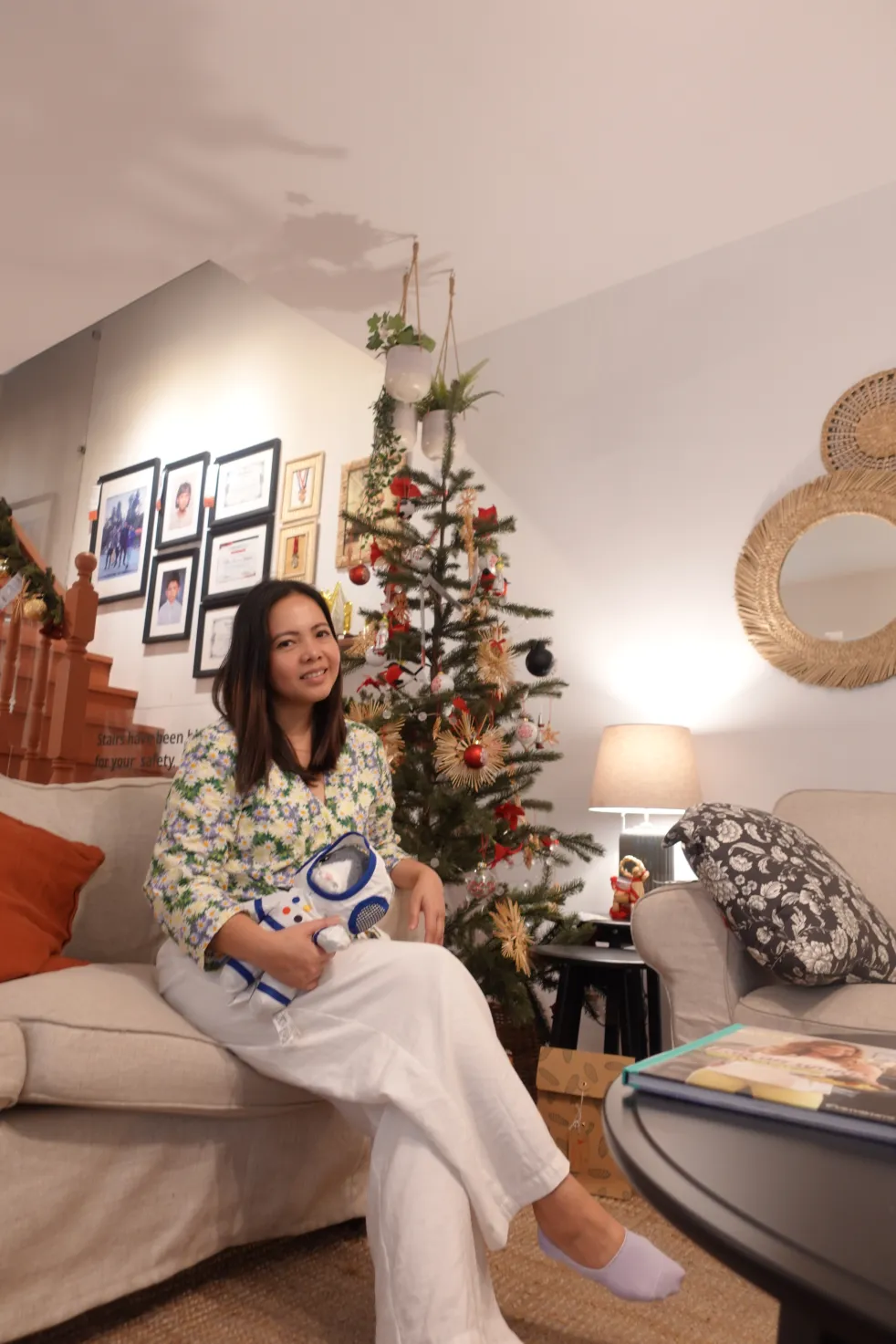
Last August, IKEA Philippines engaged with Better World Smokey Mountain, a newly opened community center operated by the San Miguel Foundation, which shares a similar goal of improving the lives of many Filipino people. Through this partnership, IKEA Philippines provided and assembled home furnishings for the classrooms and library of Better World Smokey Mountain community… Continue reading Help Create a Better World with IKEA Soft Toys
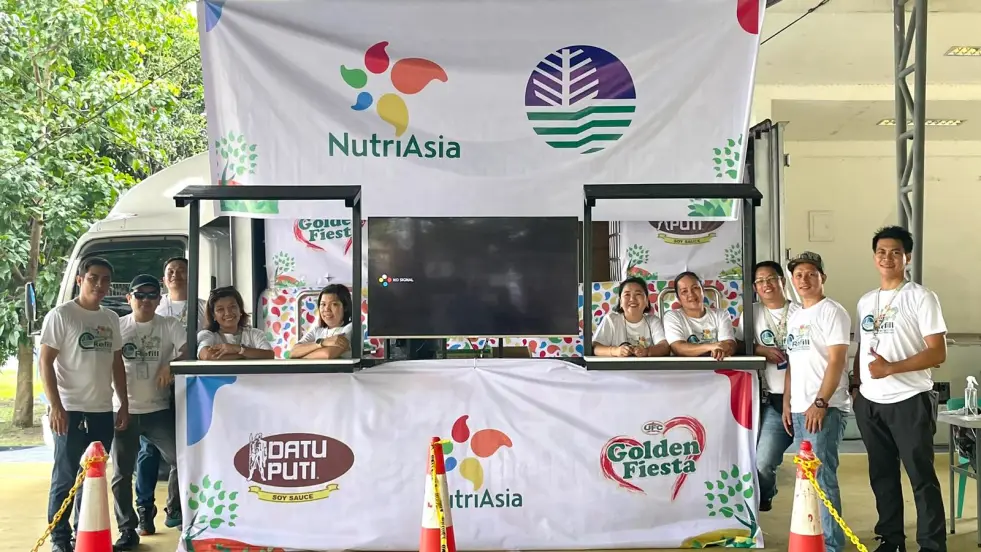
NutriAsia, the country’s top producer of condiments and sauces, continues its support of Refill Revolution; a project by the Department of Environment and Natural Resources EMB 3 that aims to help reduce Filipinos’ single-use plastics consumption. At Refill Revolution, residents get to recycle their single-use plastic bottles by reusing and filling it with their choice… Continue reading NutriAsia and DENR renews partnership for Refill Revolution

Understanding the Stages of Play in Early Childhood
Play is a child’s natural way of exploring people, objects, feelings and ideas. From a baby watching a mobile to a preschooler organising a pretend café, each kind of play supports learning and social development. These patterns often overlap, and children may move between them during the same day.
Understanding the stages of play in early childhood can help parents respond with confidence rather than rushing children towards group activities. Whether your family lives in Sydney, Perth, a regional town or a remote community, everyday moments at home, in the backyard, at playgroup or in an Australian early learning setting can provide rich opportunities for growth.
| Stage of play | Common age range | What it may look like | Skills being developed |
|---|---|---|---|
| Unoccupied play | Birth to 3 months | Random movements, looking around, kicking | Body awareness and sensory attention |
| Solitary play | Around 3 months to 2 years | Playing independently with toys | Concentration, movement and problem-solving |
| Onlooker play | Around 2 to 3 years | Watching other children without joining | Social awareness and language |
| Parallel play | Around 2 to 4 years | Playing beside children with similar toys | Imitation, confidence and early social learning |
| Associative play | Around 3 to 4 years | Sharing materials and talking during play | Communication and cooperation |
| Cooperative play | Around 4 years and onwards | Working together towards a shared game or story | Negotiation, empathy and self-regulation |
How play changes as children grow
The recognised stages of play describe broad patterns rather than strict milestones. A child may enjoy cooperative pretend play at childcare and then spend a quiet afternoon playing alone at home. Tiredness, temperament, sensory needs, a new sibling or an unfamiliar environment can all influence how a child plays.
Play also develops alongside physical, cognitive and emotional skills. Babies first discover what their bodies can do. Toddlers begin testing cause and effect, while preschoolers use language and imagination to create shared worlds. These changes are gradual, with plenty of overlap between stages.
Parents do not need to provide expensive equipment for play to be meaningful. A cardboard box, wooden spoon, washable crayons, blocks or a basket of fabric can support open-ended exploration. Australian families may also find simple inspiration at a local library, community playgroup, council playground or weekend visit to a botanic garden.
Early exploration through unoccupied and solitary play
Unoccupied play is common during the earliest months of life. A baby may wave their arms, stare at sunlight on a wall, turn towards a familiar voice or repeatedly open and close their hands. These actions can appear random, yet they help babies notice movement, sound, texture and their own bodies.
Gentle interaction supports this stage. A parent can place a high-contrast toy within view, sing during nappy changes or offer a few minutes of floor time when the baby is alert. There is no need to fill every quiet moment with stimulation. Safe pauses allow babies to observe and process their surroundings.
Solitary play becomes more purposeful as babies and toddlers gain control over their hands and bodies. They may stack cups, roll a ball, post shapes into a container or turn the pages of a board book. Concentrating alone helps build persistence, coordination and early problem-solving.
A safe play space is more important than a large toy collection. In Australia, families can use a shaded area indoors or outdoors, remembering that hot surfaces, direct sun and small objects require careful supervision. Rotating a few age-appropriate toys keeps familiar materials interesting without overwhelming a young child.
Watching, copying and playing alongside others
Onlooker play occurs when a child watches other children without taking part. A toddler at a busy playgroup may observe a group building with blocks, follow a child on the slide or comment on what others are doing. Watching is an active form of learning, even when the child appears hesitant.
Adults can support onlooker play by describing what is happening without demanding participation. Phrases such as “They are rolling the ball” or “You noticed the children making a road” give a child useful language and show that observing is acceptable. Some children need several visits to a new playgroup before they feel ready to join.
Parallel play usually develops when children begin playing near each other with similar or related materials. Two toddlers might build separate towers, sit beside each other with playdough or push toy cars along nearby tracks. They may occasionally copy each other, but they are not yet working towards one shared plan.
This stage is especially common in childcare and kindy settings. Children are learning that other people can use the same space and resources, while still protecting their own ideas. Parents can offer duplicate materials where possible and calmly model simple social language, such as “You are using the blue truck. Your friend can have the red one.”
Associative play and the growth of communication
During associative play, children begin to interact more directly. They may exchange crayons, add blocks to another child’s construction or talk about a pretend game, even if each child still has a separate goal. The play becomes more social, but it may change direction quickly.
Language plays a major role at this point. Children practise inviting others, making suggestions, copying phrases and explaining their intentions. They are also learning that another child may have a different idea. Short disagreements over a doll, a bike or a favourite spot are normal opportunities to practise turn-taking with adult support.
Parents can encourage this kind of play by providing materials that invite conversation. A pretend grocery shop, dress-up basket, animal figures, water trough or collection of natural objects can lead to shared storytelling. Australian children may recreate familiar experiences such as visiting a beach, riding a tram in Melbourne or shopping at a local farmers’ market.
It helps to avoid solving every small disagreement immediately. An adult might acknowledge both perspectives and offer a simple structure: “You both want the scoop. Sam can use it while Mia fills the cup, then you can swap.” This gives children a practical model for fairness without expecting perfect sharing from an immature nervous system.
Cooperative play and shared pretend worlds
Cooperative play involves a shared purpose. Children may decide to build a zoo, organise a pretend family meal, create a train journey or play a simple version of hide-and-seek. They assign roles, make rules and adjust their ideas as the game develops.
This stage supports executive function, empathy and self-regulation. Children must remember the agreed story, manage excitement, listen to other viewpoints and cope when the game changes. They also learn that a playmate’s contribution can make the activity richer. These skills form a strong foundation for relationships and later classroom learning.
Cooperative play does not need to be completely harmonious. Children may argue about who gets to be the shopkeeper or change the rules when they start losing a game. Adults can stay nearby, keep everyone safe and coach rather than take over. Helpful prompts include “What could the dragon do next?” or “How can both ideas fit into the story?”
Outdoor spaces are particularly useful for group play because they allow movement and flexible roles. A suburban backyard, a local oval or a council playground can become a construction site, campsite or obstacle course. In cooler weather, families in cities such as Hobart or Canberra may use layers and weatherproof clothing to continue outdoor play comfortably rather than treating rain or cold as a complete barrier.
Supporting healthy play at home and in early learning
Children benefit when adults respect their current play style while gently creating opportunities for the next step. A child who prefers solitary play can be given time to settle before being invited to join a sibling. A child who loves group games may still need quiet sensory play after a busy day at long day care or school.
Screen use can sit alongside active, imaginative and social play, but real-world play gives children hands-on feedback that digital activities cannot fully replace. Building with blocks, mixing pretend ingredients, drawing maps or caring for a toy animal involves movement, sensory experience and flexible thinking. Affordable options from Australian retailers, op shops and toy libraries can be just as valuable as premium branded toys.
Adults should also consider inclusion. Some children communicate through gestures, use alternative communication, avoid eye contact or need extra time with sensory experiences. Play does not have to look conventional to be meaningful. Adapted equipment, quieter spaces, visual choices and a trusted play partner can help children participate on their own terms.
The most helpful role is usually attentive and relaxed. Notice what interests the child, follow their lead, add language to their actions and allow room for repetition. Across babyhood, toddler years and the preschool period, play gradually moves from personal discovery towards shared imagination, giving children a safe way to understand themselves and the world around them.

Mercato Centrale, in collaboration with Indian Women in Enterprise Philippines (I-We), is set to host "The Great Indian Fiesta" to mark 75 years of friendship between India and the Philippines. The dynamic two-day event is scheduled to take place on September 30 to October 1, 2023, at Paseo De Roxas Street, Makati City. Aiming to… Continue reading Mercato Centrale Partners with I-We to Host ‘The Great Indian Fiesta’, Commemorating 75 Years of India-Philippines Friendship

My stomach would usually start growling at 10 am even after taking a big breakfast. This is probably because I am a morning person and I move a lot throughout the day hence snacking is something that I can't avoid. This potatoes and chicken wrap recipe is easy to prepare and would keep me full… Continue reading Potato and Chicken Wrap
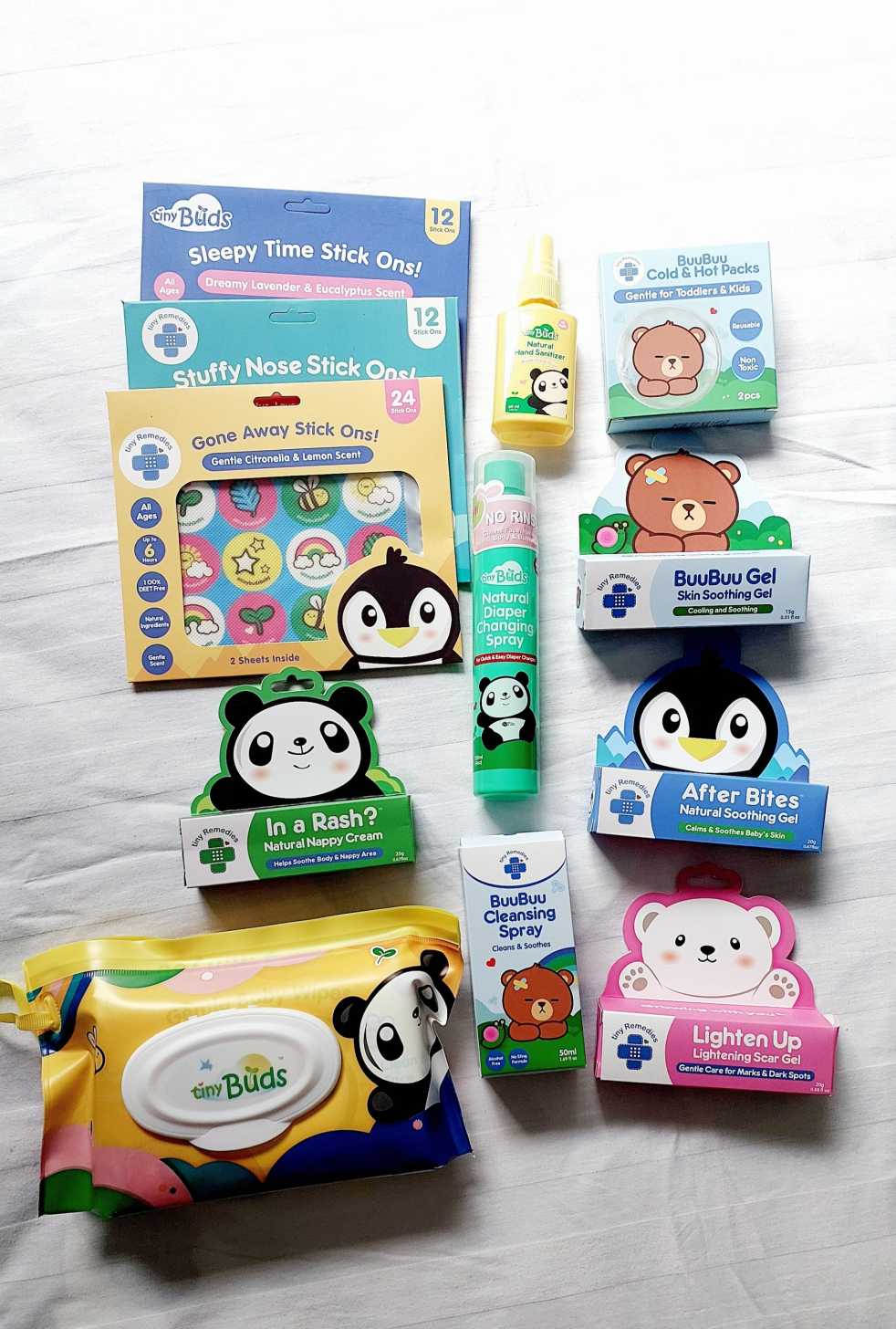
Your baby’s skin is more delicate than most, this is why you have to choose products that are designed for sensitive skin. Tiny Buds is a pioneer in integrating natural ingredients into baby care and today has over 50 innovative natural baby care essentials and is one of the Top Baby Personal Care brands. Here… Continue reading Product Review: Tiny Buds Baby Naturals Baby Essentials
Where your child goes to school is a big decision and shouldn’t be taken lightly. Given how their education can impact their future, you might be tempted to take control and decide for them. However, you might be doing more damage than helping them in the long run. Your job as parents is to support… Continue reading HOW TO CHOOSE THE BEST SCHOOL FOR YOUR CHILD
As poet and philosopher Rumi once eloquently said, “raise your words, not your voice. It is rain that grows flowers, not thunder.” Parenting is a challenging journey, and the truth is that nobody has everything figured out. One parenting style might suit others best, and some might favor other methods. However, children respond better to… Continue reading A SIMPLE GUIDE TO GENTLE PARENTING

Whether you’re a new mom to be, mom of a toddler, mom who have school-aged kids, you’re bound to have so many questions. Let's start with your baby's skin. Infant skin has unique needs; gentle care is essential to prevent damage to the skin barrier, which can lead to irritation. When caring for infant skin,… Continue reading Keeping Baby’s Diapered Skin Healthy
As parents, we want to give our child the best possible start in life and that begins with nurturing their intelligence. Throughout history, the notion of success has been linked to academic intelligence. However, there has been an increased awareness on the importance of emotional intelligence. This question gets at the heart of the never-ending… Continue reading IQ or EQ, which one is a better predictor of your child’s success?
 wondermomma.net