
Last August, IKEA Philippines engaged with Better World Smokey Mountain, a newly opened community center operated by the San Miguel Foundation, which shares a similar goal of improving the lives of many Filipino people. Through this partnership, IKEA Philippines provided and assembled home furnishings for the classrooms and library of Better World Smokey Mountain community… Continue reading Help Create a Better World with IKEA Soft Toys
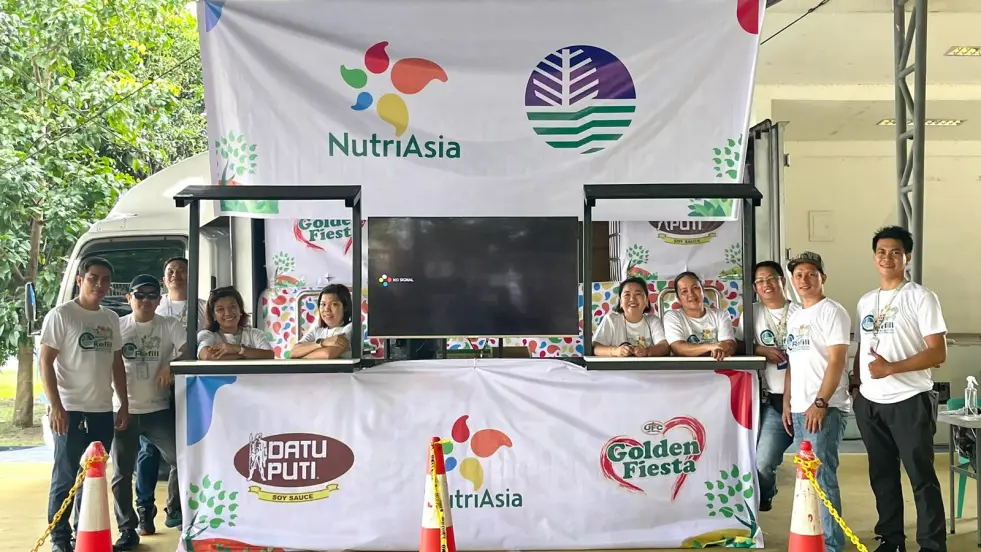
NutriAsia, the country’s top producer of condiments and sauces, continues its support of Refill Revolution; a project by the Department of Environment and Natural Resources EMB 3 that aims to help reduce Filipinos’ single-use plastics consumption. At Refill Revolution, residents get to recycle their single-use plastic bottles by reusing and filling it with their choice… Continue reading NutriAsia and DENR renews partnership for Refill Revolution
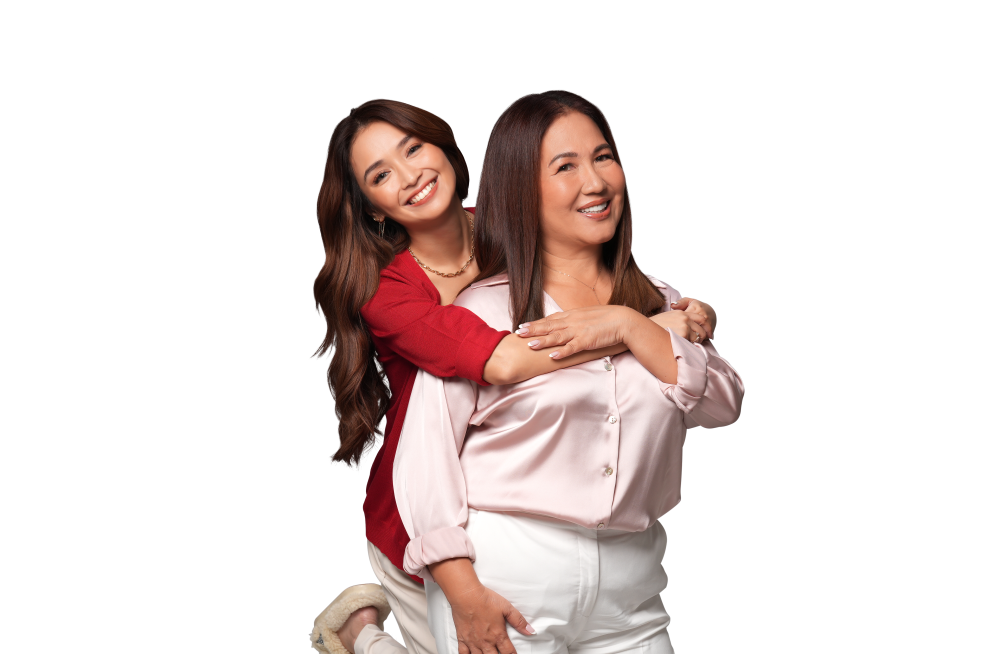
Baby food brands Filipino parents can shop with confidence
Starting solids is an exciting milestone, but supermarket shelves can make the decision feel complicated. Parents in the Philippines can choose from powdered cereals, ready-to-eat purées, fruit pouches, snack products, and frozen or chilled meals. The best option depends on a baby’s age, feeding stage, allergies, budget, and access to reliable storage.
This guide looks at popular baby food brands available in the Philippines, including international labels sold through supermarkets, pharmacies, specialty baby stores, and online marketplaces. Availability and prices can change, so check the current packaging and seller details before purchasing.
Commercial baby food can be convenient for travel, busy days, and gradual exposure to different flavors. It can also work alongside family-prepared food rather than replacing it. At around six months, when a baby shows readiness for complementary feeding, parents can introduce suitable textures while continuing breast milk or infant formula as advised by a healthcare professional.
What to check before buying
Age guidance is a useful starting point, but it should not be the only consideration. Look for products that match your child’s feeding ability, such as smooth purée for early eaters or thicker, mashed textures for babies developing chewing skills. A product marked for a certain age does not automatically mean every baby is ready for it.
Read the ingredient list and nutrition panel carefully. Choose options with simple ingredients when possible, and be cautious with added sugar, excess sodium, sweetened drinks, and highly processed snacks. Honey should not be given to children under 12 months because of the risk of infant botulism. Check for common allergens such as milk, egg, wheat, soy, peanut, fish, and tree nuts, then follow your pediatrician’s advice on safe introduction.
Packaging also matters. Pouches, jars, tins, and sachets should be sealed, undamaged, and within their expiration date. Do not buy products with leaking, swollen, rusty, or severely dented containers. For imported goods, confirm that the label includes appropriate product information and that the seller has a trustworthy record.
Popular choices in Philippine stores
Cerelac is one of the most familiar baby cereal brands in the Philippines. It is commonly available in grocery stores, pharmacies, and online shops, with varieties based on rice, wheat, or mixed grains. Parents often choose it for its accessibility and simple preparation, although the specific ingredients and sugar content vary by flavor, so every package deserves a close review.
Gerber is another widely recognized option, offering cereals, purées, puffs, and snack-style products in selected Philippine retailers and online stores. Its range can be useful for families looking for different textures as a baby progresses. Parents should distinguish between a complete meal, a snack, and a fruit or vegetable purée when planning the day’s nutrition.
Heinz baby food and Heinz by Nature products may appear through major retailers, specialty shops, and importers. Depending on the source, the range can include jars, pouches, cereals, and toddler foods. Because imported stock differs between sellers, compare the ingredients, country of origin, age recommendation, and storage instructions rather than relying on the brand name alone.
Comparing formats and brand options
Availability in the Philippines changes by branch, season, and importer. A brand may be easy to find in Metro Manila but less common in provincial areas, while online marketplaces may offer a wider selection with varying delivery conditions. Chilled or frozen products require extra care during shipping, especially in warm weather.
The following overview is a practical starting point. Product lines differ by market, and some variants may be intended for older babies or toddlers rather than first-stage feeding.
| Brand or range | Common formats | Useful for | Points to check |
|---|---|---|---|
| Cerelac | Powdered cereal and grain blends | Easy preparation and early complementary meals | Flavor-specific sugar, milk ingredients, and allergens |
| Gerber | Cereals, jars, pouches, purées, puffs | A broad range of stages and textures | Age label, snack ingredients, and seller authenticity |
| Heinz | Jars, pouches, cereals, toddler foods | Convenient fruit, vegetable, and meal options | Imported label details and changing stock |
| Happy Baby | Pouches, cereals, snacks, freeze-dried foods | Parents seeking organic-positioned or varied options | Price, imported packaging, and allergen information |
| Ella’s Kitchen | Organic-positioned pouches and snacks | Portable meals and fruit or vegetable combinations | Texture, portion size, and added fruit sweetness |
| Little Freddie | Organic-positioned purées and pouches | Smooth purées and simple ingredient combinations | Storage rules and availability from reputable importers |
| Hipp | Cereals, jars, pouches, and toddler foods | Families seeking European-style baby food ranges | Country-specific recipes, milk content, and authenticity |
Happy Baby, Ella’s Kitchen, Little Freddie, and Hipp are often found through specialty baby retailers or online sellers rather than every neighborhood supermarket. Their products may appeal to parents looking for organic-positioned ranges, limited-ingredient recipes, or convenient pouches. “Organic” does not automatically mean lower in sugar or nutritionally complete, so the nutrition panel remains important.
Some Filipino families also buy imported products from Beech-Nut, Organix, Rafferty’s Garden, and Earth’s Best when these are available. Stock can be inconsistent, and prices may be higher because of shipping and import costs. Check whether the package is intended for the Philippine market, especially when instructions, measurements, or food standards differ from local labeling.
Choosing cereals, purées, and finger foods
Baby cereals can be mixed with breast milk, prepared formula, or water according to the package instructions. They are convenient, but babies also benefit from gradually experiencing vegetables, fruits, legumes, meat, fish, eggs, and other age-appropriate foods. A cereal should support a varied feeding pattern rather than become the only food offered.
Pouches and jars are practical for outings, yet babies should be encouraged to eat from a spoon or an open cup when developmentally ready. Sucking directly from a pouch may reduce opportunities to practice oral skills and can make it harder for a parent to observe pace and fullness. Squeeze a suitable portion into a bowl, supervise closely, and discard leftovers that have been in contact with a baby’s mouth.
Finger foods become increasingly useful as a child develops the ability to sit upright, pick up food, and bring it to the mouth. Soft strips of vegetables, ripe fruit, shredded meat, or other safe textures can complement packaged foods. Avoid choking hazards such as whole grapes, nuts, popcorn, hard raw vegetables, chunks of sausage, and sticky spoonfuls of nut butter.
Making baby food purchases practical
Cost per serving is more helpful than the price of one package. A large box may be economical if your baby enjoys the product and it can be used before opening or preparation limits are reached. Smaller pouches may reduce waste when traveling but cost more over time. Compare serving sizes, preparation requirements, and the amount of food your child actually eats.
Storage is especially important in the Philippine climate. Keep unopened products in a cool, dry place and follow refrigeration instructions after opening. Prepared cereal is generally best served promptly, while opened jars and pouches should be handled according to the label. Never leave prepared food at room temperature for long periods, and use clean spoons to prevent contamination.
For families preparing for a first baby, a baby registry guide can help separate genuinely useful feeding supplies from items that quickly become clutter. A few washable bowls, soft spoons, bibs, food-storage containers, and a reliable cooler may be more valuable than buying every available product at once.
Finding trustworthy products online
Online shopping can provide access to imported brands that are unavailable nearby, but it also requires careful checking. Choose established retailers or sellers with clear business information, recent reviews, complete product photographs, and transparent expiry details. Be cautious when a product is dramatically cheaper than comparable listings.
Look for intact seals, readable labels, batch or lot information, and a reasonable remaining shelf life. If the seller cannot provide a clear answer about storage or origin, choose another source. Imported baby food should not arrive hot, leaking, badly crushed, or without its original packaging.
Parents can also ask their pediatrician about products containing allergens, iron, or special ingredients. Babies with eczema, poor weight gain, feeding difficulties, suspected allergies, or medical conditions may need an individualized feeding plan. Brand selection should support that plan rather than replace professional guidance.
Simple ways to choose with confidence
A manageable shopping routine can prevent impulse purchases and reduce food waste. Start with one or two suitable products, observe how your baby handles the flavor and texture, and add variety gradually. Keep a simple note of new foods and any symptoms, especially when introducing common allergens.
Use these checks before placing a product in your cart:
- Match the texture and age guidance to your baby’s developmental readiness.
- Read the full ingredient list for sugar, sodium, milk, wheat, soy, and other allergens.
- Compare cost per serving, storage needs, and likely food waste.
- Buy sealed products from reputable supermarkets, pharmacies, or verified online sellers.
- Use packaged food alongside varied, age-appropriate family foods rather than relying on one brand.
The best baby food brand is the one that is safe, suitable, accessible, and acceptable to your child. Review labels each time because recipes, packaging, and imported stock can change. With thoughtful choices and responsive feeding, parents can use commercial baby food as a convenient part of a balanced early eating experience. Explore trusted local retailers, prepare a small selection for your baby’s current stage, and speak with your pediatrician when feeding concerns arise.
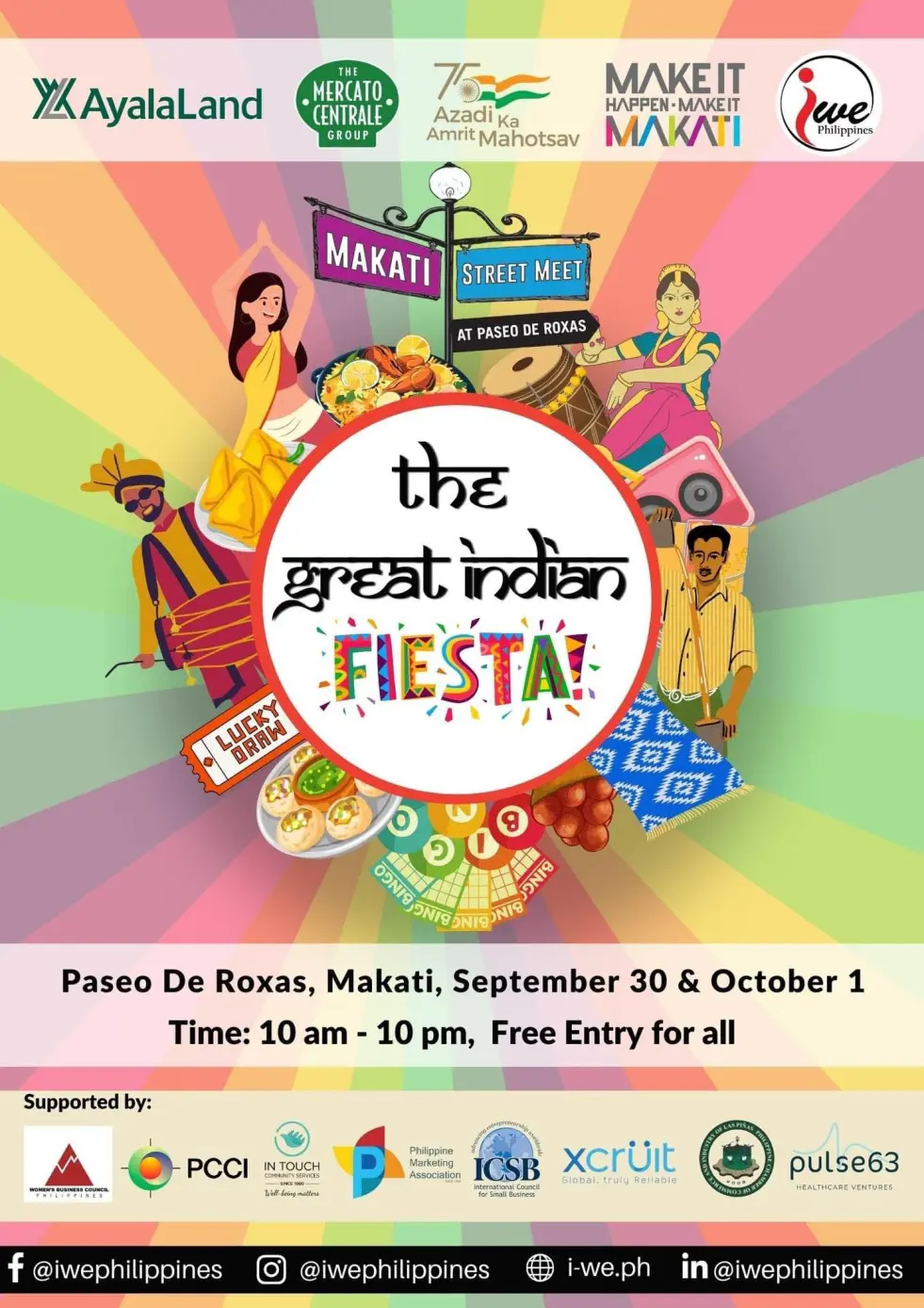
Mercato Centrale, in collaboration with Indian Women in Enterprise Philippines (I-We), is set to host "The Great Indian Fiesta" to mark 75 years of friendship between India and the Philippines. The dynamic two-day event is scheduled to take place on September 30 to October 1, 2023, at Paseo De Roxas Street, Makati City. Aiming to… Continue reading Mercato Centrale Partners with I-We to Host ‘The Great Indian Fiesta’, Commemorating 75 Years of India-Philippines Friendship

My stomach would usually start growling at 10 am even after taking a big breakfast. This is probably because I am a morning person and I move a lot throughout the day hence snacking is something that I can't avoid. This potatoes and chicken wrap recipe is easy to prepare and would keep me full… Continue reading Potato and Chicken Wrap
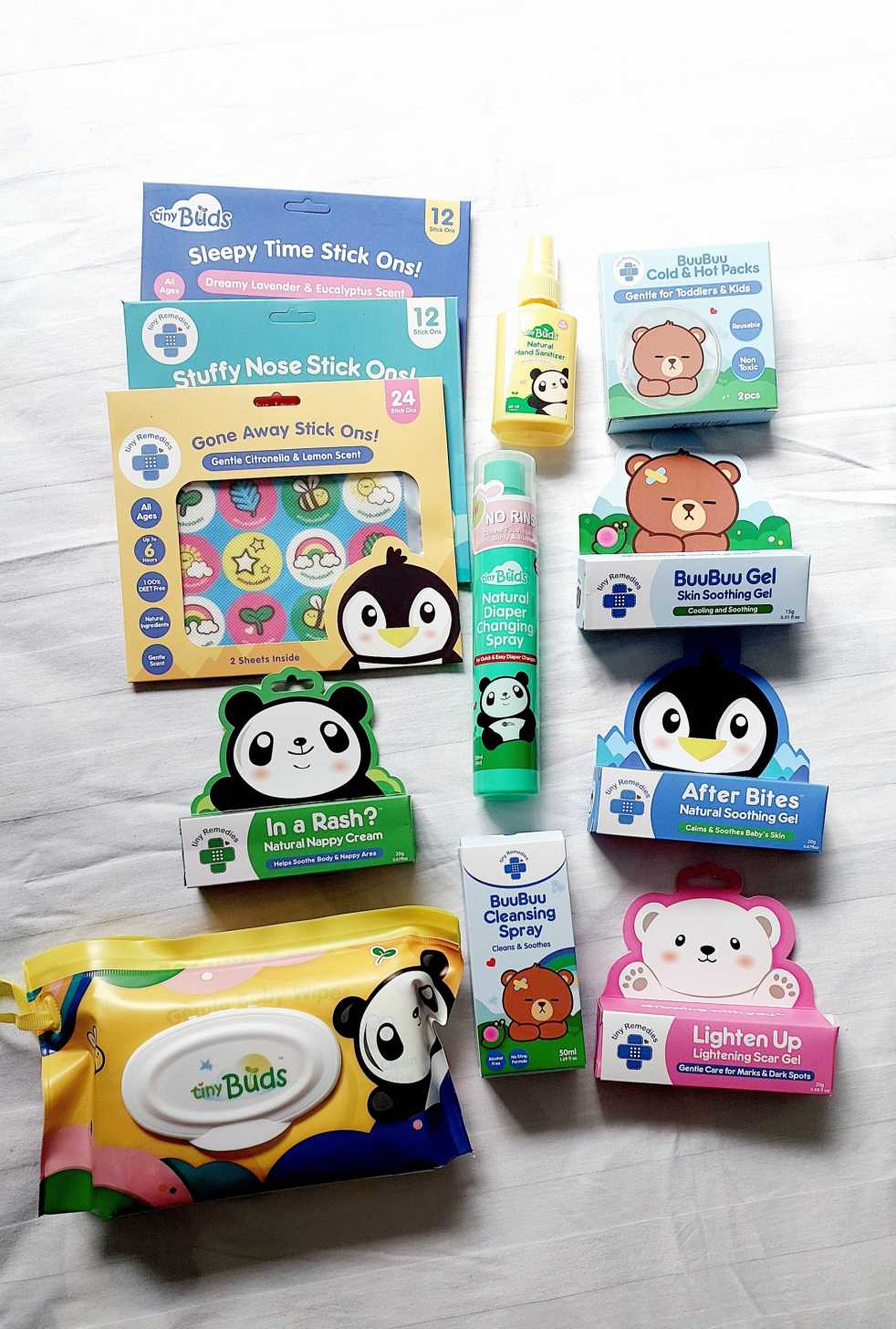
Your baby’s skin is more delicate than most, this is why you have to choose products that are designed for sensitive skin. Tiny Buds is a pioneer in integrating natural ingredients into baby care and today has over 50 innovative natural baby care essentials and is one of the Top Baby Personal Care brands. Here… Continue reading Product Review: Tiny Buds Baby Naturals Baby Essentials
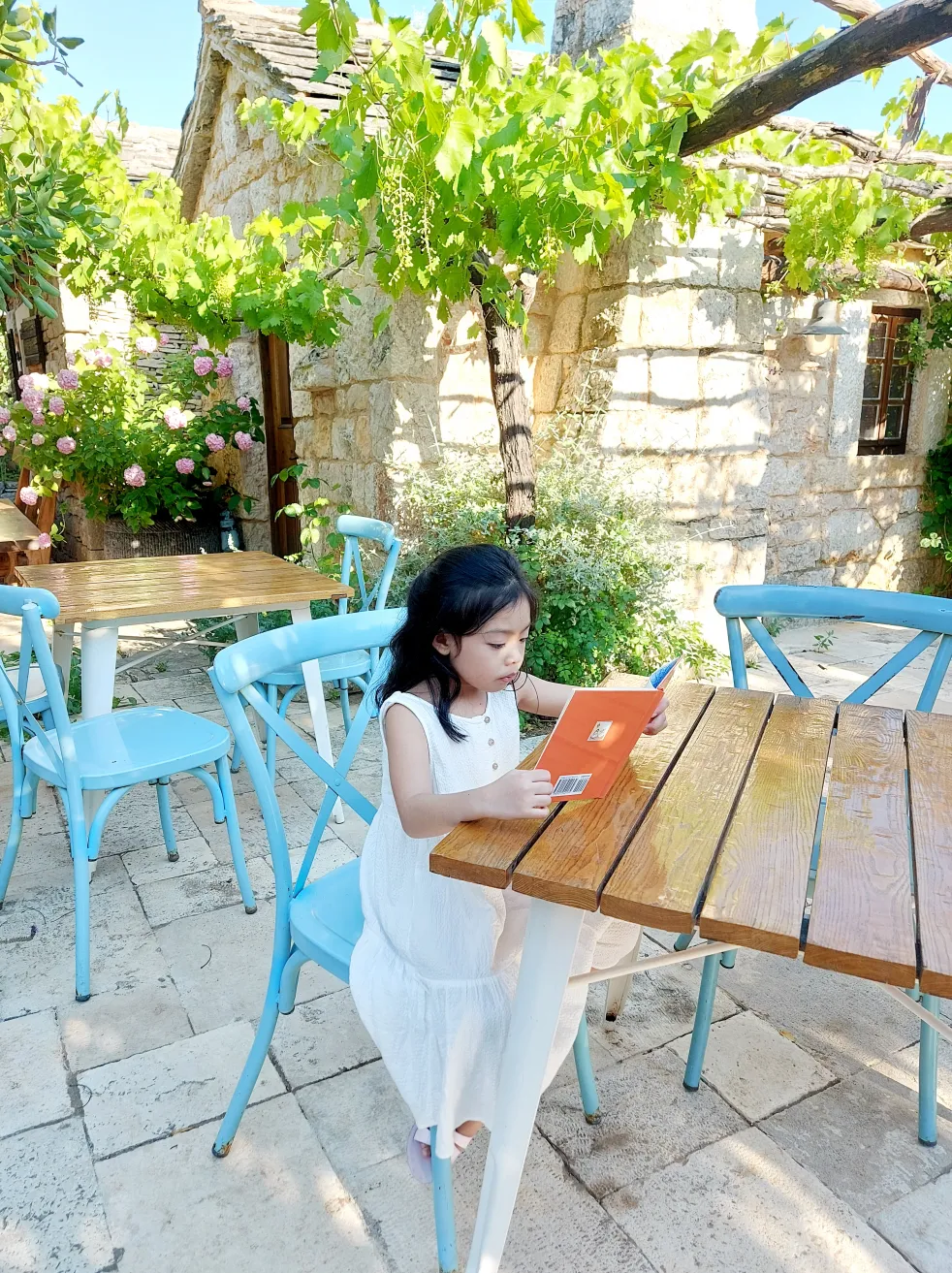
Where your child goes to school is a big decision and shouldn’t be taken lightly. Given how their education can impact their future, you might be tempted to take control and decide for them. However, you might be doing more damage than helping them in the long run. Your job as parents is to support… Continue reading HOW TO CHOOSE THE BEST SCHOOL FOR YOUR CHILD
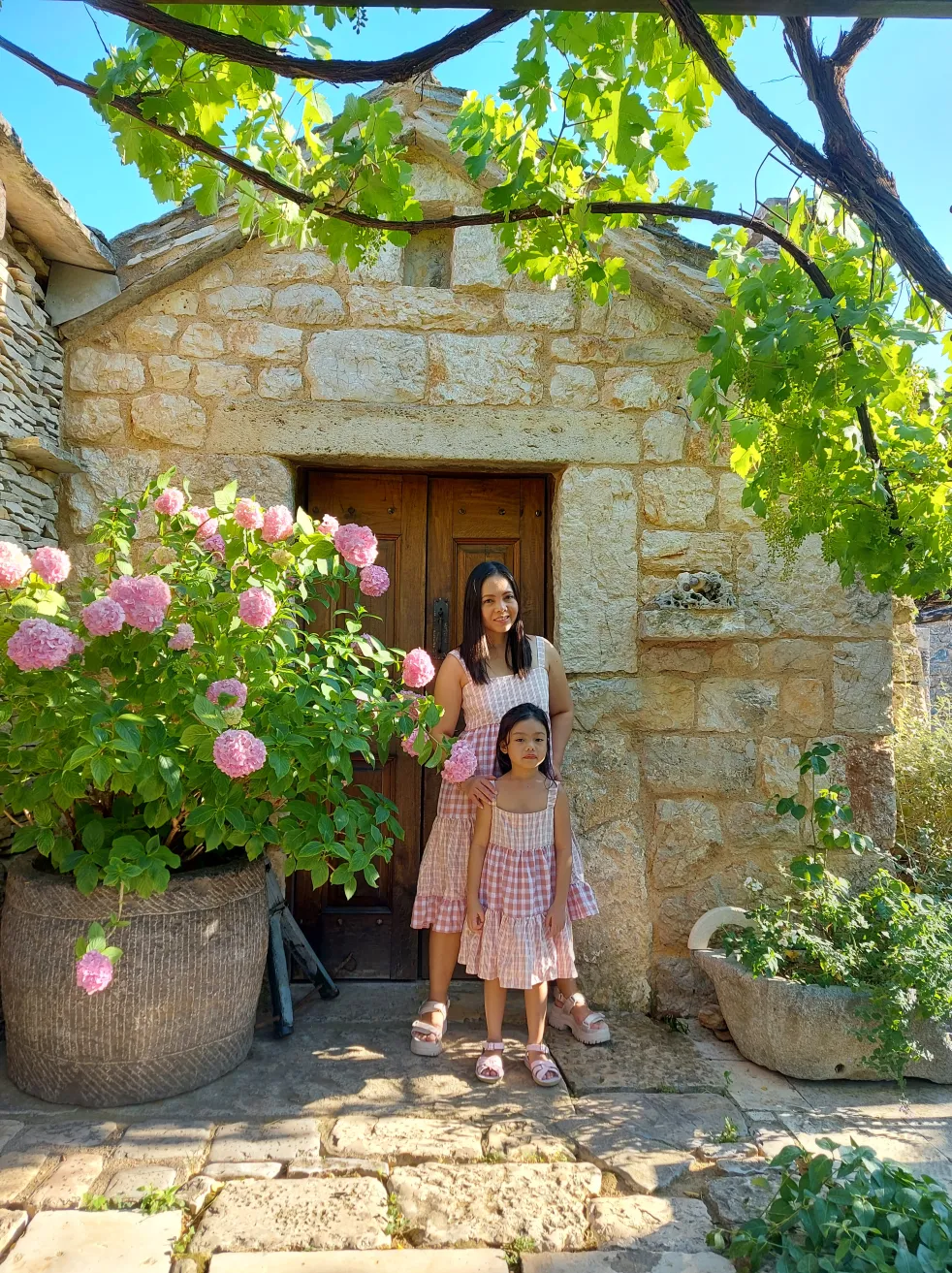
As poet and philosopher Rumi once eloquently said, “raise your words, not your voice. It is rain that grows flowers, not thunder.” Parenting is a challenging journey, and the truth is that nobody has everything figured out. One parenting style might suit others best, and some might favor other methods. However, children respond better to… Continue reading A SIMPLE GUIDE TO GENTLE PARENTING
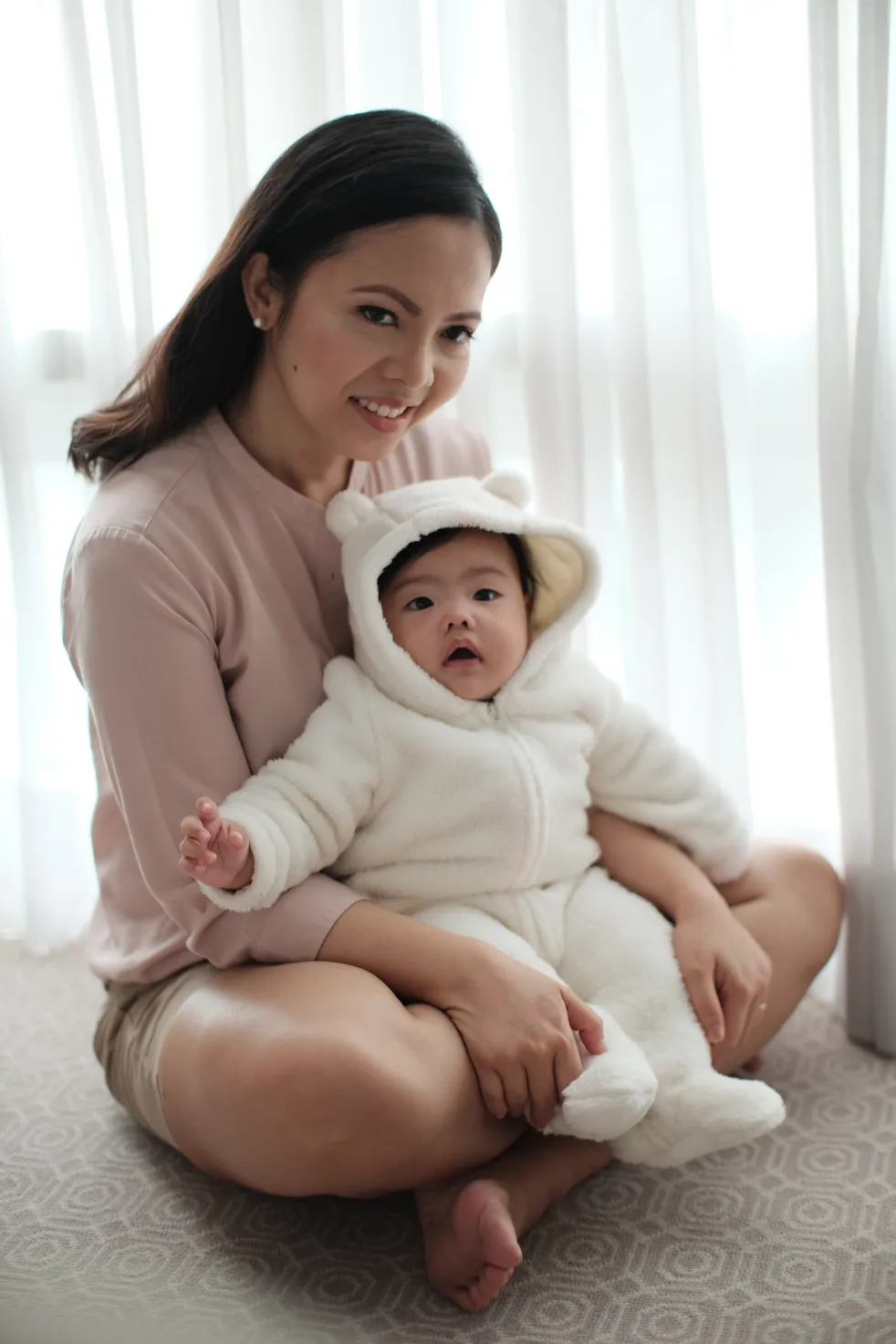
Whether you’re a new mom to be, mom of a toddler, mom who have school-aged kids, you’re bound to have so many questions. Let's start with your baby's skin. Infant skin has unique needs; gentle care is essential to prevent damage to the skin barrier, which can lead to irritation. When caring for infant skin,… Continue reading Keeping Baby’s Diapered Skin Healthy
As parents, we want to give our child the best possible start in life and that begins with nurturing their intelligence. Throughout history, the notion of success has been linked to academic intelligence. However, there has been an increased awareness on the importance of emotional intelligence. This question gets at the heart of the never-ending… Continue reading IQ or EQ, which one is a better predictor of your child’s success?
 wondermomma.net