

Last August, IKEA Philippines engaged with Better World Smokey Mountain, a newly opened community center operated by the San Miguel Foundation, which shares a similar goal of improving the lives of many Filipino people. Through this partnership, IKEA Philippines provided and assembled home furnishings for the classrooms and library of Better World Smokey Mountain community… Continue reading Help Create a Better World with IKEA Soft Toys

NutriAsia, the country’s top producer of condiments and sauces, continues its support of Refill Revolution; a project by the Department of Environment and Natural Resources EMB 3 that aims to help reduce Filipinos’ single-use plastics consumption. At Refill Revolution, residents get to recycle their single-use plastic bottles by reusing and filling it with their choice… Continue reading NutriAsia and DENR renews partnership for Refill Revolution
Top baby carriers for hot weather: a review
Babywearing can make daily life easier when a stroller is difficult to use on crowded sidewalks, narrow shop aisles, or uneven paths. In the Philippines, however, carrying a baby close to your body in warm, humid weather can quickly become uncomfortable. The right carrier should provide airflow, reliable support, and enough adjustability to keep both parent and baby secure without excessive layers.
There is no single best carrier for every family. A newborn may need a different design from a curious six-month-old, while a petite parent may prefer a softer waist belt than a taller caregiver. Breathable fabric matters, but so do the seat shape, shoulder straps, weight distribution, and ease of putting it on correctly.
This review focuses on lightweight baby carriers and breathable babywearing options suited to tropical climates. The models discussed are widely known choices, although availability and pricing in the Philippines can vary between official retailers, specialty baby shops, and online marketplaces.
What makes a carrier comfortable in a tropical climate
The coolest carriers generally use mesh or lightweight woven fabric across the baby’s back. Mesh allows more air to pass through than thick padded panels, while linen or cotton blends can feel less insulating than heavy polyester. Still, “breathable” does not mean heat-proof. A baby’s body is pressed against an adult, so some warmth is unavoidable.
A structured carrier with a supportive waistband usually distributes weight more effectively than a simple sling once a baby becomes heavier. Wide, padded shoulder straps can prevent pressure points, but too much padding may add bulk. Look for a balance between ventilation and support rather than choosing the carrier with the thinnest fabric.
The design should also allow the baby’s legs to sit in an ergonomic “M” position, with the knees higher than the bottom and the thighs supported. A narrow seat may be comfortable for a very young infant but become unsuitable as the baby grows. Adjustable panels are useful for families who want one carrier to last through several stages.
Breathable carriers worth considering
The Ergobaby Omni Breeze is a strong all-around option for families who want one structured carrier from newborn stage through toddlerhood, provided the baby meets the manufacturer’s size requirements. Its mesh construction encourages airflow, and its adjustable seat and panel can accommodate different growth stages. The supportive waistband is helpful for longer walks, although the carrier can feel substantial compared with a lightweight wrap.
The BabyBjörn Baby Carrier Mini Air is compact, soft, and easy to use for a small newborn. Its airy fabric suits short outings in warm weather, and its simple design appeals to parents who do not want many adjustments. Its main limitation is longevity: the waist support and overall structure are less suitable for extended carrying as the baby becomes heavier.
For a longer-use option, the BabyBjörn One Air offers a more supportive frame and breathable mesh body. It can be practical for parents who alternate between front and back carrying when permitted by the instructions. The trade-off is a bulkier feel, especially for petite wearers, and a higher price than simpler infant carriers.
The Tula Explore Coast combines a structured shape with mesh sections and a wide, supportive seat. It can work well for parents who value cushioning and multiple carrying positions. The Boba Air is a different type of choice: it folds into a compact pouch and is convenient as a travel or backup carrier. It is light and packable, though it generally provides less padded support for lengthy walks.
Comparing popular warm-weather options
The table below gives a practical snapshot rather than a substitute for each manufacturer’s manual. Features can differ by version, fabric, and regional model, so check the exact product before buying.
| Carrier | Warm-weather advantage | Best suited to | Main limitation |
|---|---|---|---|
| Ergobaby Omni Breeze | Highly ventilated mesh and adjustable fit | Families wanting one carrier for several stages | More structured and bulky |
| BabyBjörn Mini Air | Soft, airy, and simple for young babies | Short trips with a newborn or small infant | Limited carrying lifespan |
| BabyBjörn One Air | Mesh construction with stronger weight support | Parents carrying beyond the newborn stage | Can feel warm around the waist |
| Tula Explore Coast | Breathable panels and supportive seat | Families wanting multiple positions | Requires careful adjustment |
| Boba Air | Very light and folds small | Travel, errands, and backup use | Less cushioning for long carries |
| Linen or cotton ring sling | Minimal fabric and flexible fit | Quick ups, hip carries, and experienced users | Learning curve and less even support |
Fit and safety matter more than fabric
A cool carrier is only useful when it holds the baby safely. Use the TICKS principles as a simple reminder: keep the baby tight enough to prevent slumping, position the face in clear view, keep the chin off the chest, support the back, and place the baby high enough to kiss. The nose and mouth should never be covered by fabric, the parent’s chest, or a hood.
Newborns require extra attention because they may not have enough head and neck control. Follow the carrier’s instructions for infant inserts, minimum weight, and minimum height. Never assume that a wide seat or mesh panel automatically makes a carrier safe for a small baby. If the baby’s legs do not reach the supported position, use the manufacturer’s newborn configuration or choose a suitable infant carrier.
Heat adds another safety concern. Dress the baby in a single light layer, check the back of the neck and chest regularly, and move indoors if the skin feels hot, damp, or unusually flushed. A carrier cover can restrict airflow, even when marketed for sun protection. An umbrella, hat that does not slip over the face, or shaded route is often safer than adding fabric around the carrier.
Choosing by age, activity, and body type
For the early months, a soft structured carrier or breathable wrap can provide a snug fit, but it requires careful learning. A compact newborn carrier may be ideal for feeding-related errands, quick naps, and short walks. Families planning longer outdoor trips may prefer a structured model with a firm waist belt once the baby is old enough and large enough for it.
Older babies who want to look around often do well in an adjustable carrier with a wider seat and a choice of front or back carry. Back carrying can reduce the feeling of heat on the parent’s chest, but it should be introduced only when the carrier permits it and the caregiver can secure the baby confidently. Face-out carrying also has specific age, head-control, and time limits; it should never be used simply to cool the baby.
A petite wearer may find thick waistbands and large buckles uncomfortable, while a taller or broad-shouldered parent may need longer straps. If two caregivers will share one carrier, choose one with quick, intuitive adjustments. A model that fits perfectly but takes several minutes to reconfigure may be less useful during real family routines.
Practical details for Filipino families
For city errands, consider how the carrier handles sweat, sudden rain, public transport, and frequent removal. A washable mesh carrier is convenient when it will be used several times a week. Light colors may feel cooler in direct sunlight, although any carrier should still be kept shaded when possible. A small towel placed between the adult and baby can absorb moisture, but it must not cover the baby’s face or change the fit.
Families who travel between air-conditioned malls and hot outdoor streets may appreciate a carrier that folds reasonably small without losing support. The Boba Air is convenient for this purpose, while a structured mesh carrier is better for a full day of walking. Check whether replacement buckles, straps, and support accessories are available locally before committing to an expensive model.
Sweat and skin sensitivity are also worth considering. Wash the carrier according to its care label, allow it to dry fully, and avoid storing it while damp. If a baby develops a rash, reduce layers and inspect areas behind the knees, under the chin, and along the waistband. Feeding discomfort can have several causes, so parents may also find this guide to milk allergy signs useful when digestive or skin symptoms appear alongside heat-related irritation.
How to choose your everyday carrier
Before buying, think about the kind of carrying you will actually do. A parent who needs ten minutes of hands-free time at home may value softness and quick use, while someone commuting on foot needs a supportive waistband and dependable ventilation. A carrier that is easy to put on correctly will usually be used more often than one with impressive features but a frustrating learning curve.
Use these priorities when comparing models:
- Choose breathable mesh, linen, or lightweight fabric, but still check the amount of padding and the overall weight.
- Confirm the minimum and maximum weight, height, age, and carrying positions for the exact model.
- Select an adjustable seat that supports the baby’s thighs and keeps the knees higher than the bottom.
- Try the carrier with the baby, if possible, and check that the straps do not rub the neck or restrict breathing.
- Prefer washable materials and accessible replacement parts for regular use in a humid climate.
The best baby carrier for hot weather is the one that keeps the baby’s airway clear, distributes weight comfortably, and suits the family’s routine. A premium mesh carrier may be worthwhile for daily use, while a compact model can be enough for occasional trips. Borrowing from a trusted friend or visiting a babywearing educator can reveal fit issues before a costly purchase.
Take time to adjust the carrier indoors, when both caregiver and baby are calm. Once the fit is secure, use it for short periods first and monitor temperature, posture, and comfort. Choose a breathable carrier that matches your baby’s stage and your local routine, then make safe, comfortable babywearing part of everyday family life.

Mercato Centrale, in collaboration with Indian Women in Enterprise Philippines (I-We), is set to host "The Great Indian Fiesta" to mark 75 years of friendship between India and the Philippines. The dynamic two-day event is scheduled to take place on September 30 to October 1, 2023, at Paseo De Roxas Street, Makati City. Aiming to… Continue reading Mercato Centrale Partners with I-We to Host ‘The Great Indian Fiesta’, Commemorating 75 Years of India-Philippines Friendship

My stomach would usually start growling at 10 am even after taking a big breakfast. This is probably because I am a morning person and I move a lot throughout the day hence snacking is something that I can't avoid. This potatoes and chicken wrap recipe is easy to prepare and would keep me full… Continue reading Potato and Chicken Wrap
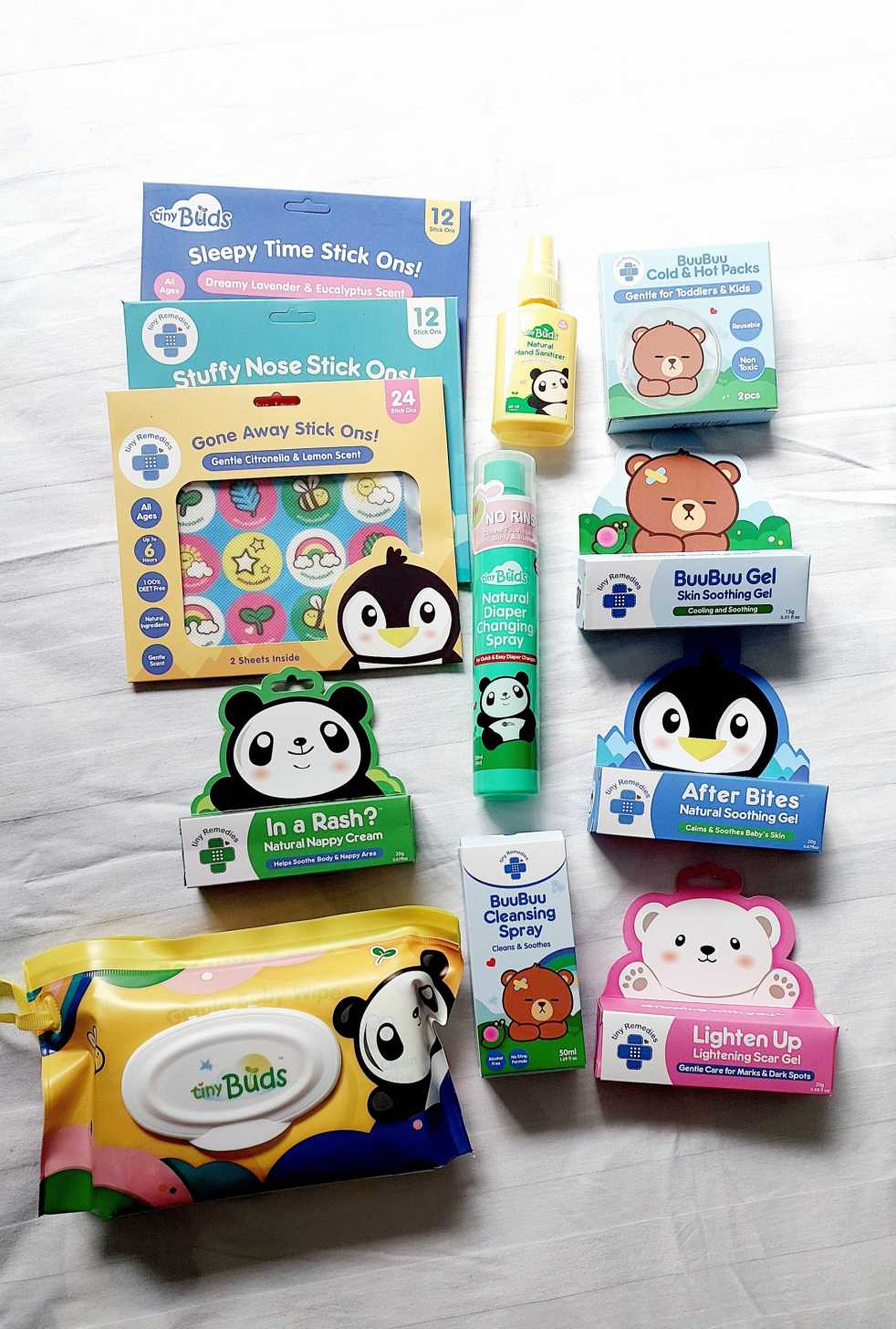
Your baby’s skin is more delicate than most, this is why you have to choose products that are designed for sensitive skin. Tiny Buds is a pioneer in integrating natural ingredients into baby care and today has over 50 innovative natural baby care essentials and is one of the Top Baby Personal Care brands. Here… Continue reading Product Review: Tiny Buds Baby Naturals Baby Essentials
Where your child goes to school is a big decision and shouldn’t be taken lightly. Given how their education can impact their future, you might be tempted to take control and decide for them. However, you might be doing more damage than helping them in the long run. Your job as parents is to support… Continue reading HOW TO CHOOSE THE BEST SCHOOL FOR YOUR CHILD

As poet and philosopher Rumi once eloquently said, “raise your words, not your voice. It is rain that grows flowers, not thunder.” Parenting is a challenging journey, and the truth is that nobody has everything figured out. One parenting style might suit others best, and some might favor other methods. However, children respond better to… Continue reading A SIMPLE GUIDE TO GENTLE PARENTING
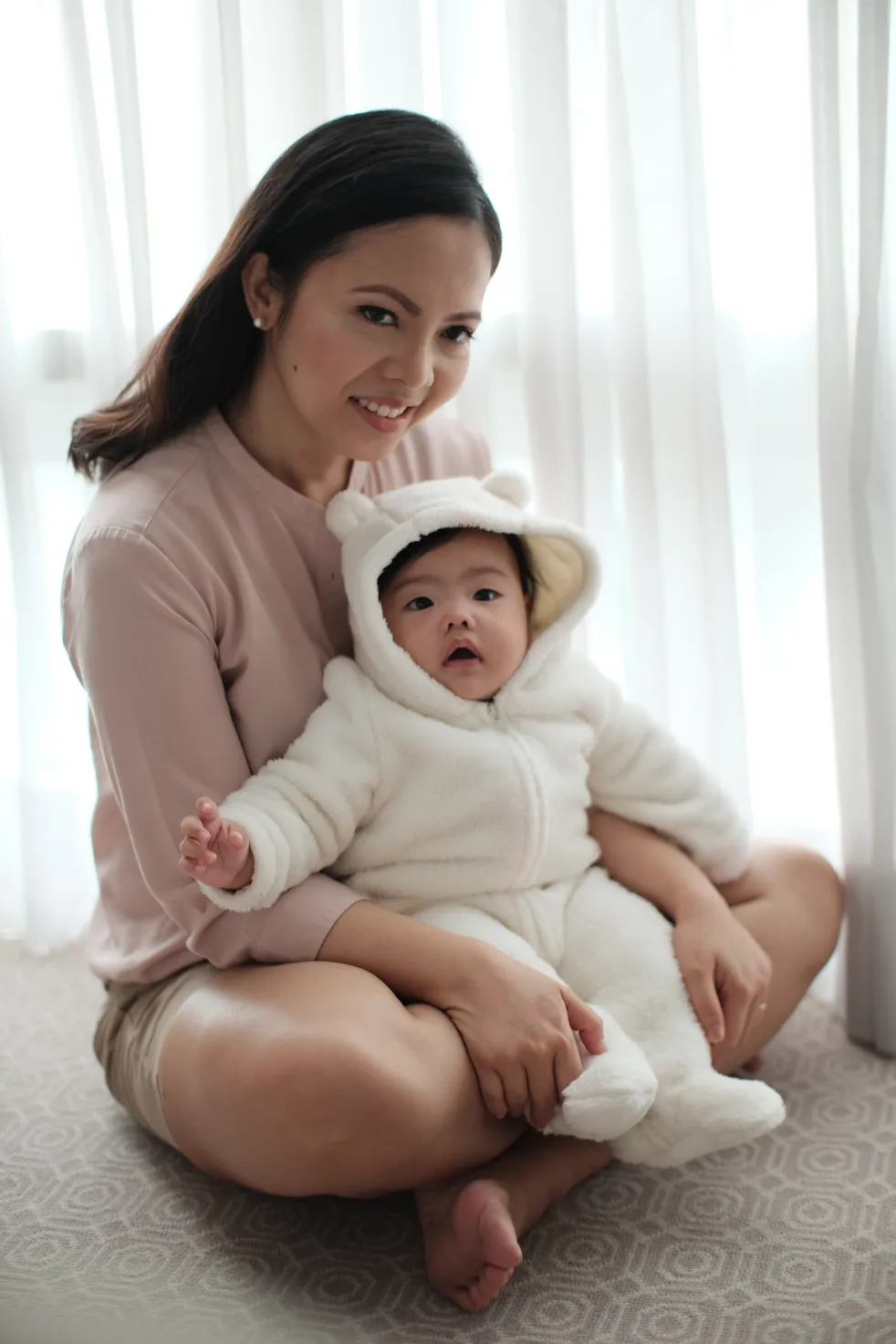
Whether you’re a new mom to be, mom of a toddler, mom who have school-aged kids, you’re bound to have so many questions. Let's start with your baby's skin. Infant skin has unique needs; gentle care is essential to prevent damage to the skin barrier, which can lead to irritation. When caring for infant skin,… Continue reading Keeping Baby’s Diapered Skin Healthy

As parents, we want to give our child the best possible start in life and that begins with nurturing their intelligence. Throughout history, the notion of success has been linked to academic intelligence. However, there has been an increased awareness on the importance of emotional intelligence. This question gets at the heart of the never-ending… Continue reading IQ or EQ, which one is a better predictor of your child’s success?
 wondermomma.net