

Last August, IKEA Philippines engaged with Better World Smokey Mountain, a newly opened community center operated by the San Miguel Foundation, which shares a similar goal of improving the lives of many Filipino people. Through this partnership, IKEA Philippines provided and assembled home furnishings for the classrooms and library of Better World Smokey Mountain community… Continue reading Help Create a Better World with IKEA Soft Toys
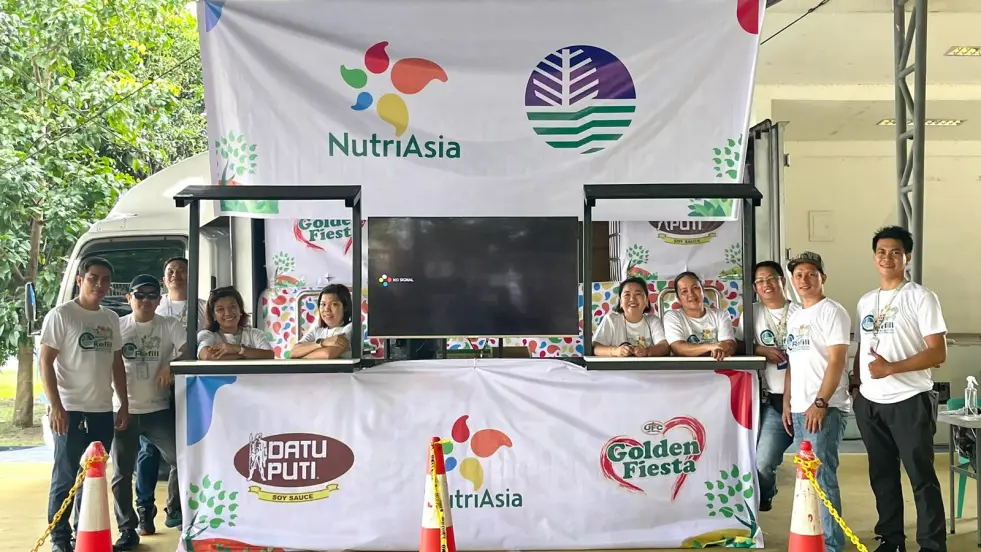
NutriAsia, the country’s top producer of condiments and sauces, continues its support of Refill Revolution; a project by the Department of Environment and Natural Resources EMB 3 that aims to help reduce Filipinos’ single-use plastics consumption. At Refill Revolution, residents get to recycle their single-use plastic bottles by reusing and filling it with their choice… Continue reading NutriAsia and DENR renews partnership for Refill Revolution

Toddler morning routine ideas for stress-free weekdays
Mornings with a toddler rarely follow a perfect script. A child may wake before the alarm, reject the breakfast they requested, or decide that getting dressed is an unacceptable interruption to play. The goal is not to control every minute, but to create a familiar rhythm that reduces decisions and gives everyone enough time to begin the day calmly.
A useful weekday routine balances connection, independence and practical preparation. Toddlers can take part in small jobs, such as choosing between two outfits, placing a cup in the sink or carrying their shoes to the door. These simple choices help them feel involved without handing over decisions they are not ready to manage.
Families in Australia may also be working around early childcare drop-offs, school traffic, public transport, hot weather or long commutes. A routine that suits a Melbourne winter morning may need adjusting for a bright Brisbane summer, while daylight saving can temporarily make wake-ups and bedtimes feel unusual. Flexibility matters just as much as consistency.
Prepare the morning before bedtime
The easiest morning task is often the one completed the night before. Set out two weather-appropriate clothing options, pack the childcare bag and place shoes near the exit. If your toddler attends daycare, check that spare clothes, a hat, water bottle and any required comfort item are ready before the evening becomes rushed.
A simple visual checklist can make these steps easier to repeat. Use photographs or drawings for waking up, using the toilet or having a nappy change, getting dressed, eating breakfast, brushing teeth and leaving home. Toddlers may not read yet, but they can recognise a picture sequence and move a peg or magnet after each task.
Prepare food that can be served quickly without becoming an entirely separate cooking project. Overnight oats, sliced banana, toast, yoghurt, boiled eggs and mini muffins can be rotated through the week. Australian supermarkets make it easy to keep familiar staples available, while local fruit such as bananas, mangoes or berries can add variety when affordable and in season.
Avoid preparing an unrealistic list of tasks. A routine should reflect what your family actually needs to do, not an idealised morning with unlimited time. If breakfast, dressing and leaving the house are the pressure points, focus on those first.
Use a gentle wake-up sequence
A toddler often copes better with a gradual start than with sudden instructions. Open the curtains, offer a cuddle and use the same calm phrase each morning, such as “Good morning, it’s time to wake up.” A soft song, quiet music or a familiar lamp can signal that the day has begun without creating an abrupt transition.
Allow a few minutes for waking before presenting the next request. Toddlers may need time to move from sleep into cooperation, particularly after a disrupted night, illness or a change in nap patterns. Getting down to their level and offering a brief connection can be more effective than repeating instructions from across the room.
Keep the first choices small. “Red jumper or blue jumper?” is easier to answer than “What do you want to wear?” Both options should be acceptable for the weather and the day’s activities. In cooler Sydney or Canberra mornings, layers can be offered; in warmer Perth or Brisbane weather, lightweight clothing and a wide-brimmed hat may be more practical.
If your child refuses, acknowledge the feeling without turning the moment into a negotiation. “You wanted to keep playing. It’s hard to stop. I’ll help you get dressed.” This kind of gentle parenting language recognises disappointment while keeping the boundary clear.
Build independence into everyday tasks
Toddlers are more likely to cooperate when they have a meaningful role. They can pull up a zip with help, put dirty pyjamas in a basket, select a bib, carry a nappy to the bin or place a lunchbox in a bag. These activities take longer at first, so allow extra time while the skill is developing.
A low hook, small stool and accessible basket can turn dressing and packing into manageable routines. Keep only a few choices within reach to prevent the wardrobe or bathroom from becoming overwhelming. Safety remains important: medicines, cleaning products, hot drinks, sharp items and electrical cords should stay out of a toddler’s access.
Toothbrushing can be made more predictable with the same order every day. A parent can brush first, then let the child have a turn, or the toddler can brush a toy’s teeth before brushing their own. Two minutes may feel ambitious for a young child, so a short song or visual timer can help make the task familiar.
Personal care also includes sun protection. In many parts of Australia, a morning routine may need sunscreen, a hat and protective clothing before leaving for childcare or the playground. Follow the product directions, allow sunscreen to absorb where advised and check the centre’s policy, as some services ask families to apply it before arrival.
Make breakfast and departure less rushed
A toddler-friendly breakfast works best when it is predictable, filling and easy to eat. Offer one familiar food alongside something nutritious, rather than preparing multiple replacement meals after each refusal. For example, toast with avocado and fruit, porridge with yoghurt, or a cheese sandwich with cucumber can provide simple choices without creating a short-order kitchen.
Try to keep meals at a table rather than allowing food to travel through the house. This reduces spills and creates a clear transition from eating to dressing and leaving. A toddler may eat more reliably when the television is off and the adult nearby is calm, although appetites naturally vary from day to day.
Build a departure buffer into the schedule. A family leaving at 8:00 am may need to aim for shoes on and bags ready by 7:45. That extra time covers the missing toy, the toileting accident or the sudden need to wave goodbye to a stuffed animal. It is especially useful in larger cities where traffic around childcare centres can be unpredictable.
Families using buses, trains or trams may benefit from a small “waiting bag” containing a board book, soft toy or simple fidget item. For car travel, use an approved child restraint that is correctly fitted and suitable for the child’s size. Australian road rules require children to travel in approved restraints, so the final leaving-the-house check should include buckles and positioning rather than relying on a rushed inspection.
Adapt the routine when the day changes
A good routine has a dependable order but does not need identical times every day. On a workday, the sequence might be wake, toilet or nappy change, dress, breakfast, teeth, shoes and leave. On a slower weekend, the same order can remain while the timing expands. This familiarity helps toddlers handle changes without expecting every day to look the same.
Childcare transitions may need special preparation. The Australian National Quality Framework places attention on children’s wellbeing, relationships and learning, and many early childhood services use predictable arrival practices to support a smooth handover. Ask the centre whether your toddler should arrive with sunscreen applied, a named water bottle, a comfort item or a particular type of clothing.
When sleep has been poor, lower the number of expectations. Focus on safety, food, essential hygiene and getting out the door. A toddler who is usually independent may need more help after a late night, during teething or when recovering from a cold. Extra assistance on a difficult morning does not erase the skills they are learning.
For practical ideas about family rhythms, child development and everyday parenting, browse WonderMomma’s parenting resources alongside your own observations of what works at home. A routine should support the family’s real needs, including work schedules, cultural practices, climate and the child’s temperament.
Review the routine occasionally rather than changing it every day. If mornings are consistently difficult, look at the previous evening: bedtime may be too late, the bag may be difficult to organise, or the child may be hungry immediately after waking. Small adjustments, repeated patiently, can turn a tense sequence into a reassuring start to the day.

Mercato Centrale, in collaboration with Indian Women in Enterprise Philippines (I-We), is set to host "The Great Indian Fiesta" to mark 75 years of friendship between India and the Philippines. The dynamic two-day event is scheduled to take place on September 30 to October 1, 2023, at Paseo De Roxas Street, Makati City. Aiming to… Continue reading Mercato Centrale Partners with I-We to Host ‘The Great Indian Fiesta’, Commemorating 75 Years of India-Philippines Friendship

My stomach would usually start growling at 10 am even after taking a big breakfast. This is probably because I am a morning person and I move a lot throughout the day hence snacking is something that I can't avoid. This potatoes and chicken wrap recipe is easy to prepare and would keep me full… Continue reading Potato and Chicken Wrap
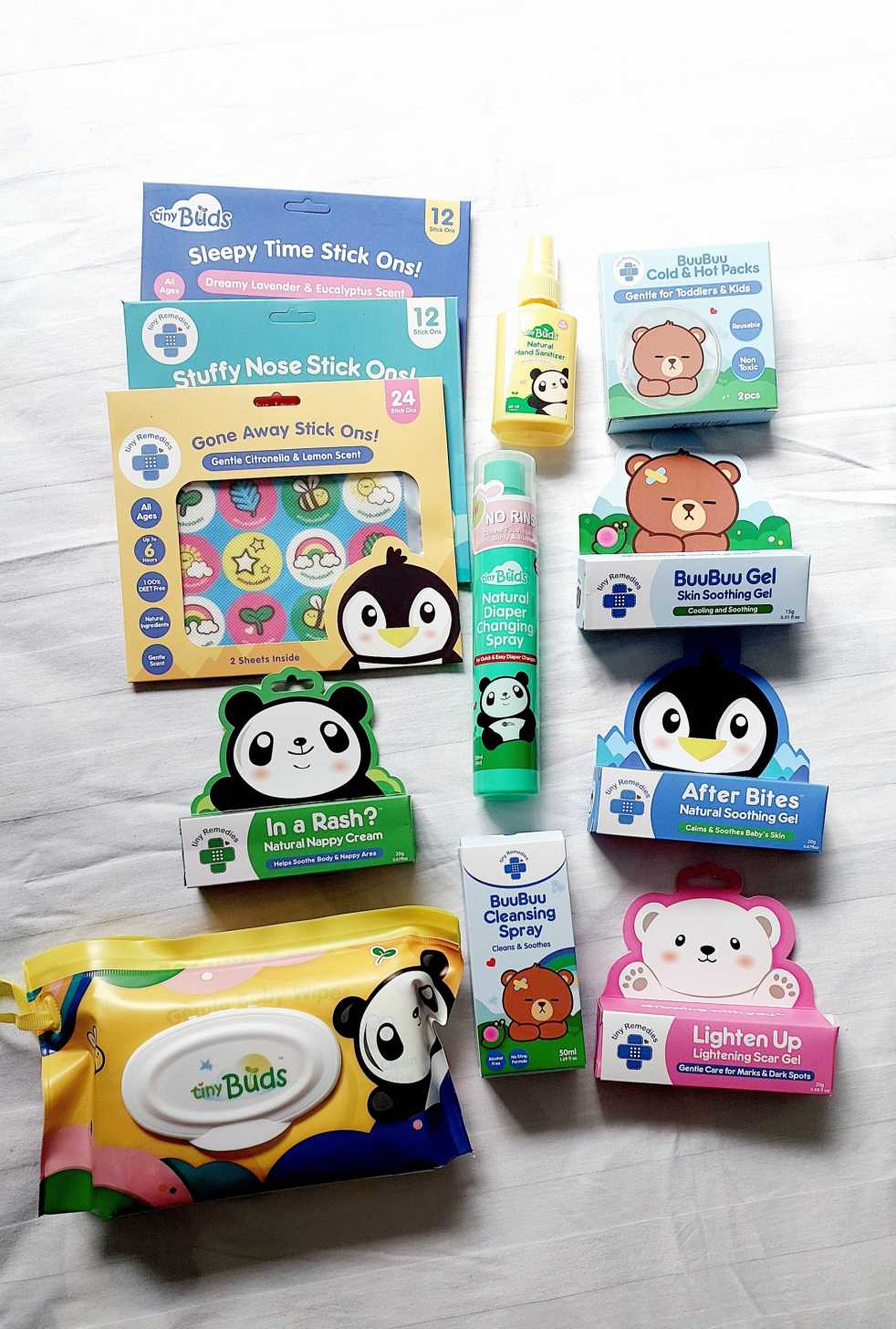
Your baby’s skin is more delicate than most, this is why you have to choose products that are designed for sensitive skin. Tiny Buds is a pioneer in integrating natural ingredients into baby care and today has over 50 innovative natural baby care essentials and is one of the Top Baby Personal Care brands. Here… Continue reading Product Review: Tiny Buds Baby Naturals Baby Essentials
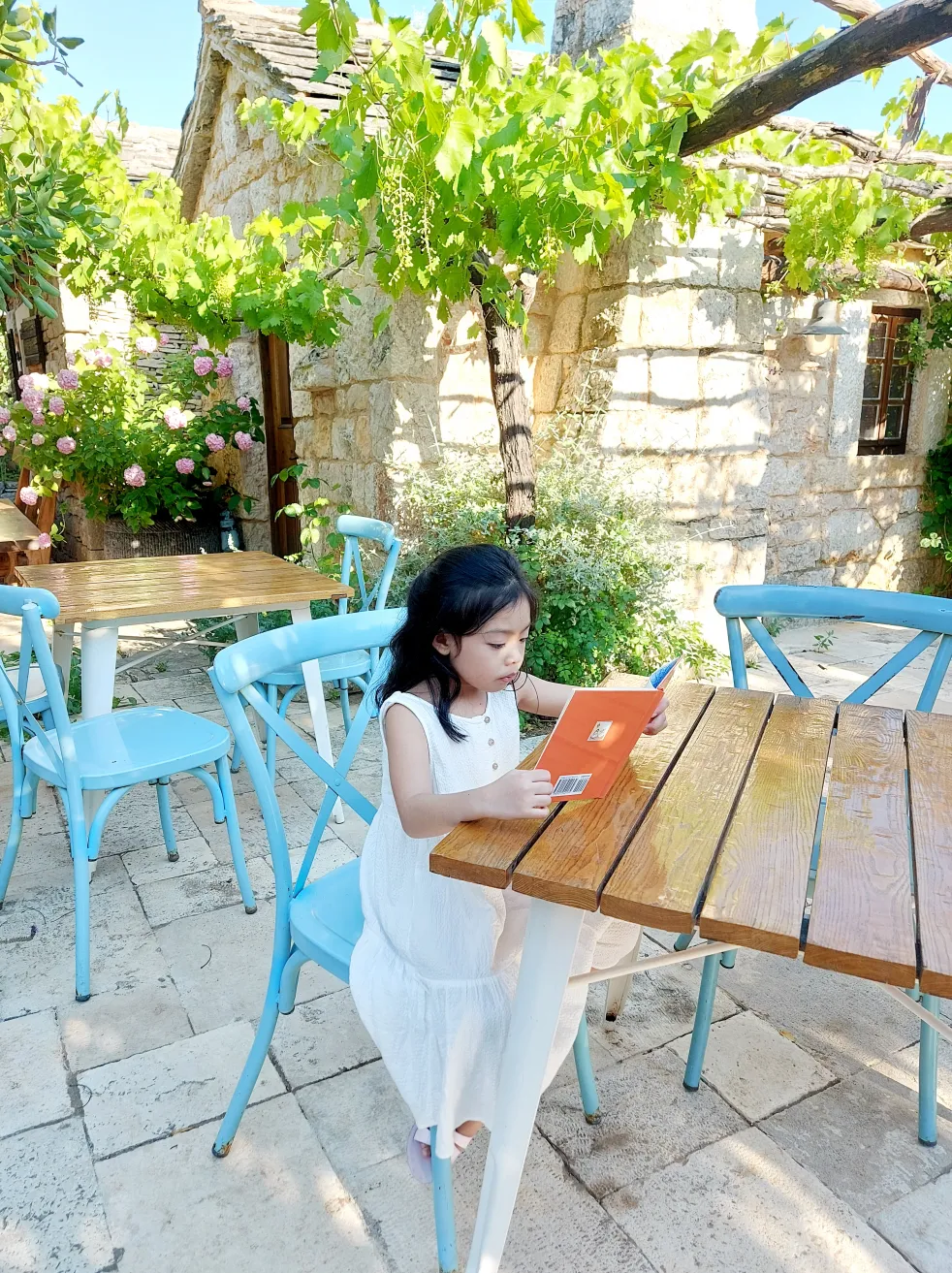
Where your child goes to school is a big decision and shouldn’t be taken lightly. Given how their education can impact their future, you might be tempted to take control and decide for them. However, you might be doing more damage than helping them in the long run. Your job as parents is to support… Continue reading HOW TO CHOOSE THE BEST SCHOOL FOR YOUR CHILD

As poet and philosopher Rumi once eloquently said, “raise your words, not your voice. It is rain that grows flowers, not thunder.” Parenting is a challenging journey, and the truth is that nobody has everything figured out. One parenting style might suit others best, and some might favor other methods. However, children respond better to… Continue reading A SIMPLE GUIDE TO GENTLE PARENTING

Whether you’re a new mom to be, mom of a toddler, mom who have school-aged kids, you’re bound to have so many questions. Let's start with your baby's skin. Infant skin has unique needs; gentle care is essential to prevent damage to the skin barrier, which can lead to irritation. When caring for infant skin,… Continue reading Keeping Baby’s Diapered Skin Healthy
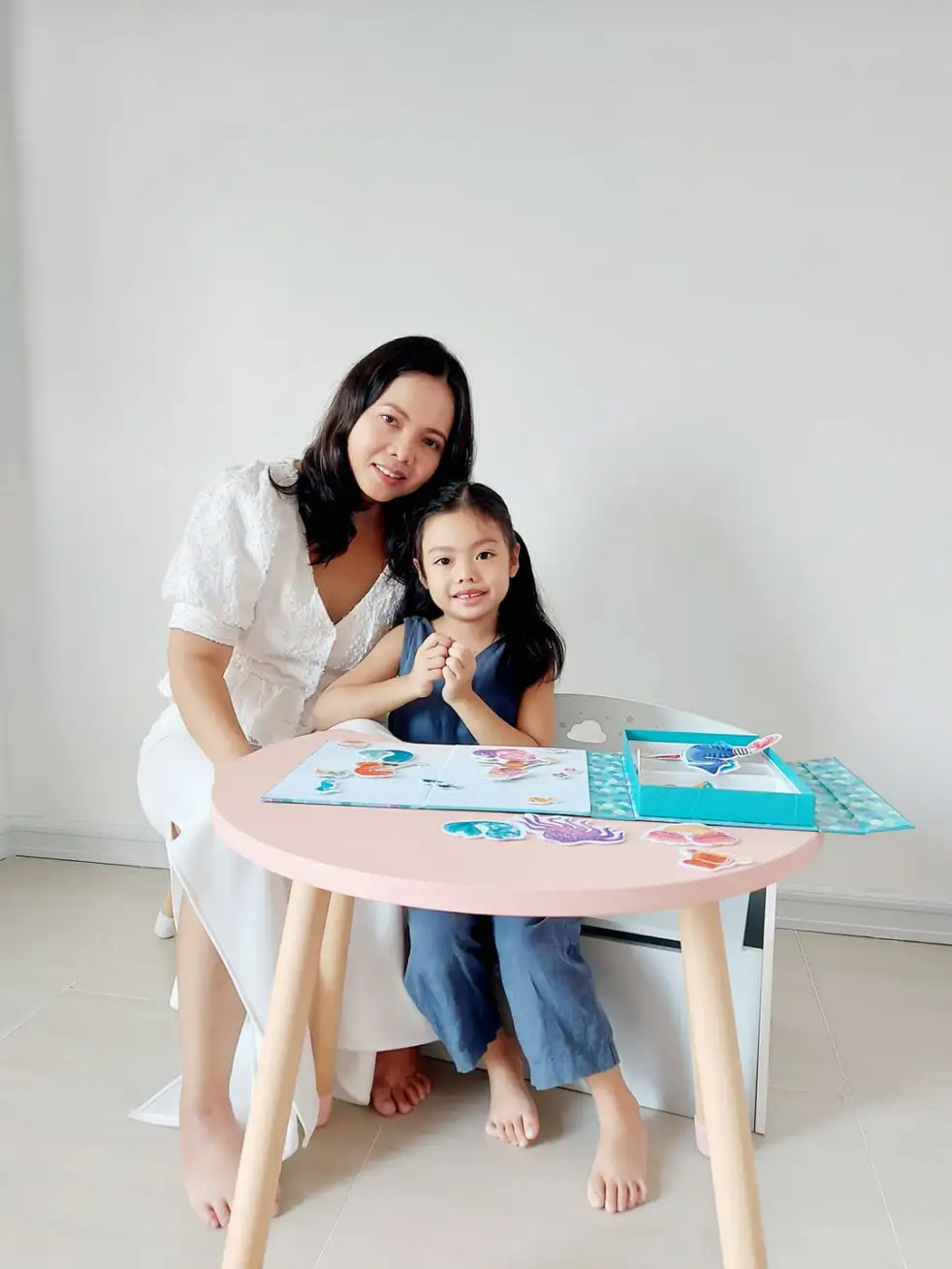
As parents, we want to give our child the best possible start in life and that begins with nurturing their intelligence. Throughout history, the notion of success has been linked to academic intelligence. However, there has been an increased awareness on the importance of emotional intelligence. This question gets at the heart of the never-ending… Continue reading IQ or EQ, which one is a better predictor of your child’s success?
 wondermomma.net