

Last August, IKEA Philippines engaged with Better World Smokey Mountain, a newly opened community center operated by the San Miguel Foundation, which shares a similar goal of improving the lives of many Filipino people. Through this partnership, IKEA Philippines provided and assembled home furnishings for the classrooms and library of Better World Smokey Mountain community… Continue reading Help Create a Better World with IKEA Soft Toys
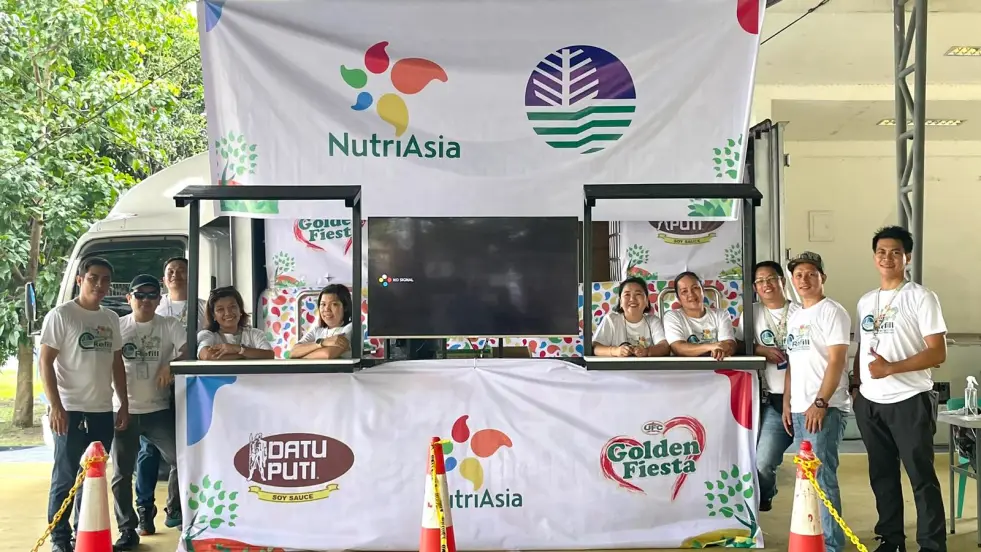
NutriAsia, the country’s top producer of condiments and sauces, continues its support of Refill Revolution; a project by the Department of Environment and Natural Resources EMB 3 that aims to help reduce Filipinos’ single-use plastics consumption. At Refill Revolution, residents get to recycle their single-use plastic bottles by reusing and filling it with their choice… Continue reading NutriAsia and DENR renews partnership for Refill Revolution

Calm Journeys With a Breastfeeding Baby
Travelling with a breastfeeding baby can feel like a major expedition, whether you are flying from Melbourne to Cairns or driving a few hours to visit family. Feeding often provides comfort, hydration and reassurance on the move, so it can become one of the simplest parts of the journey when you plan around your baby’s usual rhythm.
A flexible approach works better than a rigid timetable. Babies may feed more frequently in unfamiliar surroundings, during growth spurts or when they are tired. Allowing extra time for pauses, cuddles and nappy changes helps the day feel manageable for everyone.
Travel in Australia brings its own considerations, including long distances between towns, hot summers, busy domestic airports and limited facilities on some regional routes. With a practical bag, suitable clothing and a few backup plans, breastfeeding families can enjoy holidays without organising every minute.
Build The Journey Around Feeds
Before leaving home, think about when your baby usually feeds and sleeps, then use that pattern as a loose guide. A feed before boarding a plane, starting a long drive or leaving a café may buy you some peaceful time, but it is wise to expect that your baby may want another feed sooner than usual.
For a road trip, plan stops every couple of hours rather than waiting until your baby becomes distressed. Some service stations, particularly along major routes between Sydney, Canberra and Melbourne, have baby-change areas, but facilities vary in regional areas. A picnic reserve, quiet park or shaded rest area can be more comfortable than a crowded servo.
Keep your itinerary deliberately light. One main activity per day is often enough with a young baby, especially after a flight or a long drive. If you are visiting a city such as Brisbane or Perth, choose accommodation close to public transport and grocery shops so that forgotten supplies are easy to replace.
Pack A Practical Feeding Kit
A well-organised day bag can reduce stress when you are away from your normal feeding chair. Pack spare muslin wraps, several nappies, wipes, a change of clothes for both of you, a water bottle for yourself and a large lightweight cover or shawl if you prefer extra privacy. Breastfeeding mothers need regular drinks and snacks, especially in warm Australian weather.
If you express milk, bring the equipment you genuinely use rather than every possible accessory. A manual pump can be useful during a day out, while expressed milk should be stored in a properly chilled cooler with ice bricks. Check the storage instructions for your pump and milk containers before travelling, and label milk clearly when using a shared refrigerator.
A small insulated bag is particularly helpful on flights, ferries and day tours. For formula top-ups or mixed feeding, carry enough supplies for delays, since a cancelled flight or traffic jam can make a short journey unexpectedly long. Australian pharmacies and larger retailers such as Chemist Warehouse usually stock bottles, breast pads and basic baby-care items, although smaller towns may have limited brands.
Your clothes should make feeding easy. Soft layers, nursing singlets and tops that lift from the waist are usually more convenient than complicated outfits. If you are planning family photographs during your trip, you can find useful family photo outfit ideas that still allow quick access for feeds.
Make Airports And Flights Easier
Arrive early enough to feed, change your baby and settle yourself before boarding. Australian domestic airports can be busy during school holidays, long weekends and the summer travel season. Sydney and Melbourne airports often have parents’ rooms, but their location may be several minutes from your gate, so check the airport map before you start looking for a quiet place.
You can breastfeed in an airport lounge, at the gate or on the aircraft. Australian law protects a person’s right to breastfeed in public, and you do not need to hide or move because someone else feels uncomfortable. Choose the setting that helps you feel relaxed, whether that is a parents’ room, a window seat or a quiet corner.
During take-off and landing, feeding or offering a breastfeed when your baby shows feeding cues may help with changes in air pressure. Some babies prefer to feed during descent, while others become too tired or distracted. A dummy, clean finger to suck or cuddle may also help, so avoid treating the flight as a test that must go perfectly.
| Travel moment | Helpful preparation | What to keep accessible |
|---|---|---|
| Before leaving home | Feed, change and dress baby in easy layers | Muslin, nappies and water |
| Airport security | Keep expressed milk and pump parts together | Cooler bag and identification |
| Boarding | Confirm pram collection arrangements | Carrier and feeding top |
| Take-off and landing | Watch for early hunger or discomfort cues | Breastfeeding cover if preferred |
| Flight delays | Expect an extra feed or change | Snacks, spare clothes and wipes |
| Arrival | Allow time to feed before collecting luggage | Full day bag, not checked baggage |
If you are taking a pram, ask the airline whether it can be used to the gate or must be checked at the counter. A soft baby carrier can be valuable when moving through security, boarding a regional flight or collecting luggage. Keep your feeding essentials in your cabin bag rather than in checked baggage.
Manage Road Trips And Accommodation
For a driving holiday, an approved rear-facing car restraint is essential, and the baby should be removed from the seat for feeds and regular movement breaks. Never breastfeed while the vehicle is moving, even if another adult is holding the baby. Pull over safely and give yourself enough time to feed without rushing.
Australia’s distances can be deceptive. A map may show a short route, but roadworks, holiday traffic and limited services can extend the journey. On routes through inland New South Wales, Queensland or Western Australia, check fuel stops and mobile coverage before setting off. In hot weather, park in shade where possible and never leave a baby alone in a car, even for a brief errand.
At your destination, ask about a refrigerator, kettle, cot and laundry access before arrival. A self-contained apartment may suit an expressing parent because it provides a private kitchen and washing facilities, while a hotel room near a supermarket can make a short city break easier. If you are staying with relatives, explain that your baby may need quiet feeding time and that feeding frequency can change away from home.
Keep sleep arrangements familiar where you can. Bring the same sleep sack, small blanket or white-noise device used at home, following safe-sleep guidance. A rested baby is more likely to cope with new people, different rooms and a disrupted feeding pattern.
Breastfeed Comfortably In Public
Breastfeeding in public is a normal part of caring for a baby, but confidence may take time. Practise feeding in different positions at home, including a more upright hold that can work in a café or on a park bench. A loose shirt or nursing singlet can offer coverage without trapping heat around your baby.
Look for practical locations rather than searching for a perfect private room. Libraries, shopping-centre parents’ rooms, gallery seating and quiet corners of cafés may work well. Many larger Australian shopping centres provide feeding chairs and changing tables, while smaller venues may simply offer a staff room or a calm seat if you ask politely.
It is fine to feed before hunger turns into crying. Early cues such as rooting, hand-sucking, lip movements and increased alertness are easier to respond to than frantic crying. Feeding responsively can also help your baby settle after meeting relatives, riding a tram or spending time in a noisy market.
Your partner or travel companion can help by carrying the day bag, finding a seat, managing older children or speaking up if someone makes an unwelcome comment. You do not need to defend your choice, explain your milk supply or follow another parent’s routine. A calm, matter-of-fact approach often makes the moment feel ordinary.
Protect Your Energy And Baby’s Comfort
Travel can increase fatigue, so schedule proper meals and short rests for yourself. Keep easy snacks such as muesli bars, fruit, sandwiches and nuts in your bag, and refill your water bottle whenever you pass a drinking station. Breastfeeding may make you feel thirstier, especially while walking around a hot destination such as Darwin or the Gold Coast.
Dress your baby for the temperature rather than relying on a blanket. Lightweight cotton layers are useful in summer, while a warm outer layer can be added in cooler southern states. Check the baby’s chest or back for signs of overheating instead of judging comfort from cool hands. Use shade, a ventilated pram and regular breaks outdoors, and follow safe advice about sun protection for young babies.
If your baby becomes unsettled, reduce stimulation before changing the whole plan. Move to a quiet room, offer a feed, check the nappy and allow a contact nap if needed. Babies often need more nursing while travelling because sucking helps them regulate after unfamiliar sounds, faces and movement.
Seek professional advice if your baby is feeding much less than usual, has noticeably fewer wet nappies, seems unusually sleepy or you are worried about dehydration. Australian families can contact a child and family health nurse, an International Board Certified Lactation Consultant or the Australian Breastfeeding Association helpline for support. Your GP can also help when a feeding concern continues after the trip.
A breastfeeding baby does not need a flawless holiday schedule. With realistic travel times, accessible supplies, safe feeding breaks and room for changing needs, families can explore Australia at a comfortable pace while keeping feeding familiar and reassuring.

Mercato Centrale, in collaboration with Indian Women in Enterprise Philippines (I-We), is set to host "The Great Indian Fiesta" to mark 75 years of friendship between India and the Philippines. The dynamic two-day event is scheduled to take place on September 30 to October 1, 2023, at Paseo De Roxas Street, Makati City. Aiming to… Continue reading Mercato Centrale Partners with I-We to Host ‘The Great Indian Fiesta’, Commemorating 75 Years of India-Philippines Friendship

My stomach would usually start growling at 10 am even after taking a big breakfast. This is probably because I am a morning person and I move a lot throughout the day hence snacking is something that I can't avoid. This potatoes and chicken wrap recipe is easy to prepare and would keep me full… Continue reading Potato and Chicken Wrap
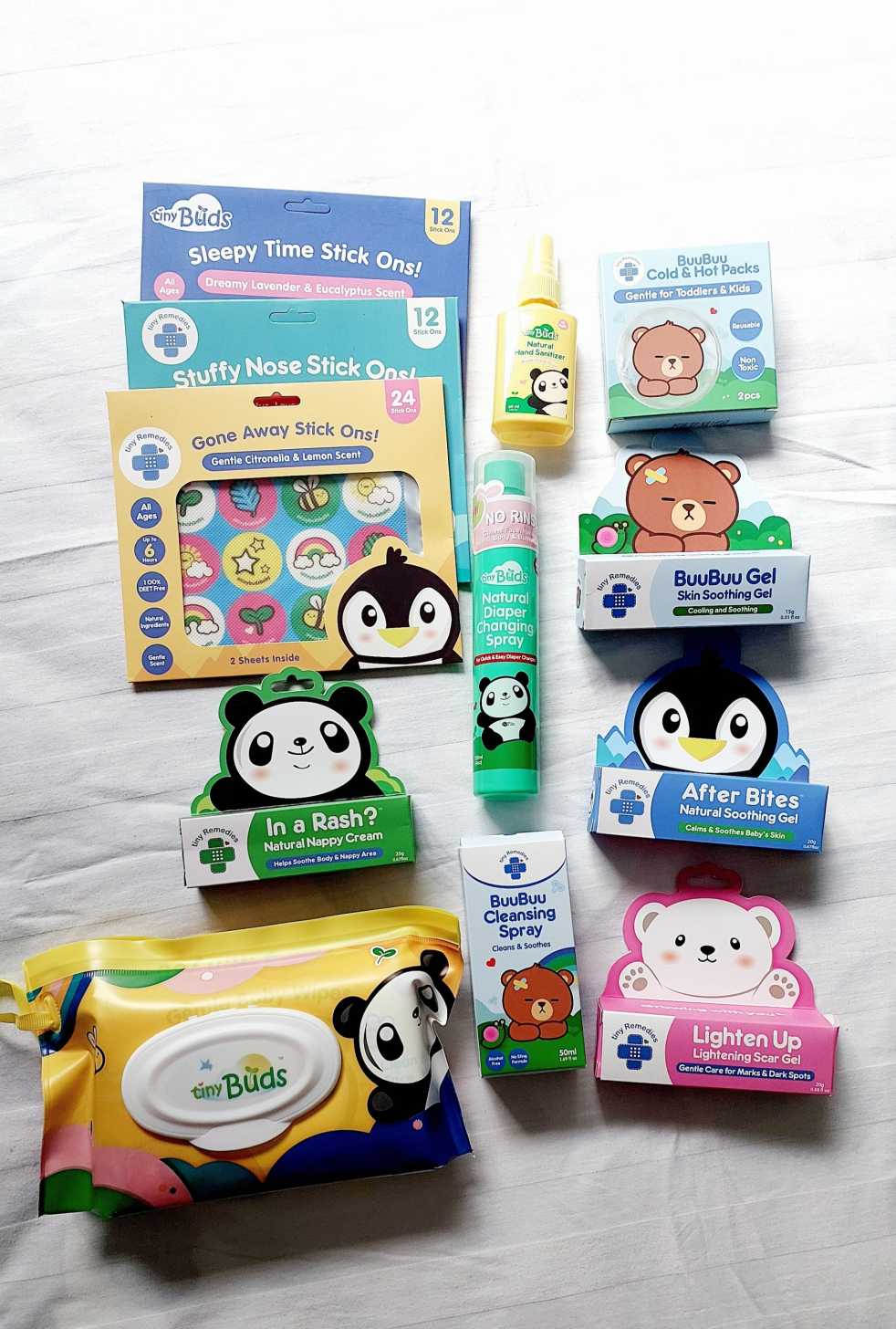
Your baby’s skin is more delicate than most, this is why you have to choose products that are designed for sensitive skin. Tiny Buds is a pioneer in integrating natural ingredients into baby care and today has over 50 innovative natural baby care essentials and is one of the Top Baby Personal Care brands. Here… Continue reading Product Review: Tiny Buds Baby Naturals Baby Essentials
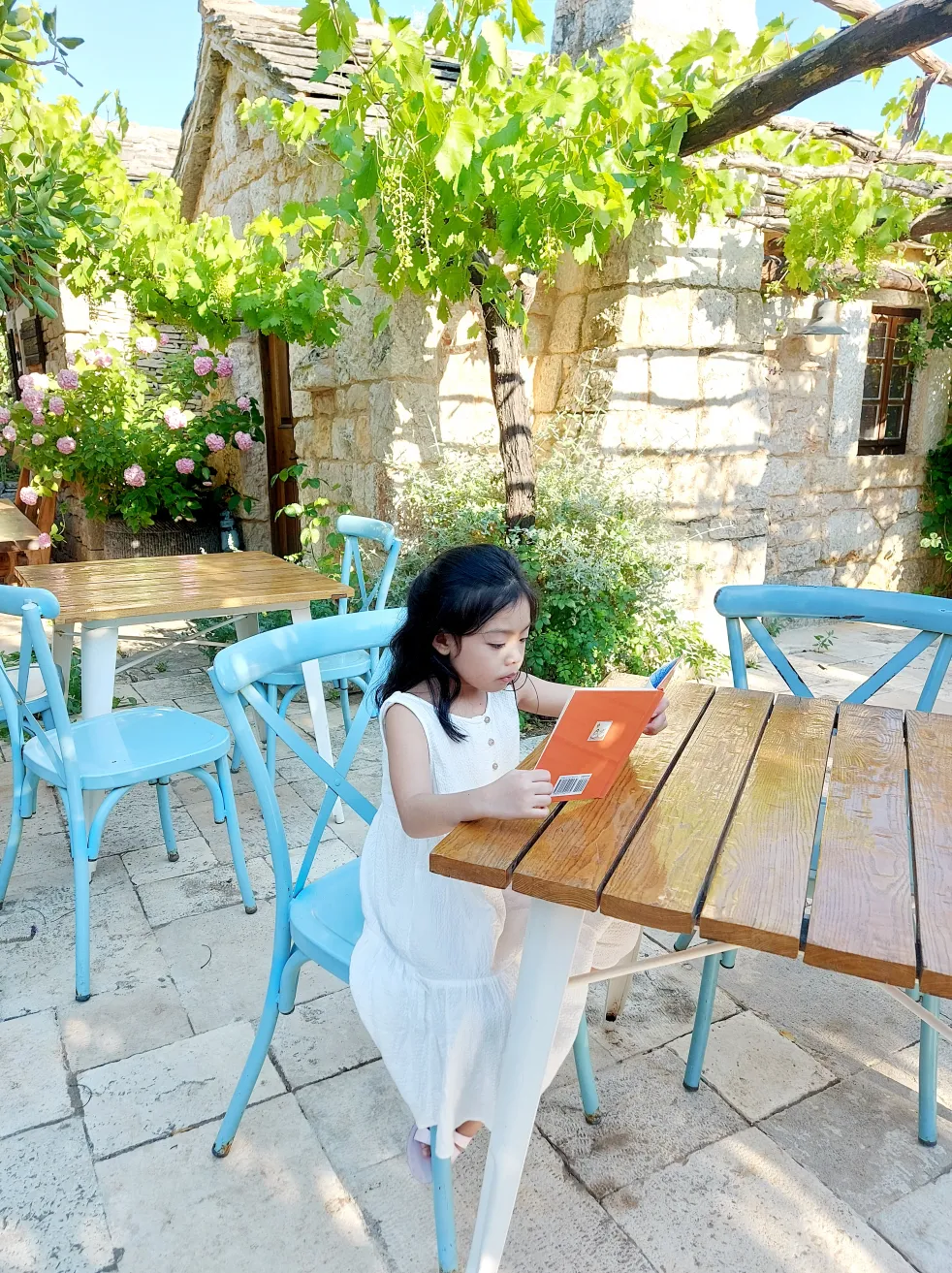
Where your child goes to school is a big decision and shouldn’t be taken lightly. Given how their education can impact their future, you might be tempted to take control and decide for them. However, you might be doing more damage than helping them in the long run. Your job as parents is to support… Continue reading HOW TO CHOOSE THE BEST SCHOOL FOR YOUR CHILD
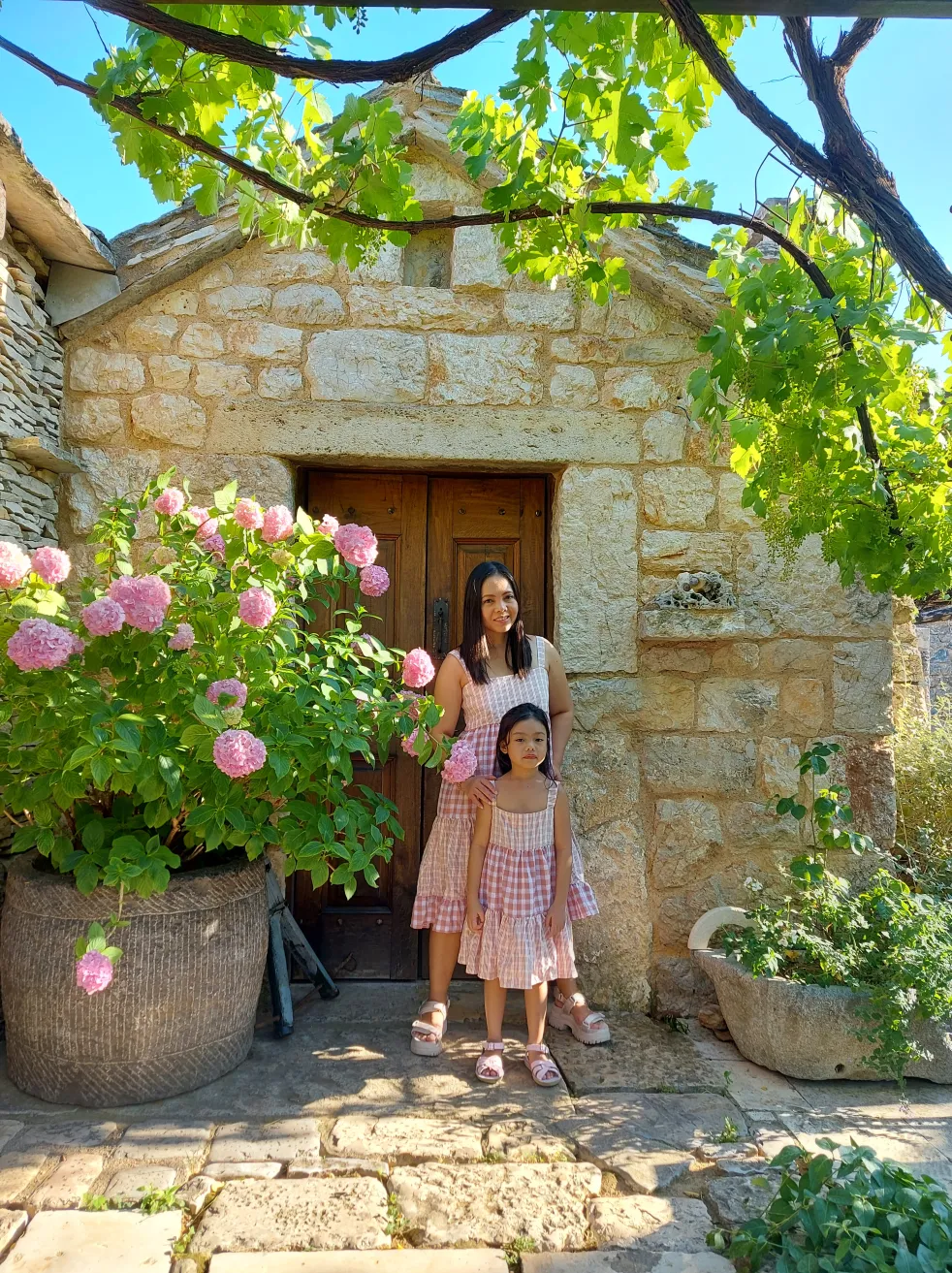
As poet and philosopher Rumi once eloquently said, “raise your words, not your voice. It is rain that grows flowers, not thunder.” Parenting is a challenging journey, and the truth is that nobody has everything figured out. One parenting style might suit others best, and some might favor other methods. However, children respond better to… Continue reading A SIMPLE GUIDE TO GENTLE PARENTING
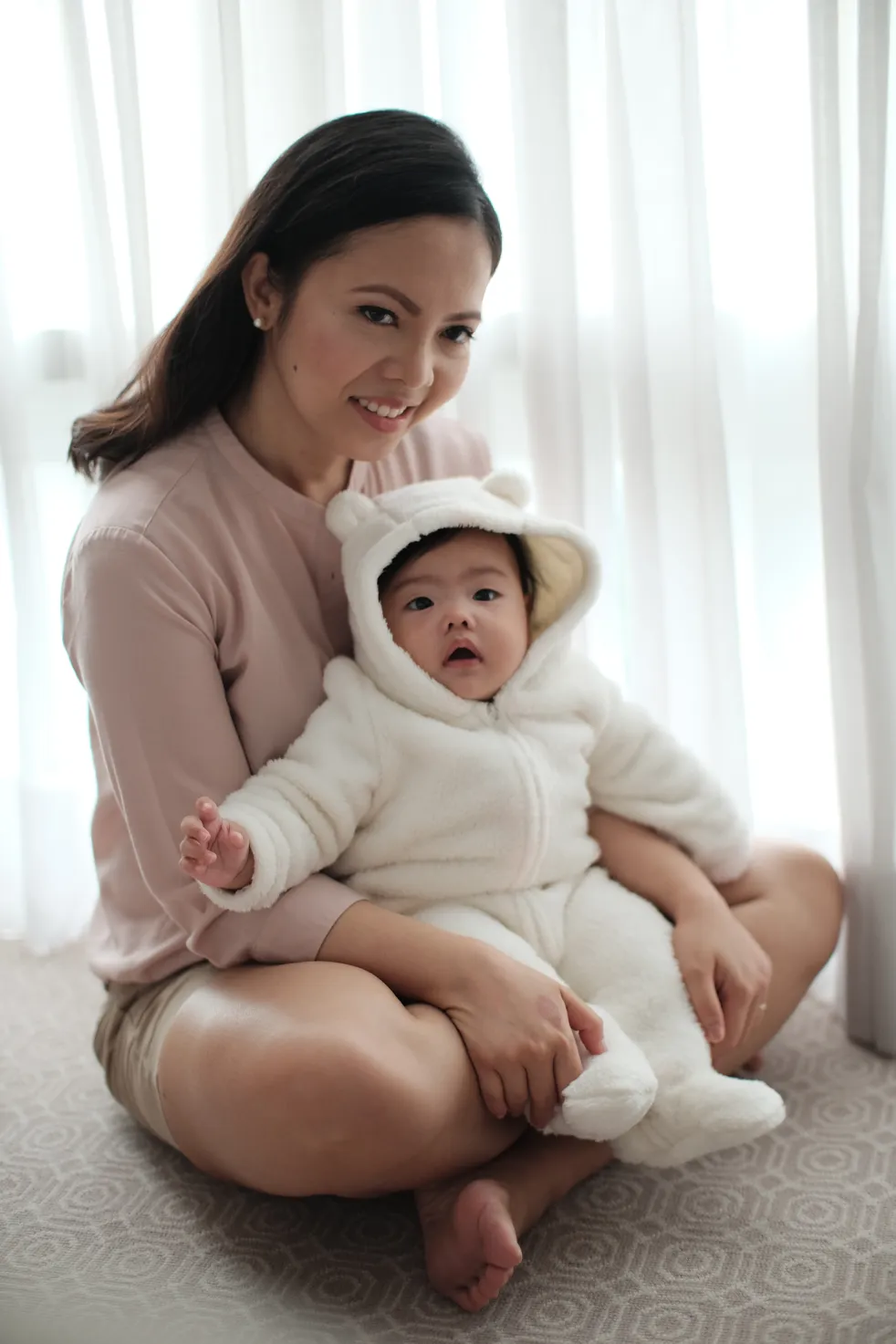
Whether you’re a new mom to be, mom of a toddler, mom who have school-aged kids, you’re bound to have so many questions. Let's start with your baby's skin. Infant skin has unique needs; gentle care is essential to prevent damage to the skin barrier, which can lead to irritation. When caring for infant skin,… Continue reading Keeping Baby’s Diapered Skin Healthy
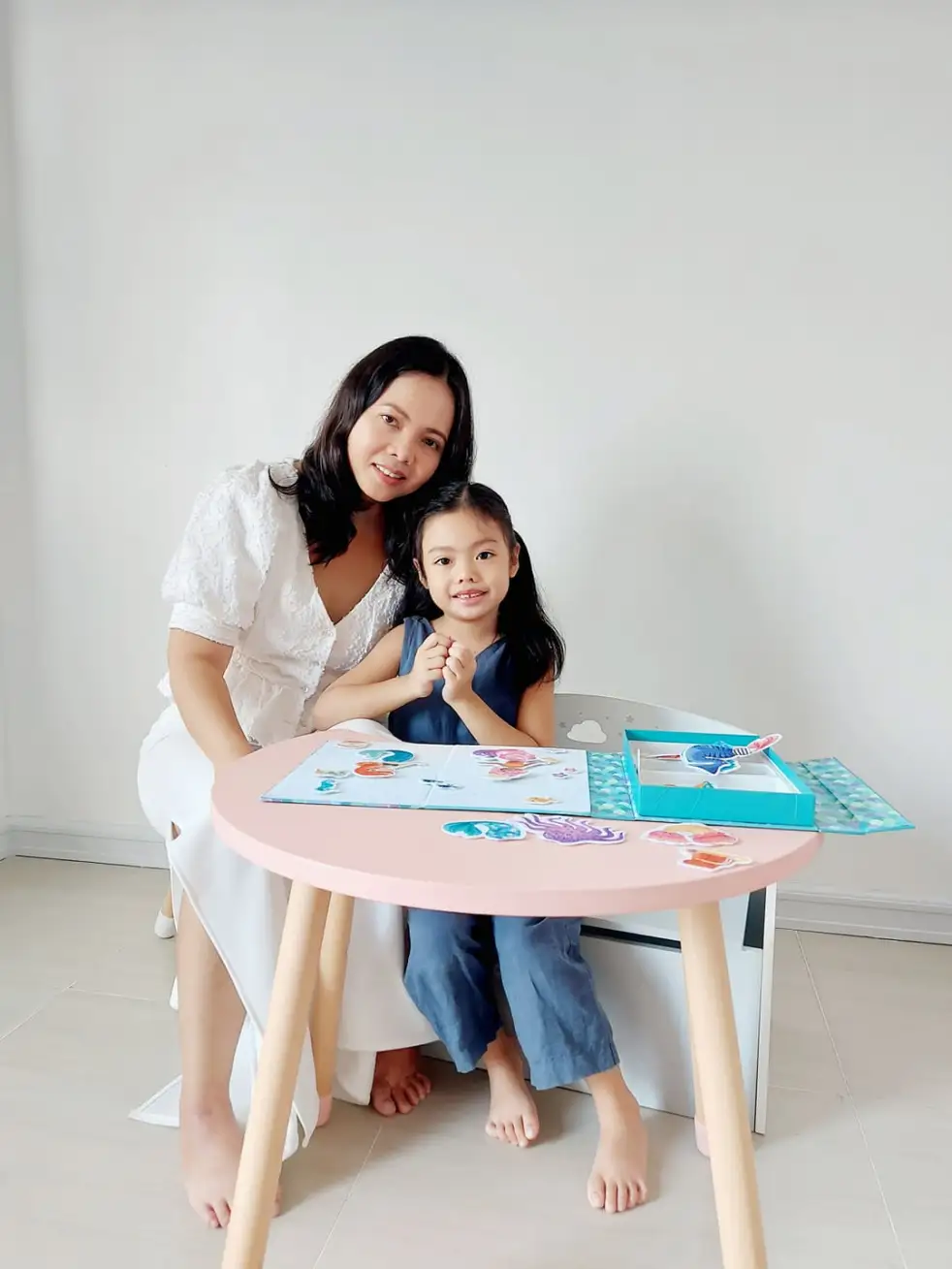
As parents, we want to give our child the best possible start in life and that begins with nurturing their intelligence. Throughout history, the notion of success has been linked to academic intelligence. However, there has been an increased awareness on the importance of emotional intelligence. This question gets at the heart of the never-ending… Continue reading IQ or EQ, which one is a better predictor of your child’s success?
 wondermomma.net