

Last August, IKEA Philippines engaged with Better World Smokey Mountain, a newly opened community center operated by the San Miguel Foundation, which shares a similar goal of improving the lives of many Filipino people. Through this partnership, IKEA Philippines provided and assembled home furnishings for the classrooms and library of Better World Smokey Mountain community… Continue reading Help Create a Better World with IKEA Soft Toys
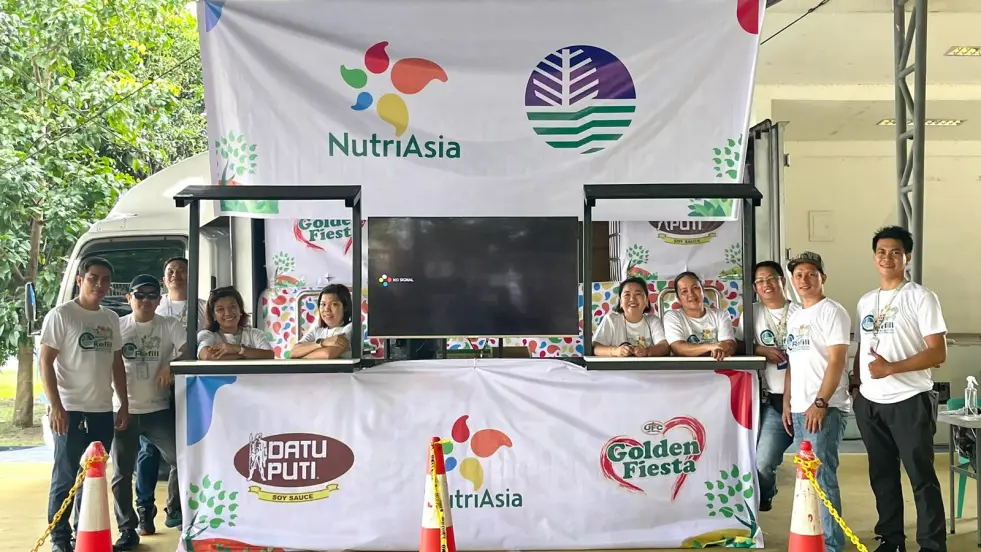
NutriAsia, the country’s top producer of condiments and sauces, continues its support of Refill Revolution; a project by the Department of Environment and Natural Resources EMB 3 that aims to help reduce Filipinos’ single-use plastics consumption. At Refill Revolution, residents get to recycle their single-use plastic bottles by reusing and filling it with their choice… Continue reading NutriAsia and DENR renews partnership for Refill Revolution

A Gentle Guide to Your Toddler's First Dental Visit
Walking into a dental clinic with a wiggly toddler can feel like a significant parenting milestone, and it is perfectly normal to feel a little apprehensive yourself. Many Australian parents experience the same mix of excitement and nervousness as they prepare for this important step. The good news is that with a bit of planning, the right practitioner, and a calm approach, this experience can shape how your child feels about oral care throughout their life.
The Australian Dental Association suggests that a child should see a dentist by their first birthday or within six months of their first tooth appearing, whichever comes first. While this might seem surprisingly early, these early visits help little ones get comfortable in the chair and allow dentists to spot any concerns before they develop. For families across Sydney, Melbourne, Brisbane, and beyond, finding a practice that welcomes young children has become much easier as more clinics embrace a gentle, family-centred philosophy.
Timing that first appointment
Most toddlers are ready for their first proper check-up when they have a handful of teeth and can sit reasonably still, often between 12 and 24 months. Some parents wait until three years old, but earlier visits frequently work better because younger children tend to be less anxious and more curious. Picking a morning time when your little one is well-rested and fed can make a real difference to how the appointment unfolds.
Weekend slots are popular in suburban practices in places like Parramatta, Chatswood, and the inner Brisbane suburbs, so booking a few weeks ahead is wise. Many Australian practices also offer dedicated "first visit" appointments that are shorter than a standard check-up. These are specifically designed to introduce your toddler to the sights, sounds, and friendly faces of the clinic without overwhelming them.
Picking a practice that welcomes little ones
Not every dental surgery is set up for toddlers, and that is absolutely okay to consider when choosing one. Look for clinics that advertise themselves as family-friendly or paediatric-focused, and check whether the dentist has experience with very young patients. Word of mouth from other parents in your local community, playgroup, or mother's group in places like Fitzroy, Fremantle, or Adelaide's inner west can be incredibly helpful.
It is worth asking whether the practice participates in the Child Dental Benefits Schedule, a Medicare program that provides eligible families with up to $1,052 in benefits over two calendar years for basic dental services. This can be a game-changer for many households, particularly those with multiple children. Some practices bulk bill under this scheme, while others require upfront payment with the rebate processed afterwards. A quick phone call can clarify exactly how your chosen clinic handles it.
Talking about the dentist before the day
Toddlers respond well to simple, honest conversations, so chat about the dentist in everyday moments rather than presenting it as a big scary event. Reading picture books about visiting the dentist, playing pretend with a toothbrush and a teddy bear, and watching age-appropriate videos can all help build familiarity. Many Australian libraries, including those in regional towns like Ballarat, Toowoomba, and Cairns, have lovely selections of dental-themed picture books you can borrow.
Avoid using words like "shot", "drill", or "hurt", even in a reassuring context, as these can plant seeds of worry. Instead, talk about the dentist counting teeth, giving them a little polish, and showing you how to brush very properly. Role-playing at home, where your toddler gets to be the dentist and check your teeth first, can flip the power dynamic and make them feel brave and in control. Keep your own tone relaxed, because children pick up on parental anxiety faster than we realise.
The day of the appointment
On the morning of the visit, keep the routine as normal as possible. Pack a small bag with a favourite comfort toy, a snack for afterwards, and a spare nappy or change of clothes for younger toddlers. Aim to arrive a little early so your child can explore the waiting room without feeling rushed. Many Australian family practices now have dedicated kids' corners with books, small toys, and bright murals of friendly animals on the walls.
Wear your child in comfortable clothing and bring a jumper or cardigan, as some clinics keep air conditioning quite cool. If your toddler uses a dummy or a special blanket, bring it along for reassurance in the chair. Take a deep breath yourself, speak in a calm voice, and remember that the team sees nervous children every single day. A relaxed parent usually leads to a more cooperative toddler, even when things do not go exactly to plan.
What to expect during the check-up
The first visit is usually short, often between 15 and 30 minutes, and is more about familiarisation than treatment. The dentist will greet your child warmly, show them the chair that moves like a spaceship, and let them hold a mirror if they want to. They will gently count the teeth, check the gums, and look at the bite, all while explaining what they are doing in kid-friendly language.
For very young children, the parent often holds them on their lap during the examination, especially in practices that follow the "knee-to-knee" approach common in Australian paediatric dentistry. The dentist may apply a small amount of fluoride varnish, which tastes a bit like strawberry or watermelon, and offer tips on brushing technique. Before you leave, you will usually receive guidance on diet, teething, and how to manage habits like thumb sucking or bottle use. It is a team effort, and your questions are always welcome.
Handling tears and wiggles
Even the most prepared toddler can still become upset, and that is entirely normal. Some children cry, others clamp their mouth shut, and a few simply refuse to sit in the chair at all. Dental teams who work with young children are trained to handle these moments with patience and gentle redirection rather than force. They might suggest waiting a few months and trying again, which is a perfectly acceptable approach.
If the visit does not go as smoothly as hoped, try not to show disappointment or frustration in front of your child. Talk about the experience in positive terms afterwards, perhaps highlighting the sticker they received or the cool sunglasses they got to wear. Avoid offering treats as a reward for going, as this can accidentally suggest the visit was something to be endured. Instead, simply chat about how proud you are and move on to the next adventure together.
Caring for teeth between visits
Once the first visit is done, regular six-monthly check-ups are usually recommended to keep teeth and gums healthy. Daily brushing with a child-sized toothbrush and a pea-sized amount of low-fluoride children's toothpaste is essential from around 18 months onwards. In areas of Australia without fluoridated water, such as some parts of regional Queensland and Western Australia, your dentist may suggest additional fluoride supplements.
Snacking habits play a big role in toddler dental health, so limiting sticky lollies, juice, and frequent grazing can make a meaningful difference. Water is the best drink between meals, and plain milk is a lovely choice for growing teeth. Brushing together as a family turns oral care into a shared routine rather than a chore, and your toddler will love copying what you do.
| Aspect | Public or Medicare option | Private dental practice |
|---|---|---|
| Cost | Bulk billed under CDBS for eligible families, no out-of-pocket fee | Gap fees vary, typically $40 to $120 per visit without insurance |
| Availability | Limited paediatric public clinics, longer wait times | Wide choice of family-friendly private clinics across suburbs |
| Atmosphere | Functional, focused on essential treatment | Often themed waiting rooms, toys, and longer familiarisation visits |
| Follow-up care | Basic check-ups and treatment covered within scheme limits | More time for education, dietary advice, and preventive treatments |
Simple ways to keep the experience positive
- Schedule appointments in the morning when your toddler is alert and well-rested.
- Role-play the visit at home using a toothbrush, mirror, and a stuffed animal.
- Choose a practice familiar with the Child Dental Benefits Schedule to keep costs manageable.
- Bring a comfort item from your little one's everyday routine, like a small toy or blanket.
- Praise bravery afterwards with words and cuddles rather than sugary treats.

Mercato Centrale, in collaboration with Indian Women in Enterprise Philippines (I-We), is set to host "The Great Indian Fiesta" to mark 75 years of friendship between India and the Philippines. The dynamic two-day event is scheduled to take place on September 30 to October 1, 2023, at Paseo De Roxas Street, Makati City. Aiming to… Continue reading Mercato Centrale Partners with I-We to Host ‘The Great Indian Fiesta’, Commemorating 75 Years of India-Philippines Friendship

My stomach would usually start growling at 10 am even after taking a big breakfast. This is probably because I am a morning person and I move a lot throughout the day hence snacking is something that I can't avoid. This potatoes and chicken wrap recipe is easy to prepare and would keep me full… Continue reading Potato and Chicken Wrap
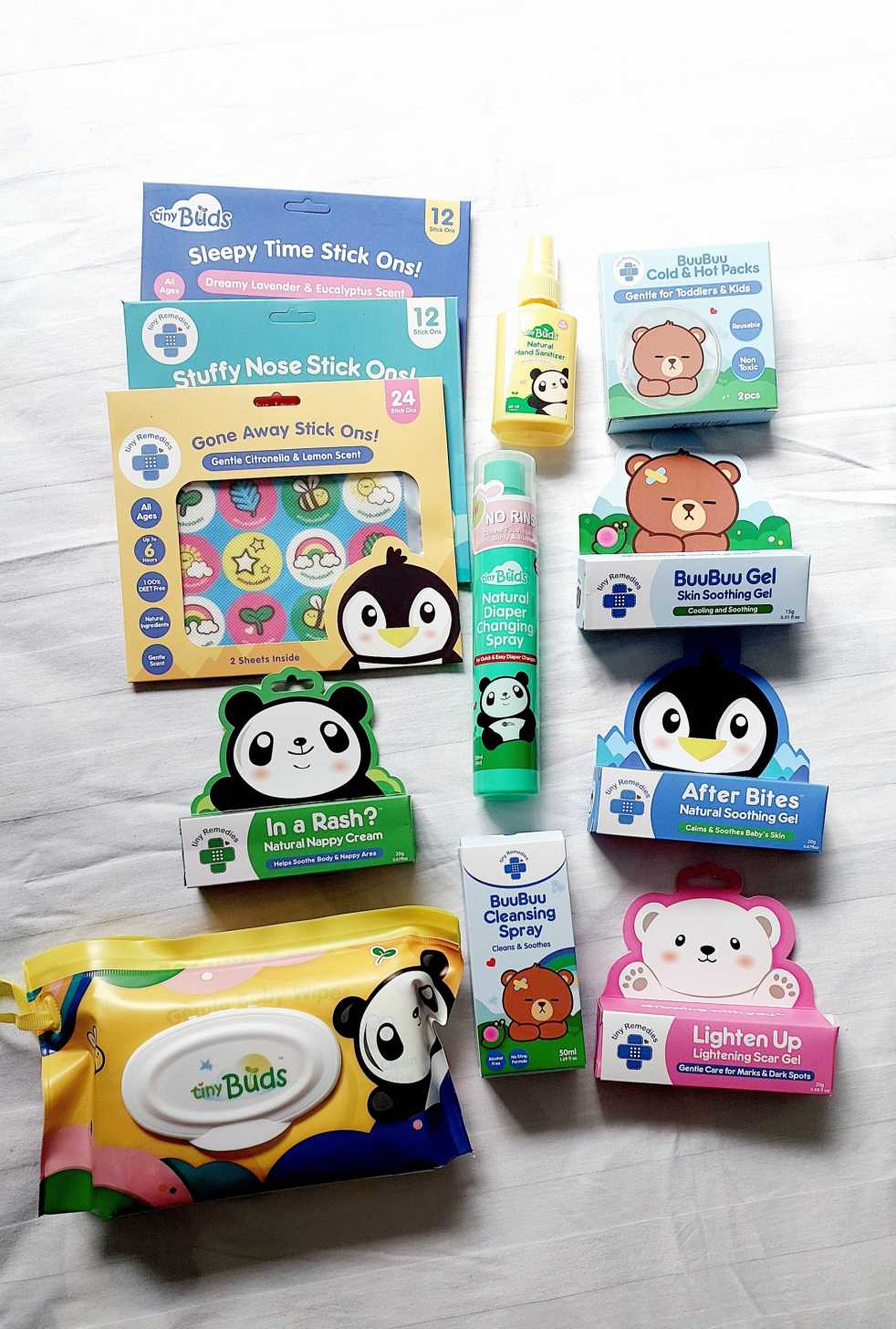
Your baby’s skin is more delicate than most, this is why you have to choose products that are designed for sensitive skin. Tiny Buds is a pioneer in integrating natural ingredients into baby care and today has over 50 innovative natural baby care essentials and is one of the Top Baby Personal Care brands. Here… Continue reading Product Review: Tiny Buds Baby Naturals Baby Essentials
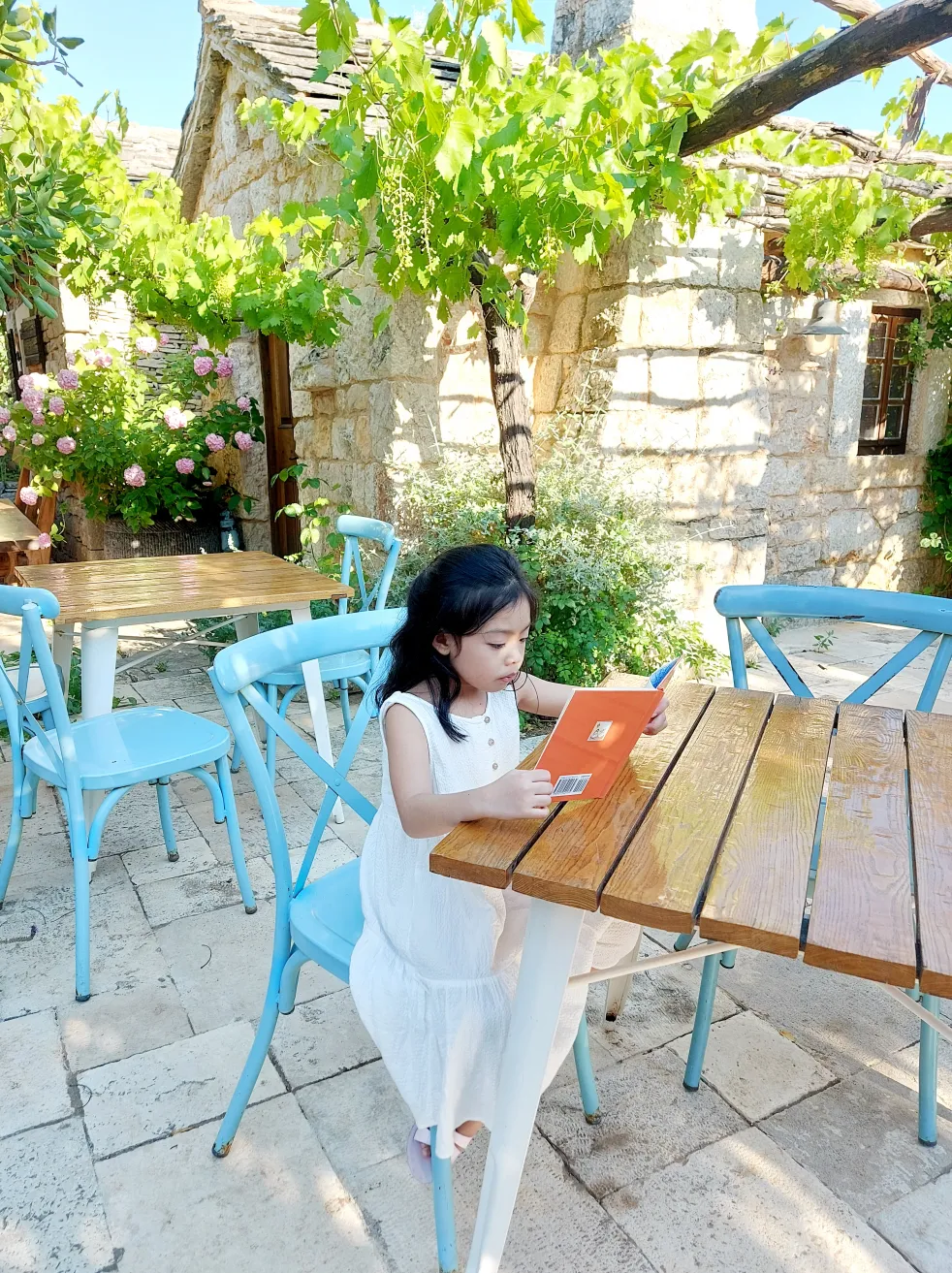
Where your child goes to school is a big decision and shouldn’t be taken lightly. Given how their education can impact their future, you might be tempted to take control and decide for them. However, you might be doing more damage than helping them in the long run. Your job as parents is to support… Continue reading HOW TO CHOOSE THE BEST SCHOOL FOR YOUR CHILD
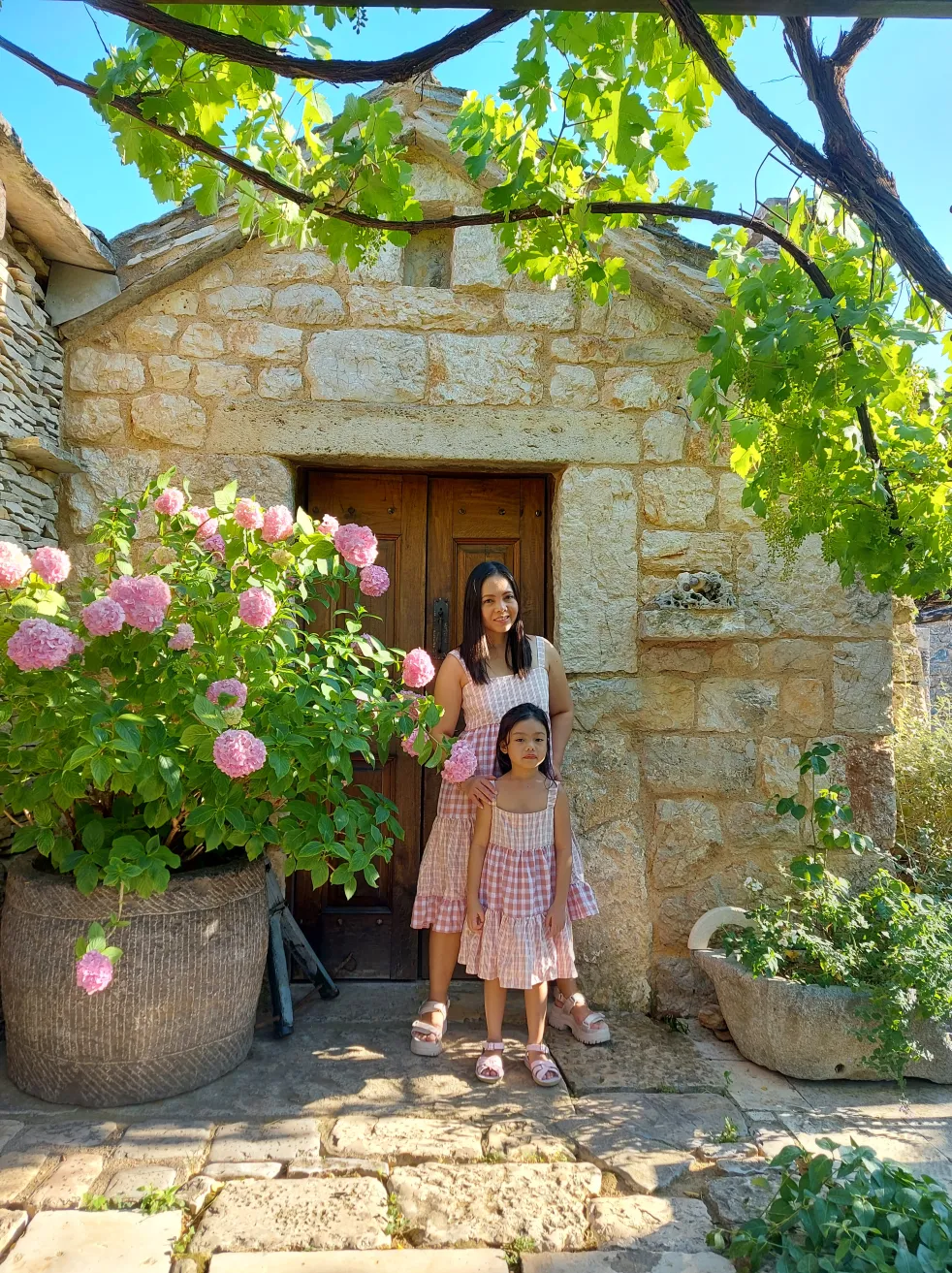
As poet and philosopher Rumi once eloquently said, “raise your words, not your voice. It is rain that grows flowers, not thunder.” Parenting is a challenging journey, and the truth is that nobody has everything figured out. One parenting style might suit others best, and some might favor other methods. However, children respond better to… Continue reading A SIMPLE GUIDE TO GENTLE PARENTING

Whether you’re a new mom to be, mom of a toddler, mom who have school-aged kids, you’re bound to have so many questions. Let's start with your baby's skin. Infant skin has unique needs; gentle care is essential to prevent damage to the skin barrier, which can lead to irritation. When caring for infant skin,… Continue reading Keeping Baby’s Diapered Skin Healthy
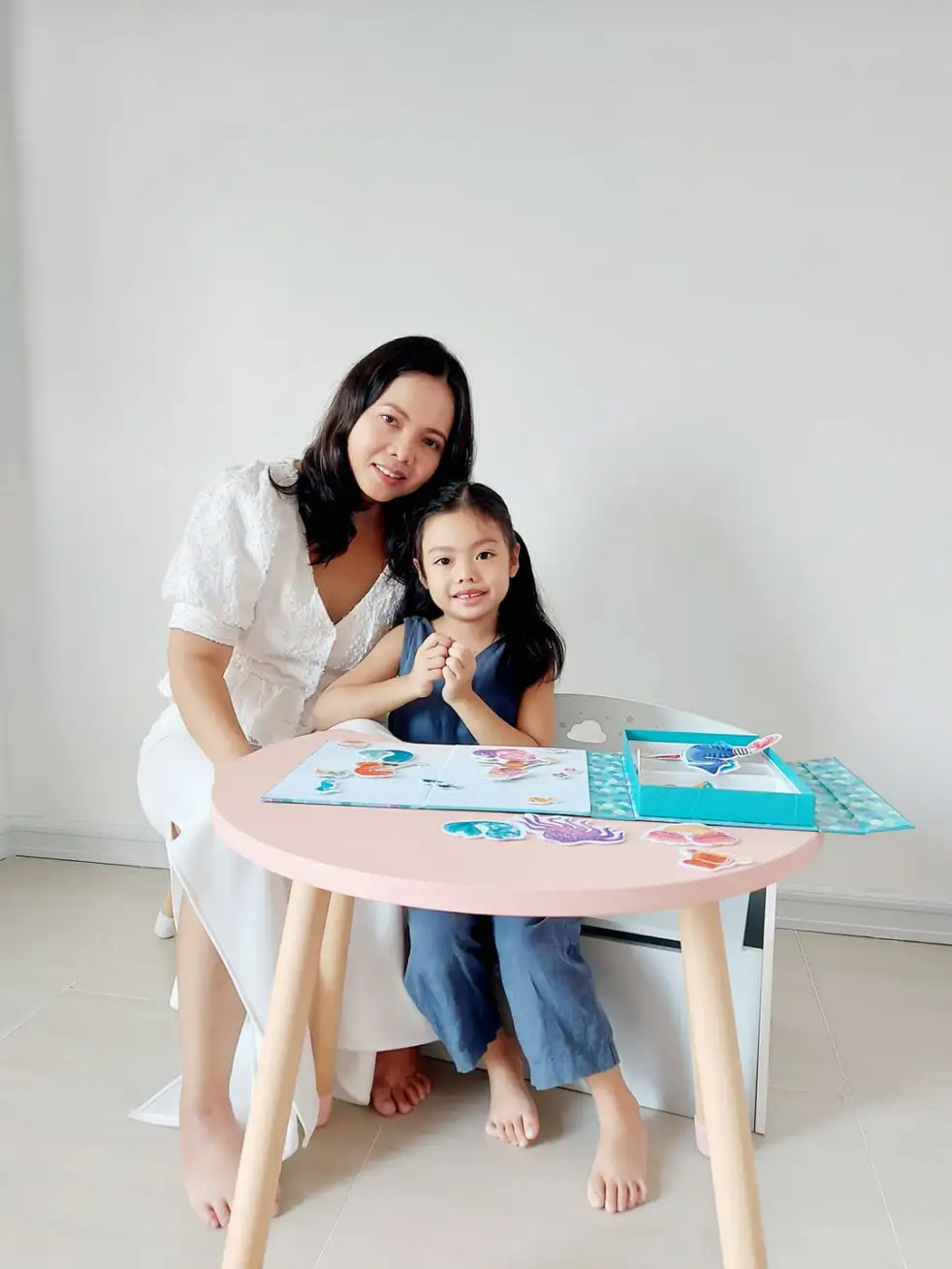
As parents, we want to give our child the best possible start in life and that begins with nurturing their intelligence. Throughout history, the notion of success has been linked to academic intelligence. However, there has been an increased awareness on the importance of emotional intelligence. This question gets at the heart of the never-ending… Continue reading IQ or EQ, which one is a better predictor of your child’s success?
 wondermomma.net