

Last August, IKEA Philippines engaged with Better World Smokey Mountain, a newly opened community center operated by the San Miguel Foundation, which shares a similar goal of improving the lives of many Filipino people. Through this partnership, IKEA Philippines provided and assembled home furnishings for the classrooms and library of Better World Smokey Mountain community… Continue reading Help Create a Better World with IKEA Soft Toys
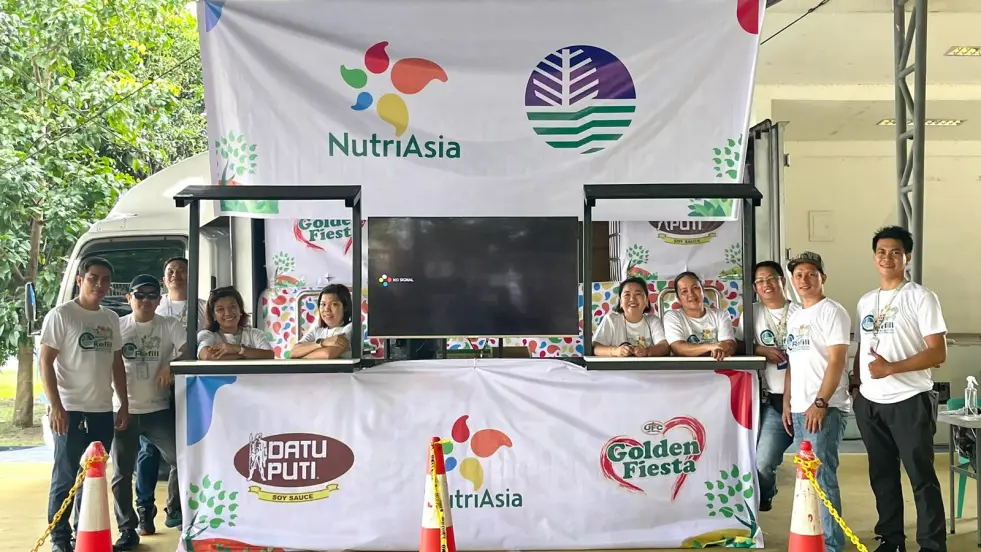
NutriAsia, the country’s top producer of condiments and sauces, continues its support of Refill Revolution; a project by the Department of Environment and Natural Resources EMB 3 that aims to help reduce Filipinos’ single-use plastics consumption. At Refill Revolution, residents get to recycle their single-use plastic bottles by reusing and filling it with their choice… Continue reading NutriAsia and DENR renews partnership for Refill Revolution

The ultimate guide to cloth diapering in the Philippines
Cloth diapering can be a practical, budget-friendly choice for Filipino families who want to reduce disposable diaper waste and create a reusable baby-care routine. Modern cloth diapers come in many designs, from simple flat nappies to adjustable pocket diapers, so parents can choose a system that suits their child, home, and laundry setup.
The Philippines’ warm climate brings both advantages and considerations. Babies may need breathable fabrics during hot days, while high humidity can make drying slower during the rainy season. A successful routine depends less on buying a large collection and more on choosing suitable materials, washing them correctly, and having enough diapers in rotation.
This guide covers the essentials, including cloth diaper types, sizing, laundry, skincare, costs, and practical tips for families in cities, provinces, apartments, and homes with limited outdoor space. For more everyday parenting and family resources, explore WonderMomma alongside your diapering research.
Why families choose reusable nappies
The most common reason parents try reusable diapers is the potential long-term savings. A well-maintained cloth diaper can be used repeatedly for one child and sometimes passed on to a sibling. The initial purchase may feel expensive, but the cost per use becomes lower over time, especially when diapers are washed at home.
Cloth nappies can also reduce the number of disposable diapers sent to landfills. A baby may use thousands of disposables before toilet training, so replacing even some daily changes with reusable options can make a meaningful difference. Families do not need to use cloth full-time for their efforts to matter.
Another benefit is flexibility. Parents can select absorbent inserts for overnight use, lightweight covers for daytime, or all-in-one styles for caregivers who want a familiar routine. Reusable diapers may also help parents become more aware of wetness and changing patterns, although every baby’s skin and comfort needs are different.
Choosing the right cloth diaper system
Pocket diapers have a waterproof outer layer and a pocket where absorbent inserts are placed. They dry relatively quickly because the inserts can be removed, and the adjustable snaps often fit babies through several growth stages. They are popular with beginners because they resemble the basic shape of a disposable diaper.
All-in-one diapers attach the absorbent layer to the waterproof shell, making them simple to put on. They are convenient for grandparents, babysitters, and childcare providers, but they can take longer to dry. All-in-two systems use a separate insert that snaps or lays into a cover, allowing the shell to be reused when it is not soiled.
Flats and prefolds are economical choices that can be folded around the baby or placed inside a cover. They require more folding and may need additional fasteners, but they are versatile and often dry faster in tropical weather. Choose based on your laundry capacity, available drying space, and who will handle diaper changes rather than buying every style at once.
A realistic setup for Philippine homes
There is no single ideal number of diapers. Families washing every day may manage with around 12 to 18 reusable diapers, while those washing every two or three days may need closer to 24 to 30. Newborns usually need more frequent changes, so a smaller collection may require regular washing.
Water supply, electricity, and drying space should influence your plan. A family in a condominium may prefer quick-drying pocket diapers and a compact drying rack. A household with a sunny outdoor area may find flats and prefolds especially convenient. During monsoon weather, allow extra time for drying and keep a few disposable diapers or fully dry backup nappies available.
| Cloth diaper style | Best feature | Drying time | Helpful for |
|---|---|---|---|
| Pocket diaper | Adjustable and easy to customize | Moderate | Beginners and daily use |
| All-in-one | Simple, with no separate insert | Longer | Caregivers and childcare |
| All-in-two | Reusable cover with changeable inserts | Moderate | Flexible routines |
| Flat or prefold | Affordable and versatile | Fast | Hot weather and small budgets |
| Fitted diaper | Highly absorbent fabric shape | Longer | Heavy wetters and nighttime |
Start with a small trial set if possible. Test different inserts, closures, and fits before investing in a complete stash. A diaper that works beautifully for one baby may leak or rub on another because body shape, movement, and urination patterns vary.
Washing, drying, and storing diapers
Remove solid waste from the diaper before placing it in a ventilated wet bag or dry pail. Breastfed babies’ stools can usually go directly into the wash, while solid-food stools generally need to be shaken or rinsed off first. Avoid soaking diapers for long periods, since standing water can encourage odors and damage some materials.
A basic routine usually includes a short pre-wash to remove urine and residue, followed by a thorough main wash with a suitable detergent. Use enough water for the diapers to move freely, and avoid overloading the machine. Detergent buildup can cause smells and reduced absorbency, while too little detergent may leave behind oils and waste.
Sun-drying can naturally freshen and brighten fabric, but prolonged intense sunlight may wear out elastic and waterproof layers. Hang diapers fully open and make sure inserts are completely dry before storage. In damp weather, use a fan or well-ventilated indoor area, and never store even slightly damp diapers because mildew can develop quickly.
Fabric softener, bleach used too frequently, and harsh household soaps may affect absorbency or damage the diaper’s waterproof coating. Follow the manufacturer’s care instructions, especially for specialty fabrics. If a persistent smell or rash appears, pause to review the washing process and consider whether the detergent or fit is causing the problem.
Keeping baby comfortable and leak-free
A good fit should be snug around the waist and thighs without leaving deep marks. Check that the leg elastics sit in the baby’s natural creases and that the insert is tucked fully inside the waterproof cover. Gaps around the legs can cause leaks, while an overly tight diaper can create pressure and irritation.
Change cloth diapers regularly, often every two to three hours during the day or sooner when wet. Cloth does not lock moisture away in the same way as many disposable products, so frequent changes support comfort and help protect sensitive skin. An absorbent booster may be useful for naps or overnight, but it should not make the diaper excessively bulky.
Use a gentle, fragrance-free barrier cream when needed, checking that it is compatible with cloth. Some thick creams can coat fibers and reduce absorbency. If your baby develops ongoing redness, broken skin, swelling, or discomfort, stop using the suspected product and seek advice from a pediatrician or qualified healthcare professional.
Cloth diapering should be adapted to the baby, not treated as a test of parental commitment. Combining reusable diapers with disposables for travel, illness, childcare, or rainy weeks is a perfectly workable approach. Comfort, hygiene, and family wellbeing come first.
Managing costs and daily routines
The price of a cloth diaper collection depends on construction, fabric, brand, and whether it is new or pre-loved. Local online marketplaces and parenting groups may offer affordable secondhand options, but inspect elastic, snaps, stains, odors, and the waterproof layer before buying. Used diapers should be washed thoroughly according to their condition.
A simple routine can prevent diaper laundry from becoming overwhelming. Keep clean diapers in one accessible drawer, prepare inserts in advance, and place a wet bag near the changing area. If another caregiver helps with changes, write clear instructions for separating inserts, handling waste, and storing used diapers.
- Begin with a small mixed set instead of purchasing a full stash immediately.
- Choose quick-drying fabrics if you have limited indoor drying space.
- Keep enough clean backups for unexpected rain, travel, or laundry delays.
- Track leaks, rashes, and wash results for a week before changing several things at once.
- Set aside a few disposable diapers for emergencies without feeling guilty about it.
Families can also reduce costs by using cloth wipes with plain water for ordinary changes. However, wipes used for stool should be stored and washed separately from diapers when practical. Label wet bags and diaper containers if multiple children use the same changing area.
Making the routine work outside the home
Traveling with cloth diapers requires planning but does not have to be complicated. Pack more diapers than the expected number of changes, bring a large waterproof wet bag, and carry disposable liners only if they suit your baby and disposal options. For short trips, a mixed system may be easier than transporting a complete supply of reusable nappies.
Ask childcare providers about their policies before sending cloth diapers. Some centers accept pocket or all-in-one diapers but may not handle flats, rinsing, or complicated folds. Prepare each diaper in advance and provide written instructions. A caregiver is more likely to follow the routine confidently when the process takes no more steps than using a disposable.
Cloth diapering can also fit Filipino family life through gradual changes. Start with daytime use at home, learn how your chosen diapers behave in warm and humid conditions, then expand to naps, outings, or nighttime if the system remains comfortable. The goal is a sustainable habit that works alongside work schedules, household responsibilities, and the needs of a growing baby.
Choose your first few diapers thoughtfully, establish a manageable wash routine, and give yourself time to learn. With the right fit and realistic expectations, reusable nappies can become a comfortable part of family life in the Philippines. Begin with the next practical change—one washable diaper, one clear routine, and one less disposable item in the bin.

Mercato Centrale, in collaboration with Indian Women in Enterprise Philippines (I-We), is set to host "The Great Indian Fiesta" to mark 75 years of friendship between India and the Philippines. The dynamic two-day event is scheduled to take place on September 30 to October 1, 2023, at Paseo De Roxas Street, Makati City. Aiming to… Continue reading Mercato Centrale Partners with I-We to Host ‘The Great Indian Fiesta’, Commemorating 75 Years of India-Philippines Friendship

My stomach would usually start growling at 10 am even after taking a big breakfast. This is probably because I am a morning person and I move a lot throughout the day hence snacking is something that I can't avoid. This potatoes and chicken wrap recipe is easy to prepare and would keep me full… Continue reading Potato and Chicken Wrap
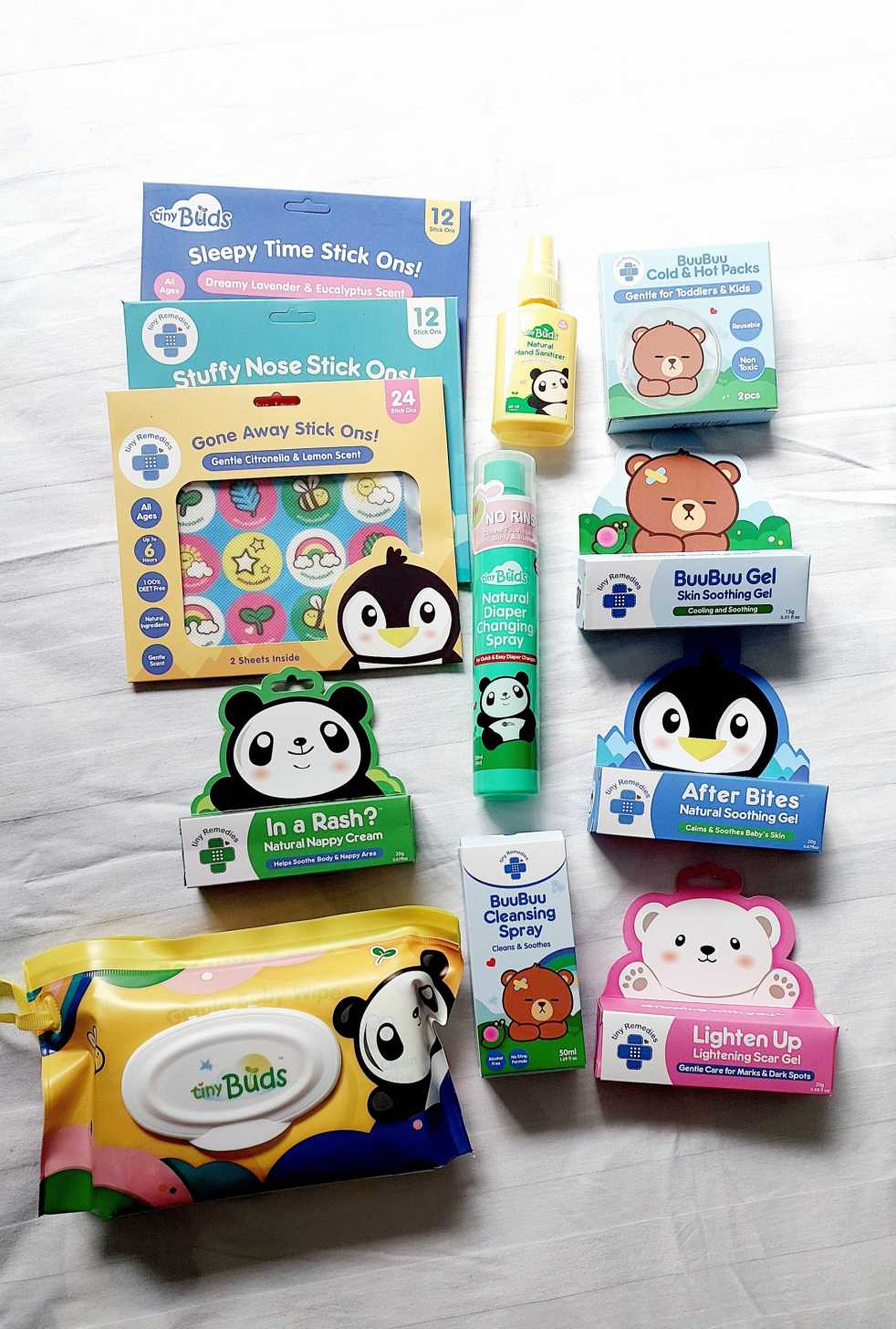
Your baby’s skin is more delicate than most, this is why you have to choose products that are designed for sensitive skin. Tiny Buds is a pioneer in integrating natural ingredients into baby care and today has over 50 innovative natural baby care essentials and is one of the Top Baby Personal Care brands. Here… Continue reading Product Review: Tiny Buds Baby Naturals Baby Essentials
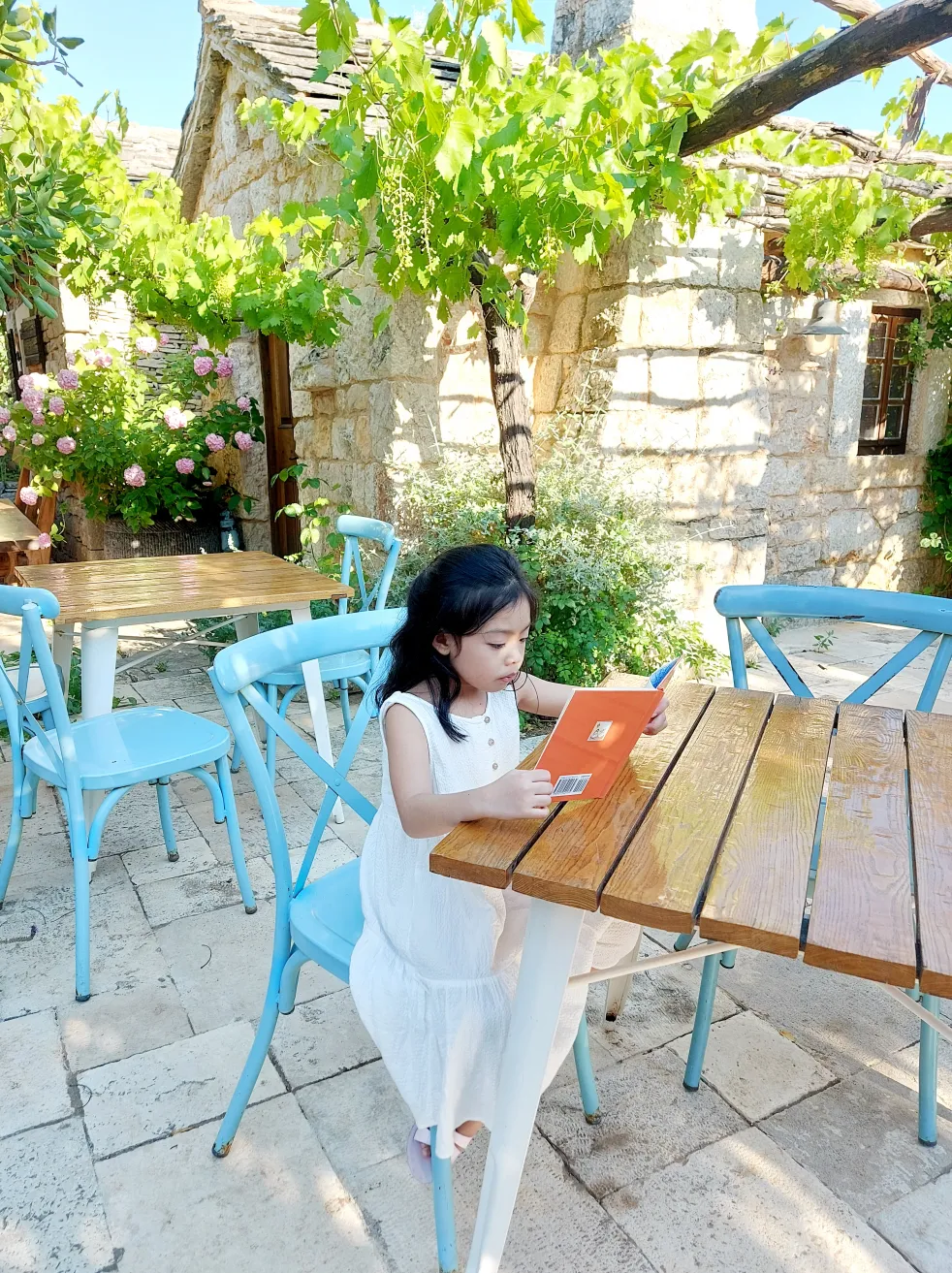
Where your child goes to school is a big decision and shouldn’t be taken lightly. Given how their education can impact their future, you might be tempted to take control and decide for them. However, you might be doing more damage than helping them in the long run. Your job as parents is to support… Continue reading HOW TO CHOOSE THE BEST SCHOOL FOR YOUR CHILD
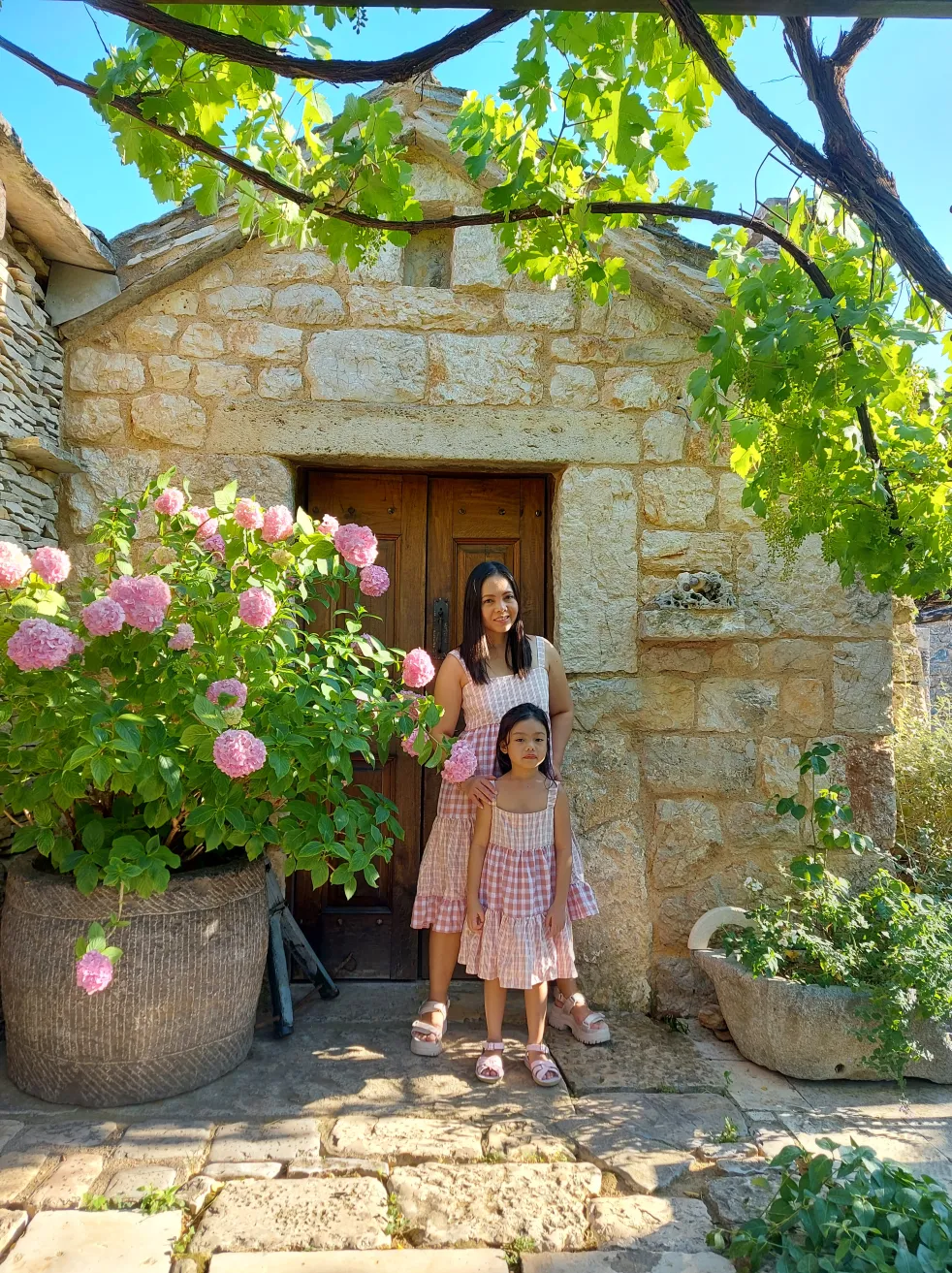
As poet and philosopher Rumi once eloquently said, “raise your words, not your voice. It is rain that grows flowers, not thunder.” Parenting is a challenging journey, and the truth is that nobody has everything figured out. One parenting style might suit others best, and some might favor other methods. However, children respond better to… Continue reading A SIMPLE GUIDE TO GENTLE PARENTING
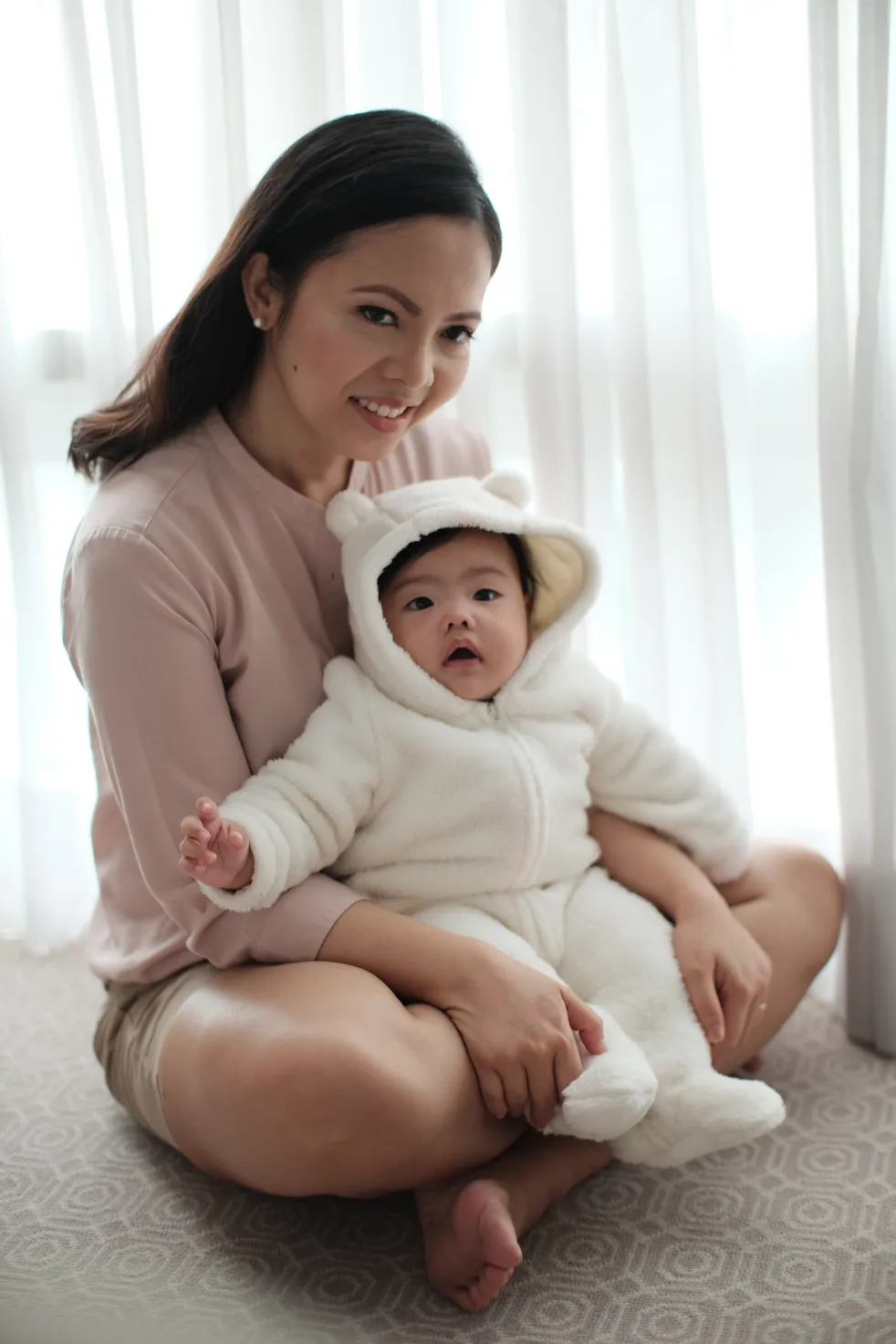
Whether you’re a new mom to be, mom of a toddler, mom who have school-aged kids, you’re bound to have so many questions. Let's start with your baby's skin. Infant skin has unique needs; gentle care is essential to prevent damage to the skin barrier, which can lead to irritation. When caring for infant skin,… Continue reading Keeping Baby’s Diapered Skin Healthy
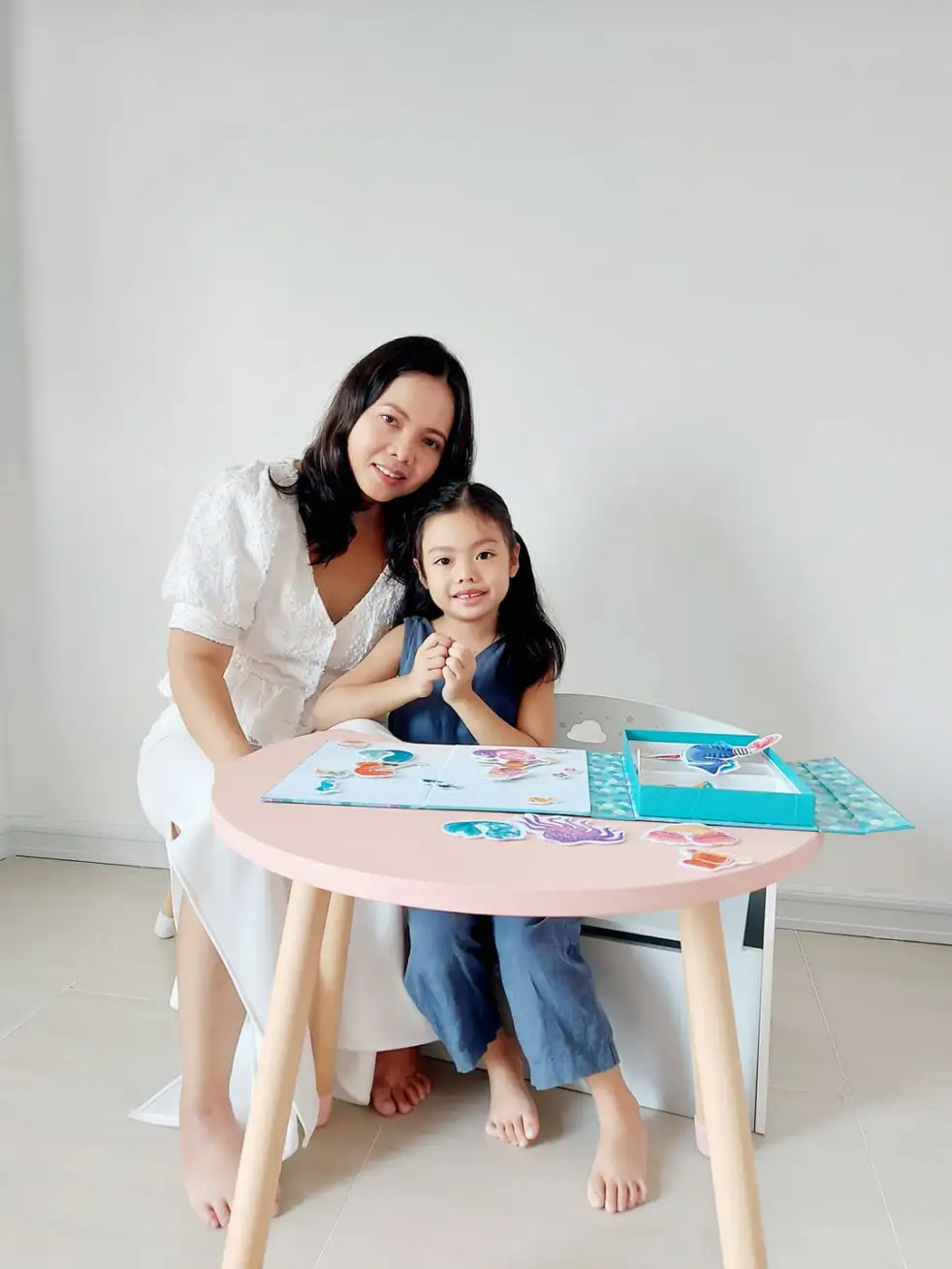
As parents, we want to give our child the best possible start in life and that begins with nurturing their intelligence. Throughout history, the notion of success has been linked to academic intelligence. However, there has been an increased awareness on the importance of emotional intelligence. This question gets at the heart of the never-ending… Continue reading IQ or EQ, which one is a better predictor of your child’s success?
 wondermomma.net