

Last August, IKEA Philippines engaged with Better World Smokey Mountain, a newly opened community center operated by the San Miguel Foundation, which shares a similar goal of improving the lives of many Filipino people. Through this partnership, IKEA Philippines provided and assembled home furnishings for the classrooms and library of Better World Smokey Mountain community… Continue reading Help Create a Better World with IKEA Soft Toys
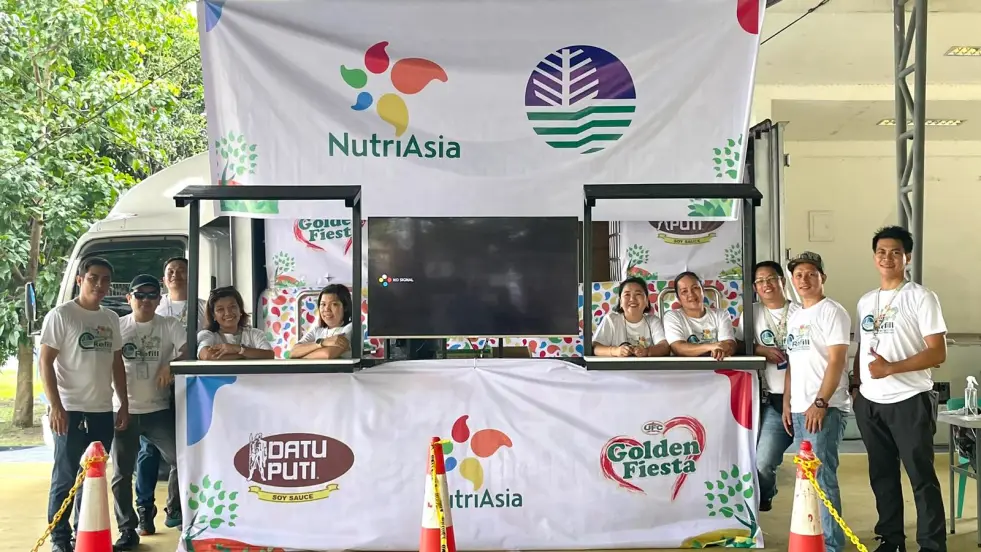
NutriAsia, the country’s top producer of condiments and sauces, continues its support of Refill Revolution; a project by the Department of Environment and Natural Resources EMB 3 that aims to help reduce Filipinos’ single-use plastics consumption. At Refill Revolution, residents get to recycle their single-use plastic bottles by reusing and filling it with their choice… Continue reading NutriAsia and DENR renews partnership for Refill Revolution

Baby-Led Weaning For Confident Family Meals
Baby-led weaning gives babies the chance to explore solid foods by picking up appropriately prepared pieces and feeding themselves. Rather than beginning with smooth purées as the only option, parents offer soft finger foods alongside responsive milk feeds. The baby decides what to eat and how much, while the adult controls what is served and keeps the meal safe.
For Australian families, this approach can fit naturally into everyday life. Seasonal produce from Melbourne markets, family dinners in Brisbane, and relaxed weekend meals in Perth all provide opportunities to include a baby at the table. The method can also work with Filipino family dishes, provided ingredients are adapted for a young child’s texture, salt and spice needs.
Baby-led weaning in the Philippines often draws on familiar foods such as rice, banana, sweet potato, squash, fish and tender vegetables. Australian parents can use the same principle with local staples, including avocado, pumpkin, toast, mango, steamed broccoli and soft lamb. The goal is shared mealtimes, not complicated recipes or picture-perfect plates.
Most babies are ready for complementary foods at around six months, but readiness matters more than a particular date. A baby should sit upright with steady head control, reach for food, bring objects to the mouth and swallow rather than automatically push food out with the tongue. Continue breastmilk or infant formula as the main source of nutrition during the first year.
What Baby-Led Weaning Means
A baby-led approach involves placing food on the highchair tray and allowing the child to grasp, taste, mash and gradually swallow it. At first, much of the food may end up on the floor. This is expected: early meals teach sensory skills, hand-eye coordination and oral movement as much as they provide nourishment.
Parents should avoid placing food directly into the baby’s mouth or urging “one more bite”. Responsive feeding means noticing signs of hunger and fullness. Reaching, opening the mouth and leaning towards food can show interest, while turning away, closing the mouth or becoming distracted may indicate that the meal is over.
A mixed approach is also perfectly reasonable. Some families offer finger foods with a pre-loaded spoon of yoghurt, porridge or mashed lentils. Others use purées temporarily when a baby is unwell or when a particular food is difficult to serve safely. Baby-led weaning is a flexible feeding style, not a test parents can pass or fail.
Preparing A Safe Australian Kitchen
Begin with a stable, upright highchair that allows the baby’s feet to rest on a footrest. A five-point harness should be used at every meal. The adult must remain within arm’s reach while the baby eats, and meals should happen without screens, toys or eating in a moving pram or car.
Offer food in large pieces at the beginning, roughly the size of two adult fingers joined together. The piece should be soft enough to squash between thumb and forefinger. As the baby develops a pincer grip, smaller bite-sized pieces can be introduced. Always cook hard vegetables, fruit and meat until tender.
Australian health advice commonly recommends introducing allergenic foods such as smooth peanut paste, cooked egg, wheat, dairy, fish and sesame during the first year, in safe forms and one at a time when practical. Once tolerated, keep them in the regular family menu. Speak with a GP, child and family health nurse or accredited practising dietitian if your baby has eczema, an existing allergy or a strong family history of food allergy.
Preventing Choking At Mealtimes
Gagging is a normal protective reflex. It can be noisy, with coughing, red cheeks or retching as food moves forward in the mouth. Choking is usually quiet and may involve difficulty breathing, a weak cough or a change in colour. Parents and caregivers should complete an infant first-aid course, including choking response training, before solids begin.
Common choking hazards include whole grapes, raw carrot, apple chunks, popcorn, whole nuts, firm sausage rounds, hard lollies and spoonfuls of thick nut butter. Cut grapes and cherry tomatoes lengthways into quarters, grate or cook firm fruit and vegetables, remove bones from fish and shred meat finely. Sausages should be peeled and cut lengthways into narrow strips rather than round coins.
Food safety also matters. Wash hands and produce, separate raw meat from ready-to-eat foods and refrigerate leftovers promptly. Honey should be avoided before 12 months because of infant botulism risk. Cow’s milk can be used in cooking from around six months, but it should not replace breastmilk or formula as the main drink before a baby turns one.
Building Balanced Baby Meals
A useful plate combines an iron-rich food, an energy-giving food and fruit or vegetables. Iron is especially important as a baby moves beyond milk, so regularly serve tender beef, lamb, chicken, fish, egg, beans, lentils or iron-fortified cereals. Pair plant sources with fruit or vegetables rich in vitamin C to support iron absorption.
Offer water in an open cup or free-flow cup with meals. Breastmilk or infant formula remains central, while sugary drinks, juice and sweetened foods add little value. Babies do not need added salt, stock cubes or sugar, and family food can usually be adapted before seasoning is added for older children and adults.
| Food group | Baby-friendly examples | Preparation |
|---|---|---|
| Iron-rich foods | Shredded lamb, flaky fish, omelette, lentil patties | Cook until tender; remove bones and tough skin |
| Energy foods | Toast, soft rice balls, potato, pasta, oats | Keep moist and easy to grasp |
| Vegetables | Broccoli, pumpkin, zucchini, sweet potato | Steam, roast or boil until squashable |
| Fruit | Ripe mango, banana, pear, avocado | Serve in large pieces or soft strips |
| Calcium foods | Full-fat plain yoghurt, grated cheese, tofu | Choose unsweetened options and watch salt |
Australian seasonal produce makes variety affordable. Pumpkin, peas and sweet potato can be batch-cooked, while ripe avocado and banana need little preparation. Families shopping at Coles, Woolworths, Aldi or local farmers’ markets can choose fresh foods alongside frozen vegetables, which are often nutritious and convenient.
Adapting Filipino Flavours For Babies
Family meals inspired by Filipino cooking can be introduced without removing the cultural identity of food. Soft rice, steamed fish, squash, mung beans, ripe papaya and shredded chicken are suitable starting points. For dishes such as adobo or sinigang, set aside the baby’s portion before adding extra soy sauce, fish sauce, salty broth, chilli or sugar.
A baby may hold a strip of tender chicken, mash soft vegetables into rice or scoop thick mung bean stew with a pre-loaded spoon. Avoid loose bones, tough meat and large sticky clumps that are difficult to manage. Coconut milk can add flavour and energy, although it should be part of a varied meal rather than used as a milk replacement.
Grandparents and relatives may have strong views about feeding, particularly in multigenerational households. A calm explanation helps: the baby is learning to eat independently, but an adult is still choosing safe textures and supervising every bite. Shared meals in a Filipino-Australian household can include the same core dishes while adjusting the baby’s serving.
Planning several simple combinations can make busy weeks easier. Some parents use quick spin strategies to rotate familiar ingredients into different meals, such as rice with egg one day, rice with fish and pumpkin the next, and rice with lentils and avocado after that.
Managing Childcare Travel And Mess
Baby-led weaning can continue when a child attends childcare in Sydney, Adelaide or Canberra, but communication is essential. Give educators a written list of tolerated foods, allergies and foods that need special preparation. Check that the centre follows its choking-prevention policy and ask whether staff have current infant first-aid training.
For outings, pack soft fruit, steamed vegetables, strips of toast, cold pasta or a small omelette. An insulated lunch bag helps keep perishable food safe during a hot Australian summer. At beaches, parks and barbecues, seat the baby upright and avoid eating while walking, playing or riding in a car.
Mess is part of the learning process. A washable mat under the highchair, a sleeved bib and a small cup of water can reduce stress. Expect appetite to vary from meal to meal. Growth, energy, wet nappies and regular health checks give a better picture than judging how much was eaten at one sitting.
If a baby consistently coughs during meals, refuses textures, loses weight, appears unusually tired or struggles to swallow, seek professional advice. A GP, maternal and child health nurse, speech pathologist or paediatric dietitian can assess feeding skills and nutrition. With safe preparation and a relaxed rhythm, family meals can become a positive daily routine rather than a battle.

Mercato Centrale, in collaboration with Indian Women in Enterprise Philippines (I-We), is set to host "The Great Indian Fiesta" to mark 75 years of friendship between India and the Philippines. The dynamic two-day event is scheduled to take place on September 30 to October 1, 2023, at Paseo De Roxas Street, Makati City. Aiming to… Continue reading Mercato Centrale Partners with I-We to Host ‘The Great Indian Fiesta’, Commemorating 75 Years of India-Philippines Friendship

My stomach would usually start growling at 10 am even after taking a big breakfast. This is probably because I am a morning person and I move a lot throughout the day hence snacking is something that I can't avoid. This potatoes and chicken wrap recipe is easy to prepare and would keep me full… Continue reading Potato and Chicken Wrap
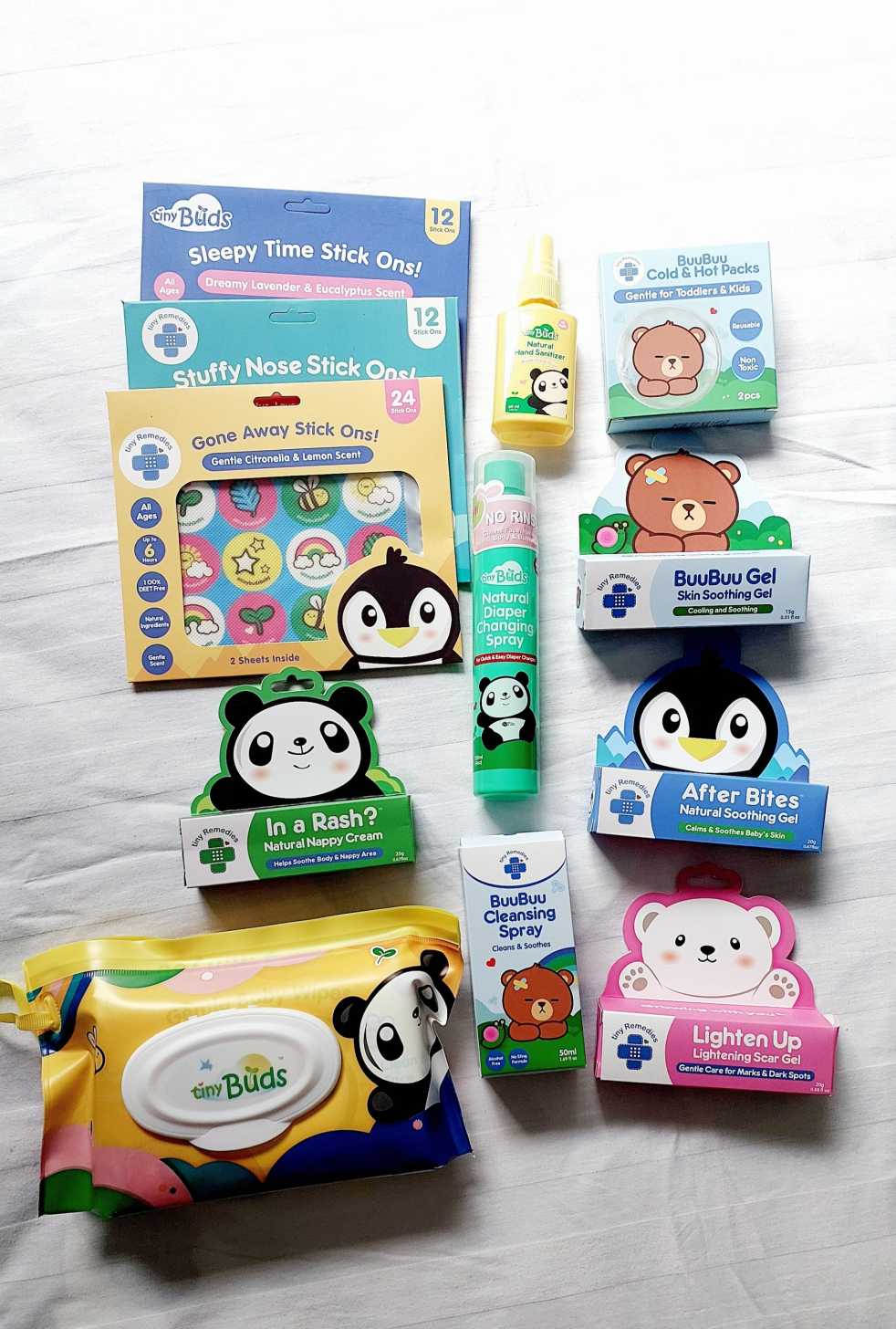
Your baby’s skin is more delicate than most, this is why you have to choose products that are designed for sensitive skin. Tiny Buds is a pioneer in integrating natural ingredients into baby care and today has over 50 innovative natural baby care essentials and is one of the Top Baby Personal Care brands. Here… Continue reading Product Review: Tiny Buds Baby Naturals Baby Essentials
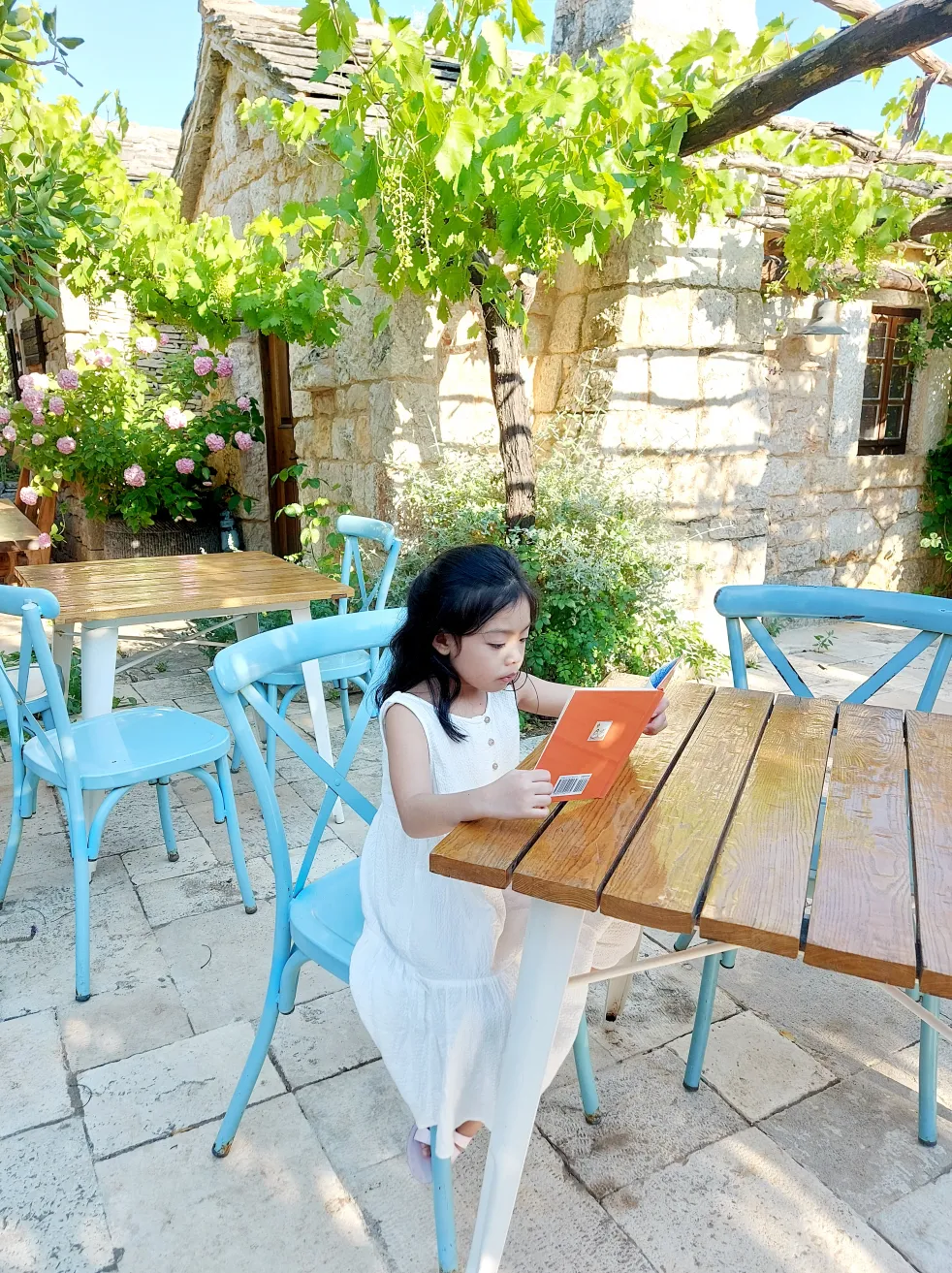
Where your child goes to school is a big decision and shouldn’t be taken lightly. Given how their education can impact their future, you might be tempted to take control and decide for them. However, you might be doing more damage than helping them in the long run. Your job as parents is to support… Continue reading HOW TO CHOOSE THE BEST SCHOOL FOR YOUR CHILD
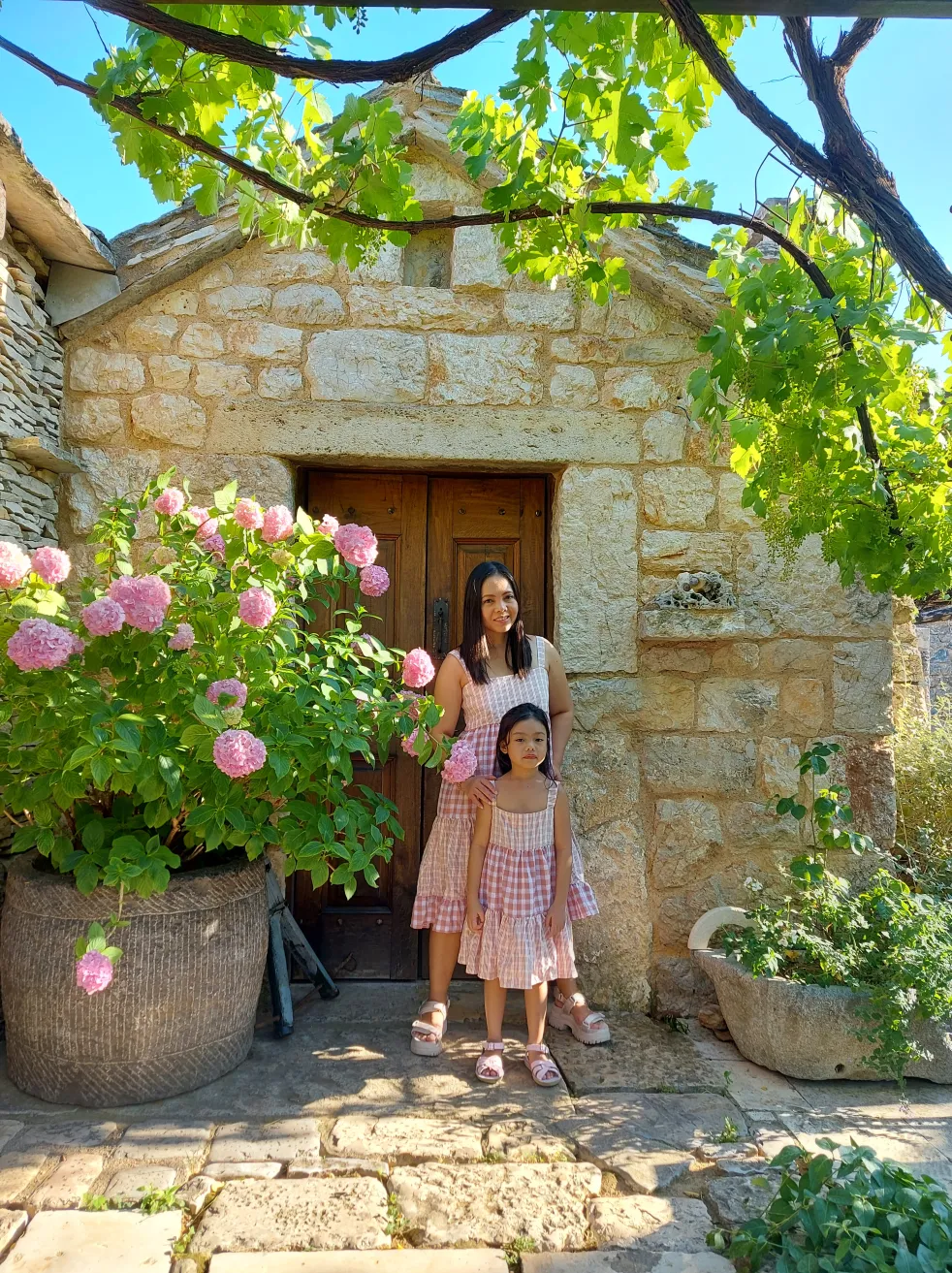
As poet and philosopher Rumi once eloquently said, “raise your words, not your voice. It is rain that grows flowers, not thunder.” Parenting is a challenging journey, and the truth is that nobody has everything figured out. One parenting style might suit others best, and some might favor other methods. However, children respond better to… Continue reading A SIMPLE GUIDE TO GENTLE PARENTING

Whether you’re a new mom to be, mom of a toddler, mom who have school-aged kids, you’re bound to have so many questions. Let's start with your baby's skin. Infant skin has unique needs; gentle care is essential to prevent damage to the skin barrier, which can lead to irritation. When caring for infant skin,… Continue reading Keeping Baby’s Diapered Skin Healthy
As parents, we want to give our child the best possible start in life and that begins with nurturing their intelligence. Throughout history, the notion of success has been linked to academic intelligence. However, there has been an increased awareness on the importance of emotional intelligence. This question gets at the heart of the never-ending… Continue reading IQ or EQ, which one is a better predictor of your child’s success?
 wondermomma.net