

Last August, IKEA Philippines engaged with Better World Smokey Mountain, a newly opened community center operated by the San Miguel Foundation, which shares a similar goal of improving the lives of many Filipino people. Through this partnership, IKEA Philippines provided and assembled home furnishings for the classrooms and library of Better World Smokey Mountain community… Continue reading Help Create a Better World with IKEA Soft Toys

NutriAsia, the country’s top producer of condiments and sauces, continues its support of Refill Revolution; a project by the Department of Environment and Natural Resources EMB 3 that aims to help reduce Filipinos’ single-use plastics consumption. At Refill Revolution, residents get to recycle their single-use plastic bottles by reusing and filling it with their choice… Continue reading NutriAsia and DENR renews partnership for Refill Revolution

The safest baby bottle materials for your baby’s health
Choosing a baby bottle can feel surprisingly complicated. Shelves are filled with glass, plastic, silicone, stainless steel, and combinations of these materials, each promising convenience, durability, or a more natural feeding experience. For parents, the central concern is simple: which bottle is safest for a baby’s health?
The best choice depends on more than the material name. Manufacturing quality, heat exposure, cleaning habits, scratches, storage, and the condition of the nipple all affect feeding safety. A well-made bottle used correctly is generally a safer choice than a poorly maintained bottle made from a supposedly premium material.
Families can also consider trusted parenting resources when comparing feeding products and building routines that suit their baby. The following guide explains the benefits and limitations of common baby bottle materials, including practical considerations for homes in the Philippines.
What makes a baby bottle material safe
A safe feeding bottle should be made from food-contact materials that meet the safety requirements of the market where it is sold. Parents should look for clear labeling, reputable manufacturers, complete care instructions, and information about whether the bottle is free from BPA, BPS, phthalates, lead, and other substances of concern.
“BPA-free” is useful information, but it is not a complete safety assessment. BPA, or bisphenol A, was formerly used in some polycarbonate plastics. Some manufacturers replaced it with related chemicals, so a bottle labeled BPA-free still deserves attention to its overall material, testing, and heat-use instructions.
The bottle should also be easy to clean and inspect. Milk residue can collect in collars, valves, vents, and narrow seams. A material that is theoretically excellent becomes less practical if its shape makes thorough washing difficult.
Glass bottles offer a stable, durable surface
Glass is one of the most straightforward materials for infant feeding. It does not absorb odors or flavors, and it has a smooth, nonporous surface that is relatively easy to wash. High-quality borosilicate glass tolerates temperature changes better than ordinary glass, although it can still break if dropped or exposed to sudden extreme heat.
Glass is chemically stable during normal use. It does not require a coating to prevent food contact, and it is less likely than plastic to retain milk smells after repeated feeding. Many parents appreciate this quality when switching between formula, expressed breast milk, and water as recommended by a healthcare professional.
The main disadvantages are weight and breakage. A glass bottle may be difficult for a young baby to hold, and a fall can create sharp fragments. Protective silicone sleeves can reduce the chance of damage, but parents should still replace a bottle immediately if it chips, cracks, or develops a rough edge. Glass is often an excellent home option, while a lighter bottle may be more convenient for travel or childcare.
Plastic choices require careful checking
Polypropylene, commonly marked PP or number 5, is widely used for baby bottles. It is lightweight, affordable, and generally suited to warm liquids when used according to the manufacturer’s directions. Its flexibility makes it less likely to shatter, which can be useful when babies begin holding and dropping bottles.
The weakness of polypropylene is that it can become cloudy, scratched, or worn over time. Scratches create places where residue may remain and make it harder to judge whether the bottle is thoroughly clean. Repeated exposure to high heat can also shorten its usable life. Replace a PP bottle when it is damaged, permanently discolored, warped, or difficult to clean.
Some premium plastic bottles use Tritan or another copolyester. These products are often clear, durable, and marketed as BPA-free. However, parents should focus on independent safety testing and the manufacturer’s heating guidance rather than assuming that a trade name automatically means greater safety. Avoid old or unverified polycarbonate bottles, especially if they lack clear material and compliance information.
| Material | Main strengths | Points to watch | Practical use |
|---|---|---|---|
| Borosilicate glass | Nonporous, odor-resistant, chemically stable | Heavy and breakable | Home feeding and careful storage |
| Polypropylene | Lightweight, affordable, widely available | Scratches, clouding, heat-related wear | Everyday use and travel |
| Silicone | Soft, flexible, and heat-resistant | Can attract lint and be harder to inspect | Collapsible bottles and sleeves |
| Stainless steel | Strong, durable, and resistant to breakage | Opaque, heavier, and may affect temperature awareness | Travel or active households |
| Tritan copolyester | Clear and impact-resistant | Requires careful review of testing and care instructions | Families wanting a clear lightweight bottle |
Silicone and stainless steel have useful roles
Food-grade silicone is commonly used for nipples, bottle sleeves, collapsible bodies, and some complete feeding bottles. High-quality silicone is flexible, heat-resistant, and free from BPA and many common plastic additives. Its soft texture can feel comfortable for babies who prefer a flexible bottle or nipple.
Silicone is not indestructible. It can tear, become sticky, collect lint, or develop a cloudy appearance. It may also be harder to inspect when the bottle has folds or a wide, flexible body. Wash silicone parts carefully, allow them to dry fully, and replace them if they split, smell unusual, or no longer return to their original shape.
Stainless steel is durable and resistant to drops, making it useful for travel and older babies who are learning to manage their own bottle. It does not shatter and usually resists staining. Since it is opaque, however, caregivers cannot easily see how much milk remains. It may also become hot or cold quickly, so temperature should always be tested before feeding.
The nipple and accessories matter too
The bottle body is only one part of the feeding system. Nipples are often made from silicone or latex. Silicone nipples are usually preferred because they are firmer, odor-resistant, and less likely to trigger latex sensitivity. Latex is softer but can degrade faster and may cause an allergic reaction in some children.
A nipple should match the baby’s developmental stage and feeding ability. A flow that is too fast can lead to coughing, gulping, or discomfort, while a flow that is too slow may frustrate the baby. Age labels are useful starting points, but the baby’s feeding cues matter more than a calendar alone.
Inspect nipples, rings, caps, vents, and valves during every wash. Tiny tears and weakened areas can harbor residue or change the flow unexpectedly. Never enlarge a nipple hole with a needle or scissors, since this can create an unsafe flow rate. Replace feeding parts according to the maker’s schedule or sooner if they show damage.
Heat, cleaning, and daily handling change the risk
Heat is one of the most important practical considerations. Some bottles are safe for a bottle warmer, dishwasher, or sterilizer, while others can warp or deteriorate. Follow the product instructions and avoid using a microwave for milk because it can create dangerous hot spots, even when the bottle itself is microwave-safe.
Before the first use, wash and sterilize feeding parts according to local health guidance and the baby’s age or medical needs. In the Philippines, warm weather and humid storage conditions make complete drying especially important. Keep clean parts in a protected, dry place rather than inside a sealed container while moisture remains.
Do not pour boiling liquid into a bottle unless the manufacturer specifically permits it. Allowing a bottle to cool naturally, using a suitable warmer, and testing milk on the inside of the wrist can reduce the risk of burns. Prepared formula and expressed milk should be stored and discarded according to professional food-safety guidance.
Practical recommendations for choosing and replacing bottles
Families do not need to buy every available type. A small, consistent set is easier to clean, inspect, and replace. Consider the baby’s age, feeding method, caregiver arrangements, travel needs, and the time available for washing after each feed.
- Choose borosilicate glass for a stable, easy-to-clean home bottle if breakage and weight are manageable.
- Choose high-quality polypropylene for a lightweight everyday option, and replace it when scratches or clouding become noticeable.
- Use food-grade silicone or stainless steel when flexibility, durability, or travel convenience is especially important.
- Check that nipples, vents, collars, and caps are made for the specific bottle and can be cleaned thoroughly.
- Keep bottles away from direct sunlight, excessive heat, and harsh cleaning tools that can damage their surfaces.
The safest baby bottle is one that is clearly manufactured, suitable for the intended temperature, simple to clean, and replaced when worn. Material choice should support a reliable feeding routine rather than create extra maintenance that caregivers cannot sustain.
Building a calmer feeding routine
For many households, a combination works best: glass bottles at home, polypropylene bottles for outings, and silicone or stainless steel components where flexibility and durability are valuable. There is no single material that fits every baby, caregiver, and setting. Comfort, safe milk handling, and responsive feeding remain just as important as the bottle body.
Observe how the baby feeds and how the bottle holds up over several weeks. A bottle that remains smooth, intact, odor-free, and easy to wash is usually more practical than one that is difficult to assemble or clean. Keep the instructions and replacement information available so every caregiver follows the same routine.
Review the bottles in your home today, remove any cracked, scratched, sticky, or poorly fitting parts, and choose a small set made from clearly identified food-contact materials. A thoughtful selection and consistent care can make bottle feeding safer, simpler, and more comfortable for the whole family.

Mercato Centrale, in collaboration with Indian Women in Enterprise Philippines (I-We), is set to host "The Great Indian Fiesta" to mark 75 years of friendship between India and the Philippines. The dynamic two-day event is scheduled to take place on September 30 to October 1, 2023, at Paseo De Roxas Street, Makati City. Aiming to… Continue reading Mercato Centrale Partners with I-We to Host ‘The Great Indian Fiesta’, Commemorating 75 Years of India-Philippines Friendship

My stomach would usually start growling at 10 am even after taking a big breakfast. This is probably because I am a morning person and I move a lot throughout the day hence snacking is something that I can't avoid. This potatoes and chicken wrap recipe is easy to prepare and would keep me full… Continue reading Potato and Chicken Wrap
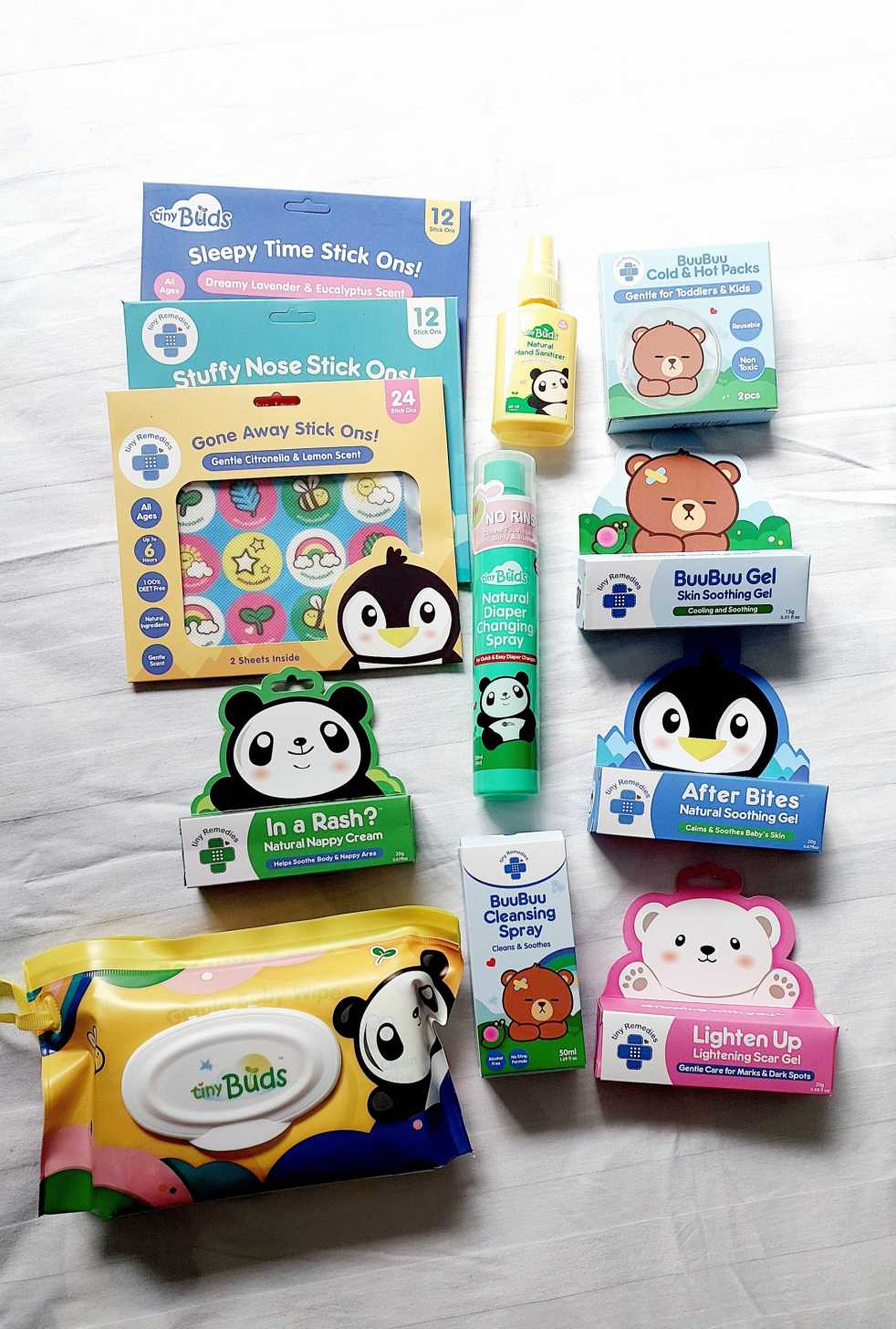
Your baby’s skin is more delicate than most, this is why you have to choose products that are designed for sensitive skin. Tiny Buds is a pioneer in integrating natural ingredients into baby care and today has over 50 innovative natural baby care essentials and is one of the Top Baby Personal Care brands. Here… Continue reading Product Review: Tiny Buds Baby Naturals Baby Essentials
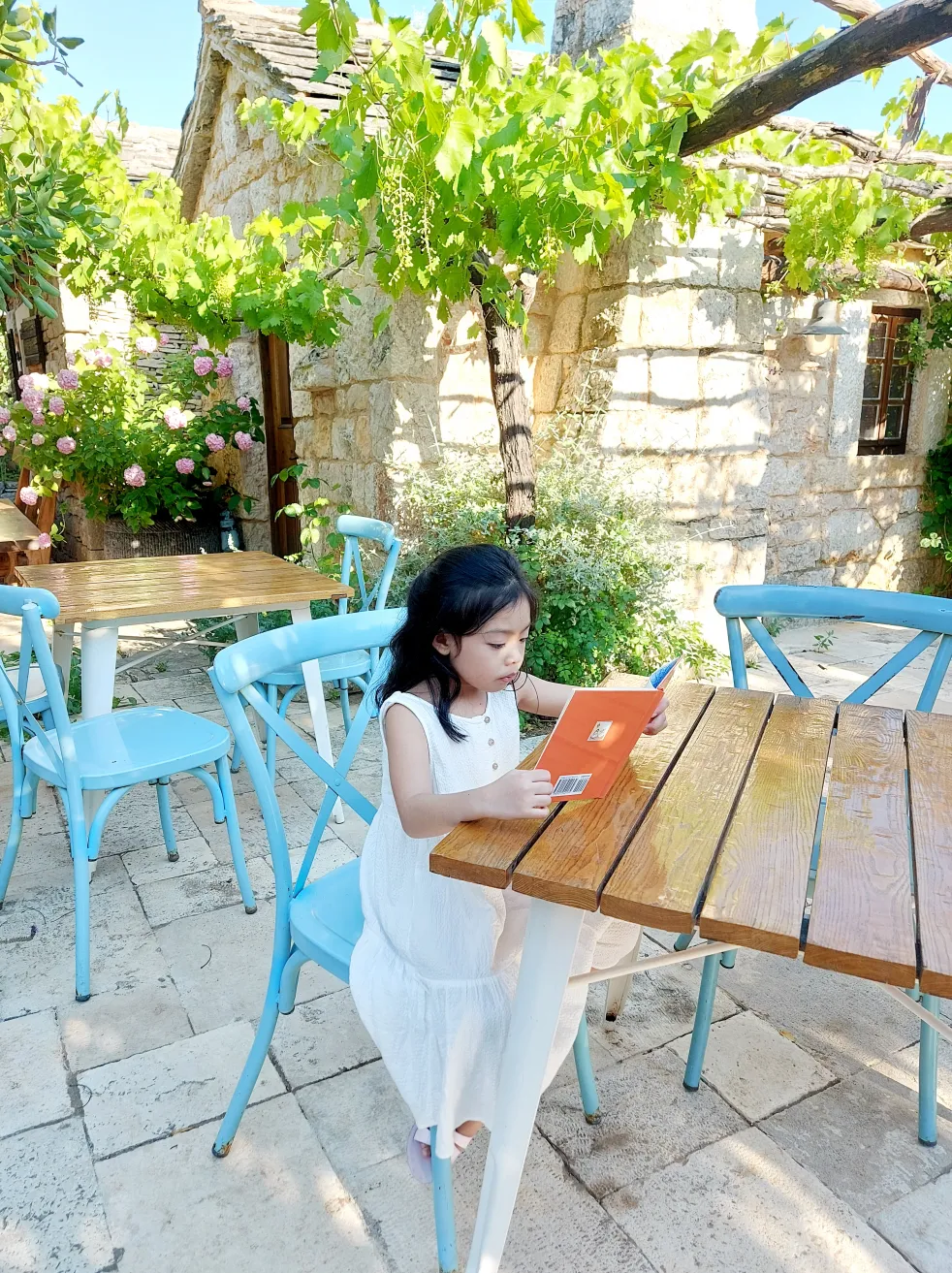
Where your child goes to school is a big decision and shouldn’t be taken lightly. Given how their education can impact their future, you might be tempted to take control and decide for them. However, you might be doing more damage than helping them in the long run. Your job as parents is to support… Continue reading HOW TO CHOOSE THE BEST SCHOOL FOR YOUR CHILD

As poet and philosopher Rumi once eloquently said, “raise your words, not your voice. It is rain that grows flowers, not thunder.” Parenting is a challenging journey, and the truth is that nobody has everything figured out. One parenting style might suit others best, and some might favor other methods. However, children respond better to… Continue reading A SIMPLE GUIDE TO GENTLE PARENTING

Whether you’re a new mom to be, mom of a toddler, mom who have school-aged kids, you’re bound to have so many questions. Let's start with your baby's skin. Infant skin has unique needs; gentle care is essential to prevent damage to the skin barrier, which can lead to irritation. When caring for infant skin,… Continue reading Keeping Baby’s Diapered Skin Healthy

As parents, we want to give our child the best possible start in life and that begins with nurturing their intelligence. Throughout history, the notion of success has been linked to academic intelligence. However, there has been an increased awareness on the importance of emotional intelligence. This question gets at the heart of the never-ending… Continue reading IQ or EQ, which one is a better predictor of your child’s success?
 wondermomma.net