

Last August, IKEA Philippines engaged with Better World Smokey Mountain, a newly opened community center operated by the San Miguel Foundation, which shares a similar goal of improving the lives of many Filipino people. Through this partnership, IKEA Philippines provided and assembled home furnishings for the classrooms and library of Better World Smokey Mountain community… Continue reading Help Create a Better World with IKEA Soft Toys
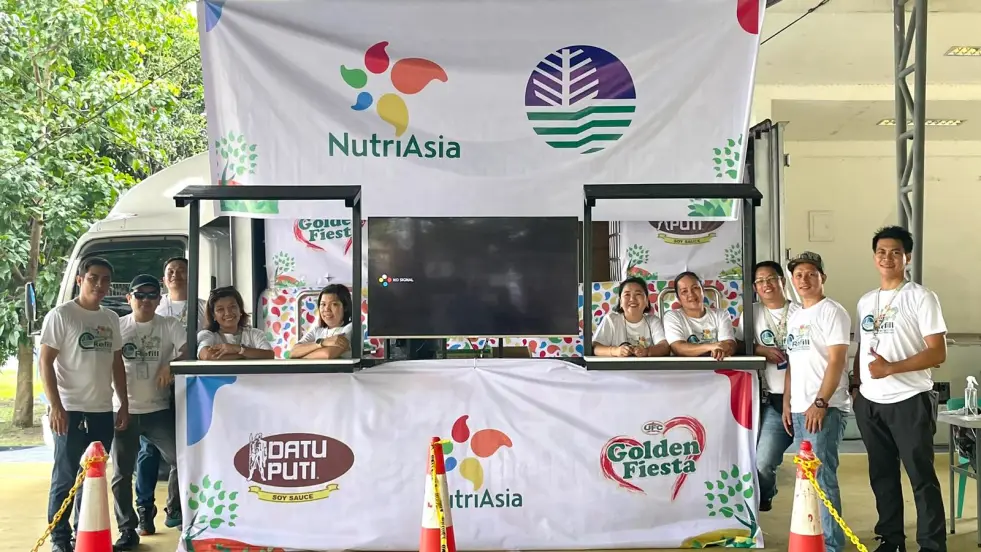
NutriAsia, the country’s top producer of condiments and sauces, continues its support of Refill Revolution; a project by the Department of Environment and Natural Resources EMB 3 that aims to help reduce Filipinos’ single-use plastics consumption. At Refill Revolution, residents get to recycle their single-use plastic bottles by reusing and filling it with their choice… Continue reading NutriAsia and DENR renews partnership for Refill Revolution

How Family Members Shape Child Rearing at Home
Child rearing is rarely the work of one person. In most Australian households, a child's world is built by overlapping hands: a parent's arms at bedtime, a grandparent waving from the school gate, an older sibling locating a lost shoe, and a childcare educator singing a song about the weather. Each relationship adds a different kind of safety, and each one carries its own expectations.
The roles shift constantly. A partner working a roster in Melbourne's hospitality sector, a mother on paid parental leave in Brisbane, and an uncle preparing school lunches in Adelaide all contribute in ways that are hard to compare on paper. Recognising those differences is often the first step toward a calmer home.
When responsibilities are clear and respected, children absorb a quiet confidence. They learn that adults can care in different ways and still agree on the things that matter most. The shape of that agreement changes with age, culture, distance and working hours, so the arrangement that suited a six-month-old may need rebuilding by Year 2.
Parents as the Everyday Anchors
Mothers and fathers hold the rhythm of daily life: feeding, dressing, settling, comforting and setting limits. Even with childcare and schooling, the after-school window between three and six in the evening belongs largely to parents, and it is often the most demanding part of the day. Sydney parents plan around traffic near school zones; Brisbane families may rely on a long walk to the nearest bus stop or a ride-share pickup.
Australian workplaces shape this division too. The federal Paid Parental Leave scheme gives birth parents up to eighteen weeks, and a separate fortnight of Dad's Leave lets partners take time off at full basic wage. That small block of dedicated leave often changes how a household divides nappy changes, night feeds and daytime play, and it gives non-birth parents a first taste of uninterrupted caregiving.
When one parent travels for work, routines need written handover notes rather than guesswork. A short note about the afternoon snack, the nap time and the phrase used for a meltdown saves everyone a phone call. Consistency matters more than identical methods: a household where one adult responds gently and another responds firmly is not automatically a problem, as long as the underlying message is the same.
Grandparents as a Second Generation of Care
Grandparents are the most visible support in many Australian families, and the traditional weekend handover has evolved into weekday pick-ups, school holiday cover and full-time care while both parents work. After-school care fees and Child Care Subsidy costs push many families toward informal arrangements with relatives, which means grandparents are frequently unpaid, full-time carers.
Their contribution is emotional as much as practical. Many children speak to a grandparent about worries they will not raise with a parent. In households that draw on Filipino, Vietnamese, Indian, Lebanese or Greek traditions, grandparents also carry language, recipes and expectations that shape a child's sense of identity in ways that are hard to measure.
Differences in approach are normal. A grandparent who grew up in a pre-screen era may allow more television, serve richer food, or believe a firm hand teaches independence quickly. The most useful response is conversation rather than correction, and a simple shared agreement about sleep, food and safety keeps the wider family aligned. Grandparents who are managing diabetes, early dementia or limited mobility also need realistic plans, because sudden exhaustion changes the care arrangement overnight.
Siblings as Teammates Rather Than Parents
Older children learn by watching. They copy how adults speak to a frustrated toddler, how meals are negotiated, and how a disagreement ends. In Australian families with a two to four-year age gap, an older sibling often becomes a helper, a homework coach and an occasional referee between parents, which can be both rewarding and heavy.
This is also where some families cross a line. When a parent is unwell, grieving or working long hours, a child may quietly take on adult duties: preparing breakfast for younger siblings, answering the door, or providing emotional care that no child should have to carry alone. In Victoria and New South Wales, child protection agencies have raised concerns about children growing up in households where the adults cannot manage their own care.
| Family member | Typical contribution | Strongest contribution | Frequent friction point |
|---|---|---|---|
| Parents | Daily care, routines, emotional security | Stable attachment and consistent limits | Uneven workload between partners |
| Grandparents | Pick-ups, holidays, cultural knowledge | Unconditional affection and family history | Screen time, discipline style, health |
| Older siblings | Play, homework help, small chores | Responsibility and empathy | Being pushed into a parental role |
| Aunts, uncles and friends | Emergency cover, transport, play | Flexibility and practical support | Unclear boundaries and access |
| Childcare educators | Social skills, early learning, respite | Development and peer relationships | Differing values from home |
Adult siblings sometimes step in with school fees, driving lessons or a spare room during a separation, and that support can keep a child in a familiar school. Some siblings also become informal carers when a grandparent ages or a parent is hospitalised, a role that works best when it is acknowledged, shared with others and financially supported.
Aunts, Uncles and Close Friends as a Safety Net
Not every reliable person is blood-related. Family friends, godparents, neighbours and former colleagues often become the adults a child calls when a parent is stuck in traffic. Across Australian suburbs and regional towns, this network is the difference between a manageable week and a crisis, particularly for families who have recently migrated and are still learning where paediatricians, chemists and playgroups are located.
The local market shapes these relationships too. Outside School Hours Care and vacation care programs in places such as Perth and Canberra are widely used, but fees can exceed eighty dollars a day before the subsidy is applied, so many families rely on a relative or a friend for the gap between school and home. Community playgroups at local libraries and council-run early learning centres fill the same need in a more informal way.
Boundaries still matter. A family friend who collects a child from school should know medication details, allergy warnings, emergency contacts and the numbers of both parents. Sharing health information keeps everyone prepared, and agreeing on how long a car journey can be before a child needs a break prevents small oversights from turning into arguments.
Decisions, Consent and the Legal Reality
Child rearing involves legal weight that many families only notice during a crisis. Under the Family Law Act 1975, parents separated from each other can be guided by a parenting plan, and the court looks at the child's best interests, the capacity of each adult to provide care, and the effect of any change of environment. Shared decision making usually serves children better than a contest for control.
Medical consent is a daily version of the same principle. Schools and childcare centres require emergency contacts and up-to-date immunisation records, while nurses and doctors in each state and territory work under slightly different rules about who may approve treatment for a child. Families who travel or split across Adelaide and Melbourne benefit from keeping the paperwork in one place, including the child's Medicare details and Medicare card.
Consumer law also enters the nursery. The Australian Competition and Consumer Commission runs mandatory recalls for unsafe cots, strollers and clothing, and guarantees under the Australian Consumer Law mean a faulty product can be replaced or repaired. Buying through marketplaces and Buy Now Pay Later schemes adds convenience but also risk, so checking where a product was made and whether the seller carries insurance is a sensible habit for grandparents as well as parents.
Shared Routines That Hold a Family Together
Routines are the quiet infrastructure of a household. When a grandparent handles bath time on Thursdays and a parent handles it on Fridays, the order of the steps stays the same: nappy, cream, clean clothes, book, bed. Children notice consistency without needing to understand it, and it frees the adults from renegotiating every evening.
Baby care is a good place to begin, because so many relatives touch the same products. Melbourne families face summer heatwaves, and Sydney households still deal with fine particle haze after bushfires, so skin protection and gentle cleansing matter year round. Parents who want to compare options often look at Mamioase baby skincare ranges and check ingredient lists for fragrance, before asking a grandparent to use the same products and the same bathing routine. Consistency here protects a child's skin and keeps communication simple.
Meals, sleep and screen time deserve the same attention. A ten-minute family check-in on Sunday, with everyone naming one rule and one flexible point, prevents a tiredness-related argument in the middle of the week. Children who hear the same boundaries from a parent, a grandparent and an uncle are not confused by kindness; they are reassured that the adults in their life are working together on their behalf.

Mercato Centrale, in collaboration with Indian Women in Enterprise Philippines (I-We), is set to host "The Great Indian Fiesta" to mark 75 years of friendship between India and the Philippines. The dynamic two-day event is scheduled to take place on September 30 to October 1, 2023, at Paseo De Roxas Street, Makati City. Aiming to… Continue reading Mercato Centrale Partners with I-We to Host ‘The Great Indian Fiesta’, Commemorating 75 Years of India-Philippines Friendship

My stomach would usually start growling at 10 am even after taking a big breakfast. This is probably because I am a morning person and I move a lot throughout the day hence snacking is something that I can't avoid. This potatoes and chicken wrap recipe is easy to prepare and would keep me full… Continue reading Potato and Chicken Wrap
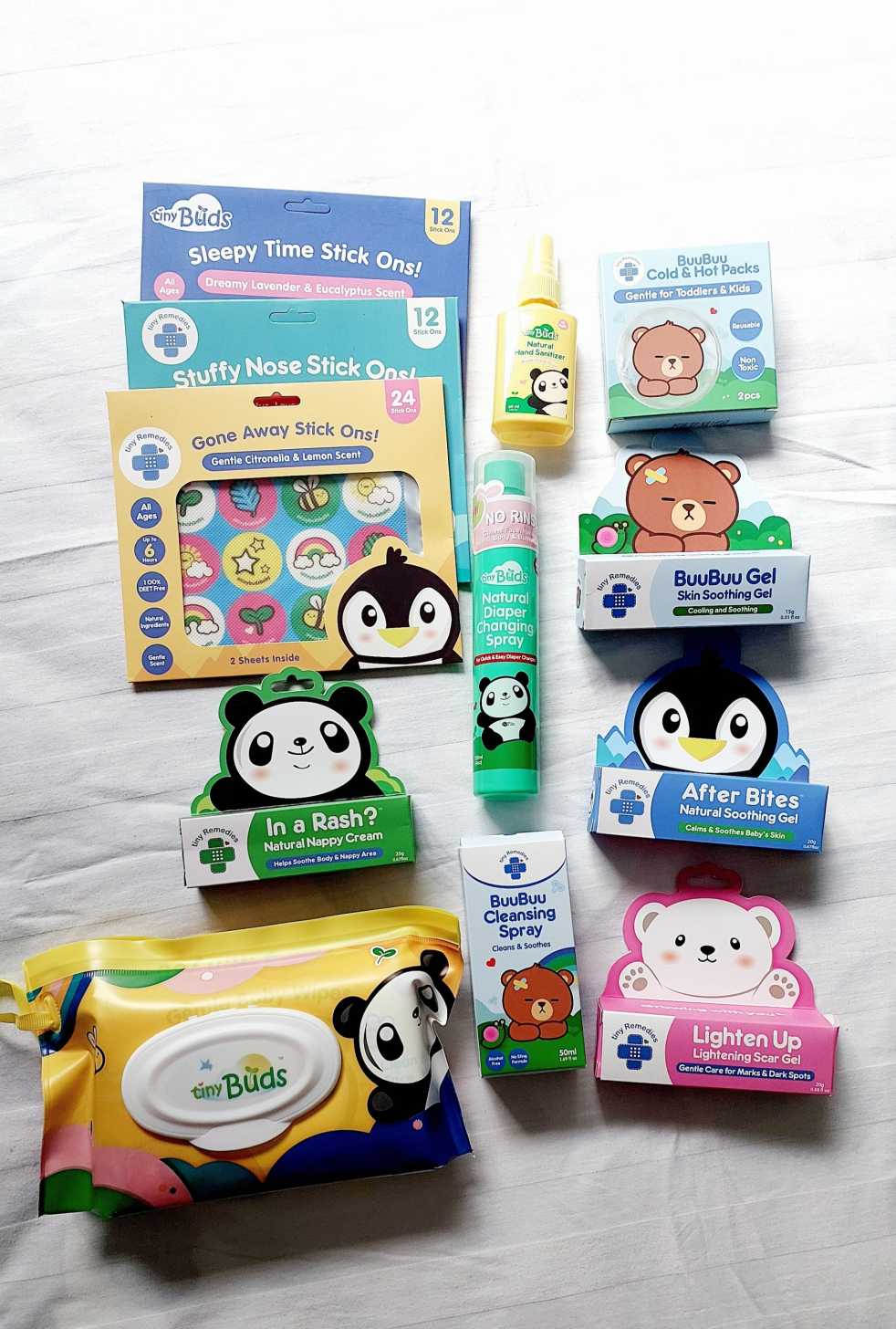
Your baby’s skin is more delicate than most, this is why you have to choose products that are designed for sensitive skin. Tiny Buds is a pioneer in integrating natural ingredients into baby care and today has over 50 innovative natural baby care essentials and is one of the Top Baby Personal Care brands. Here… Continue reading Product Review: Tiny Buds Baby Naturals Baby Essentials
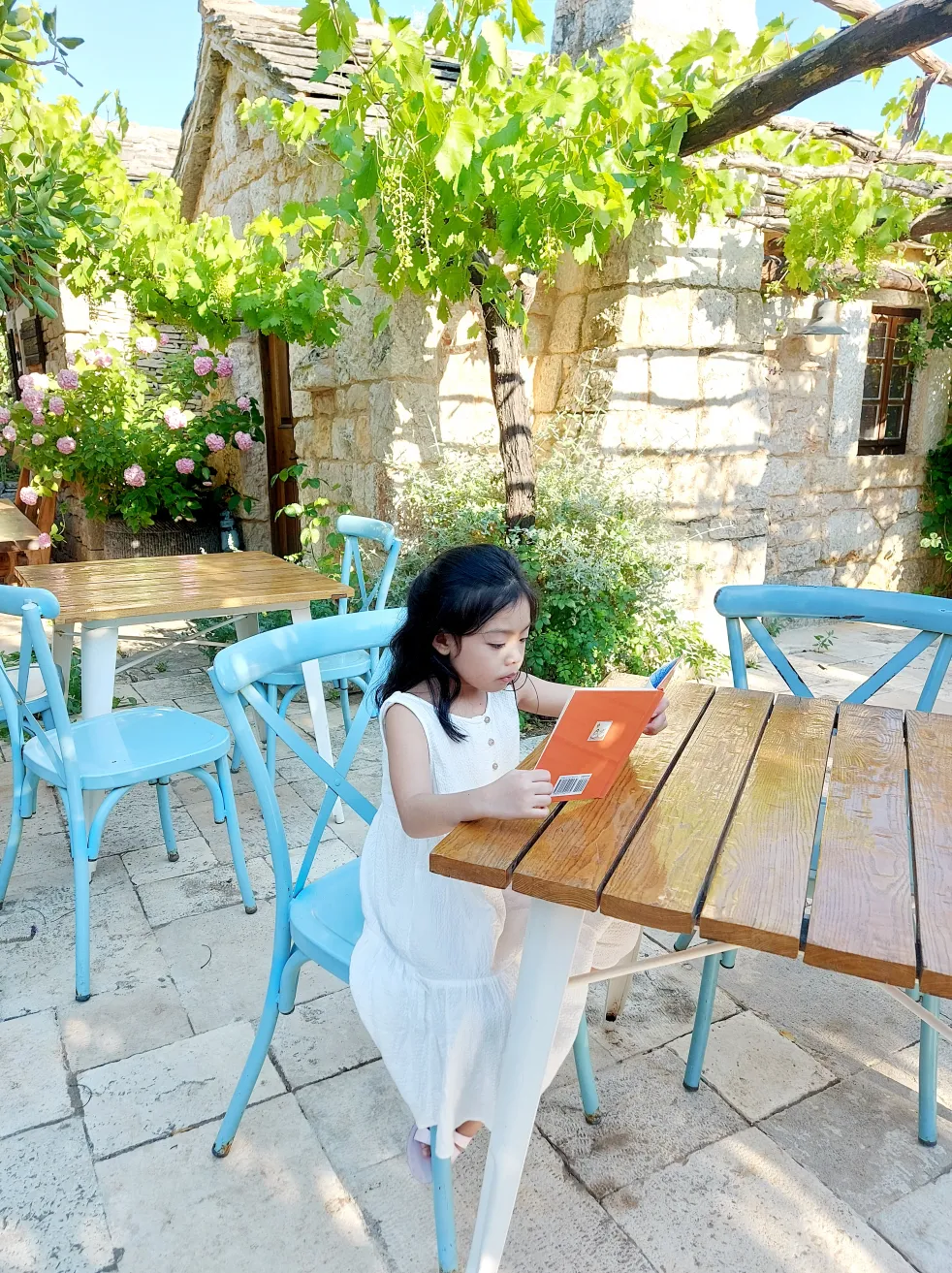
Where your child goes to school is a big decision and shouldn’t be taken lightly. Given how their education can impact their future, you might be tempted to take control and decide for them. However, you might be doing more damage than helping them in the long run. Your job as parents is to support… Continue reading HOW TO CHOOSE THE BEST SCHOOL FOR YOUR CHILD

As poet and philosopher Rumi once eloquently said, “raise your words, not your voice. It is rain that grows flowers, not thunder.” Parenting is a challenging journey, and the truth is that nobody has everything figured out. One parenting style might suit others best, and some might favor other methods. However, children respond better to… Continue reading A SIMPLE GUIDE TO GENTLE PARENTING

Whether you’re a new mom to be, mom of a toddler, mom who have school-aged kids, you’re bound to have so many questions. Let's start with your baby's skin. Infant skin has unique needs; gentle care is essential to prevent damage to the skin barrier, which can lead to irritation. When caring for infant skin,… Continue reading Keeping Baby’s Diapered Skin Healthy
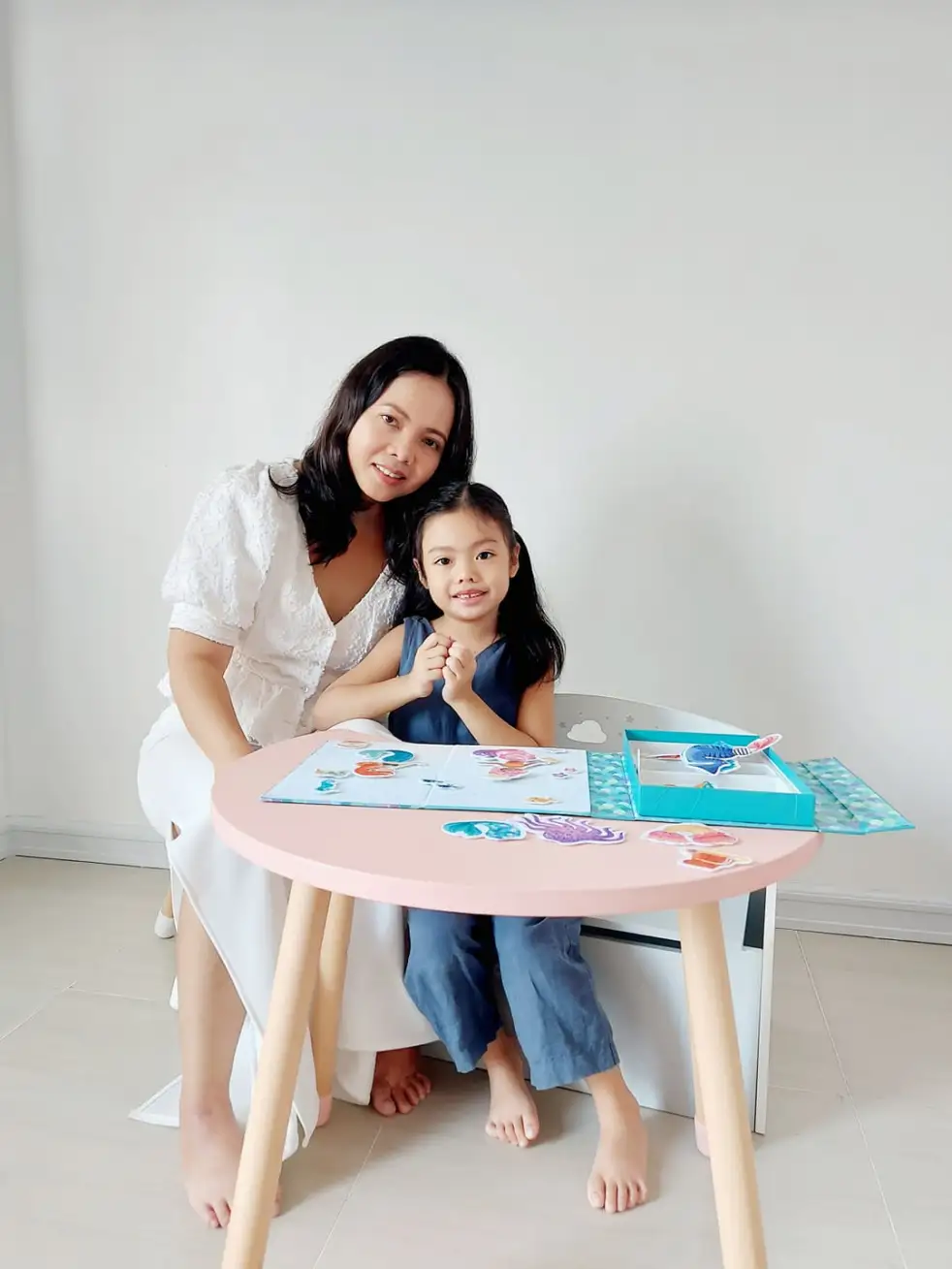
As parents, we want to give our child the best possible start in life and that begins with nurturing their intelligence. Throughout history, the notion of success has been linked to academic intelligence. However, there has been an increased awareness on the importance of emotional intelligence. This question gets at the heart of the never-ending… Continue reading IQ or EQ, which one is a better predictor of your child’s success?
 wondermomma.net