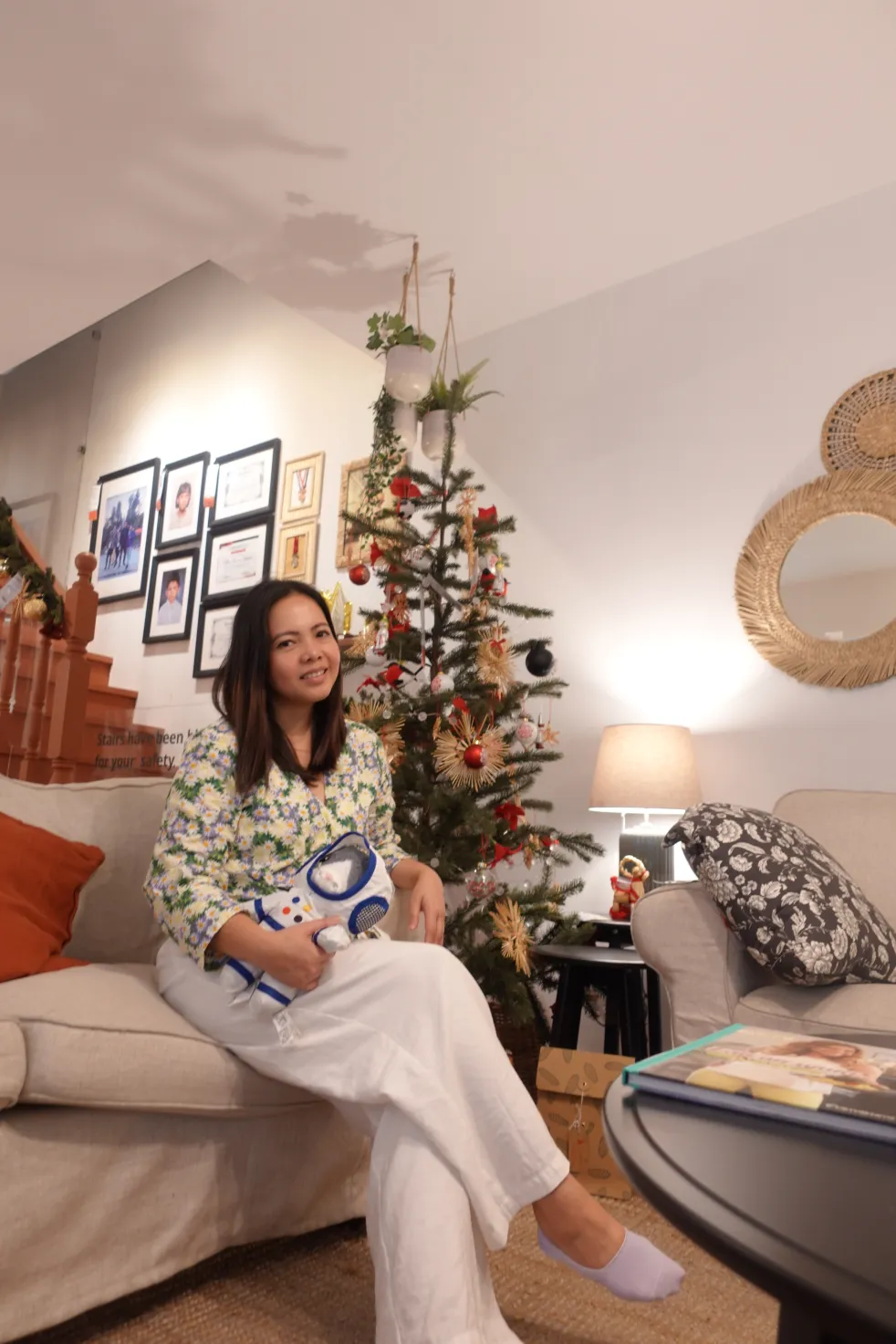
Last August, IKEA Philippines engaged with Better World Smokey Mountain, a newly opened community center operated by the San Miguel Foundation, which shares a similar goal of improving the lives of many Filipino people. Through this partnership, IKEA Philippines provided and assembled home furnishings for the classrooms and library of Better World Smokey Mountain community… Continue reading Help Create a Better World with IKEA Soft Toys
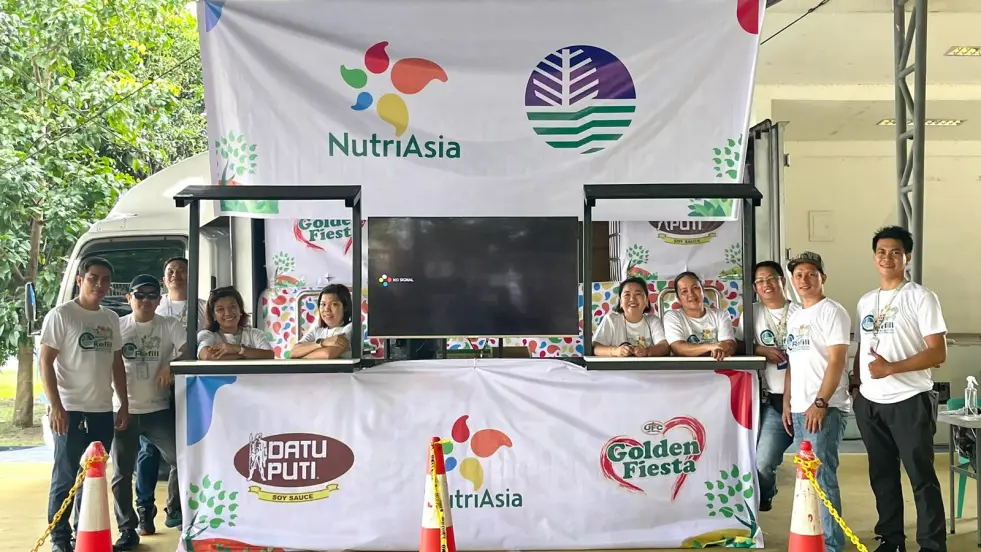
NutriAsia, the country’s top producer of condiments and sauces, continues its support of Refill Revolution; a project by the Department of Environment and Natural Resources EMB 3 that aims to help reduce Filipinos’ single-use plastics consumption. At Refill Revolution, residents get to recycle their single-use plastic bottles by reusing and filling it with their choice… Continue reading NutriAsia and DENR renews partnership for Refill Revolution
The Pros And Cons Of Homeschooling In The Philippines
Homeschooling in the Philippines has become a practical option for some families seeking flexible, personalised education. Parents may choose learning at home because of long travel times, crowded classrooms, health concerns, a child’s individual needs, or the desire to include faith, culture, and family values in everyday lessons. Online resources have also made it easier to connect with tutors, curriculum providers, and other home-educating families.
For Australian readers, the Philippine context is worth understanding before comparing it with home education in Sydney, Melbourne, Brisbane, or regional communities. The systems, costs, school requirements, internet access, and expectations can differ considerably. A family with Filipino heritage may also combine a Philippine curriculum with the Australian Curriculum, especially when children move between countries.
| Area | Homeschooling in the Philippines | Homeschooling in Australia |
|---|---|---|
| Regulation | Requirements can depend on the education provider, region, and enrolment arrangement | State and territory registration rules apply |
| Curriculum | Families may use DepEd-linked, private, religious, international, or parent-designed materials | The Australian Curriculum is a common reference, alongside state requirements |
| Main benefits | Flexibility, family involvement, and individual pacing | Flexibility, personalised learning, and lifestyle compatibility |
| Common barriers | Internet reliability, cost, parent workload, and limited specialist support | Registration paperwork, planning time, social opportunities, and resource costs |
| Learning format | Often combines printed modules, online classes, tutors, and parent teaching | May include home lessons, distance education, co-ops, excursions, and online programs |
How Home Education Works In The Philippines
There is no single homeschooling experience across the Philippines. Some children are enrolled through a school that offers a home study or homeschool programme. That provider may supply modules, assessments, teacher consultations, and official records. Other families create a more independent learning plan using textbooks, online courses, tutors, and activity-based education.
Parents should carefully check how enrolment, grading, report cards, and school records are handled. A programme that describes itself as aligned with the Department of Education may have different services and recognition arrangements from another provider. Families planning for a child to enter a regular school, sit entrance tests, or apply to a university should ask in advance which documents will be accepted.
The practical setup often depends on where a family lives. A household in Metro Manila may have access to tutorial centres, libraries, enrichment classes, and stable broadband, while a rural family may rely more heavily on printed modules and mobile data. Power interruptions, shared devices, and the cost of delivering books to provinces can all influence the weekly routine.
Australian families supporting relatives in the Philippines should also remember that access is uneven. A learning plan that works well in Makati may be unsuitable for a child in a remote island community. Flexibility needs to include offline activities, realistic device use, and time for household responsibilities.
Benefits For Children And Parents
The strongest advantage is the ability to adapt learning to the child. A child who needs extra time with reading can practise without feeling rushed, while a confident learner can move ahead in mathematics or science. Parents can use cooking, gardening, budgeting, local history, and family errands as meaningful learning experiences rather than treating education as a series of worksheets.
Home education can also support children who find a busy school environment overwhelming. Families may adjust the length of lessons, create quiet spaces, and schedule therapy or medical appointments more easily. For children who travel frequently, live far from a suitable school, or have a parent working unusual hours, a home-based programme may offer welcome continuity.
Families often value the opportunity to include Filipino language and culture. Lessons can feature local geography, Philippine literature, national history, traditional food, and conversations with grandparents. Filipino-Australian families may add Australian history, Aboriginal and Torres Strait Islander perspectives, and everyday Australian English to help children feel comfortable in both settings.
Benefits Families Commonly Notice
- Lessons can follow a child’s pace and interests.
- Daily schedules can accommodate therapy, travel, faith, or family work.
- Parents can monitor emotional wellbeing and academic progress closely.
- Filipino culture and home languages can be part of ordinary learning.
For an Australian family, this flexibility may resemble the rhythm of a home-learning group in regional Queensland or a distance education arrangement for a family living far from a city. It can be appealing when school runs do not fit around shift work, farming, or frequent relocation. Still, flexibility works best when it includes a predictable routine rather than leaving every day unplanned.
Costs, Workload, And Social Development
Homeschooling is not automatically cheaper than school. Families may pay for enrolment, books, printers, devices, internet plans, tutoring, sports, music, and assessments. In the Philippines, imported resources may be expensive, and shipping costs can be significant outside major urban areas. Australian families buying Philippine materials may also need to factor in Australian dollar exchange rates, postage, and digital subscription fees.
The parent’s workload is another major consideration. Planning lessons, explaining difficult concepts, tracking progress, preparing meals, and managing younger children can create a full working day. If one parent reduces paid employment, the lost income may exceed the cost of a conventional school. A realistic budget should include both visible expenses and the value of the adult’s time.
Social development deserves active planning. Children educated at home can build strong friendships, but those connections rarely happen by accident. Families may use church groups, sports clubs, dance classes, Scouts, community projects, libraries, and co-operative learning groups. In the Philippines, transport and safety concerns can make regular meet-ups difficult. In Australia, a local playgroup, council library session, or Filipino community association may provide useful connections.
Common Pressure Points
- Parent fatigue can make consistent teaching difficult.
- Specialist subjects may require a tutor or outside class.
- Internet access and device sharing can interrupt online learning.
- Friendships need regular, age-appropriate opportunities to grow.
Children also need experiences with people who are not relatives. Group work, disagreement, teamwork, and public speaking can be taught at home, but clubs and community activities give these skills a more natural setting. A family in Melbourne might join a homeschool co-op, while relatives in Cebu may organise shared project days with nearby families.
Choosing A Curriculum And Routine
A suitable curriculum should match the child’s age, learning needs, language background, and future plans. Families may choose a Philippine programme, an international curriculum, a Montessori-inspired approach, an Australian framework, or a blended model. The label matters less than clarity about reading, mathematics, science, communication, physical development, and social learning.
Families with plans to relocate to Australia should look at the requirements of the destination state or territory early. Home education is regulated differently in New South Wales, Victoria, Queensland, Western Australia, South Australia, Tasmania, the Australian Capital Territory, and the Northern Territory. Registration, reporting, home visits, approved learning plans, and record-keeping expectations can vary.
Australian families often use the Australian Curriculum as a guide even when they do not reproduce classroom schooling at home. It can help parents identify age-level expectations and choose resources. NAPLAN is designed for students in participating schools, so it should not be treated as the only measure of progress for a home-educated child. Portfolios, work samples, reading records, projects, and regular reviews can provide a fuller picture.
A routine should be structured but humane. Younger children may learn well through short lessons, play, movement, and repetition. Older students may need a timetable for independent work, online classes, practical projects, and assessment preparation. In hot Philippine weather, or during Australia’s long summer holidays, outdoor lessons may need to happen early in the day.
Making A Safe And Sustainable Decision
Parents should begin by identifying the reason for considering home education. If the concern is bullying, learning difficulty, illness, or an unsuitable school environment, homeschooling may help, but it is not the only possible response. A school learning support team, counsellor, paediatrician, or education authority may offer alternatives such as adjustments, distance education, part-time attendance, or a different school.
Before enrolling, ask a provider about teacher qualifications, assessment methods, official records, refund policies, technology requirements, and what happens if the family moves. Families should confirm information directly with the relevant DepEd office or school rather than relying only on social media recommendations. In Australia, they should contact their state or territory home education authority because rules can change and cannot be assumed from another state.
A trial period can make the decision more manageable. The family might begin with a clear morning routine, a small number of core subjects, and two regular social activities. After several weeks, parents can review the child’s progress, mood, sleep, confidence, and willingness to learn. The aim is steady development, not a perfect classroom recreated in the lounge room.
Home education can be a rewarding fit for some Philippine families and a poor fit for others. Its success depends on legal compliance, realistic finances, reliable support, thoughtful curriculum choices, and the child’s wellbeing. For Filipino-Australian families, the most useful approach may be a carefully planned blend of Philippine identity, Australian expectations, and learning experiences that suit the child’s actual life.

Mercato Centrale, in collaboration with Indian Women in Enterprise Philippines (I-We), is set to host "The Great Indian Fiesta" to mark 75 years of friendship between India and the Philippines. The dynamic two-day event is scheduled to take place on September 30 to October 1, 2023, at Paseo De Roxas Street, Makati City. Aiming to… Continue reading Mercato Centrale Partners with I-We to Host ‘The Great Indian Fiesta’, Commemorating 75 Years of India-Philippines Friendship

My stomach would usually start growling at 10 am even after taking a big breakfast. This is probably because I am a morning person and I move a lot throughout the day hence snacking is something that I can't avoid. This potatoes and chicken wrap recipe is easy to prepare and would keep me full… Continue reading Potato and Chicken Wrap
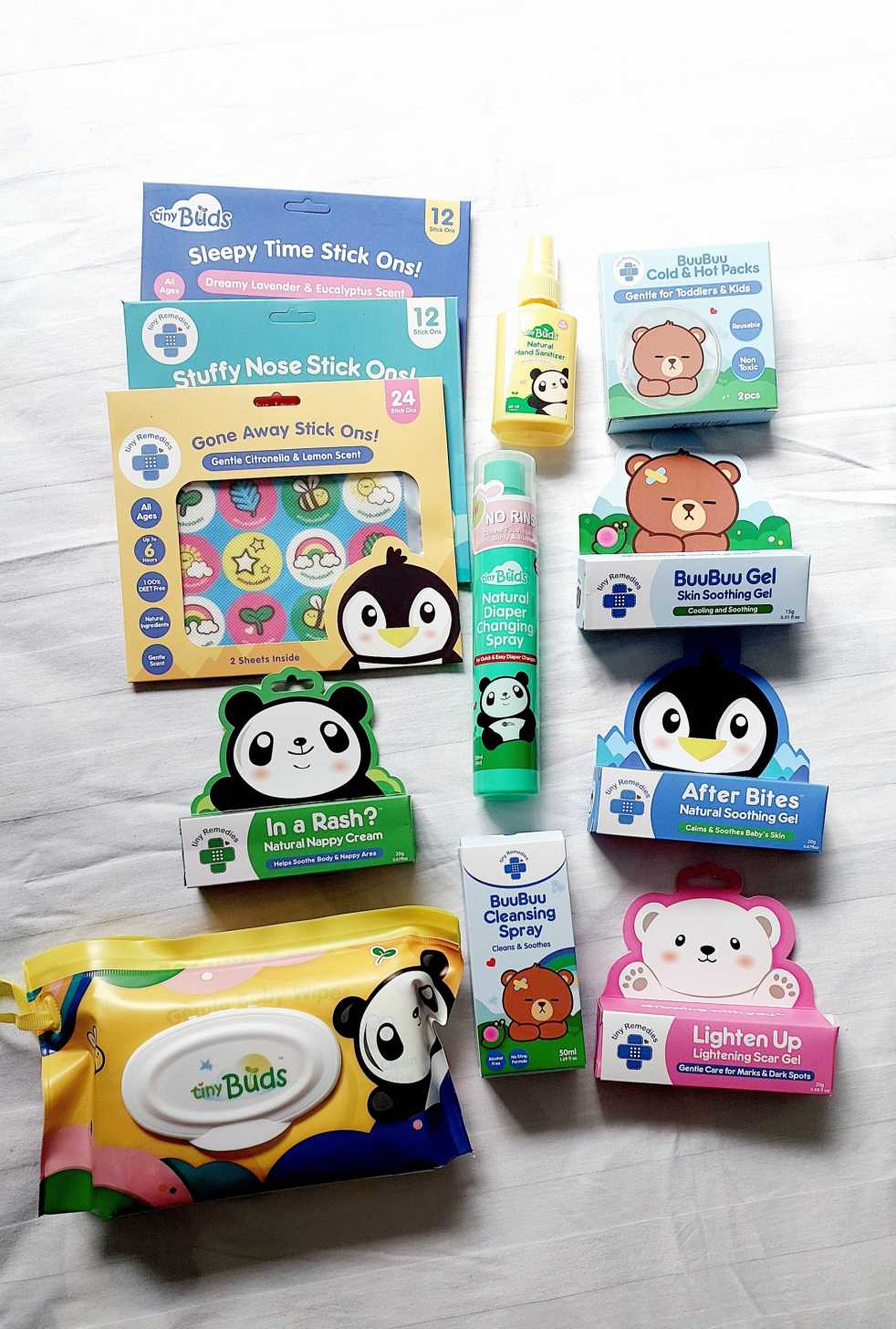
Your baby’s skin is more delicate than most, this is why you have to choose products that are designed for sensitive skin. Tiny Buds is a pioneer in integrating natural ingredients into baby care and today has over 50 innovative natural baby care essentials and is one of the Top Baby Personal Care brands. Here… Continue reading Product Review: Tiny Buds Baby Naturals Baby Essentials
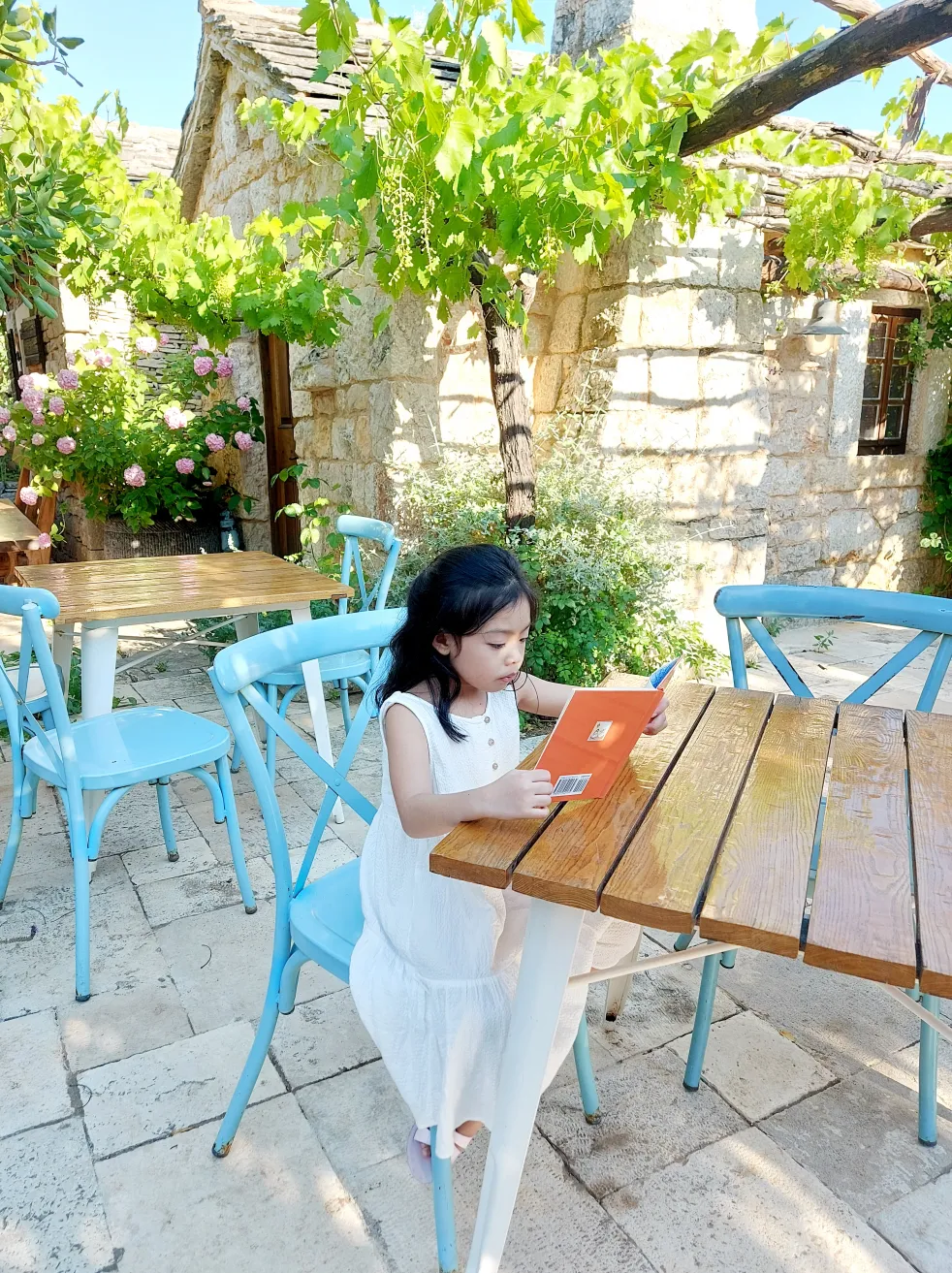
Where your child goes to school is a big decision and shouldn’t be taken lightly. Given how their education can impact their future, you might be tempted to take control and decide for them. However, you might be doing more damage than helping them in the long run. Your job as parents is to support… Continue reading HOW TO CHOOSE THE BEST SCHOOL FOR YOUR CHILD
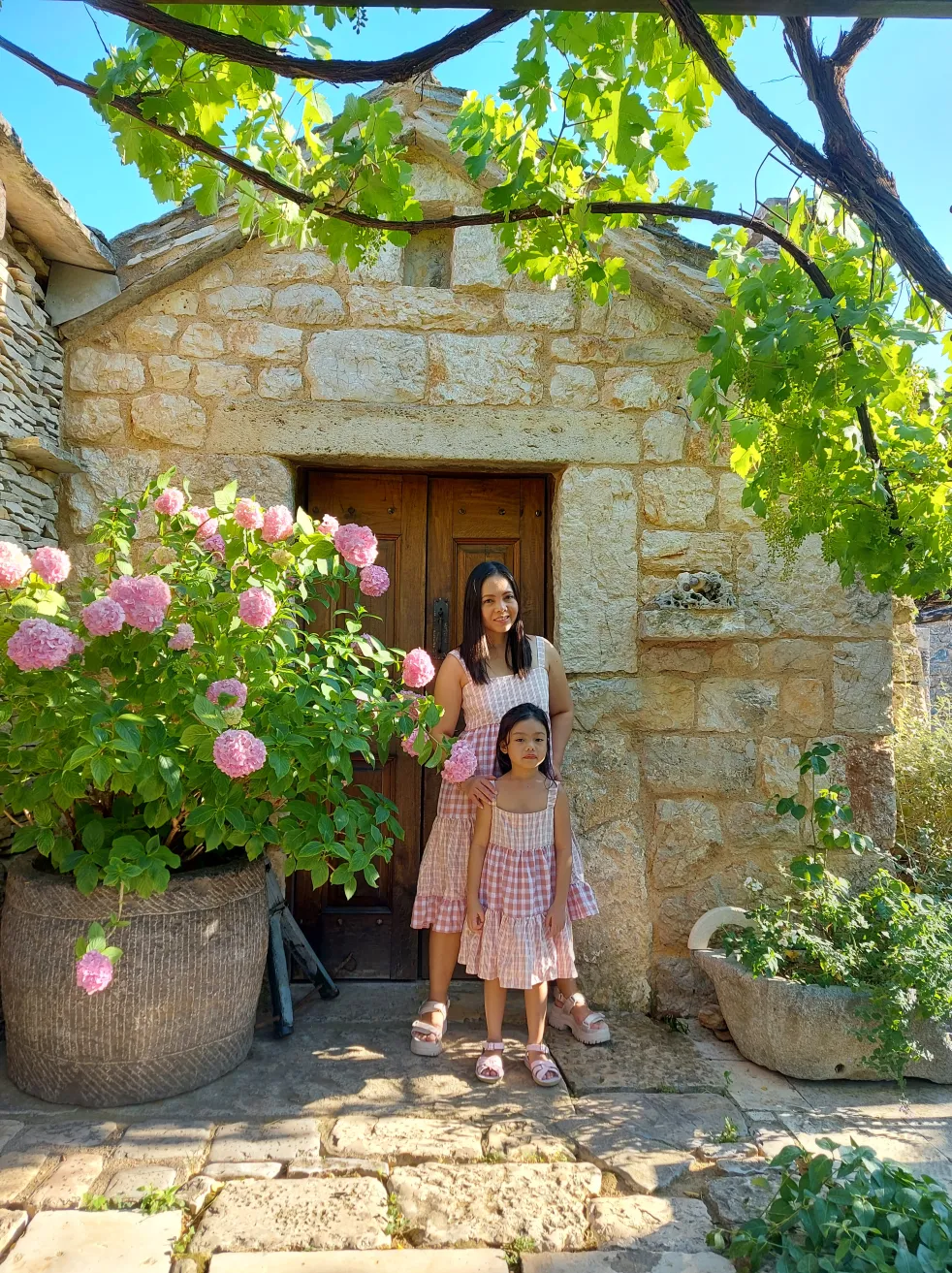
As poet and philosopher Rumi once eloquently said, “raise your words, not your voice. It is rain that grows flowers, not thunder.” Parenting is a challenging journey, and the truth is that nobody has everything figured out. One parenting style might suit others best, and some might favor other methods. However, children respond better to… Continue reading A SIMPLE GUIDE TO GENTLE PARENTING
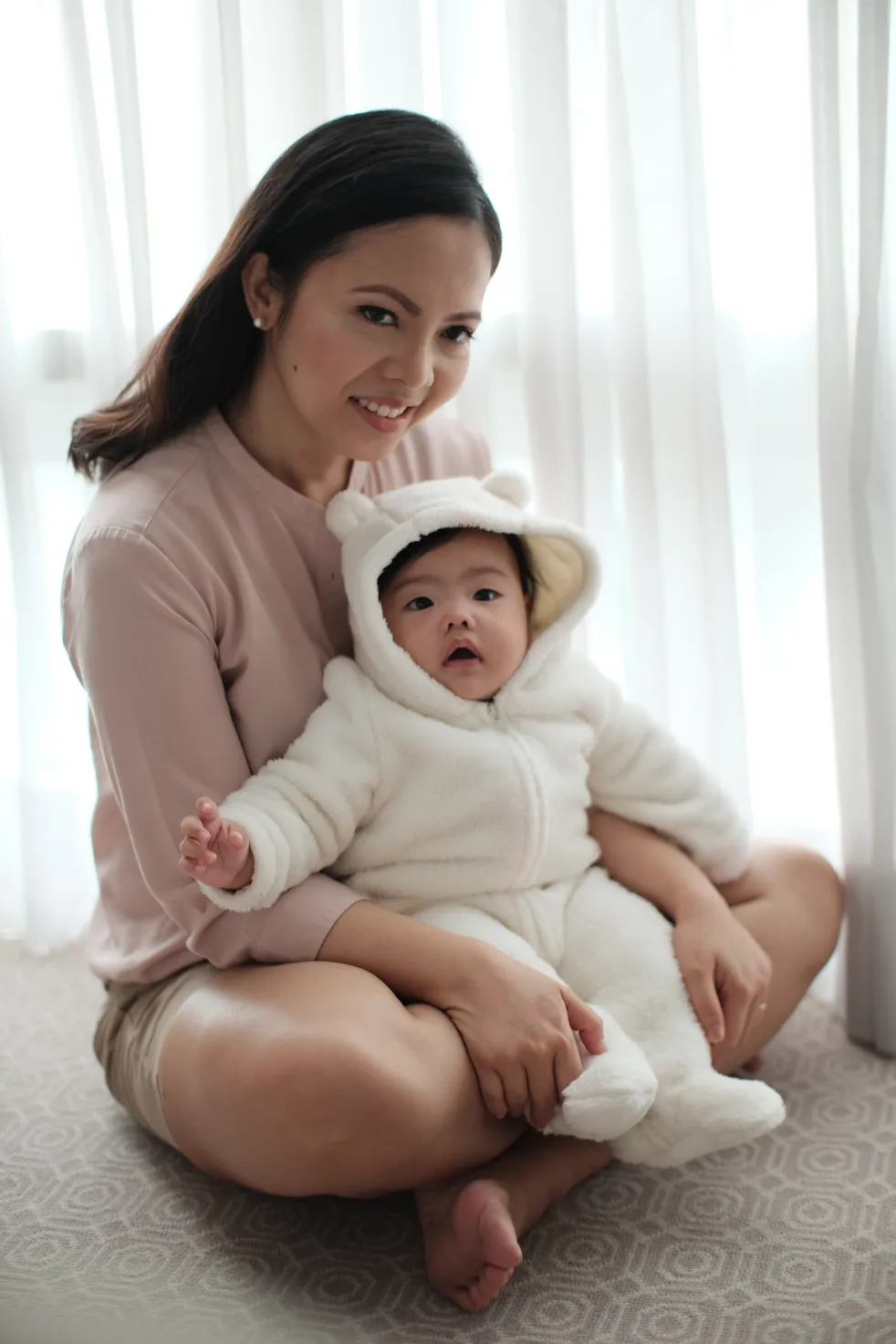
Whether you’re a new mom to be, mom of a toddler, mom who have school-aged kids, you’re bound to have so many questions. Let's start with your baby's skin. Infant skin has unique needs; gentle care is essential to prevent damage to the skin barrier, which can lead to irritation. When caring for infant skin,… Continue reading Keeping Baby’s Diapered Skin Healthy
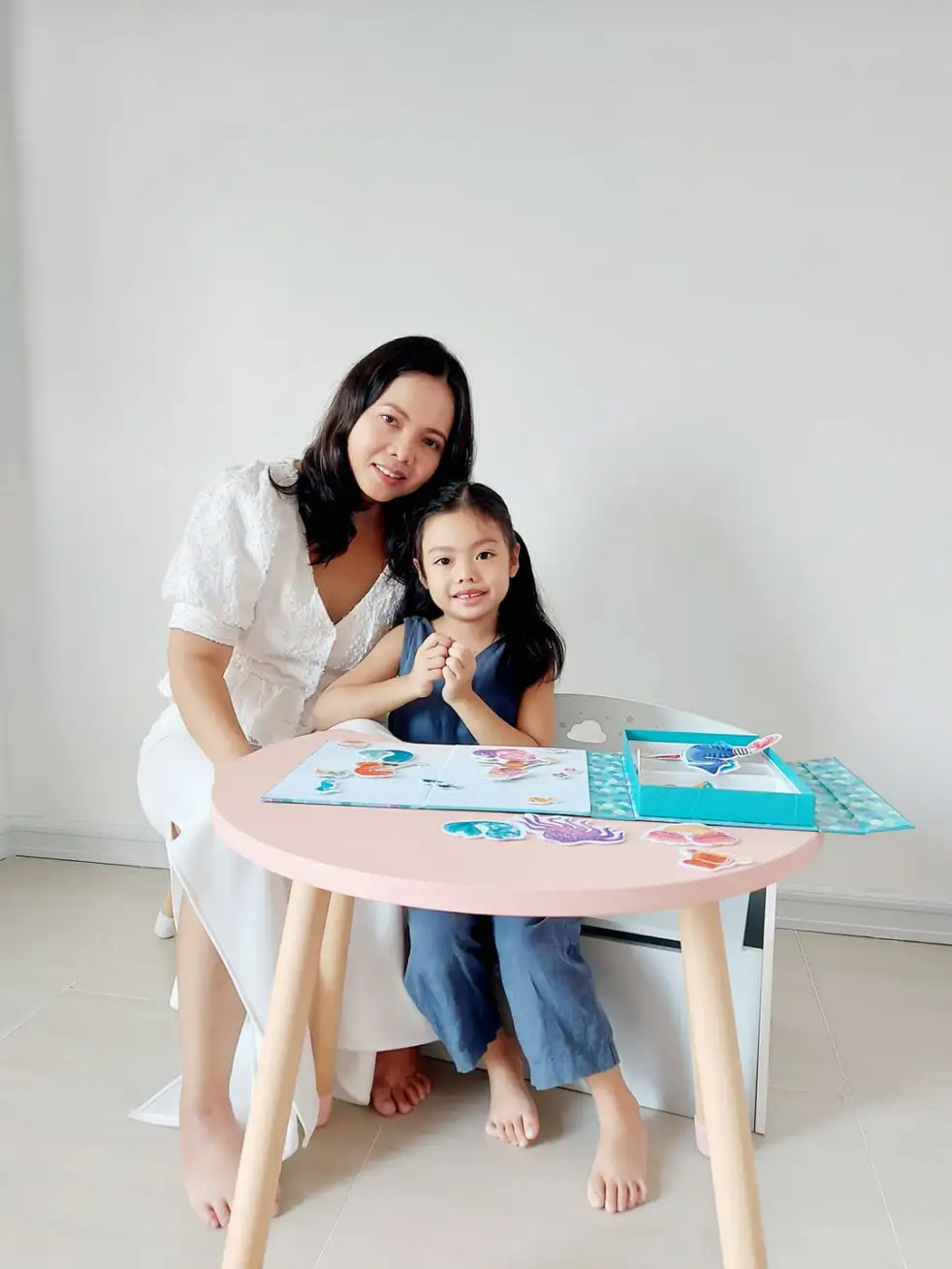
As parents, we want to give our child the best possible start in life and that begins with nurturing their intelligence. Throughout history, the notion of success has been linked to academic intelligence. However, there has been an increased awareness on the importance of emotional intelligence. This question gets at the heart of the never-ending… Continue reading IQ or EQ, which one is a better predictor of your child’s success?
 wondermomma.net