

Last August, IKEA Philippines engaged with Better World Smokey Mountain, a newly opened community center operated by the San Miguel Foundation, which shares a similar goal of improving the lives of many Filipino people. Through this partnership, IKEA Philippines provided and assembled home furnishings for the classrooms and library of Better World Smokey Mountain community… Continue reading Help Create a Better World with IKEA Soft Toys

NutriAsia, the country’s top producer of condiments and sauces, continues its support of Refill Revolution; a project by the Department of Environment and Natural Resources EMB 3 that aims to help reduce Filipinos’ single-use plastics consumption. At Refill Revolution, residents get to recycle their single-use plastic bottles by reusing and filling it with their choice… Continue reading NutriAsia and DENR renews partnership for Refill Revolution

Baby Sleep Training Methods: Finding A Gentle Fit For Your Family
Sleep can become one of the most emotionally demanding parts of early parenthood. A baby who wakes often may leave caregivers exhausted, while advice from relatives, social media, and parenting books can make every choice feel like a test. The good news is that there is no single correct way to help a child sleep for longer stretches.
Baby sleep training methods range from highly structured approaches to gradual, responsive techniques. Some families prefer timed check-ins, while others choose bedtime fading, pick-up-and-put-down, or a consistent soothing routine. The best approach depends on a child’s age, temperament, health, feeding needs, and the caregiver’s comfort level.
Sleep support should always be based on safe sleep practices. Place babies on their backs on a firm, flat surface with no loose pillows, blankets, bumpers, or toys. Room-sharing without bed-sharing is recommended, and families should speak with a pediatrician before changing sleep or feeding routines, especially for premature babies or children with medical concerns.
Understanding Readiness For Sleep Training
Sleep training usually refers to helping a baby learn to settle and return to sleep with less hands-on support. It does not have to mean leaving a child to cry alone. The term covers a wide range of strategies, including responsive settling, gradual withdrawal, scheduled check-ins, and routines that make bedtime more predictable.
Many healthy babies are not developmentally ready for formal sleep training during the newborn period. Young infants often wake to feed, need help regulating their body temperature, and have not yet developed a reliable day-and-night rhythm. In the first months, caregivers can focus on safe sleep, regular feeding, calming bedtime cues, and recognizing early signs of tiredness.
Readiness may look different for every family. A baby may be physically ready for a sleep plan, but the household may not be ready because of travel, illness, a new sibling, demanding work schedules, or limited support. Sleep changes are more likely to go smoothly when caregivers can respond consistently and adjust expectations realistically.
Responsive Settling And Gentle Sleep Support
Responsive settling involves comforting a baby while gradually encouraging independent sleep. A caregiver may place the child down awake but calm, then use a quiet voice, gentle touch, patting, rocking, or brief pick-ups as needed. Over time, the amount of assistance can be reduced.
The main benefit is that the approach respects a baby’s need for reassurance. Parents who feel uncomfortable with prolonged crying may find this method emotionally sustainable. It can also be adapted for children with different temperaments, including babies who become distressed quickly or need a slower transition.
The trade-off is that progress may be gradual and less predictable. Some babies become more alert when a parent stays nearby, and repeated soothing can become tiring during frequent night waking. Responsive methods work best when caregivers establish a simple plan, use the same calming cues, and accept that occasional extra support is normal.
Timed Check-Ins And Structured Approaches
Timed check-ins, sometimes called graduated extinction, involve placing a baby down and returning at planned intervals to offer brief reassurance. The intervals may begin with a short period and become longer according to the family’s chosen plan. During check-ins, the caregiver usually keeps the room calm and avoids turning the visit into playtime.
A structured method can provide clear boundaries and may lead to faster changes for some families. It can also reduce uncertainty because caregivers know when they will return. When used with an age-appropriate routine and safe sleep setup, research suggests that behavioral sleep interventions can improve sleep without harming the parent-child bond.
However, hearing a baby cry can be very difficult. Check-ins may also increase frustration for children who become more upset when a caregiver enters and leaves. This method is not suitable for every household, and it should be paused if a baby may be hungry, sick, in pain, unusually distressed, or experiencing a developmental change.
Comparing Common Approaches
Different sleep training strategies involve different levels of parental presence, flexibility, and expected adjustment time. No approach guarantees uninterrupted sleep, and babies may still wake for feeding, comfort, or help during teething and illness.
| Approach | How It Works | Potential Benefits | Possible Drawbacks |
|---|---|---|---|
| Responsive settling | Comfort the baby with touch, voice, rocking, or brief pick-ups while reducing help gradually | Gentle, flexible, and reassuring | Progress may be slow; repeated soothing can be tiring |
| Timed check-ins | Return at planned intervals for brief reassurance | Clear structure and possible quicker results | Crying may feel difficult; some babies become more upset |
| Bedtime fading | Temporarily set bedtime close to when the baby naturally falls asleep, then move it earlier | Can reduce bedtime battles and crying | Requires careful observation and schedule adjustments |
| Gradual withdrawal | Stay near the crib and slowly increase physical distance over several nights | Offers a visible, step-by-step transition | May take longer and can encourage protests when the caregiver moves away |
| Pick-up-and-put-down | Pick up the baby until calm, then place them back down repeatedly | Provides immediate comfort and practice settling | Can be stimulating or exhausting for some babies |
The table can help families compare general features, but it cannot predict how a particular child will respond. A technique that works for one baby may be ineffective for another. Parents can also combine elements, such as using a consistent bedtime routine with responsive settling and a gradual reduction in rocking.
Bedtime Fading And Gradual Withdrawal
Bedtime fading begins by observing when a baby naturally falls asleep. Instead of placing the child in the crib much earlier and facing a long struggle, caregivers temporarily choose a bedtime close to that natural sleep time. Once the baby settles easily, bedtime is moved earlier in small increments.
This approach may be useful for babies who resist being placed down or remain cheerful and active at the beginning of the evening. It can reduce the amount of time spent crying or protesting because the child is more tired when bedtime begins. A predictable wind-down routine still matters, even when the initial bedtime is later than usual.
Gradual withdrawal follows a different path. A caregiver stays beside the crib, offering verbal reassurance or occasional touch, then moves farther away every few nights. The process gives the baby time to adjust to less direct help. It may suit families who want a clear transition but prefer to remain physically present.
Creating A Practical Sleep Plan
A sleep plan should be simple enough to follow when everyone is tired. Start with a calming sequence, such as feeding, bathing, changing into sleepwear, dimming the lights, reading a short book, and singing the same lullaby. The routine does not need to be elaborate; repetition is more important than length.
Before choosing a method, consider the baby’s sleep environment, usual naps, feeding pattern, and signs of tiredness. Keep expectations realistic, particularly during hot weather, family travel, celebrations, or changes in childcare. In the Philippines, household routines may also be affected by late family gatherings, shared rooms, and different work schedules, so a flexible plan can be more practical than a rigid clock-based system.
Helpful recommendations include:
- Choose one primary approach and use it consistently for several nights before judging the results.
- Keep a brief sleep record showing naps, bedtime, night waking, feeding, and settling time.
- Respond to hunger, illness, pain, or genuine safety concerns rather than following the schedule blindly.
- Make changes gradually when possible, such as reducing rocking before removing it completely.
- Share the plan with every caregiver so the baby receives similar cues and responses.
Consistency does not mean ignoring a baby’s needs. It means using predictable responses while staying attentive to changes in behavior and health. A caregiver can pause the plan for a difficult night and return to it when the child feels well and the household is ready.
When To Pause And Seek Guidance
Sleep disruption can be connected to reflux, eczema, breathing problems, food intolerance, ear infections, allergies, or other health concerns. Speak with a healthcare professional if a baby snores persistently, struggles to breathe, feeds poorly, has unusual lethargy, fails to gain weight, or seems to be in pain. A pediatrician can help distinguish a behavioral sleep issue from a medical one.
It is also wise to pause sleep training during fever, significant illness, travel, major family changes, or periods of intense separation anxiety. Temporary extra comfort will not erase previous progress. Babies and toddlers often need more support during developmental leaps, teething, or transitions.
Caregiver wellbeing deserves attention too. Severe sleep deprivation can affect mood, concentration, and safety. If possible, share night duties, accept practical help, and rest when another trusted adult can supervise the baby. A family’s sleep plan should protect the caregiver’s health as well as support the child’s developing sleep skills.
Every baby learns in a different way, and loving responsiveness can exist alongside healthy sleep boundaries. Choose an age-appropriate method, follow safe sleep guidance, and adjust the plan with patience rather than pressure. For more practical parenting, baby care, and family lifestyle guidance, explore WonderMomma’s resources and share the approach that best supports your household.

Mercato Centrale, in collaboration with Indian Women in Enterprise Philippines (I-We), is set to host "The Great Indian Fiesta" to mark 75 years of friendship between India and the Philippines. The dynamic two-day event is scheduled to take place on September 30 to October 1, 2023, at Paseo De Roxas Street, Makati City. Aiming to… Continue reading Mercato Centrale Partners with I-We to Host ‘The Great Indian Fiesta’, Commemorating 75 Years of India-Philippines Friendship

My stomach would usually start growling at 10 am even after taking a big breakfast. This is probably because I am a morning person and I move a lot throughout the day hence snacking is something that I can't avoid. This potatoes and chicken wrap recipe is easy to prepare and would keep me full… Continue reading Potato and Chicken Wrap
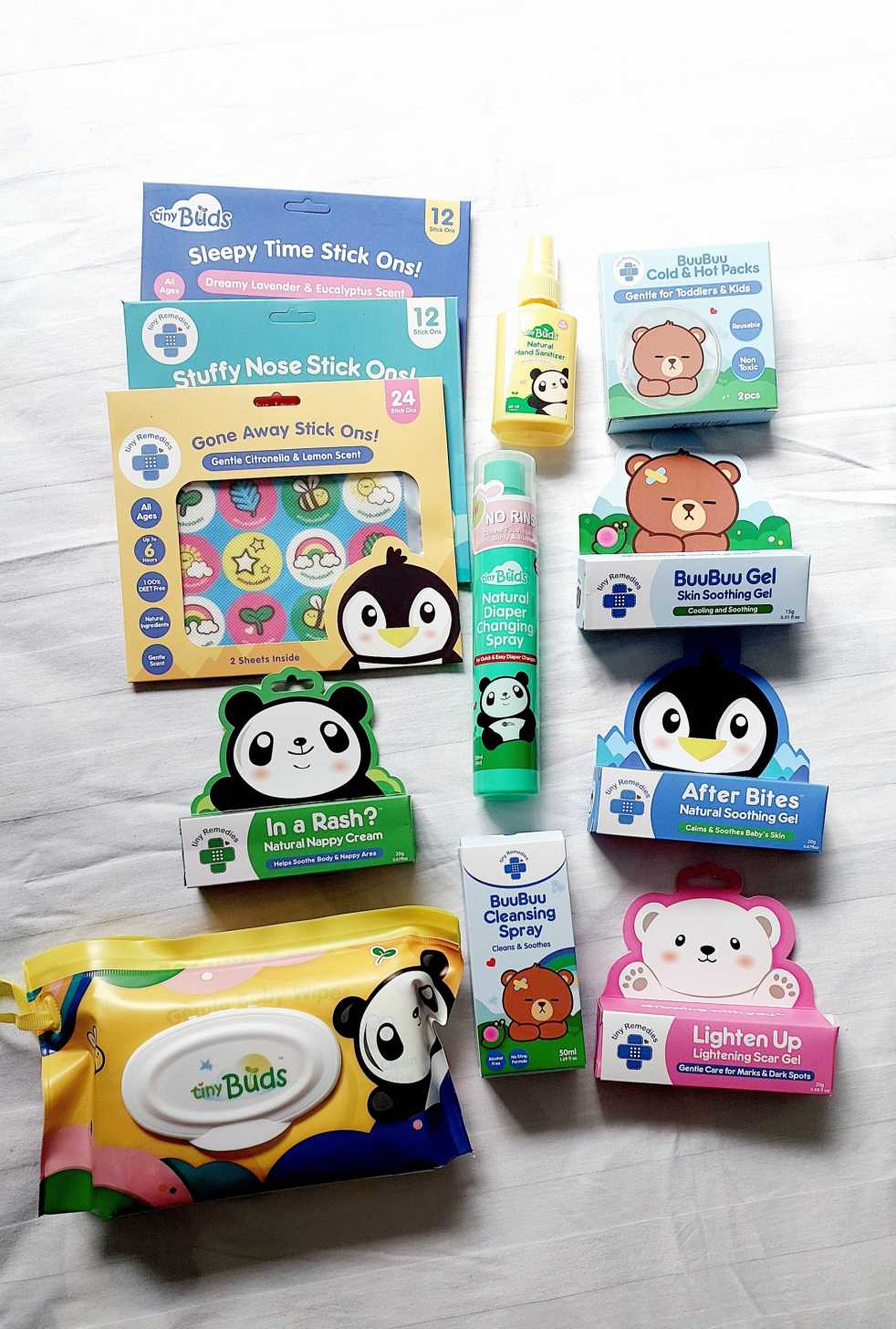
Your baby’s skin is more delicate than most, this is why you have to choose products that are designed for sensitive skin. Tiny Buds is a pioneer in integrating natural ingredients into baby care and today has over 50 innovative natural baby care essentials and is one of the Top Baby Personal Care brands. Here… Continue reading Product Review: Tiny Buds Baby Naturals Baby Essentials
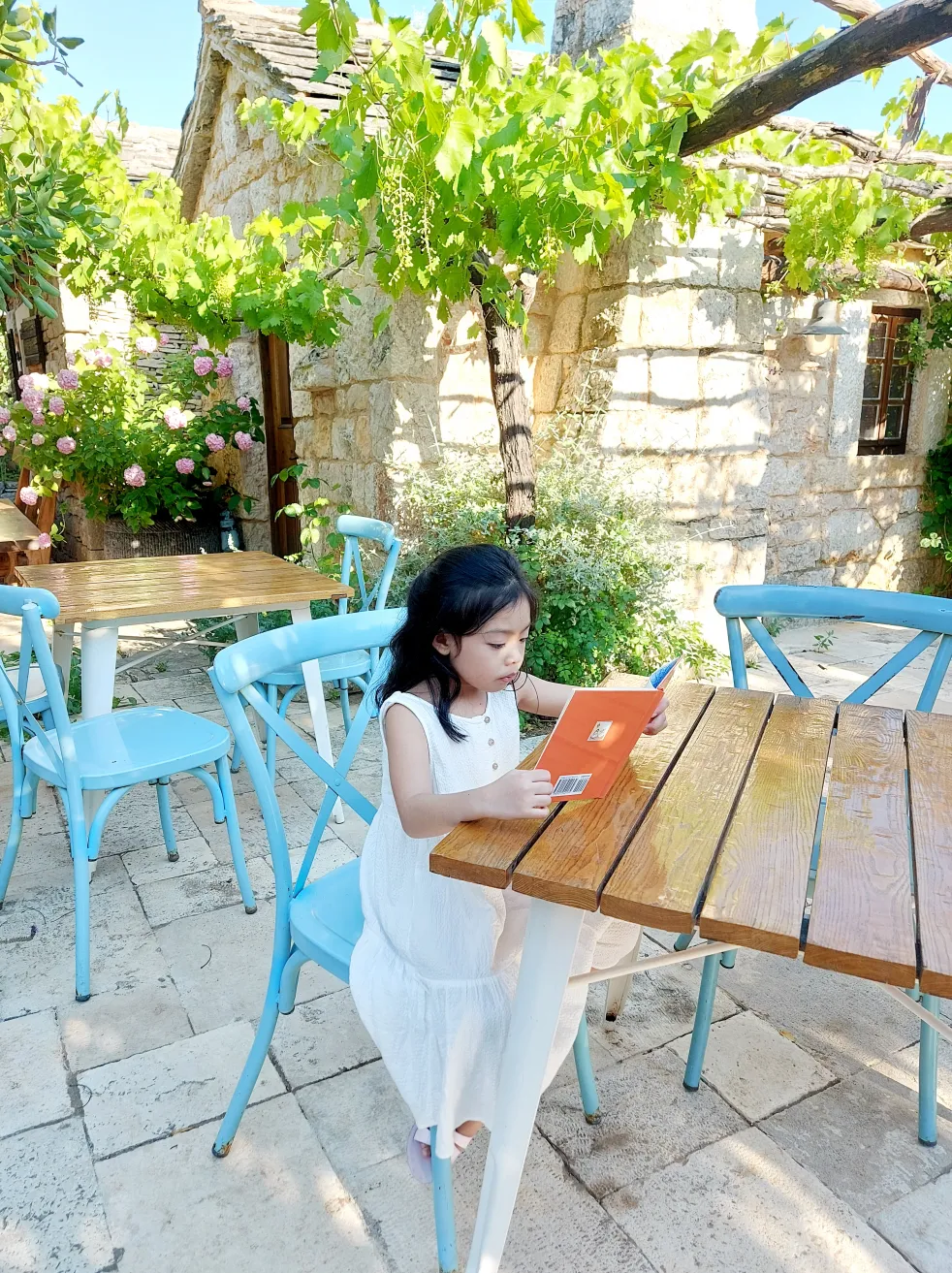
Where your child goes to school is a big decision and shouldn’t be taken lightly. Given how their education can impact their future, you might be tempted to take control and decide for them. However, you might be doing more damage than helping them in the long run. Your job as parents is to support… Continue reading HOW TO CHOOSE THE BEST SCHOOL FOR YOUR CHILD

As poet and philosopher Rumi once eloquently said, “raise your words, not your voice. It is rain that grows flowers, not thunder.” Parenting is a challenging journey, and the truth is that nobody has everything figured out. One parenting style might suit others best, and some might favor other methods. However, children respond better to… Continue reading A SIMPLE GUIDE TO GENTLE PARENTING

Whether you’re a new mom to be, mom of a toddler, mom who have school-aged kids, you’re bound to have so many questions. Let's start with your baby's skin. Infant skin has unique needs; gentle care is essential to prevent damage to the skin barrier, which can lead to irritation. When caring for infant skin,… Continue reading Keeping Baby’s Diapered Skin Healthy

As parents, we want to give our child the best possible start in life and that begins with nurturing their intelligence. Throughout history, the notion of success has been linked to academic intelligence. However, there has been an increased awareness on the importance of emotional intelligence. This question gets at the heart of the never-ending… Continue reading IQ or EQ, which one is a better predictor of your child’s success?
 wondermomma.net