
Last August, IKEA Philippines engaged with Better World Smokey Mountain, a newly opened community center operated by the San Miguel Foundation, which shares a similar goal of improving the lives of many Filipino people. Through this partnership, IKEA Philippines provided and assembled home furnishings for the classrooms and library of Better World Smokey Mountain community… Continue reading Help Create a Better World with IKEA Soft Toys

NutriAsia, the country’s top producer of condiments and sauces, continues its support of Refill Revolution; a project by the Department of Environment and Natural Resources EMB 3 that aims to help reduce Filipinos’ single-use plastics consumption. At Refill Revolution, residents get to recycle their single-use plastic bottles by reusing and filling it with their choice… Continue reading NutriAsia and DENR renews partnership for Refill Revolution

The Gentle Parenting Way To Handle Lying By A Toddler
When a toddler says, “I didn’t do it,” while sitting beside a clearly spilled cup, it can feel like the beginning of a serious behavior problem. For parents, lying may bring worries about honesty, discipline, and the values a child is learning. Yet at this age, an untrue statement is rarely a calculated attempt to deceive.
Toddlers are still developing memory, language, impulse control, and an understanding of how other people think. They may mix imagination with reality, deny an action to avoid disapproval, or say what they wish had happened. A calm response can teach truthfulness more effectively than shame or punishment.
Gentle parenting does not mean ignoring dishonesty or allowing unsafe behavior. It means responding with connection, clear limits, and age-appropriate expectations. The goal is to help a young child feel safe enough to tell the truth while learning how choices affect other people.
Why Toddlers Say Things That Are Not True
A toddler’s brain is not yet ready for the kind of deliberate deception adults usually associate with lying. Young children often have vivid imaginations and may describe pretend events as if they really happened. A child who says a stuffed animal ate the biscuit may be playing, experimenting with storytelling, or trying to make sense of a broken rule.
Fear is another common reason for denial. If a child expects shouting, a frightening consequence, or disappointment, “I didn’t do it” can become a quick protective response. The behavior may be dishonest, but the underlying need is often emotional safety rather than manipulation.
Toddlers also have limited self-control. They may know that grabbing a marker was not allowed, yet act before they can pause and remember the rule. When asked what happened, they may deny it because their understanding of responsibility is still developing. This is a teachable moment, not proof of a dishonest character.
Look Beneath The Words
Before correcting the statement, consider the child’s developmental stage and the situation. Is your toddler pretending, confused, repeating something heard from adults, or trying to avoid trouble? A dramatic story told during play needs a different response from a denial after hitting a sibling or breaking an important household rule.
It also helps to separate the behavior from the child’s identity. Saying “You are a liar” can create shame and make honesty feel unsafe. Describe what you observe instead: “The blocks are on the floor, and I saw you knock them over.” Specific language keeps the conversation grounded in facts without attaching a harmful label.
When the child is tired, hungry, overstimulated, or embarrassed, long explanations are unlikely to work. Move close, use a steady voice, and keep your words simple. A toddler usually needs a short reminder and a chance to repair the situation more than a lecture about morality.
Use Calm, Truth-Focused Language
Avoid questions when you already know what happened. Asking, “Did you draw on the wall?” may invite an automatic denial. Instead, state the observation: “I see crayon marks on the wall. Crayons are for paper.” This approach removes the pressure to guess which answer will keep the adult calm.
You can then offer a manageable choice or a way to help: “Would you like to wipe with this cloth, or shall I help you?” The child still learns that the behavior has a consequence, but the consequence is related to the action rather than designed to cause fear.
If your toddler changes the story, respond without arguing over every detail. Try, “It sounds like you are worried. You can tell me what happened, and I will help you.” When the truth comes out, acknowledge the honesty immediately: “Thank you for telling me. It is safe to tell me the truth, and we still need to clean up.”
Parents looking for broader guidance on respectful discipline and family routines can explore WonderMomma parenting resources, where practical advice is presented with everyday family life in mind.
Make Honesty Easier To Practice
Children are more likely to tell the truth when adults respond predictably. This does not mean there are no limits. It means the child learns that admitting a mistake leads to help, repair, and a reasonable boundary rather than humiliation.
Model honesty in ordinary moments. If you make an error, say, “I gave you the wrong cup. I thought it was the blue one, but I was mistaken.” When you change your mind, explain why. Toddlers learn from the way parents handle forgotten promises, spilled food, and accidental damage.
Praise truthful communication without turning it into a performance. “You told me you pushed the chair. That was honest. Now let’s make sure nobody is hurt.” Keep the praise connected to courage and responsibility rather than promising that honesty will always remove a consequence.
Reading stories about feelings, mistakes, and repairing relationships can also give toddlers useful language. During play, use puppets or stuffed animals to act out simple scenarios: a toy breaks, a friend is upset, and the character tells the truth. Play allows a child to rehearse honesty without the pressure of a real incident.
Respond To Common Toddler Scenarios
The best response depends on what the child is communicating. A playful fantasy deserves room for imagination, while harmful behavior needs a firm safety limit. The following examples can help parents choose words that are both gentle and clear.
| Toddler’s statement or behavior | What may be happening | Helpful parent response |
|---|---|---|
| “The dog ate the cookie” while crumbs are nearby | Imagination, wishful thinking, or avoiding blame | “The dog did not eat it. You had the cookie, and now we will clean up the crumbs.” |
| “I didn’t hit” after hitting a sibling | Fear, embarrassment, or limited understanding of the event | “I saw your hand hit. I will not let you hit. Let’s check your sibling and find a safe way to show anger.” |
| “I’m a baby” after spilling water | Seeking comfort or trying to escape responsibility | “You are still little, and you can help wipe the water. I will do the hard part with you.” |
| An elaborate story about an impossible event | Pretend play or a developing imagination | “That sounds like a pretend story. Is it something that happened or something you imagined?” |
| Blaming a toy for a mess | Testing boundaries or struggling to accept responsibility | “Toys cannot make the mess by themselves. You moved the blocks, and we can put them away together.” |
If a child causes harm, prioritize safety before discussing honesty. Separate children if needed, comfort anyone who is hurt, and use a firm statement such as, “I will not let you bite.” Later, when everyone is calm, help your toddler name the feeling and practice another response.
Set Limits Without Shame
A gentle response still includes boundaries. “You may not draw on the furniture” is clearer than “Why are you being naughty?” The first statement identifies the limit and leaves room for the child to learn. The second invites defensiveness and can make the child focus on avoiding a label.
Natural and logical consequences are usually most effective. If water is thrown, the water play ends and the child helps wipe the floor. If a toy is used to hit, the toy is put away temporarily while the parent helps the child calm down. The consequence should be brief, related, and delivered without threats.
Avoid forcing an apology before a child understands what happened. A toddler may repeat “sorry” without empathy or may feel pressured to perform remorse. Instead, guide repair: return the object, help rebuild a tower, check on a sibling, or draw a picture. Genuine accountability grows through repeated practice.
Consistency between caregivers matters too. Parents, grandparents, and babysitters may use different tones, but the core message should remain similar: tell the truth, keep people safe, and help repair mistakes. A predictable family response reduces the need for a child to test which adult will react most strongly.
When Denial Needs Closer Attention
Occasional untrue statements are a normal part of toddler development. Pay closer attention when dishonesty is frequent alongside intense fear, unusual secrecy, aggression, major changes in sleep, or signs that someone may be frightening or harming the child. In these situations, focus first on emotional and physical safety.
It is also worth checking whether adults are asking questions beyond the child’s ability to answer accurately. Toddlers may not remember sequences clearly, understand time words, or separate a recent event from an older one. Repeated questioning can make confusion look like deliberate lying.
If you remain concerned, record specific examples and discuss them with your child’s pediatrician or a qualified child development professional. Seek support without branding the child as dishonest. A developmental assessment can clarify whether language delays, anxiety, sensory overload, or another concern is affecting the child’s responses.
Everyday Habits That Support Truthfulness
- Keep household rules short, concrete, and stated positively when possible.
- Describe what you saw instead of asking questions that invite automatic denial.
- Stay close and calm when your toddler is embarrassed, angry, or afraid.
- Connect consequences to the behavior and include a simple repair.
- Notice honest moments, especially when telling the truth feels difficult.
A toddler does not learn honesty from a single speech about right and wrong. The lesson develops through hundreds of ordinary interactions: a parent who tells the truth, a caregiver who listens, a boundary that stays steady, and a mistake that can be repaired. When children experience accountability without humiliation, they gradually learn that truth is safer and more useful than hiding.
The next time your toddler denies a spilled drink or blames a toy for a mess, pause before reacting. Name what happened, reassure your child that honesty is safe, and guide the next small step. With patience and consistent limits, these early moments can become the foundation for trust, responsibility, and compassionate family relationships.

Mercato Centrale, in collaboration with Indian Women in Enterprise Philippines (I-We), is set to host "The Great Indian Fiesta" to mark 75 years of friendship between India and the Philippines. The dynamic two-day event is scheduled to take place on September 30 to October 1, 2023, at Paseo De Roxas Street, Makati City. Aiming to… Continue reading Mercato Centrale Partners with I-We to Host ‘The Great Indian Fiesta’, Commemorating 75 Years of India-Philippines Friendship

My stomach would usually start growling at 10 am even after taking a big breakfast. This is probably because I am a morning person and I move a lot throughout the day hence snacking is something that I can't avoid. This potatoes and chicken wrap recipe is easy to prepare and would keep me full… Continue reading Potato and Chicken Wrap
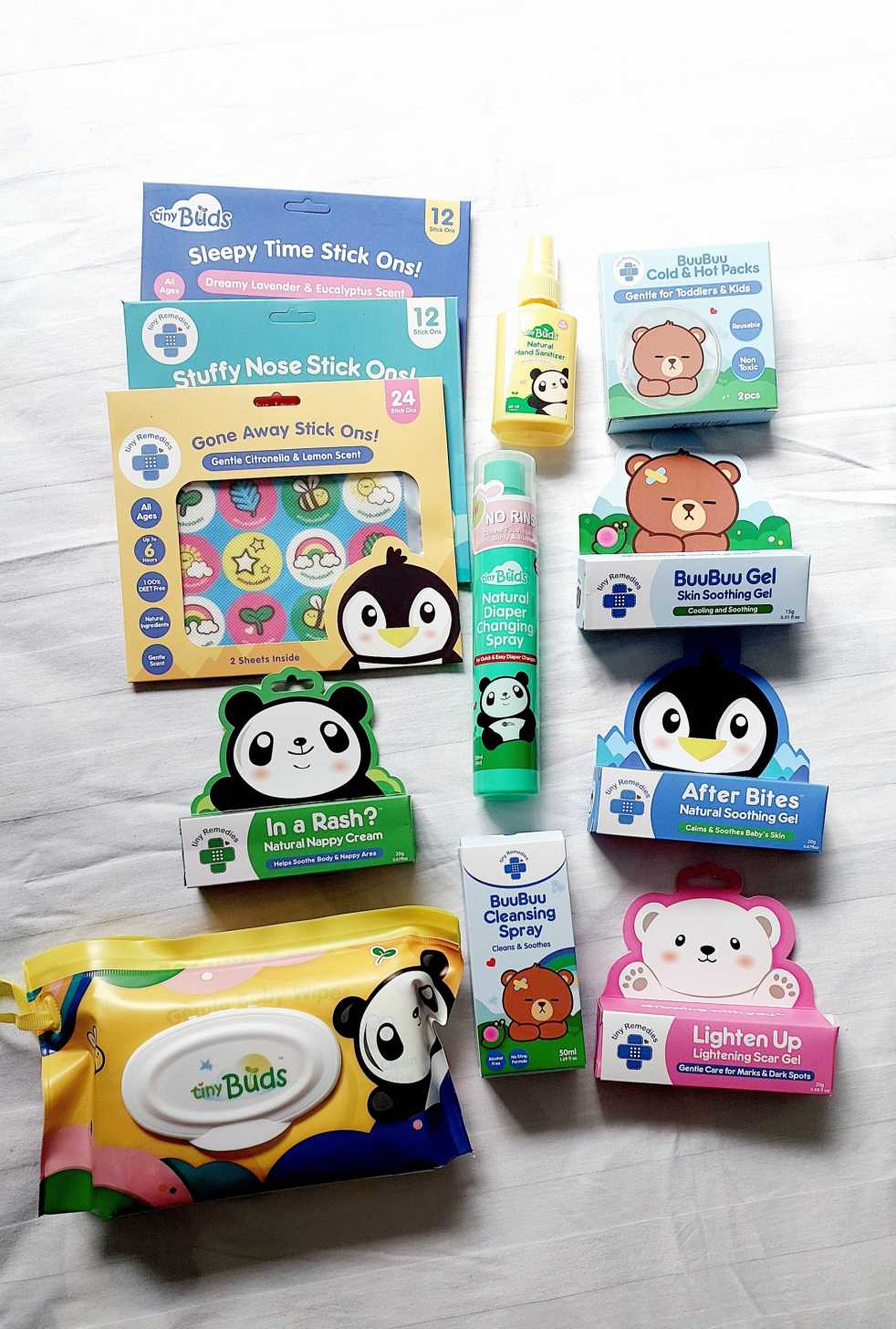
Your baby’s skin is more delicate than most, this is why you have to choose products that are designed for sensitive skin. Tiny Buds is a pioneer in integrating natural ingredients into baby care and today has over 50 innovative natural baby care essentials and is one of the Top Baby Personal Care brands. Here… Continue reading Product Review: Tiny Buds Baby Naturals Baby Essentials
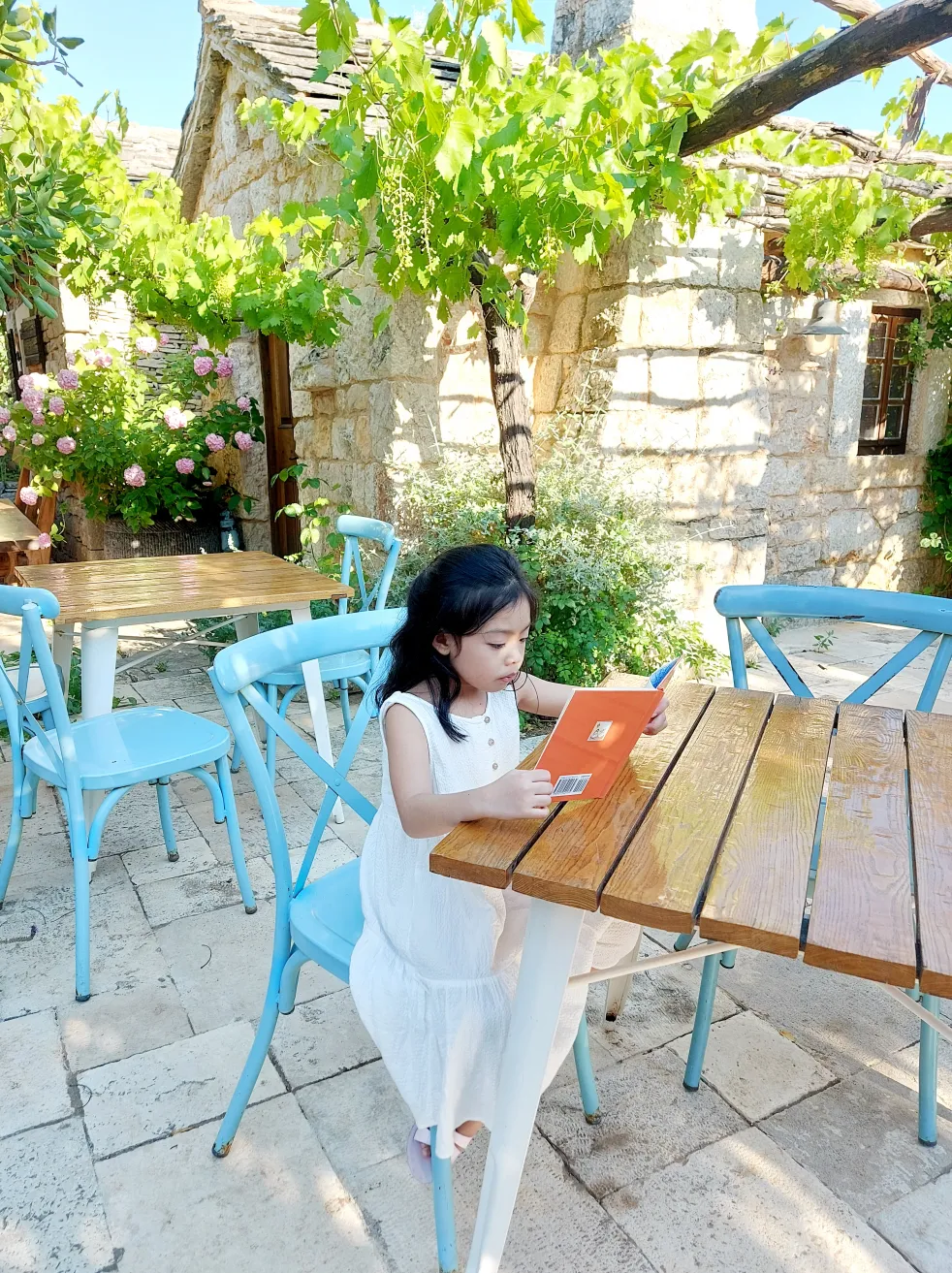
Where your child goes to school is a big decision and shouldn’t be taken lightly. Given how their education can impact their future, you might be tempted to take control and decide for them. However, you might be doing more damage than helping them in the long run. Your job as parents is to support… Continue reading HOW TO CHOOSE THE BEST SCHOOL FOR YOUR CHILD
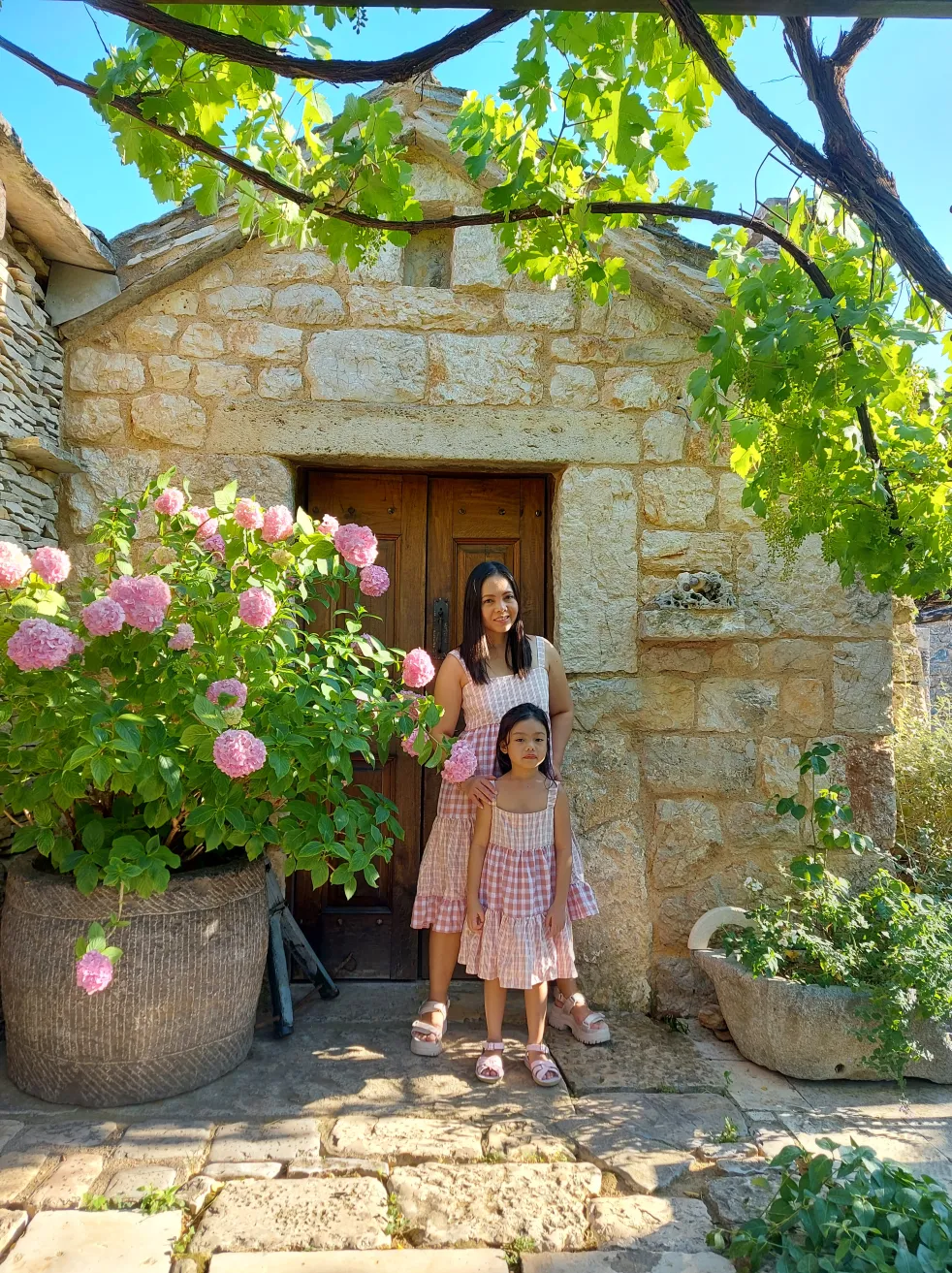
As poet and philosopher Rumi once eloquently said, “raise your words, not your voice. It is rain that grows flowers, not thunder.” Parenting is a challenging journey, and the truth is that nobody has everything figured out. One parenting style might suit others best, and some might favor other methods. However, children respond better to… Continue reading A SIMPLE GUIDE TO GENTLE PARENTING

Whether you’re a new mom to be, mom of a toddler, mom who have school-aged kids, you’re bound to have so many questions. Let's start with your baby's skin. Infant skin has unique needs; gentle care is essential to prevent damage to the skin barrier, which can lead to irritation. When caring for infant skin,… Continue reading Keeping Baby’s Diapered Skin Healthy
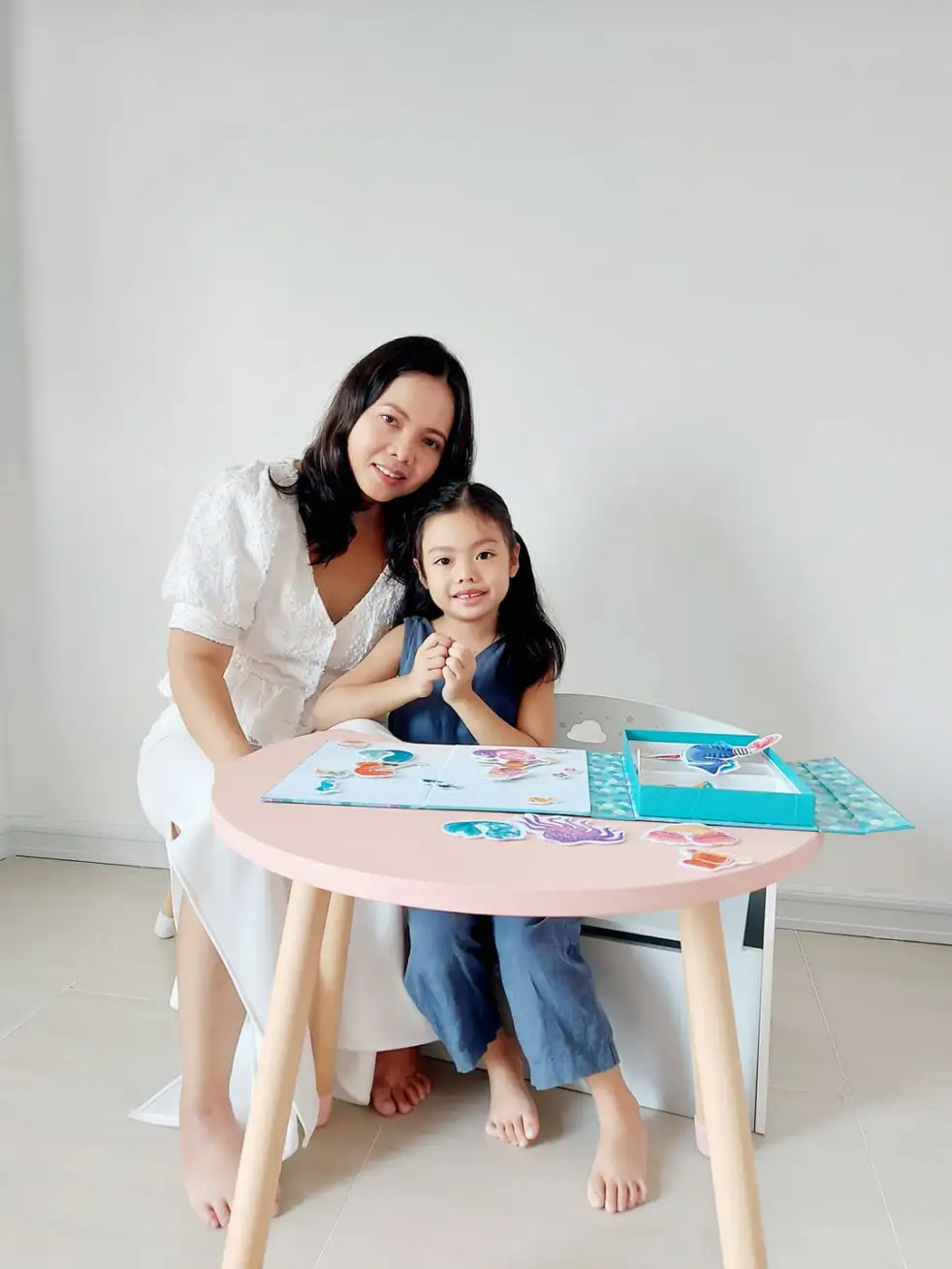
As parents, we want to give our child the best possible start in life and that begins with nurturing their intelligence. Throughout history, the notion of success has been linked to academic intelligence. However, there has been an increased awareness on the importance of emotional intelligence. This question gets at the heart of the never-ending… Continue reading IQ or EQ, which one is a better predictor of your child’s success?
 wondermomma.net