

Last August, IKEA Philippines engaged with Better World Smokey Mountain, a newly opened community center operated by the San Miguel Foundation, which shares a similar goal of improving the lives of many Filipino people. Through this partnership, IKEA Philippines provided and assembled home furnishings for the classrooms and library of Better World Smokey Mountain community… Continue reading Help Create a Better World with IKEA Soft Toys

NutriAsia, the country’s top producer of condiments and sauces, continues its support of Refill Revolution; a project by the Department of Environment and Natural Resources EMB 3 that aims to help reduce Filipinos’ single-use plastics consumption. At Refill Revolution, residents get to recycle their single-use plastic bottles by reusing and filling it with their choice… Continue reading NutriAsia and DENR renews partnership for Refill Revolution

Saying No With Calm, Connection, And Clear Boundaries
“No” is one of the most important words in a child’s early vocabulary. It protects children from danger, teaches social limits, and helps families live together with greater respect. Yet for many parents, setting limits can feel uncomfortable, especially when a child cries, protests, or calls for a second explanation.
The gentle parenting approach to saying no treats boundaries as a form of care rather than punishment. It allows adults to remain warm and respectful while still being firm. A child may feel disappointed, but they can learn that disappointment is safe and that limits do not threaten their relationship with a parent.
This approach is useful in ordinary family moments: leaving the playground, stopping screen time, refusing another sweet, or preventing rough play with a baby. The goal is not to avoid conflict completely. It is to guide children through conflict without fear, shame, or unnecessary power struggles.
Why Children Need Loving Limits
Young children are still developing impulse control, language, and emotional regulation. A toddler who grabs a phone or runs toward a busy street is not always being defiant. They may be acting on a strong desire before their developing brain can pause and consider the result.
Clear limits give children a dependable structure. When parents respond consistently, children begin to understand what is safe, what is acceptable, and what will happen next. Predictability can be especially comforting during busy family days, travel, celebrations, or changes in routine.
A boundary also protects the parent-child relationship. Instead of using fear to gain obedience, a parent communicates, “I will keep you safe, and I will help you manage this feeling.” The child remains worthy of respect even when their behavior needs to stop.
Gentle discipline does not mean allowing every choice. It means separating the child from the behavior. A parent can reject hitting, throwing, or grabbing while still offering affection and support.
The Difference Between A Boundary And A Rejection
Children often experience a firm refusal as personal, particularly when they are tired or overwhelmed. A short, calm statement helps them understand that the limit concerns an action or situation, not their identity.
Instead of saying, “You are being naughty,” try, “I won’t let you hit.” Rather than, “You never listen,” say, “The tablet is finished for today.” These phrases are direct, but they avoid labels that can make children feel ashamed.
A respectful “no” usually has three parts: acknowledge the feeling, state the limit, and offer support or a safe alternative. For example: “You really want to keep playing. It is time to leave now. I will help you put on your shoes.” This does not promise that the child will like the decision. It shows that the parent can handle the child’s disappointment.
Parents do not need to provide a long explanation every time. Too many words can make a frustrated child more distressed. A calm sentence, repeated with steady confidence, is often more effective than a debate.
Words That Make Limits Easier To Hear
Positive phrasing can make a boundary clearer without weakening it. “Hands stay gentle” gives a child an action to follow, while “Don’t be rough” may be harder for a young child to understand. “Food stays at the table” is more practical than repeating “Stop making a mess.”
Use a neutral voice and get close when possible. Kneel beside a toddler, speak slowly, and make sure the child can see your face. A quiet tone can communicate confidence more effectively than shouting across the room.
Specific language is particularly helpful for children who are still learning English, Filipino, or another home language. Families can use the words that feel most natural, as long as the message remains consistent. Simple phrases such as “Hindi puwede,” “Gentle hands,” or “We stop now” can be paired with a calm gesture and a clear follow-through.
Choices can provide a sense of control within the boundary. Say, “You cannot climb on the table. You may sit on the chair or play on the floor.” The limit stays firm, while the child receives two acceptable options.
What A Gentle No Looks Like In Daily Life
A child who wants another episode may protest when screen time ends. A parent might say, “You want to watch more. The show is finished. You can help me choose a book or build with your blocks.” If the child cries, the parent can remain nearby without restarting the program.
At mealtimes, a child may demand candy before dinner. A calm response could be, “You want candy now. Candy is for after dinner. You may have banana or wait for the meal.” The parent does not need to lecture about sugar or threaten to remove all treats.
When a preschooler grabs a toy from a sibling, try, “You want a turn. I won’t let you take it from her. You can ask for a turn, or choose another toy while you wait.” If the toy is thrown, the parent can move it away and say, “I won’t let you throw this. I will keep it safe.”
Safety boundaries require immediate action. “I won’t let you run into the road” may need to be followed by picking up the child and moving away. Physical guidance should be protective and respectful, never used to frighten or hurt.
Comparing Common Responses To Saying No
| Parenting response | What the child may learn | How it can sound | A gentler alternative |
|---|---|---|---|
| Punitive refusal | Obedience may depend on fear or shame | “Stop crying or you will be punished” | “You are upset. The limit still stays.” |
| Permissive response | Strong feelings may change every boundary | “Fine, take it if you will stop crying” | “I hear you. I will help you cope, but the answer is no.” |
| Distracted refusal | Feelings may be ignored or quickly redirected | “Look at this toy and forget it” | “You are disappointed. We can sit together while you calm down.” |
| Calm, connected limit | Boundaries can coexist with love and support | “I won’t let you hit. I’m here to help.” | Keep the limit, name the feeling, and guide the next safe action. |
Staying Firm When Feelings Become Big
A child’s crying does not automatically mean the boundary was wrong. Tears are often a release of frustration, tiredness, or unmet expectations. Parents can acknowledge the emotion without changing the decision: “You are very sad that we have to go. I will stay with you.”
During a tantrum, reasoning may not work immediately. Keep words brief, remove unsafe objects, and offer physical closeness if the child welcomes it. Some children want a hug; others need space with a parent nearby. Respectful discipline includes observing what helps the individual child settle.
If a child continues to repeat a request, parents can use a broken-record response. “The answer is no. You may choose water or milk.” Repeating the same message prevents the conversation from becoming a negotiation driven by escalating voices.
Adults also have limits. When a parent feels close to shouting, it is appropriate to pause if the child is safe. A sentence such as, “I am feeling angry, so I will take a breath before I help you,” models emotional regulation. If a parent loses control, a sincere repair matters: “I shouted, and that was too loud. I am sorry. The rule about hitting still stands.”
Making Boundaries Easier Before Conflict Starts
Many power struggles can be reduced through preparation. Give a warning before leaving an activity: “Five more minutes, then we go.” Follow it with a shorter reminder and a predictable transition. A timer, visual schedule, or familiar goodbye routine can help young children understand what is coming.
Meet basic needs whenever possible. Hunger, lack of sleep, overstimulation, and rushed mornings make it harder for children to accept limits. Packing snacks for a family outing, protecting nap time, and allowing extra time for dressing can support cooperation without relying on threats.
Keep forbidden items out of reach when practical. Babies and toddlers learn through touching, so a child-safe home reduces the number of times parents need to say no. Move breakable decorations, secure cleaning products, and create an approved space for exploration.
Parents can also decide which rules truly matter. A few consistent boundaries are easier for children to understand than a long list of corrections. Prioritize safety, respect, health, and family values, then allow reasonable freedom with clothing, play, and harmless preferences.
Everyday Phrases Parents Can Use
The following scripts can be adjusted for a child’s age and language level:
- “I hear that you want it. I won’t let you take it from your brother.”
- “You may be angry. I will not let you hit.”
- “The answer is no. I know that feels disappointing.”
- “We are leaving now. You can walk, or I can carry you.”
- “The water is for drinking. If you want to splash, we can use the basin.”
- “You cannot play near the road. We will stay on the sidewalk.”
- “I am here with you while you calm your body.”
- “You can try again with gentle hands.”
Building A Respectful Family Culture
Children learn from the pattern of daily interactions. When parents listen, explain briefly, and follow through without humiliation, children gradually develop their own understanding of boundaries. They begin to recognize that saying no can be respectful, and that hearing no does not mean being unloved.
Caregivers should aim for consistency rather than perfection. Grandparents, babysitters, and relatives may use different approaches, especially in multigenerational Filipino households. A shared set of safety and respect rules can make transitions easier, while allowing each caregiver to express warmth in their own way.
Start with one situation that regularly causes tension, such as bedtime or screen use. Choose a short phrase, decide what alternative you will offer, and practice staying calm when your child protests. With repetition, the boundary becomes familiar and the interaction becomes less exhausting.
Use your next “no” as an opportunity to connect and guide. Name the feeling, hold the limit, and stay close while your child learns that big emotions can pass safely. That steady combination of kindness and firmness is how respectful boundaries become part of everyday family life.

Mercato Centrale, in collaboration with Indian Women in Enterprise Philippines (I-We), is set to host "The Great Indian Fiesta" to mark 75 years of friendship between India and the Philippines. The dynamic two-day event is scheduled to take place on September 30 to October 1, 2023, at Paseo De Roxas Street, Makati City. Aiming to… Continue reading Mercato Centrale Partners with I-We to Host ‘The Great Indian Fiesta’, Commemorating 75 Years of India-Philippines Friendship

My stomach would usually start growling at 10 am even after taking a big breakfast. This is probably because I am a morning person and I move a lot throughout the day hence snacking is something that I can't avoid. This potatoes and chicken wrap recipe is easy to prepare and would keep me full… Continue reading Potato and Chicken Wrap
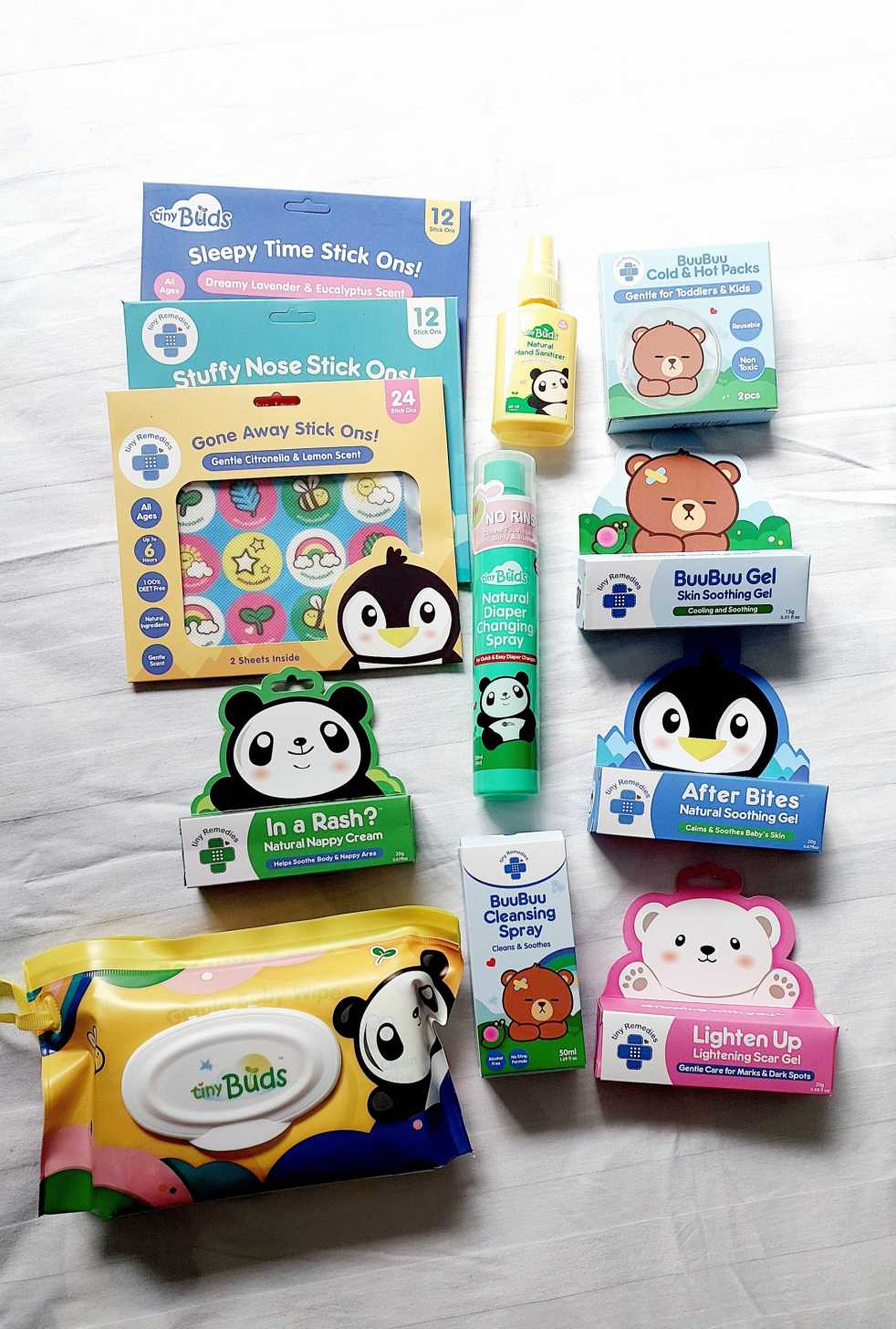
Your baby’s skin is more delicate than most, this is why you have to choose products that are designed for sensitive skin. Tiny Buds is a pioneer in integrating natural ingredients into baby care and today has over 50 innovative natural baby care essentials and is one of the Top Baby Personal Care brands. Here… Continue reading Product Review: Tiny Buds Baby Naturals Baby Essentials
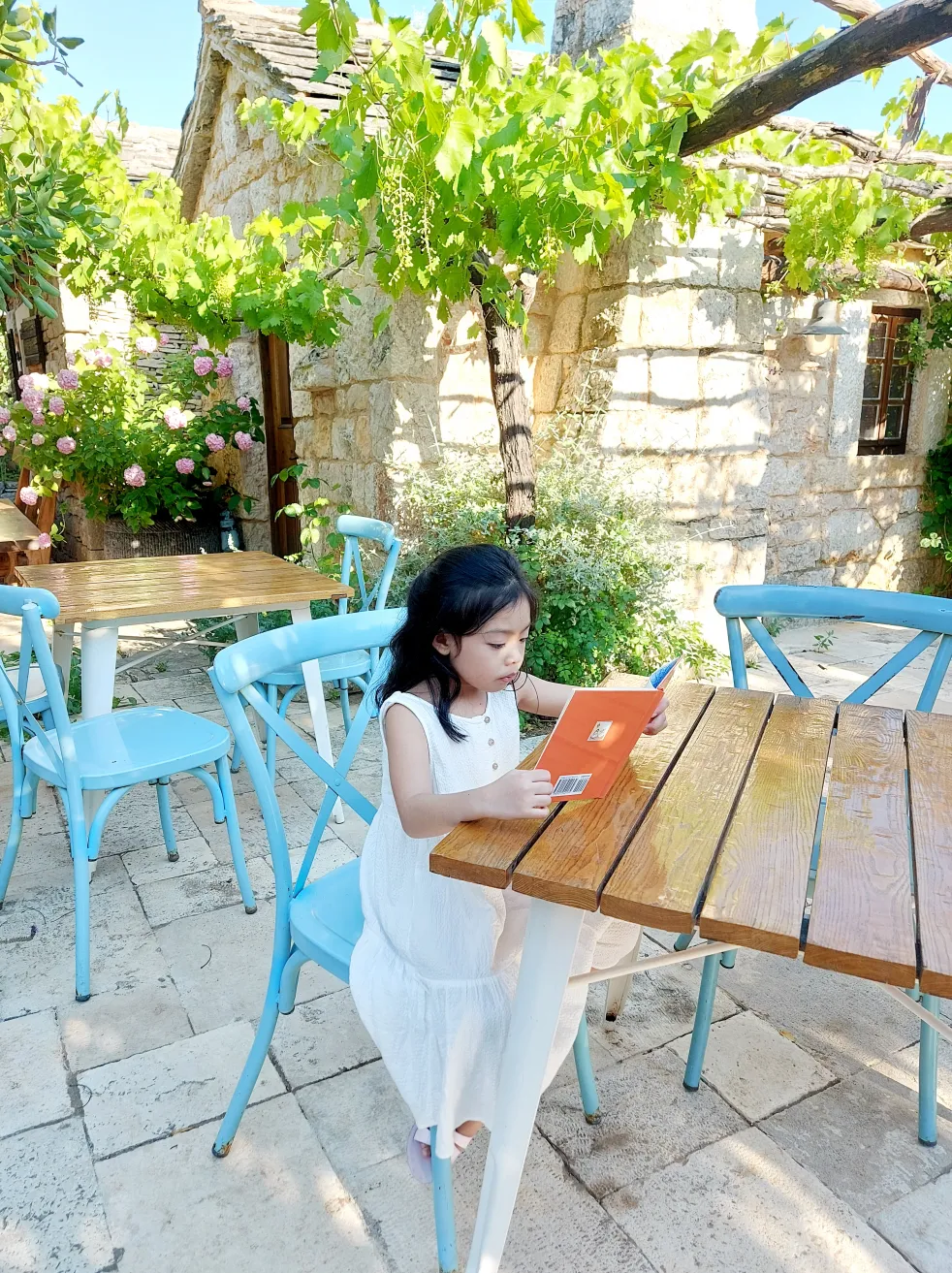
Where your child goes to school is a big decision and shouldn’t be taken lightly. Given how their education can impact their future, you might be tempted to take control and decide for them. However, you might be doing more damage than helping them in the long run. Your job as parents is to support… Continue reading HOW TO CHOOSE THE BEST SCHOOL FOR YOUR CHILD

As poet and philosopher Rumi once eloquently said, “raise your words, not your voice. It is rain that grows flowers, not thunder.” Parenting is a challenging journey, and the truth is that nobody has everything figured out. One parenting style might suit others best, and some might favor other methods. However, children respond better to… Continue reading A SIMPLE GUIDE TO GENTLE PARENTING

Whether you’re a new mom to be, mom of a toddler, mom who have school-aged kids, you’re bound to have so many questions. Let's start with your baby's skin. Infant skin has unique needs; gentle care is essential to prevent damage to the skin barrier, which can lead to irritation. When caring for infant skin,… Continue reading Keeping Baby’s Diapered Skin Healthy
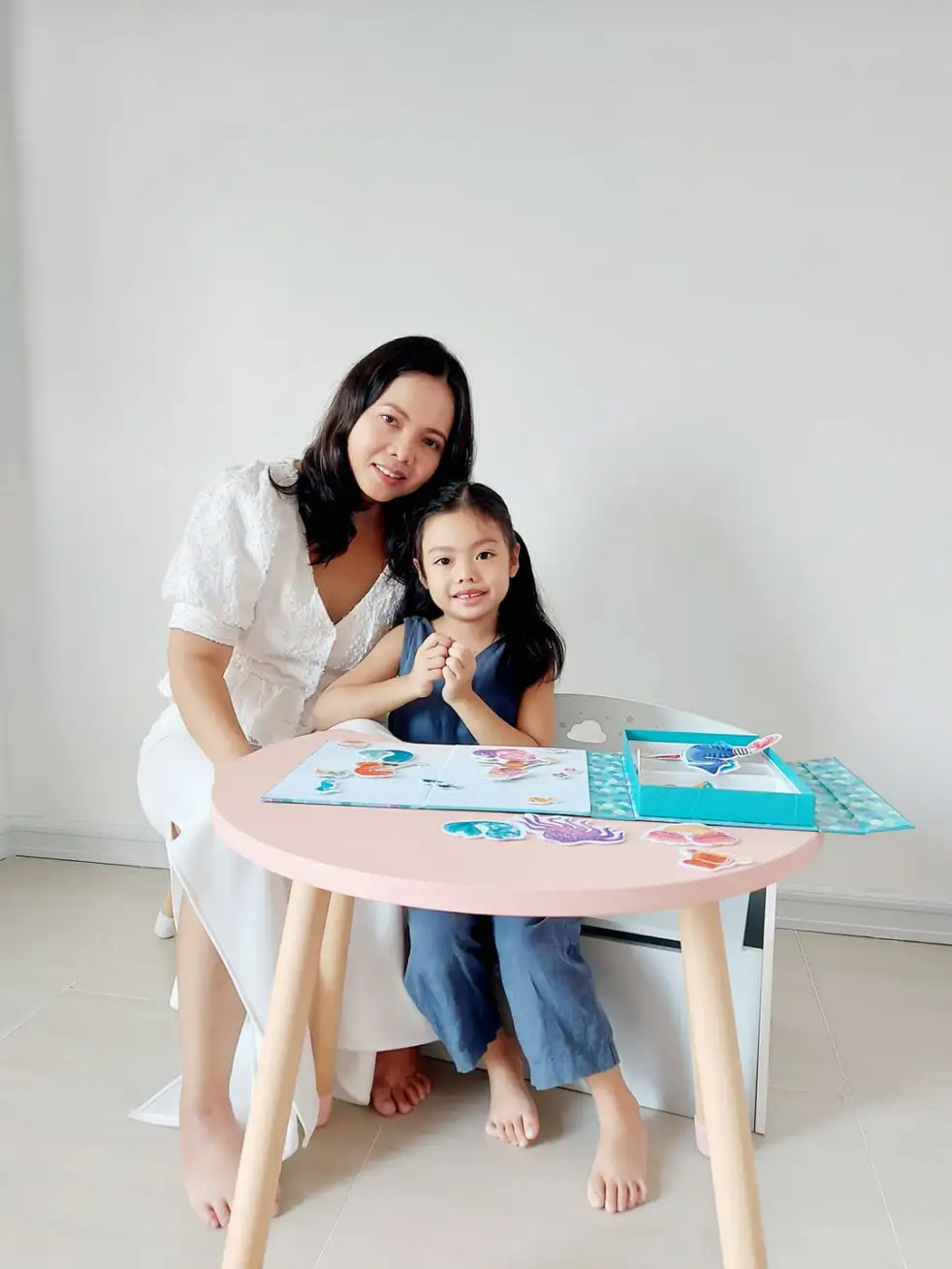
As parents, we want to give our child the best possible start in life and that begins with nurturing their intelligence. Throughout history, the notion of success has been linked to academic intelligence. However, there has been an increased awareness on the importance of emotional intelligence. This question gets at the heart of the never-ending… Continue reading IQ or EQ, which one is a better predictor of your child’s success?
 wondermomma.net