

Last August, IKEA Philippines engaged with Better World Smokey Mountain, a newly opened community center operated by the San Miguel Foundation, which shares a similar goal of improving the lives of many Filipino people. Through this partnership, IKEA Philippines provided and assembled home furnishings for the classrooms and library of Better World Smokey Mountain community… Continue reading Help Create a Better World with IKEA Soft Toys

NutriAsia, the country’s top producer of condiments and sauces, continues its support of Refill Revolution; a project by the Department of Environment and Natural Resources EMB 3 that aims to help reduce Filipinos’ single-use plastics consumption. At Refill Revolution, residents get to recycle their single-use plastic bottles by reusing and filling it with their choice… Continue reading NutriAsia and DENR renews partnership for Refill Revolution

The Gentle Parent’s Guide to Setting Boundaries
Children need limits to feel safe, but the way adults communicate those limits can shape how children respond to themselves and others. Gentle parenting does not mean allowing every behaviour or avoiding difficult moments. It means guiding children with respect while holding clear, age-appropriate boundaries.
A boundary tells a child what is safe, acceptable, or expected. It can protect a toddler from danger, help a school-age child manage responsibilities, or give a teenager room to make choices within a trusted framework. The goal is connection and cooperation rather than fear-based obedience.
In family life, limits often become difficult during rushed mornings, sibling disagreements, screen-time struggles, and public meltdowns. A calm plan makes these moments easier to handle. When parents combine warmth with firmness, children gradually learn self-control, empathy, and responsibility.
Why boundaries matter for children
Boundaries create predictability. When a child knows that bedtime follows a familiar routine or that hitting is stopped every time, the world feels more understandable. Predictable limits are especially helpful for babies and young children who cannot yet manage impulses or explain big emotions.
Clear rules also protect relationships. A child may feel angry when a parent says, “The tablet is going away now,” but the limit prevents repeated arguments and helps the family move forward. Without boundaries, children may test constantly because they are unsure where the limits are.
A boundary is different from punishment. Punishment focuses on making a child suffer for a mistake, while a respectful limit focuses on safety, learning, and repair. If a preschooler throws a toy, a parent can calmly remove the toy and help the child try again instead of shaming or frightening them.
Children do not learn emotional regulation by being expected to regulate perfectly. They learn through repeated experiences with adults who remain steady while feelings run high. A parent’s calm presence becomes a model the child can eventually copy.
What gentle limits look like
A gentle boundary is clear, brief, and realistic. “I won’t let you hit” is easier to understand than “Why are you always being so rough?” The first statement identifies the limit and leaves room to help with the emotion underneath it.
Whenever possible, describe what the child can do instead. Say, “You may stomp your feet on the mat,” or “You can tell your brother, ‘I’m still using that.’” Redirection gives children a practical way to meet their needs without hurting people or damaging property.
The boundary should match the child’s developmental stage. A two-year-old may need an adult to physically block a dangerous action, while an older child can participate in creating a family agreement. Expecting a toddler to remember a complex rule after one reminder is likely to create frustration for everyone.
Gentle parenting is also firm parenting. A soft voice does not make a limit less serious. If a child runs toward a busy road, the parent must act immediately and use direct language. Safety boundaries may require physical intervention, followed by comfort and an age-appropriate explanation.
Connect before you redirect
Connection does not mean agreeing with unsafe or unkind behaviour. It means acknowledging the child’s experience before guiding the next action. “You really wanted to keep playing. It’s hard to stop when you’re having fun” can help a child feel seen while the screen-time limit remains unchanged.
Keep explanations short during a meltdown. A child whose nervous system is overwhelmed may not be able to process a long lecture. Use a few calm words, stay nearby, and return to the lesson later when the child is settled.
Parents can follow a simple pattern: acknowledge the feeling, state the limit, and offer a choice or next step. For example: “You’re angry that we have to leave. I won’t let you kick me. You can hold my hand or I can carry you to the car.”
Choices work best when both options are acceptable to the adult. “Do you want to brush teeth before or after putting on pajamas?” gives a child some control without turning a necessary routine into a negotiation. Offering too many choices can make an already tired child feel more overwhelmed.
Everyday boundary examples
The same principles can be used across common family situations. The wording may change according to age, temperament, language ability, and the needs of the moment.
| Situation | Respectful boundary | Supportive follow-through |
|---|---|---|
| Hitting during play | “I won’t let you hit. Hands are for helping.” | Move close, block the hit, and offer space to calm down. |
| Refusing to leave the playground | “Playtime is finished. You may walk or I can carry you.” | Give one reminder, then calmly follow through. |
| Fighting over a toy | “I won’t let you grab. We will find a fair turn.” | Use a timer, help children exchange the toy, or put it away briefly. |
| Throwing food | “Food stays on the table. If you’re finished, you can say so.” | Remove the plate without shaming and offer the next meal or snack later. |
| Excessive screen use | “The show ends when the timer rings.” | Prepare the child beforehand and guide them to the next activity. |
| Unsafe climbing | “I won’t let you climb there. You can climb on the play structure.” | Physically assist the child away from danger and redirect immediately. |
Follow-through should be related to the behaviour rather than designed to hurt or humiliate. If markers are used on the wall, the child can help clean the surface with adult support. If a toy is being used to hit, it can be put away until the child is ready to use it safely.
Helping children cope with disappointment
A child may cry, shout, or complain after a limit is set. These reactions do not automatically mean the boundary is wrong. Disappointment is a normal part of life, and children need safe opportunities to experience it with a supportive adult nearby.
Stay emotionally available without repeatedly debating the rule. You might say, “You can be upset. I’m staying with you, and the tablet is still finished for today.” Repeating the same calm message prevents the interaction from becoming a long negotiation.
For babies and toddlers, comfort may involve holding, rocking, or moving to a quieter place. Older children may prefer space, water, drawing, or a brief conversation. Ask what kind of support they want only when they have enough calm to answer; during intense distress, simple presence is often more useful.
After the child settles, reconnect rather than bringing up the incident as a permanent character judgment. Talk about what happened, practise the desired behaviour, and invite repair where necessary. “Next time, you can tap my arm and say ‘help’” gives the child a skill for future situations.
Build consistency without becoming rigid
Children benefit when the adults around them share the same essential safety and respect rules. Parents, grandparents, babysitters, and teachers may use different words, but it helps to agree that hitting is stopped, private information is respected, and adults will not use physical punishment or insults.
Consistency does not require identical reactions every day. A parent may have more patience after rest than during a stressful morning. The aim is to return to the family’s core values, repair when a response goes poorly, and avoid changing a limit simply because a child protests loudly.
Consider the child’s environment before assuming defiance. Hunger, poor sleep, illness, sensory overload, transitions, and too many demands can make ordinary boundaries harder to follow. Adjusting the schedule, giving advance warnings, or reducing stimulation may solve a recurring conflict more effectively than adding consequences.
Families in the Philippines may also balance different expectations among relatives or in multigenerational homes. A respectful conversation can clarify which rules are non-negotiable, especially around safety, bodily autonomy, and discipline. Children are more secure when adults avoid correcting one another harshly in front of them.
Practical habits for calmer parenting
Small routines make boundary-setting easier because parents do not have to invent a response during every challenging moment. Use visual reminders for young children, timers for transitions, and simple family phrases that everyone understands.
Helpful habits include:
- Give advance notice before ending a preferred activity, such as saying, “Five more minutes, then bath.”
- Use short statements and repeat the limit calmly instead of adding louder explanations.
- Get down to the child’s level and use a steady, warm tone whenever safety allows.
- Notice cooperation specifically: “You were disappointed, and you still handed me the tablet.”
- Repair after losing patience by apologising, naming what happened, and restating the boundary.
Parents also need boundaries for themselves. It is acceptable to say, “I need a minute to calm my body, and I will come back to help.” If the child is safe, taking a brief pause can prevent shouting. If the child is unsafe, stay close, reduce stimulation, and seek another trusted adult when available.
Keep practising with connection
No parent responds perfectly in every difficult moment. Gentle boundary-setting is a skill developed through repetition, reflection, and repair. A limit can be restated tomorrow, a routine can be adjusted, and a relationship can be strengthened after a hard day.
Choose one recurring challenge, such as bedtime or sibling conflict, and create a short plan with one clear boundary, one acceptable choice, and one calming strategy. Share the plan with the adults who care for your child so the response feels familiar across the week.
With patience and steady follow-through, children learn that limits are not a withdrawal of love. They are part of a safe relationship where feelings are welcome, behaviour can be guided, and everyone deserves respect. Use these principles in your next challenging moment and let each calm, consistent response become practice for the whole family.

Mercato Centrale, in collaboration with Indian Women in Enterprise Philippines (I-We), is set to host "The Great Indian Fiesta" to mark 75 years of friendship between India and the Philippines. The dynamic two-day event is scheduled to take place on September 30 to October 1, 2023, at Paseo De Roxas Street, Makati City. Aiming to… Continue reading Mercato Centrale Partners with I-We to Host ‘The Great Indian Fiesta’, Commemorating 75 Years of India-Philippines Friendship

My stomach would usually start growling at 10 am even after taking a big breakfast. This is probably because I am a morning person and I move a lot throughout the day hence snacking is something that I can't avoid. This potatoes and chicken wrap recipe is easy to prepare and would keep me full… Continue reading Potato and Chicken Wrap
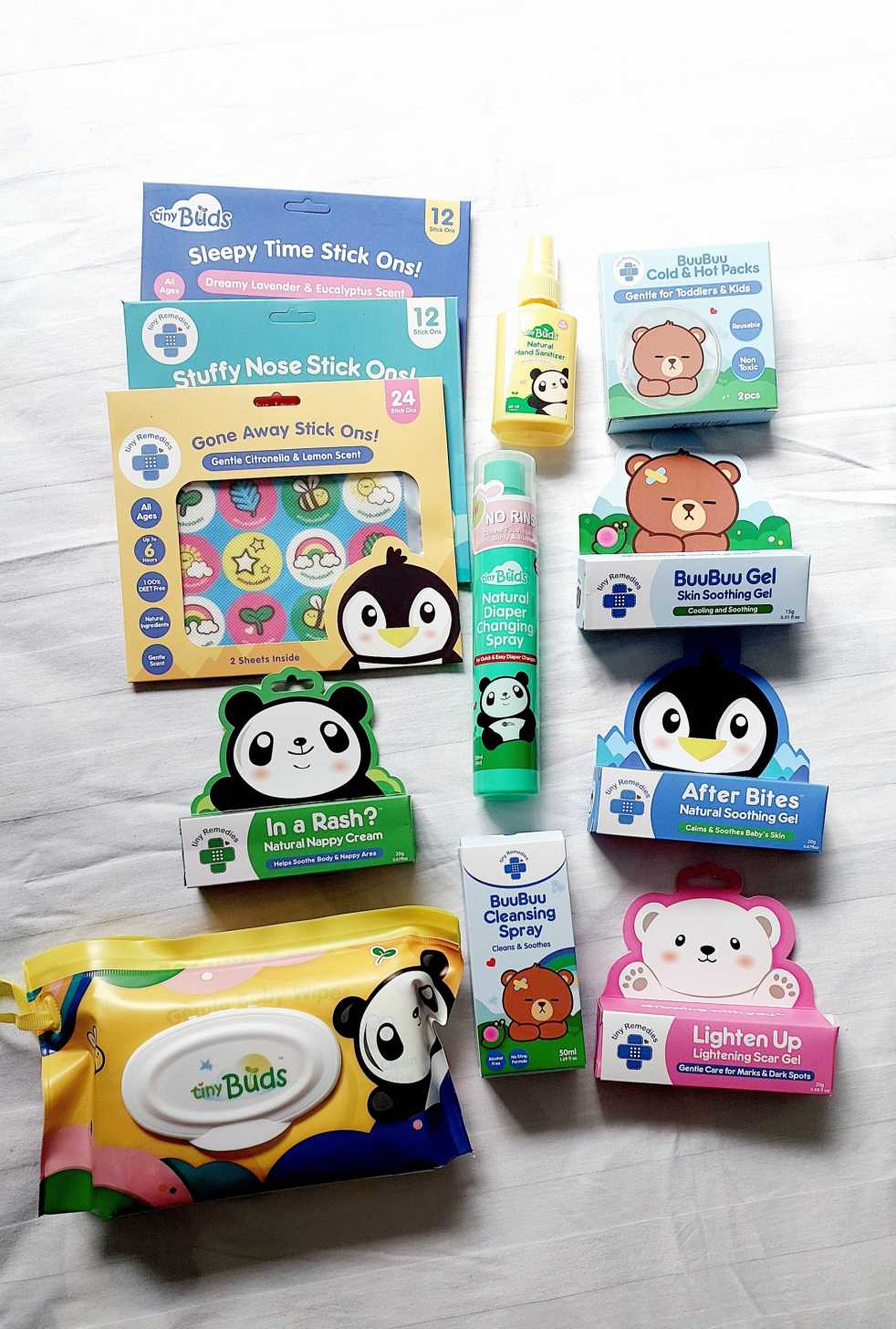
Your baby’s skin is more delicate than most, this is why you have to choose products that are designed for sensitive skin. Tiny Buds is a pioneer in integrating natural ingredients into baby care and today has over 50 innovative natural baby care essentials and is one of the Top Baby Personal Care brands. Here… Continue reading Product Review: Tiny Buds Baby Naturals Baby Essentials
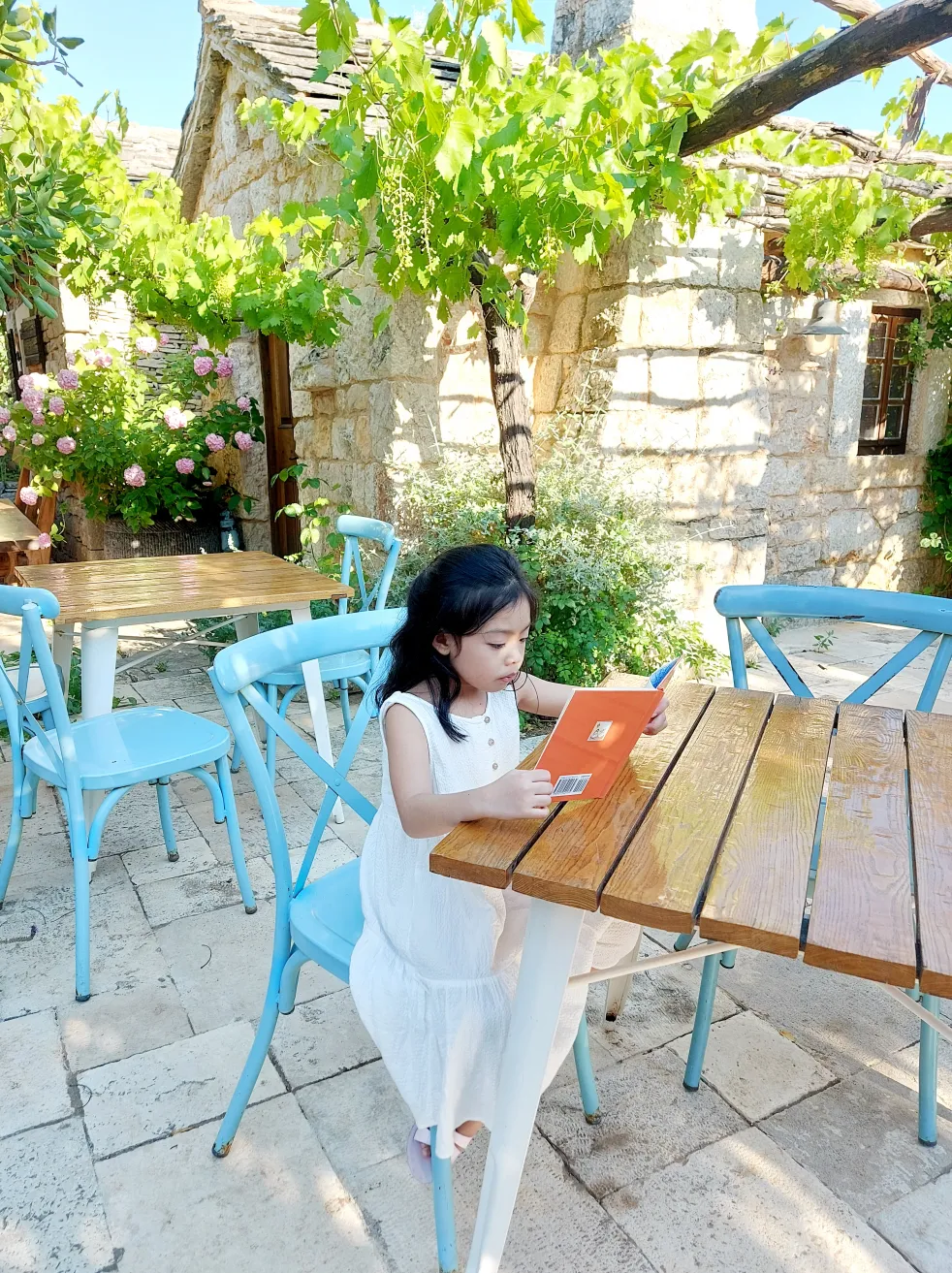
Where your child goes to school is a big decision and shouldn’t be taken lightly. Given how their education can impact their future, you might be tempted to take control and decide for them. However, you might be doing more damage than helping them in the long run. Your job as parents is to support… Continue reading HOW TO CHOOSE THE BEST SCHOOL FOR YOUR CHILD

As poet and philosopher Rumi once eloquently said, “raise your words, not your voice. It is rain that grows flowers, not thunder.” Parenting is a challenging journey, and the truth is that nobody has everything figured out. One parenting style might suit others best, and some might favor other methods. However, children respond better to… Continue reading A SIMPLE GUIDE TO GENTLE PARENTING

Whether you’re a new mom to be, mom of a toddler, mom who have school-aged kids, you’re bound to have so many questions. Let's start with your baby's skin. Infant skin has unique needs; gentle care is essential to prevent damage to the skin barrier, which can lead to irritation. When caring for infant skin,… Continue reading Keeping Baby’s Diapered Skin Healthy
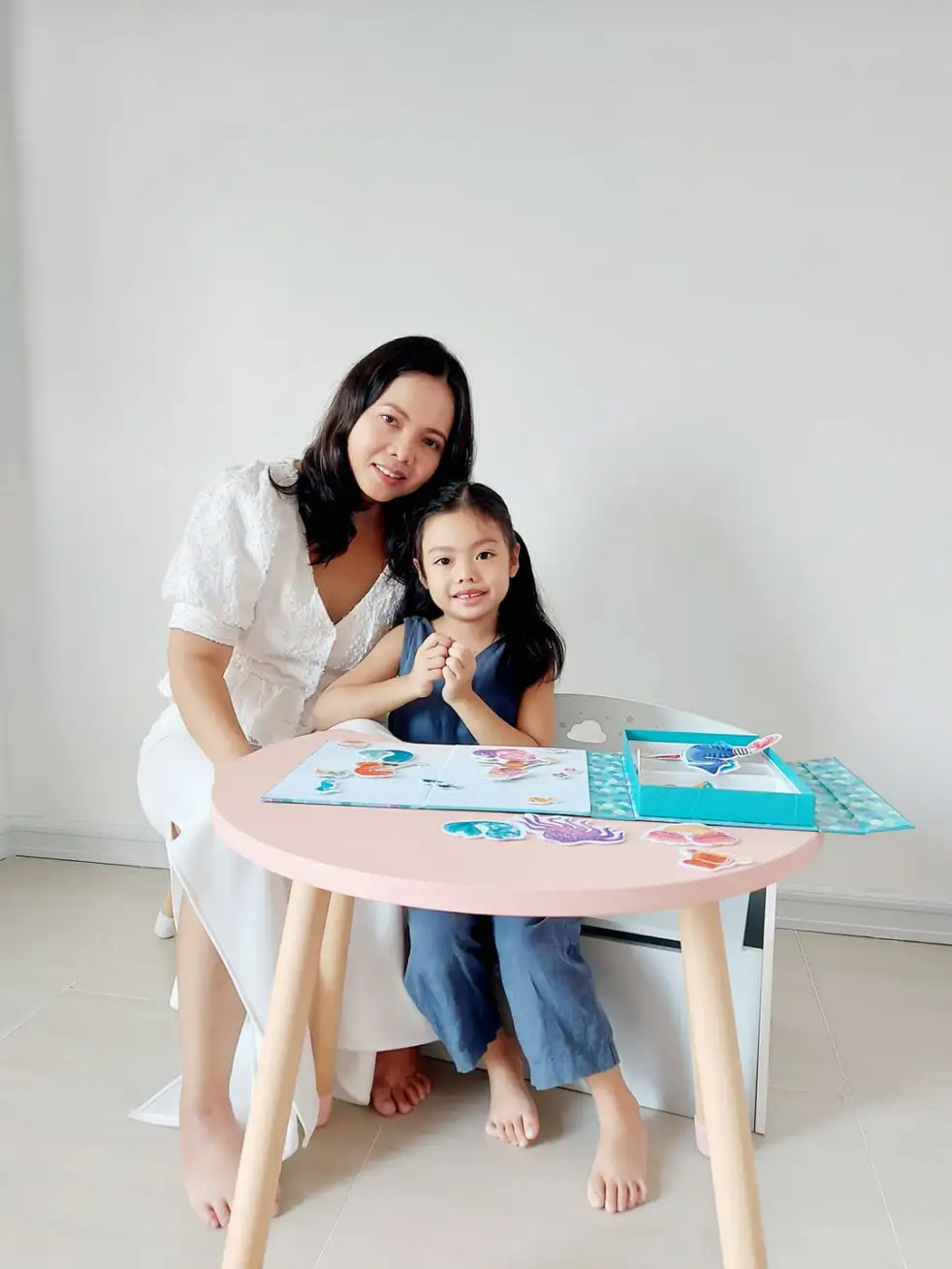
As parents, we want to give our child the best possible start in life and that begins with nurturing their intelligence. Throughout history, the notion of success has been linked to academic intelligence. However, there has been an increased awareness on the importance of emotional intelligence. This question gets at the heart of the never-ending… Continue reading IQ or EQ, which one is a better predictor of your child’s success?
 wondermomma.net