

Last August, IKEA Philippines engaged with Better World Smokey Mountain, a newly opened community center operated by the San Miguel Foundation, which shares a similar goal of improving the lives of many Filipino people. Through this partnership, IKEA Philippines provided and assembled home furnishings for the classrooms and library of Better World Smokey Mountain community… Continue reading Help Create a Better World with IKEA Soft Toys
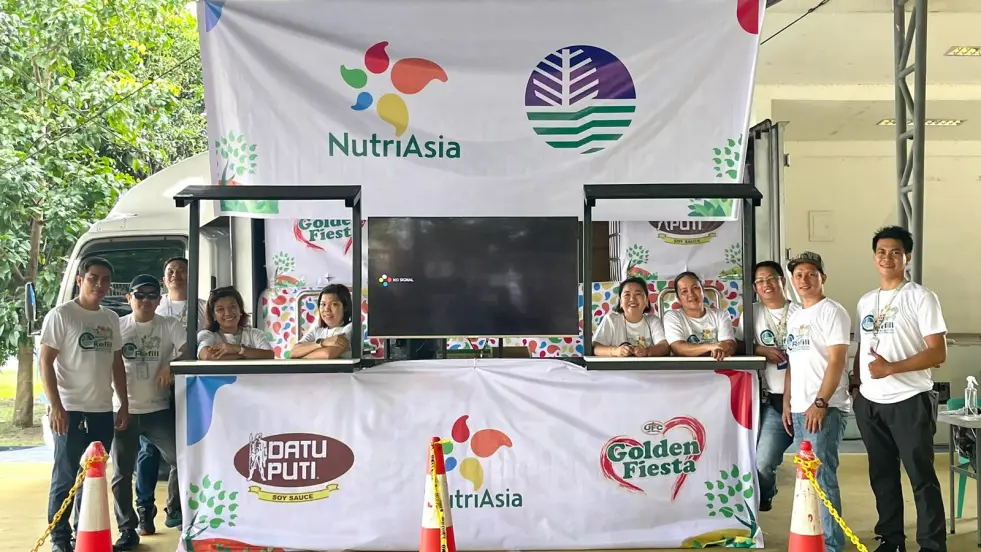
NutriAsia, the country’s top producer of condiments and sauces, continues its support of Refill Revolution; a project by the Department of Environment and Natural Resources EMB 3 that aims to help reduce Filipinos’ single-use plastics consumption. At Refill Revolution, residents get to recycle their single-use plastic bottles by reusing and filling it with their choice… Continue reading NutriAsia and DENR renews partnership for Refill Revolution

The essential first aid kit every mom needs at home
Small accidents are part of family life. A scraped knee after outdoor play, a minor burn from the kitchen, or a sudden fever can happen within seconds. Having basic supplies in one familiar place helps parents respond calmly while deciding whether professional care is needed.
A home first aid kit is not meant to replace a doctor, clinic, or emergency department. Its purpose is to provide immediate, sensible care for everyday injuries and illnesses until a child can be assessed. The best kit is clean, easy to reach, suited to your children’s ages, and checked regularly.
Families in the Philippines may also need to prepare for power interruptions, heavy rain, flooding, and travel between home and school. A thoughtfully packed kit can support safer caregiving during ordinary days and unexpected situations.
Choose a safe and practical storage container
A sturdy, waterproof container with a secure lid is a good starting point. A bright label such as “First Aid” allows every adult in the home to find it quickly. A small toolbox, clear case, or divided storage box works well, provided it is easy to clean and large enough to prevent supplies from being crushed.
Keep the main kit in a cool, dry place away from direct sunlight. Avoid placing medicines in a hot car, near a stove, or in a humid bathroom, since heat and moisture can affect their quality. Store the kit where adults can reach it immediately, but keep medicines, antiseptics, scissors, and other hazardous items locked or well out of children’s reach.
Consider having a compact backup pouch for the diaper bag or car. It can contain plasters, hand sanitizer, gauze, wipes, and disposable gloves, while the larger home kit holds the remaining supplies. This prevents the family kit from being emptied during a quick trip outside.
Stock wound care and protective supplies
Minor cuts and scrapes are among the most common reasons to open a home first aid box. Include adhesive bandages in different sizes, sterile gauze pads, medical tape, and a roll of stretchable or triangular bandage material. Non-stick dressings are useful for covering larger grazes without sticking to the healing skin.
Disposable nitrile gloves protect both the caregiver and the child when there is blood or bodily fluid. Add sterile saline or clean bottled water for rinsing dirt from a wound, along with mild soap for washing the surrounding skin. Alcohol-based hand sanitizer is useful when soap and water are unavailable, but it should not be poured into open wounds.
Rounded-tip scissors, tweezers, a digital thermometer, and a cold pack are practical additions. Tweezers can help remove a visible splinter, while a cold pack wrapped in cloth may ease swelling after a bump. Never apply ice directly to a child’s skin, and do not use tweezers to dig deeply into a wound.
Add supplies for burns, fever, and everyday illness
For a small household burn, cool running water is the most important first response. The kit can include sterile, non-fluffy dressings or clean plastic wrap for temporary coverage after cooling. Avoid butter, toothpaste, oils, powders, and ice, which may worsen tissue damage or delay proper treatment.
A digital thermometer is more reliable than judging fever by touch. Record the temperature, time, and any other symptoms so you can give a healthcare professional useful information. Oral rehydration solution can be helpful during vomiting or diarrhea, but follow the package directions and seek medical advice when a child cannot keep fluids down or shows signs of dehydration.
Medicines require special care. Keep only products appropriate for the ages and health needs of your family, and retain the original packaging with instructions. Children’s paracetamol or another fever medicine may be suitable for some children, but the correct dose depends on the child’s weight and the product concentration. Use the supplied measuring syringe or cup rather than a kitchen spoon. Ask a pediatrician or pharmacist before giving medicine to an infant, combining products, or treating a child with a chronic condition.
| Supply | Useful for | Safe-use reminder |
|---|---|---|
| Adhesive bandages and sterile gauze | Small cuts, scrapes, and light bleeding | Replace wet or dirty dressings and check the wound daily |
| Digital thermometer | Checking fever accurately | Clean it according to the manufacturer’s instructions |
| Nitrile gloves | Protecting the caregiver during wound care | Use a fresh pair for each situation |
| Saline or clean water | Rinsing dirt from minor wounds or eyes | Do not use homemade saline for prolonged storage |
| Cold pack and clean cloth | Bumps, bruises, and swelling | Wrap the pack; never place it directly on skin |
| Oral rehydration solution | Fluid replacement during some illnesses | Mix and use it exactly as directed on the packet |
| Medical tape and triangular bandage | Securing dressings or supporting an injury | Do not wrap tightly enough to restrict circulation |
| Scissors and tweezers | Cutting tape or removing a visible splinter | Store securely and clean after use |
| Emergency contacts and health information | Getting help quickly | Include allergies, medications, and important conditions |
Prepare for babies and young children
Babies need a more cautious approach because their skin, airways, and bodies are still developing. Include a bulb syringe or nasal aspirator if your healthcare provider recommends one, but use it gently and follow the product instructions. A soft cloth, disposable changing pad, and barrier cream may also be useful for everyday care, although creams should be kept separate from sterile wound supplies.
Do not give aspirin to children unless a qualified healthcare professional specifically instructs you to do so. Avoid cough and cold products for young children unless a doctor or pharmacist recommends a particular medicine. Essential oils, herbal preparations, and adult medicines should not be treated as automatically safe because they are “natural” or already available at home.
Keep small objects such as safety pins, loose thermometer parts, and medication syringes away from babies. A first aid box should support safe care, never create a choking or poisoning risk. If a child may have swallowed medicine, a cleaning product, or another potentially toxic substance, contact emergency services or a poison information service immediately rather than waiting for symptoms.
Know what needs urgent medical attention
First aid is appropriate for minor problems, but certain signs require immediate professional help. Call the local emergency number, 911 in the Philippines, for severe breathing difficulty, unconsciousness, seizure, heavy bleeding that will not stop with firm pressure, or a serious injury. If possible, put the phone on speaker while beginning basic first aid and follow the dispatcher’s instructions.
Seek prompt medical care for deep or gaping wounds, animal or human bites, burns on the face or genitals, electrical or chemical burns, suspected broken bones, head injuries, or an object embedded in the eye. A child who is unusually drowsy, confused, difficult to wake, or repeatedly vomiting after an injury should be assessed urgently.
For bleeding, apply steady pressure with clean gauze or cloth. For choking, use age-appropriate first aid techniques and call for emergency help. Parents and caregivers benefit from a certified first aid and CPR course, since reading instructions cannot fully replace hands-on practice. Save emergency contacts in every caregiver’s phone and post them in a visible household location.
Keep the kit ready throughout the year
A first aid kit is useful only when its supplies are present, clean, and safe to use. Check it every few months and after any illness, injury, outing, or family gathering. Replace expired medicines, opened sterile items, used bandages, leaking bottles, damaged packaging, and batteries if you keep a flashlight nearby.
Keep a simple inventory on the inside of the lid. Note each child’s current weight, allergies, regular medicines, doctor’s contact details, and health conditions, while protecting private information from casual visitors. Update medicine doses as children grow, since a dose that was correct last year may no longer be appropriate.
Include a flashlight, spare batteries, masks, a whistle, bottled water, and copies of essential documents if your family prepares for storms or evacuation. Waterproof pouches are especially valuable during flooding or transport. Review the kit with grandparents, babysitters, and other regular caregivers so they know where it is and what to do first.
A simple restocking checklist
- Check expiry dates and replace medicines according to package guidance.
- Refill bandages, gauze, gloves, saline, and oral rehydration supplies after use.
- Update children’s weights, allergies, emergency contacts, and medication instructions.
- Inspect the container for moisture, broken seals, leaks, or damaged tools.
- Practice calling for help and review basic first aid with every regular caregiver.
Set aside a few minutes this week to gather your supplies, label the container, and place emergency numbers beside it. A well-prepared home kit supports calm decisions when children need quick attention, while a first aid course and timely medical advice provide the deeper protection every family deserves.

Mercato Centrale, in collaboration with Indian Women in Enterprise Philippines (I-We), is set to host "The Great Indian Fiesta" to mark 75 years of friendship between India and the Philippines. The dynamic two-day event is scheduled to take place on September 30 to October 1, 2023, at Paseo De Roxas Street, Makati City. Aiming to… Continue reading Mercato Centrale Partners with I-We to Host ‘The Great Indian Fiesta’, Commemorating 75 Years of India-Philippines Friendship

My stomach would usually start growling at 10 am even after taking a big breakfast. This is probably because I am a morning person and I move a lot throughout the day hence snacking is something that I can't avoid. This potatoes and chicken wrap recipe is easy to prepare and would keep me full… Continue reading Potato and Chicken Wrap
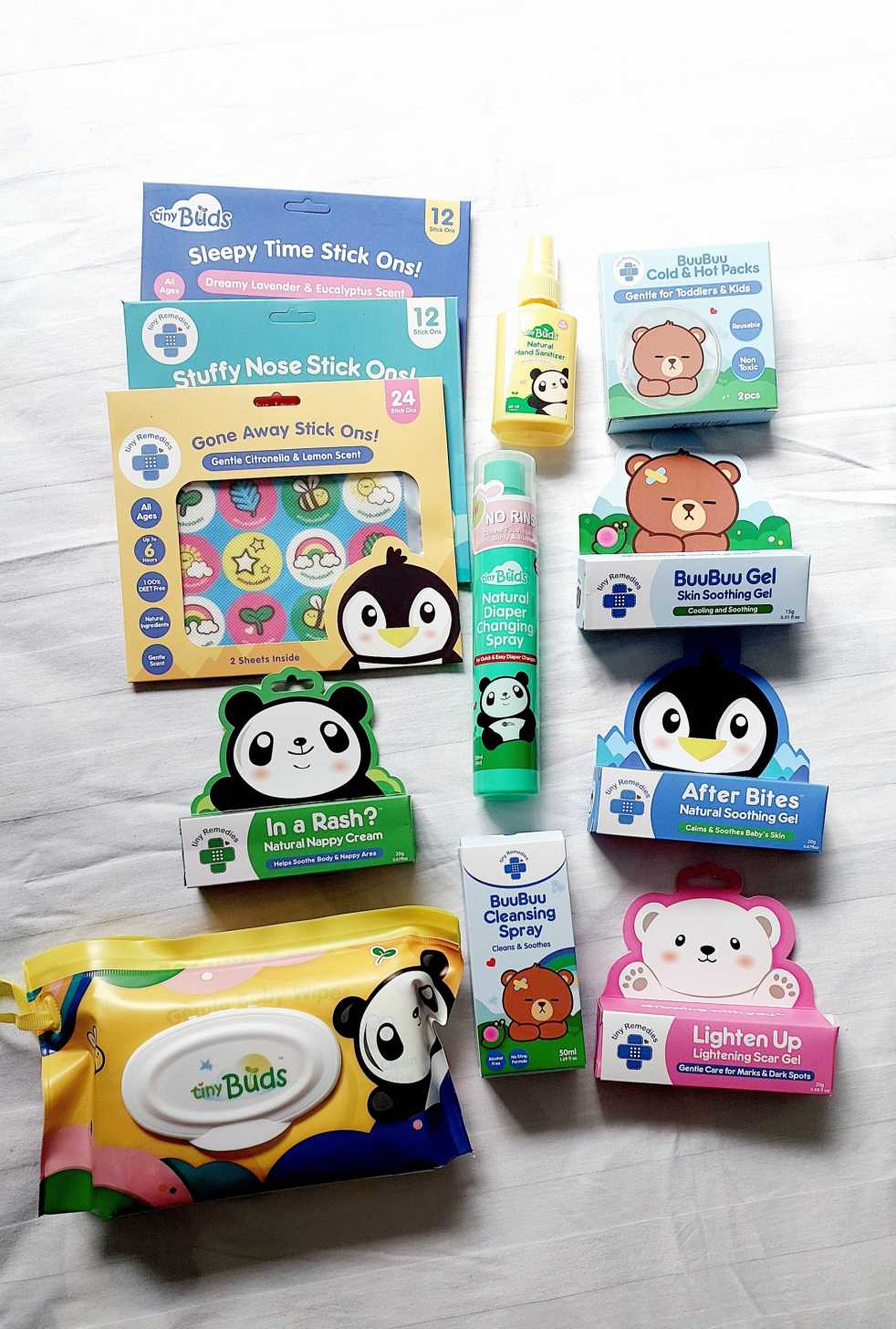
Your baby’s skin is more delicate than most, this is why you have to choose products that are designed for sensitive skin. Tiny Buds is a pioneer in integrating natural ingredients into baby care and today has over 50 innovative natural baby care essentials and is one of the Top Baby Personal Care brands. Here… Continue reading Product Review: Tiny Buds Baby Naturals Baby Essentials
Where your child goes to school is a big decision and shouldn’t be taken lightly. Given how their education can impact their future, you might be tempted to take control and decide for them. However, you might be doing more damage than helping them in the long run. Your job as parents is to support… Continue reading HOW TO CHOOSE THE BEST SCHOOL FOR YOUR CHILD

As poet and philosopher Rumi once eloquently said, “raise your words, not your voice. It is rain that grows flowers, not thunder.” Parenting is a challenging journey, and the truth is that nobody has everything figured out. One parenting style might suit others best, and some might favor other methods. However, children respond better to… Continue reading A SIMPLE GUIDE TO GENTLE PARENTING

Whether you’re a new mom to be, mom of a toddler, mom who have school-aged kids, you’re bound to have so many questions. Let's start with your baby's skin. Infant skin has unique needs; gentle care is essential to prevent damage to the skin barrier, which can lead to irritation. When caring for infant skin,… Continue reading Keeping Baby’s Diapered Skin Healthy
As parents, we want to give our child the best possible start in life and that begins with nurturing their intelligence. Throughout history, the notion of success has been linked to academic intelligence. However, there has been an increased awareness on the importance of emotional intelligence. This question gets at the heart of the never-ending… Continue reading IQ or EQ, which one is a better predictor of your child’s success?
 wondermomma.net