

Last August, IKEA Philippines engaged with Better World Smokey Mountain, a newly opened community center operated by the San Miguel Foundation, which shares a similar goal of improving the lives of many Filipino people. Through this partnership, IKEA Philippines provided and assembled home furnishings for the classrooms and library of Better World Smokey Mountain community… Continue reading Help Create a Better World with IKEA Soft Toys

NutriAsia, the country’s top producer of condiments and sauces, continues its support of Refill Revolution; a project by the Department of Environment and Natural Resources EMB 3 that aims to help reduce Filipinos’ single-use plastics consumption. At Refill Revolution, residents get to recycle their single-use plastic bottles by reusing and filling it with their choice… Continue reading NutriAsia and DENR renews partnership for Refill Revolution
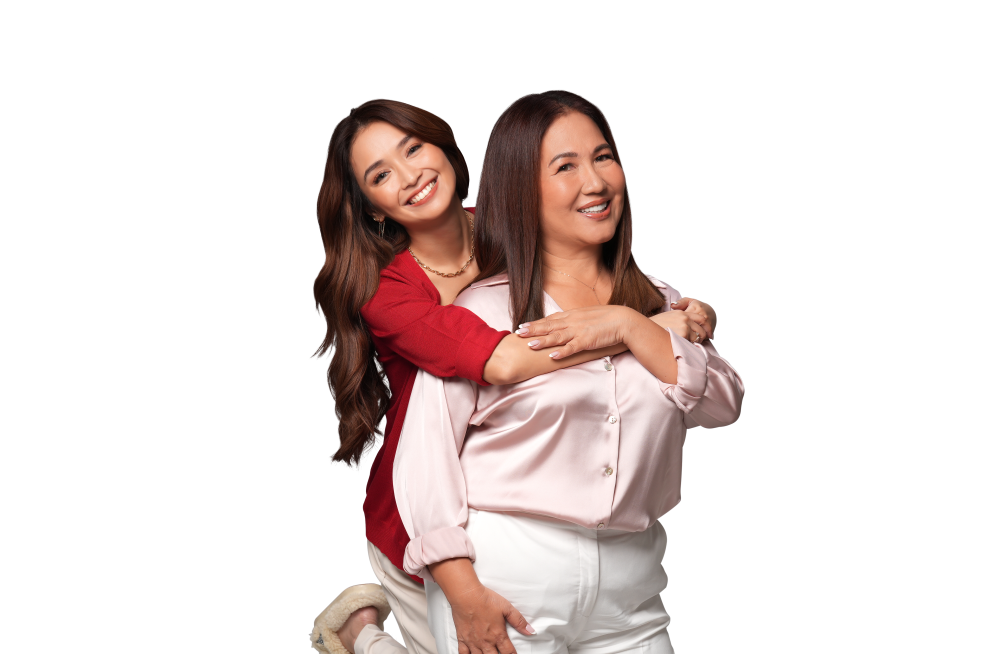
The Essential Checklist for a Baby’s First Flight
A baby’s first flight can feel like a major milestone for the whole family. A little planning helps parents manage airport routines, feeding times, diaper changes, sleep, and the unexpected moments that come with travelling alongside an infant.
Whether you are taking a short domestic flight from Manila to Cebu or preparing for an international family holiday, the goal is not to create a perfect travel experience. It is to make the journey safe, comfortable, and flexible enough for your baby’s changing needs.
Airline rules, airport facilities, and baggage allowances vary, so check the latest requirements before leaving home. A calm preparation routine also gives parents more confidence when the day becomes busy.
Check Airline And Travel Requirements
Start by reviewing the airline’s infant policy. Some carriers allow babies to travel from a specific age, while others may require a medical clearance for very young infants or babies with particular health concerns. Confirm whether your baby will travel on an adult’s lap or needs a separate ticket and approved child restraint.
For international journeys, check passport, visa, and immigration requirements for every destination. A baby generally needs their own passport, even when travelling with both parents. Families may also need a birth certificate, parental consent document, or other proof of relationship, particularly when only one parent is travelling.
Ask about stroller and car seat rules before arriving at the airport. Many airlines allow a stroller to be checked at the counter or gate, but size and weight limits differ. If you are travelling within the Philippines, confirm the carrier’s current identification requirements for infants and the documents accepted at check-in.
Book A Practical Travel Setup
When choosing a flight, consider your baby’s usual sleeping and feeding rhythm. A departure near nap time may work well for some families, while others prefer a flight when their baby is naturally alert and easier to entertain. A direct route is often simpler than a cheaper itinerary with a tight connection.
Request a bassinet if the airline offers one, but treat it as a possibility rather than a guarantee. Bassinets are usually limited, may have weight or size restrictions, and are often assigned only after specific booking or check-in procedures. Your baby will still need to be held during take-off, landing, and periods of turbulence.
A seat near the front can provide easier access to the galley or lavatory, but families should check whether those seats have restrictions for infant equipment. An aisle seat may make diaper changes and movement more convenient, while a window seat can offer a quieter space for feeding. Choose the arrangement that suits your baby’s routine and your available support.
Prepare Documents And Health Essentials
Keep all travel documents together in a small, accessible pouch. Include identification, passports if required, tickets, health records, emergency contact details, and copies of prescriptions. Digital copies stored securely on a phone can be useful, but do not rely on them as the only record.
Arrange a routine health check if your baby was born prematurely, has a respiratory condition, or has recently been unwell. A doctor or paediatrician can advise whether air travel is suitable and explain how to manage prescribed medication. Never place essential medicine in checked luggage.
Pack familiar health and hygiene items rather than building an oversized medical kit. Include a digital thermometer, prescribed medication, saline drops if already recommended for your baby, hand sanitiser for adults, and a few basic first-aid supplies. Follow airport rules for liquids and declare medically necessary items when required.
Pack The Cabin Bag Around Real Needs
The best baby travel bag is organised for quick access. Use separate pouches for feeding, changing, clothing, and comfort items so you do not need to empty the entire bag while seated on the aircraft. Pack more nappies, wipes, and milk than you expect to use because delays and long boarding periods can extend the journey.
For breastfed babies, a nursing cover is optional, while a breast pump and storage containers may be useful for some families. If using formula, carry the required powder or ready-to-feed portions and ask the airline about water and preparation rules. Breast milk and infant food are often subject to different screening procedures from ordinary liquids, so check the departure airport’s guidance.
Bring two or three changes of baby clothes, plus a spare top for the accompanying adult. A lightweight blanket, burp cloths, bibs, a pacifier if your baby uses one, and a familiar comforter can support feeding and settling. Avoid packing too many toys; a few quiet, washable items are usually enough.
| Item | Why It Helps | Packing Tip |
|---|---|---|
| Nappies and wipes | Covers changes during check-in, boarding, flight time, and delays | Pack extra supplies in the cabin bag |
| Change of clothes | Handles spills, spit-up, and messy nappies | Use a sealed pouch for quick access |
| Feeding supplies | Supports breast milk, formula, or age-appropriate food routines | Check airport and airline liquid rules |
| Baby carrier | Keeps hands free and helps during queues | Confirm whether it must be removed at security |
| Health documents | Provides essential information if care is needed | Keep originals and secure copies together |
| Comfort item | Helps with unfamiliar surroundings and settling | Choose one small, familiar object |
| Approved car seat | Offers a secure option when the airline and seat allow it | Confirm certification and installation rules |
Make Airport Time Easier
Arrive early enough to complete check-in, baggage drop, security screening, and boarding without rushing. Babies can turn a short task into a longer one, especially when they need a feed or diaper change. Early arrival also gives you time to locate the family restroom, nursing room, water refill point, and boarding gate.
A baby carrier can be more convenient than a stroller in crowded terminals, but keep your stroller available if your baby sleeps well in it. At security, staff may ask you to remove the baby from the carrier or fold the stroller for inspection. Follow airport instructions and leave extra time for this process.
Use the pre-boarding period thoughtfully. Boarding first gives families more time to settle, but it can also mean spending longer inside the aircraft before take-off. If your baby becomes restless while waiting, ask the gate team whether your family can board near the end of the family boarding window.
Manage Feeding And Ear Pressure
Babies may become unsettled during ascent and descent because changes in cabin pressure can affect their ears. Feeding, breastfeeding, bottle-feeding, or offering a pacifier during these stages encourages swallowing and may help with comfort. Try to begin before discomfort becomes intense, while following your baby’s normal feeding cues.
Do not force a feed if your baby is asleep or has just eaten. Holding your baby upright, offering a pacifier, or using gentle soothing may be enough. Yawning and swallowing can also occur naturally. If your baby has a cold, ear infection, or breathing difficulty, seek medical advice before flying.
Cabin air can feel dry, so offer feeds as usual and watch for your baby’s normal signs of hunger and wet nappies. For babies who have started solid foods, bring familiar, age-appropriate options rather than introducing new food during the journey. Keep feeding equipment clean and use safe water and preparation practices.
Keep Your Baby Comfortable In The Cabin
Dress your baby in soft layers that are easy to remove during diaper changes. Aircraft temperatures can vary, and a zip-up layer or light blanket is more practical than bulky clothing. Avoid loose items that could interfere with a properly fitted restraint if your baby is travelling in an approved car seat.
Use the changing table in the aircraft lavatory for diaper changes and keep one hand on your baby at all times. A portable changing mat provides a clean surface, while disposable bags help contain used nappies and clothing. Ask cabin crew where to dispose of waste rather than leaving it in the seat pocket.
Quiet comfort is usually more effective than constant entertainment. Walking the aisle when permitted, gently rocking your baby, singing softly, or offering a familiar toy may help. Other passengers may notice normal infant sounds, but parents can still be considerate by keeping items organised and responding promptly to their baby’s needs.
Pack With Safety And Flexibility In Mind
A baby carrier, stroller, or car seat should never replace careful attention to airline safety instructions. During take-off, landing, and turbulence, hold your baby exactly as directed by the crew unless the infant is secured in an approved restraint installed according to airline policy. An adult seat belt should not be fastened around both an adult and a lap infant.
Simple Packing Priorities
- Keep passports, tickets, medicines, and health documents in an immediately accessible pouch.
- Pack extra nappies, wipes, milk or feeding supplies, and clothing for delays.
- Place comfort items and a small toy where they can be reached without opening every compartment.
- Use labelled pouches for changing, feeding, and clothing supplies.
- Leave space for items collected during the journey, such as used clothes or airport purchases.
Flexibility matters as much as the packing list. Your baby may sleep through boarding, refuse a feed, or need more soothing than usual. Take each stage in order: documents, security, feeding, settling, and safe arrival. Once you reach your destination, allow time for a diaper change, feeding, and a quiet reset before beginning the next activity.
With the right preparation, a first flight becomes a manageable family experience rather than a test of perfect behaviour. Review your airline’s current rules, organise the cabin bag around your baby’s routine, and make safety the priority from the airport entrance to the final landing. Save this checklist for your next family trip and share it with the adults travelling with you so everyone can help.

Mercato Centrale, in collaboration with Indian Women in Enterprise Philippines (I-We), is set to host "The Great Indian Fiesta" to mark 75 years of friendship between India and the Philippines. The dynamic two-day event is scheduled to take place on September 30 to October 1, 2023, at Paseo De Roxas Street, Makati City. Aiming to… Continue reading Mercato Centrale Partners with I-We to Host ‘The Great Indian Fiesta’, Commemorating 75 Years of India-Philippines Friendship

My stomach would usually start growling at 10 am even after taking a big breakfast. This is probably because I am a morning person and I move a lot throughout the day hence snacking is something that I can't avoid. This potatoes and chicken wrap recipe is easy to prepare and would keep me full… Continue reading Potato and Chicken Wrap
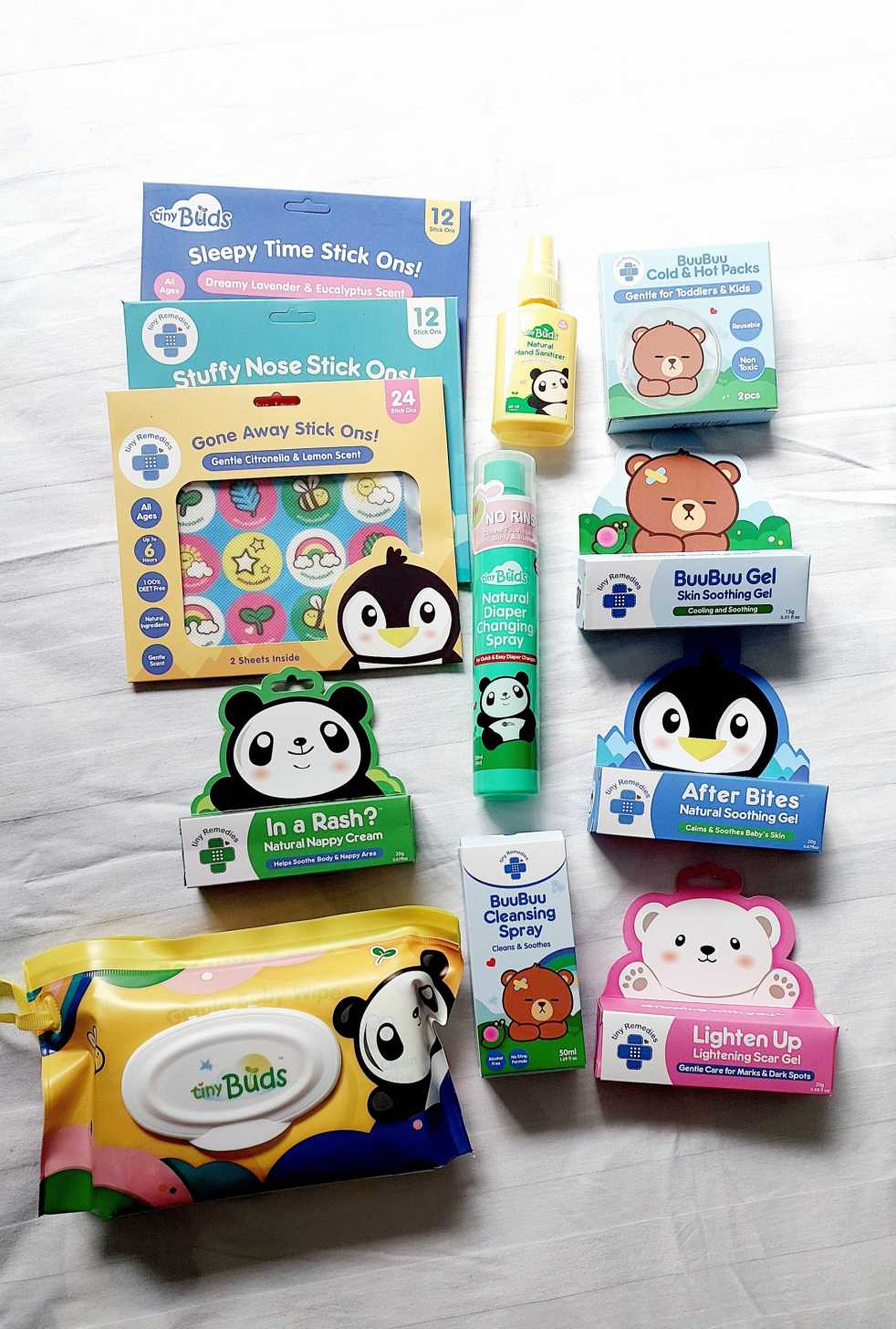
Your baby’s skin is more delicate than most, this is why you have to choose products that are designed for sensitive skin. Tiny Buds is a pioneer in integrating natural ingredients into baby care and today has over 50 innovative natural baby care essentials and is one of the Top Baby Personal Care brands. Here… Continue reading Product Review: Tiny Buds Baby Naturals Baby Essentials
Where your child goes to school is a big decision and shouldn’t be taken lightly. Given how their education can impact their future, you might be tempted to take control and decide for them. However, you might be doing more damage than helping them in the long run. Your job as parents is to support… Continue reading HOW TO CHOOSE THE BEST SCHOOL FOR YOUR CHILD
As poet and philosopher Rumi once eloquently said, “raise your words, not your voice. It is rain that grows flowers, not thunder.” Parenting is a challenging journey, and the truth is that nobody has everything figured out. One parenting style might suit others best, and some might favor other methods. However, children respond better to… Continue reading A SIMPLE GUIDE TO GENTLE PARENTING
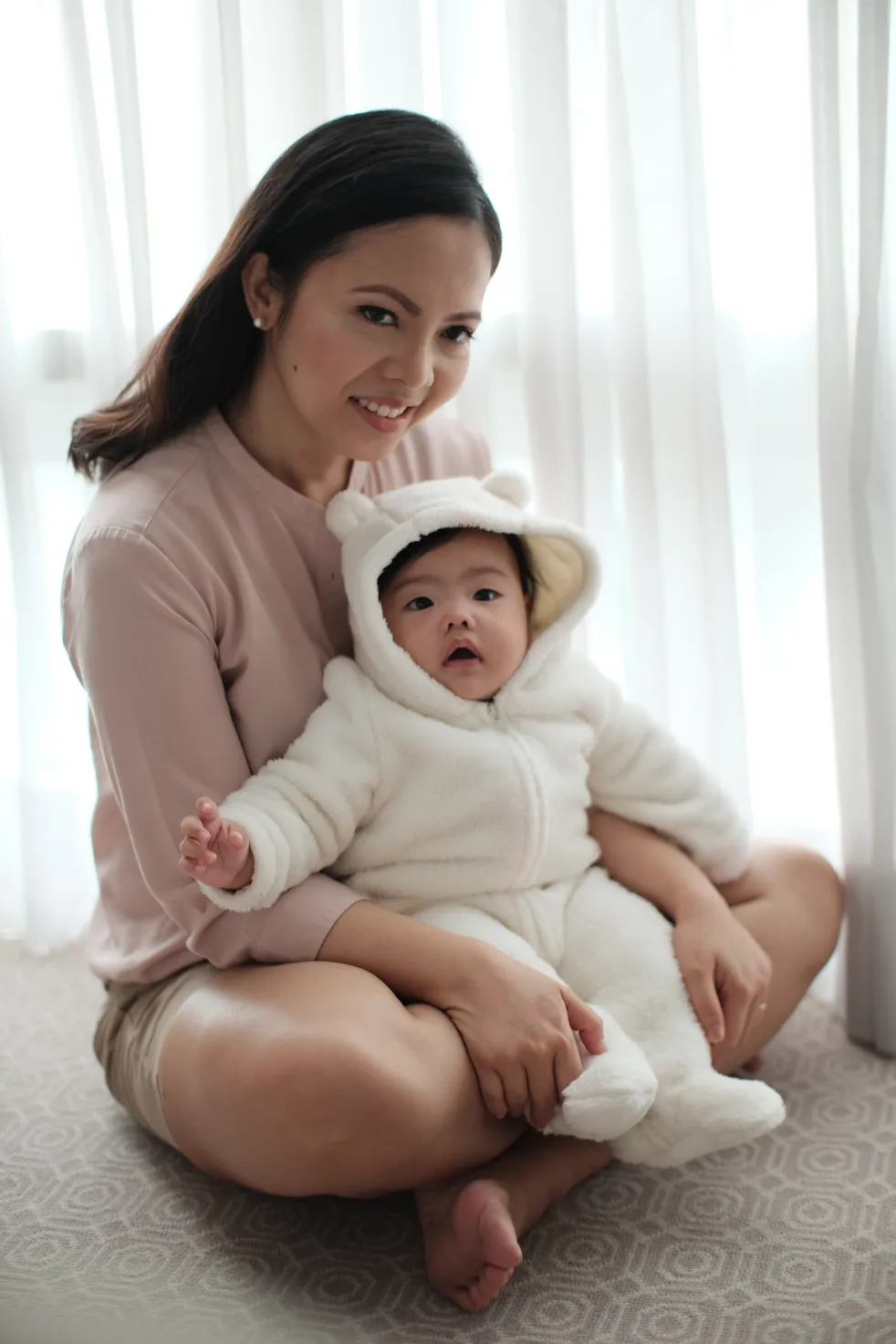
Whether you’re a new mom to be, mom of a toddler, mom who have school-aged kids, you’re bound to have so many questions. Let's start with your baby's skin. Infant skin has unique needs; gentle care is essential to prevent damage to the skin barrier, which can lead to irritation. When caring for infant skin,… Continue reading Keeping Baby’s Diapered Skin Healthy
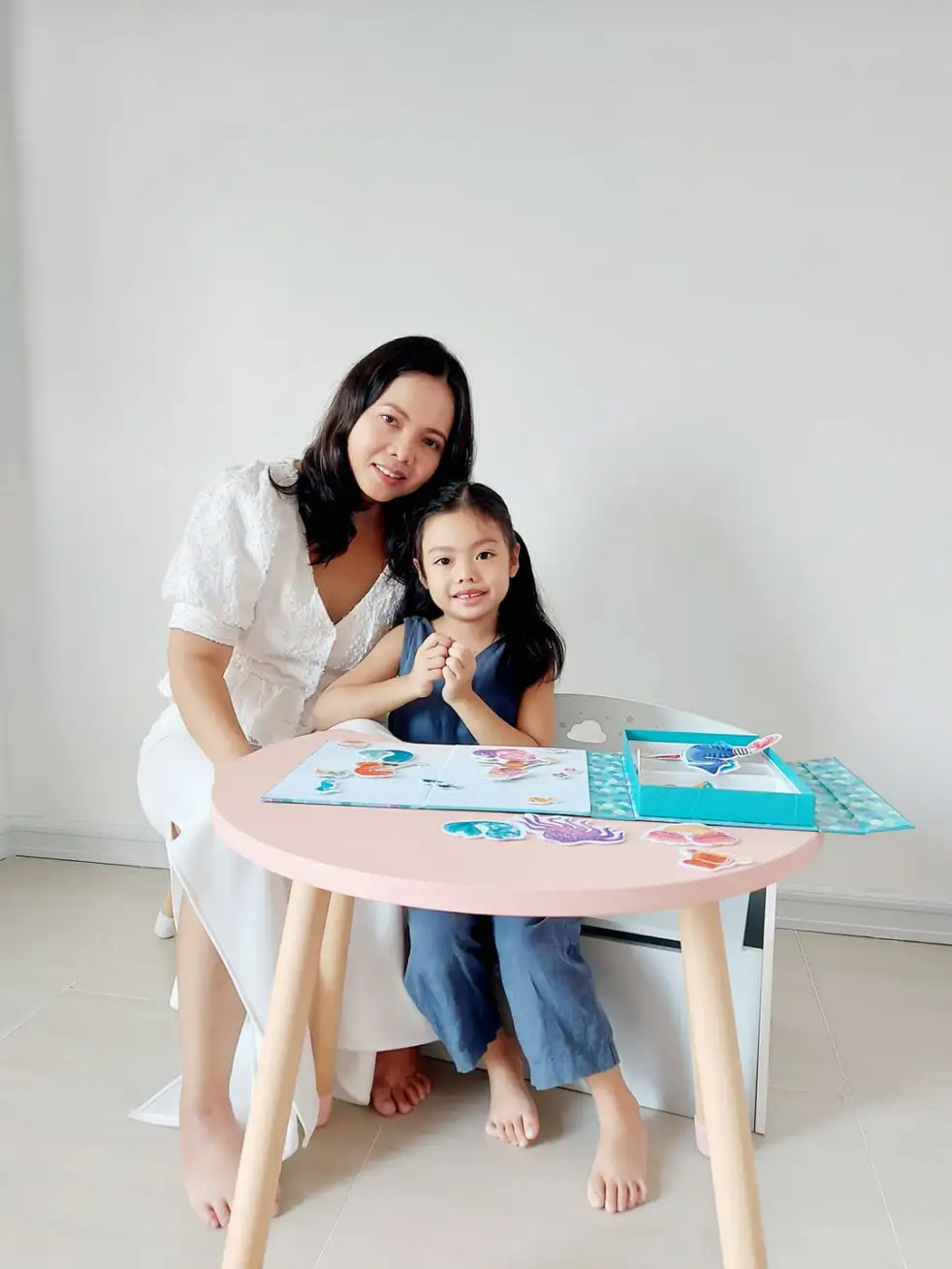
As parents, we want to give our child the best possible start in life and that begins with nurturing their intelligence. Throughout history, the notion of success has been linked to academic intelligence. However, there has been an increased awareness on the importance of emotional intelligence. This question gets at the heart of the never-ending… Continue reading IQ or EQ, which one is a better predictor of your child’s success?
 wondermomma.net