

Last August, IKEA Philippines engaged with Better World Smokey Mountain, a newly opened community center operated by the San Miguel Foundation, which shares a similar goal of improving the lives of many Filipino people. Through this partnership, IKEA Philippines provided and assembled home furnishings for the classrooms and library of Better World Smokey Mountain community… Continue reading Help Create a Better World with IKEA Soft Toys

NutriAsia, the country’s top producer of condiments and sauces, continues its support of Refill Revolution; a project by the Department of Environment and Natural Resources EMB 3 that aims to help reduce Filipinos’ single-use plastics consumption. At Refill Revolution, residents get to recycle their single-use plastic bottles by reusing and filling it with their choice… Continue reading NutriAsia and DENR renews partnership for Refill Revolution

The dos and don'ts of co-sleeping safely for Australian families
Co-sleeping is an umbrella term for babies sleeping near a caregiver. It can mean room-sharing in a separate cot or bed-sharing on the same mattress. Those arrangements are not equally safe. Australian safe-sleep guidance favours room-sharing without bed-sharing because it supports feeding and settling while keeping pillows, duvets, gaps and other hazards away from the baby's sleep space.
Families rarely meet sleep arrangements in a vacuum. A night feeding after a long day, a small bedroom, a partner working nights or a sudden change of caregiver can alter the risks and choices. Safe co-sleeping depends on the baby's age and development, the firmness and position of the sleep surface, and whether every adult follows the same practices.
| Sleep arrangement | Relative risk | What to do |
|---|---|---|
| Separate cot in the same room | Lowest risk | Place baby on back in an empty cot with a firm, flat mattress |
| Shared adult bed | Higher risk | Avoid where possible and consider all risk factors |
| Sofa, armchair or recliner | Highest risk | Never use for naps or overnight sleep |
| Travel cot or bassinet | Suitable when correctly used | Follow the same sleep rules |
| Car seat, reclined pram or rocker | Poor choice for routine sleep | Use a firm, flat, approved surface instead |
Understanding the safer sleep options
Room-sharing gives families the strongest balance of proximity and protection. The baby sleeps on a separate, firm, flat surface in the same room, while an adult remains available for feeds and settling. Safe Sleep Australia recommends room-sharing without bed-sharing, particularly for the first six months and ideally for as long as practical. A cot close to the parental bed can make night-time care easier without bringing adult bedding into reach.
Bed-sharing increases the risk of suffocation, entrapment and sudden infant death syndrome. Vulnerability is greatest for babies under four months, premature infants and those with low birth weight, and risk rises when a caregiver smokes or has used alcohol, drugs or sedating medication. A sofa, armchair, beanbag or recliner must never be used for sleep, even briefly. A baby held against a sleeping adult or left under a blanket on a couch remains in a hazardous position.
Preparing a room-share that works
Use a cot with a firm, flat mattress and a snugly fitted sheet. Keep the sleep space empty: no pillows, loose blankets, doonas, bumpers, toys or weighted sleep products. Dress the baby in light sleepwear rather than covering them with bedding, and place them on their back for every sleep. A clean, dry mattress that fits the cot securely prevents gaps where the head could become trapped.
Position the cot away from blind cords, heaters, doors and busy walkways. For many households in Sydney, Melbourne and Brisbane, limited apartment space makes a bassinet or compact cot useful for room-sharing; sharing the room is safer than placing the cot on a soft sofa or an adult mattress. Australian summers make lightweight clothing and a comfortably cool room important. Keep electrical cords out of reach, position the cot away from air-conditioning vents and avoid directing cool air straight at the baby.
Choosing safe sleep products
Products sold in Australia must meet the applicable safety requirements, and cots and mattresses are governed by mandatory standards. Under the Australian Consumer Law, retailers and suppliers remain responsible for unsafe goods, so checking labels and compliance information is essential. Confirm the mattress is designed for the cot, fits without gaps and is firm enough not to indent when pressed. Inspect second-hand equipment for loose screws, sharp edges, broken slats or a damaged base, as damage may be hidden beneath clean bedding.
Imported cots and online marketplaces give Australian parents plenty of choice, but branding alone is not proof of compliance. Parents assembling a portable sleep setup can browse the design options at Trisha B Designs, then check the specific item's safety information before use. For travel, assemble the cot in full, lock every rail and use only its intended firm mattress. After a journey, check the base and joints again, because pressure during transport can loosen fittings.
Handling feeds, swaddles and drowsiness
Feeding is one of the most common reasons to fall asleep with a baby, so make that transition deliberate. A feeding pillow can support the baby and caregiver while both remain awake, but it is not a sleep surface. If you begin to doze during a feed, pause and place the baby in their cot before settling down. Never breastfeed or bottle-feed with the baby on a sofa, and do not fall asleep while holding them in a chair, recliner or bed.
Swaddling may settle some babies, but the technique and timing matter. Wrap securely enough to hold the arms in, with the hips able to bend and the chest free to move; stop swaddling as soon as the baby shows signs of rolling. Do not use weighted swaddles, weighted sleep bags or weighted blankets. If a pacifier is used, offer it for sleep without attaching it to the baby's clothing. A sleeping baby should be moved out of a sling, carrier or feeding pillow and placed in a separate firm sleep surface.
Minimising risk if babies share a bed
If a family chooses bed-sharing, they should understand that there is no risk-free version. Bed-sharing should be avoided when either caregiver smokes, has consumed alcohol or drugs, is excessively sedated or cannot reliably wake. It is also advised against when the baby is under four months, premature or has a low birth weight. In these circumstances, a separate cot or bassinet in the same room is the safer response, even if it is inconvenient for a night.
If sharing does occur, reduce avoidable hazards. Use a firm mattress with a snug fitted sheet, place the baby on their back away from the edge and any gaps, and keep pillows, thick quilts, cushions, bed rails and loose bedding away from the sleep area. Do not heat the bed with an electric blanket or hot water bottle. Babies must never sleep on a sofa beside a caregiver, since adult movement and soft upholstery create a far greater suffocation risk. If the adult becomes too tired to respond, move the baby to the cot and the adult to a separate bed.
Managing travel, shift work and shared care
Travel adds heat, unfamiliar beds and disrupted routines. An approved rear-facing car restraint is designed for travel, not routine sleep, and babies should not be left asleep in a car seat overnight. Use a travel cot or a firm, flat bassinet with the same safe-sleep rules. In a hotel, request a cot away from gaps, cords and doors. When camping, use a stable, level surface inside the tent rather than a padded mattress in a vehicle or a soft sleeping mat that can allow the baby to sink in.
Rostered work is common in Australian health care, hospitality, transport and trades, so one parent may handle late feeds while another sleeps. Fatigue can make it tempting to bring the baby into the bed; a prepared cot in the room is the better option. Relatives, grandparents, babysitters and au pairs also need the same instructions: baby on the back, own sleep surface, no soft bedding and no sofa sleep. Keep a written routine by the cot and handover details in a phone or note so a change of caregiver does not alter the safety rules.
Making the plan consistent and adaptable
Agree on the sleep plan before the first night home, including where the baby's cot will stand, who will place them there and what happens when the usual caregiver is unavailable. A short plan for feeding, settling and waking a sleepy adult is more useful than a long list of rules. If the parents' bed is the only available surface for part of the night, the baby should still be transferred to the cot for sleep rather than being left on an adult mattress.
Public maternity hospitals and maternal and child health services in NSW, Victoria, Queensland and other jurisdictions provide safe-sleep guidance during the birth visit and early childhood checks. Families can ask for help checking the cot, sleep position and any concerns about feeding or settling. Review the arrangement when the baby starts rolling, changes position, grows or begins staying in a room with different furniture. A monitor may provide reassurance, but it cannot remove the risks of an unsafe sleep surface. Consistent messages across every caregiver provide the strongest protection for the baby.

Mercato Centrale, in collaboration with Indian Women in Enterprise Philippines (I-We), is set to host "The Great Indian Fiesta" to mark 75 years of friendship between India and the Philippines. The dynamic two-day event is scheduled to take place on September 30 to October 1, 2023, at Paseo De Roxas Street, Makati City. Aiming to… Continue reading Mercato Centrale Partners with I-We to Host ‘The Great Indian Fiesta’, Commemorating 75 Years of India-Philippines Friendship

My stomach would usually start growling at 10 am even after taking a big breakfast. This is probably because I am a morning person and I move a lot throughout the day hence snacking is something that I can't avoid. This potatoes and chicken wrap recipe is easy to prepare and would keep me full… Continue reading Potato and Chicken Wrap
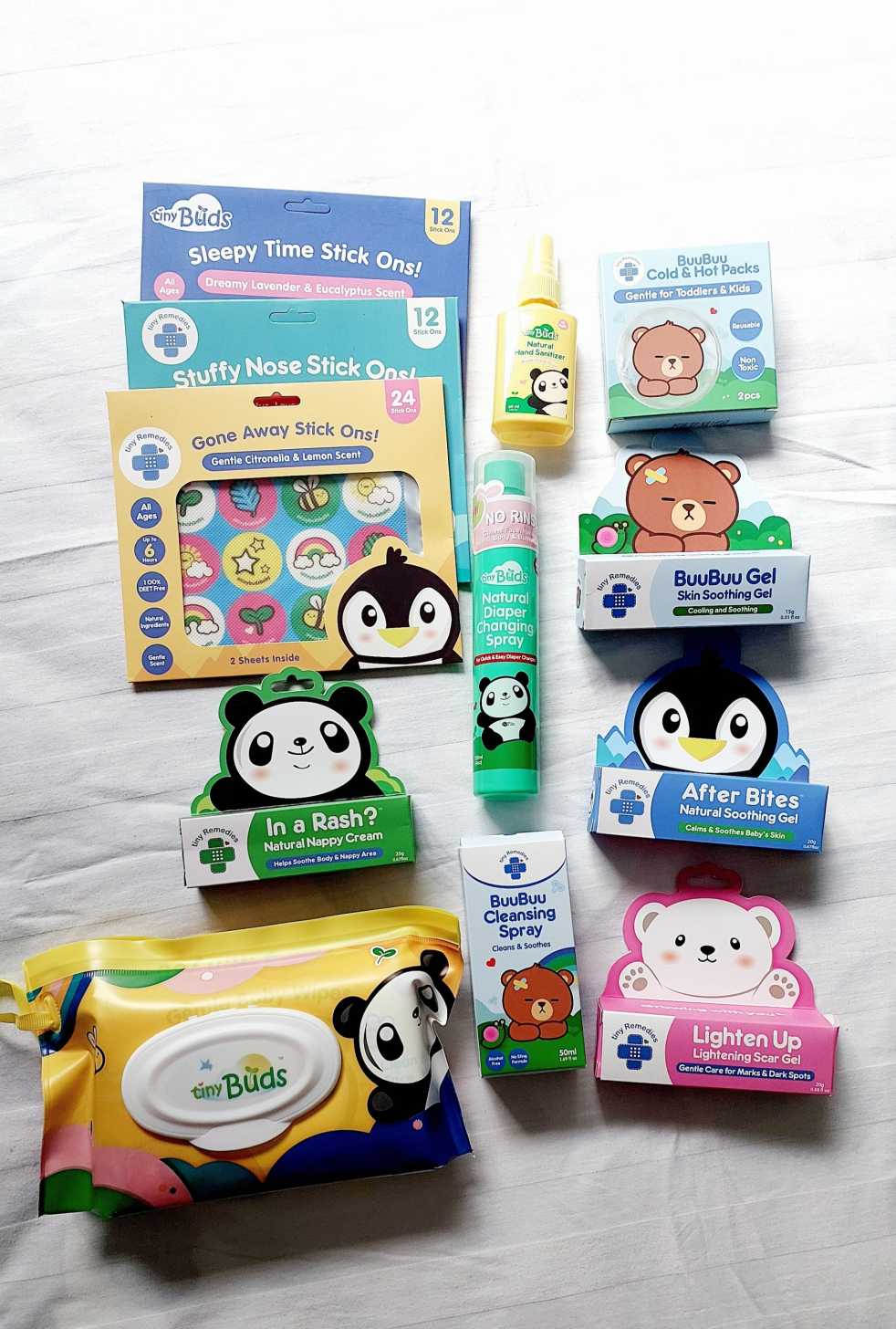
Your baby’s skin is more delicate than most, this is why you have to choose products that are designed for sensitive skin. Tiny Buds is a pioneer in integrating natural ingredients into baby care and today has over 50 innovative natural baby care essentials and is one of the Top Baby Personal Care brands. Here… Continue reading Product Review: Tiny Buds Baby Naturals Baby Essentials
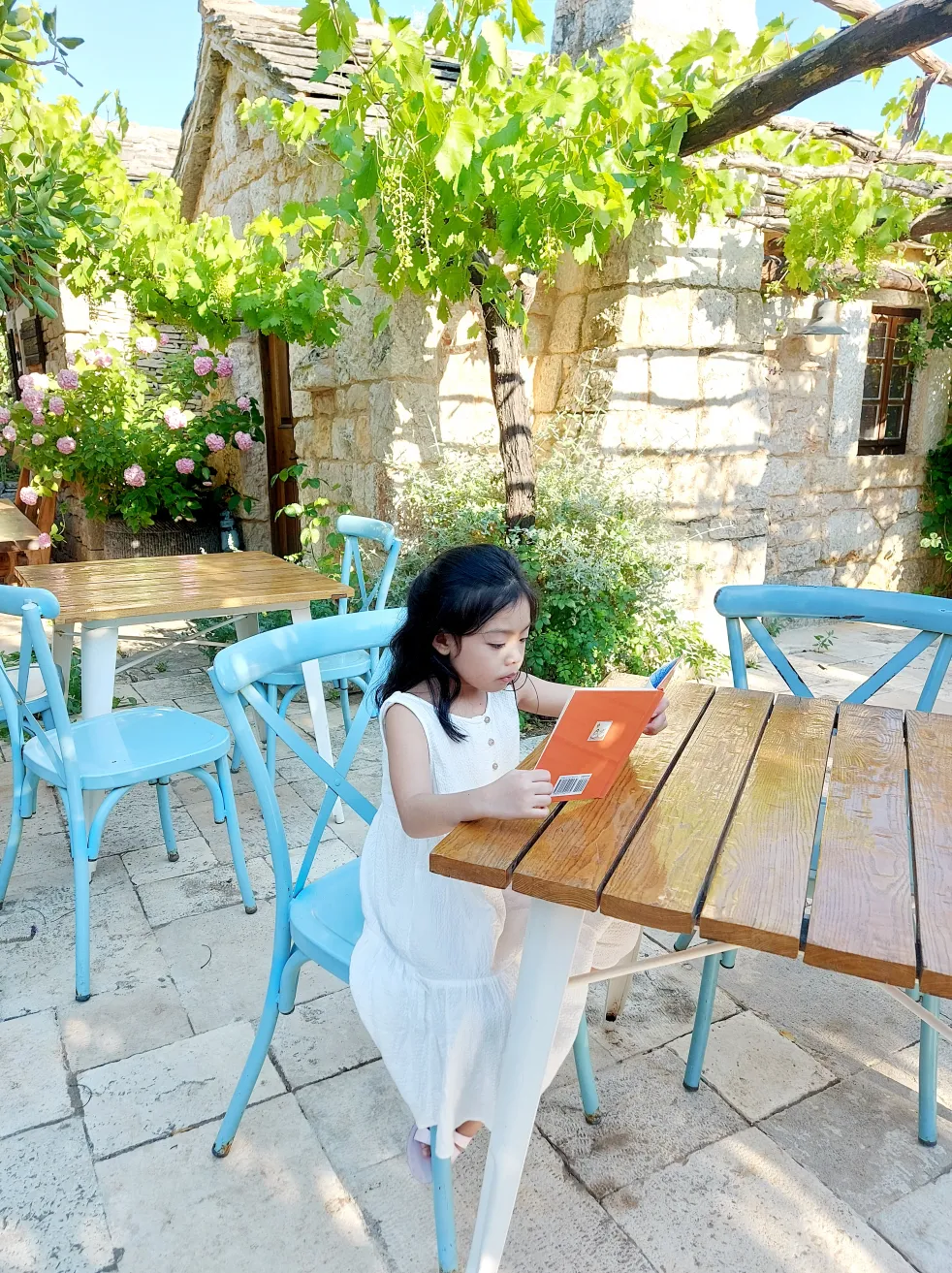
Where your child goes to school is a big decision and shouldn’t be taken lightly. Given how their education can impact their future, you might be tempted to take control and decide for them. However, you might be doing more damage than helping them in the long run. Your job as parents is to support… Continue reading HOW TO CHOOSE THE BEST SCHOOL FOR YOUR CHILD

As poet and philosopher Rumi once eloquently said, “raise your words, not your voice. It is rain that grows flowers, not thunder.” Parenting is a challenging journey, and the truth is that nobody has everything figured out. One parenting style might suit others best, and some might favor other methods. However, children respond better to… Continue reading A SIMPLE GUIDE TO GENTLE PARENTING

Whether you’re a new mom to be, mom of a toddler, mom who have school-aged kids, you’re bound to have so many questions. Let's start with your baby's skin. Infant skin has unique needs; gentle care is essential to prevent damage to the skin barrier, which can lead to irritation. When caring for infant skin,… Continue reading Keeping Baby’s Diapered Skin Healthy

As parents, we want to give our child the best possible start in life and that begins with nurturing their intelligence. Throughout history, the notion of success has been linked to academic intelligence. However, there has been an increased awareness on the importance of emotional intelligence. This question gets at the heart of the never-ending… Continue reading IQ or EQ, which one is a better predictor of your child’s success?
 wondermomma.net