

Last August, IKEA Philippines engaged with Better World Smokey Mountain, a newly opened community center operated by the San Miguel Foundation, which shares a similar goal of improving the lives of many Filipino people. Through this partnership, IKEA Philippines provided and assembled home furnishings for the classrooms and library of Better World Smokey Mountain community… Continue reading Help Create a Better World with IKEA Soft Toys
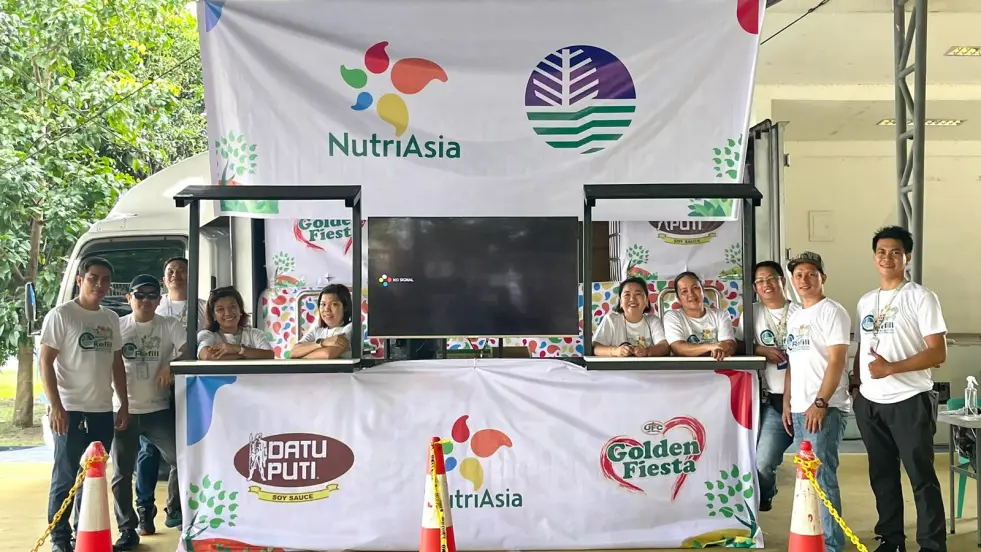
NutriAsia, the country’s top producer of condiments and sauces, continues its support of Refill Revolution; a project by the Department of Environment and Natural Resources EMB 3 that aims to help reduce Filipinos’ single-use plastics consumption. At Refill Revolution, residents get to recycle their single-use plastic bottles by reusing and filling it with their choice… Continue reading NutriAsia and DENR renews partnership for Refill Revolution

The best ways to treat and prevent diaper rash in tropical weather
Hot, humid weather can make a baby’s nappy area damp for longer, especially during naps, car trips and outdoor play. Sweat, urine, stool, friction and tightly fitted nappies may then irritate delicate skin. In Australia, this is particularly relevant for families in Darwin, Cairns, Townsville and other warm northern areas, although summer humidity can cause problems in Brisbane, Sydney and coastal communities too.
The good news is that most mild nappy rashes improve with simple, consistent care. Frequent changes, gentle cleaning, plenty of drying time and a suitable barrier cream can protect the skin. Knowing when a rash may be caused by yeast, infection or another skin condition also helps parents seek treatment promptly.
Why heat and humidity trigger nappy rash
A nappy creates a warm, enclosed environment. In tropical weather, perspiration adds extra moisture, while nappies can rub more against skin that is already soft and swollen from humidity. Prolonged contact with urine or bowel movements can damage the skin barrier and cause redness, soreness and small bumps.
Loose stools, frequent bowel movements and changes in diet can increase the risk. Antibiotics may also encourage yeast overgrowth, which often appears as a bright-red rash with clearly defined edges and small red spots around the main affected area. Fragranced wipes, soaps, bubble baths and laundry products can cause contact irritation in sensitive babies.
Disposable nappies are widely available throughout Australia, including supermarkets, pharmacies and major retailers, while cloth nappies remain popular with some families. The choice matters less than changing promptly, selecting the right size and ensuring the skin is properly dry before fastening a fresh nappy.
Recognising the type of rash
A mild irritant rash usually looks pink or red across the areas that touch the nappy. The skin may feel warm and tender, but the baby generally remains well. This kind of rash often responds within a day or two to more frequent changes, gentle washing and a protective ointment.
A yeast-related rash can be more stubborn. It may involve the creases of the groin and have small spots beyond the main red area. A pharmacist, maternal and child health nurse or GP can advise whether an antifungal treatment is appropriate. Do not use leftover prescription cream or combine several medicated products without professional guidance.
Seek medical advice if the rash includes blisters, pus, open sores, bleeding, spreading redness or yellow crusting. A fever, marked pain, poor feeding or unusual sleepiness also needs prompt assessment. Babies under three months with a fever require urgent medical advice, regardless of the appearance of the nappy rash.
A gentle nappy-changing routine
Change wet nappies regularly and as soon as possible after a bowel movement. In hot conditions, check more often than usual, particularly after feeds, naps, swimming and time spent in a pram or car seat. A night-time change may be needed if the nappy is very wet or the baby is prone to irritation.
Use lukewarm water and a soft cloth when the skin is sore. If wipes are more practical, choose fragrance-free, alcohol-free wipes designed for babies, and avoid vigorous rubbing. Lift away stool gently, paying attention to skin folds without scrubbing. Pat the area dry or allow a few minutes of air exposure before applying cream.
A thin layer of zinc oxide or petroleum-based barrier ointment can reduce contact with moisture. For an active rash, a slightly thicker protective coating may be useful, but it does not need to be completely removed at every change. Wipe away only the soiled surface and add more cream as needed.
Avoid talcum powder, cornflour and strongly scented products. Powder can become airborne and irritate a baby’s lungs, while starch-based powders may worsen some yeast rashes. Essential oils and homemade mixtures can also irritate broken skin or make it harder to identify the cause of a rash.
Choosing nappies and barrier products
A breathable, well-fitting nappy should sit securely without leaving deep marks around the waist or thighs. If leaks occur frequently, the size or shape may be wrong. A larger nappy is not always better: excess space can allow stool to spread across the skin, while a tight fit increases rubbing.
| Option | Potential benefit in warm weather | Points to consider |
|---|---|---|
| Disposable nappies | Convenient, absorbent and easy to change while travelling | Choose the right size; change promptly when wet or soiled |
| Cloth nappies | Can feel breathable and reduce reliance on single-use products | Require frequent changes, thorough washing and complete drying |
| Fragrance-free wipes | Practical for childcare, outings and night changes | Stop using them if stinging or redness develops |
| Water and soft cloth | Minimal ingredients and suitable for sensitive skin | Carry clean cloths and dry the skin carefully |
| Zinc oxide barrier cream | Forms a protective layer against moisture and friction | Thick residue can hide worsening redness; reapply after cleaning |
| Petroleum ointment | Simple moisture barrier and generally fragrance-free | May stain fabric and is not a treatment for yeast or bacterial infection |
Australia’s hot climate can make drying cloth nappies difficult during wet-season weather. A damp or incompletely washed nappy may retain irritants, so follow the manufacturer’s washing instructions and allow nappies to dry fully. For families using a local laundry service, confirm that fragrance-free products are available if the baby has sensitive skin.
Check the label before buying a baby skincare product. Under Australian consumer law, products must be safe and accurately described, while products making therapeutic claims may fall under different regulatory requirements overseen by the Therapeutic Goods Administration. A pharmacist can help distinguish a general barrier cream from a medicated treatment.
Giving the skin time to recover
Short periods without a nappy can help reduce moisture and friction. Place the baby on a washable towel or waterproof mat, keep the room comfortably warm and supervise closely. In humid places such as Darwin or Cairns, air movement from a fan can improve comfort, but direct strong airflow should not chill the baby.
Choose loose cotton clothing and avoid plastic bloomers or tight layers over the nappy. After swimming, remove wet swimwear promptly and rinse away chlorine or salt water. Dry carefully before putting on a clean nappy, since trapped moisture after a pool or beach visit can quickly aggravate an existing rash.
For babies who sleep for longer stretches, use a reliable absorbent nappy but avoid adding unapproved inserts or layers that make the fit tight. A breathable sheet protector can simplify changes without placing extra material directly against the skin.
Working with childcare and health professionals
Share your baby’s usual nappy-changing routine with childcare staff, including the products that cause irritation and any prescribed treatment. Australian early childhood services operate under the National Quality Framework, which includes expectations around children’s health, safety and hygienic care. Each service has its own procedures, so provide clearly labelled creams and written instructions where required.
Ask staff to record when a rash was noticed, how it looked and what was applied. This can reveal whether irritation follows long car journeys, particular wipes, overnight wear or bowel changes. Consistent information between home and childcare often prevents repeated exposure to the same trigger.
A GP or pharmacist should assess a rash that fails to improve after two or three days of careful home treatment, keeps returning or causes significant discomfort. In Australia, families can also contact Healthdirect on 1800 022 222 for health advice. A professional may recommend a short course of antifungal or other treatment after checking the skin.
Building a humid-weather nappy plan
Keep a small nappy-care kit in the nappy bag: spare nappies, fragrance-free wipes or cloths, barrier ointment, a change of clothing and a washable mat. In Queensland and the Northern Territory, heat can build rapidly inside parked cars, so never leave a baby unattended while gathering supplies or completing an errand.
During hot days, plan changes before and after outings rather than waiting for a leak or obvious discomfort. At home, keep the changing area clean and well ventilated. A cooler room, lightweight clothing and regular fluids appropriate for the baby’s age can support general comfort, while breastfed babies should continue feeding as usual.
Prevention works best as a routine rather than a single product. Check the skin at each change, respond quickly to wetness or stool, keep cleansing gentle and use a simple barrier when needed. With careful observation, most heat-related nappy irritation settles before it becomes a larger problem.

Mercato Centrale, in collaboration with Indian Women in Enterprise Philippines (I-We), is set to host "The Great Indian Fiesta" to mark 75 years of friendship between India and the Philippines. The dynamic two-day event is scheduled to take place on September 30 to October 1, 2023, at Paseo De Roxas Street, Makati City. Aiming to… Continue reading Mercato Centrale Partners with I-We to Host ‘The Great Indian Fiesta’, Commemorating 75 Years of India-Philippines Friendship

My stomach would usually start growling at 10 am even after taking a big breakfast. This is probably because I am a morning person and I move a lot throughout the day hence snacking is something that I can't avoid. This potatoes and chicken wrap recipe is easy to prepare and would keep me full… Continue reading Potato and Chicken Wrap
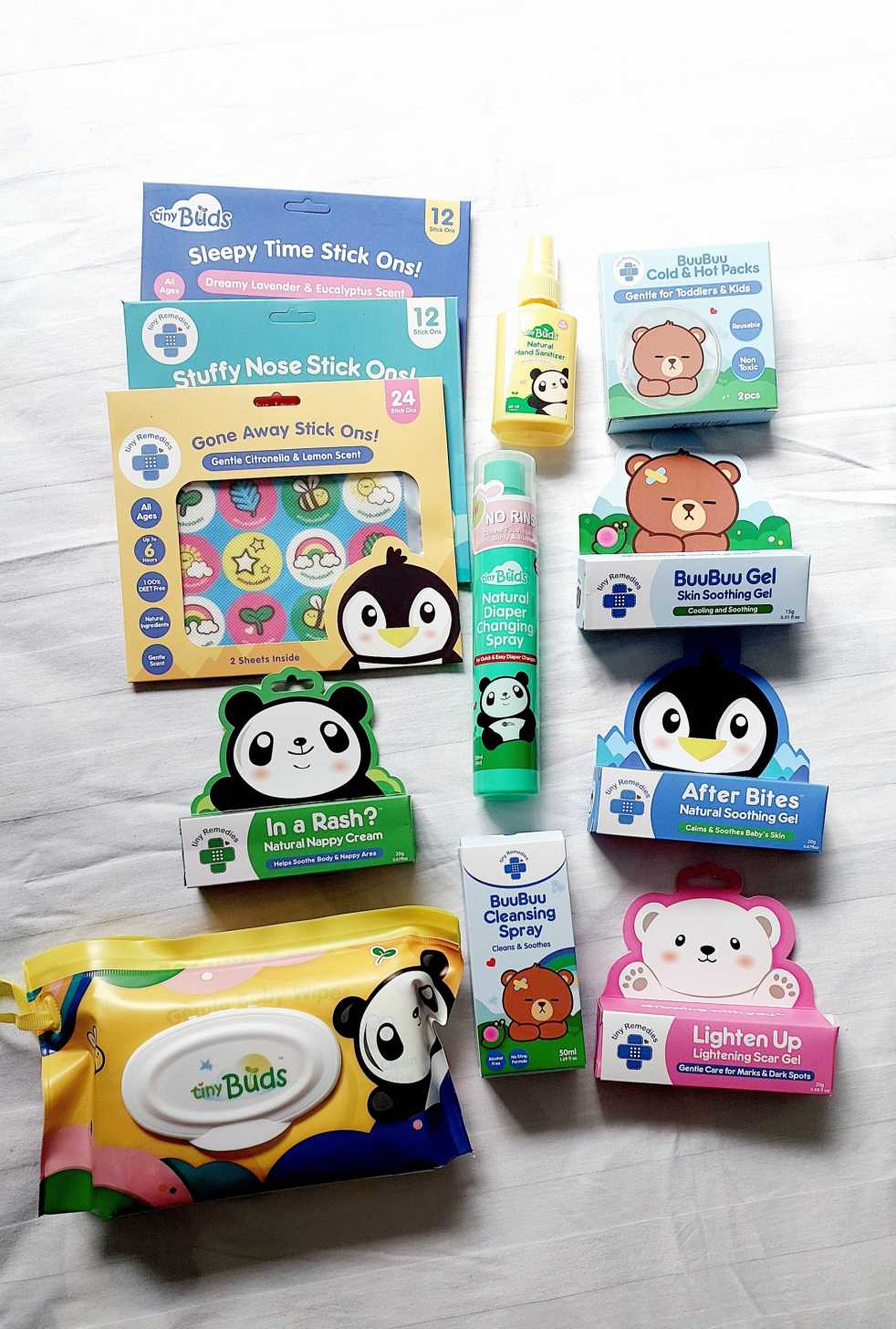
Your baby’s skin is more delicate than most, this is why you have to choose products that are designed for sensitive skin. Tiny Buds is a pioneer in integrating natural ingredients into baby care and today has over 50 innovative natural baby care essentials and is one of the Top Baby Personal Care brands. Here… Continue reading Product Review: Tiny Buds Baby Naturals Baby Essentials
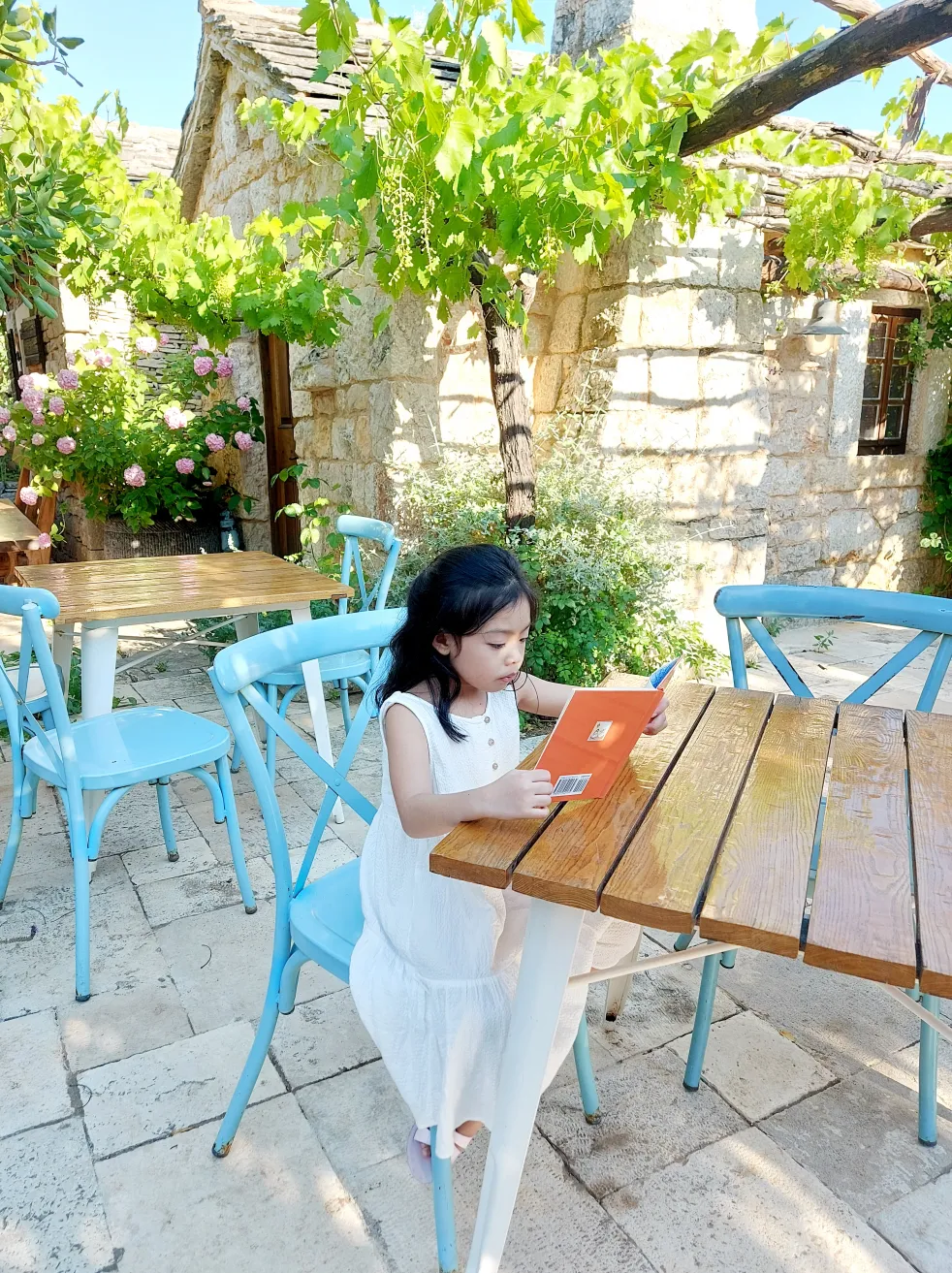
Where your child goes to school is a big decision and shouldn’t be taken lightly. Given how their education can impact their future, you might be tempted to take control and decide for them. However, you might be doing more damage than helping them in the long run. Your job as parents is to support… Continue reading HOW TO CHOOSE THE BEST SCHOOL FOR YOUR CHILD
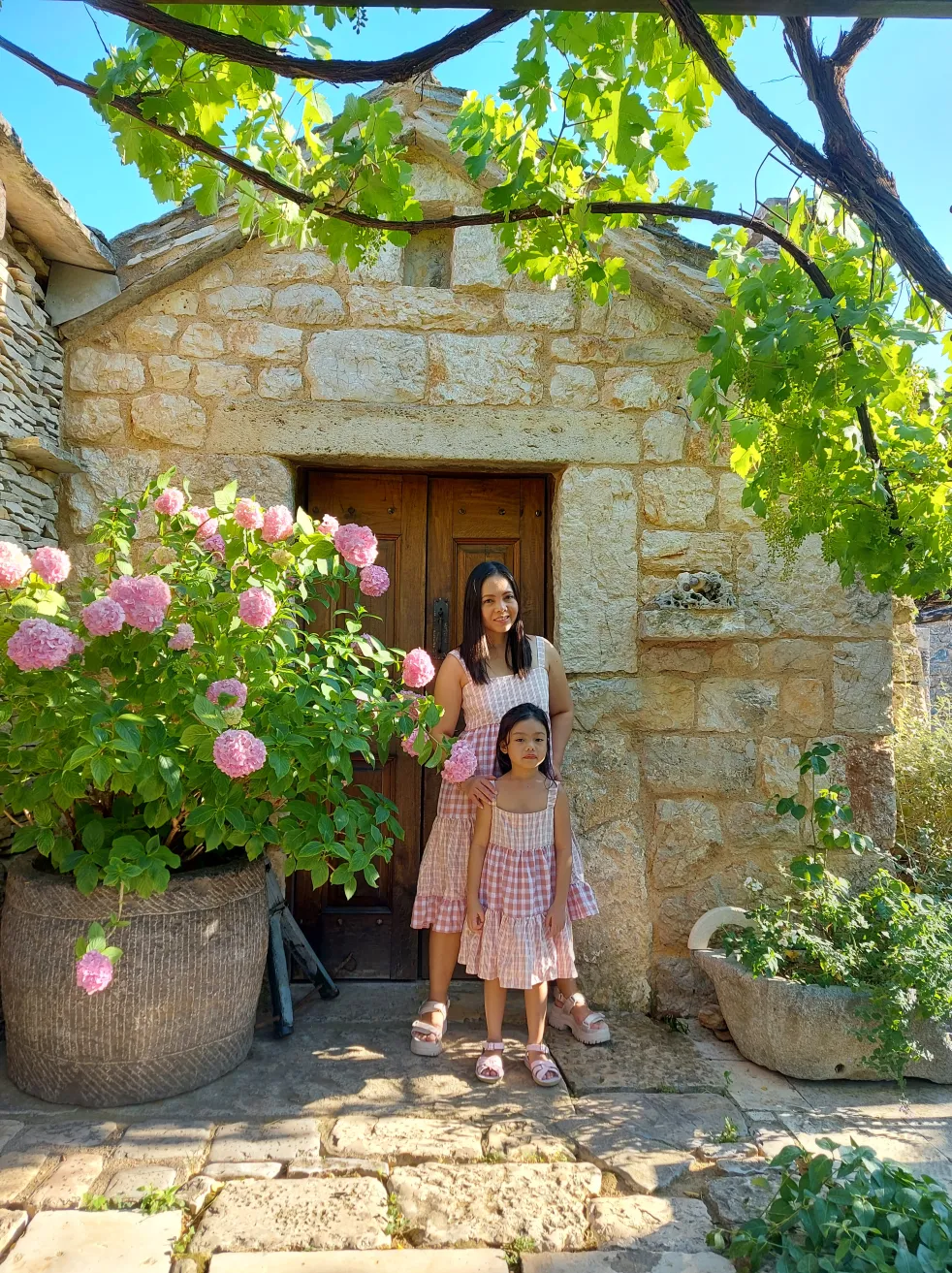
As poet and philosopher Rumi once eloquently said, “raise your words, not your voice. It is rain that grows flowers, not thunder.” Parenting is a challenging journey, and the truth is that nobody has everything figured out. One parenting style might suit others best, and some might favor other methods. However, children respond better to… Continue reading A SIMPLE GUIDE TO GENTLE PARENTING
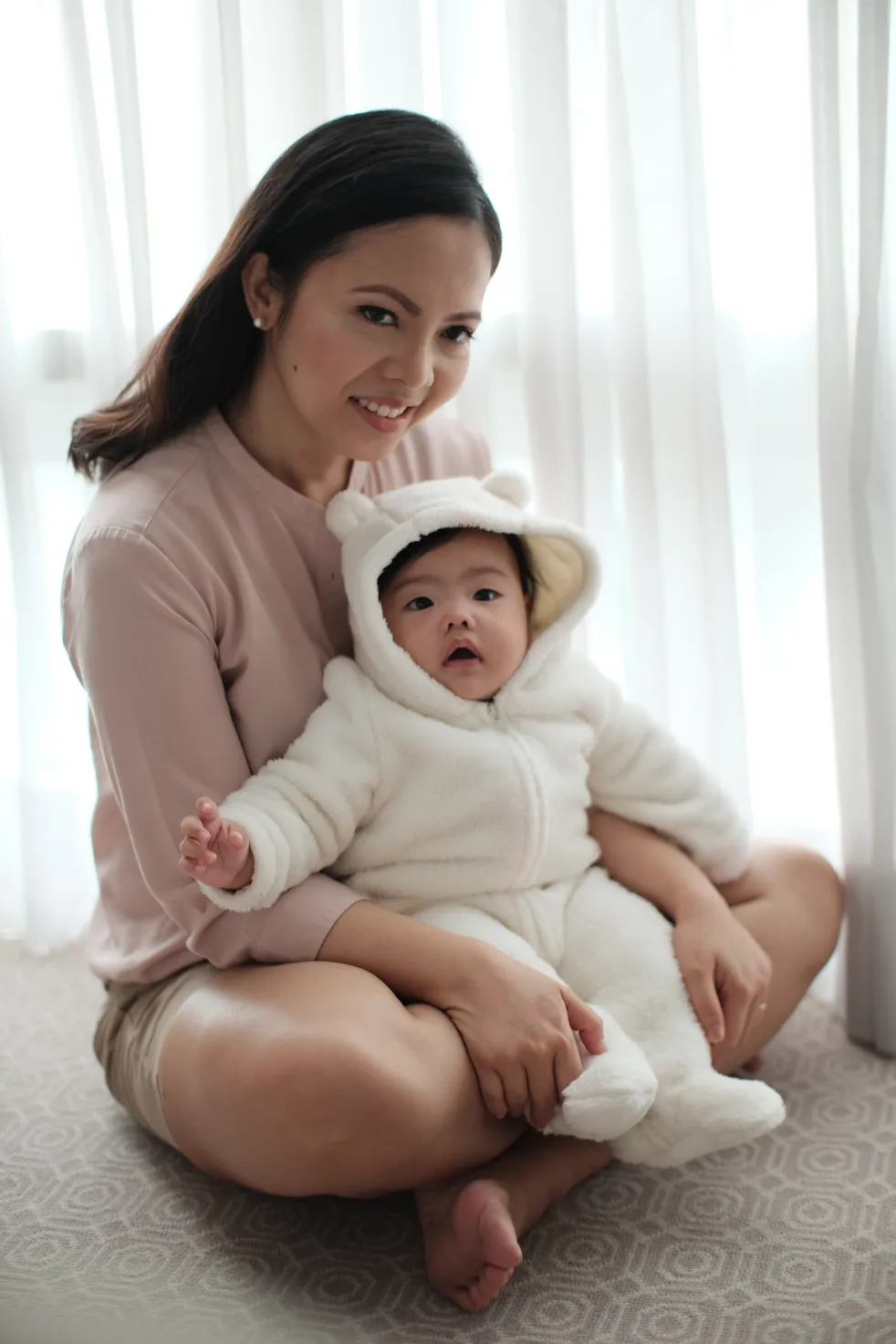
Whether you’re a new mom to be, mom of a toddler, mom who have school-aged kids, you’re bound to have so many questions. Let's start with your baby's skin. Infant skin has unique needs; gentle care is essential to prevent damage to the skin barrier, which can lead to irritation. When caring for infant skin,… Continue reading Keeping Baby’s Diapered Skin Healthy
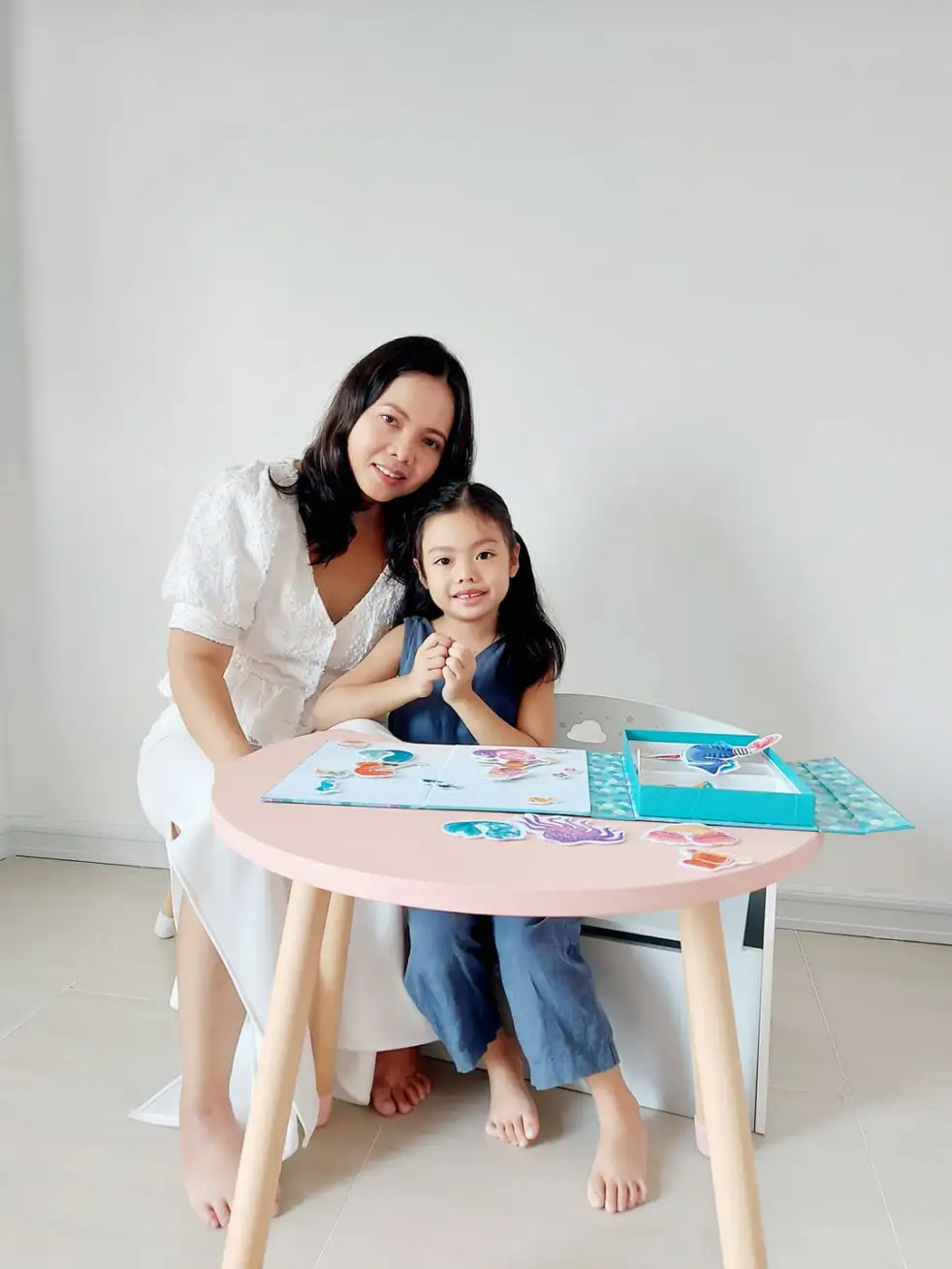
As parents, we want to give our child the best possible start in life and that begins with nurturing their intelligence. Throughout history, the notion of success has been linked to academic intelligence. However, there has been an increased awareness on the importance of emotional intelligence. This question gets at the heart of the never-ending… Continue reading IQ or EQ, which one is a better predictor of your child’s success?
 wondermomma.net